REVIEW · POMPEI CAMPANIA
Pompeii & Herculaneum Tour with an archeologist
Book on GetYourGuide →Operated by Around Amalfi Coast · Bookable on GetYourGuide
Two cities. One eruption.
This Pompeii and Herculaneum tour is interesting because you don’t just walk ruins—you get an archaeologist guiding the comparison between the two towns under the same disaster. What I love most is the focus on Pompeii’s public core, starting at the Forum, then moving through the street web. I also love how Herculaneum feels more intact, with surviving upper floors, mosaics, and even charred furniture that still looks shockingly usable.
One thing to plan for: entry tickets are not included in the price. At this level, it’s a cost you’ll want to budget for up front, and it can feel like a surprise if you’re assuming admission is bundled. (Also note the first Sunday of each month can be free, but you cannot reserve entry ahead of time, so you’ll want flexibility.)
In This Review
- Key Highlights You’ll Actually Care About
- How This 5-Hour Pompeii and Herculaneum Tour Works
- Starting At Pompeii’s Forum: Where the City’s Engine Ran
- Pompeii on Foot: Reading the Streets Like a City
- Why the Vesuvius Impact Looks Different in Each City
- Herculaneum’s “Jewel” Feeling: Smaller, More Personal, More Preserved
- Casa del Salone Nero and Casa Sannitica: Details That Survive
- Herculaneum Mosaics and Charred Furniture: What You’ll Learn to Notice
- Thermal Baths in Herculaneum: Leisure and Daily Rituals
- The Guide Really Makes It: What Worked in Real Experiences
- Skip-The-Line Entry vs. The Entry Ticket Reality
- Pickup and Drop-Off: One Detail to Confirm Before You Go
- Accessibility and Pacing: Can You Do This Route Comfortably?
- Price and Value for a Group of Up to 8
- Who This Tour Fits Best (And Who Might Want Something Else)
- Should You Book This Pompeii and Herculaneum Archaeologist Tour?
- FAQ
- How long is the Pompeii and Herculaneum tour with an archaeologist?
- What language is the tour in?
- Is skip-the-line entry included?
- Are entry tickets included in the price?
- How big is the group?
- Is the tour wheelchair accessible?
- Is entrance free on the first Sunday of each month?
- What’s the cancellation policy?
Key Highlights You’ll Actually Care About
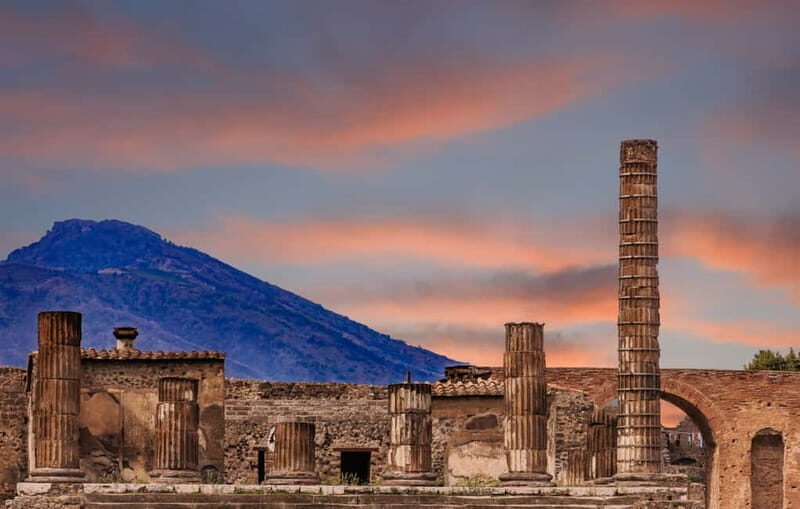
- Forum-first orientation: you start where Pompeii ran on power, trade, and politics
- A real compare-and-contrast with an archaeologist guide explaining how Vesuvius affected each city
- Herculaneum’s better preservation: upper floors and details survive in a way Pompeii often doesn’t
- Mosaics and furniture you can still picture living with
- Small group size (up to 8) for better questions and pacing
- Skip-the-line entry via a separate entrance to save time in busy hours
How This 5-Hour Pompeii and Herculaneum Tour Works
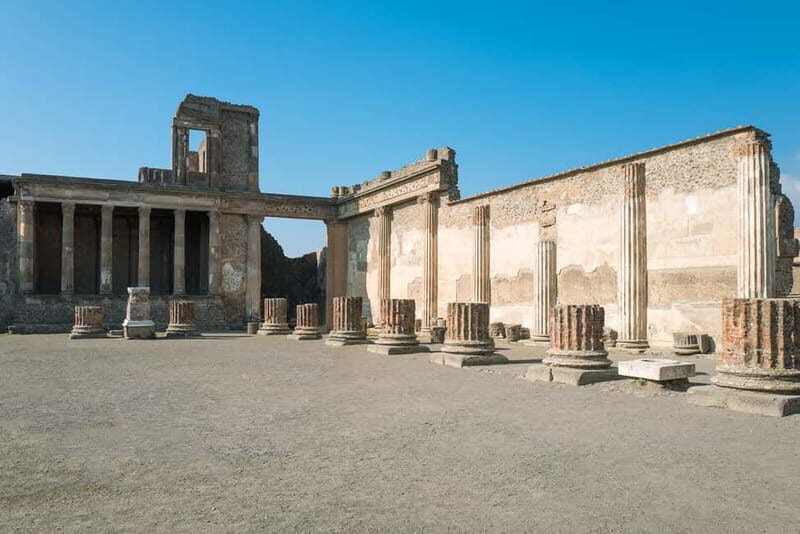
This is a 5-hour outing with a specialized archaeologist guide in English, capped at a small group of up to 8 people. That small size matters here because Pompeii and Herculaneum can feel like two huge scavenger hunts if you’re on your own. With a guide, you’re not just looking—you’re getting “what you’re seeing and why it matters.”
The rhythm is simple: you begin in Pompeii, then shift to Herculaneum. The pacing is built for walking and focused stops rather than a sprint through random highlights. You’ll also be back at the meeting point by the end, so the day doesn’t eat your whole afternoon.
One practical note: the meeting point is Coffee Shop Vittoria, and the tour ends back there. So plan your transportation and timing around that anchor.
You can also read our reviews of more tours and experiences in Pompei Campania.



Starting At Pompeii’s Forum: Where the City’s Engine Ran
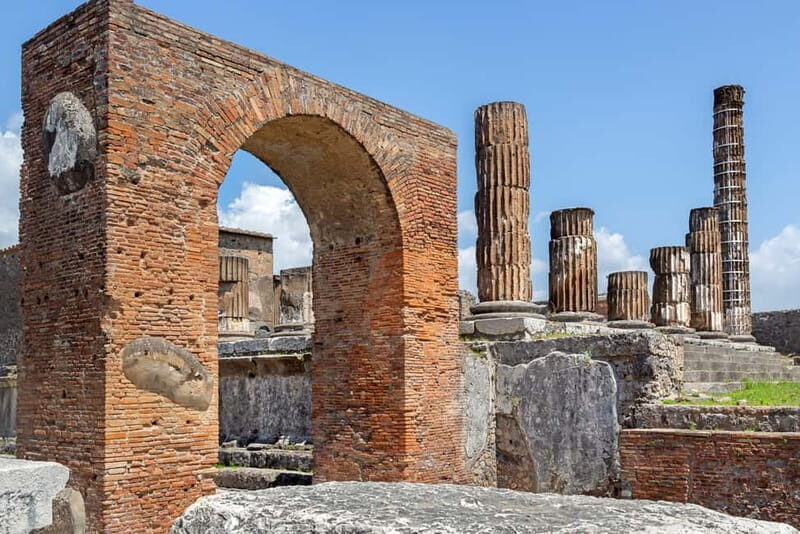
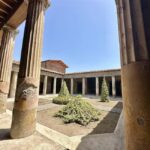
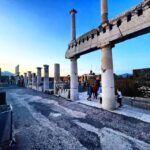
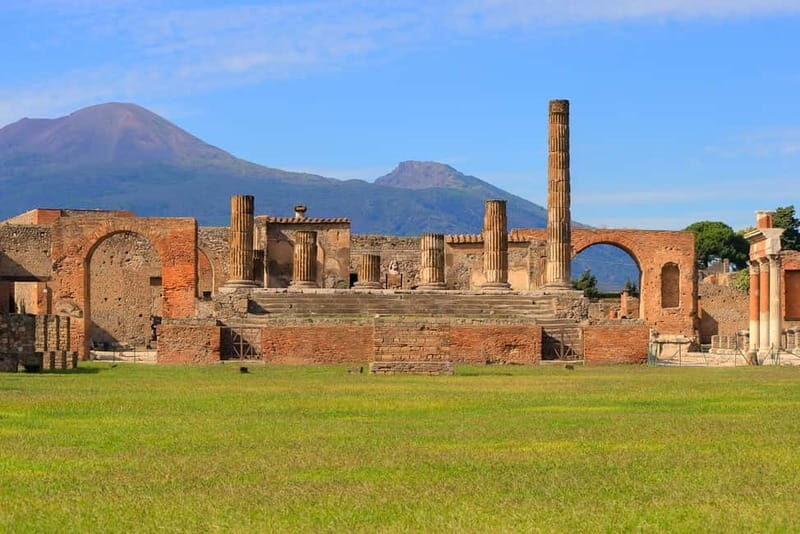
The tour begins in Pompeii with a visit to the Forum, described as the center of the city’s political and commercial life. That start is smart. Pompeii isn’t just streets and columns—its Forum is where public decisions happened and where trade and attention gathered.
From the Forum, you’ll move into the dense network of streets. This part is where a guide pays off fast. Pompeii can look like “ruins on ruins” until someone helps you read the city layout: where people would have moved, how neighborhoods linked up, and how public spaces contrasted with everyday life.
I like that the Forum-first approach gives you a mental map early. When you later see the more domestic feel in Herculaneum, you understand what changed—from public spectacle and commerce in Pompeii to the sea-view leisure lifestyle in Herculaneum.
Pompeii on Foot: Reading the Streets Like a City
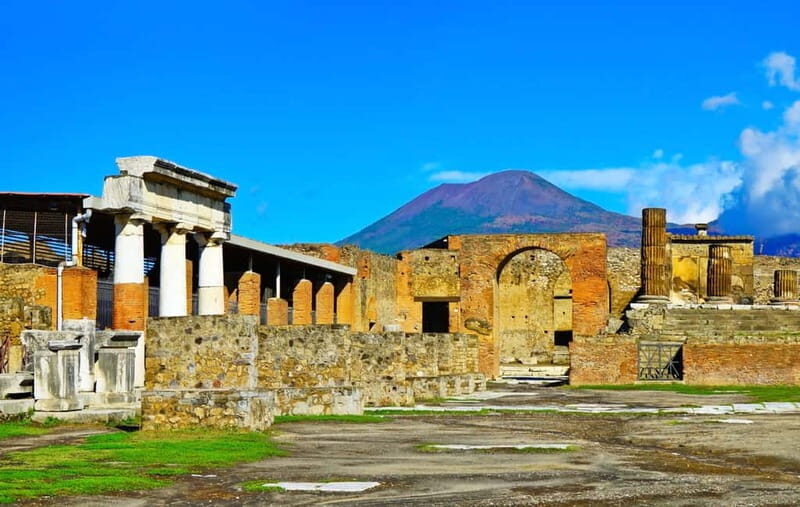
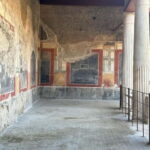
After the Forum, the walking continues through Pompeii’s street grid. This is not just a scenic stroll. The goal is to help you connect buildings to how people actually used them.
You’ll likely notice how Pompeii’s layout pushes movement through tight paths and intersections. That’s the kind of detail that’s easy to miss without context. With an archaeologist guide, you learn to see how the city functioned in daily life—how neighborhoods held routine, while the Forum held the loud public face.
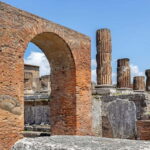
And yes, Pompeii is beautiful in a way that surprises people. The stones, the archways, the surviving door frames and street texture all add up. But beauty becomes real when you understand what the spaces were for.
Why the Vesuvius Impact Looks Different in Each City
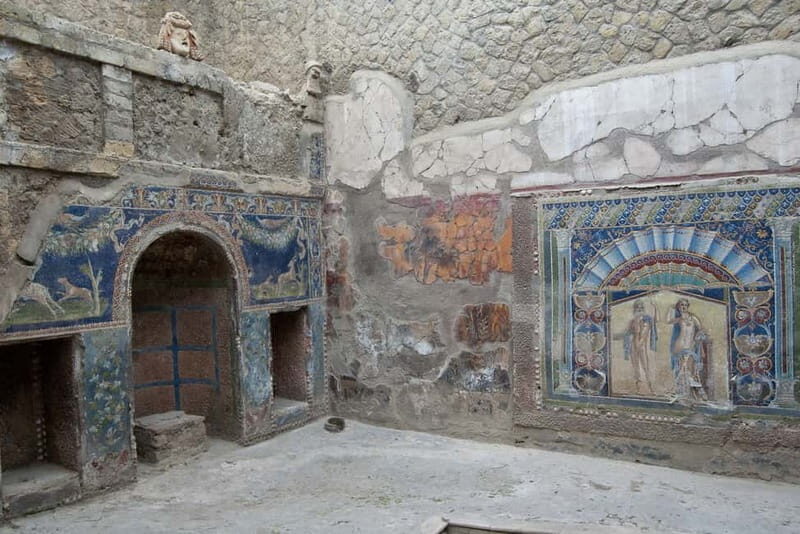
Here’s the key idea your guide keeps returning to: Vesuvius buried both cities in AD 79, but the damage wasn’t the same. That difference is the spine of the whole tour.
Pompeii is impressive, but it often feels more broken and emptied out. Herculaneum, by contrast, tends to hold on to more details. Your guide uses these contrasts to explain what you’re seeing—why some structures appear more complete and why certain interior elements survived better.
If you only know Pompeii as the “big famous one,” this is where your understanding shifts. You start thinking like an archaeologist: not just what happened, but what conditions allowed certain parts of daily life to stay recognizable.
Herculaneum’s “Jewel” Feeling: Smaller, More Personal, More Preserved
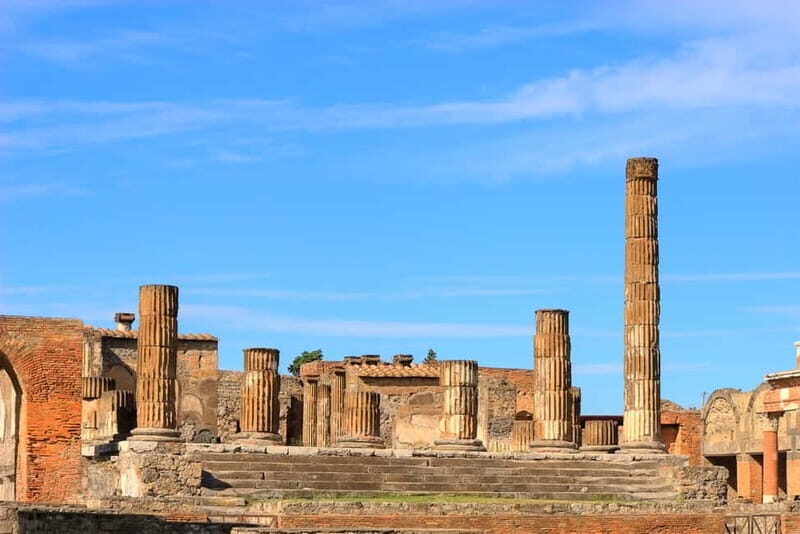
When you head to Herculaneum, the atmosphere changes. The tour frames it as a town that overlooked the sea—almost a holiday retreat for wealthy Romans. That matters because it changes what you’re looking at.
In Herculaneum, you’re not hunting for the biggest monument as much as you’re studying how upper-class people lived: homes, decorative floors, and spaces that feel closer to a snapshot of daily life. Your guide spells out those differences and similarities, so you don’t just compare “ruins,” you compare lifestyles.
This is also where the tour earns its reputation for awe. Herculaneum’s preservation is described as stronger than Pompeii’s. You can see upper floors remaining standing in places, and that makes the whole town feel more legible.




Casa del Salone Nero and Casa Sannitica: Details That Survive
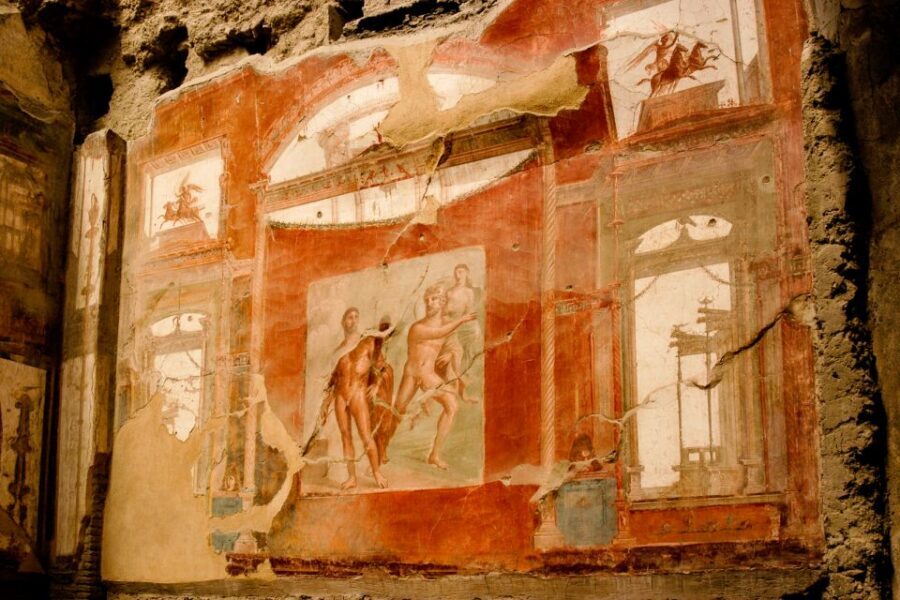
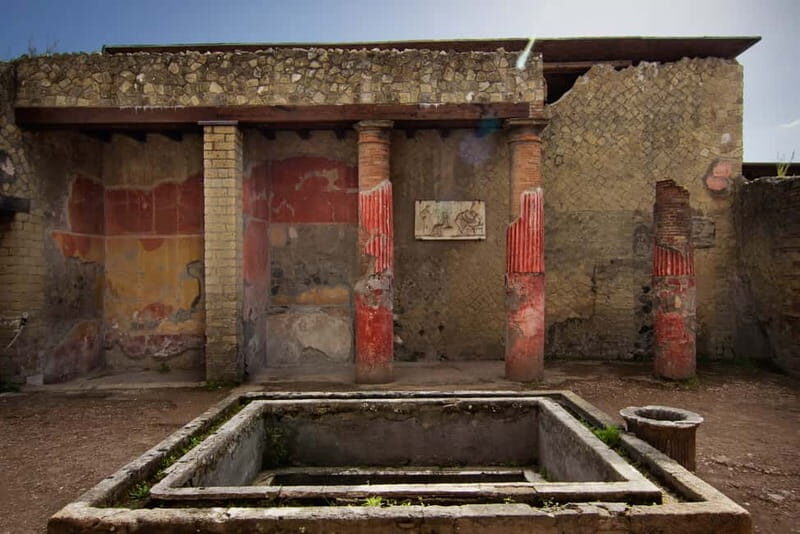
Two specific house stops come up in the tour: Casa del Salone Nero and Casa Sannitica. These aren’t just names to memorize. They’re examples of the kind of preservation that makes Herculaneum so memorable.
At these houses, you’re looking for signs that life continued in rooms that still show structure above ground. The tour also highlights surviving elements like mosaics and furnishings. The furniture can be charred, but extraordinarily intact, which is the strange part: it looks like the room still has a heartbeat.
I found the effect is less about horror and more about human presence. You start imagining the room before the eruption—not as an abstract story, but as a physical space.
Herculaneum Mosaics and Charred Furniture: What You’ll Learn to Notice
The tour doesn’t treat mosaics as just decoration. It’s a chance to see how high-status homes used surface design and craftsmanship to show taste and wealth.
And then there’s the furniture. The description says charred but extraordinarily intact pieces remain. That’s a big deal because it changes what archaeology can tell you. If objects survive, you learn more about placement, use, and everyday routines than you can from walls alone.
This is one of the most highly praised parts of the experience because it turns ruins into recognizable rooms. You’re not only looking at a building—you’re looking at what once filled it.
Thermal Baths in Herculaneum: Leisure and Daily Rituals
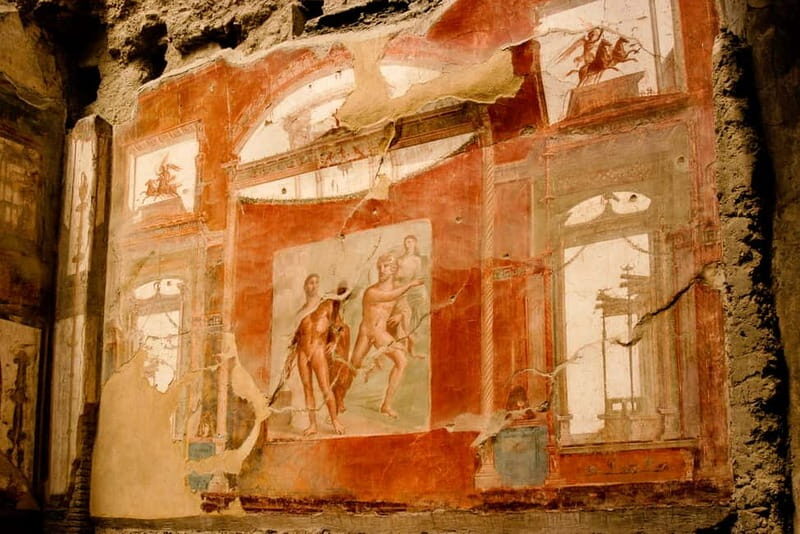
Another key stop is the thermal baths. This section is where the tour feels especially practical, because it gives you a window into bathing culture—how people relaxed, socialized, and handled routine.
The tour also focuses on fine decorations perfectly preserved at the baths. That matters because bathrooms and bathing spaces are rarely thought of as “big tourist stops” until you realize they were full of design and social meaning.
If you’ve ever wondered why Romans spent so much time in public or semi-public bathing spaces, this is where you’ll get clarity. It’s not just hygiene—it’s a social ritual.
The Guide Really Makes It: What Worked in Real Experiences
The best reviews line up on one big theme: the guide. People reported that the archaeologist can masterfully guide you through the sites and make history feel alive, not like a textbook. One review specifically mentioned Maria, describing her as really great and with perfect knowledge of the places.
That’s exactly what you want from an archaeologist on this route. Pompeii and Herculaneum are too large to “wing it,” and too full of details to ignore. When the guide is clear and confident, you know where to look and what each stop is telling you.
Also, because the group is small, the experience doesn’t feel like you’re part of a herd. It’s easier to keep up, and you’re more likely to ask questions if something clicks.
Skip-The-Line Entry vs. The Entry Ticket Reality
You’ll get skip-the-line access through a separate entrance, which helps a lot in peak conditions. That’s real value because waiting while your group stands around is the least interesting part of any archaeological day.
But do not assume admission tickets are included. Entry tickets are listed as not included. So budget for them before you go, and check the ticket situation so you don’t feel blindsided on the day.
There’s also a special first Sunday of each month rule: entrance is free, but tickets can’t be reserved ahead, so entry isn’t guaranteed. If you love the idea of free admission, plan your schedule with flexibility.
Pickup and Drop-Off: One Detail to Confirm Before You Go
The information provided is a bit contradictory about pickup and drop-off. It lists pick up and drop off under Included, while also listing pickup and drop-off under Not Included.
Because that affects your day plan, I’d confirm pickup/drop-off details directly with the provider once you book. If pickup isn’t offered, the meeting point is Coffee Shop Vittoria, and you’ll want to be there on time.
Accessibility and Pacing: Can You Do This Route Comfortably?
The tour is listed as wheelchair accessible. Since you’re walking through two major archaeological sites, it’s still smart to think about stamina and uneven surfaces. You can’t assume every path is the same as a museum hallway.
The good news is the format is a guided, paced route for a 5-hour visit, not an all-day marathon. That pacing is exactly what helps many people stay comfortable and keep up with the story.
Price and Value for a Group of Up to 8
The price is listed as $993.72 per group up to 8, with a 5-hour duration. That sounds high at first glance until you break down what you’re actually paying for:
- You’re paying for a specialist archaeologist guide, not a general sightseeing host
- You’re paying for small-group learning, capped at 8
- You’re getting skip-the-line entry access
- You’re covering a full comparison between Pompeii and Herculaneum, including specific home and bath stops
If you’re traveling solo, it can be harder to justify the per-person cost unless you’re confident you’ll want the guidance. If you’re traveling with others—especially a small group—the value often feels more balanced because the guide is shared and the experience is tighter.
For couples or small friends groups, this is one of those tours where “splitting the cost” can turn an expensive day into a memorable one with real context.
Who This Tour Fits Best (And Who Might Want Something Else)
This tour fits best if you:
- care about understanding what you’re seeing, not just taking photos
- want a structured comparison between Pompeii and Herculaneum
- like smaller groups and clearer explanations from an archaeologist
- enjoy mosaics, house interiors, and everyday-life details as much as big monuments
It might be less ideal if you:
- hate paying extra for entry tickets at the last minute
- prefer completely free-roaming time with no set route
- want more time in Pompeii than in Herculaneum, since the experience is explicitly designed to cover both
Should You Book This Pompeii and Herculaneum Archaeologist Tour?
Yes, I’d book it if you want guided clarity and you’re okay budgeting for entry tickets separately. The strongest reason is the guide impact: people praise the way the explanations make history feel real, and that’s exactly what you need for two complex sites in one afternoon.
I’d also book if you’re the type who notices details—mosaics, bath decorations, and the way certain parts of Herculaneum stayed standing. That’s where the tour’s promise shows up, and it’s why Herculaneum can feel so personal.
Just do one thing before you go: confirm your entry ticket plan and double-check the pickup/drop-off situation. Once those are sorted, you’ll get a focused, small-group route that helps you understand why AD 79 didn’t hit Pompeii and Herculaneum the same way.
FAQ
How long is the Pompeii and Herculaneum tour with an archaeologist?
The duration is 5 hours.
What language is the tour in?
The tour is in English.
Is skip-the-line entry included?
Yes. You get skip-the-line entry through a separate entrance.
Are entry tickets included in the price?
No. Entry tickets are not included.
How big is the group?
It’s a small group limited to 8 participants.
Is the tour wheelchair accessible?
Yes, it is listed as wheelchair accessible.
Is entrance free on the first Sunday of each month?
Entrance can be free on the first Sunday of each month, but because tickets can’t be reserved ahead of time, entry is not guaranteed.
What’s the cancellation policy?
Free cancellation is available up to 24 hours in advance for a full refund.