REVIEW · POMPEI CAMPANIA
Pompei and Herculaneum: Skip the Line Entry + Audioguide
Book on GetYourGuide →Operated by Pompeii Apartments · Bookable on GetYourGuide
Pompeii and Herculaneum make one perfect day plan. What makes this experience interesting is that you get skip-the-line access plus official audioguides you can use at a self-guided pace, so you control how fast you move. I like the fact that you can start at Pompeii or Herculaneum, not just one fixed order, and that helps you match the day to your energy level.
My favorite part is the way the audioguides are set up for the parks themselves, with explanations tied to on-site numbering so you’re not guessing what you’re looking at. One real consideration: Pompeii entry depends on following the exact voucher exchange steps and then using the dedicated entrance lane—if you skip that, you can get stuck at the wrong door.
In This Review
- Key things to know before you go
- Two UNESCO sites, one self-guided day that actually feels doable
- How skip-the-line entry works: Porta Marina Inferiore vs the Herculaneum audioguide desk
- Pompeii: exchange first, then use the dedicated lane
- Herculaneum: collect the audioguide at the park entrance
- Official audioguides: how to use them without wasting time
- Pompeii opening hours and what to focus on in your first stop
- Herculaneum’s preserved details: why this site feels different
- Traveling between Pompeii and Herculaneum: the Circumvesuviana approach
- What 7 hours feels like in real life (and how to not burn out)
- The $100 price: does it make sense for what you’re getting
- Who this fits best (and who should choose something else)
- A realistic checklist so your day goes smoothly
- Should you book this Pompeii and Herculaneum skip-the-line audioguide?
- FAQ
- How long is the Pompeii and Herculaneum experience?
- Where do I pick up the audioguide in Herculaneum?
- Where do I exchange my voucher for Pompeii?
- Do I need transportation between Pompeii and Herculaneum?
- Are audioguides included, and what languages are they in?
- Do I need to bring headphones?
- What do I need to bring for entry?
- Is there an ID deposit for the audioguides?
- What is not included in the price?
- Is this experience wheelchair-accessible?
Key things to know before you go
- You choose your starting site: begin at Pompeii or Herculaneum, then do the other one later.
- Audioguides are authorized by the parks: you’ll hear explanations using numbers on the device.
- Pompeii needs a voucher exchange first: you pick up the entry access at a partner office before going to Porta Marina Inferiore.
- Herculaneum is simpler for pickup: you collect your device at the audioguide desk inside the park entrance.
- Transportation is on you: you’ll use the Circumvesuviana train between sites; tickets aren’t included.
Two UNESCO sites, one self-guided day that actually feels doable
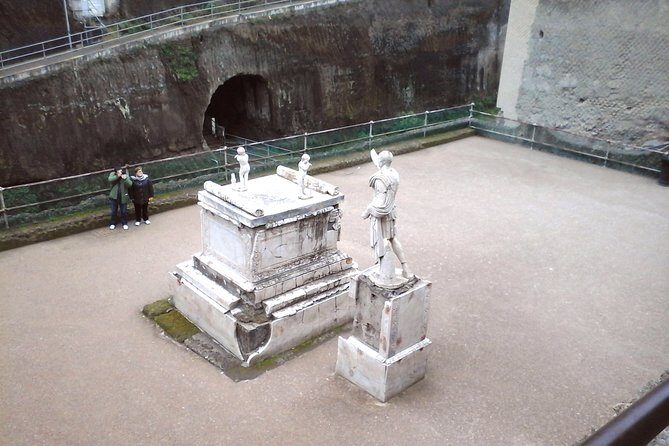
If you’re spending time in Campania, Pompeii and Herculaneum are the kind of ruins you feel in your bones. Pompeii shows the city as it was in everyday life—streets, villas, and forum areas—then freezes it in time. Herculaneum, by contrast, is famous for how well so many structures and decorations survived under volcanic material for centuries, including houses with mosaics and frescoes, plus the wooden elements you simply don’t see in most major Roman sites.
The big value here is not a scripted group march. This is built for you and your pace, with an audioguide so you can stop, look longer, and still keep moving when you’re ready. With a total duration of about 7 hours, you’re not trying to see everything on earth—you’re trying to see the right things without burning the day.
You can also read our reviews of more tours and experiences in Pompei Campania


How skip-the-line entry works: Porta Marina Inferiore vs the Herculaneum audioguide desk
Skip-the-line can mean different things in Italy, so I pay attention to the mechanics. Here, your access is tied to the parks’ designated entry setup and your audio device collection.
Pompeii: exchange first, then use the dedicated lane
For Pompeii, you don’t just show a voucher and walk in. You first exchange your voucher at the partner office at Villa dei Misteri 1 (first floor of the Circumvesuviana train station), where the name shown is Tempio Travel. Only after that do you go to the dedicated access at Porta Marina Inferiore, located in Piazza Esedra, and enter via that specific line.
Why this matters: Pompeii has multiple entrances, and you want to be standing in the correct place for your access. If you wander into the wrong line with the wrong paperwork, you can lose time fast.
Herculaneum: collect the audioguide at the park entrance
For Herculaneum, the starting point is straightforward. Go to the entrance of the Archaeological Park of Herculaneum and look for the Audioguide Desk. Staff there will hand over your device after you show your reservation confirmation.
If you’re the type of traveler who likes a clean, simple first step, Herculaneum’s pickup is a relief.
Official audioguides: how to use them without wasting time
You get audioguide devices for both sites, and they’re the only ones authorized for tour operators by the Pompeii Archaeological Park. That language is worth taking seriously because it usually means the device is tied to current on-site explanations, not a generic audio track.
A few practical points that help on the ground:
- The device gives you explanations using numbers on the unit, so you can match what you’re seeing with the narration.
- You can listen hands-free or with standard jack headphones, but headphones are not included.
- A valid ID is required as a deposit, and it’s returned when you hand the device back.
Also, keep your eyes on the clock. The devices must be returned before the office closes, following the parks’ schedule.




Pompeii opening hours and what to focus on in your first stop
Pompeii’s hours change by season:
- Oct 15 – Mar 15: 09:00–17:00 (last entry 15:30)
- Mar 16 – Oct 15: 09:00–19:00 (last entry 17:30)
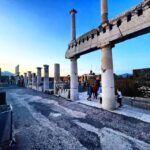
When you arrive at Pompeii via Porta Marina Inferiore, you’ll quickly realize the site is large. So I recommend using the audioguide as your steering wheel, not as background noise. You’ll get the most satisfaction when you stop where the device prompts you and connect the story to the specific building, street corner, or public space you’re standing in.
From what this experience is built around, Pompeii is your chance to see:
- Streets and everyday urban layout
- Villas and residential design
- Public areas like forum spaces
Even if you don’t go in “chronological order,” the audioguide helps you build a mental map instead of collecting random photos.
Herculaneum’s preserved details: why this site feels different
Herculaneum’s hours are:
- Oct 15 – Mar 15: 09:00–17:00 (last entry 15:30)
- Mar 16 – Oct 14: 09:00–19:00 (last entry 17:30)
If Pompeii often feels like a city you’re walking through, Herculaneum feels like someone carefully froze daily life and left it waiting. This is the place to pay attention to the surfaces and interior-style details mentioned in your audioguide experience: houses, mosaics, frescoes, and wooden structures.
This is also where your 7-hour plan can pay off. If you spend too long at just one site, you end up rushing the second. By pairing them, you get contrast:
- Pompeii: the city-scale sense of streets and civic life
- Herculaneum: the up-close textures and preservation that make ancient Romans feel immediate
Traveling between Pompeii and Herculaneum: the Circumvesuviana approach
You’ll handle transportation yourself. The good news is that the area’s rail connection is simple.
The experience recommends the Circumvesuviana train, which connects:
- Pompei Scavi Villa dei Misteri and
- Ercolano Scavi
Often there’s a change at Torre Annunziata. You’ll need to buy train tickets separately.
Practical tip: build slack into your schedule. Trains work well for day-trips, but you don’t want to feel glued to a timetable—especially when you’re returning audioguide devices before the office closes. If you’re running late, the second park can feel stressful fast.
What 7 hours feels like in real life (and how to not burn out)
Seven hours sounds generous until you picture it: two UNESCO sites, independent pacing, and train travel in between.
Here’s how to make it feel pleasant instead of rushed:
- Choose your priority first. If you love architecture and street layout, lean more time into Pompeii. If you want visual detail in houses and decorations, give Herculaneum a heavier share.
- Use short “audio sessions.” Listen, then pause to look without the device talking over you.
- Don’t plan to cover every corner. With both sites in one day, you’re aiming for meaningful focus, not a checklist.
Also, bring comfortable shoes. These are ancient, uneven walking surfaces. Good footwear is not a luxury here—it’s the difference between enjoying the day and counting blisters by hour three.
The $100 price: does it make sense for what you’re getting
At $100 per person for about 7 hours, this package looks straightforward: you’re paying for two things you’d otherwise have to assemble on your own:
- Skip-the-line entry tickets for both Pompeii and Herculaneum (called artecards in the materials)
- Authorized audioguide devices for both parks
You’re also getting a couple of convenience items included:
- a site map
- multilingual assistance at the Pompeii office
- dedicated access at Porta Marina Inferiore for Pompeii
- the ability to start at either site
Not included is important. Transportation between the sites isn’t included, and food and drinks aren’t included. You also need jack headphones if you want them.
One more cost-related note: it says Entrance ticket Plus for Pompeii is not included. If you know you need that specific upgrade for your plans, you’ll need to arrange it separately.
So for many people, the value is the combination: two skip-entry tickets plus official audio in one flexible format. If you’d otherwise pay for audioguides at each site and risk losing time in ticket lines, this price becomes easier to justify.
Who this fits best (and who should choose something else)
This is a good match if you:
- want independence rather than a fixed group pace
- like history told through on-site, building-specific context
- can handle stairs and uneven ground comfortably
It’s not suitable if:
- you use a wheelchair
- you’re over 95 years
- you have hearing impairment (the materials state it’s not suitable)
If you want a fully guided experience with an expert human explaining everything face-to-face, this may feel too self-directed. On the other hand, if you enjoy learning as you go and prefer control over timing, this format is a strong fit.
A realistic checklist so your day goes smoothly
Before you head out, make sure you can tick off the details that matter most:
- Bring a passport or ID card. You need ID as a deposit for the audioguide devices.
- Wear comfortable shoes. Pompeii and Herculaneum are hard on feet even on good days.
- Don’t forget jack headphones if you plan to use them.
- For Pompeii, exchange your voucher at Tempio Travel in the Circumvesuviana station area (Villa dei Misteri 1, first floor) before going to Porta Marina Inferiore.
- For Herculaneum, go straight to the park entrance’s Audioguide Desk to pick up your device.
- Plan for the possibility of returning devices before the office closes, following the park schedule.
One extra practical note: if it’s open and available, you may get a chance at free parking at Osteria Nonna Cherubina (Via Andolfi 46, 80045 Pompei), mentioned as starting 01/04, and noted as not gated. Don’t count on it—just treat it as a bonus if you’re driving.
Should you book this Pompeii and Herculaneum skip-the-line audioguide?
I’d book this if your goal is a flexible, self-guided day that still gives you real context through official audioguides. The pairing makes sense because Pompeii and Herculaneum show different sides of the same story: one city’s layout frozen in eruption, and one place where preservation turns daily life into something you can almost touch.
But I’d be cautious if you hate logistics. Pompeii requires a specific voucher exchange step at Tempio Travel, followed by entering through Porta Marina Inferiore via the correct dedicated access. If you’re rushing or you’re likely to stand in the wrong place, choose a different format that handles everything for you.
If you like learning at your own speed and you’re comfortable using trains between sites, this is a solid way to cover both UNESCO stops without losing your whole day to lines.
FAQ
How long is the Pompeii and Herculaneum experience?
The total duration is listed as 7 hours, and you can check availability for starting times.
Where do I pick up the audioguide in Herculaneum?
Go to the entrance of the Archaeological Park of Herculaneum and look for the Audioguide Desk. You’ll show your reservation confirmation.
Where do I exchange my voucher for Pompeii?
Exchange your voucher at the partner office located at Villa dei Misteri 1, first floor of the Circumvesuviana station (Tempio Travel). Then you’ll go to the dedicated entrance lane at Porta Marina Inferiore.
Do I need transportation between Pompeii and Herculaneum?
Yes. Transportation is not included. The recommended option is the Circumvesuviana train between Pompei Scavi Villa dei Misteri and Ercolano Scavi, usually with a change at Torre Annunziata. Tickets are not included.
Are audioguides included, and what languages are they in?
Yes. Audioguide devices are included for both sites, and the languages are English, Italian, Spanish, French, and German.
Do I need to bring headphones?
Headphones are not included. You can use the device hands-free or with standard jack headphones.
What do I need to bring for entry?
Bring a passport or ID card and wear comfortable shoes and clothes.
Is there an ID deposit for the audioguides?
Yes. A valid ID is required as a deposit for the audioguide devices, and it’s returned when you bring the devices back.
What is not included in the price?
Transportation between Pompeii and Herculaneum, personal headphones, food and drinks, private transfers, and Entrance ticket Plus for Pompeii are listed as not included.
Is this experience wheelchair-accessible?
No. It’s listed as not suitable for wheelchair users, as well as people over 95 years and hearing-impaired people.