REVIEW · POMPEI CAMPANIA
Pompeii: Skip-the-Line Ticket with Audio Guide and Map
Book on GetYourGuide →Operated by Around Vesuvio · Bookable on GetYourGuide
Pompeii is a lot easier when you skip the line. This ticket lets you enter the site on your schedule between 9:00 am and 3:00 pm, then wander through the ruins with an included audio guide and updated map. I like that you can move at your own pace, stopping for the spots that catch your eye. I also like the audio guide options, with multiple languages available so you can follow along without guessing.
The one thing to watch is the audio setup. The site’s internet can be unpredictable, so if your plan depends on downloading audio to a phone, you may end up using the provided audio device instead.
In This Review
- Key takeaways
- Skip-the-Line Entry From 9 to 3: Your Best Way Into Pompeii
- Meeting the Team and Getting Your Audio Guide
- How to Use the Map and Audio So You Don’t Get Lost
- Main Sights in One Self-Paced Circuit: Houses, Shops, and Baths
- Amphitheater, Theaters, and the City’s Entertainment Scene
- The Victims’ Casts and What the Eruption Teaches You
- Should You Book This Pompeii Skip-Line Ticket With Audio?
- FAQ
- What time can I enter Pompeii with this ticket?
- What’s included in the experience?
- Do I need an ID for the audio guide?
- Where do I meet the team?
- Are large bags or luggage allowed?
- Is there free cancellation?
Key takeaways
- Skip-the-line entry saves time so you can start exploring sooner.
- Self-paced touring means you control how long you spend at each ruin.
- Audio guide + updated map helps you connect buildings to the story of Pompeii and Vesuvius.
- Top sights are built into your walk: amphitheater, victim casts, frescoed houses, baths, and more.
- Plan for the practical stuff (ID for the audio device, no large bags) so your visit runs smoothly.
Skip-the-Line Entry From 9 to 3: Your Best Way Into Pompeii
Pompeii is one of those places where time matters. It’s big. It’s layered. And it’s packed with things you want to see right now, not later. That’s why I like this format: you get skip-the-line access, then you step into the ancient city whenever you’re ready during the entry window.
Your ticket is valid for one day, with entry from 9:00 am until 3:00 pm. That’s a useful range. Morning is often calmer, and the light can make the ruins feel more “real.” But you also have the flexibility to start later if you’re dealing with train schedules or the practical realities of getting there.
Even better, you’re not stuck with a tight group route. You’re free to pick your pace and choose your stops. Pompeii rewards curiosity. If you want to linger over doorways with frescoes or slow down around the best-preserved public buildings, you can. If you’d rather cover more ground, you can do that too.
One small caution: the site isn’t set up for people to stroll in flip-flops with no plan. You’ll spend a lot of time walking on uneven stone and gravel paths. So think of this as “easygoing” rather than “effortless.”
You can also read our reviews of more tours and experiences in Pompei Campania


Meeting the Team and Getting Your Audio Guide
The meeting point is clear and easy to remember: meet outside the office next to Pasticceria De Vivo, with the team usually wearing blue and yellow jackets. From there, you’ll get your hands on what makes the visit click—the audio.
One practical requirement matters a lot: bring a valid ID document. The information provided with the experience says it’s important to have a valid ID to rent the audio guide. If you show up without it, you risk losing the thing you paid for: the guided context that helps you understand what you’re looking at.
The audio guide itself includes multiple language options: English, Italian, French, German, Hebrew, Russian, Chinese, Portuguese, and Spanish. That’s a real advantage in Pompeii. The ruins are fascinating, but without context you can end up seeing a lot of stone without fully grasping the “why.” The audio helps you connect what’s in front of you to the bigger story—life in the city and what the eruption changed.
Also note the site rules: you’ll want to travel light. Oversize luggage and large bags aren’t allowed. Bring comfortable shoes and clothes, because your biggest investment here is your legs.
How to Use the Map and Audio So You Don’t Get Lost
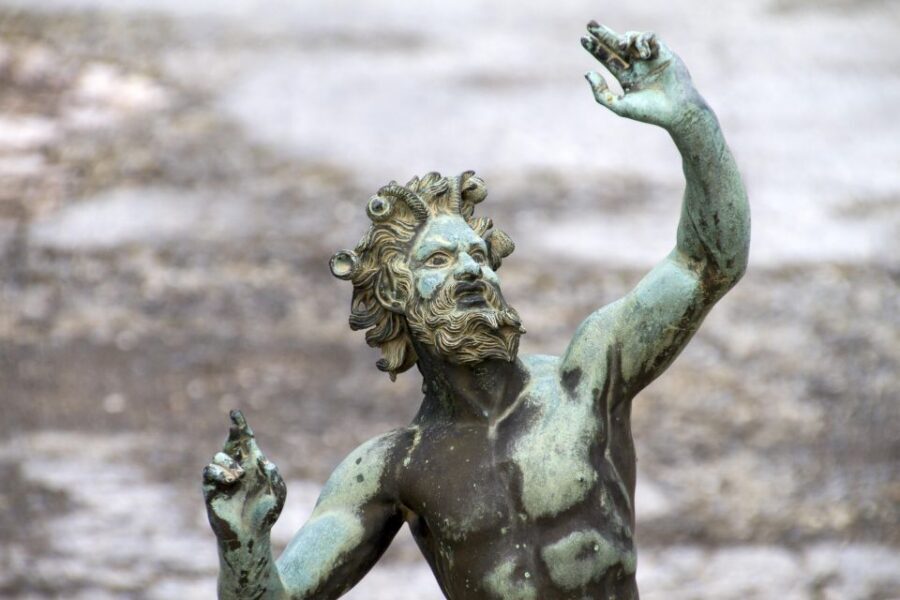
You get an updated map, and that’s not just a nice extra. Pompeii can feel like a maze until you understand the main flow of streets and public areas. The map helps you navigate between neighborhoods and key buildings without spending your whole day playing “guess where this street goes.”
Your audio guide is where the map becomes meaningful. Instead of treating Pompeii like a checklist, you’ll be able to understand what each stop was for:
- daily life and commerce,
- public spaces,
- religious or civic buildings,
- and the way the city’s destruction is represented in the ruins.
One real-world tip from experience: internet connectivity in Pompeii can be unpredictable. If you’re thinking of downloading audio to your phone, don’t count on a smooth connection. In at least one case, someone couldn’t download and listen to the audio, and the fix was to pick up the audio device instead. The pickup location was described as about a 20-minute walk from the train station. So plan around the idea that you should be able to rely on the provided audio device rather than your data connection.
Because you’re self-paced, I suggest you use the audio in “chunks.” Pick a cluster of sights, follow the audio narrative for that area, then pause without audio to look at details. You’ll remember more that way. And you won’t feel rushed by the next stop.
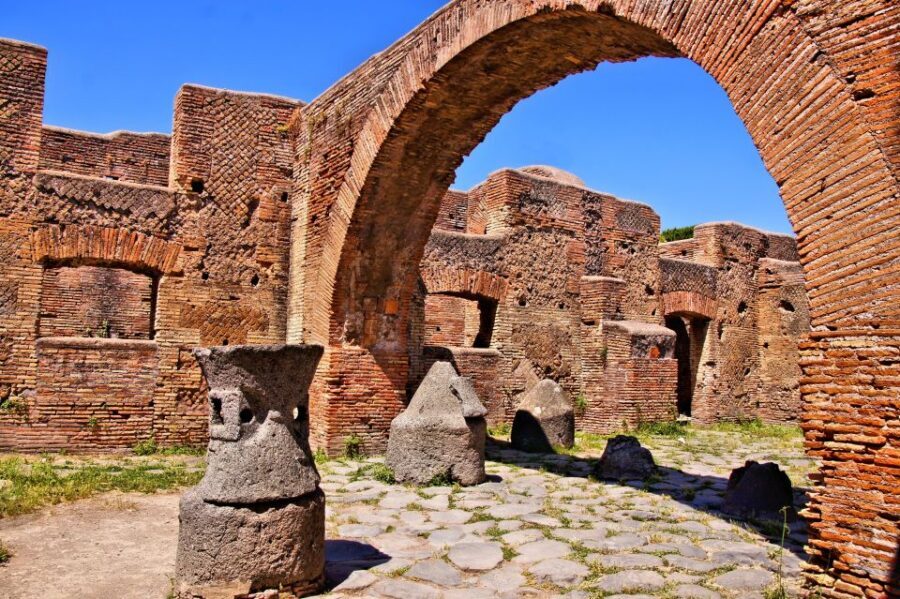
Main Sights in One Self-Paced Circuit: Houses, Shops, and Baths
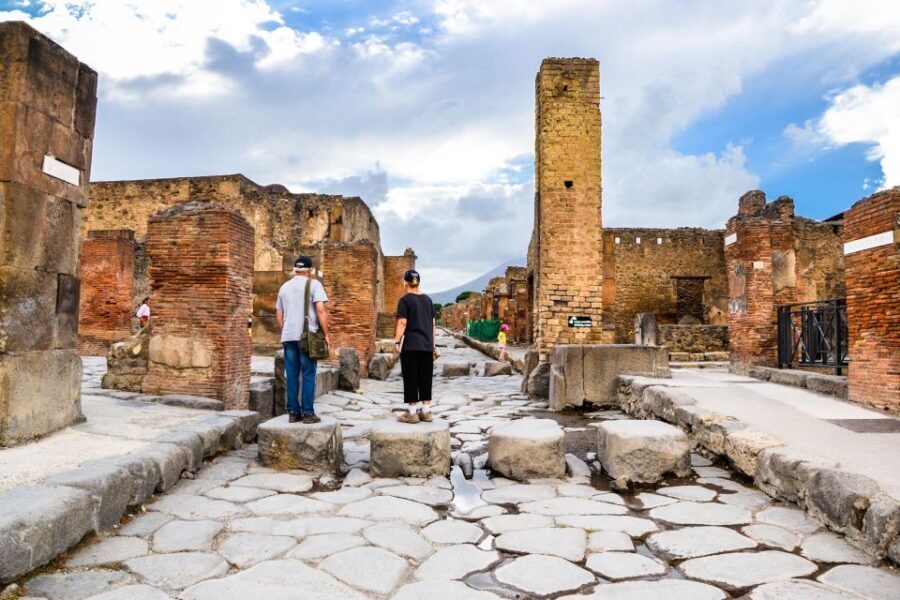
Pompeii is famous for being a city frozen in time. This ticket helps you see that in a practical, walkable way by focusing on the core experiences that shape the story.
Here’s the kind of circuit you’ll naturally build as you explore at your pace:
- frescoed houses (home life and social status),
- spas and bathing culture (how people relaxed and maintained health),
- temples and religious spaces (what communities valued),
- shops and street commerce (how the city functioned),
- and thermopolios, the ancient equivalent of quick food and hot drinks.
The thermopolium detail is one I really like because it gives you something ordinary to grab onto. You’re not just looking at monumental architecture. You’re seeing evidence of everyday convenience—people buying food fast, grabbing a drink, and keeping moving.
You’ll also come across public entertainment spaces, including theaters, plus areas connected to adult life in the ancient city. Those parts can feel surprising at first, but they add honesty. Pompeii wasn’t an idealized museum city. It was a working place with all the messy edges of real life.
As you walk, the best moments tend to be the ones where the audio helps you “read” what you’re seeing. Frescoes stop being pretty and start being social signals. Public buildings stop being impressive and start being understandable. And the street layout starts to look intentional rather than random.
The biggest drawback to self-paced touring is also simple: you must steer your own day. If you like structure, you’ll want to spend a few minutes early on deciding what you care about most—baths and household life, or public spectacle, or the eruption story.
Amphitheater, Theaters, and the City’s Entertainment Scene

Pompeii’s entertainment venues are not just scenery. They show how the city gathered people, how public life worked, and how crowds experienced spectacle in Roman times.
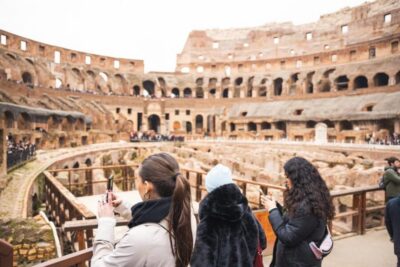
With this ticket, you get to visit Pompeii’s Roman amphitheater, described as one of the best-preserved. That matters. When a public building survives well, you can actually picture how it functioned. You can stand in the space and understand sightlines, movement, and the basic rhythm of a crowd event.
You’ll also encounter other theater spaces. Pompeii includes theater environments that help you see the cultural side of the city—performances, public gatherings, and civic life. If you’ve visited other Roman sites, you’ll recognize the pattern. If you haven’t, Pompeii is a great introduction because it’s close enough to “feel human scale,” even with the scale of Rome.
I’d aim for these public venues in the part of your day when you’re most alert. These buildings take a little time to really appreciate, because you’ll want to look around: entrances, seating areas, and the relationship between performers and audience space.
Also, amphitheaters and theaters are usually among the more photographed ruins. That’s not always a bad thing. The audio helps you look past the photo angle and notice the details that make the structure meaningful.
One practical thought: because you’re walking between sites, make sure your shoes are truly comfortable. You don’t want to save your feet for later and end up rushing the places you care about most.
You can also read our reviews of more guided tours in Pompei Campania

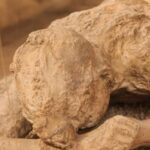

The Victims’ Casts and What the Eruption Teaches You
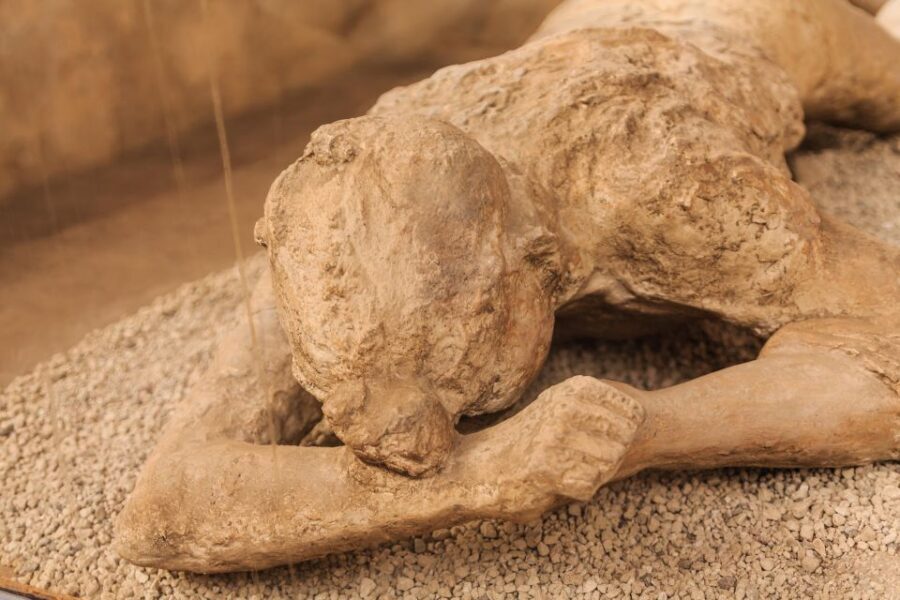
This is the emotional heart of Pompeii. The experience includes the casts of the victims of the eruption. Even when you know the basic story of Vesuvius, seeing how it’s represented here changes the way you understand the ruins.
The audio guide is especially valuable around this section because it connects the destruction to the lived reality of the city. Pompeii wasn’t just “destroyed.” It was a city affected quickly, completely, and permanently. The ruins are the evidence. The casts make the human scale harder to ignore.
Here’s how I think about it as you plan your day: don’t rush through the story parts just to cover more ruins. If you skip the meaning, Pompeii becomes mostly a visual theme park. If you slow down at the key eruption points, the buildings you saw earlier come into focus. Homes, shops, public spaces—they all become connected to a single event that ended them.
The emotional weight is real, so it helps to pace yourself. Bring water. Take short breaks. If you’re sensitive to heavy history, give yourself enough time to step back rather than treating it like a stop you sprint through.
This tour also includes historical explanation of the city and its eruption context. That’s what turns the visit from “I saw a lot of ruins” into “I understand why these ruins matter.”
Should You Book This Pompeii Skip-Line Ticket With Audio?
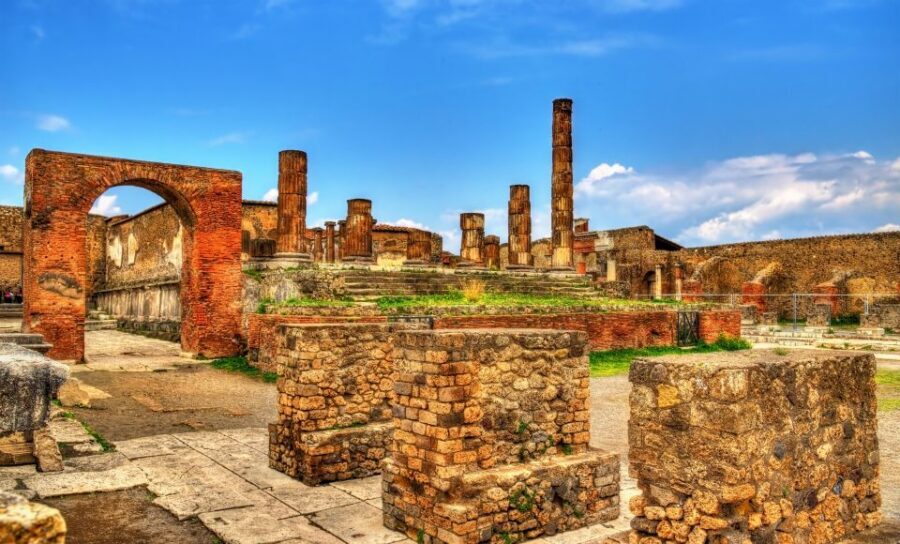
I’d book this if you want maximum freedom with real context. The skip-the-line entry is a big value move. The audio guide and map help you connect the dots instead of wandering without a clue. And the included range of major sights—houses, baths, shops, thermopolios, theaters, amphitheater, and the victim casts—covers the heart of Pompeii in a way that doesn’t force you into a rigid route.
I’d think twice if you want full physical accessibility. The information provided says it’s not suitable for people with mobility impairments, heart problems, or altitude sickness. Also, because the experience is self-paced, you’ll need to handle navigation and walking on your own.
If you’re traveling with limited time and you’re serious about getting the most out of your day, this is a solid choice. It’s the kind of Pompeii visit that works well when you like to plan lightly, follow the story, and spend the extra minutes where the ruins actually capture your attention.
FAQ
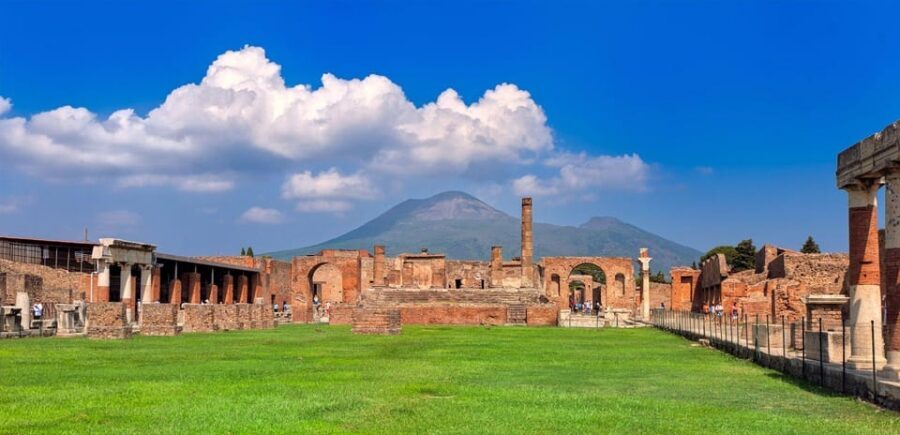
What time can I enter Pompeii with this ticket?
You can enter the site anytime between 9:00 am and 3:00 pm.
What’s included in the experience?
It includes a Pompeii skip-the-line ticket and an audio guide (plus an updated map).
Do I need an ID for the audio guide?
Yes. It’s important to bring a valid ID document to rent the audio guide.
Where do I meet the team?
Meet outside the office exactly next to Pasticceria De Vivo. The team is usually wearing blue and yellow jackets.
Are large bags or luggage allowed?
No. Oversize luggage and luggage or large bags aren’t allowed.
Is there free cancellation?
Yes. You can cancel up to 24 hours in advance for a full refund.