REVIEW · POMPEI CAMPANIA
Pompeii Skip-the-Line Tour with Expert Archeological Guide
Book on GetYourGuide →Operated by WORLDTOURS S.r.l. · Bookable on GetYourGuide
Pompeii clicks into place fast. This is a skip-the-line tour led by a licensed archaeologist, built for first-timers who want the major “you are here” moments without getting lost in the weeds. I especially like the way you hit the House of the Vettii and House of Menander, then compare them to public spaces like the Forum Baths. One thing to consider: the small audio setup (ear pieces) isn’t always loved, and some people find it uncomfortable or hard to hear at times.
The timing is tight in a good way: about 2 hours inside the ruins, plus a short cameo workshop stop before you start walking. You’ll also see moving plaster casts of victims from the 79 AD eruption, which is the emotional anchor of the visit. If you’re going on the first Sunday of the month, admission can be free, but entry isn’t guaranteed since tickets can’t be reserved ahead.
In This Review
- Key Things I’d Pay Attention To
- Why Pompeii Works Best With a Real Plan
- The Fortuna Village Meeting Point: Find the Sign, Save the Stress
- Skip-the-Line: What It Saves, What It Can’t
- The 2-Hour Route: Stop by Stop in Plain Language
- Large Theatre (quick visit)
- Teatro Piccolo (photo stop)
- Thermopolium (tiny food-world stop)
- Foro Civile di Pompeii (Forum civic center)
- House of the Vettii (deep look)
- House of Menander (deep look)
- Forum Baths (strong daily life stop)
- Macellum of Pompeii (market life)
- Temple of Jupiter (photo stop)
- Temple of Apollo (visit)
- Vesuvius Story and Plaster Casts: Where the Visit Lands Emotionally
- The Cameo Workshop Stop: A Small Detour With Big Payoff
- Group Size, Ear Pieces, and What to Do If Sound Is Awkward
- Languages and Communication: English, Italian, Spanish, French
- Price Value: $31 for Two Hours of Guided Meaning
- Who Should Book This Pompeii Tour (and Who Might Not)
- Should You Book It
- FAQ
- Where is the meeting point for the Pompeii tour?
- How long is the guided portion inside Pompeii?
- What stops will we see during the tour?
- Is there a break before or during the tour?
- Do I need to buy Pompeii tickets?
- Is Pompeii admission free on the first Sunday of the month?
- What language options are available for the live guide?
Key Things I’d Pay Attention To
- Licensed archaeologist guide guiding you through Pompeii’s key zones, not just random buildings
- House highlights in one route, including the House of the Vettii and the House of Menander
- Forum Baths + Macellum, so you see daily routines, not only temples
- Short-but-smart theater stops, with quick views rather than long detours
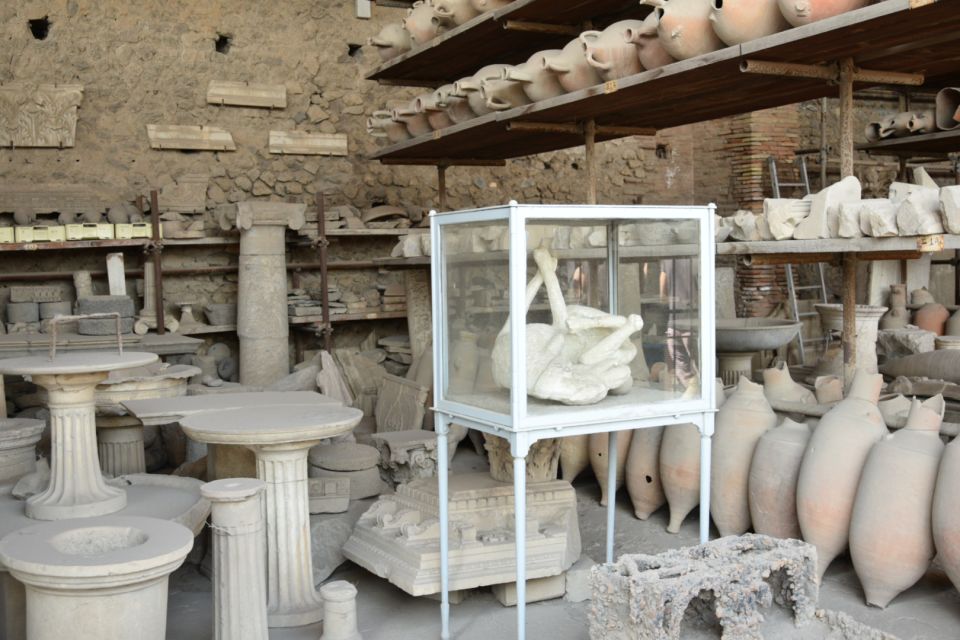
- Plaster casts from 79 AD, giving the story a face and a pause
- Cameo workshop stop, a real craft break and a restroom option before the walk
Why Pompeii Works Best With a Real Plan
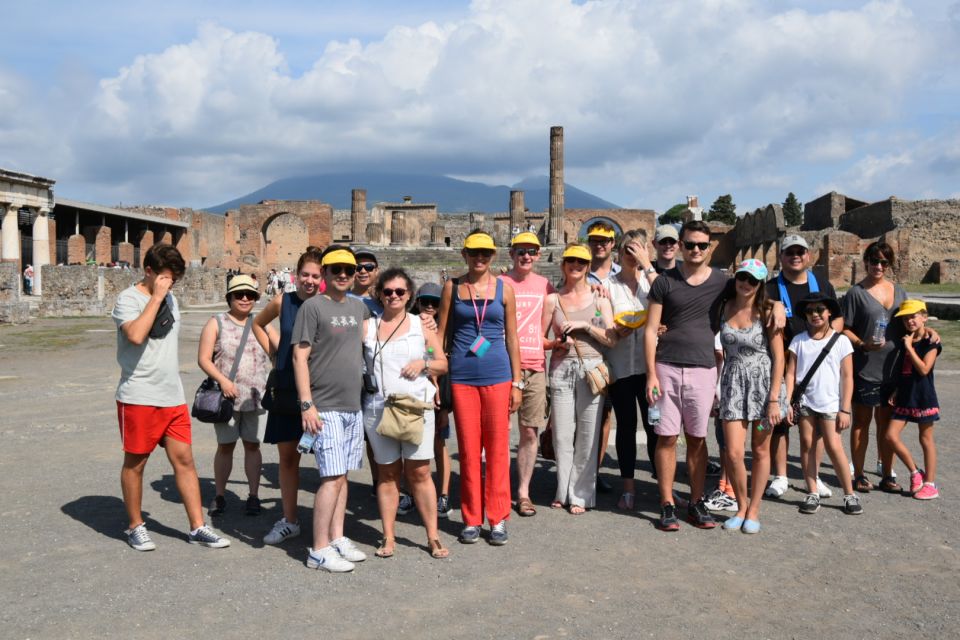
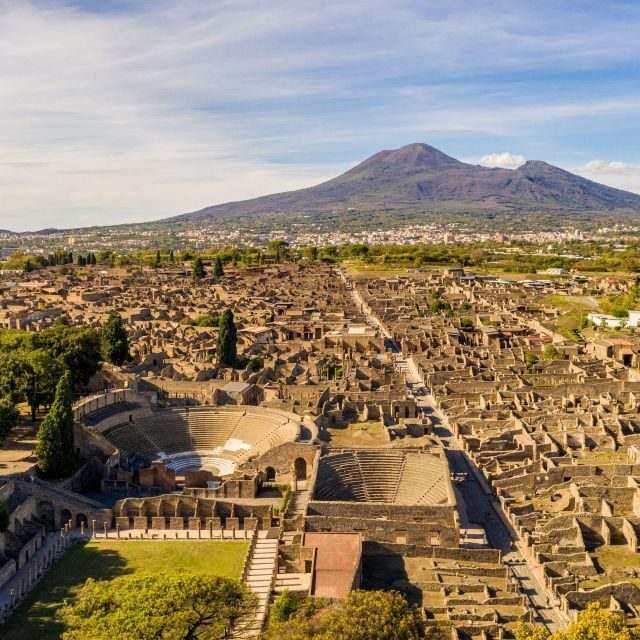
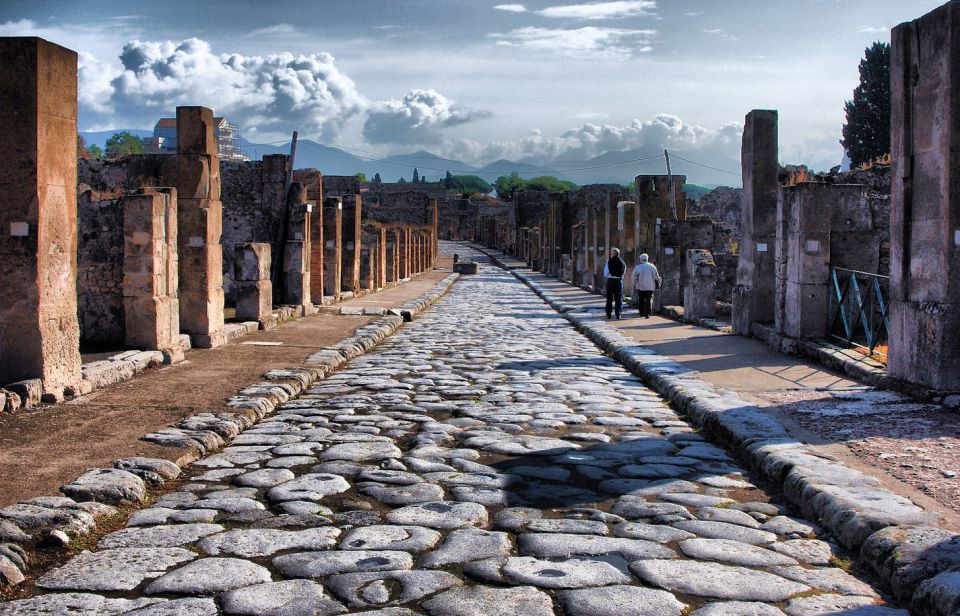
Pompeii is big, and it can feel like you’re wandering until someone explains how the pieces fit. This tour is designed to solve that problem. You get a guided route through the core areas—streets, temples, villas/houses, shops, markets—then you move from “what am I looking at?” to “oh, that’s how people lived.”
I like that the focus stays practical. Roman life here isn’t abstract. You see spaces connected to work, food, worship, leisure, and social life, including preserved brothel areas and shopfronts. The guide’s job is to translate the stone into routine—how a market ran, how baths worked, and why certain buildings mattered to the city.
The second reason this tour works is pacing. At about two hours on-site, you don’t get stuck for half a day just trying to choose what to see. You’ll still want more time after, but you’ll know what you already “got,” and what’s worth returning to.
You can also read our reviews of more tours and experiences in Pompei Campania.

The Fortuna Village Meeting Point: Find the Sign, Save the Stress
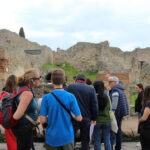
You meet outside the entrance of Fortuna Village Pompei, with the guide holding a sign for the company. No pick-up/drop-off is included, so you’re planning your own way to the start.
Here’s the practical trick: arrive a few minutes early, and don’t assume the first person holding a flag is your guide. Keep your eyes on the exact meeting spot and the sign wording. Some past groups reported meeting-point confusion and late starts when people missed the correct location, so building in buffer time is worth it.
Also note the rules that matter on arrival:
- No luggage or large bags
- No pets
- No drones
- No walking sticks
- Unaccompanied minors aren’t allowed
Bring your passport or ID, since Pompeii admission rules require proof for some categories.
Skip-the-Line: What It Saves, What It Can’t
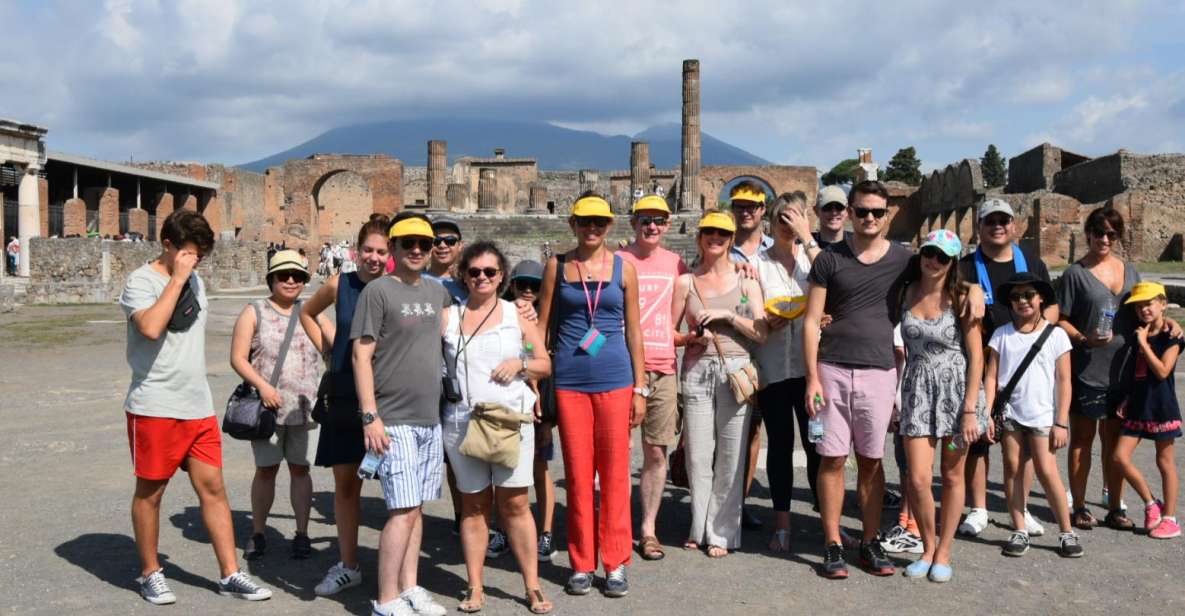
This experience includes skip-the-line entrance, which is the main win. You’re not spending your trip time stuck at the ticket queue when your real goal is walking Pompeii’s streets.
Still, the site can be crowded. Even with ticket-line help, you might find slow moving lines when you reach the main entry flow. In plain terms: skip-the-line can reduce friction, but it can’t control crowding.
If you’re the kind of person who hates delays, go early in the day. If your timing is flexible, you’ll feel it in how relaxed the tour feels once you start walking.
The 2-Hour Route: Stop by Stop in Plain Language
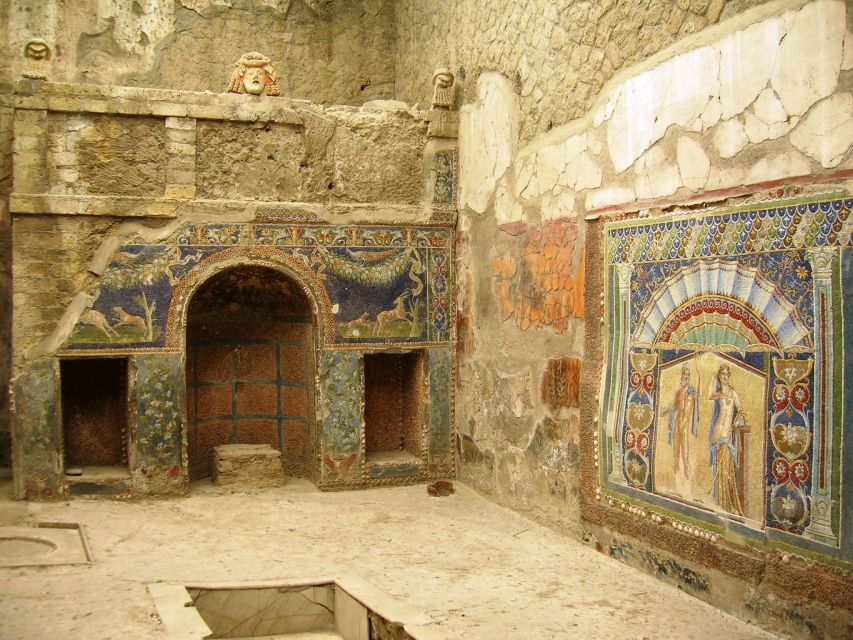
The itinerary can adjust based on crowds and access. That means you should expect a “core highlights” route, not a rigid museum parade. With that said, you’ll usually cover these stops:
Large Theatre (quick visit)
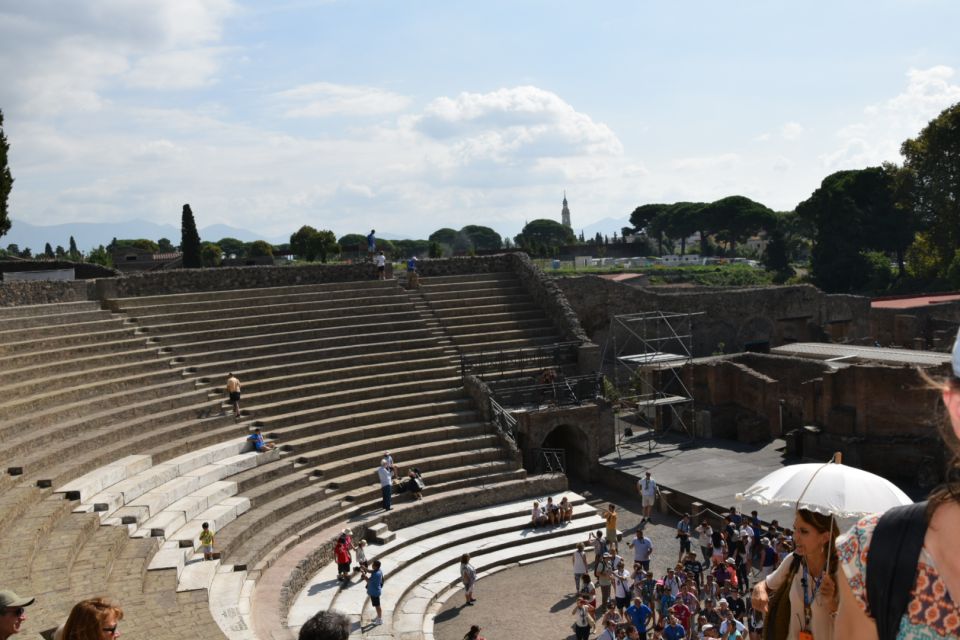
You’ll pass the Large Theatre for about 5 minutes. This is a good orientation stop. Roman theaters weren’t just for entertainment—they were a way to gather the city and stage public life. With only a short look, you’ll want photos and a mental note, then let the guide explain the role of performance and crowd energy in Pompeii.
Watch for: how the guide connects the building to civic life. If your guide talks fast here, ask one direct question. A good guide will slow down.




Teatro Piccolo (photo stop)
Next is Teatro Piccolo, usually a short photo stop (about 5 minutes). It’s a nice change of pace because it shows Pompeii’s theatrical side without chewing up your time.
This quick stop is also useful if you later decide to spend extra time on the theater area after the tour. You’ll already have the layout in your head.
Thermopolium (tiny food-world stop)
A thermopolium visit lasts about 5 minutes. This is where the tour starts to feel real: these were casual eateries. You’re learning how people grabbed meals fast in a city that never stopped moving.
Practical value: even a short stop matters because you’ll connect Pompeii’s ruins to everyday food habits, not just ceremonial spaces.
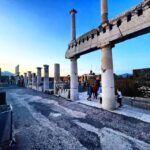
Foro Civile di Pompeii (Forum civic center)
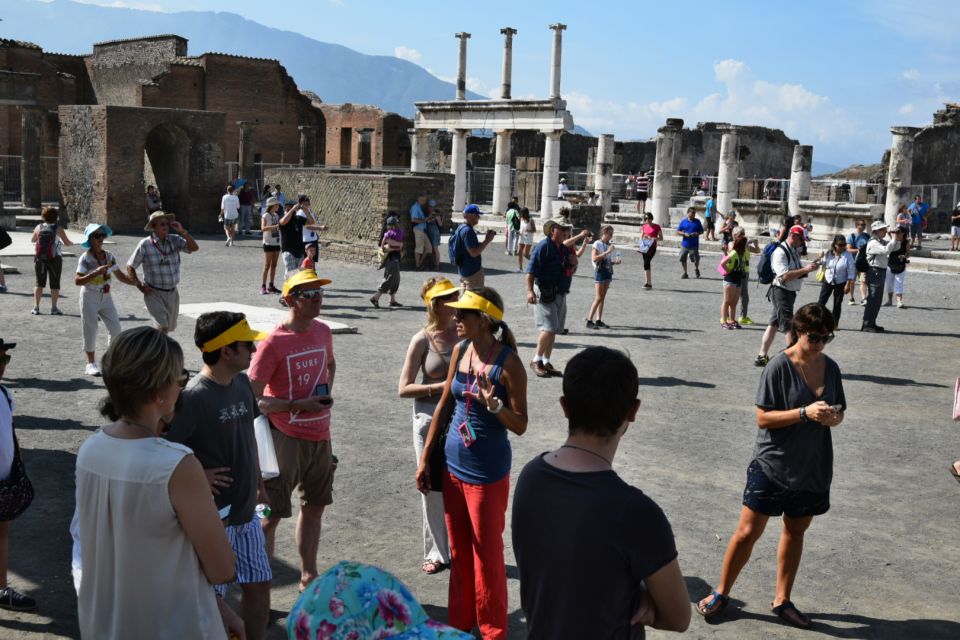
The Foro Civile di Pompeii is visited for about 10 minutes. This is one of the biggest “get the city’s logic” areas. The Forum was where civic decisions and public messaging happened. It’s also where you start seeing how public space, religion, politics, and commerce overlap.
If you want a quick mental map of Pompeii, the Forum is the place to build it.
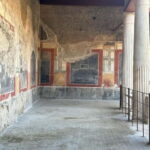
House of the Vettii (deep look)
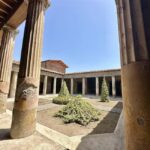
This is a highlight stop, about 20 minutes at the House of the Vettii. Houses in Pompeii aren’t just private homes. They show wealth, taste, and how people wanted to be seen.
You’ll spend enough time here to notice details and get an explanation for what you’re looking at—things like how rooms functioned, how ornament signaled status, and how indoor-outdoor life worked.
Tip: take photos only after you listen to the explanation for a few minutes. Otherwise you’ll snap pictures of walls without the meaning attached.
House of Menander (deep look)
The House of Menander also gets about 20 minutes. This stop keeps the “daily Roman life” thread going by comparing domestic spaces across different households. You’ll likely see how layout and decoration reflect different priorities and social position.
If you love stories that connect art, power, and routine, this is the section where you’ll feel the most payoff.
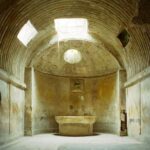
Forum Baths (strong daily life stop)
You’ll spend about 20 minutes at the Forum Baths. Baths are a perfect guide-led topic because they explain more than architecture. They tell you how people met, relaxed, cleaned up, and talked.
This is a smart use of limited time. Pompeii has plenty of dramatic temples, but baths explain the soft stuff: how a city feels when people are together.
Macellum of Pompeii (market life)
Next is the Macellum for about 10 minutes. This is market territory—food, trade, the rhythm of buying and selling. You’ll get the sense of commerce without needing to hunt for signs on your own.
Why it matters: once you understand the market function, you start noticing how shops and street life tie into the bigger city structure.
Temple of Jupiter (photo stop)
You’ll see the Temple of Jupiter for about 5 minutes, mostly as a photo stop. Even short stops can work here if the guide frames why the temple mattered in city-wide identity and religious practice.
If temples are your thing, you might want to return after the tour for longer viewing. The guided route is structured to cover a lot, not to linger everywhere.
Temple of Apollo (visit)
Finally, the Temple of Apollo gets about 10 minutes. This is another anchor religious site, and the guide’s explanations help you understand what you’re looking at beyond columns and stone steps.
When you’re done, you’ll have a clean sense of Pompeii’s big categories: public gathering, food and commerce, daily hygiene and rest, and religious center points.
Vesuvius Story and Plaster Casts: Where the Visit Lands Emotionally
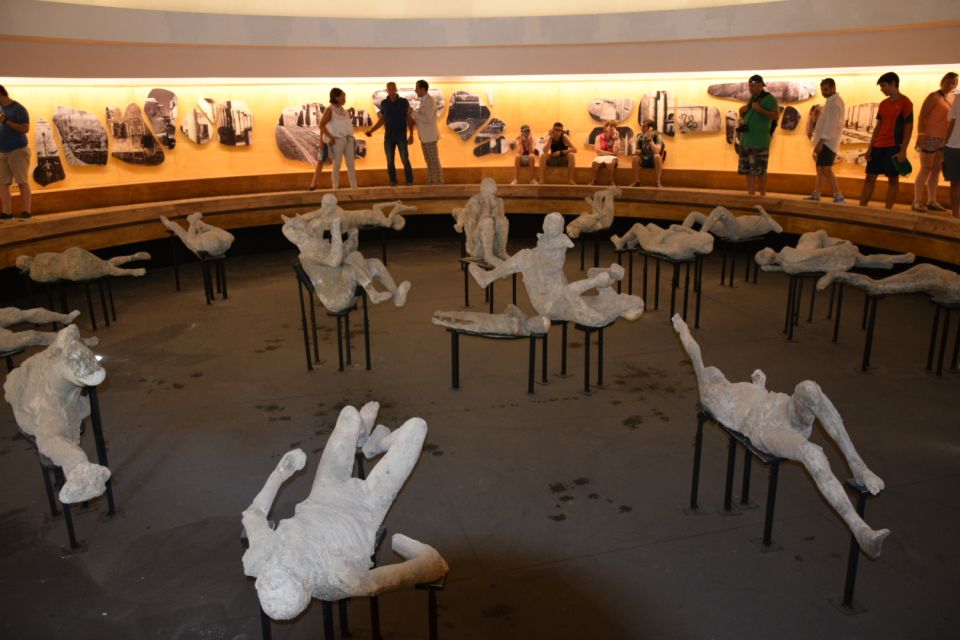
Somewhere along the walk you’ll encounter the moving plaster casts of the eruption victims from 79 AD. This part is heavy, and it’s the moment when Pompeii stops being a cool ruin and becomes a tragedy with human weight.
The casts also change how you interpret everything else. You’ll start noticing how a city functions minute-by-minute—then remember that life ended abruptly. It’s not cheerful, but it’s honest.
If you tend to get overwhelmed on memorial-style stops, give yourself a few seconds to breathe. The guide will keep moving, but you can choose your pace for a moment.
The Cameo Workshop Stop: A Small Detour With Big Payoff
Before you enter the ruins, the tour includes a brief stop at a traditional cameo workshop. You’ll watch skilled artisans carve delicate shells by hand, and there’s also a restroom break.
I like this stop because it resets your brain before Pompeii demands your attention. You get a real craft experience in Campania, and it helps you remember that the region is still producing art—not only preserving the past.
It also helps with logistics. Even on days when the ruins are crowded, the restroom break gives you breathing room.
Group Size, Ear Pieces, and What to Do If Sound Is Awkward
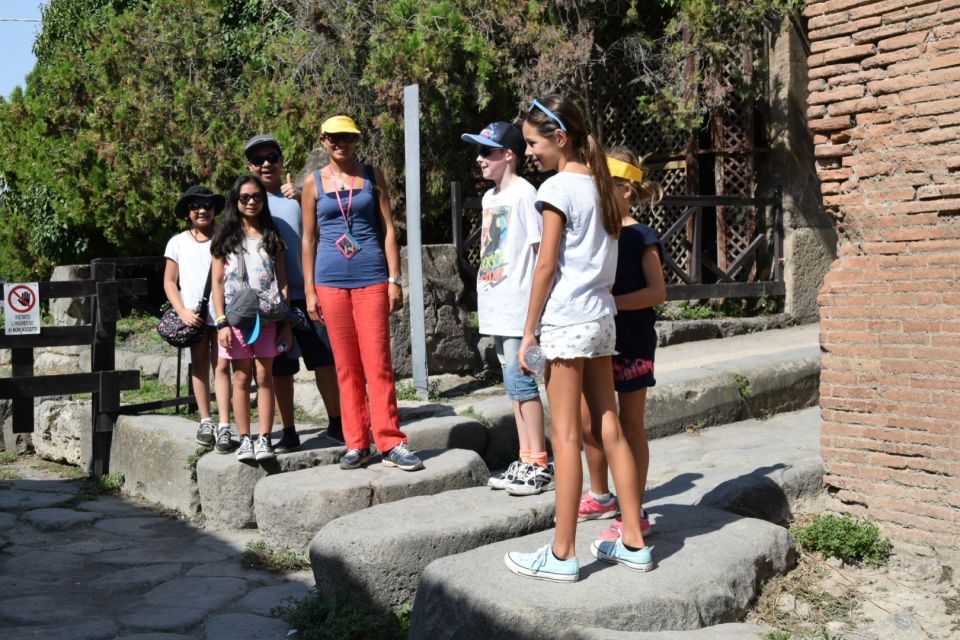
The tour is positioned as a small group, but group size can vary. One lesson from past experiences: you may sometimes find the group larger than expected, and sound can depend on how the ear piece setup is working.
The important practical point is simple:
- The guide may use ear pieces/audio if the minimum group requirement isn’t met for having the guide provided in a certain way.
- Some people report the ear pieces can be uncomfortable or not stay in place.
- Others report volume or clarity issues.
So here’s what I’d do if you’re planning your day:
- Bring your own ear comfort check. If you’re sensitive, be ready to ask the guide for a closer position.
- Pick a spot near the front at each stop when you can. Pompeii walkways can be tight, and being closer can fix a lot of audio problems fast.
- If you can’t hear, ask a question anyway. A direct interaction often improves clarity on the spot.
Also, if you’re prone to getting separated, keep your eyes on the guide’s flag/sign and don’t let your attention wander to ruins you can photograph later.
Languages and Communication: English, Italian, Spanish, French
This tour offers live guide options in English, Italian, Spanish, and French, and it may be bilingual. That’s a big deal at Pompeii, where mishearing even one key term can flatten the story.
If you don’t speak Italian, I’d still try to learn a few basics like how the guide describes the Forum or baths. Even minimal understanding makes the ruins more personal.
If you’re traveling as a group with mixed language comfort, this structure is useful because everyone can track the guide’s explanations without relying only on signage.
Price Value: $31 for Two Hours of Guided Meaning
At $31 per person for around 2 hours inside Pompeii plus a cameo workshop stop, the value is mostly in what you avoid and what you gain. You avoid the chaos of designing your own route through a site with uneven layout. You gain context fast—how spaces connect to daily routines.
The skip-the-line piece matters because time at Pompeii is your scarcest resource. And the licensed archaeologist adds value when you want explanations that go beyond “this is a temple.”
In other words: if you’re paying $31 and still feel like you could have done it alone, the tour likely didn’t match your expectations. But if you want structure and meaning, it’s a solid deal for a first pass.
Who Should Book This Pompeii Tour (and Who Might Not)
This is a great fit if:
- It’s your first time in Pompeii and you want the main hits in a focused walk
- You like practical guidance that ties ruins to daily life
- You want a strong emotional moment via the Vesuvius plaster casts
- You prefer guided pacing over map work
You might reconsider if:
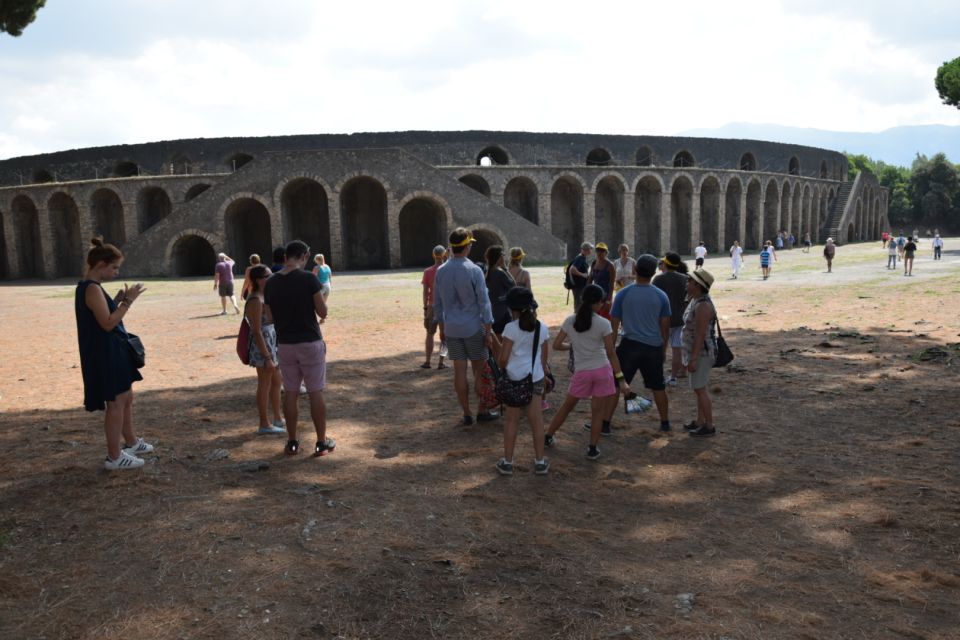
- You want to spend lots of time in less central zones. Some areas—like the amphitheater area—can be worth extra independent time after your guided portion ends.
- You’re sensitive to uncomfortable ear pieces or you strongly rely on audio clarity.
- You have mobility limitations. This tour is not suitable for people with mobility impairments or wheelchair users.
If you want both worlds, do this tour first, then add your own time afterward in the areas you felt pulled toward.
Should You Book It
Yes, I’d book it if you want a guided Pompeii that makes sense quickly. The mix of houses, Forum spaces, baths, and market stops, paired with the plaster cast moment, gives you a memorable first view that doesn’t waste hours.
Pass or plan differently if you’re aiming for a slow, deep exploration of every corner or you need full accessibility support. In that case, you might prefer a different format and longer time on-site.
If you book, do yourself a favor: wear comfortable shoes, carry water, and treat the guide’s explanations like part of the site. Pompeii rewards attention more than speed.
FAQ
Where is the meeting point for the Pompeii tour?
You meet the guide outside the entrance of Fortuna Village Pompei. The guide holds a sign with the company name.
How long is the guided portion inside Pompeii?
The guided tour lasts approximately 2 hours inside the ruins.
What stops will we see during the tour?
You’ll visit key areas such as the Large Theatre, Teatro Piccolo, a thermopolium, Foro Civile di Pompeii, House of the Vettii, House of Menander, Forum Baths, Macellum of Pompeii, Temple of Jupiter (photo stop), and Temple of Apollo.
Is there a break before or during the tour?
There’s a brief stop at a traditional cameo workshop before you enter the ruins, and it includes a restroom break.
Do I need to buy Pompeii tickets?
This experience includes the Pompeii skip-the-line entrance.
Is Pompeii admission free on the first Sunday of the month?
Admission to the site is free on the first Sunday of each month, but tickets cannot be reserved ahead of time, so entry is not guaranteed.
What language options are available for the live guide?
The live guide is available in English, Italian, Spanish, and French, and the tour may be bilingual.