REVIEW · POMPEI CAMPANIA
Pompeii: Afternoon to Sunset Guided Tour with Ticket
Book on GetYourGuide →Operated by Enjoy Pompeii · Bookable on GetYourGuide
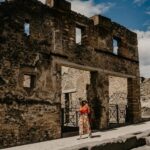
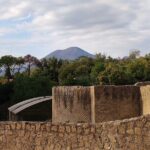
Pompeii hits different at sunset. This guided walk takes you through key parts of the ancient city so the ruins feel like a place, not just rocks and columns. You’ll see major civic buildings like the Forum and Thermal Baths, then finish as the light softens outside the big crowds.
I especially like two things here: the skip-the-line ticket (entered through a separate entrance) and the archaeologist-style storytelling about daily life before the eruption. Guides such as Angelo, Anna, Sasa, Francesco (Frankie), Luigi, and Melania are repeatedly mentioned, and that matters, because Pompeii is too big to “wing it” without missing the good stuff.
The main drawback is the walking. It’s not a sit-and-listen tour, and it isn’t suitable for people with mobility impairments, heart problems, respiratory issues, or those over 95.
In This Review
- Key points to know before you go
- Afternoon-to-sunset timing: why this works better than a random time slot
- Meeting point at Ristorante Bar Sgambati and how the “skip-the-line” entry usually feels
- The route: Forum, Basilica, Thermal Baths, Theater, and the “civic Pompeii” you’d miss alone
- Antiquarium: setting the stage fast
- Forum and Basilica: how public life worked
- Thermal Baths: the city’s routine, not just a tourist photo stop
- Theater: entertainment with engineering behind it
- Neighborhood clues: bakeries and housing blocks
- The 79 AD eruption story: learning impact without losing the human scale
- How the guide makes the ruins make sense (and keeps you from burning out)
- Walking reality: comfort tips and who should choose a different plan
- Price and value: why $58 can be a bargain in Pompeii
- After the tour: how to use your extra time wisely (especially for the Arena)
- Should you book this Pompeii afternoon-to-sunset guided tour?
- FAQ
- FAQ
- How long is the Pompeii afternoon to sunset guided tour?
- Where do I meet the guide?
- What’s included in the price?
- Is transportation included?
- Does the ticket let me skip the line?
- What languages is the live guide offered in?
- What should I bring for the tour?
- Is this tour suitable for everyone?
- Can I reserve now and pay later, or cancel if plans change?
- Are private or small groups available?
Key points to know before you go
- Afternoon-to-sunset timing helps with heat and crowd pressure, and the site looks better in softer light.
- Skip-the-line entry via a separate entrance gets you inside without wasting time at bottlenecks.
- Archaeologist guide focus keeps the route tight, so you hit big highlights like the Forum, Basilica, Baths, and Theater.
- Pompeii’s neighborhoods show up through everyday clues like bakeries and housing blocks.
- Eruption context (79 AD) is explained in a way that connects the disaster to real daily life, not just dates.
- You can keep exploring after the tour, so you’re not locked into a rigid schedule.
Afternoon-to-sunset timing: why this works better than a random time slot
Pompeii is open-air and it’s mostly stone, stone steps, and more stone. If you go too early or too late in the wrong season, you can end up baking in the sun with a map that only helps after you’re already tired. This tour is designed as a 2.5-hour walking visit that runs from afternoon toward sunset, which is a smart match for how you’ll feel on-site.
The biggest practical benefit is comfort. Multiple guides are known for pacing the group and looking for shade while they explain what you’re seeing. That helps you keep moving, ask questions, and still have energy at the end instead of just surviving until you can leave.
The second benefit is viewing. Pompeii’s textures look different when the light turns gentle. You’ll still be walking among the same walls and floors, but your brain “reads” the place better when shadows get longer and bright glare eases. It’s the kind of change that makes the experience feel more real, especially when your guide is actively connecting what you see to life before Vesuvius.
You can also read our reviews of more tours and experiences in Pompei Campania

Meeting point at Ristorante Bar Sgambati and how the “skip-the-line” entry usually feels
Logistics matter in Pompeii. Meeting at the wrong spot can turn a smooth visit into a scramble.
You meet your guide at Ristorante Bar Sgambati, and you should look for a red Enjoy Pompeii sign. That detail is worth treating seriously. If you arrive late, you’ll likely lose time before you even start. And unlike a museum, Pompeii can’t be paused while you figure things out.
This ticket includes a skip-the-line entry through a separate entrance. In plain terms: you’re not stuck standing around while others funnel into the same access point. For many people, this is the hidden value of a guided format—less waiting, more actual site time.
One more real-world note: transportation isn’t included. So if you’re coming by train or bus, plan to get to the meeting point with buffer time, especially if your arrival train is delayed.
The route: Forum, Basilica, Thermal Baths, Theater, and the “civic Pompeii” you’d miss alone
This tour doesn’t try to cover everything. It does something better: it targets the kinds of structures that tell you how a Roman city functioned. You’ll walk through the Forum area and other key civic sites, then connect those buildings to what everyday people used them for.
Antiquarium: setting the stage fast
Early in the walk, you’ll visit the new Antiquarium. This is where you get context without getting stuck reading a wall of text. It helps your eyes make sense of the site later, so when you reach major ruins, you understand what you’re looking at and why it mattered.
Forum and Basilica: how public life worked
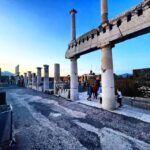
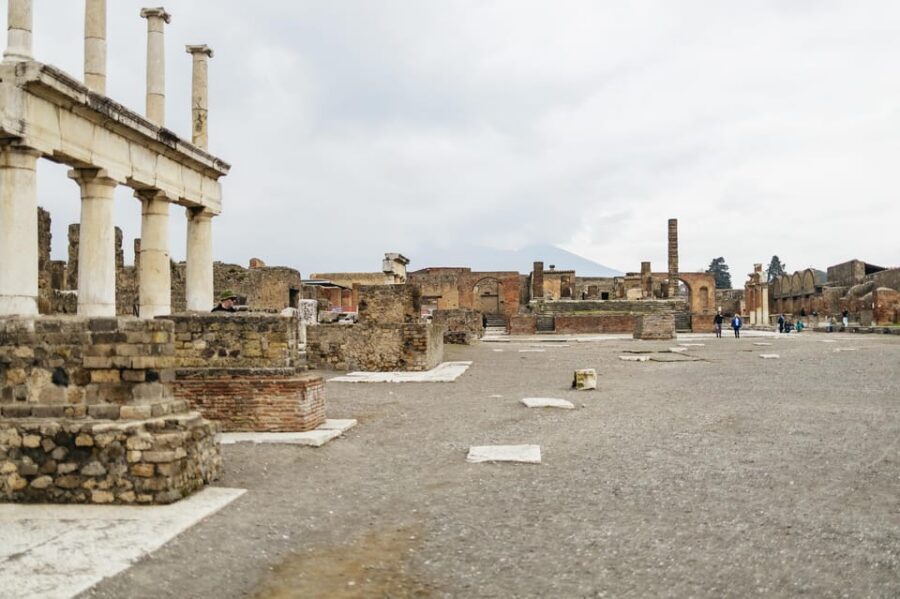
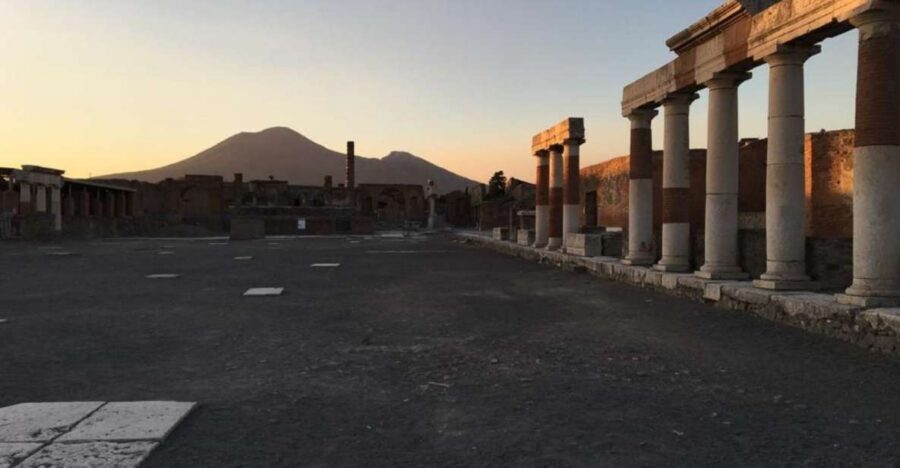
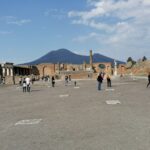
The Forum is where civic and social life concentrated, and the Basilica is the kind of building that signals “business and community” energy. With a guided pace, these spaces stop being abstract. Your guide can explain how public areas functioned, what kinds of gatherings they supported, and how the architecture served the city’s routine.
If you’re tempted to skip the Forum because you think you’ve seen enough Roman columns, don’t. This is one of those places where a guide helps you notice the purpose behind the stones.
You can also read our reviews of more guided tours in Pompei Campania
Thermal Baths: the city’s routine, not just a tourist photo stop
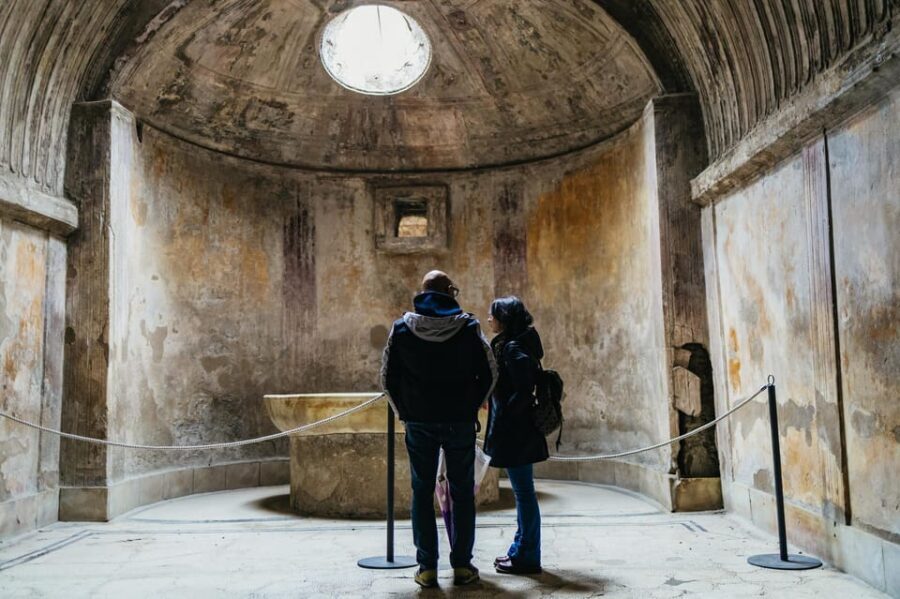
The Thermal Baths are one of the biggest highlights on this itinerary. Baths weren’t a luxury decoration; they were part of daily movement, conversation, and hygiene. When your guide walks you through the layout, you start to see how people organized their day around communal spaces.
This stop also tends to show you why Pompeii is so overwhelming: the scale and level of preservation can make you feel small. A focused tour helps you avoid the common problem of wandering until you’re mentally exhausted.
Theater: entertainment with engineering behind it
The Theater adds a different angle: culture and leisure. You’re not just looking at a performance space—you’re learning how Roman design shaped acoustics, movement, and crowd flow. A good guide ties the visible remains to how people would have used the space.
This is the kind of stop where the right timing helps too. As the light softens, the Theater area often feels less like a checklist and more like a lived-in place.
Neighborhood clues: bakeries and housing blocks
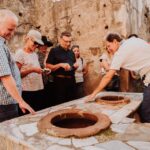
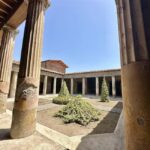
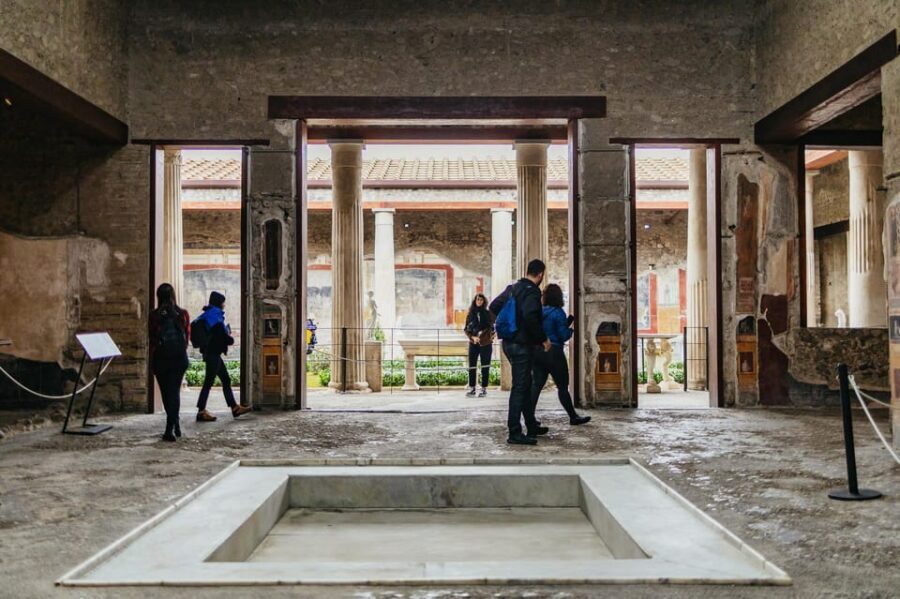
Pompeii isn’t only temples and big civic structures. The tour also shows commercial and residential neighborhoods, including mentions of a bakery and typical housing blocks. This is where the city stops feeling like a single monument and starts feeling like a patchwork of lives.
Even if you’re not a “history detail” person, these everyday elements matter. They give you small anchors you can remember later, long after the biggest ruins blur together.
The 79 AD eruption story: learning impact without losing the human scale
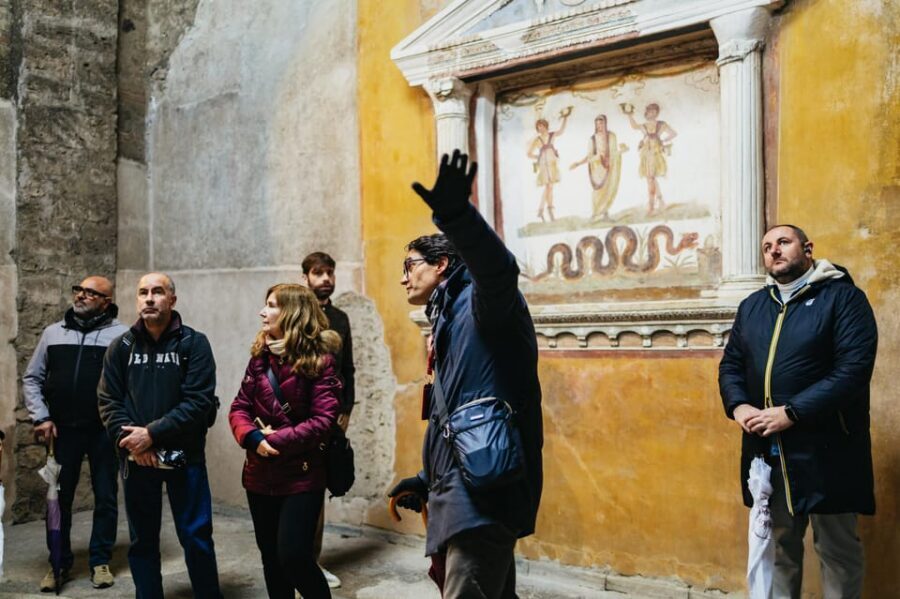
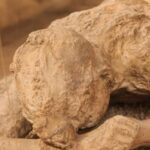
You’ll learn about the eruption of Vesuvius in 79 AD and its impact on Pompeii and broader society. The key value here is how the story is framed: not only catastrophe, but day-to-day life before the disaster.
Many guides in this program use an approach that helps you imagine ordinary routines—the rhythms of civic life, social spaces, and neighborhood commerce—so the eruption lands with more meaning. Instead of memorizing a timeline, you start to understand what was interrupted.
That also changes how you interpret what you see. A wall, an alley, a floor mosaic: your guide helps you connect it to human choices. It’s still tragic. But it’s also specific, which is where the experience becomes memorable.
How the guide makes the ruins make sense (and keeps you from burning out)
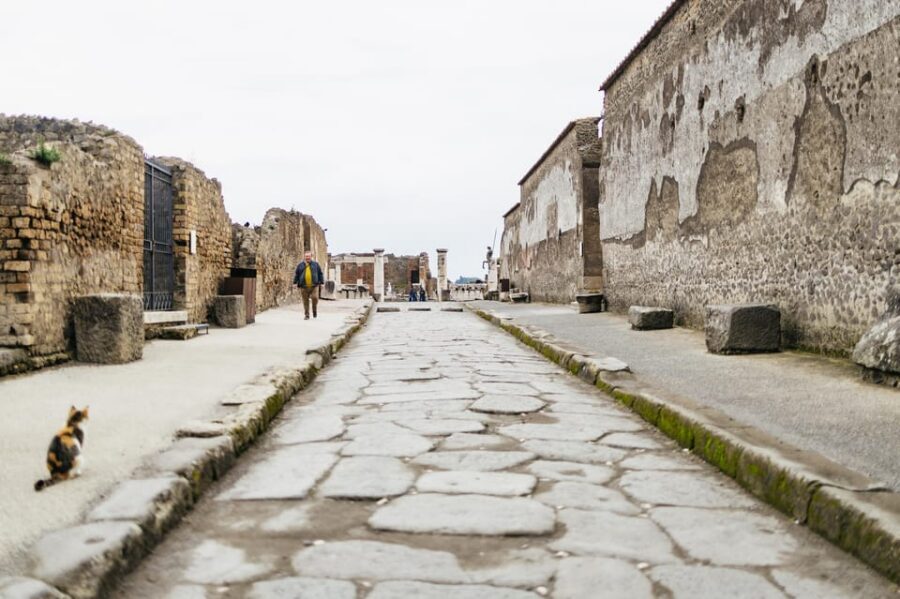
A Pompeii tour is only as good as the guide’s ability to keep the route intelligible. The very high review pattern around this experience centers on guides who combine archaeology with storytelling and a practical sense of pacing.
Names like Angelo, Anna, Sasa, Francesco (Frankie), and Luigi come up often. What stands out from their descriptions is not just “facts,” but how they manage the group: finding good viewing spots, answering questions, and adapting the stops based on what people want to know.
A few useful insights you can plan around:
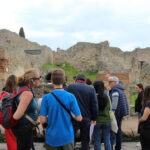
- Small group feel helps. One review notes a group of five, which means you can ask questions without shouting.
- Pace for mixed ages works. One group ranged from 11 to people in their 70s, so the tour can handle different stamina levels.
- Shade matters on-site. There’s mention of guides actively seeking cooler spots during explanations, which is a real survival tactic in a stone city.
Also, this tour is offered in Italian, English, and French. So if you’re choosing a language option, you’re not stuck with a generic script. You’ll still get a structured route, but the storytelling is delivered in a way you can actually follow.
Walking reality: comfort tips and who should choose a different plan
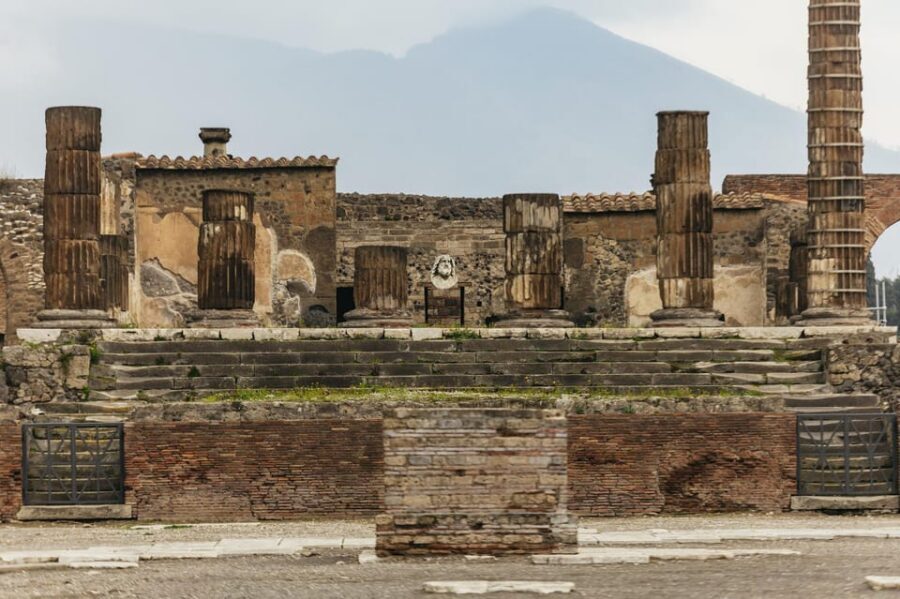
This is a walk through uneven ground and ruins. Even if you’re comfortable walking, you’ll want to treat the day like active sightseeing.
The tour provides no accessibility fit for everyone. It is not suitable for:
- People with mobility impairments
- People with heart problems
- People with respiratory issues
- People over 95 years
Even when a tour is “fine for most people,” Pompeii’s terrain can be the deciding factor. Reviews also point out attention to uneven surfaces, which is where a guide’s “watch your step” instincts help.
What you can do to feel better:
- Bring a sun hat.
- Bring ID card (a copy is accepted).
- Wear shoes with real grip.
- Accept that you’ll want occasional breaks for shade and questions.
If your plan is fragile, you might want to build in extra time buffer around the tour so you’re not rushing between stops.
Price and value: why $58 can be a bargain in Pompeii
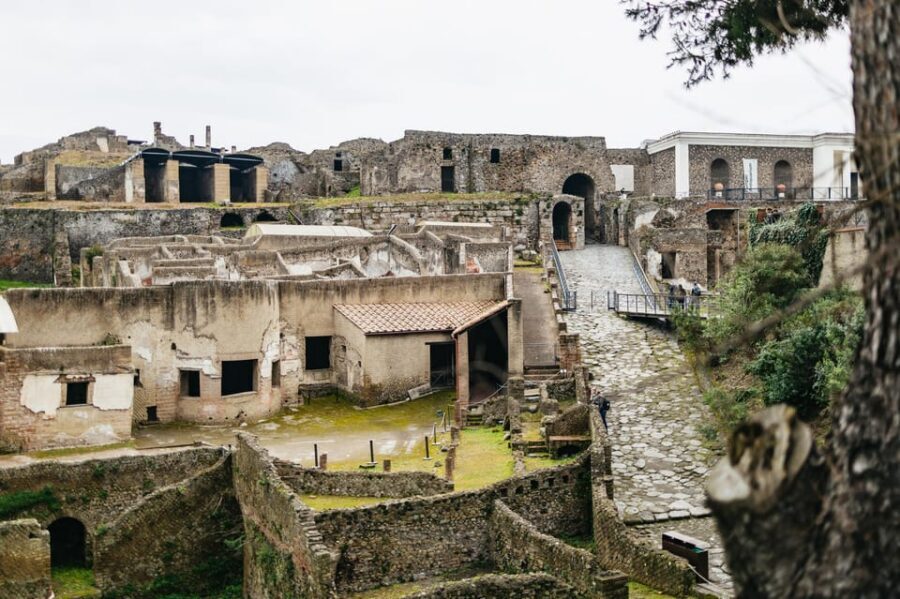
At $58 per person for a guided 2.5-hour ticket, the value comes from two included items: skip-the-line entry and an archaeologist guide.
Pompeii is one of those places where “DIY” can turn expensive in a different way. You spend time fighting logistics, you wander into the wrong corners, and you leave without understanding what you saw. That’s not a moral failing. It’s the site’s size and complexity working against you.
A focused guided route fixes that fast:
- You arrive with a clear path instead of a blank map.
- You see major highlights like the Forum, Basilica, Thermal Baths, and Theater.
- You learn how the eruption story connects to everyday life.
And because the tour ends as the sun sets, you often get a smoother overall day. One review even notes it felt like a less crowded, cooler moment to start, which is exactly what you’re paying for indirectly: time and energy you keep instead of losing.
After the tour: how to use your extra time wisely (especially for the Arena)
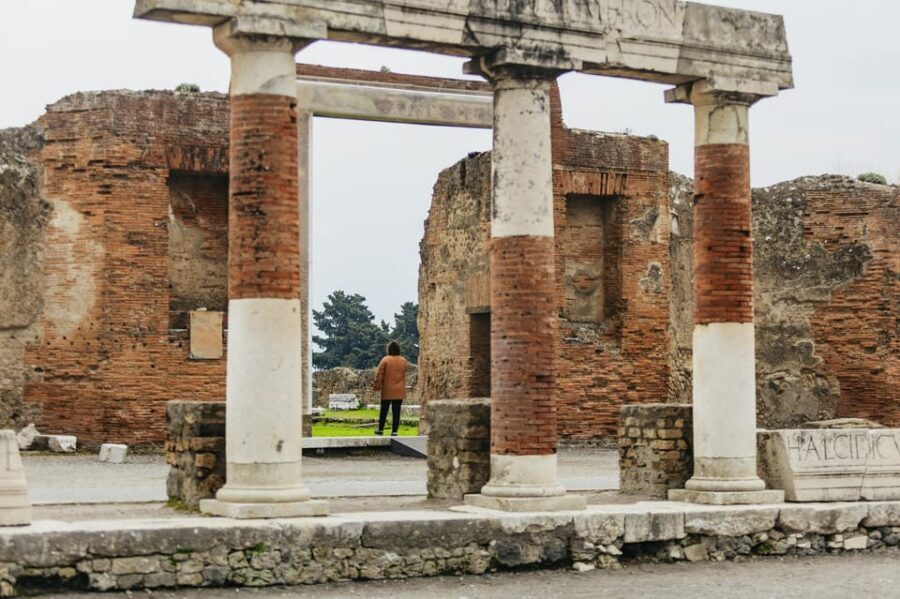
One of the nicest perks of this format is that you’re not immediately pushed out the door. After the tour finishes, you can continue exploring on your own.
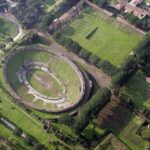
That’s where you should do a little planning. The Arena is specifically called out as not included in the tour, so if it’s on your list, give yourself time. It’s the kind of place you’ll want to see without rushing, even if you already enjoyed the Theater.
Also, build your timing around real transport. One comment advises doing a bit of backward planning so you can catch your train if needed. Pompeii is big enough that “we’ll just pop in quickly” often becomes “we’re sprinting.” If trains are involved, treat the guided slot as the anchor, not the entire plan.
Should you book this Pompeii afternoon-to-sunset guided tour?
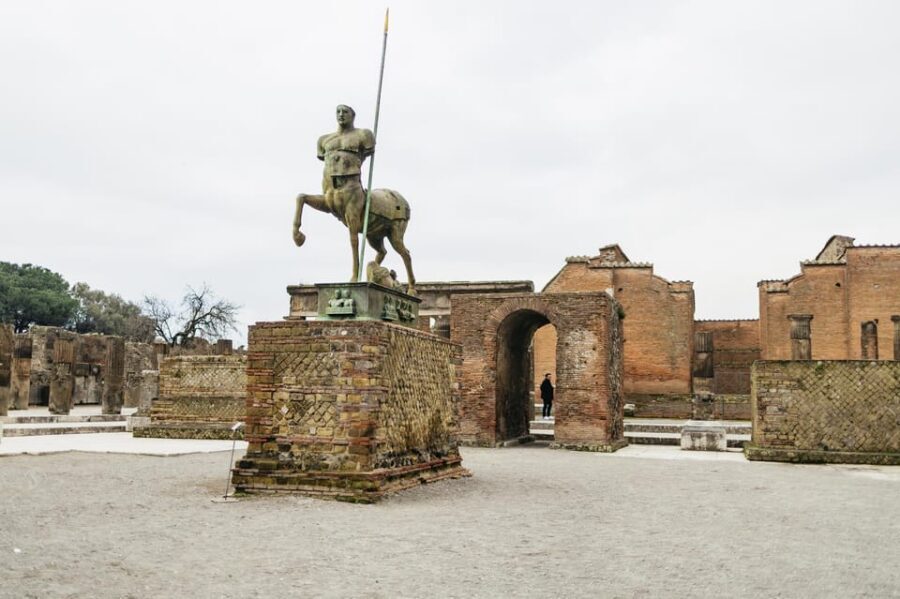
Book it if you want:
- A tight route through Pompeii’s must-see areas without spending hours deciding where to go
- An archaeologist-style guide who connects ruins to day-to-day life before the eruption
- A visit that starts in the afternoon and finishes closer to sunset, when conditions are often easier
Skip it (or pick a different format) if:
- You can’t handle uneven outdoor walking
- You need a more accessible route and shorter distances
- You only want to “wander freely” with no structure at all
FAQ
FAQ
How long is the Pompeii afternoon to sunset guided tour?
The tour lasts about 2.5 hours.
Where do I meet the guide?
Meet at Ristorante Bar Sgambati. Look for a red Enjoy Pompeii sign.
What’s included in the price?
You get a skip-the-line entry ticket to Pompeii and an archaeologist guide.
Is transportation included?
No. Transportation is not included.
Does the ticket let me skip the line?
Yes, entry is handled through a separate entrance to help you skip the line.
What languages is the live guide offered in?
The tour is offered in Italian, English, and French.
What should I bring for the tour?
Bring a sun hat and an ID card (a copy is accepted).
Is this tour suitable for everyone?
It is not suitable for people with mobility impairments, heart problems, respiratory issues, or people over 95 years old.
Can I reserve now and pay later, or cancel if plans change?
You can reserve now and pay later, and you can cancel up to 24 hours in advance for a full refund.
Are private or small groups available?
Yes, private or small groups are available.