REVIEW · COOKING CLASSES
Pasta Making and Tiramisù Cooking Class in Rome
Book on Viator →Operated by Inrome Cooking Srl · Bookable on Viator
Rome has a way of making food feel personal. This pasta and tiramisù class puts you in a real 17th-century cooking school in central Rome, where you learn techniques you can actually repeat later. You also get timed to fit meals in, so it is not just standing and watching.
What I like most is the focus on doing the work yourself. You’ll make fresh pasta from scratch (kneading, shaping) and then turn around and build tiramisù the proper way, with step-by-step coaching from friendly English-speaking chefs.
One thing to consider: the kitchen can get lively, and the space may feel tight at times. There’s also a short walk involved from the meeting point to the working kitchen area, so plan for a quick shuffle before you start.
In This Review
- Key highlights to look for
- Piazza Navona-style cooking: why this class feels like Rome
- Getting started at Corso del Rinascimento (and a short walk)
- Welcome drinks and antipasti: the calm start before the flour flies
- Making fresh pasta by hand: kneading, shaping, and not overthinking it
- Roman sauces 101: two flavors, one repeatable idea
- Tiramisù basics: coffee, cream, and timing that actually makes sense
- Eating your work: dining room service, wine, and the right kind of finish
- Price and value: what $119.77 buys in a city where food costs fast
- What kind of traveler should book this?
- A balanced warning: noise, timing pressure, and tight spaces
- Small practical tips so you feel confident on arrival
- Should you book this Rome pasta and tiramisù class?
- FAQ
- Is this class offered in English?
- How long does the experience last?
- What time does it start?
- What’s included in the price?
- Do they offer vegetarian or gluten-free options?
- Where do I meet and where does it end?
Key highlights to look for
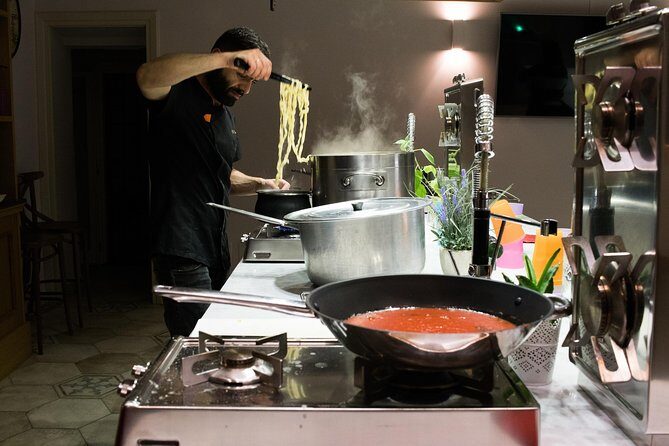
- Hands-on pasta making: you knead and shape your dough by hand, not just assemble ingredients
- Tiramisu with real technique: you learn the logic behind the coffee-cream balance and texture
- Roman sauces included: you make pasta with two types of authentic Roman sauces
- Small group size: up to 15 travelers, which keeps the class interactive
- Food, drinks, and dining: Prosecco and antipasti first, then a proper meal with wine and soft drinks
- Take-home support: you get recipes and tips so you can recreate it at home
Piazza Navona-style cooking: why this class feels like Rome
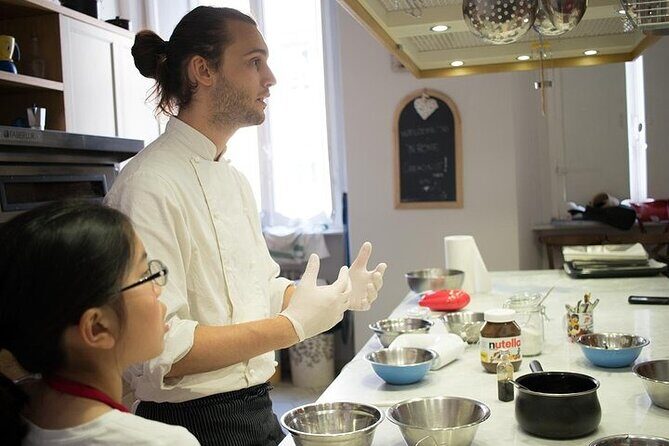
A good food tour tells you what to eat. A good cooking class teaches you how to make it. This one leans hard into the second part.
You’re working on two iconic Italian dishes: fresh pasta and tiramisu. That combo matters. Pasta is technique-heavy (dough feel, gluten, thickness). Tiramisu is technique-sensitive too (cream texture, assembly rhythm, and how coffee affects the layers). Doing both in one sitting gives you more than a snack. You leave with two skill sets.
And because the class is in central Rome, it feels less like a themed activity and more like learning local comfort food from people who cook for a living. Names from past sessions you might recognize include chefs like David, Simone, Marco, Francesco, Alessandro, Fabio, and Sara, who are repeatedly described as patient, encouraging, and clear.
You can also read our reviews of more cooking classes in Rome
Getting started at Corso del Rinascimento (and a short walk)
The meeting point is Corso del Rinascimento, 65, 00186 Roma RM. Your class ends back at the meeting point, so you’re not stuck searching for your way out afterward.
One practical note: you may be routed from the meeting point to the working cooking school nearby. That walk is short, but it is real. If you’re the kind of person who hates arriving late to the first minute, give yourself a few extra minutes to get oriented.
Timing for this specific experience is 5:30 pm and the class runs about 2 hours 30 minutes. In plain terms: you’ll still have a nice chunk of evening left in Rome after.
Welcome drinks and antipasti: the calm start before the flour flies
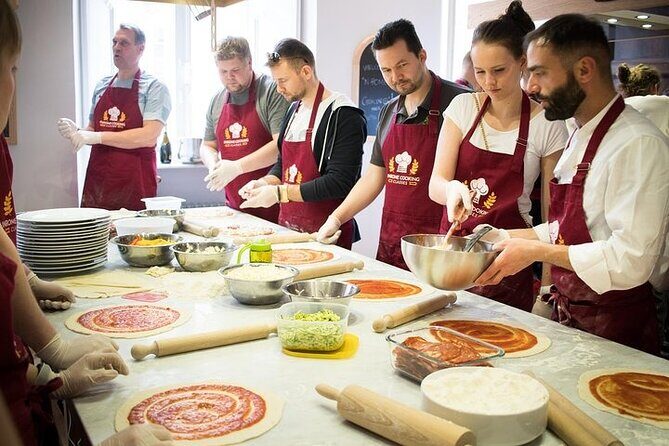
Before the cooking gets serious, you get a warm welcome with fresh drinks and Italian antipasti. For many sessions, that includes Prosecco. You’ll also have light refreshments and bottled water.
This is not just a party trick. Getting a drink and a quick snack early helps the class energy settle. You’re about to get your hands dirty, and you’ll be faster (and less frazzled) once you’re fueled.
You’ll also get a clear sense of what you’re making that night: two types of pasta plus a tiramisù dessert, along with two Roman pasta sauces that pair with your pasta.
Making fresh pasta by hand: kneading, shaping, and not overthinking it
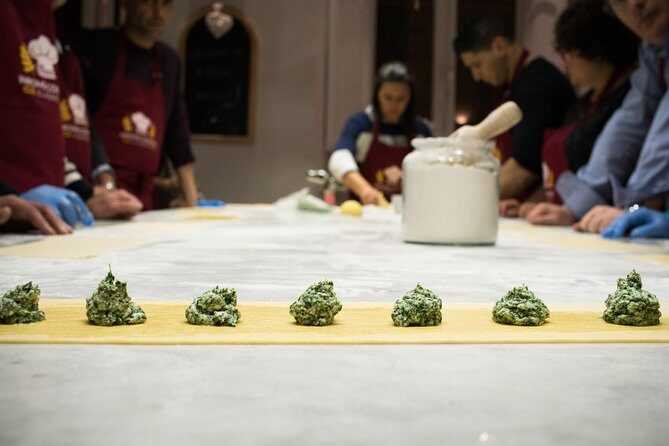
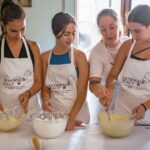
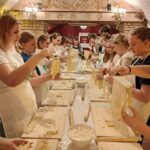
The heart of the class is the pasta dough work. You’ll learn how to make it from scratch, with kneading and shaping by hand. This is where the small-group setup really pays off. When you’re trying to get dough to feel right, you want someone watching you.
Instructors tend to focus on practical cues, not vague poetry. You’ll get guidance on:
- how to handle and knead so the dough stays workable
- how to shape your pasta into the style you’re making
- how to understand the difference between dough that is too dry vs. too wet
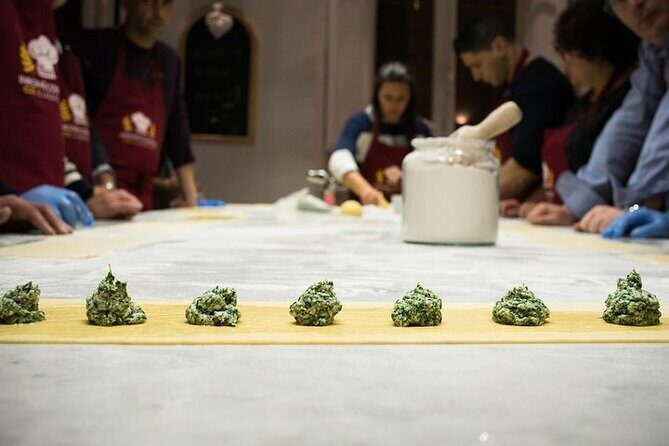
The format usually includes two pasta types. Past classes have mentioned styles like spaghetti, fettuccine, ravioli, and other variations depending on the menu for that day. The useful part for you is the technique transfer. Even if your exact pasta shape varies, the dough lessons carry over.
If you cook at home only occasionally, don’t worry. This is presented as hands-on, not as an exam. Several past sessions mention instructors explaining not only what to do, but why it works, so you can adapt later.
Roman sauces 101: two flavors, one repeatable idea
Pasta is half the meal. The sauce is what makes it Roman and not just Italian.
You’ll prepare pasta with two authentic Roman sauces. The value here is that you’re not just tasting. You learn how sauce is built and how the ingredient choices create the final texture and flavor.
A key teaching moment is learning how sauces relate to each other. One session style that came up in feedback: you can start from a base sauce and then create variations. That idea matters for value at home. After the class, you’re more likely to cook again because you understand the framework.
Even if you’re not trying to recreate the exact same sauce on day one, you’ll come away with a working sense of:
- what to watch for during cooking (texture, thickness, balance)
- which ingredients matter and what substitutions might be okay
For anyone with dietary restrictions, there’s also evidence of accommodation. One chef was praised for preventing cross-contamination for allergies. If you have a serious allergy, it’s smart to tell the team in advance so they can plan safely.
You can also read our reviews of more tours and experiences in Rome

Tiramisù basics: coffee, cream, and timing that actually makes sense
Then you pivot to dessert: homemade tiramisù. This is where a lot of people think it’s complicated, but classes like this focus on the mechanics.
You’ll learn classic tiramisù approach along with a bit of context, including history tied to the dessert. More importantly, you get hands-on direction through the steps.
What you’re really learning is timing and texture. Tiramisù depends on the cream staying creamy and the coffee working with the layers instead of turning everything into mush. A patient chef makes a big difference here, because assembling is easy to mess up when you rush.
Past instructors called out for being encouraging and clear include chefs like Max and Alessandro, and the recurring theme is that they teach the logic behind each step. That makes it feel less like you’re copying a recipe and more like you’re learning a process.
Eating your work: dining room service, wine, and the right kind of finish
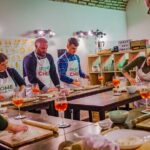
After cooking, you sit down to enjoy what you made. The class is designed with a real meal in mind, not just a quick bite.
Your menu typically includes:
- Starter: welcome Prosecco and Italian antipasti
- Main: fresh pasta (two types) with two types of authentic Roman sauces
- Dessert: homemade tiramisù
Included in the experience are alcoholic beverages, plus local wines and soft drinks with the meal, along with bottled water. In past sessions, the overall flow has been described as cooking first, then a full sit-down dinner afterwards in an elegant dining room.
This matters for you because it closes the loop. You cook, taste, and eat what you built while it is at its best. And you get a chance to chat, which some people specifically mention as a highlight.
Price and value: what $119.77 buys in a city where food costs fast
At $119.77 per person (for a roughly 2.5-hour class), you’re paying for more than ingredients. You’re paying for:
- professional instruction in small group format (maximum 15 travelers)
- professional-grade kitchen equipment and a proper Italian working setup
- a meal that includes starter, pasta, and dessert
- drinks (Prosecco and wine are commonly part of the experience)
- take-home recipes and tips
Here’s the practical way to judge value: if you book this, you’re getting an instructor-guided “meal + skills.” Many people spend that kind of money on dinner and wine alone and still have nothing to cook later.
This class gives you skills that can turn into real home cooking. Even if you don’t cook pasta every week, you’ll at least feel confident making dough and assembling tiramisù without guessing.
Also, the central location helps. You’re already in Rome, so you don’t need extra big-ticket planning to justify the experience.
What kind of traveler should book this?
This is a strong fit if you want an active, social evening without needing culinary experience.
You’ll likely enjoy it if you are:
- a couple looking for a memorable date night
- friends who want an interactive activity that also includes a meal
- families with kids who can handle hands-on cooking (one session feedback specifically praised it for ages ranging from kids to adults)
- solo travelers who like meeting others over a shared table
It’s also a good choice if you care about authenticity. The class isn’t about “Italian-inspired.” It’s about classic techniques: Roman sauces, fresh pasta, and tiramisù done the traditional way.
A balanced warning: noise, timing pressure, and tight spaces
I’d be honest with you about two potential frustrations, because they show up in real feedback.
First: the kitchen can be lively and loud. If you struggle in noisy environments or need quiet concentration, this might be uncomfortable. The upside is that instructors are often right there coaching, so communication still happens, just not in a hushed studio vibe.
Second: space can be tight when classes are underway and when more than one session is happening near each other. The class is designed for hands-on learning, but that means you’ll be close to your station and your fellow cooks.
Finally, some people felt the process was a bit rushed. If you’re the type who wants slow, unhurried pacing, go in with the mindset that you’re learning within a set schedule. If you ask questions, chefs often try to help, but the overall tempo is built for finishing with a plated meal.
Small practical tips so you feel confident on arrival
Here’s how to set yourself up for a smoother class:
- Wear something you can get a little flour on. You’ll be kneading dough.
- Plan to arrive a few minutes early so the short walk doesn’t make you feel rushed.
- If you have dietary needs, confirm vegetarian and gluten free options are available and flag anything more specific (especially allergies).
- If you’re worried about hearing in a loud room, seat position can help. Don’t be afraid to shift slightly once you’re inside.
- Think of it as a skill session. Focus on what the chef is showing, not only on copying a final look.
One more fun angle: a few past participants mentioned getting a link to a cookbook or recipe collection afterward. Even if that isn’t guaranteed every time, the expectation is that you’ll take home the recipes and tips you need to recreate the dishes.
Should you book this Rome pasta and tiramisù class?
I think this is an excellent booking for most people who want more than a restaurant meal. The top reasons to choose it are simple: you get hands-on pasta, real tiramisù technique, a full meal with drinks, and take-home recipes in a small-group setting.
I’d only hesitate if you strongly dislike loud rooms, you hate any possibility of tight working conditions, or you’re expecting a calm, slow culinary workshop with lots of personal wait time. Even then, you can still have a great time if you go in expecting a lively kitchen and keep your focus on the chef’s instruction.
If you want an experience that tastes like Rome and leaves you with skills for your kitchen back home, this class is hard to beat.
FAQ
Is this class offered in English?
Yes. The class is offered in English.
How long does the experience last?
It runs for about 2 hours 30 minutes (approx.).
What time does it start?
The start time listed for this experience is 5:30 pm.
What’s included in the price?
It includes food tasting, light refreshments, a lunch-style meal (starter and main) plus dessert tasting, bottled water, and alcoholic beverages.
Do they offer vegetarian or gluten-free options?
Yes. Vegetarian and gluten free options are available.
Where do I meet and where does it end?
You meet at Corso del Rinascimento, 65, 00186 Roma RM, Italy and the activity ends back at the meeting point.