REVIEW · COOKING CLASSES
Italian Gelato, Tiramisu and Cannolis Cooking Class in Rome
Book on Viator →Operated by VICE ITALIA · Bookable on Viator
Dinner plans? Forget them.
This class is a hands-on dessert workshop inside a professional Roman pastry lab—so you’re not just watching you’re making classics like tiramisu, cannoli, and gelato from scratch. I like the small-group feel (max 15), and I like that they give you the tools, ingredients, and recipes so you can repeat it at home. One thing to plan for: the lab is outside the city center area, near Battistini, so you’ll want to budget extra time (and possibly a taxi) to get there.
The format is simple and fun: you’ll work through three desserts, taste along the way, and leave with your sweets boxed up for later. It’s also offered in English, with a mobile ticket, bottled water included, and even a glass of prosecco with your tasting (juice if children are with you).
In This Review
- Key Points Worth Knowing
- A Pastry Lab Near Battistini, Built for Real Baking
- What You Make: Tiramisu, Sicilian Cannoli, and Gelato
- Tiramisu With Espresso Coffee
- Sicilian Cannoli Filled With Ricotta
- Gelato With Fresh Homemade Toppings and Fruit
- Inside the 2.5-Hour Flow: What Happens During the Workshop
- You’ll Notice the Chefs Are in the Room
- What Makes This Class Feel Different (In a Good Way)
- Hands-On Techniques, Not Just Notes
- You Get the Tools and Ingredients
- Take-Home Packaging So Your Work Isn’t Wasted
- Price and Value: Is $94.37 Worth It?
- Best For Who: Families, Foodies, and DIY Dessert People
- Dietary Needs: Know the Limits Before You Book
- Your Practical Plan: How to Get the Most Out of It
- Comfort
- Timing
- Drinks and Coffee
- Should You Book This Pastry Lab Class?
- FAQ
- How long is the Italian Gelato, Tiramisu and Cannolis Cooking Class in Rome?
- What is the price per person?
- Where does the class meet in Rome?
- What language is the class offered in?
- What desserts will I make during the class?
- What’s included with the class?
- Is the class suitable for celiac disease or severe gluten allergy?
Key Points Worth Knowing
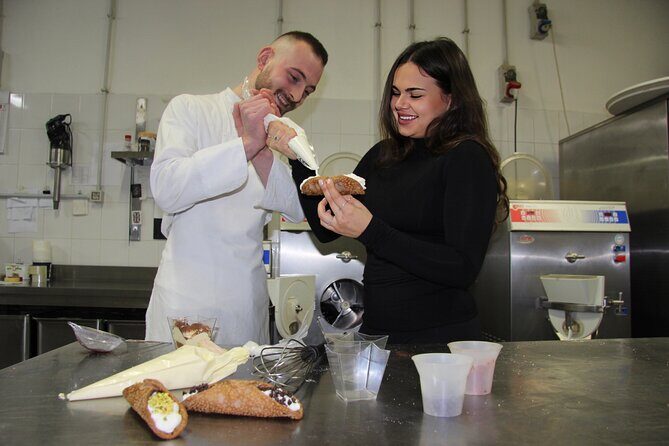
- Professional pastry lab setting: you’ll work in a spacious, well-equipped kitchen, not a cramped demo room
- Three famous desserts, one session: tiramisu, Sicilian-style cannoli with ricotta, and gelato with homemade toppings
- Small group energy: capped at 15 travelers, which helps questions and step-by-step help
- Built for take-home success: you receive recipes plus dedicated follow-up support
- Good drink + coffee combo: espresso pairs with tiramisu, and you’ll get prosecco during the experience
- Clear dietary limits: not suitable for celiac or severe gluten allergy, nut allergy, vegan, or lactose intolerance
A Pastry Lab Near Battistini, Built for Real Baking
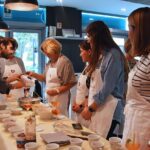
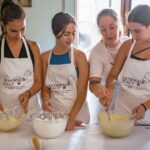
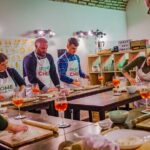
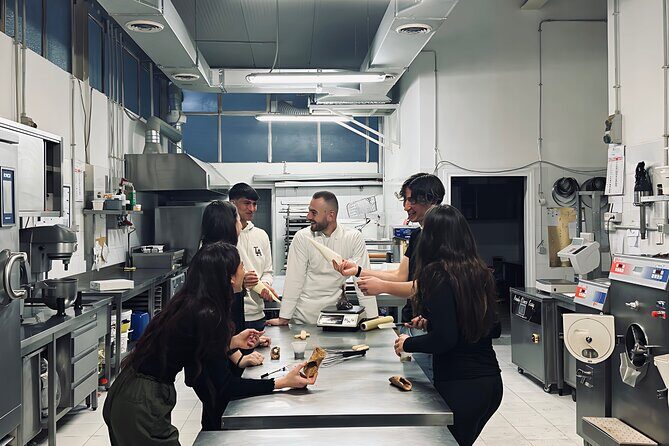
Rome has plenty of food experiences that feel half educational, half show-and-tell. This one is different because it’s designed like a working bakery lab: you’re standing at your station, making the desserts as you go, and learning the practical techniques behind the results.
The lab is just steps from Battistini metro station on Line A. That matters because you can get here without complicated transfers. Still, this area is not the very center of Rome. If you’re basing yourself near the major sights, I’d plan your transport like you’re heading to a neighborhood day trip rather than a quick hop. One big plus: once you get the route, it’s repeatable for dinner or gelato after.
Also, it helps that the session is capped at 15 people. You’ll feel the difference when you’re mixing, piping, and assembling and you need a chef to spot a mistake immediately.
You can also read our reviews of more cooking classes in Rome
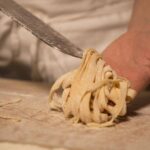
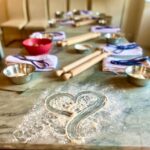
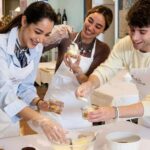
What You Make: Tiramisu, Sicilian Cannoli, and Gelato
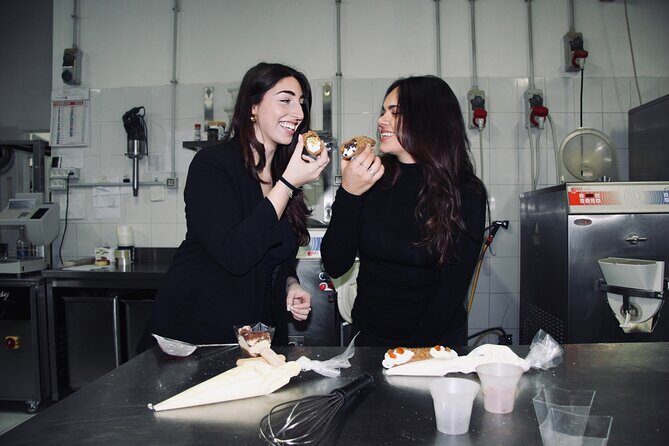
This is the core of the value. You’re not choosing one dessert and going deep on only that. You’re learning three Italian favorites that each require different skills and different texture goals.
Tiramisu With Espresso Coffee
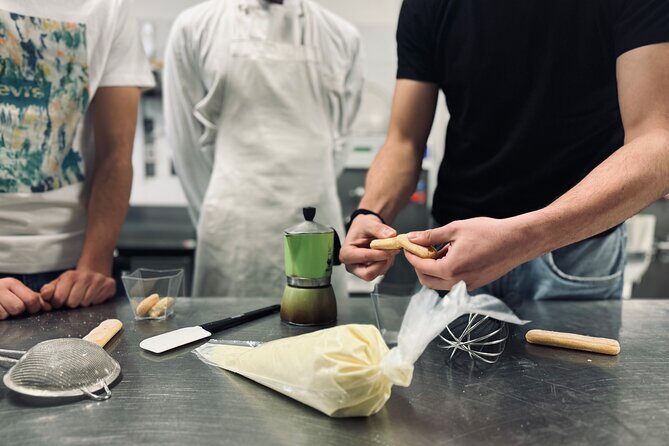
Tiramisu can look simple, but the details matter: cream consistency, coffee soak timing, and layering without turning everything into a soggy mess. In this class, tiramisu is made with espresso coffee. That’s a real-world detail. Espresso behavior, bitterness, and moisture all affect the final texture, and learning that timing in a controlled kitchen beats trying to guess at home.
You’ll also learn how to assemble it so it holds up long enough to enjoy later. At the end, your creation gets wrapped so you can taste it again after.
Sicilian Cannoli Filled With Ricotta
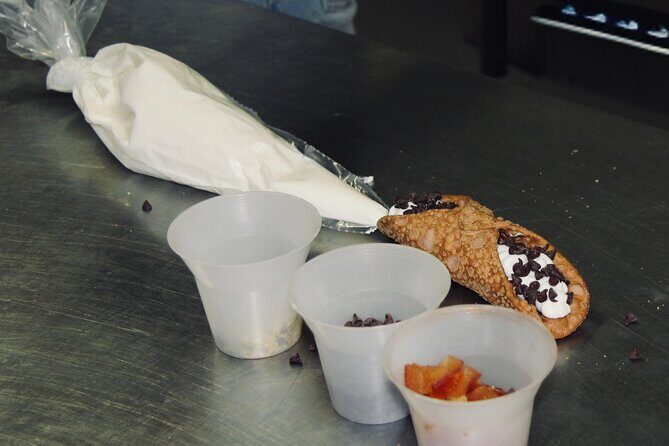
Cannoli is pure hands-on work: making or shaping shells, then filling with ricotta cheese. The key here is contrast—crisp shells against creamy filling. If your filling is too loose, it’ll soak or collapse the experience.
In class, you get to fill your own cannoli. That’s the part people usually skip in food demos. Here, you’re doing it from scratch and learning what makes it firm enough and rich enough at serving time.
Gelato With Fresh Homemade Toppings and Fruit
Gelato is where many home cooks struggle, usually because they don’t control ingredients and process the way gelaterias do. In this class, you’ll make gelato and finish it with fresh home-made toppings and fruit. That’s a smart pairing because it teaches you that gelato isn’t just about the base; it’s also about balancing sweetness, acidity, and texture.
Plus, the class includes tasting gelato in the lab with your new group—before it becomes a take-home treat.
You can also read our reviews of more tours and experiences in Rome

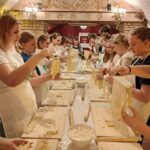
Inside the 2.5-Hour Flow: What Happens During the Workshop
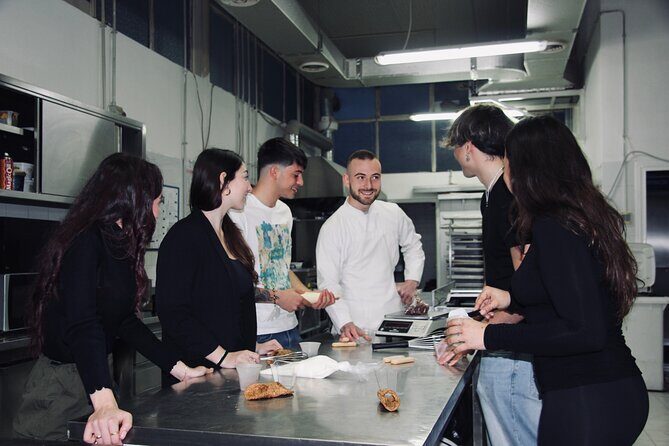
The total time is about 2 hours 30 minutes. That’s long enough to actually make three desserts, but short enough that you won’t feel like you’re trapped in a cooking marathon.
A practical way to think about the flow:
- You start at the meeting point on Via Soriso, 68a, 00166 Roma RM and then head to the lab nearby.
- You work through the desserts in sequence, switching from one station and technique to the next.
- You taste along the way, then finish with packing your creations so you can enjoy them later.
Even if the exact timing varies by chef and group pace, the rhythm stays consistent: chef explains, you do, chef corrects, and you move on. That’s what keeps it from turning into an educational lecture.
You’ll Notice the Chefs Are in the Room
The experience is led by pastry chefs in a professional lab. From past classes, you might be taught by instructors like Shiva or Bea, and with other team members such as Riccardo. There may also be greeters like Anna and Julia to help you settle in and get ready to cook.
The value of a team setup like this is simple: you get both cooking guidance and real-time support when something gets sticky, too thick, too runny, or just plain wrong.
What Makes This Class Feel Different (In a Good Way)
There are cooking classes that teach you techniques and then send you home with a recipe. There are also classes that feel like a fun activity without much craft. This one aims for the best middle ground: you leave with something genuinely worth serving.
Hands-On Techniques, Not Just Notes
This class promises hands-on experience guaranteed, plus advice so you can reproduce the desserts later. That means you’re not just learning ingredients; you’re learning the logic of the process—like how to get the right texture for each dessert so it tastes right and holds up at home.
You also get recipes and dedicated follow-up support, which is a big deal if you’ve ever tried to recreate a recipe and then had questions after the flour dust settles.
You Get the Tools and Ingredients
They include the ingredients/equipment to make the recipe. That matters more than it sounds. Gelato, tiramisu components, and cannoli parts can be annoying to source correctly in Rome or to replicate at home without the same basics.
When everything is supplied, your time goes into technique instead of shopping.
Take-Home Packaging So Your Work Isn’t Wasted
At the end, your desserts are wrapped so you can enjoy them later. That’s practical for a sightseeing day. It also reduces the temptation to eat everything immediately and call it a lesson. You’ll taste in class first, but you can still bring the boxed sweets back to your hotel or home base.
Price and Value: Is $94.37 Worth It?
At $94.37 per person for about 2.5 hours, the real question isn’t the math—it’s the outcome.
Here’s why the price feels more reasonable than many single-dessert classes:
- You make three desserts: tiramisu, cannoli, and gelato
- You get espresso, prosecco (or juice for children), bottled water, and included ingredients
- You receive recipes and follow-up support so it’s not just a one-off bite
- The setting is a professional pastry lab with dedicated chefs and a small group cap
One more value factor: you don’t have to spend time booking multiple dessert experiences. If you care about learning and not just tasting, one structured session that teaches three classics is a better deal than piecing together three separate tours.
The trade-off is location. If you’re deep in central Rome, you might pay for transport out to Battistini. That cost is worth factoring into your total trip budget.
Best For Who: Families, Foodies, and DIY Dessert People
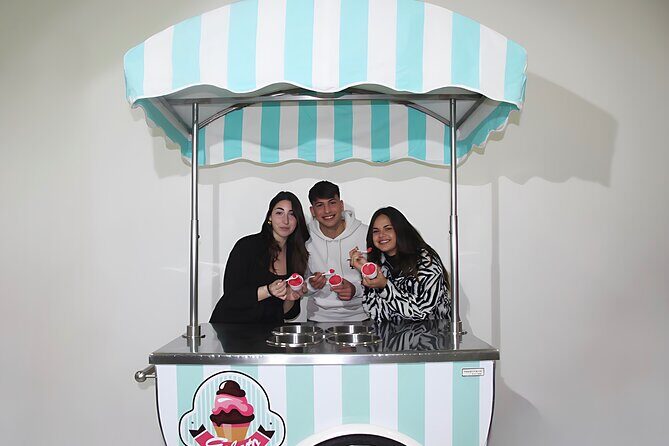
This workshop fits a few types of travelers particularly well:
- Families who want a structured activity with a real food payoff
- Couples or friends who want a fun shared skill, not just another meal reservation
- People who genuinely like dessert and want to learn how to make it
- Anyone who likes small groups and direct coaching rather than a big crowd experience
If you’ve done pasta or pizza classes before, this is a nice shift. It’s not the usual “Roman cooking class.” It’s specifically a pastry lab experience—gelato and cannoli included, which is harder to find in typical city tours.
Dietary Needs: Know the Limits Before You Book
They’re clear about what they can’t accommodate. This class is not suitable for celiac disease or severe gluten allergy. They can accommodate gluten intolerance, but if gluten-free is your requirement, you’ll want to message them early.
They also list these limits:
- Not suitable for nut allergies
- Not suitable for vegans
- Not suitable for lactose intolerance
If you have any allergy, intolerance, or dietary restriction, communicate it at booking time via message or email. That’s the only way to avoid a painful surprise.
Your Practical Plan: How to Get the Most Out of It
To make this feel smooth, think about two things: comfort and timing.
Comfort
Wear something you don’t mind getting a little splashed. Pastry work can be messy even when it’s controlled. Closed-toe shoes help too.
Timing
Since the lab is near Battistini metro, plan your day so you’re not rushing from a major sight five minutes away. Give yourself a little buffer for transport out there. Once you’re in the lab, the experience moves at a pace where you’ll be mixing, assembling, and tasting without feeling like you’re waiting around.
Drinks and Coffee
You’ll make tiramisu with espresso coffee, and you’ll enjoy your sweets with a glass of prosecco. Juice is offered for children. If you’re sensitive to alcohol, you can plan to skip or sip lightly. It’s part of the experience, but the main event is the dessert craft.
Should You Book This Pastry Lab Class?
I’d book it if you want a real cooking skill, not just a food stop. The combination of three classic desserts, a professional lab setup, and recipes plus follow-up support makes it a strong value for people who actually cook at home.
I’d hesitate if:
- you need strict dietary accommodations beyond what’s listed
- you’re unwilling to handle transport out to the Battistini area
- you want a purely central, walk-everywhere sightseeing day
If those points don’t scare you, this is one of those Rome experiences that leaves you with something tangible: sweets you made, techniques you can repeat, and a story that’s way better than I went to another museum.
FAQ
How long is the Italian Gelato, Tiramisu and Cannolis Cooking Class in Rome?
It runs for about 2 hours 30 minutes.
What is the price per person?
The price is $94.37 per person.
Where does the class meet in Rome?
The meeting point is Via Soriso, 68a, 00166 Roma RM, Italy. The activity ends back at the meeting point.
What language is the class offered in?
The experience is offered in English.
What desserts will I make during the class?
You’ll make Italian tiramisu, Sicilian cannoli filled with ricotta, and gelato with fresh homemade toppings and fruit.
What’s included with the class?
Included items are bottled water, ingredients and equipment, the three desserts you make, a glass of prosecco (juice for children), recipes, and dedicated follow-up support to help you recreate the desserts at home.
Is the class suitable for celiac disease or severe gluten allergy?
No. It is not suitable for celiac disease or severe gluten allergy, though they can accommodate gluten intolerance.