REVIEW · COOKING CLASSES
Rome: 3-in-1 Fettuccine, Ravioli, and Tiramisu Cooking Class
Book on GetYourGuide →Operated by Eat and Walk Italy · Bookable on GetYourGuide
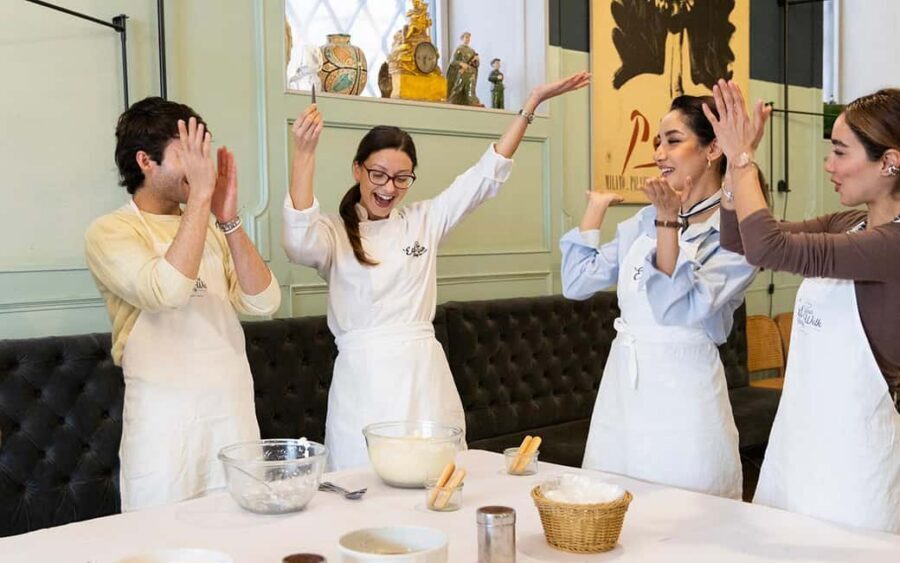
Rome has a lot of food tours. This one is different because you make the food yourself, step by step. I like that the class is truly hands-on (you work the dough, shape ravioli, and build tiramisù), and I also like that you get to sit down and eat what you made with wine and limoncello. One thing to consider: it’s not a slow, leisurely cooking day—at times the pace can feel quick, so come ready to focus.
This workshop runs in a cozy restaurant setting near the center of Rome, meeting at Restaurant Gusto, Via Giuseppe Zanardelli 14. The instruction is in English, and multiple chefs (like Lori, Mattia, Maria, Mimi, Leo, and Carlotta) are known for keeping the room upbeat while still giving clear, practical guidance.
At about 3 hours, you’ll move from dessert to pasta—starting with tiramisù, then making two types of pasta dough and assembling ravioli and fettuccine. The payoff is a plated meal with sauce choices for the fettuccine, plus drinks to toast your work.
In This Review
- Key things to know before you go
- Restaurant Gusto in central Rome: what the 3-hour format feels like
- Tiramisu before pasta: a dessert lesson that sets you up for success
- Fettuccine and the pasta-dough feel: learning thickness and timing
- Ravioli building: filling pairings and sealing the edges
- The table finale: wine, limoncello, and eating your own work
- Price and value: is $81 worth it in Rome?
- Who this works best for (and who might not love it)
- Tips to get the best results (and avoid common snags)
- FAQ
- How long is the Rome pasta and tiramisù cooking class?
- Where does the class meet in Rome?
- What dishes will I learn to make?
- Is the instruction offered in English?
- Do I eat what I cook during the class?
- What sauces are included for the fettuccine?
- Are drinks included, and do you offer non-alcoholic options?
- Is the experience wheelchair accessible?
- Is there a minimum age requirement?
- Are pets allowed?
- Should you book this pasta and tiramisù class?
Key things to know before you go
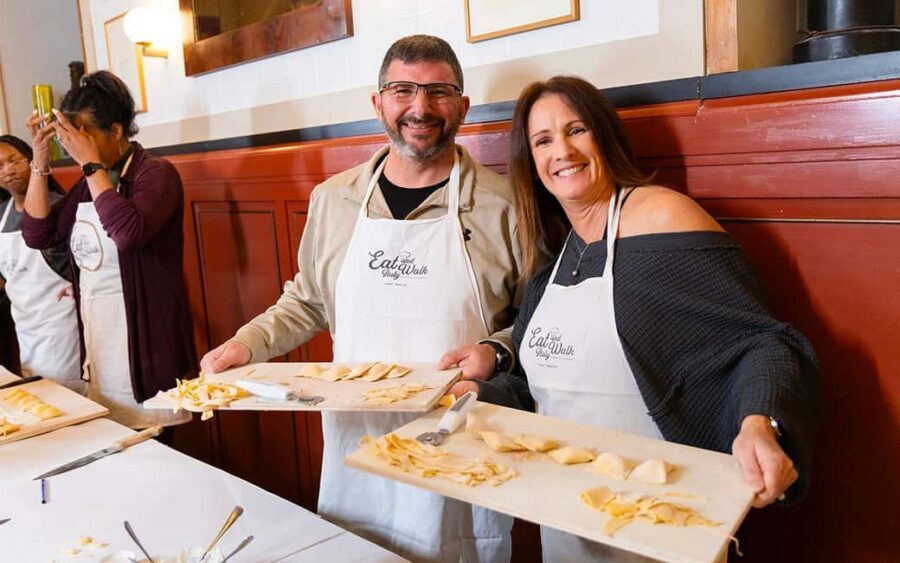
- Hands-on lesson: You shape pasta and assemble tiramisù, not just watch.
- Tiramisu first: You start with the dessert technique, then shift to dough.
- Three classics: Fettuccine, ravioli, and tiramisù are all included.
- Fettuccine sauce choice: Tomato and basil, cacio e pepe, or amatriciana.
- Wine and limoncello: You taste what you make with drinks included.
- Real Rome location: Meeting at Restaurant Gusto puts you in the thick of the city.
Restaurant Gusto in central Rome: what the 3-hour format feels like
The meeting point is Restaurant Gusto, Via Giuseppe Zanardelli 14, right where it’s easy to pair this class with other Rome plans. You’re stepping into a working restaurant kitchen setup, and the format is built around momentum: short explanations, then you’re doing the next step with your hands.
I like the 3-hour shape because it’s long enough to learn three dishes without turning into a whole-day food festival. Still, it’s not a slow class where you can wander off or take 30 photos between every task. If you like to move at a calm pace, you may want to mentally prep for a bit of a rhythm.
In the dining room at the end, you’ll get your meal with a glass of wine (or a non-alcoholic alternative), plus limoncello or coffee. That part matters more than it sounds. A lot of cooking experiences stop at the cooking. Here, you actually eat the results at the table while it’s still the right temperature and freshness.
You can also read our reviews of more cooking classes in Rome

Tiramisu before pasta: a dessert lesson that sets you up for success
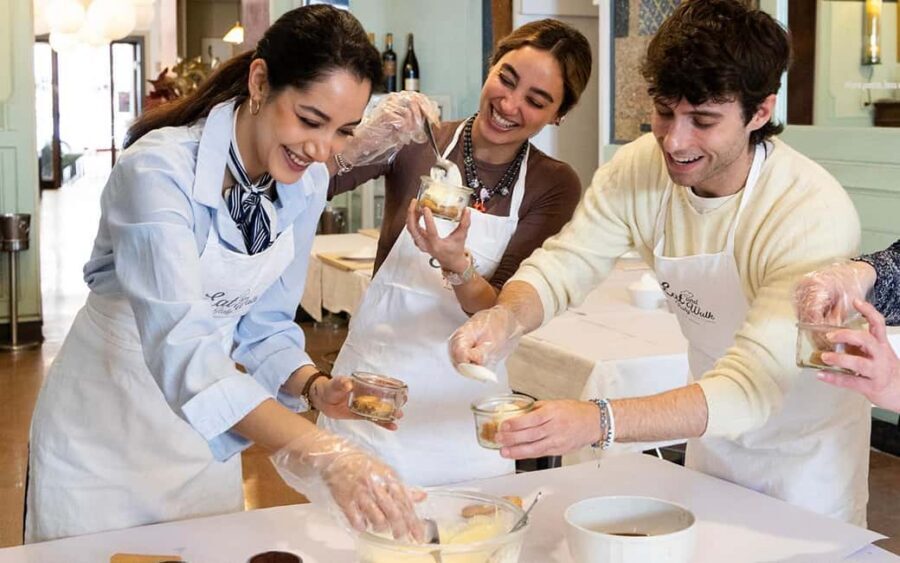
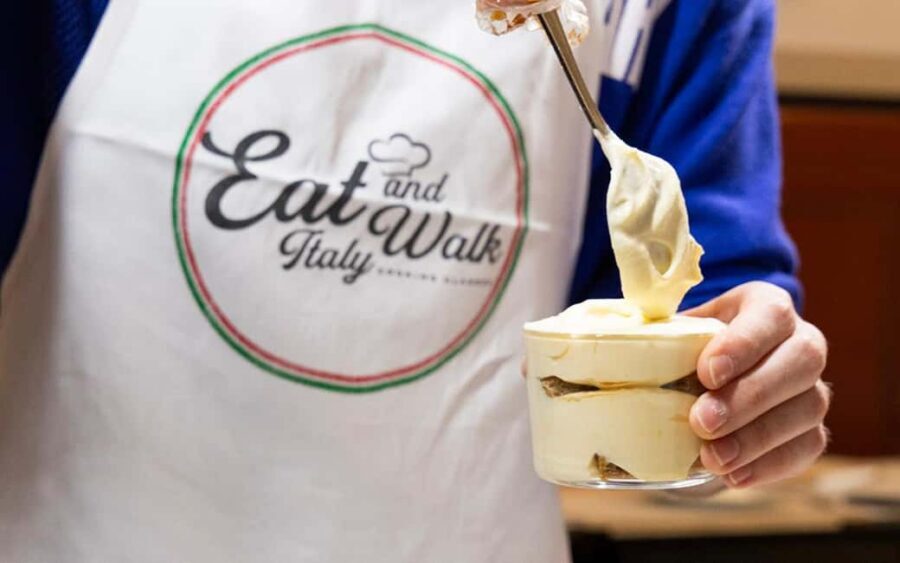
The workshop starts with tiramisù. That’s a smart choice, because it teaches you technique early—before you’re tired from rolling dough.
What you’re doing is building the dessert in stages, guided by the chef. You’ll learn how to handle the components so the finished tiramisù comes out properly, instead of turning into a sweet mess of mixed textures. If you’ve made tiramisù at home, you’ll likely pick up small fixes that make it easier to repeat the recipe later.
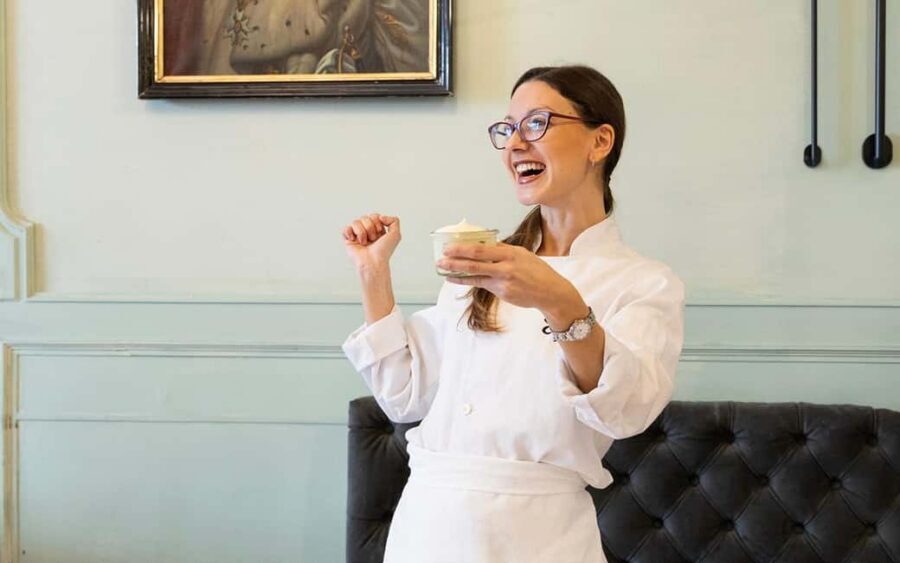
Chefs in this class are known for clear pacing and “do this, then this” coaching. In particular, instructors like Lori and Mimi have a reputation for making sure everyone participates without leaving people behind. That’s helpful if you’re new to Italian cooking and worried you’ll be the slow one at the table.
One practical consideration: since tiramisù is the first task, expect to concentrate right away. If you tend to be distracted when you enter a new room, arrive with a clear mind so you can catch the early instructions.
Fettuccine and the pasta-dough feel: learning thickness and timing

After tiramisù, you’ll switch to pasta dough and make fettuccine from scratch. This is where the class earns its name as more than a tasting session.
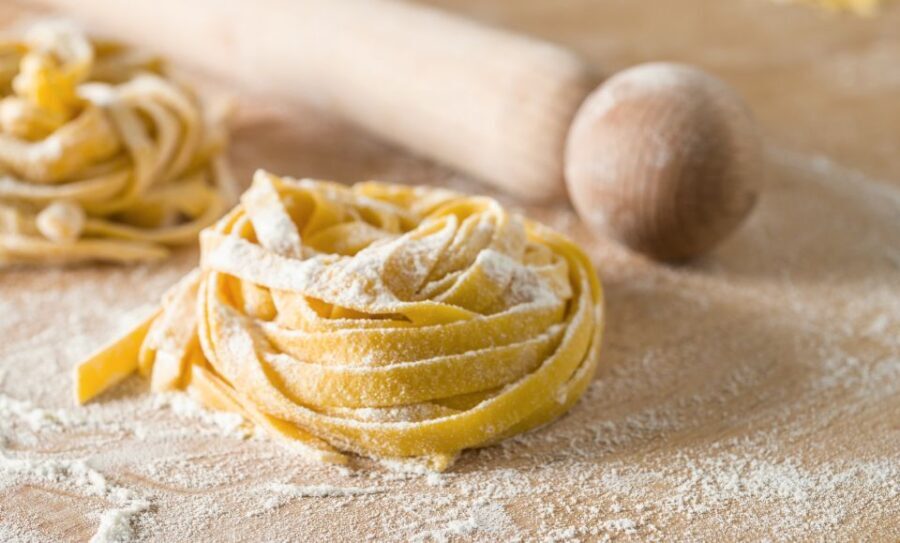
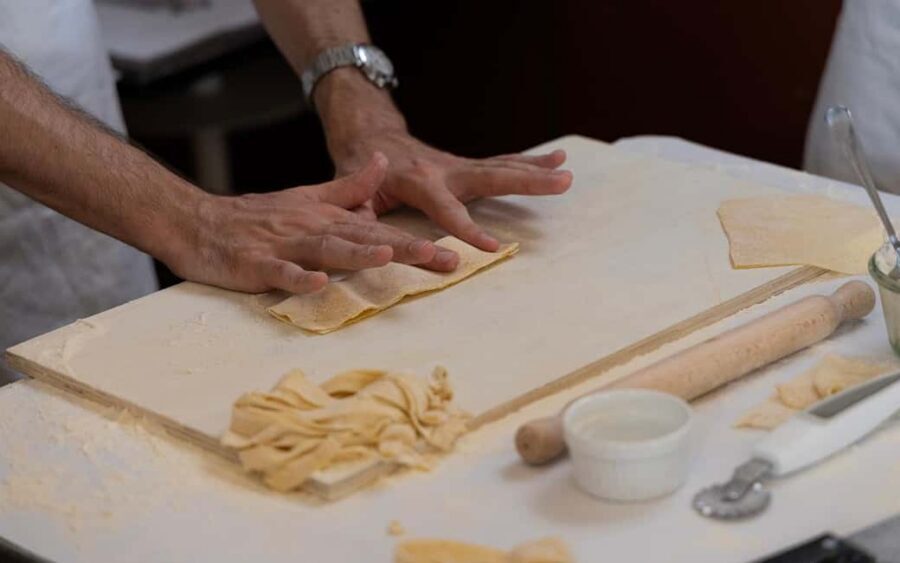
You’ll learn how to prepare the pasta dough and how to handle it so it behaves the way fresh pasta should. The key is not just getting it “made,” but getting it workable—elastic enough to roll, but not so dry it cracks or so soft it sticks. You’ll also practice how to cut or shape it into fettuccine.
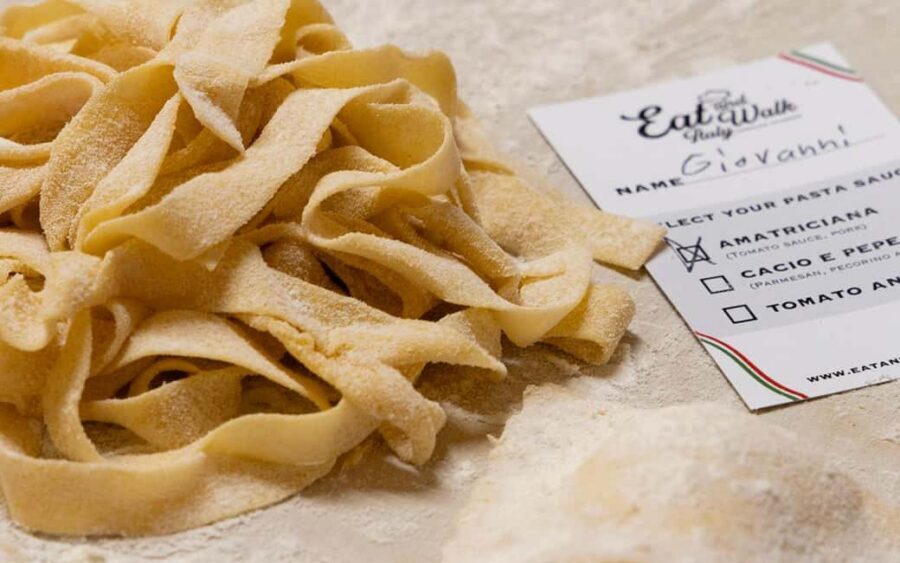
Then comes the sauce decision. For your fettuccine, you can choose from tomato and basil, cacio e pepe, or amatriciana. Each choice changes the whole eating experience, and I like that this class lets you pick what you actually want to taste rather than forcing one option.
- Tomato and basil is the comforting, bright choice if you want something familiar and straightforward.
- Cacio e pepe leans into a peppery, cheese-driven comfort that’s great for learning how pasta absorbs a simple sauce.
- Amatriciana gives you a richer tomato-forward profile that works nicely with fresh fettuccine.
A small real-world note: one review mentioned that a wine served at the meal was white and warm. That’s not the main pattern, but it’s a reminder that drinks can vary. If you’re picky about wine temperature, it’s fair to politely request what you prefer when it’s time to pour.
Ravioli building: filling pairings and sealing the edges
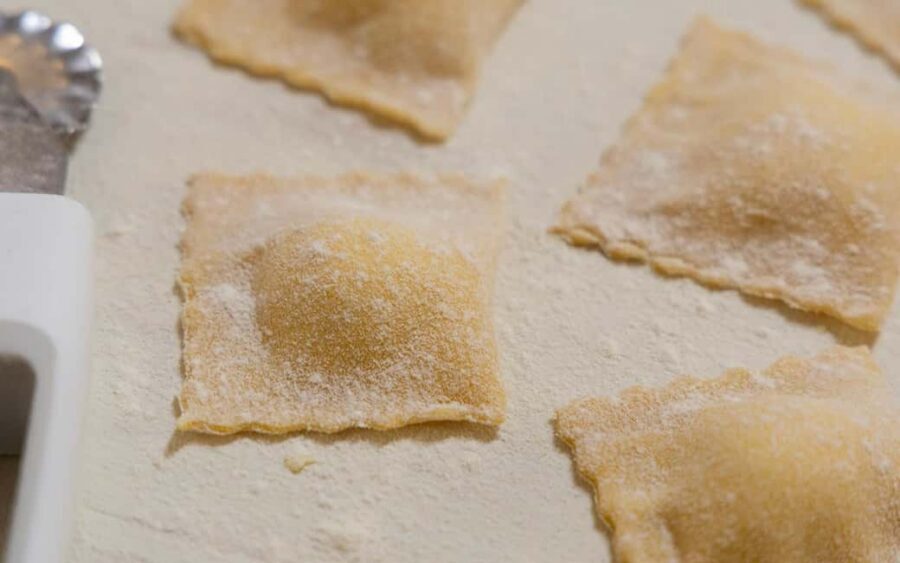
Next up is ravioli. You’ll make them from scratch, which means dough, filling, shaping, and sealing—everything that usually scares people away from making ravioli at home.
The class includes guidance on fillings and notes that fillings can be tied to seasons. That part is genuinely useful. It turns ravioli from a single “one-size-fits-all” meal into a flexible method you can adapt as ingredients change through the year.
Once your ravioli are done, they’re served with butter and sage. This matters for two reasons:
- It’s classic and forgiving, so your final plate tastes like Italy rather than like a science experiment.
- It lets the ravioli filling stay the star, while the sage and butter provide aroma and richness.
In terms of teaching style, instructors like Mattia and Tommy have been praised for keeping the class moving while still checking in on individuals. If you’re cooking with mixed skill levels in your group, that’s a big deal. Ravioli especially punishes rushed mistakes, so it helps when the chef keeps the pace steady without leaving anyone stranded.
The table finale: wine, limoncello, and eating your own work
After pasta and dessert, you eat the fruits of your labor as a proper meal. Included are a glass of wine (or non-alcoholic beverage), plus limoncello or coffee. Water is also part of the setup.
This is the part I’d call the value multiplier. You’re not paying for a demo. You’re paying for ingredients, technique coaching, and the chance to sit down and taste your own cooking right away—while everything is in the right order of completion.
The room vibe is also a highlight. Several chefs are described as funny, engaging, and careful about participation—whether you’re the couple next to you or someone who joined with teens who weren’t sure they’d like cooking. In one class, teens still ended up enjoying the experience, which is the best endorsement if your group includes skeptics.
If you’re sensitive to noise or to being around a bigger group, it’s worth noting that group size can vary. Some classes have been described as around 20 people, while others feel tighter with a smaller group. Either way, the common thread is that the chef works to keep it interactive rather than lecture-style.
You can also read our reviews of more tours and experiences in Rome


Price and value: is $81 worth it in Rome?
At $81 per person for a 3-hour workshop, you’re paying for more than recipes. You’re paying for:
- Ingredient prep and the work space to make three dishes
- Hands-on teaching in English
- Meal service so you eat what you cook
- Drinks included: wine or non-alcoholic option plus limoncello or coffee
If you tried to replicate this at home, you’d spend money on ingredients, tools, and your time—plus you’d be doing trial and error on dough consistency. Here, you’re getting technique tips and corrections in real time from a chef, and that’s hard to price if you only compare it to what supermarket ingredients cost.
I also think the value is stronger because the menu is focused. You’re not bouncing between five dishes that blur together. You learn tiramisù, fettuccine, and ravioli, with clear sauce pairings for the pasta.
The main “cost” is not money. It’s your attention and a willingness to get messy. If you hate the idea of cooking hands-on during a trip, you’ll feel the price more than you’ll feel the payoff.
Who this works best for (and who might not love it)
This class is a great fit if you want something active to do in Rome that isn’t just another walking route. It’s also ideal for couples, friends, or small groups who want a shared project and a meal at the end.
It can work well for mixed ages. One review described a wide age range being guided at the right pace, and another described a group that included teenagers who surprised themselves by enjoying it.
Here’s who should think twice:
- If you’re traveling with very young children, it’s not suitable for kids under 4.
- If you dislike hands-on cooking or you’re expecting a sit-down tasting only, this won’t match that expectation.
- If you’re someone who needs very slow pacing, you might find it a bit rushed depending on the group.
Also note the practical rules: pets aren’t allowed. That’s mostly relevant if you’re hoping to bring a companion animal.
Tips to get the best results (and avoid common snags)
- Go in ready to participate. This is interactive. If you hang back, you’ll miss the point.
- Focus on dough feel, not perfection. Fresh pasta is about texture and elasticity. It’s okay if your first attempt isn’t restaurant-level.
- Ask questions during the sauce choice. Since you’ll select among tomato and basil, cacio e pepe, or amatriciana, take a second to think about what you want to taste after all the work.
- Keep your pace steady. A few people have felt the class moved quickly. If that happens to your group, don’t panic—follow the chef’s cues and you’ll be fine.
- Plan for an evening of good momentum. After you eat a full meal you cooked, you’ll likely feel satisfied, not drained. It’s a nice change from too many afternoons on the move.
And if you care about taking skills home, there’s a chance your chef provides some sort of written help or recipe format for making the dishes later. One reviewer specifically mentioned receiving a free receipt for at-home cooking, which is exactly the kind of extra that makes the class keep giving after you return.
FAQ
How long is the Rome pasta and tiramisù cooking class?
The class lasts 3 hours.
Where does the class meet in Rome?
You meet at Restaurant Gusto, in Via Giuseppe Zanardelli 14.
What dishes will I learn to make?
You’ll learn fettuccine, ravioli, and tiramisù.
Is the instruction offered in English?
Yes. The instructor speaks English.
Do I eat what I cook during the class?
Yes. You sit down and enjoy the meal at the end, including your homemade pasta and tiramisù.
What sauces are included for the fettuccine?
You can choose the sauce for your fettuccine: tomato and basil, cacio e pepe, or amatriciana.
Are drinks included, and do you offer non-alcoholic options?
Yes. You get a glass of wine or a non-alcoholic beverage, plus a glass of limoncello or coffee.
Is the experience wheelchair accessible?
Yes, it is wheelchair accessible.
Is there a minimum age requirement?
It’s not suitable for children under 4 years old.
Are pets allowed?
No, pets are not allowed.
Should you book this pasta and tiramisù class?
I’d book it if you want a hands-on Rome experience that ends with a real meal, not just a photo op. The menu is a smart trio—dessert technique first, then the pasta skills—and the drinks included make it feel like a complete evening (even at a compact 3 hours).
Skip it only if you want a passive tasting, dislike interactive cooking, or you’re traveling with a very young child. If you’re flexible and ready to work with dough, you’ll walk away with confidence you can use again at home, plus the satisfaction of eating what you made while you’re still in Rome.