REVIEW · COOKING CLASSES
Enjoy Spritz and Pasta Making in Piazza Navona
Book on Viator →Operated by Eat and Walk Italy · Bookable on Viator
Fresh pasta in Rome is strangely satisfying. This hands-on class turns your time near Piazza Navona into something you actually take home: you’ll learn to make Aperol Spritz and shape fresh pasta dough step by step, then sit down together for the meal. I like that it’s timed to break up sightseeing without turning into a long, confusing food crawl.
Two things I’d flag right away. First, the instruction feels very practical, with chefs like Chef Maria and Chef Leo praised for clear guidance and good energy. Second, you don’t just watch or snack—you actively make fettuccine and maltagliati, then eat a full plate of what you made, with bruschetta, wine, and tiramisu included. One consideration: you’re not doing every tiny kitchen task, and the class focus is on pasta and the spritz, not on cooking every sauce yourself.
In This Review
- Key highlights at a glance
- Piazza Navona Meets the Cutting Board: What This Class Really Gives You
- Where You Meet on Day One: Via Giuseppe Zanardelli, 14
- The Aperol Spritz Part: Learn the Drink Before the Meal
- Handmade Pasta: From Dough to Fettuccine and Maltagliati
- Eating What You Made: Bruschetta, Wine, and Dessert
- Timing and Group Size: Why 2.5 Hours Works
- Price and Value: Is $90.70 Worth It?
- Who Should Book This (and Who Might Want a Different Style)
- What the Best Instructors Tend to Get Right
- Should You Book This Spritz and Pasta Class?
- FAQ
- How long is the Spritz and pasta making experience?
- What pasta do I make during the class?
- What food and drinks are included?
- Is there a vegetarian option?
- What’s the maximum group size?
- Where do we meet?
- Is free cancellation available?
Key highlights at a glance
- Spritz first, then pasta so you get into the Italian rhythm fast
- Fresh fettuccine and maltagliati made by hand from dough to cut pasta
- Small group feel (up to 12) means you get real help when your dough acts up
- Included meal: bruschetta, wine or soft drink, plus limoncello or coffee, and tiramisu
- English-led with chefs known for step-by-step pacing
Piazza Navona Meets the Cutting Board: What This Class Really Gives You
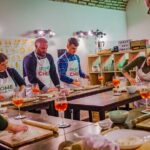
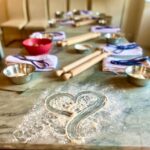
This isn’t a passive cooking show. It’s more like an evening skill session where Rome stays around you—street energy nearby, then a proper table moment at the end. You’ll start with an Aperol Spritz tutorial, but the main point is learning fresh pasta by hand, not just eating it.
What makes this feel special is the mix of hands-on work and a real meal right after. In most food tours, you taste. Here, you build. And when you cut and shape pasta yourself, the whole dish suddenly makes sense—texture, thickness, and why Italian dough has such a loyal following.
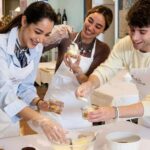
I also like the small-group setup. With a maximum of 12 people, you’re less likely to get lost in the shuffle. Reviews consistently point to instructors keeping things moving and giving individual attention, which is exactly what you want when you’re learning dough for the first time.
You can also read our reviews of more cooking classes in Rome
Where You Meet on Day One: Via Giuseppe Zanardelli, 14
You’ll begin at Via Giuseppe Zanardelli, 14 (00186 Roma). This matters because it’s a practical base near central sights, and it keeps the class from feeling like a far-trip chore. If you’re already planning your Piazza Navona route, this makes it easier to plug the class into your day.
The experience ends back at the same meeting point. That’s a small detail, but it makes your planning easier. You don’t have to wonder how you’ll get somewhere else after dinner.
The class is offered in English and uses a mobile ticket, so you can keep your phone handy and travel light.
The Aperol Spritz Part: Learn the Drink Before the Meal
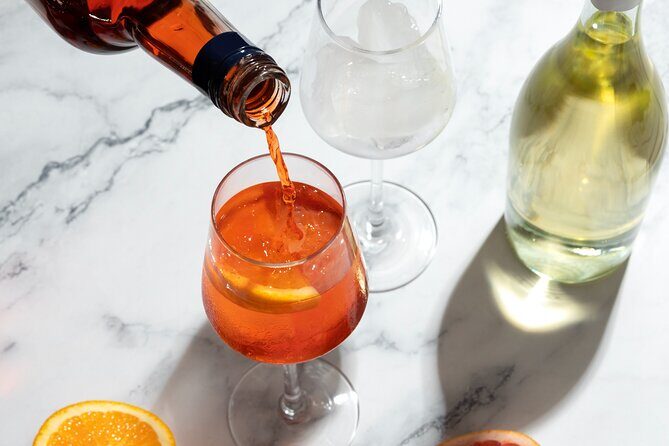
You kick things off with a quick spritz tutorial. You’ll make your own welcome drink, then start the pasta part while your group is warmed up and chatting. This is a smart way to structure an evening class because it settles everyone in right away.
From a practical standpoint, spritz-making gives you a first win. Even if pasta dough feels intimidating, mixing and building a spritz is straightforward. You learn the basic flow, you taste as you go, and you’re already in an Italian mood before the flour flies.
If you’re the kind of person who likes to understand the why behind flavors, this opening helps. The spritz introduces you to the idea of balance—sweet, bitter, fizz—and you’ll see similar logic when you later pair pasta with tomato sugo and basil pesto flavors.
Handmade Pasta: From Dough to Fettuccine and Maltagliati
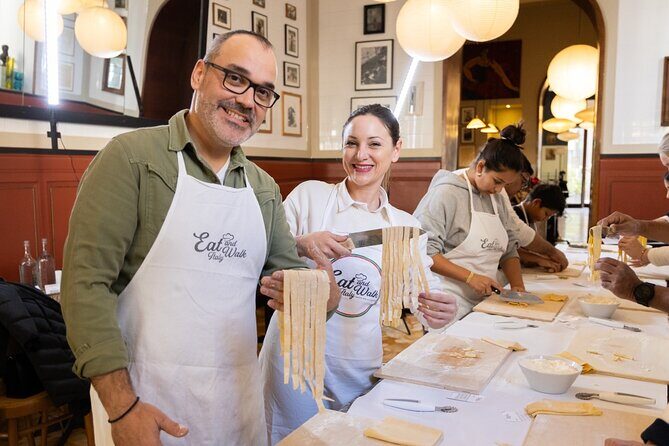
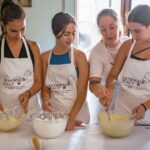
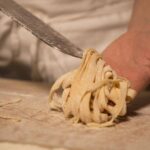
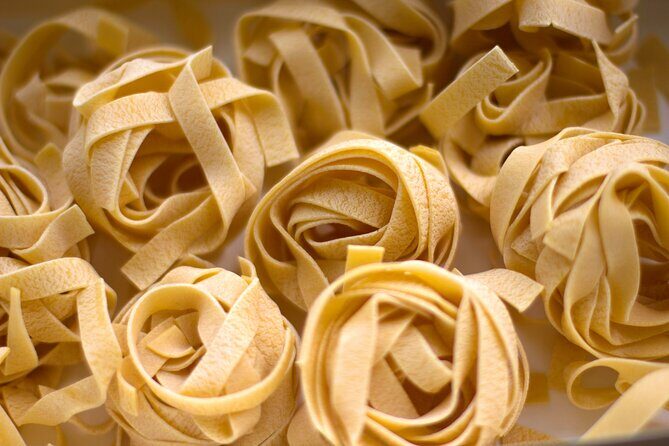
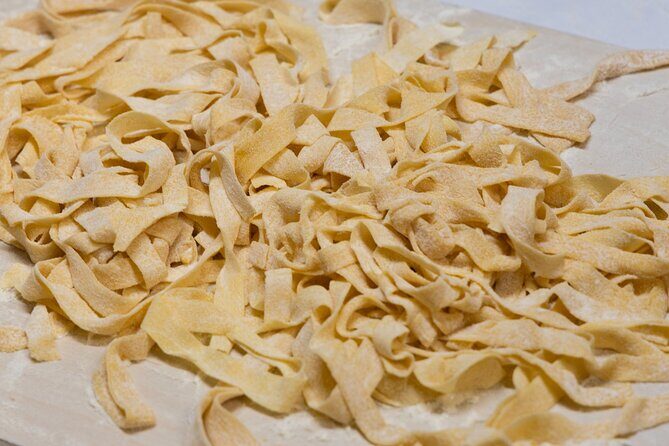
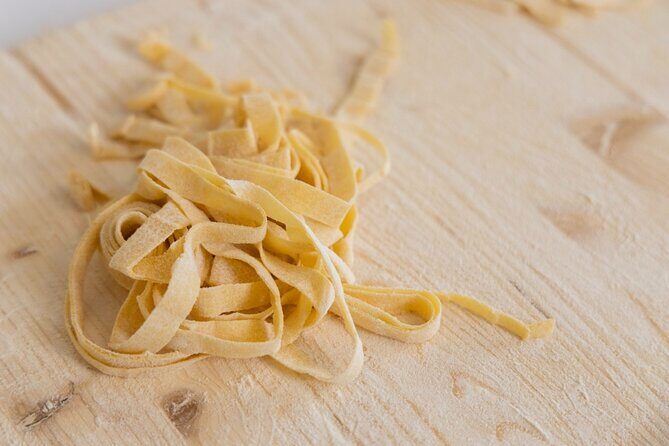
Here’s the core of the experience. You’ll learn how to make Italian pasta dough and then shape and cut it into fettuccine and maltagliati. That means you’re not stuck with one task. You handle the process from start to finish in a way that actually teaches technique.
Fettuccine is the kind of pasta you’ve probably had before, but making it at the table changes how you think about it. You start noticing dough thickness, how the cut changes texture, and why fresh pasta cooks fast once it hits heat.
Maltagliati is a fun contrast. It’s not about perfect uniform strips. It’s about the charm of imperfect shapes, and it pairs beautifully with bold basil pesto. If you like food that feels handmade (because it is), this portion is likely to be your favorite.
A key detail: the class includes what you need to succeed, without expecting you to run a pro kitchen. One review specifically mentions that the setup follows hygiene rules, meaning you can’t enter the professional kitchen where cooking happens. That’s not a deal-breaker—it just means you’ll be coached on what you can do, and you’ll be served the finished parts you’re learning to make.
Also, sauce-making is not included. The experience includes pasta with tomato basil sugo for one course and basil pesto for the maltagliati, but you’re not doing all the sauce prep yourself. That’s a good fit if you want real pasta skill, not an all-night cooking marathon.
Eating What You Made: Bruschetta, Wine, and Dessert
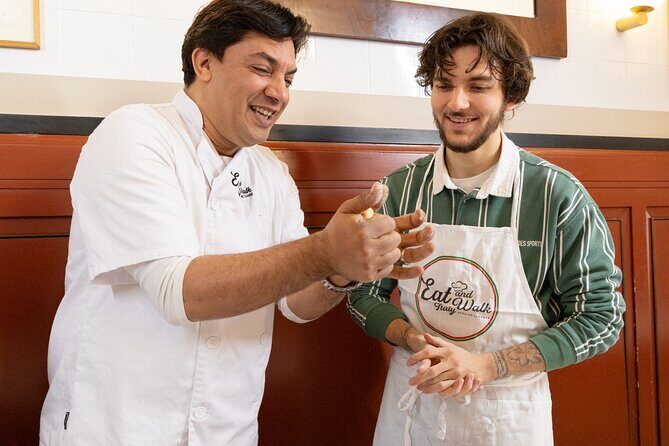
After the hands-on portion, you sit down to enjoy your work. The starter includes bruschetta—toast with tomatoes, basil, and oregano. This is classic, simple, and helpful because it doesn’t compete with your pasta skills. It also acts like a palate reset right after you’ve been flour-covered and focused.
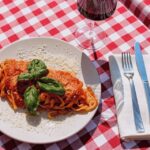
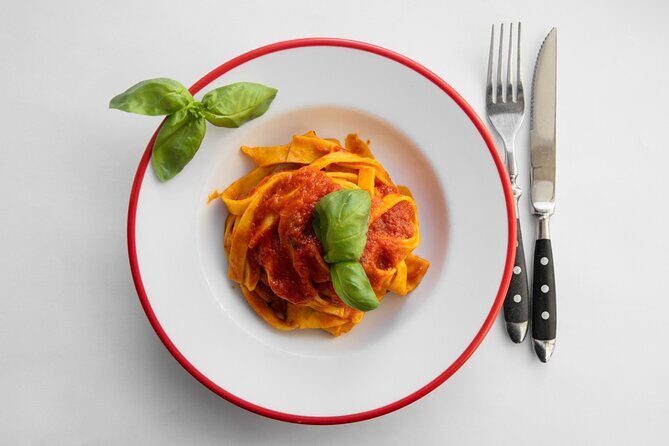
Then comes pasta. You’ll eat the fettuccine with sugo al Pomodoro (tomatoes and basil) and the maltagliati with basil pesto. The fact that you’re tasting what you made matters. It’s the quickest way to learn. When you get to eat, you can match what the dough felt like earlier to how it tastes now.
Drinks are part of the deal. You’ll get a glass of Italian wine or a soft drink, plus water. At the end, there’s a choice of limoncello or hot coffee, which is a very Rome-appropriate way to close an evening meal.
Finally, dessert is freshly made tiramisu. This is another practical win: it’s included, it’s portioned for the class experience, and it gives you that full “we did a real dinner” feeling instead of an empty snack at the end.
A balanced note from the overall vibe: the class is designed around pasta and spritz, and not every element will land perfectly for everyone. Some people have mentioned that wine and sauces can taste a bit watered down compared to what they hoped for. Still, you’re paying for instruction and handmade pasta first, then getting a meal that follows the lesson.






Timing and Group Size: Why 2.5 Hours Works
The class runs about 2 hours 30 minutes. That’s a sweet spot in Rome. Long enough to learn dough technique and enjoy dinner, but not so long that you lose your whole night to flour and logistics.
You can choose between a late lunch or early dinner schedule. That flexibility is worth something if you’re also planning museums, church stops, or an evening stroll near Piazza Navona. Rome days get crowded fast; this class gives you a way to “lock in” a meal that’s tied to an activity.
Group size is capped at 12 travelers, and many accounts describe even smaller groups in the real-world setup. That smaller feel is why instructors can guide hands-on without leaving you guessing. If you’re solo, it also creates easy conversation time at your table because you’re not dealing with a huge crowd.
Weather matters. The experience requires good weather, and if it can’t run due to weather, you’ll be offered a different date or a full refund. If you’re traveling in shoulder seasons, this is a reminder to keep your schedule slightly flexible.
Price and Value: Is $90.70 Worth It?

At $90.70 per person, you’re not paying for a basic dinner. You’re paying for instruction plus the included meal. The value question comes down to what you want from your time in Rome.
Here’s why it can feel like a bargain:
- You learn a real skill (fresh pasta dough, shaping, cutting) instead of just sampling.
- You get the meal with it: bruschetta, pasta, wine or soft drink, and tiramisu.
- You have a chef guiding your hands, not just explaining from across the room.
If you only want to eat, a restaurant meal might cost less. But if your goal is to leave Rome with something you can repeat, the class format is the point. Even if you don’t make pasta every week at home, knowing the method makes your next plate more satisfying.
Also, you’re paying for the right kind of structure. Pasta dough can feel like a mystery if someone doesn’t show you what “right” looks and feels like. This class gives you that clarity in a compact time window.
One thing to expect: you’re not doing every part of a full kitchen process. Sauce-making is not included, and the professional cooking steps happen out of the learning space. If you want to master a whole restaurant service, this isn’t that. But for beginners and food lovers who want hands-on results, it’s a strong deal.
Who Should Book This (and Who Might Want a Different Style)
This is a great fit if you want:
- A hands-on food experience without a long day trip
- A class that breaks up sightseeing near Piazza Navona
- A social meal where you’ll share food with your group
- Clear, step-by-step instruction from lively chefs
It’s also family-friendly. Reviews mention instructors being accommodating with children ages as young as 6, with families having a good time. That said, it’s still a cooking lesson with timing, so it works best when kids can handle a structured activity.
You might want to think twice if:
- You expect to make every sauce from scratch
- You’re sensitive to that spritz-and-pasta rhythm where dinner is included but not every kitchen task is hands-on
- You only care about the final meal and not the teaching part
For couples, it’s an easy “date with a point.” For solo travelers, it’s a social setup that can help you meet people without forcing it.
What the Best Instructors Tend to Get Right
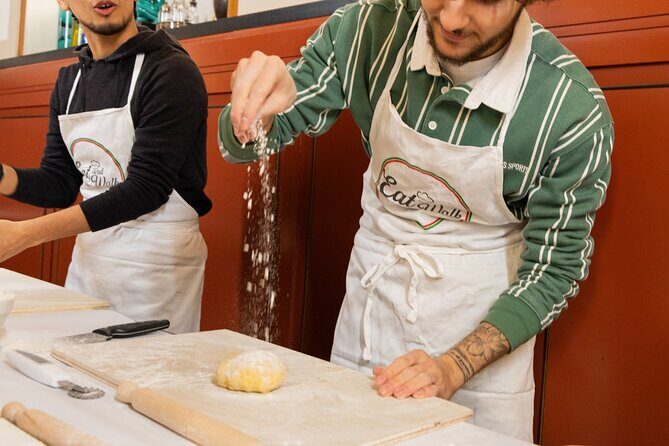
Across the experience style, chefs get praised for energy and instruction clarity. Names that came up include Chef Maria, Chef Leo, Chef Furio, Carlotta, Lori, Tommy, Matty, Tiziana, and Paris.
The common thread in these roles isn’t just a friendly personality. It’s pacing and clarity. When someone checks your dough and adjusts your method, you move faster and waste less time.
That matters because pasta is equal parts technique and feel. If your dough is too dry or too sticky, the whole process slows down. Good coaching keeps you from spiraling into “is this normal?” anxiety.
Should You Book This Spritz and Pasta Class?
If your Rome plan includes Piazza Navona and you want a break that turns into a real dinner, I’d book it. The biggest reason is simple: you learn fresh pasta by hand and you eat it right after, with spritz and tiramisu keeping the whole evening fun.
Choose this class if you value hands-on learning, small-group help, and an included meal that feels like more than a snack. Skip it only if you’re chasing a full-on sauce workshop or you want a strictly quiet, no-conversation experience.
In short: if you want Rome you can taste and recreate later, this is the kind of ticket that earns its place in your itinerary.
FAQ
How long is the Spritz and pasta making experience?
It runs about 2 hours 30 minutes.
What pasta do I make during the class?
You learn to make pasta dough and shape/cut it into fettuccine and maltagliati.
What food and drinks are included?
You get a welcome spritz, bruschetta, wine (or a soft drink), water, pasta courses, tiramisu dessert, and a choice of limoncello or hot coffee. Extra food and drinks are not included.
Is there a vegetarian option?
Yes. Vegetarian options are available—advise the operator at booking.
What’s the maximum group size?
The experience has a maximum of 12 travelers.
Where do we meet?
You meet at Via Giuseppe Zanardelli, 14, 00186 Roma, Italy, and the experience ends back at the meeting point.
Is free cancellation available?
Yes. You can cancel up to 24 hours in advance for a full refund.