REVIEW · GUIDED
Rome: Angels and Demons Guided Tour
Book on GetYourGuide →Operated by City Wonders Ltd. · Bookable on GetYourGuide
Rome turns into a walking riddle. This 4-hour Angels and Demons tour strings together famous novel-and-movie landmarks with real symbols, secret passages, and church art you can actually explain to your friends. I especially like the focus on Il Passetto and the way Piazza Navona fits the story without feeling like a tourist checklist.
What really makes it work is the guiding style: people like Rob and Andrea are described as storytellers who connect the book’s puzzles to Rome’s history, with plenty of humor and a steady pace. The main consideration is practical: entry at Castel Sant’Angelo requires a passport or valid ID, and rules on bags, clothing, and possible site security checks can slow things down.
In This Review
- Key highlights worth planning around
- Piazza del Popolo starts the puzzle (and sets the tone)
- How the Angels and Demons storyline maps onto real Rome
- Piazza Navona: where beauty does the explaining
- Church art and the “science vs faith” angle you can actually see
- Santa Maria del Popolo: where the plot and the setting overlap
- The Church of Illumination and Il Passetto: the tour’s signature moment
- Castel Sant’Angelo entry: included, but don’t treat ID lightly
- Getting around: minivan comfort plus just enough walking
- Price and value: $89.50 isn’t just for talking
- Who should book this tour (and who might not love it)
- Should you book the Rome: Angels and Demons Guided Tour?
Key highlights worth planning around
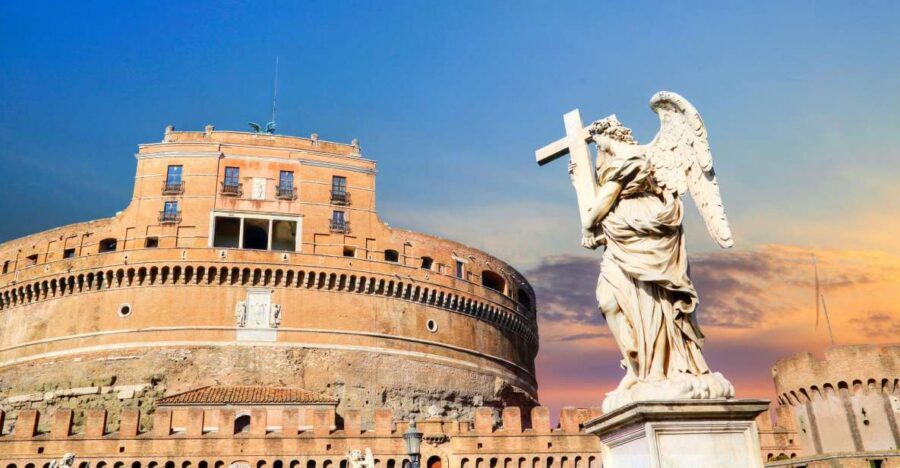
- Il Passetto view inside the Church of Illumination, including the Vatican-to-Castel Sant’Angelo link
- Piazza Navona and other high-impact stops that feel cinematic but stay tied to real context
- Castel Sant’Angelo admission included, plus a skip-the-ticket-line approach
- Riddle-solving and symbol decoding, from Bernini-style details to Galileo-linked references
- Air-conditioned minivan transfers, so you spend more time on sights and less time cooking in traffic
- A real Roman cream-filled sweet bun as part of the experience
Piazza del Popolo starts the puzzle (and sets the tone)
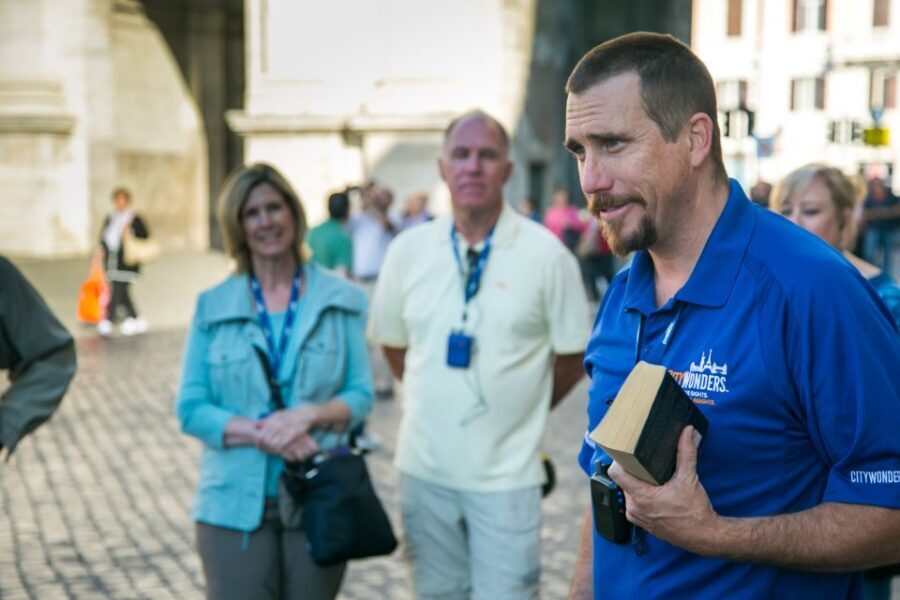
Your tour begins at Piazza del Popolo, on the steps of Santa Maria del Popolo Church. The meeting spot is right by the big archway, and your guide wears a blue City Wonders polo shirt or jacket. That matters because you’re not just meeting a person; you’re stepping into a storyline where every stop has a reason.
This tour is designed to feel like you’re moving through clues. You’ll follow the theme of illumination and decode references to the Illuminati, but you’ll also get grounded in what Rome’s churches, sculptures, and inscriptions are really doing—symbolically and historically.
One thing to be ready for: you’re in a city with security checks and strict venue rules. If you show up under-dressed (some sites require covered knees/shoulders/back) or with the wrong kind of bag, you’ll feel it fast.
You can also read our reviews of more guided tours in Rome



How the Angels and Demons storyline maps onto real Rome
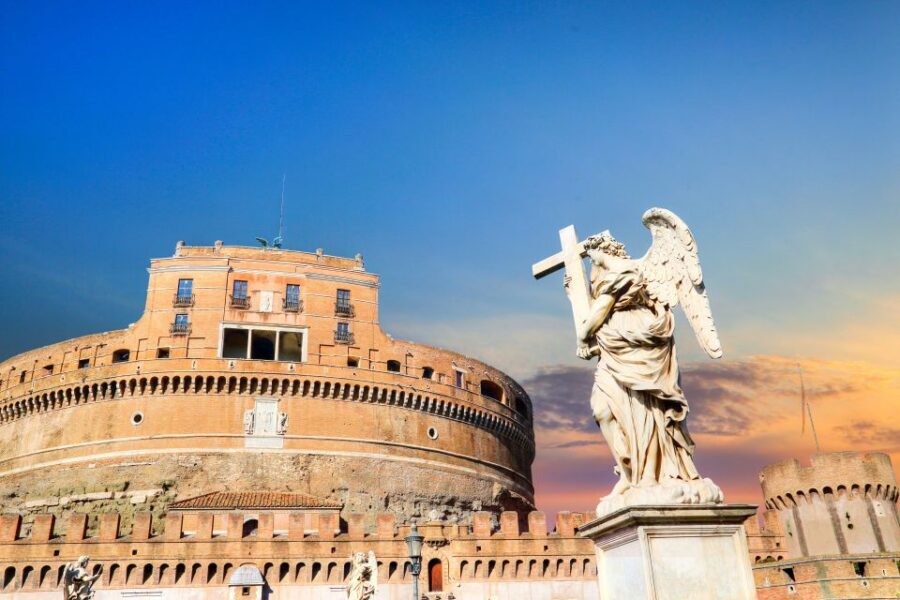
Even if you’ve never read Dan Brown, the tour gives you the foundation. If you have read it, you’ll appreciate the way the guide separates story from fact, especially when describing what shows up in the novel versus what makes it to the film.
The “puzzle” element isn’t about complicated math. It’s about training your eye. You’ll be asked to connect ideas: who the Illuminati were said to be in the narrative, what “Altars of Science” means in the story framework, and how artworks and texts in Rome can look mysterious until someone points out the details.
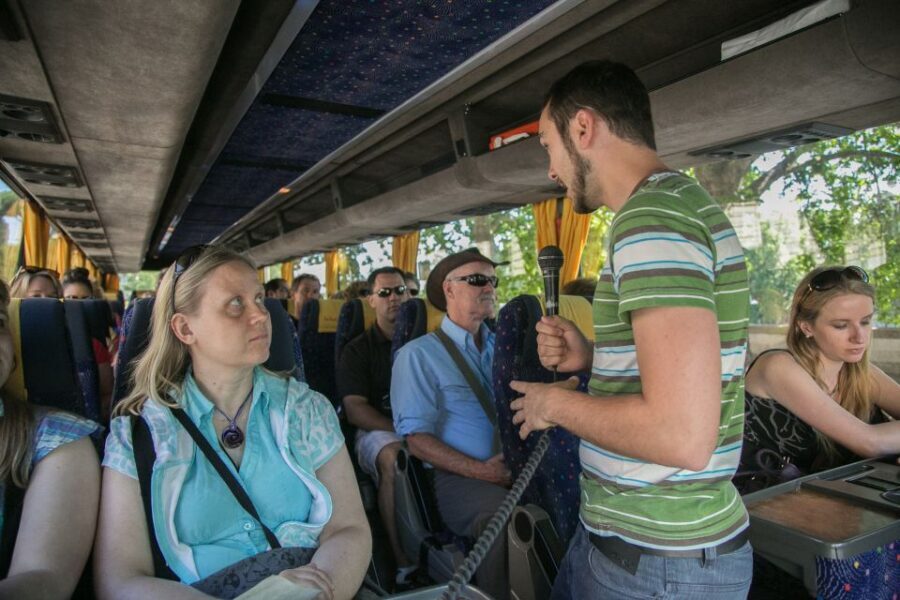
The guides are consistently praised for storytelling that stays fun but doesn’t lose the thread of history. Rob and Andrea, in particular, come up again and again in feedback for being theatrical without turning into a lecture. That balance is what keeps a 4-hour tour from feeling like you’re being herded from one photo spot to the next.
Piazza Navona: where beauty does the explaining
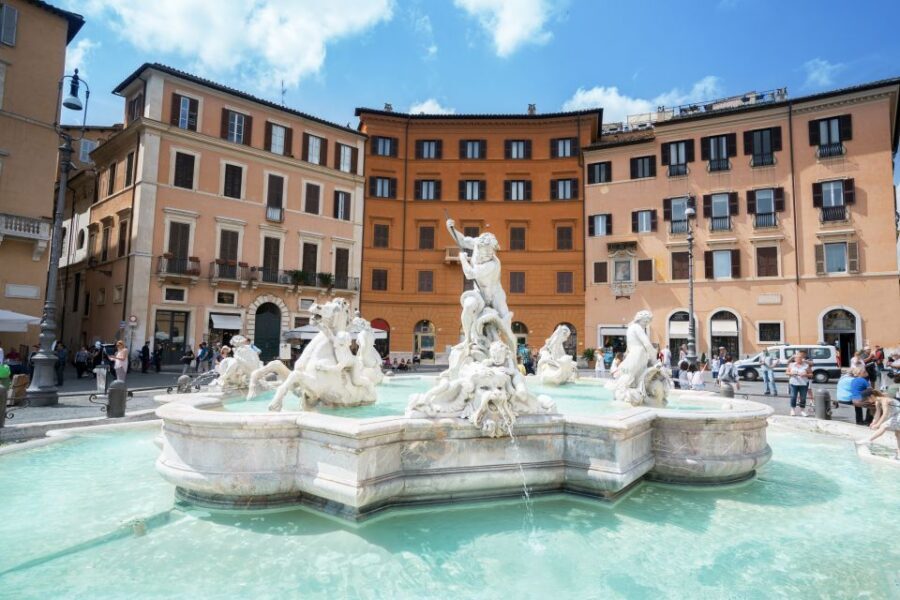
Piazza Navona is one of those places that’s hard to describe because it feels like a set piece. The reason it works here is that the tour uses it as more than a scenic pause. You don’t just look—you connect.
This stop is where the tour’s tone clicks: you get grand architecture and piazza energy, but the guide folds it back into the plot’s themes—science, religion, and the tug-of-war between iconography and belief. You’ll also get a sense of why Rome can feel older than old. Stones here carry meanings that different people read in different ways, depending on the era.
Practical tip: wear comfortable shoes. Even if the tour isn’t long-walk heavy, you’ll still be on your feet often enough that you’ll notice cheap footwear.
Church art and the “science vs faith” angle you can actually see
A big part of the tour’s value is that it uses Rome’s art as evidence. Instead of telling you that symbols matter, you get to see how symbolism operates in marble and stone. The guide’s job is to point out clues hidden in famous styles and specific elements—things like the kinds of details associated with Bernini sculpture and references tied to Galileo.
One detail that shows up in feedback: there’s also a mention of the Ecstasy of St Teresa sculpture and the story behind it. That’s a great example of what this tour does well. A “novel detail” turns into a real art-historical conversation—why the scene is staged the way it is, what it communicates, and how people interpret devotion through art.
Keep in mind that some religious sites can be closed or limited due to restoration work. There’s also a note that some monuments visited are under renovation because of the 2025 Jubilee. The guide can’t magic buildings open, but this is exactly the kind of tour where a good guide can still help you understand what you’re seeing from the parts available.
Santa Maria del Popolo: where the plot and the setting overlap
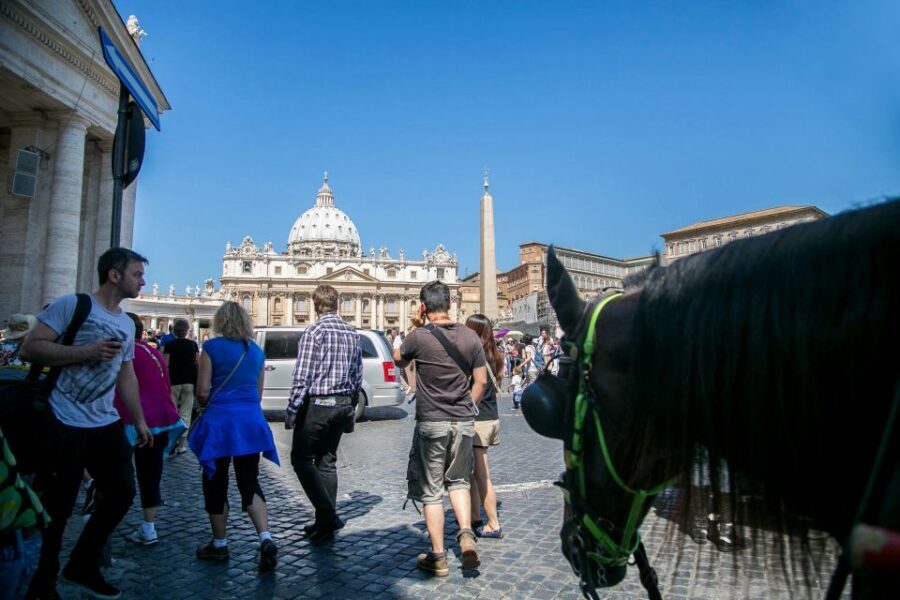
Santa Maria del Popolo is your start point, and it’s also part of the tour’s bigger symbolism picture. The tour uses this area to connect narrative ideas to what’s actually in the church environment—chapels, design choices, and the kind of imagery that rewards close attention.
You might not always get full access to everything inside. One review specifically called out closures for restoration works at Santa Maria del Popolo at one time, which is a reminder to stay flexible. If interior access is limited, you’ll still get the storytelling and context; just don’t assume every chapel or corner will be reachable during your exact dates.
This stop is ideal if you like moments where history feels like it’s speaking in codes. The guide’s explanations help you understand why certain symbols show up again and again in Renaissance and Baroque Rome, and how Dan Brown’s story borrows that atmosphere.



The Church of Illumination and Il Passetto: the tour’s signature moment
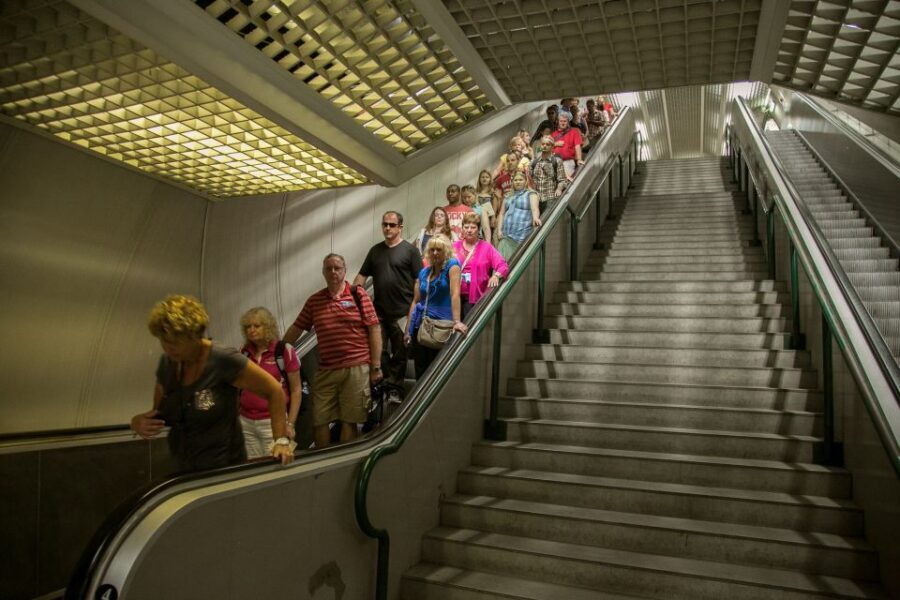
This is the big “how is this real?” part of the tour. You’ll go to the Church of Illumination and view Il Passetto, the secret passage said to connect the Vatican to Castel Sant’Angelo.
In the tour framing, it’s not just a spooky detour. It represents how power, security, and architecture overlap. You’ll see how the story builds suspense around something that exists in historical rumor and in the city’s physical layout.
This is also where the tour feels like it’s hitting its stride. People repeatedly describe the guides as bringing the mystery to life while staying connected to real context—so you’re not just chasing a set piece. You’re learning what a passage like this would mean in a city where movement and protection mattered.
Timing note: venue security can cause delays, and extra measures may be added at some sites. That’s not the tour company being slow—it’s simply how Rome works when regulations ramp up.
Castel Sant’Angelo entry: included, but don’t treat ID lightly
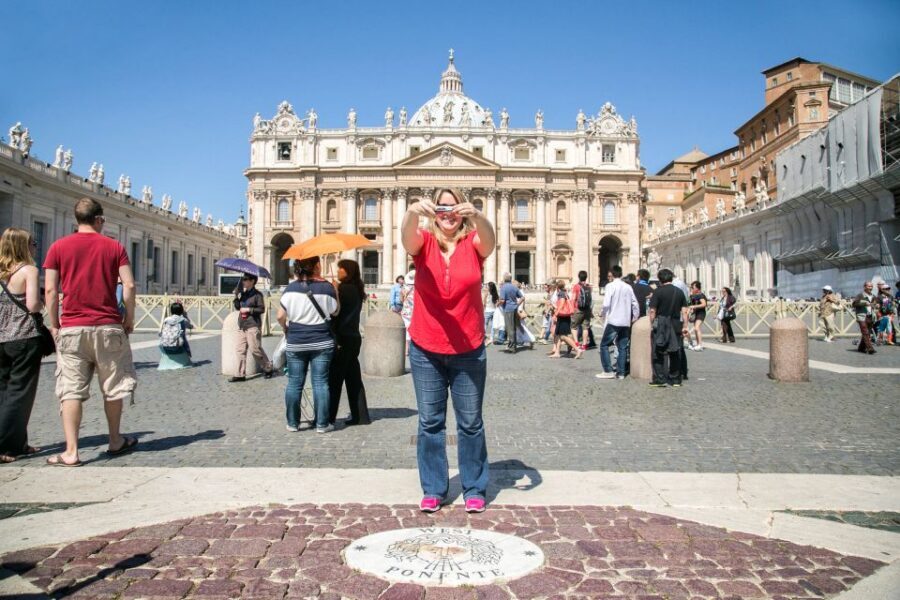
Castel Sant’Angelo is a major highlight, and the key word here is included. You get admission to Castel Sant’Angelo, and you also get a skip-the-ticket-line approach. That alone can save time if you’re trying to keep your day from turning into queue time.
But here’s the deal-breaker: a passport or valid ID document is mandatory to join the tour because of Castel Sant’Angelo security regulations. If you forget it, you can be denied entry. Make a point of packing it where you can grab it fast, not buried deep in a bag you’re not allowed to bring.
Also plan for dress expectations. Some sites require clothing that covers knees, shoulders, and back. Even if your outfit is fine for walking around Rome, it might not pass for church interiors on this kind of itinerary.
Getting around: minivan comfort plus just enough walking
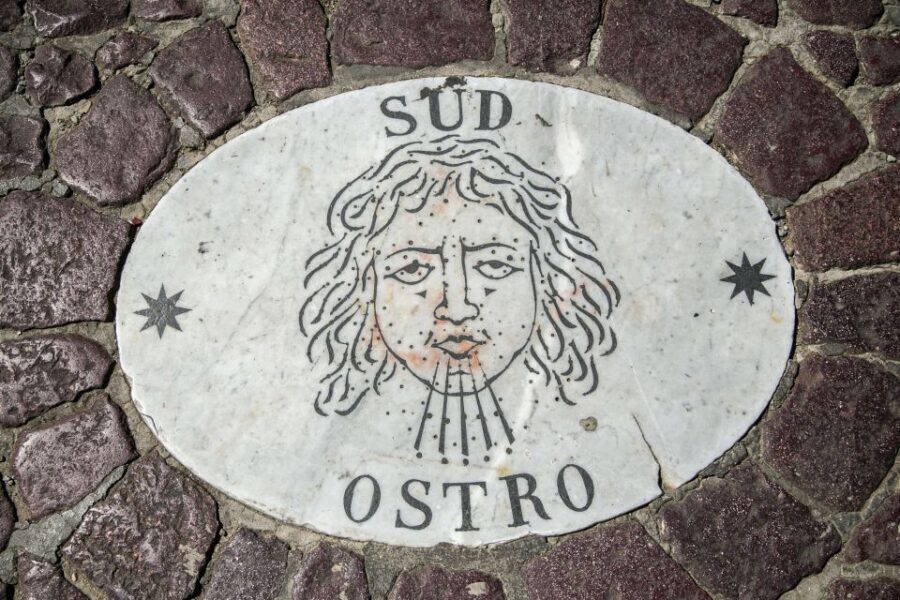
You’ll have all transfers by air-conditioned minivan. That’s a real quality-of-life upgrade in Rome, where heat and traffic can turn a “half-day” into a grind if you’re mostly doing it on foot.
In terms of walking, the tour is described as a mix—some walking for the meaningful stops, plus transport to move you between spots efficiently. One review praised the pace for feeling balanced, with the storytelling keeping momentum even on a hot day.
There’s also a small comfort bonus: you receive an authentic Roman cream-filled sweet bun as part of the included experience. It’s not a life-changing snack, but it’s the kind of practical perk that signals the tour is built as a full experience, not just ticketed entry plus a guide.
Price and value: $89.50 isn’t just for talking
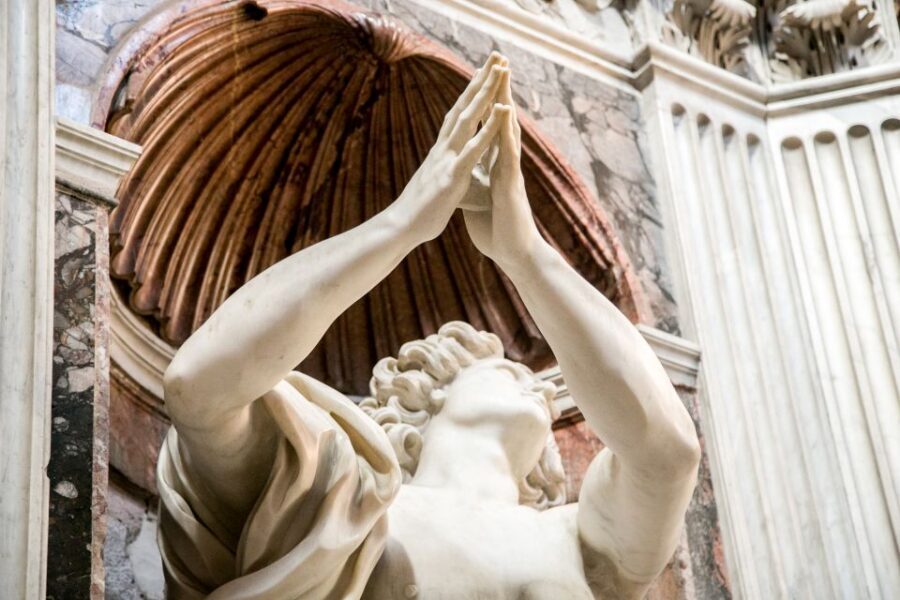
At $89.50 per person, you’re paying for more than narration. This price includes:
- A live English guide
- All transfers in an air-conditioned minivan
- Admission to Castel Sant’Angelo
- Skip-the-ticket-line handling
- An authentic Roman cream-filled sweet bun
The value equation is simple. If you were doing this day solo, you’d still be buying entry to Castel Sant’Angelo and paying for transportation, and you’d probably miss the “why it matters” layer that makes Rome art and architecture click.
Where it might feel expensive is if you’re not interested in the novel-style puzzle framing. If you only want broad views and quick photos, a more general sights tour might satisfy you for less. But if you enjoy symbols, riddles, and the push-pull between fiction and history, this price starts to make sense quickly.
Who should book this tour (and who might not love it)
You’ll likely have the best time if:
- You’re a fan of Angels and Demons and want the story’s Rome to make sense in real locations
- You like learning how to read church art and symbolism instead of just taking pictures
- You prefer a guided day that uses minivan transfers to stay comfortable
You might not love it if:
- You don’t want to follow strict venue rules on bags and clothing
- You’re sensitive to delays caused by security measures
- You need wheelchair access, since guests with mobility impairments and wheelchairs/pushchairs/strollers can’t be accommodated
One more practical reality: this is mostly for people who can carry themselves comfortably in crowds and in churches.
Should you book the Rome: Angels and Demons Guided Tour?
Book it if you want a Rome day that’s built like a story: Il Passetto, Castel Sant’Angelo entry, Piazza Navona, and the kind of art explanations that turn “mystery” into something you can repeat later. The guides (often named Rob and Andrea in feedback) are the main reason this tour earns such strong praise, because they’re fun, structured, and they connect plot to place.
Skip it if you’d be disappointed by strict entry rules and possible renovation access limits. Also skip it if you mainly want a fast hits sightseeing day with minimal rules.
Final advice: bring your passport/ID, wear covered-appropriate clothing, and keep your bag situation simple. Then show up ready to solve clues with your eyes, not just your phone camera.