REVIEW · ST PETER'S BASILICA TOURS
Skip-the-Line Group Tour of the Vatican, Sistine Chapel & St. Peter’s Basilica
Book on Viator →Operated by Vatican Tour · Bookable on Viator
Fast access changes everything at the Vatican. You’re guided right into the big rooms with guaranteed skip-the-line admission, so your morning doesn’t get eaten by queue anxiety. I also like how the guide strings together the story from Borgo Pio to Michelangelo, so the art doesn’t feel like random sightseeing.
The second thing I like: admission is included for what you select, which makes planning simpler and cuts out extra ticket logistics. The one real drawback to consider is pacing. This is a tight, about-3-hour visit, so if you want long stops and quiet wandering, the Sistine Chapel timing can feel short.
In This Review
- Key highlights I’d plan around
- Start in Borgo Pio, then walk like you know where you’re going
- St. Peter’s Square in 20 minutes: the quick version that still lands
- A fast pass through Vatican City life: Swiss Guards and mail
- Vatican Museums: sculptures, maps, and the “how to look” coaching
- Sistine Chapel: silence, dress code, and Michelangelo with context
- St. Peter’s Basilica entry: the bypass that saves real energy
- Price and value: why this can feel like a bargain
- Group size, pace, and how to not get separated
- Weather and rare closures: what to do if plans change
- Who should book this Vatican skip-the-line tour
- Should you book this skip-the-line Vatican tour?
- FAQ
- How long is the Vatican Museums, Sistine Chapel, and St. Peter’s Basilica tour?
- Where do I meet the guide?
- Is the tour in English?
- What is included with the skip-the-line access?
- Which option includes St. Peter’s Basilica?
- Which option includes the Vatican Museums and Sistine Chapel?
- Are admission tickets included?
- What are the Sistine Chapel entry rules?
- What if St. Peter’s Basilica closes for a special event?
- Can I cancel and get a full refund?
Key highlights I’d plan around
- Skip-the-line entry at the Vatican Museums and, when selected, direct access into St. Peter’s Basilica
- Borgo Pio orientation first, with context before you hit the crowds
- St. Peter’s Square explained fast, including Bernini’s role and the Egyptian obelisk
- Michelangelo’s moments are framed with what to notice before you reach the Sistine Chapel
- Smart Vatican City stops like Swiss Guards and the Vatican’s tiny-city daily life (including mail)
Start in Borgo Pio, then walk like you know where you’re going
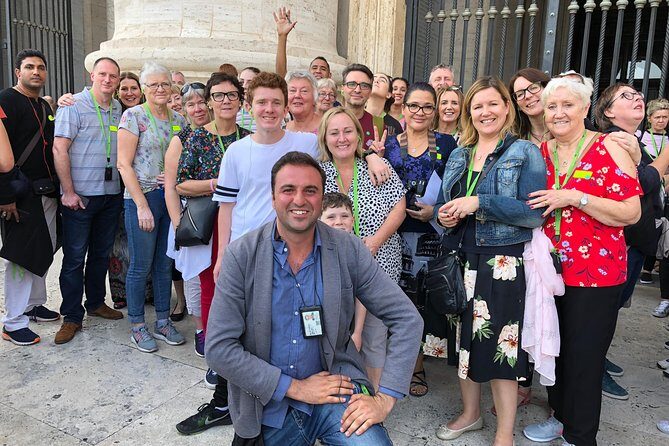
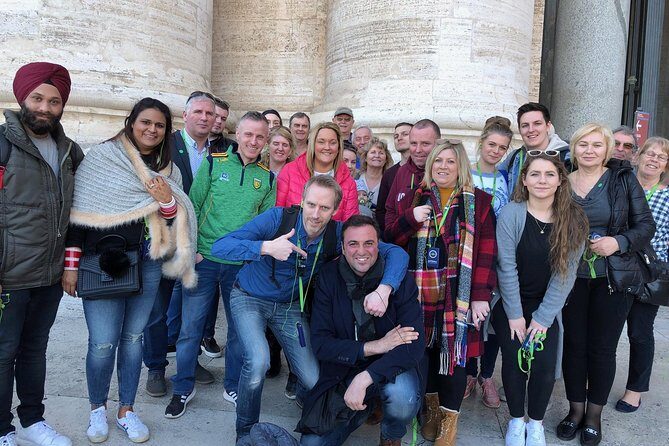
The tour begins in Via Plauto 17, in Rome’s Vatican-side neighborhood of Borgo Pio. I like this setup because it gets you oriented before you’re swallowed by the St. Peter’s Square crush. You meet your English-speaking guide and start with a short intro, then walk through the shops of Borgo while the guide shares practical Rome tips and quieter corners to explore later.
There’s also a smart reason the tour starts with context: the Sistine Chapel requires silence, so the guide gives background before you enter. That means you’re not just staring at the ceiling like a tourist. You’re prepared for what you’re looking at and why it matters.
Practical note: Borgo streets can be a little tricky to spot if you’re rushing. Give yourself a few extra minutes to find the exact meeting point and join the group early.
You can also read our reviews of more tours and experiences in Rome

St. Peter’s Square in 20 minutes: the quick version that still lands
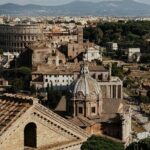
From Borgo, you head toward the Vatican via Via della Conciliazione, the main approach street. Along the way, you get a sense of the area’s formal, political feel: flags, embassies nearby, and that ceremonial access to St. Peter’s Square.
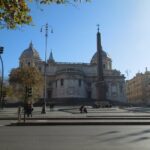
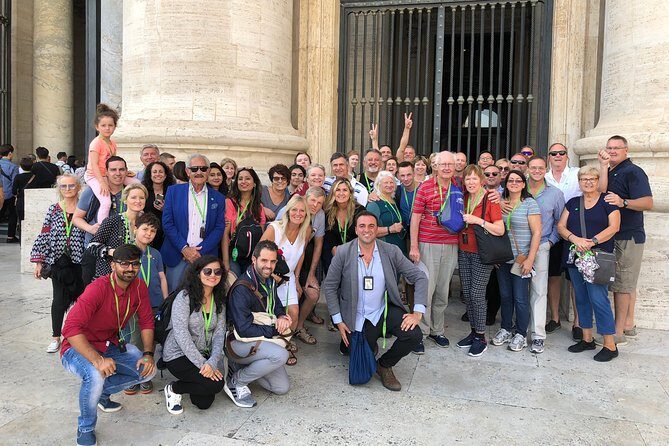
Once you arrive, St. Peter’s Square doesn’t just look dramatic. It becomes readable. You’ll see the towering Egyptian obelisk, plus the surrounding columns and saints. Your guide explains the history of the square and highlights Bernini, the artist behind much of the space’s iconic design.
One fun detail to keep in your mind: during the papal audience on Wednesday and Sunday mornings, the Pope addresses crowds from a window in his apartment overlooking the square. It’s the kind of fact that makes your first view feel less like a photo stop and more like you’re seeing something that still works today.
Trade-off: you’re in and out quickly here. The square is huge, and 20 minutes is a sprint. This works best if you like structure and hate waiting.
A fast pass through Vatican City life: Swiss Guards and mail
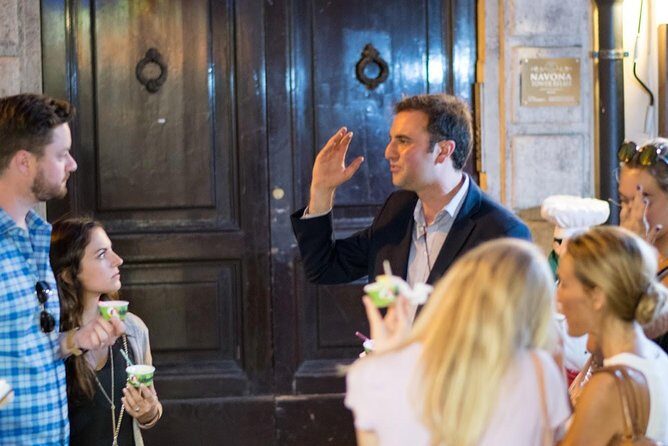
En route to the museums, you get a small slice of what it means for Vatican City to function as its own mini-country. You’ll hear how residents manage day-to-day routines, including something as ordinary as getting their mail. Then you spot the Swiss Guards—and yes, you’ll want a photo because the uniforms are striking.
This is also where the tour hints at an easy add-on: the local post office sells memorabilia, including stamps with Pope Francis’s face. I like the idea of mailing yourself a postcard as a souvenir you’ll actually receive later. It’s small, but it feels more meaningful than buying yet another magnet.
Why this stop matters: Vatican City can feel like only two things—art and religion. This short segment helps it feel real: a place with residents and routines, not just a museum set.
Vatican Museums: sculptures, maps, and the “how to look” coaching
Inside the Vatican Museums, you’re in that famous, maze-like world of rooms and corridors—so skip-the-line access matters. Once you’re through the special entry area reserved for groups, your guide leads you past the main early hurdles and gets you into the flow faster than the regular lines.
The tone here is “guided selection,” not “tour every single thing.” In the time you have, the guide focuses on standout categories:
- Roman and Greek statues in the museum’s collection
- A gallery of woven wall hangings (textile art, not the kind you see back home)
- A maps gallery showing 16th-century Italy
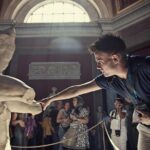
You’ll also hear stories as you walk, not just stand in front of objects. That’s the advantage of paying for a live guide: the guide turns “I see art” into “I know what I’m seeing.”
Timing reality check: the museum portion is about 45 minutes. That’s enough to hit several major highlights, but not enough to feel like a full museum day. If you’re the type who wants to read every label and linger, you may wish you had more time.
Tip for getting more out of less: listen to the guide’s pointing. Even when you’re not fully stopping, notice what they recommend you look at first. It trains your eyes fast.
Sistine Chapel: silence, dress code, and Michelangelo with context
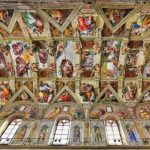
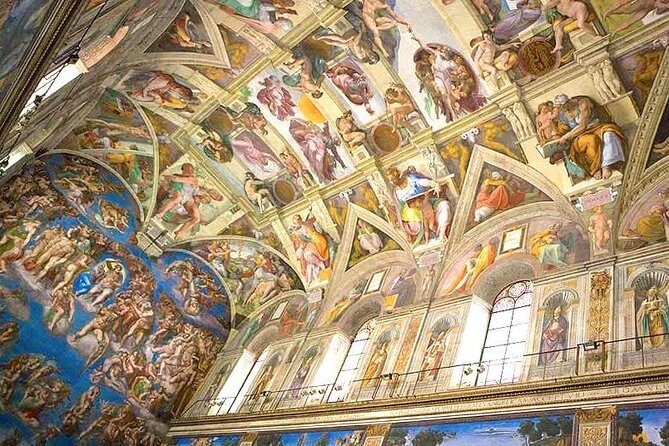
The Sistine Chapel is the emotional center of the whole trip. The challenge is that it’s also where rules are strict. You’ll be expected to observe silence and follow the dress code—knees and shoulders covered.
This tour helps because it builds your attention before you arrive. The guide explains the chapel’s history earlier in the day specifically because once you’re inside, you won’t be able to talk or ask questions. When the ceiling and walls come into view, you’ll understand what Michelangelo is doing rather than only recognizing the famous images.
Two big ceiling works you’re directed to see:
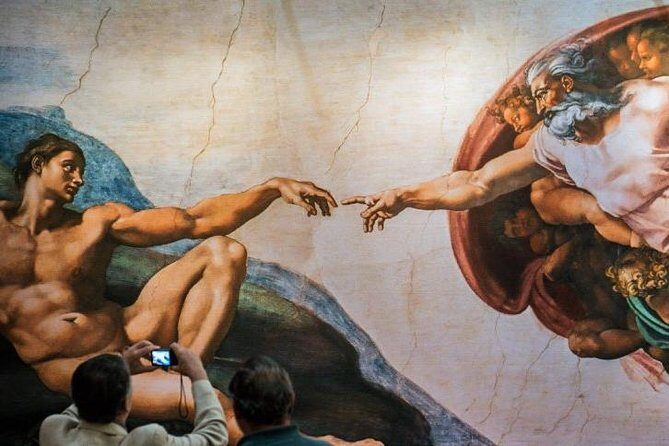
- the Creation of Adam
- the Last Judgement
In a space like this, you can get lost in the feeling and miss the details. The guidance helps you slow down mentally even if you’re moving physically through a timed visit. Still, you do need to accept the format: you’re there for about 15 minutes.
If you’re very sensitive to crowds: the Sistine Chapel can feel intense simply because it’s popular and rule-based. Go in ready to follow the flow and keep your voice off.

St. Peter’s Basilica entry: the bypass that saves real energy
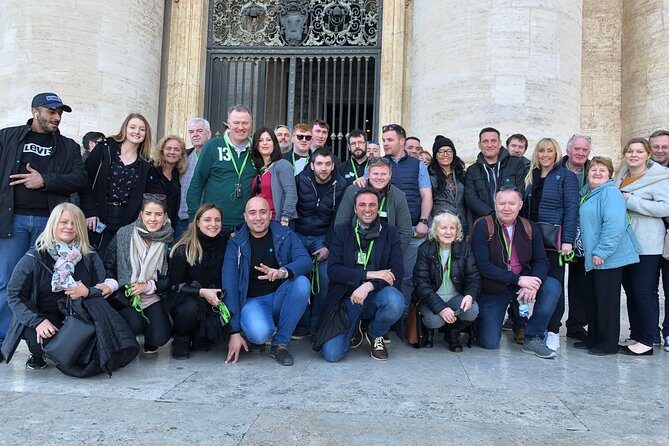
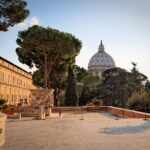
Depending on the option you book, you may continue from the museum toward St. Peter’s Basilica. When the Basilica is included, you’ll be brought in front of the basilica with a special entrance that helps you bypass the regular long queue in the square.
This matters because the basilica area can turn into a waiting game. Instead of spending your best daylight standing in line, you use that time to actually see the building. And once you’re in, you’re free to ask the guide questions before you part ways.
One extra perk I’d plan for: the tour ends at the basilica, so you can often choose to stay afterward if you want more quiet time inside and around the interior. I’d treat the guided portion as the launch, not the finish.
Price and value: why this can feel like a bargain
At $30.23 per person, this tour is priced like a “grab the highlights without the headache” plan. The best value part is that it’s not just narration—it’s also admission covered for the parts you choose, plus skip-the-line access.
Here’s how I’d think about the value:
- If you hate lines, skip-the-line is usually the most expensive part of the day. This tour bakes that cost in.
- You’re paying for timing + selection. You won’t see everything. You will see key works and spaces in a structured order.
- Live commentary turns a short visit into a guided experience rather than a checklist.
One caution: there are different options with different inclusions. If you book Museums & Sistine Chapel, you do not get St. Peter’s Basilica. If you book Only St. Peter’s Basilica, you do not get the museums and Sistine Chapel. Make sure your ticket matches your priorities so you don’t end up paying for one major site while missing another.
Group size, pace, and how to not get separated
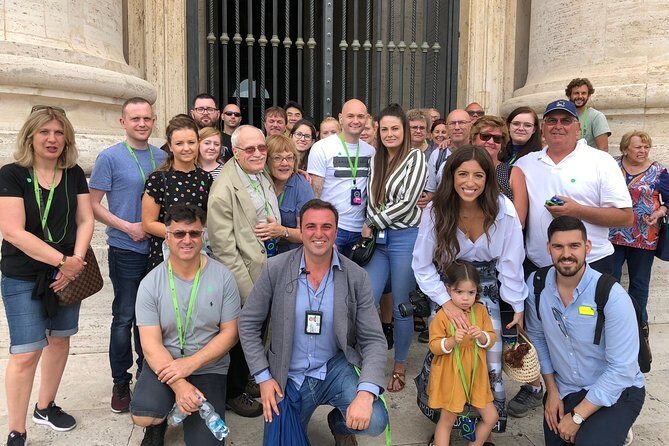
The tour has a maximum of 200 travelers. That doesn’t mean every group you see is that size, but you should assume it’s a real-world busy operation. In practice, this means:
- Expect a firm schedule
- Expect some sections to feel like you’re flowing with the crowd
- Expect not every room to offer the kind of stop-and-stare time you might want
Pacing shows up in two places most:
1) the transition from museums to the Sistine Chapel
2) the short window you get once you’re inside the chapel
I strongly recommend mentally switching from “slow travel” to “smart travel.” The goal is to make the time count. Wear comfortable shoes and be ready to keep moving.
Also, the tour is mobile ticket based. Have your phone charged enough for the day. In a place like the Vatican, you don’t want to waste time on tech glitches.
Weather and rare closures: what to do if plans change
Rome weather can be a mess, and rain can make the walking feel longer. The tour is designed to keep you moving, and rain doesn’t usually stop the story—it just makes the experience messier.
The one true wildcard is that St. Peter’s Basilica can close for special events. The tour notes this is rare, but it’s possible because the Vatican can make last-minute decisions. If that happens, the guide will extend the tour in the Vatican Museums so you still get the key highlights like the collections and Michelangelo’s ceiling.
How to handle this mindset: don’t count on a perfect, unchanging schedule. Count on flexibility. This tour is set up to keep the art in your day, even if the basilica timing shifts.
Who should book this Vatican skip-the-line tour
This tour is a great fit if you:
- want major Vatican highlights without spending half your day in lines
- like learning while you move through big sites
- are okay with a structured route in about 3 hours
- prefer an English guide and live storytelling
It’s not the best match if you want:
- a slow, self-paced museum day where you can linger in every room
- lots of quiet, off-route exploration
- long time in the Sistine Chapel without following group pacing
If you’re visiting on a tight schedule or it’s your first time to Rome, this is the kind of booking that keeps your trip from turning into logistics.
Should you book this skip-the-line Vatican tour?
I’d book it if you’re sold on two ideas: time-saving and guided selection. With guaranteed skip-the-line entry and admission for the sections you pick, you’re buying less waiting and more seeing.
Before you click confirm, do one quick check:
- Are you choosing the option that includes St. Peter’s Basilica or just the Museums + Sistine Chapel?
- Are you ready for strict silence and the dress code in the chapel?
- Do you prefer structure over wandering?
If yes, you’re likely to feel like you got your money’s worth fast. If you’re chasing total freedom inside the Vatican, you might prefer a self-guided plan—but you’ll be trading that freedom for longer lines and less explanation.
FAQ
How long is the Vatican Museums, Sistine Chapel, and St. Peter’s Basilica tour?
It’s about 3 hours (approx.).
Where do I meet the guide?
You meet at Via Plauto, 17, 00193 Roma RM, Italy.
Is the tour in English?
Yes, it’s offered in English.
What is included with the skip-the-line access?
You get guaranteed skip-the-line access and admission tickets to the sites included in your chosen option.
Which option includes St. Peter’s Basilica?
The St. Peter’s Basilica tour option includes St. Peter’s Basilica, but it does not include the Vatican Museums or Sistine Chapel.
Which option includes the Vatican Museums and Sistine Chapel?
The Museums & Sistine Chapel option includes the Vatican Museums and the Sistine Chapel, but it does not include St. Peter’s Basilica.
Are admission tickets included?
Yes. Admission to the Vatican Museums, Sistine Chapel, and/or St. Peter’s Basilica is included depending on the option you pick.
What are the Sistine Chapel entry rules?
The Sistine Chapel requires silence and a dress code with knees and shoulders covered.
What if St. Peter’s Basilica closes for a special event?
It’s rare, but if it happens, the guide will extend the tour in the Vatican Museums so you still receive the museum and Sistine Chapel experience.
Can I cancel and get a full refund?
Yes. You can cancel up to 24 hours in advance for a full refund; within 24 hours, the amount isn’t refunded.