REVIEW · COOKING CLASSES
Rome: Pasta Making Class with Wine, Limoncello, and Dessert
Book on GetYourGuide →Operated by Experience in Florence · Bookable on GetYourGuide
Fresh pasta in Rome is fun. This class turns it into a skill you can actually repeat at home, taught by instructors like Fabrizio and Olga in English inside Palazzo Grazioli near the Pantheon and Piazza Venezia. You’ll learn the real workflow, from dough to shaping, and you’ll finish by eating what you made at a shared table.
I especially like that it’s hands-on from the start and that the meal comes with organic Tuscan wine (Dalle Nostre Mani), plus a limoncello shot and dessert. One consideration: this experience isn’t built for everyone—no wheelchair access, and it also can’t accommodate vegan, gluten-sensitivity, lactose intolerance, or nut allergies.
In This Review
- Key Things You’ll Do and Remember
- Palazzo Grazioli, Pantheon Area: The Setting Makes the Class Easier
- The Start: Apron On, Rolling Pin Out
- Ravioli, Tortelli, and Fettuccine: Your Hands-On Pasta Lesson
- Ravioli and tortelli: filled pasta, built for learning
- Fettuccine: the classic that shows your technique
- Sauces That Work: Tomato, Butter, and Sage Right Before Cooking
- The Meal Moment: Communal Table, Wine, and Limoncello
- Organic Tuscan wine, plus non-drink options
- Limoncello shot and dessert
- English Recipes to Take Home: What You Can Actually Recreate
- Price and Value: Why This $48 Class Can Feel Like a Deal
- Who Should Book This Pasta Class (and Who Should Skip It)
- You’ll probably love it if:
- Consider skipping if:
- Before You Go: Small Rules That Matter
- Should You Book This Rome Pasta Class?
- FAQ
- How long is the Rome pasta-making class?
- Where do I meet the instructor?
- How big is the group?
- What language is the class taught in?
- What pasta types will I make?
- Is wine included?
- Are dietary restrictions accommodated?
- Is it accessible for wheelchair users?
Key Things You’ll Do and Remember
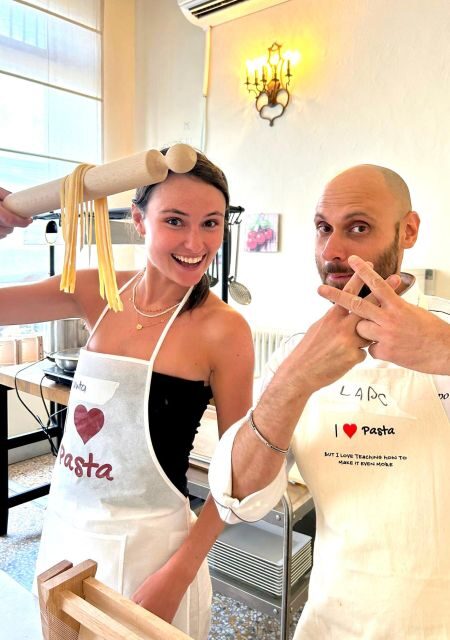
- Make 3 pasta shapes in one 3-hour session: ravioli, tortelli, and fettuccine
- Work like an Italian home cook: your pasta gets cooked in the same pot to share
- Watch the smart sauce finishing: butter-and-sage right before cooking, plus slow tomato sauce ready in advance
- Sip Dalle Nostre Mani wine and cap it with a limoncello shot and cake
- Small-group pace (max 10 people) so you’re not lost in the crowd
Palazzo Grazioli, Pantheon Area: The Setting Makes the Class Easier
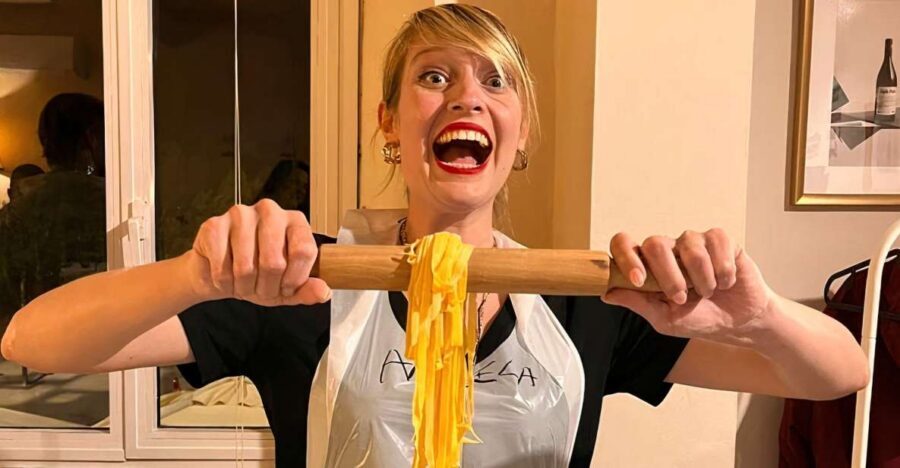
The location is a big part of why this works. You meet at Via della Gatta 14, right near some of Rome’s most central landmarks, and you ring the bell for Pastamania. The class takes place in the historic Palazzo Grazioli, so you get that “I’m doing something local” feeling, not a generic classroom vibe.
What I like most is how walkable the whole experience is. You can plan it around your sightseeing day: do a morning walk toward the Pantheon and Piazza Venezia, then head over when your feet need a break but your appetite doesn’t. Even the street details add charm, like the legendary marble cat statue that gives Via della Gatta its name.
Practical note: bring comfortable clothes you don’t mind getting a little flour on. You’ll be standing, kneading, and shaping, and the class is paced so people of at least 8 years old can participate.
You can also read our reviews of more cooking classes in Rome
The Start: Apron On, Rolling Pin Out
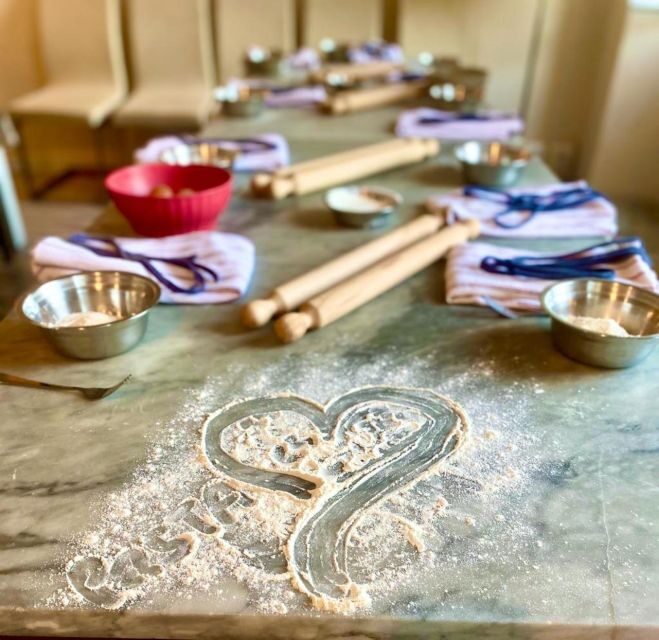
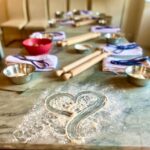
You begin with an intro that’s meant to get you confident fast. Instead of starting with complicated theory, you jump into the dough basics. Expect a professional instructor (in English) to explain what the dough should look and feel like, and then guide you step-by-step as you work.
This is where the small group matters. With a cap of 10 participants, you’re more likely to get quick fixes when your dough is too dry or needs more rest. In the experience’s instructor-led style—names like Christian, Giorgio, Christian again, and Marco show up in feedback—there’s a consistent pattern: clear instructions plus lots of encouragement.
If you’ve never cooked pasta before, that’s fine. The format is built for beginners. The goal isn’t to churn out perfect restaurant rounds—it’s to learn the process so you understand what you’re doing.
Ravioli, Tortelli, and Fettuccine: Your Hands-On Pasta Lesson
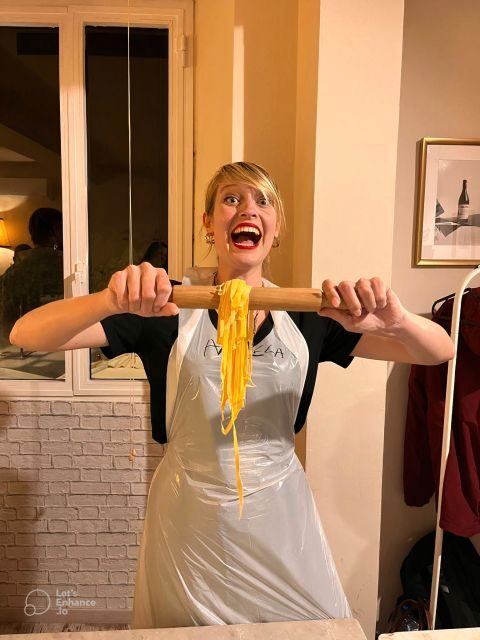
The class promise is simple: you make three fresh pasta types, and you do it yourself. You’ll be kneading, rolling, and shaping with eggs and flour. And at least two of those shapes are filled, which adds a satisfying “craft” element without turning the class into an advanced challenge.
Ravioli and tortelli: filled pasta, built for learning
Filled pasta can seem intimidating. In practice, it becomes one of the best learning blocks because it teaches you about thickness, sealing, and portioning. The instructor helps you move from dough sheets to shaping, and then you’ll work with the filling and closure process.
Fettuccine: the classic that shows your technique
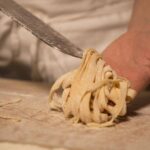
Fettuccine is the kind of pasta you immediately recognize when it hits the plate. It’s also a nice balance after filled pasta because it’s more about rolling and cutting than sealing. You’ll get to see how rolling thickness affects the final texture.
A nice detail is how it’s not just “make it, leave it.” After you shape, the instructors cook everything together in the same pot so your batch is shared at the table. That turns the lesson into a meal, not a performance you watch from the sidelines.
You can also read our reviews of more wine tours in Rome



Sauces That Work: Tomato, Butter, and Sage Right Before Cooking
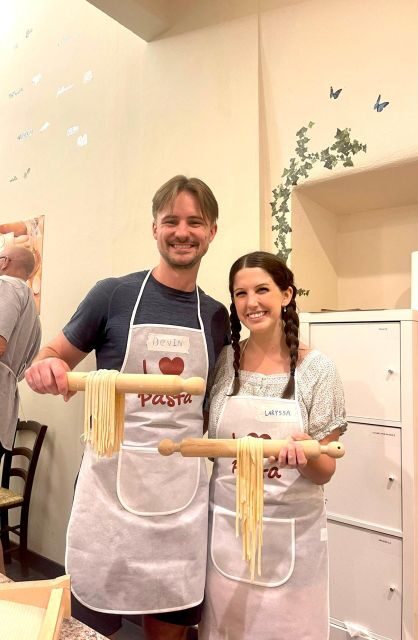
Sauce is where pasta lessons often fall apart. Here, sauce timing is handled thoughtfully.
You’ll see the signature tomato sauce that simmers for hours in advance. That slow simmer matters because it gives the sauce that rounded flavor you want when it’s paired with fresh pasta. Then, when it’s time for cooking, the instructor prepares a more delicate sauce for the ravioli and tortelli—specifically a butter and sage setup right before serving.
This split makes sense for home cooks too. It helps you understand two different sauce styles:
- Slow-cooked tomato flavors that need time
- Finishing sauces that are quick, gentle, and dependent on timing
And because the instructor watches your progress, you’re not waiting around too long. You’re learning when each part fits into the cooking rhythm.
The Meal Moment: Communal Table, Wine, and Limoncello
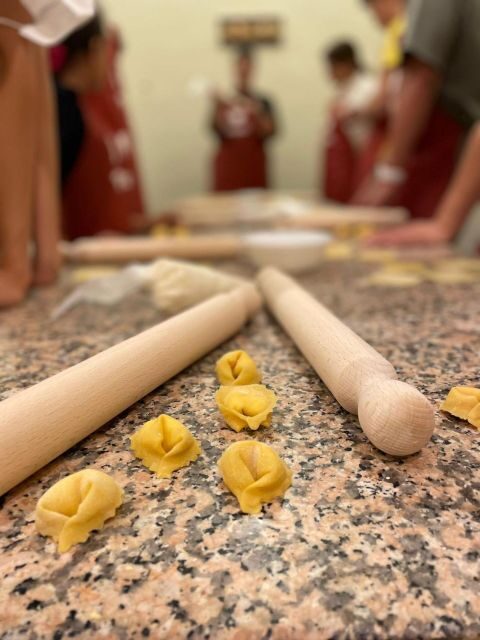
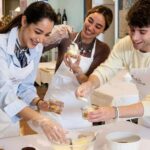
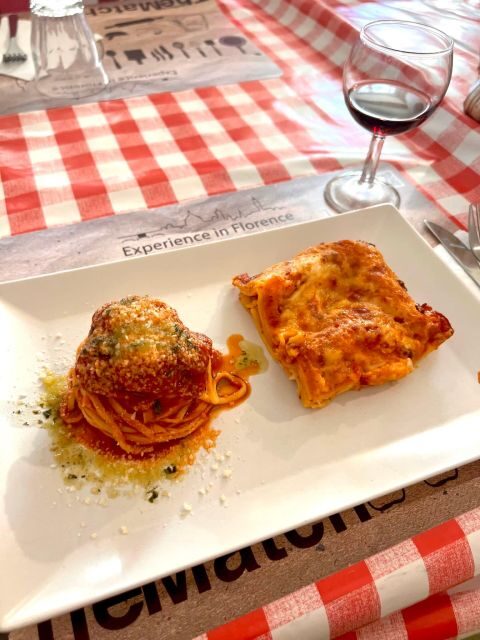
Once your pasta is cooked, you sit down and eat it together at a large communal table. That setup is more than just cute. It encourages conversation, and you’ll likely meet people from different countries and travel styles, all sharing the same experience—flour on your hands and sauce on the brain.
Organic Tuscan wine, plus non-drink options
You’ll also sip Dalle Nostre Mani Tuscan wine, described as organically produced. Alcohol is served only to participants of legal drinking age, but feedback indicates there are alternatives for non-drinkers too. So it doesn’t feel like you’re stuck outside the fun if you skip wine.
Limoncello shot and dessert
The finale is a limoncello shot followed by cake or dessert. It’s the classic Italian pattern: salt and carbs first, then something sweet and bright at the end. The contrast with fresh pasta is surprisingly good—zesty limoncello wakes up the palate after rich butter-and-sage flavors and tomato sauce.
One more small win: this class doesn’t end at the table. Many people head out craving more Italian pantry tools, and there’s even an option to stop by Pastamania afterward for items like a ravioli cutter (and other pasta-friendly add-ons mentioned in feedback).
English Recipes to Take Home: What You Can Actually Recreate
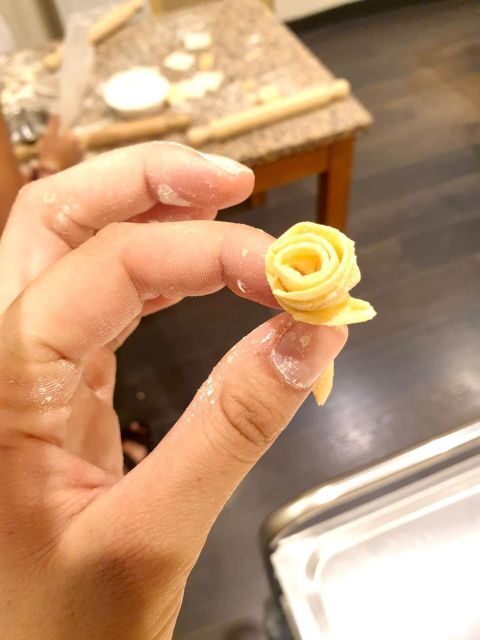
At the end, you take home detailed English recipe booklets. This is the part that makes the class more than “a great night out.”
I like that the recipes are specific enough to help you reproduce the three pasta types and sauce approach without guessing. If you’ve ever tried to copy a pasta recipe at home and ended up with something that tasted close but felt wrong, that extra instruction is what you’re really paying for.
Tip for your kitchen sanity: don’t try to recreate everything on the same day. If you want one pasta night, choose one shape first (like fettuccine or ravioli), then build the next one later.
Price and Value: Why This $48 Class Can Feel Like a Deal
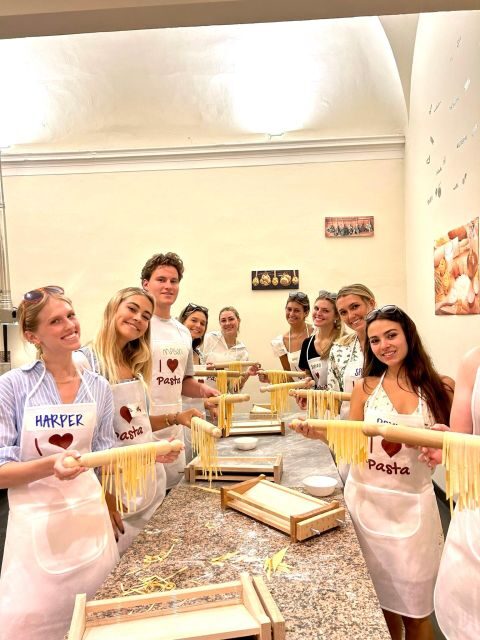
At $48 per person for 3 hours, this is priced like an activity—not like a full dining experience. But it includes a lot of what usually costs extra on your own:
- Instructors and hands-on pasta-making
- The meal you eat (fresh pasta you made)
- Organic Tuscan wine
- Dessert
- A limoncello shot
That’s a strong value formula, especially in central Rome where “just a meal” can easily become the main cost. Also, the class isn’t rushed. The 3-hour time slot gives you enough structure to learn, cook, and eat without feeling like a conveyor belt.
One more value factor: the group limit of 10 helps you actually use the instructor’s attention. The transport experience has a high satisfaction score as well, which matters because getting lost near a historic palazzo can ruin your mood fast.
Who Should Book This Pasta Class (and Who Should Skip It)
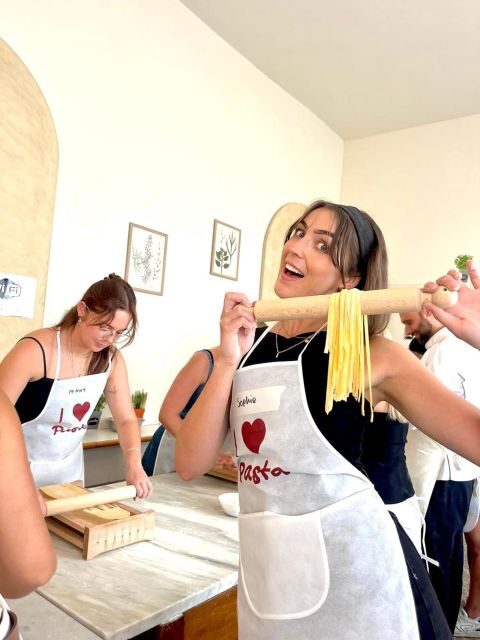
This is a great fit if you want something real and practical while you’re in Rome. It’s also a solid “non-museum” day plan.
You’ll probably love it if:
- You like hands-on activities more than long tours
- You want to learn three pasta types, not just watch demonstrations
- You enjoy eating with other people and chatting in a casual setting
- You’re a foodie who wants a repeatable home skill
Feedback patterns also suggest the class works well for families and mixed ages, including multi-generation groups, and even absolute beginners.
Consider skipping if:
- You need wheelchair access or have mobility constraints (it’s not suitable for wheelchair users)
- You require vegan, gluten-free (gluten intolerance), or lactose-free (lactose intolerance) accommodations (not available)
- You have nut allergies (not accommodated)
- You don’t want any alcohol at all (wine is age-restricted, and non-drink alternatives exist, but the experience does include alcohol components by design)
Before You Go: Small Rules That Matter
This is straightforward, but a few details will help you have a smoother session.
Wear comfortable clothes and expect to cook. No smoking is allowed. The class is taught in English, and the instructors work with the group at a beginner-friendly pace.
Also plan around the fact that you’re coming directly to the school meeting point. There’s no hotel pickup or drop-off included. If you’re staying somewhere far from the Pantheon/Piazza Venezia area, factor in a bit of walking or local transit.
Finally, the experience requires a minimum number of guests. If it doesn’t meet that number, the provider should contact you promptly with alternatives or a full refund.
Should You Book This Rome Pasta Class?
Yes, if your idea of a great Rome day includes making food with your hands, eating what you made right after, and leaving with a real recipe you’ll actually use. The format is efficient: you learn, you cook, you sit down, and you end with wine, limoncello, and dessert.
Skip it if your dietary needs fall into the “not accommodated” categories or if mobility access is a concern. And if you hate any social meal format, the communal table setup may not feel worth your time.
If you’re in central Rome and you want an experience that feels both authentic and practical, this one checks a lot of boxes.
FAQ
How long is the Rome pasta-making class?
The class lasts 3 hours.
Where do I meet the instructor?
You come directly to the cooking school at Via della Gatta 14, 00186 Roma, and ring the bell at Pastamania.
How big is the group?
It’s a small group limited to 10 participants.
What language is the class taught in?
The instructor teaches in English.
What pasta types will I make?
You’ll make three fresh pasta types: ravioli, tortelli, and fettuccine.
Is wine included?
Yes. The class includes Tuscan wine, and alcohol is served only to participants of legal drinking age.
Are dietary restrictions accommodated?
Vegetarian options are available and other diets are supported, but the class cannot accommodate vegan, gluten-sensitivity, lactose intolerance, or nut allergies.
Is it accessible for wheelchair users?
No. It’s not suitable for people with mobility impairments or wheelchair users.