REVIEW · 1-DAY TOURS
Rome: Tuscany & Montepulciano Day Trip with Lunch & Wine Tasting
Book on Viator →Operated by City Wonders Ltd · Bookable on Viator
A full Tuscan day can feel like a lot.
This trip turns that big promise into a clear plan: coach comfort, a 3-course lunch on a Tuscan farm, wine tastings tied to local favorites, plus free time in Pienza’s UNESCO center. I like how the day mixes guided stops with breathing room, so you’re not stuck in lecture mode the whole time.
Two highlights I’m especially fond of are the walking tour in Montepulciano (with its wine culture and hilltop views) and the farm lunch that’s built to taste the region, not just watch it from afar. It also helps that you’ll ride with audio headsets, so you can actually follow the details without craning your neck.
One drawback to plan for: it’s a long day with some steep streets and real walking, and in some seasons shops can be closed in Montepulciano or Pienza, which changes the feel of the free time.
In This Review
- Key things worth knowing before you go
- A Full Tuscan Day Without the Stress of Driving From Rome
- Coach Comfort, Headsets, and a Schedule That Really Moves
- Val d’Orcia Stop: The Rolling Hills Before the Wine Town
- Montepulciano Walking Tour: Wine Culture, Cathedrals, and Views
- The one thing to watch
- Tempio di San Biagio: That Renaissance Church That Looks Like It Should Be a Painting
- The Farm Lunch and Wine Tasting: 3 Courses With Brunello on the Side
- A fair expectation check
- Pienza UNESCO Time: Streets, Views, and Pecorino Shopping
- Practical reality
- Wine Tasting Reality Check: How It Adds Value (and When It Doesn’t)
- What the Best Guides Do on This Route (Names You Might Be With)
- Price and Value: What $83.44 Really Buys
- Who Should Book This Day Trip (and Who Might Prefer a Slower Plan)
- Small Group Size, Steep Streets, and What to Pack
- Should You Book This Rome to Tuscany and Pienza Day Trip?
- FAQ
- How long is the Rome to Tuscany and Pienza day trip?
- Where do I meet the tour in Rome?
- What’s included in the lunch and wine tasting?
- Is the wine tasting led by a sommelier?
- Do I need to pay for Tempio di San Biagio?
- How much walking is involved?
Key things worth knowing before you go
- Piazza del Popolo start: easy to reach, and the tour heads out by air-conditioned coach.
- Small group cap (max 25): enough people for group energy, not so many that you lose the guide.
- Audio headsets included: you’ll hear the guide clearly from the start to the last stop.
- A real Tuscan farm lunch: 3 courses with regional wine pairings tied to the day.
- Pienza time for photos and pecorino: plan your free time for cheese shopping and viewpoints.
- Steep hilltown walking: bring comfortable shoes and dress for church entries (knees/shoulders/back covered).
A Full Tuscan Day Without the Stress of Driving From Rome
This is the kind of day trip that works when you want Tuscany to feel like Tuscany, but you still want a simple logistics plan. You meet at Piazza del Popolo and get on an air-conditioned coach with audio headsets and unlimited high-speed Wi‑Fi onboard. Then you let the driver do the winding roads while your guide sets context.
The pacing is geared toward seeing the main characters of the Val d’Orcia and hilltown world: Montepulciano first, then a Renaissance church viewpoint, then Pienza to finish. You’ll also get “learn while you go” moments on the bus, which helps the stops feel connected instead of random pinpoints.
If you’re the type who gets cranky after standing in line or hunting for tickets, this day works because the heavy lifting is done for you. You’re not coordinating transfers, parking, or museum tickets. You’re just showing up, listening, eating, and walking.
You can also read our reviews of more food & drink experiences in Rome
Coach Comfort, Headsets, and a Schedule That Really Moves
The trip runs about 12 hours, so it’s long enough that you should treat it like a full day, not a quick snack excursion. The payoff is that you get multiple places in one go, plus a lunch built around the region. You’ll be stepping on and off the coach several times, with walking breaks that vary by stop.
Audio headsets are a big deal on these tours. You’re in groups, sometimes on buses in between places, and sometimes outside where sound bounces. With headsets, you can keep up with the guide’s stories about architecture, wine, and local details without turning your day into constant guesswork.
The coach part is also where the day’s “reality check” lives. Expect the long-drive stretch to be part of your time budget, even though you do get scenery and context while you ride. Bring layers. Even in warm months, buses can swing cool inside.
Val d’Orcia Stop: The Rolling Hills Before the Wine Town
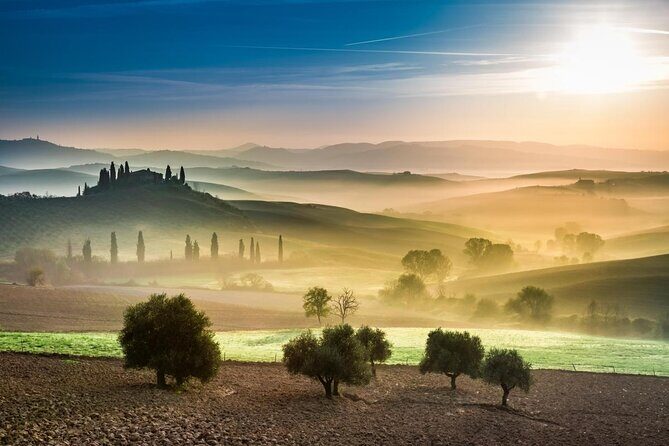
Before Montepulciano, you get a scenic run through the Val d’Orcia area near Siena. This isn’t a museum stop. It’s more about setting the tone: wide views, rolling hills, and the sense that this region is shaped by the land as much as by people.
In a day trip like this, that early “get your bearings” stage matters. When you arrive at a hill town, you’ll understand why those towns sit where they do and how vineyards fit into the bigger picture. It’s the preface that makes the next chapters land.
One practical note: because this portion is mostly traveling and looking, your best strategy is to be ready to step out for photos if the timing allows. Keep your phone charged and your jacket easy to grab.
Montepulciano Walking Tour: Wine Culture, Cathedrals, and Views
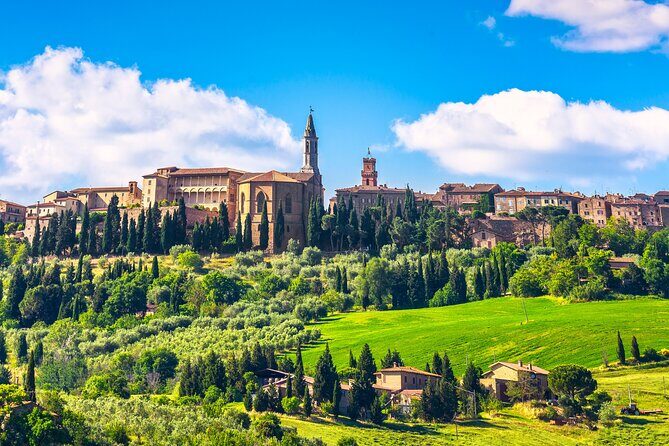
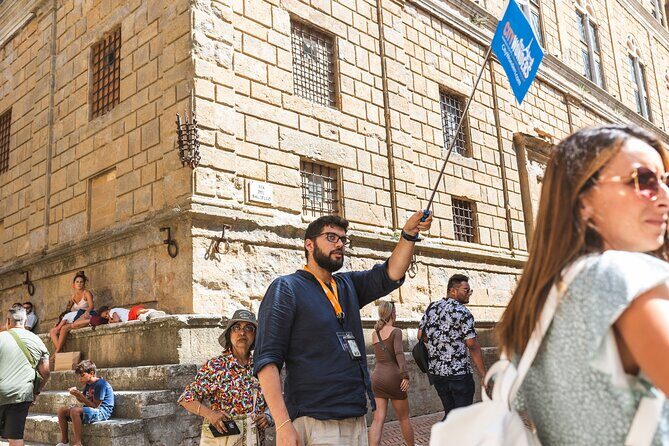
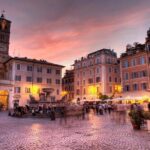
Montepulciano is the star hilltown, and the tour gives you a guided walk through its center. You’ll see landmarks like the Cathedral of Santa Maria Assunta, plus the town’s signature wine reputation tied to Vino Nobile di Montepulciano. Your guide also explains how the town’s architecture connects to its wine-making identity, especially how people built their cellars.
I like that the walk includes both the “pretty” stuff and the “why it matters” stuff. You’ll notice details like the hilltop layout, the Florence-style clock tower feel, and the Cathedral façade situation that makes it look unfinished compared to the grand expectations people have for church exteriors.
Also, this is a town you feel on the ground. Streets slope. There are viewpoints. You’re not just looking at a postcard. You’re walking up into the views, then back down into the wine-town rhythm.
The one thing to watch
Time in Montepulciano is limited compared with what you might want if you’re shopping for wine, walking slowly, or taking lots of detours. On some dates, shops may also be limited, especially in off-season months. So set expectations: you’re there for the guided highlights plus a short taste of the town’s vibe.
You can also read our reviews of more wine tours in Rome
Tempio di San Biagio: That Renaissance Church That Looks Like It Should Be a Painting
Next comes Tempio di San Biagio, a Renaissance church positioned for maximum view impact. It’s famous for blending Renaissance design with its dramatic location over the Tuscan hills. The architecture connection matters, too: the church is linked to ideas used by designers like Bramante and Michelangelo for St. Peter’s Basilica in Rome.
This stop is short—about 30 minutes—so think of it as a quick architectural hit and a photo break rather than a long exploration. That works well because it keeps the day moving toward lunch and Pienza.
Dress smart here. Even if you’re mostly outdoors, you’ll likely want a layer because church areas can be cooler, breezier, or simply more exposed than the towns.
The Farm Lunch and Wine Tasting: 3 Courses With Brunello on the Side
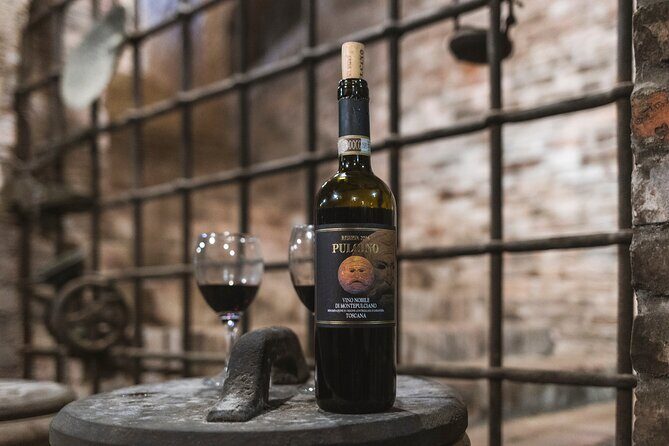
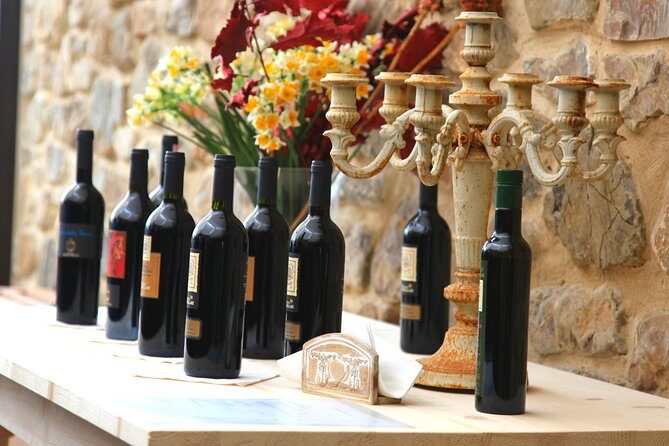
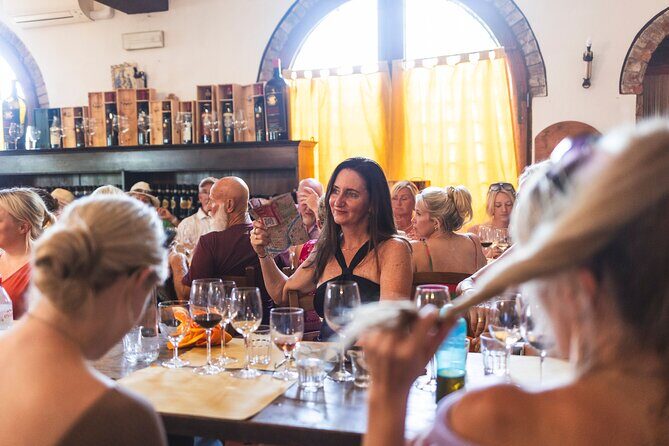
Lunch is the heart of the day. It’s served at an authentic Tuscan farm and winery, with a 3-course meal and regional wine pairings. This is where Tuscany stops being a “sightseeing theme” and turns into something you can actually taste and remember.
Wine includes a focus on Brunello di Montalcino, plus an extra tasting component that also features olive oil. If you’re the type who wants a guided taste—what to look for, why wines differ, and how the local grape culture shapes what’s in your glass—this is one of the best-value parts of the itinerary.
From March 1st, the wine tasting is led by a professional sommelier, which changes the feel if you’re serious about learning. Without that added specialist, you’ll still be tasting as part of the lunch experience, but the level of detail may vary by day and guide-team style.
A fair expectation check
Some people want big, bottle-style tastings, and this isn’t marketed that way. What’s clearly on the table here is wine tasting tied to lunch, not a full afternoon tasting marathon. If you’re expecting multiple full pours or heavy pours of a single wine, you may feel underfed on volume even if the flavors are enjoyable.
Also, lunch quality can vary by season and supplier day-to-day. The best move is to treat the meal as a “Tuscan farm experience with wine,” not as a restaurant reservation you can benchmark against Rome’s top dining.
Pienza UNESCO Time: Streets, Views, and Pecorino Shopping
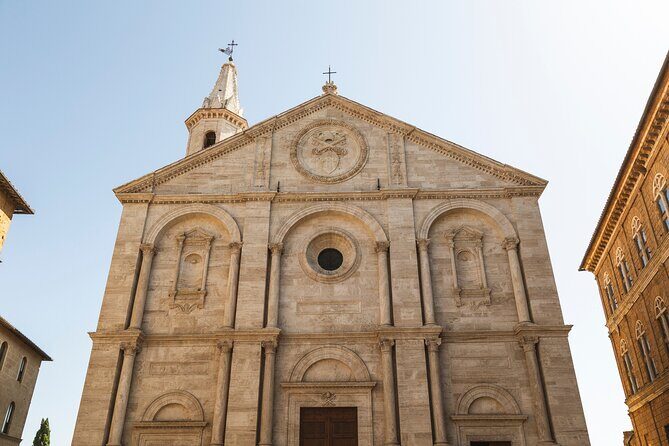
After lunch, you head to Pienza, a UNESCO World Heritage Site. You get guided framing first, then free time for wandering and photos. The town is tied to Pope Pius II, who shaped the Renaissance look of the historic center. That gives the place an organized feeling: symmetry, proportions, and viewpoints designed into the layout.
I love this stop because it rewards slow looking even though you don’t have all day. The streets are made for strolling, and it’s the kind of place where you can pause often. If you like food, Pienza is also where shopping becomes part of the experience.
You’ll get time to hunt for pecorino cheese, which is one of the town’s prized products, plus opportunities to browse for local food and wines. If you end up in a date with seasonal events, you might catch extra atmosphere in Montepulciano, but Pienza tends to stay rewarding even when shop hours are limited.
Practical reality
Expect at least some of the historic center to be difficult underfoot if you’re in shoes that don’t handle uneven stone well. And in some seasons, some stores may not be open. Plan around that by bringing a flexible mindset: if shopping is closed, the architecture and views still do the heavy lifting.
Wine Tasting Reality Check: How It Adds Value (and When It Doesn’t)
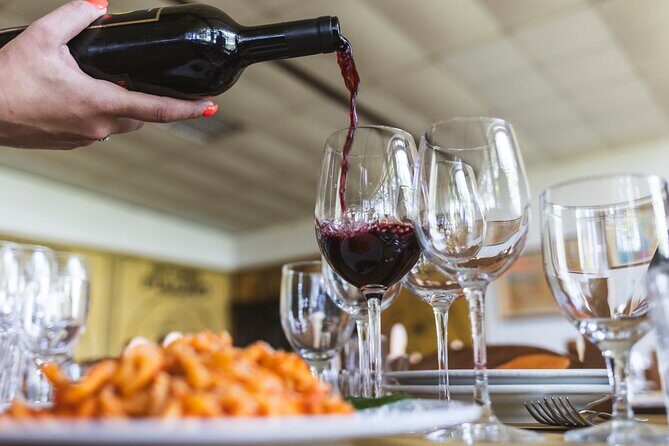
It helps to know what kind of wine stop this is. You’re getting regional tastings tied to lunch, with a named spotlight on Brunello di Montalcino and additional tastings that include olive oil. That combination makes the lunch feel more like a Tuscany lesson than just a plate of food.
The experience also includes extra wine and olive oil tasting, with upgrades in certain tour options that can add a castle visit in Montalcino (only for small group/private upgrades). If wine is your main goal, those upgrade paths might be worth exploring for more time and depth.
Still, don’t confuse this with a full-on structured wine education day where every sip is analyzed like a textbook. The experience is designed to fit a long travel day with multiple stops, so it leans toward tasting and context, not extended lecture time.
If you’re hoping for maximum wine volume, set your expectations accordingly. If you want the flavor journey and a sense of Tuscany’s wine identity, you’ll likely feel satisfied.
What the Best Guides Do on This Route (Names You Might Be With)
A big part of whether this day feels special is how your guide stitches together history, architecture, and wine so it all makes sense. The guide-team styles on this route show up in the real-world names guests report seeing: Flavio, Anna, Pablo, Barbara, Enrica, Sonia, and Antonino.
What these guides tend to bring is a mix of practical details and storytelling that makes you look at the same building or vineyard-related detail in a new way. Good drivers matter too, especially with narrow roads and day-of-weather surprises. You may see names like Massimo, Luca, or Romeo paired with the tour team.
If you care about actually learning something beyond what’s on a sign, pick a day when you can pay attention to the guide’s pacing. Put your questions in your pocket and ask them during walking breaks, not just during bus time.
Price and Value: What $83.44 Really Buys
At $83.44 per person for about 12 hours, this isn’t a “cheap and cheerful” day. You’re paying for several things that add up fast if you tried to DIY it: round-trip coach transport, an English-speaking guide all day, audio headsets, lunch with wine tastings, and guided time in hilltowns.
The value is strongest if you want:
- Tuscany with minimal planning effort
- a structured visit to Montepulciano and Pienza
- a lunch-and-wine experience that’s not just snacks on the way
If you’re mainly after shopping time, or you want a slow, independent foodie schedule, you might feel the day is tightly paced. If you want maximum wine depth beyond a tasting experience, you may want to look at higher-touch wine tours.
The good news is the itinerary includes both guided highlights and time set aside for your own wandering, so the money buys more than just bus rides.
Who Should Book This Day Trip (and Who Might Prefer a Slower Plan)
This tour makes sense for:
- first-timers to Tuscany who want the highlights in one day
- people who like food and wine but don’t want to arrange logistics
- travelers who enjoy hill towns and are comfortable walking on uneven stone
- groups that want a guide to connect the dots between architecture and local life
It may not be ideal if:
- you hate long coach days
- you need lots of free time to explore towns on your own
- you’re very picky about restaurant-level meal execution and want guaranteed top-tier service
Also, alcohol rules apply. Anyone under Italy’s legal drinking age of 18 will not be served alcohol, so non-drinkers should still be fine for the food and sights.
Small Group Size, Steep Streets, and What to Pack
This tour holds a maximum of 25 travelers, which helps keep the experience manageable and reduces the chaos you sometimes get on big buses. Even so, you’ll still be in a group schedule with set meeting times.
Bring:
- comfortable walking shoes for steep streets and stone
- a light layer for bus and church stops
- a small snack only if you know you get hungry late, since this day moves from town to town and walking eats time
Dress matters. For entry into some sites, you’ll need knees, shoulders, and back covered. If you’re worried about it, pack a light scarf or layer you can put on quickly.
And use bathroom stops when you can. Public restrooms can be hard to find once you’re in smaller hilltown centers, and you don’t want to burn precious free-time chasing it.
Should You Book This Rome to Tuscany and Pienza Day Trip?
If you want an efficient, well-structured Tuscany day from Rome—with Montepulciano, a Renaissance church stop, and a farm lunch featuring wine tastings—this is a strong choice. The combination of guided hilltown time plus a meal-and-tasting experience gives you more than one kind of souvenir: photos, stories, and flavors.
Book it if you can handle a long day and some steep walking. Consider skipping it (or choosing a different style tour) if you’re mainly chasing lots of independent shop time or you want wine tasting that feels like a standalone, in-depth wine course.
FAQ
How long is the Rome to Tuscany and Pienza day trip?
It runs for about 12 hours.
Where do I meet the tour in Rome?
The meeting point is Piazza del Popolo, Roma.
What’s included in the lunch and wine tasting?
You get a 3-course lunch at an authentic Tuscan farm and winery, plus wine tasting that includes regional wines and Brunello di Montalcino, along with an extra wine and olive oil tasting.
Is the wine tasting led by a sommelier?
From March 1st, the wine tasting is led by a professional sommelier (for group selections).
Do I need to pay for Tempio di San Biagio?
The entry for Tempio di San Biagio is listed as not included.
How much walking is involved?
There is a fair amount of walking, and some cities are steep, so moderate fitness helps. Comfortable shoes are a must.