REVIEW · MORNING
Rome: Early-Morning Vatican Museums and Sistine Chapel Tour
Book on GetYourGuide →Operated by Walks of Italy · Bookable on GetYourGuide
Beat the Vatican by sunrise. I like this tour because it puts you into the Vatican Museums right when they open, so you’re not getting crushed by tour groups and last-minute day-trippers. The Sistine Chapel visit also lands at the calmest point, which makes that ceiling feel less like a sprint and more like a focused experience.
Two things I really like: you’ll get guided highlights (not a random wander) and you’ll hear the story behind them through a guide plus headsets. In past groups, guides such as Anna and Christina have been praised for clear explanations and a pace that still leaves you time to actually look.
One drawback to consider: it’s an intense walking tour, and there are strict rules for entry clothing and sacred-space coverage. If you have mobility limits, this is not suitable, and even for everyone else you’ll want comfortable shoes and patience for crowds that build as the morning goes on.
In This Review
- Key things that make this tour worth your time
- Why the early start changes everything
- Meeting point and what to do before you arrive
- Entering the Vatican Museums: what you’ll actually see
- The Raphael Rooms: where art turns into a story
- Sistine Chapel: how to get the best views, not just photos
- St. Peter’s Basilica shortcut: the morning advantage
- Pace, comfort, and the reality of long mornings
- Value: is $93 a smart spend?
- Who should book this tour (and who should skip it)
- Should you book? My call
Key things that make this tour worth your time
- Early access into the Vatican Museums before the worst crowd surge
- Headset included, so your guide’s commentary stays audible
- A focused circuit through Raphael Rooms and major museum corridors
- Sistine Chapel viewing at the quietest time of day, plus a handout before you go in
- Morning-only skip to St. Peter’s Basilica, with a special passage when it’s open
- Vatican and St. Peter’s art explained with clear context, not just names
Why the early start changes everything
The Vatican is one of those places where the “what” is famous, but the “when” decides whether you’ll feel rushed or amazed. This tour times your entry so you arrive while the sites are still in full morning mode, before queues sprawl across the area and before the museum feels like a packed hallway. That single timing shift matters because the Vatican Museums are enormous. Without structure, it’s easy to see only what happens to be directly in front of you.
Another reason this start works: it shapes how you experience the Sistine Chapel. When you’re there early, you’re not competing with elbow-to-elbow lines for even a few seconds to look up and actually process what you’re seeing. That’s where guides can add real value—good commentary turns the ceiling into something you can follow instead of a blur of figures.
Finally, the morning flow helps you finish at St. Peter’s Basilica while the day is still manageable. Even with skip-the-line entry, St. Peter’s can get crowded fast, and a morning visit generally gives you a better shot at moving with purpose and not just standing in bottlenecks.
You can also read our reviews of more museum experiences in Rome



Meeting point and what to do before you arrive
This tour meets at a specific cafe spot near the Vatican, and the exact address can change depending on the date. Until February 28, you meet at Antico Caffè Candia, Via Candia, 153, 00192 Roma. From March 1 onward, the meeting point is Touristation Cappella Sistina, Viale Vaticano 95, 00192 Roma. Your guide will be holding a green Walks sign.
Plan to arrive a little early. Not because you’re late—because the Vatican area is easy to circle, and the tour starts by moving you quickly once you’re checked in. Also, bring the basics they request: passport or ID and comfortable shoes. The route involves plenty of walking, and the museum floors can be uneven in spots.
Dress matters too. You’ll need to cover shoulders and knees, and that includes avoiding shorts, short skirts, and sleeveless shirts. This isn’t just “good manners.” It’s how you avoid getting stopped at sacred-space rules right when your timing matters most.
Entering the Vatican Museums: what you’ll actually see
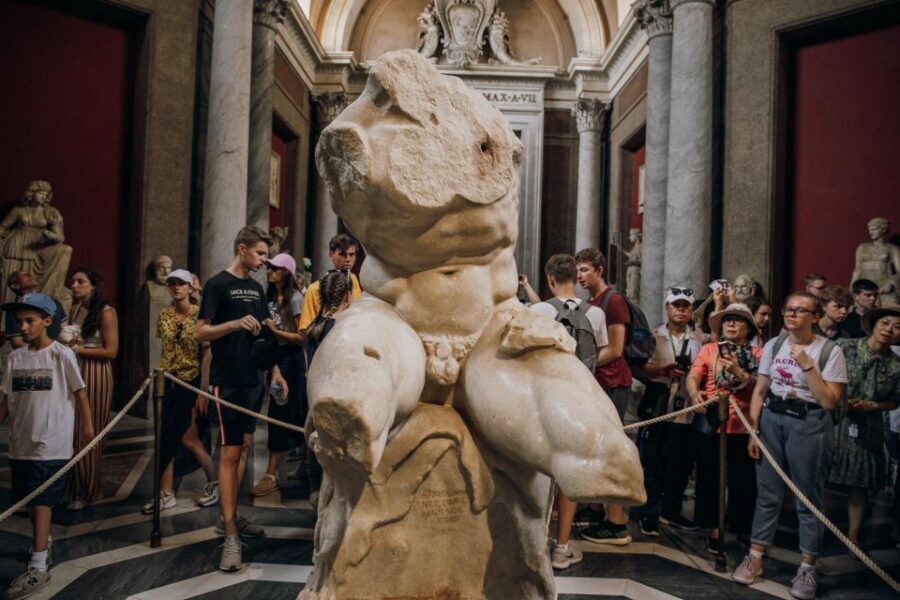
Once you’re inside, the guided portion is designed to help you make sense of museum chaos. The focus is on major stops that give you both art and context, without forcing you to sprint across galleries that look similar once you’ve been there 45 minutes.
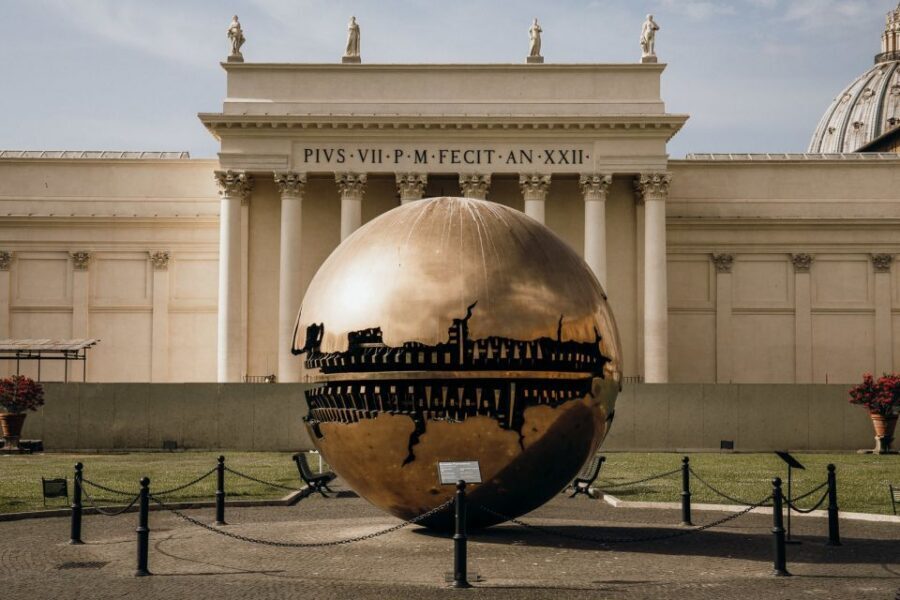
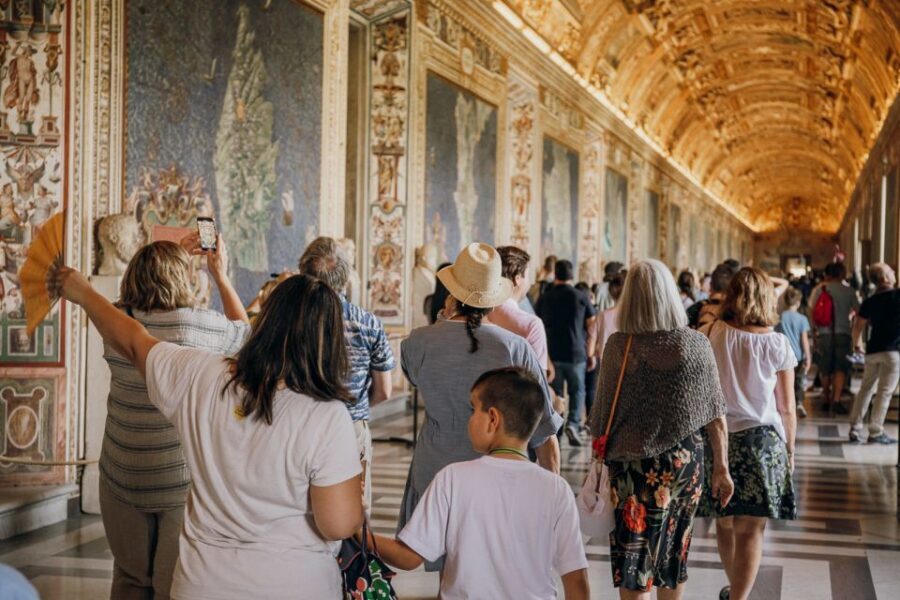
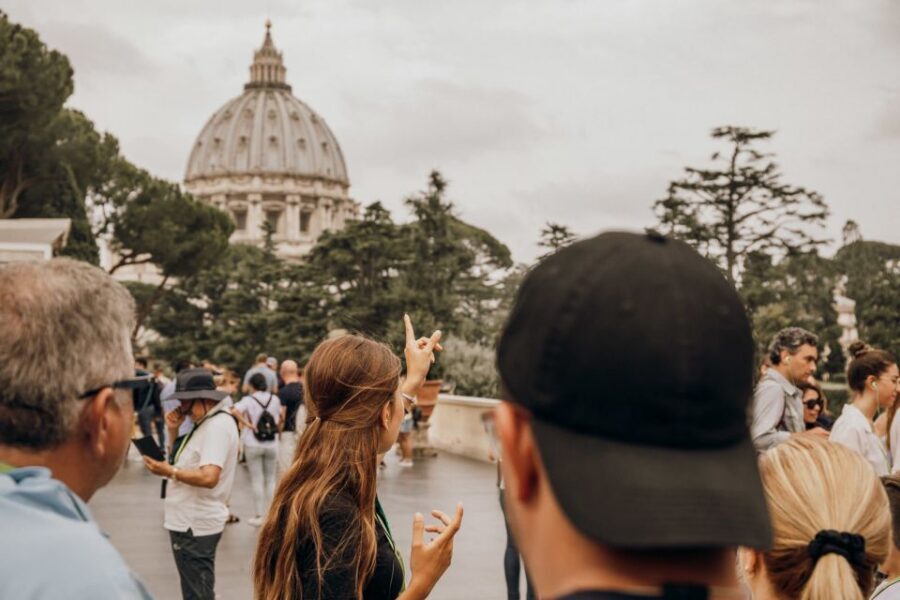
A key early stop is the Belvedere Courtyard. It’s the kind of place where you can pause, reset, and get your bearings—something you’ll appreciate because the Vatican Museums can feel like you’re stepping into a maze made of masterpieces. From there, the tour moves through signature galleries and corridors, including the Gallery of Maps, which is a clever way to understand the Vatican’s worldview through geography and artistry.
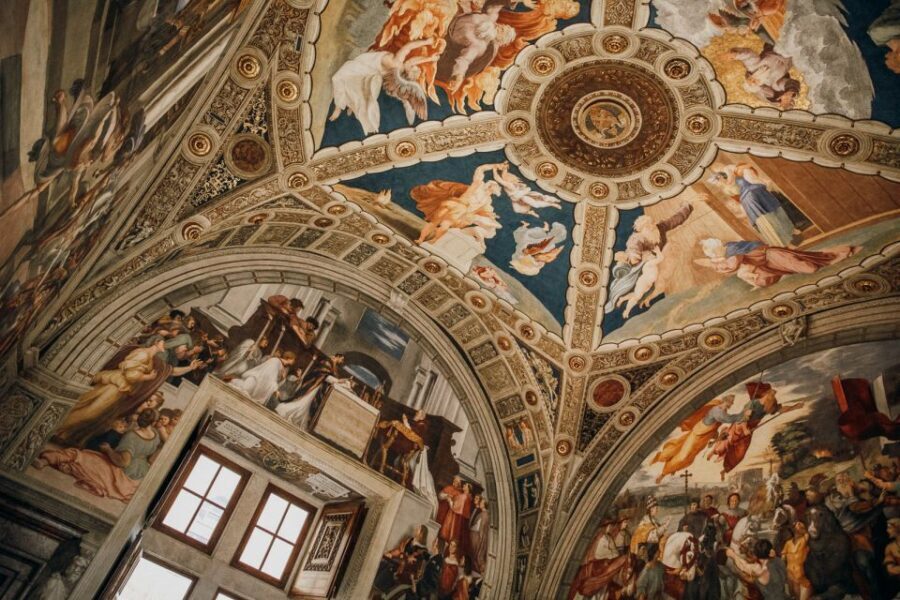
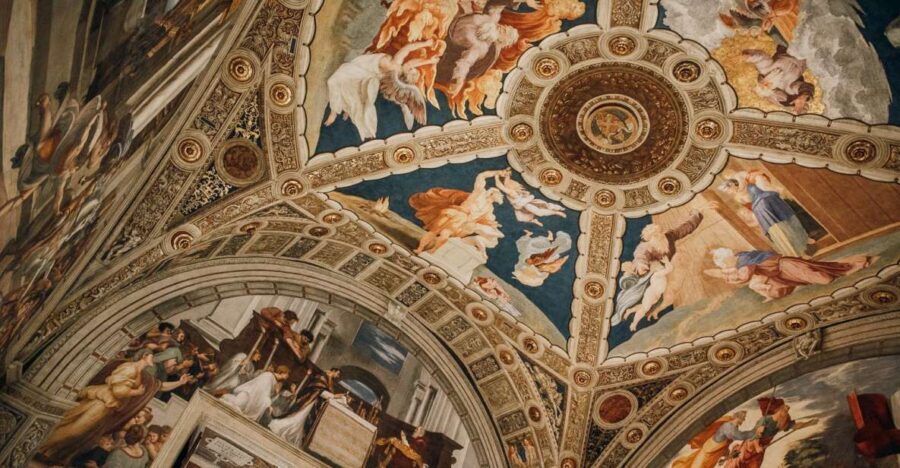
Then you hit the four Raphael Rooms. This is where the tour’s structure pays off for most people. The rooms aren’t just “another set of paintings.” They’re tied together by artists, patrons, and visual themes. With a guide on board, you’re less likely to miss the details that make Raphael’s work feel so intentional.
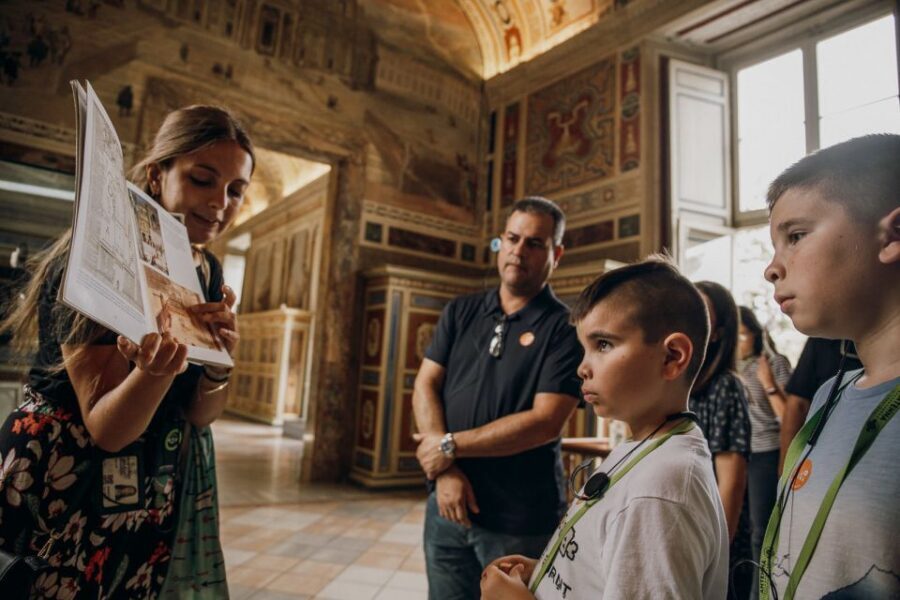
One more practical win: the tour provides headsets, which a lot of people notice immediately. When you’re walking through groups and crowds, it’s hard to hear regular voices. With headsets, you can keep listening even when the museum gets louder.
The Raphael Rooms: where art turns into a story
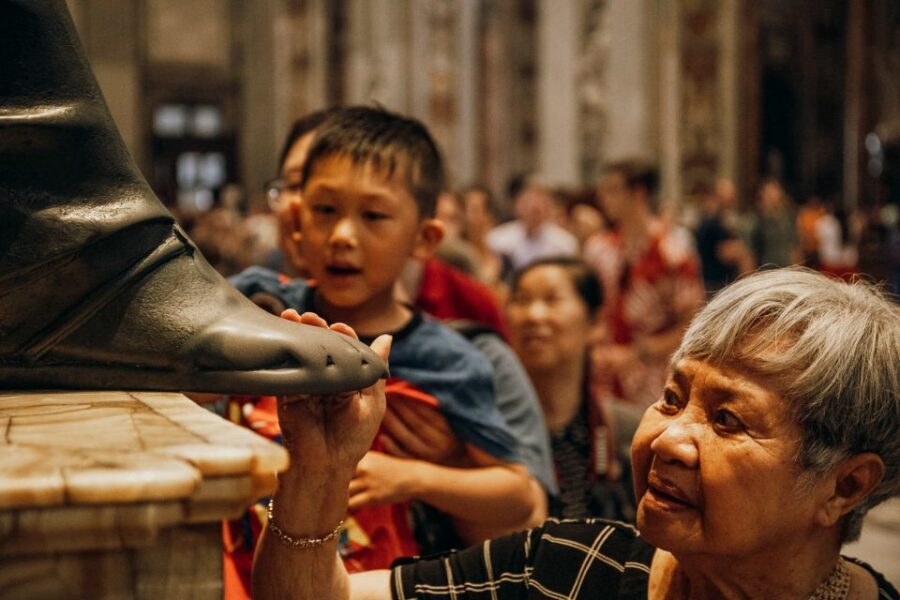
The Raphael Rooms are a highlight for a reason. They give you a concentrated dose of Renaissance thinking, not just famous names pasted on walls. And because the tour is time-conscious, you’re guided to the most important works so you leave feeling like you understood what you saw, not just checked boxes.
A standout part of the approach is the way guides explain the imagery as a set of choices—what’s included, what’s emphasized, and why. You might hear examples of how Raphael’s fresco work relates to larger Italian art culture and even other big figures of the era, since guides often connect the dots across the Vatican’s collection.
Guides in this program have been singled out for making the rooms easier to follow. People report guides who were funny, engaging, and patient—like Christina, who was praised for a detailed pre-Sistine Chapel explanation and a pace that let the group absorb what mattered. Others, like Marco C., have been described as energetic and passionate, which is exactly what you want here. The rooms reward attention, and a lively guide helps you keep that attention without feeling lectured.
Also note the timing: the Raphael Rooms visit is shorter than the museum walk, which is good. It keeps the tour from turning into an endless checklist and helps you save your mental energy for the Sistine Chapel ceiling.
Sistine Chapel: how to get the best views, not just photos
The Sistine Chapel is the moment most people picture. The difference here is that you arrive when it’s calm enough to actually look, not just stare for a second while you shuffle forward. The tour’s timing is designed so doors open in a way that keeps your group among the early visitors.
You’ll get a guided rundown of Michelangelo’s frescoes before you head in, plus a handout. That piece of paper is a quiet lifesaver because it lets you keep looking while you’re inside, even when the guide can’t speak to you the way they do in the galleries. It also helps if you want to study parts of the ceiling slowly without needing to remember every detail your guide mentioned on the walk over.
One useful thing to know: between January 12 and March 31, 2026, the Vatican Museums will run a preservation project focused on Michelangelo’s Last Judgment. The Sistine Chapel stays open, but the fresco will be temporarily covered by scaffolding during that period. That means you may not see everything the way you expected, even though the chapel itself is still a full visit.
Finally, remember the space rules: keep shoulders and knees covered. And mentally, don’t over-focus on taking pictures. The value is in the overhead viewing. If you treat it like a fast photo stop, you’ll miss what makes the scene land emotionally.
You can also read our reviews of more tours and experiences in Rome





St. Peter’s Basilica shortcut: the morning advantage
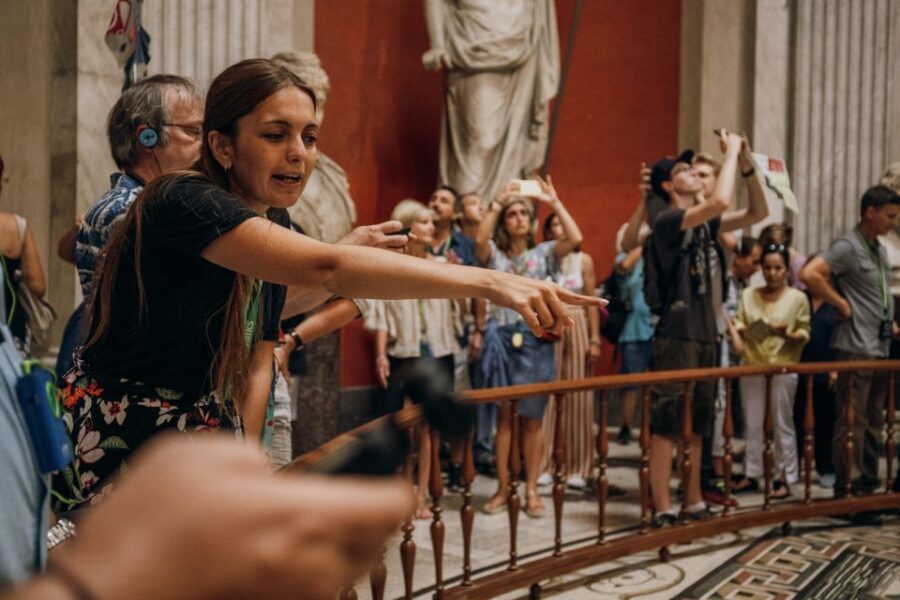
After the Sistine Chapel, the tour finishes in St. Peter’s Basilica, including a guided visit. The most practical perk is the morning skip: your ticket includes skip-the-line entry for St. Peter’s only on morning tours.
Even with a skip-the-line ticket, the basilica area can still be busy. You might run into ongoing services, and that can affect how smoothly people move inside. That said, arriving earlier generally makes it easier to navigate.
There’s also a special passage between the Sistine Chapel area and St. Peter’s, which is part of how this tour saves time. The catch: it’s closed on Wednesdays, and it can also be subject to other closures. When the passage isn’t available, the tour instead offers a more in-depth visit of the Museums. The important detail is that these day-specific changes can happen without refunds or discounts.
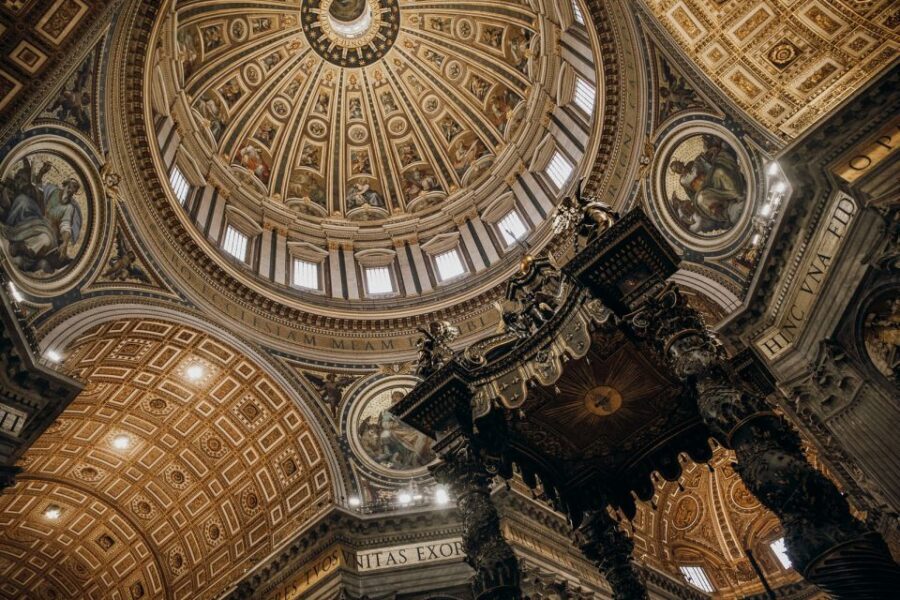
Once inside, you’ll see major works like Michelangelo’s Pietà and learn about Bernini’s grand altarpiece—plus the stories and legends that surround them. This is where the guide’s role becomes practical again: in a massive building full of art, commentary helps you know where to look and what you’re seeing beyond the obvious.
Pace, comfort, and the reality of long mornings
This is a 3 to 4 hour walking-and-standing experience. That time sounds reasonable until you remember you’re doing major sites back-to-back: museum galleries, Raphael rooms, Sistine Chapel viewing, then St. Peter’s. Most people find the structure helps, because you’re not wandering and doubling back.
Your comfort will depend on two things:
- Shoes and stamina: the route involves lots of steps.
- How you handle crowds: even early, you’ll be near other groups, and the crowd density changes as the morning progresses.
The good news is that guides are often tuned to real group needs. In feedback, people described guides who helped when someone needed rest due to an injury, or who found a place to sit when someone felt unwell. That doesn’t guarantee it will happen for your exact situation, but it does suggest the tour staff knows how to respond when people have normal human limits.
Also, this tour isn’t suitable for everyone. It’s not for wheelchair users, and it’s not suitable for guests with mobility impairments or strollers. If you fall into that category, you’ll save stress by choosing a different format.
Value: is $93 a smart spend?
At $93 per person, this tour sits in the “pay to save your sanity” range. The price feels easier to justify when you add up what you’re getting at once: skip-the-line tickets for the Vatican Museums and a morning skip for St. Peter’s, plus a live English guide and headsets.
Here’s how I’d think about the value:
- Skip-the-line access saves time. At the Vatican, time can turn into exhaustion. If you’re trying to see Rome’s big sites in a short trip, that matters.
- A guide changes what you notice. The Vatican Museums are so vast that self-guided can turn into a blur. People tend to come away happier when they feel they saw highlights with meaning, not just lots of rooms.
- The pace is managed. Even when the museum feels crowded, the tour keeps you moving along a planned route—less guessing, less queue-hopping.
And there’s an extra value layer: the morning route and potential secret passage reduce the typical walking penalty from the Museums to St. Peter’s. That can be a big deal if you’d otherwise have to walk the long way around.
Who should book this tour (and who should skip it)
I’d point this tour toward you if:
- You want the Vatican Museums and Sistine Chapel in one morning.
- You prefer organized highlights rather than getting lost in the museum’s size.
- You like art history explanations that help you interpret what you’re seeing.
- You want the best chance of seeing the Sistine Chapel when it’s not packed.
You might want to skip it if:
- You need accessibility accommodations (this one isn’t suitable for wheelchair users).
- You hate early starts and long indoor standing time.
- You’re traveling with someone who will struggle with dress rules like shoulders and knees covered.
If you’re still deciding between a guided and self-guided Vatican day, this is the kind of tour that helps you see more of the important stuff with less mental effort.
Should you book? My call
Book it if you want a calmer, smarter Vatican morning: early access, a clear route through major highlights, and headsets so you don’t miss the story while crowds press in. The guided structure is what makes the price feel justified, especially for first-timers who might otherwise spend hours “being inside the Vatican” without really understanding what they’re looking at.
Skip it only if the walking and sacred-space rules won’t work for you, or if you already have a plan that focuses on slower self-exploration without needing skip-the-line help.
If your goal is to leave the Vatican feeling you truly saw the big masterpieces—Museums, Raphael Rooms, Sistine Chapel, then St. Peter’s—this early-morning format is a strong match.