REVIEW · NAPLES
Herculaneum: Skip-the-Line Entry Ticket with Audio Guide
Book on GetYourGuide →Operated by Tempio Travel Sorrento · Bookable on GetYourGuide
Herculaneum feels like a whisper from Pompeii’s shadow. This is an ancient Roman city preserved in unusual detail after Vesuvius buried it in 79 AD, and the audio guide plus map helps you make sense of the villas, market lanes, public fountains, and the theatre without feeling lost. I like that it’s self-guided, so you can linger where you care most, from preserved wall paintings to the small, human scenes that make the past feel close.
One thing to plan for: the audio stops use a number system that sometimes doesn’t match what you see on-site, so you may need a minute at the start to get your bearings (and the app is missing GPS). That friction is usually short-lived, but it’s worth knowing before you expect a perfectly guided, turn-by-turn walk.
In This Review
- Key Highlights Worth Your Time
- Why Herculaneum Beats a Simple Side Trip
- Ticket and Audio Pickup at the Herculaneum Ticket Office
- How to Use the Map and Numbered Stops When They Don’t Match
- A Practical Route Through Villas, Market Life, Fountains, and the Theatre
- Villas, Paintings, and the Museum Pieces Near the Exit
- The Eruption Story: Sea Rescue, Skeletons, and the Caves
- Timing, Footwear, and How Long You Really Need
- Price and Value: Is $15 Worth It?
- Should You Book This Skip-the-Line Audio Ticket?
- FAQ
- Where do I show my ticket for this Herculaneum entry?
- How long does the experience last?
- Which languages are included in the audio guide?
- What should I bring?
- Is a guide included?
- Can I cancel for a refund?
Key Highlights Worth Your Time
- Skip-the-line entry that usually feels fast: Many people report no queue on arrival, especially earlier in the day.
- Hands-on audio that runs you through the key stops: You’ll get English, French, German, Italian, and Spanish.
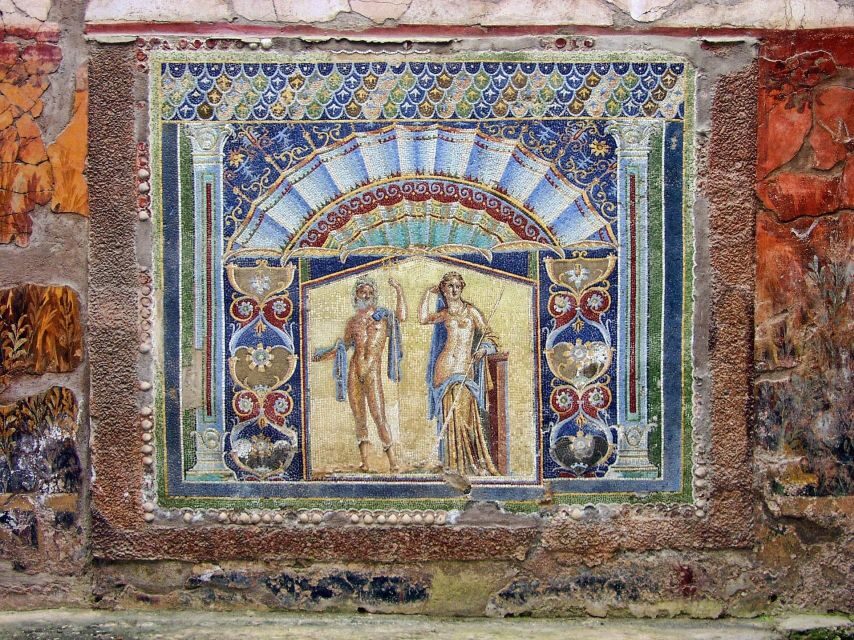
- Well-preserved everyday details: Frescoes, mosaics, wooden elements, and layout cues make daily life feel real.
- A compact site with plenty of variety: Market areas, fountains, theatre spaces, temples, and domestic quarters all fit into one visit.
- A museum add-on near the exit: You can see artifacts and exhibit pieces after walking the ruins.
- Poignant eruption-era displays: The skeletons and the sea-rescue story land hard at the end of the loop.
Why Herculaneum Beats a Simple Side Trip
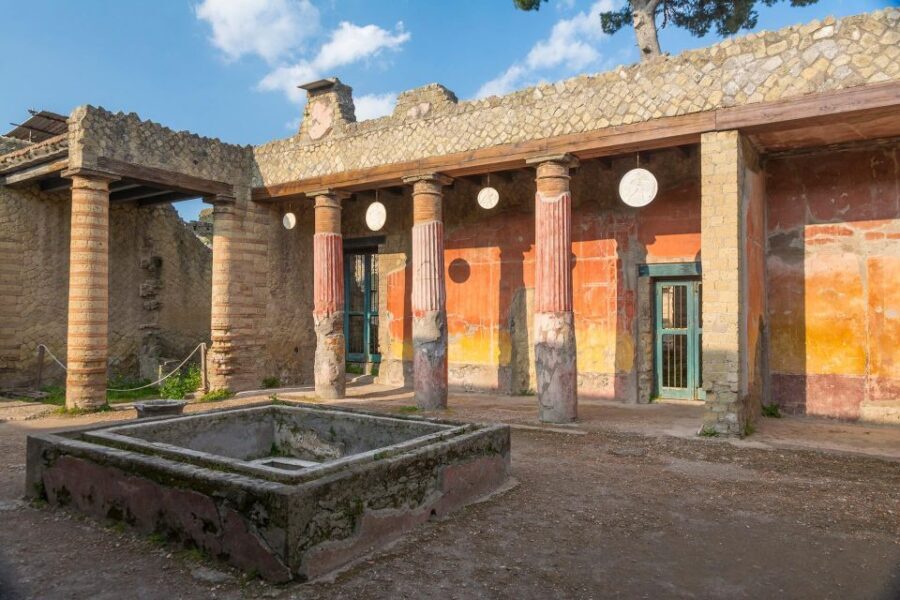
Herculaneum is smaller than Pompeii, but that can be a big win. Instead of racing through blocks of ruins, you get a walk that feels intimate. The preservation is the star: villas and interiors can still look startlingly intact, including decorative surfaces and features that suggest what rooms used to look like when people were living there.
What I like most is the mix of big context and street-level details. The eruption story isn’t just a backdrop. It connects to how people moved through the city, how the market functioned, and what different households looked like. You’ll also get that shift from ordinary Roman life—shops, fountains, domestic spaces—to the moment the site turns tragic, with displays tied to the roughly 300 people who died near the sea while hoping for rescue.
This is also a great place to do at least half a day with your own pace. Many visitors find they can cover it in about 3 to 4 hours, but you can stretch longer if you stop for museum time and take breaks on the calmer stretches.
You can also read our reviews of more tours and experiences in Naples

Ticket and Audio Pickup at the Herculaneum Ticket Office
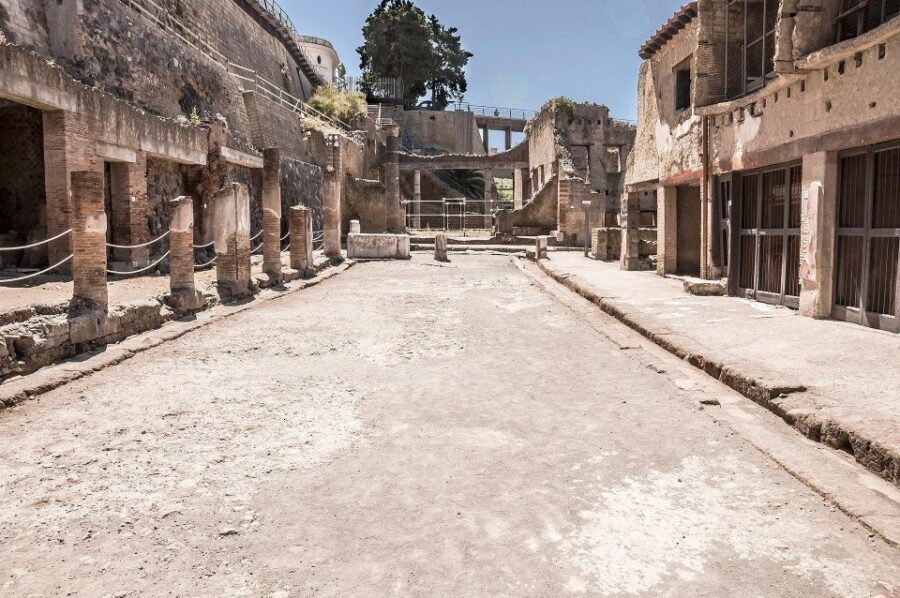
Plan on starting at the Herculaneum ticket office. You show your ticket there and then follow the on-site instructions for audio pick-up. The site setup can involve more than one desk or queue because the entry ticket and the audio device are handled separately. In practice, many people report it’s still quick, but it’s smart to arrive with a little buffer.
You’ll also need an ID document to receive the audio equipment. People have used a passport or ID card, and one review noted that an insurance pass can also be accepted as a form of identification. Bring your paperwork so you don’t get stuck at the desk.
One more practical warning: some ticket types can be confusing online. If your booking option is only an audio guide (and not entry), you may have to pay for entry on arrival. Double-check that what you booked includes the entry ticket plus audio if you want the full “skip-the-line” experience.
How to Use the Map and Numbered Stops When They Don’t Match
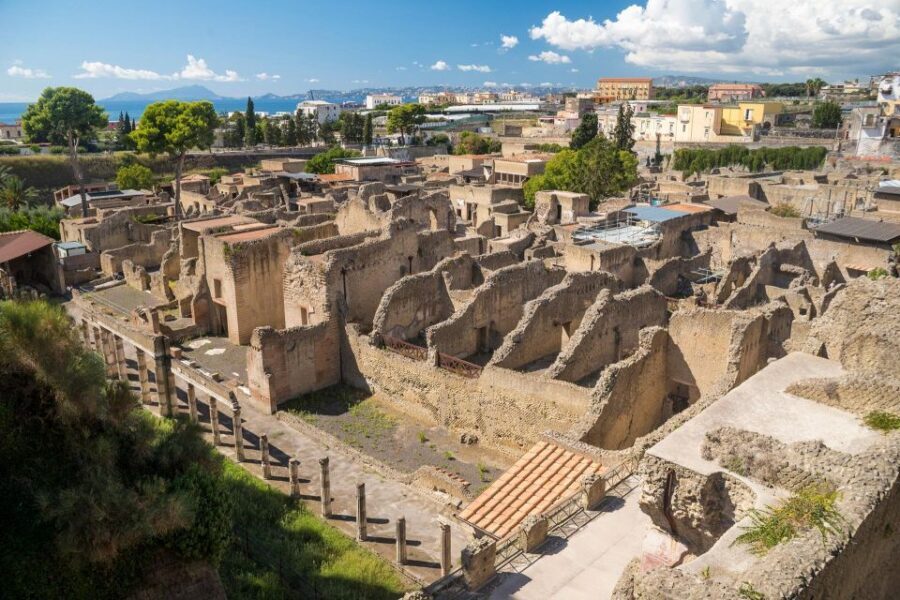
The value here is that the audio guide gives you structure. It points you toward highlights like market areas, public fountains, the theatre, and major domestic spaces, while the included map helps you navigate the general layout.
But you should go in with realistic expectations. The audio system uses numbers tied to points of interest, and sometimes those numbers don’t align with what you see on-site. That’s why the first few minutes matter. Once you match the audio stop to the physical feature you’re looking at, things usually get smoother.
A few tips that help a lot:
- Treat the audio like a flexible guide. If the numbering is off, you can still follow the audio descriptions in the order that makes sense on your walk.
- Look around for the relevant feature first (doorway, room layout, courtyard edge, fountain area), then sync your audio stop to it.
- If your device includes an on-screen map, use it to orient yourself early. Some visitors suggest having a map on hand helps when the audio cues are hard to locate.
On the hardware side, the audio guide is used on a handheld/smartphone style device and can work with earbuds or a headset. One person wished for Bluetooth support for easier hands-free listening, but even without it, you can usually manage without special gear—just keep your earphones comfortable for 2 to 4 hours.
Also note: the audio system may not have internal perfectly timed accuracy. Some people reported that the audio sometimes seemed to jump and describe a spot that was a few houses away. If that happens, don’t fight it—use the map and look for the next visible match.
A Practical Route Through Villas, Market Life, Fountains, and the Theatre
Think of your visit as a loop through everyday spaces, then into the darker story at the end. The site is compact enough that you don’t need a rigid plan, but having a simple order makes it easier to connect what you see.
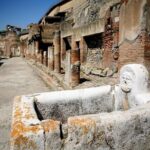
Start with the market and public areas. The audio guide points you toward a market section where you can understand how people would have moved and shopped. Pair that with the public fountains, because fountains help you imagine daily rhythms: water, conversation, errands. Even if you don’t read every inscription, the audio context turns the layout into something like a living street.
Next, move into the theatre area. The theatre helps you grasp civic life beyond home life. It’s one of those places where you can feel the city’s social structure in a different way than in a domestic villa.
Then go house-by-house. You’ll hear about room purposes, household contrasts, and how different social levels lived side by side. One of the most interesting comparisons the audio guide makes is between slave housing and the more lavish spaces for wealthier Romans. You’ll also see preserved architectural elements like intact doors and decorative sections—small details that make the city feel less like ruins and more like a place people worked and slept.
Along the way, keep your eyes open for preserved wall paintings and decorative art. Visitors consistently highlight how good the frescoes and artworks look, and it’s the kind of visual proof that makes you slow down.
Villas, Paintings, and the Museum Pieces Near the Exit
Herculaneum is famous for preservation, and your eyes will keep finding new examples as you walk. People repeatedly mention well-preserved interiors: decorative painting surfaces, mosaics, and even wooden elements where you can still sense the original structure. That’s a major reason this place lands emotionally—because you can see evidence of normal life rather than only collapsed walls.
As you get closer to the end of your walk, don’t skip the museum pieces near the exit/entrance area. Visitors note an on-site museum where you can see artifacts and detailed exhibit items that add context to what you just walked through. If you care about objects—furniture elements, recovered items, and eruption-era finds—this stop is a smart bookend.
Some audio guides may include additional viewing options like 3D or 360 views for certain items. If that option is available on your device, it’s helpful because it gives a “before the eruption” feel for select pieces.
One small, real-world detail: there can be cats around the site. It sounds silly, but they’re memorable and they can add to the relaxed, human feel of a day that otherwise deals with heavy history.
You can also read our reviews of more guided tours in Naples



The Eruption Story: Sea Rescue, Skeletons, and the Caves
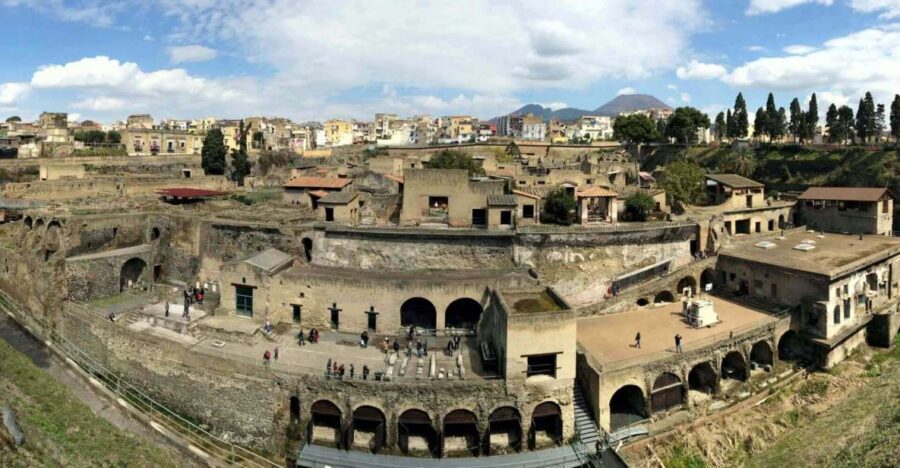
The emotional heart of Herculaneum is the eruption-era material. The audio guide leads you toward the area where around 300 people died while hoping for rescue from the sea. Even when you only take in part of the story, you can feel the tone shift as you move through the final exhibits.
A recurring theme from visitors is that the most poignant moments often come near the end, including the skeletons and a cave-like exhibit area people describe as especially moving. This is the point where you stop treating the site like a photo mission and start treating it like a place with a message.
If you’re sensitive to tragedy, plan your day so you can handle it without rushing. Give yourself time to sit, absorb, and then still enjoy the rest of the site before your train or bus.
Timing, Footwear, and How Long You Really Need
This site rewards slow walking. Expect cobblestones and some steep steps as you move between areas and buildings. Comfortable shoes matter more than you’d think—your pace will be faster if your feet don’t hurt.
How long? A common pattern is about 3 hours for a thoughtful audio walk, with some people stretching to 4 hours or more once they add museum time and breaks. One visitor even mentioned wandering for about 4 hours because there’s more to see than you expect. If you’re also the type who likes to pause and read the room layout clues, plan 3 to 4 hours.
Crowds matter too. Reviews suggest going earlier can mean fewer people and a more relaxed walk. One person even reported a quieter start at opening time, and they appreciated how the site stayed manageable as the day progressed.
If you’re hungry, there are places to eat nearby. One review mentioned a restaurant across the road as a good option after your visit. If you prefer a packed lunch, that can also work well because there are spots to sit and take in the views between climbs.
Weather matters in Campania. Roman ruins can feel warmer than the city streets, especially when you’re on stone walkways. If it’s hot, build in shade breaks when you can.
Price and Value: Is $15 Worth It?
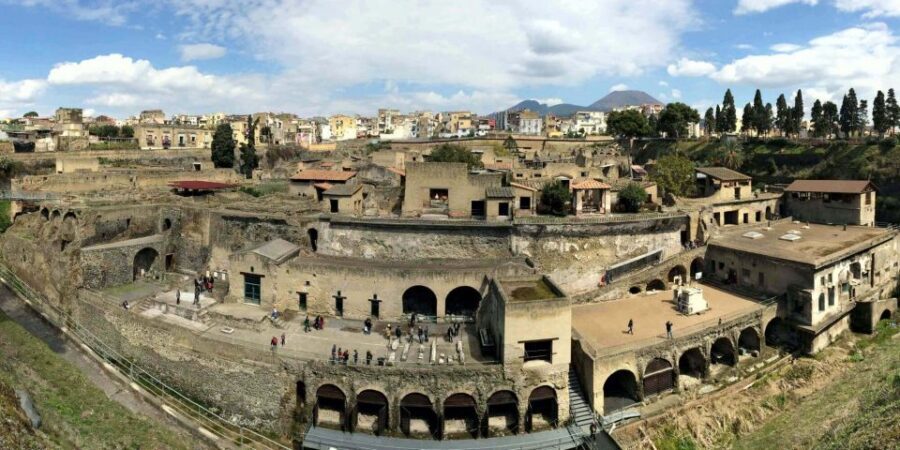
At about $15 per person, this ticket can feel like solid value because it bundles more than entry. You’re paying for the ability to self-guide through the site with an audio guide and map.
The value equation looks like this:
- You get structure: The audio helps you connect what you see to what it means, so you’re not just walking room to room.
- You control pace: You can spend extra time where you’re curious and skip the bits you don’t need.
- The site is compact: You can finish in one half-day to one full “morning/afternoon window,” which helps if you’re basing out of Naples.
The price can feel less impressive only if you end up frustrated by device numbering issues or if you arrive at the wrong pickup point and spend extra time resolving it. That’s why quick orientation at the start pays off.
Also, if you’re visiting on the first Sunday of the month, one review noted that entry can be free. You should still confirm on official channels, but it’s a useful thing to check before you pay.
Should You Book This Skip-the-Line Audio Ticket?
I’d book it if you want an easy, flexible way to see Herculaneum without hiring a guide for every minute. This is a great match for independent travelers who like to walk at their own tempo and want explanations that make the ruins understandable.
It’s also a strong choice for first-timers to Roman sites, especially if you’re coming from Pompeii or planning to go afterward. Herculaneum’s scale and preservation make it feel different, and the audio helps you catch those differences without needing specialist background.
I’d hesitate if you strongly rely on perfect numbering and turn-by-turn accuracy. The audio cues can drift from the physical numbering, and the lack of GPS means you’ll occasionally have to re-orient yourself.
If you’re okay with a little navigation (and you bring comfortable shoes), you’ll likely leave with that rare feeling that you learned something and also felt something.
FAQ
Where do I show my ticket for this Herculaneum entry?
Show your ticket at the Herculaneum ticket office.
How long does the experience last?
The listed duration is 1 day.
Which languages are included in the audio guide?
The audio guide is available in English, French, German, Italian, and Spanish.
What should I bring?
Bring a passport or ID card and comfortable shoes.
Is a guide included?
No guide is included. This is a self-guided audio experience.
Can I cancel for a refund?
Yes. Free cancellation is available up to 24 hours in advance for a full refund.