REVIEW · NAPLES
Naples: Spanish Quarters Underground Guided Tour
Book on GetYourGuide →Operated by Associazione culturale LAES · Bookable on GetYourGuide
Naples has a second city under it. This 1-hour Spanish Quarters Underground Naples guided tour takes you below street level to walk historic tunnels and see how Naples reused its underground spaces over centuries. You’ll get the story in plain language, with guides like Alex and Eduardo turning details into something you can actually picture.
Two things I love: you get to see the Neapolitan aqueduct up close, and you learn how the same structures shifted roles from the city’s early phases to Second World War air-raid shelter use. It’s not just a walk through darkness. It’s a guided timeline in physical form.
One consideration: this experience is tight and stair-heavy, and it’s not suitable for wheelchair users or people with mobility impairments. If you’re claustrophobic, you should take the warning seriously, even though you might hear about bypass routes that can make parts easier.
In This Review
- Key highlights at Underground Naples (Spanish Quarters)
- Where the Tour Starts in the Spanish Quarters (near Toledo)
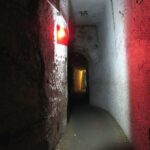
- Walking Under Naples: What the Underground Route Feels Like
- The History You’ll Actually See: Greeks to WWII Shelter
- Neapolitan Aqueduct Stop and the Wall Writing to Look For
- Guides Make It: Why Alex, Eduardo, Giulia, and Alessandro Matter
- Practical Stuff That Actually Helps: Shoes, Stairs, and Tight Passages
- Price and Value: Getting a lot from a short 1-hour tour
- Who Should Book This Spanish Quarters Underground Tour
- Should You Book This Tour?
- FAQ
- How long is the Naples Spanish Quarters Underground guided tour?
- Where do I meet the guide?
- What languages are the guides?
- Is this tour suitable for wheelchair users or limited mobility?
- Is it suitable if I’m claustrophobic?
- What should I bring?
Key highlights at Underground Naples (Spanish Quarters)
- Narrow tunnels under the Spanish Quarters, where darkness is part of the experience
- A guided route through historic spaces with stories from Greek-era beginnings to WWII
- A focused stop at the Neapolitan Aqueduct, plus old writing on the walls
- Guides like Alex, Eduardo, and Alessandro bring humor without losing the facts
- Expect stairs and tight passages, so comfortable shoes matter
Where the Tour Starts in the Spanish Quarters (near Toledo)
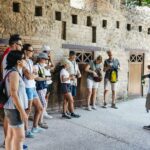
You’ll meet at vico S. Anna di Palazzo 52, in the Spanish Quarters, close to Toledo Street and Plebiscito Square. This is a good neighborhood base because you’re already in the thick of Naples’ everyday energy above ground, then you step down into another Naples entirely.
For getting there, the tour area is handy if you use public transit. The nearest metro station is Toledo (Line 1), and the nearest funicolare station is Augusteo (funicolare centrale). If you plan to arrive a few minutes early, do it. The streets around here can feel like a maze when you’re looking for one specific address.
Think of this start point as your “switch.” Above ground, it’s Naples noise and street life. Below ground, it’s steps, dim light, and a guide keeping the group moving through the narrow corridors. That contrast is part of the value.
You can also read our reviews of more guided tours in Naples


Walking Under Naples: What the Underground Route Feels Like
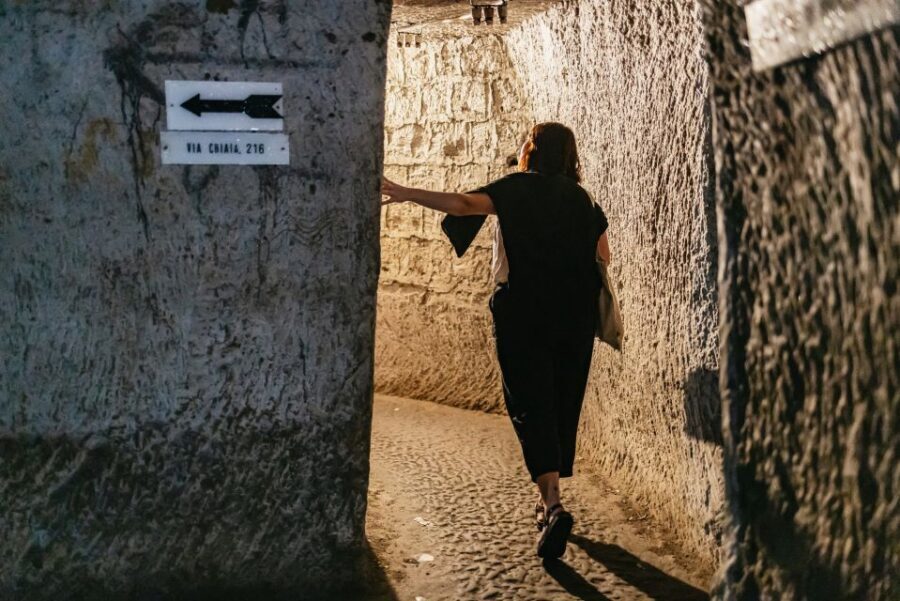
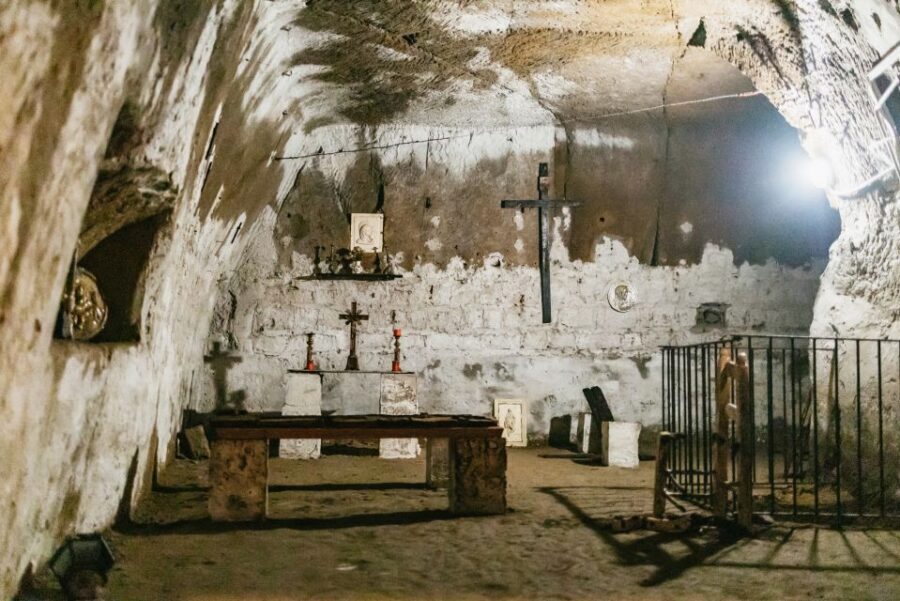
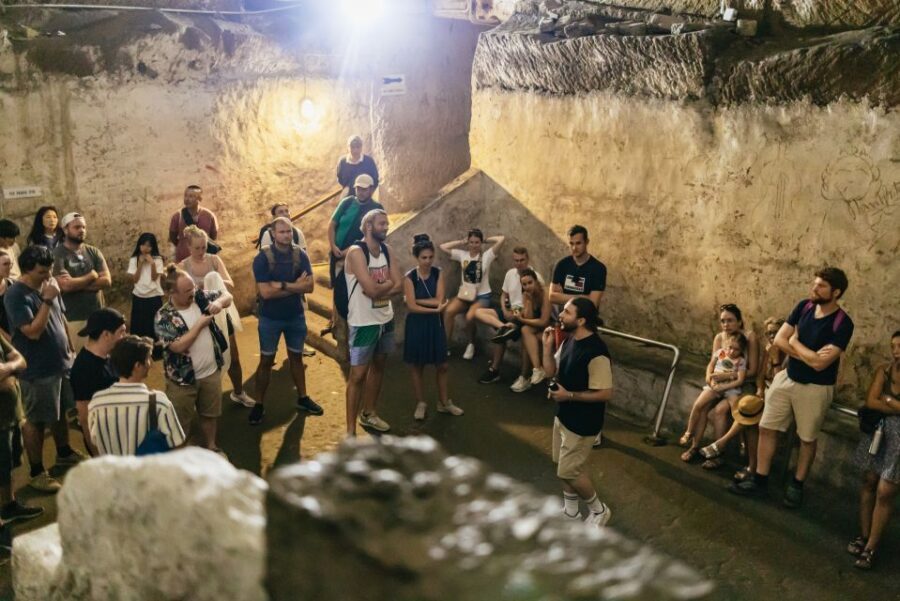
Once you meet your guide, you’ll get a brief introduction before heading underground. Then comes the moment your eyes adjust. The tour is designed around that transition: you pass beneath the streets and move into tunnels that feel closer than the city above.
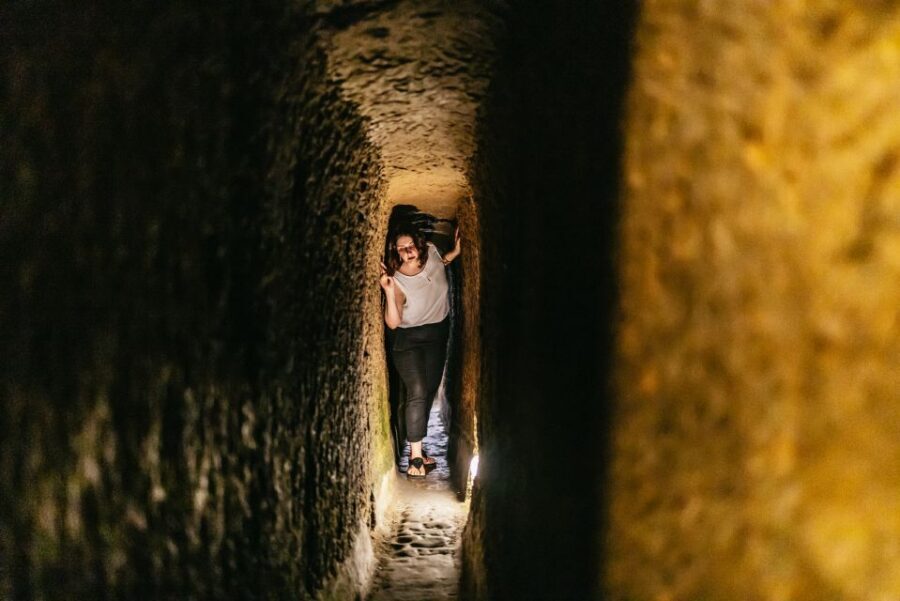
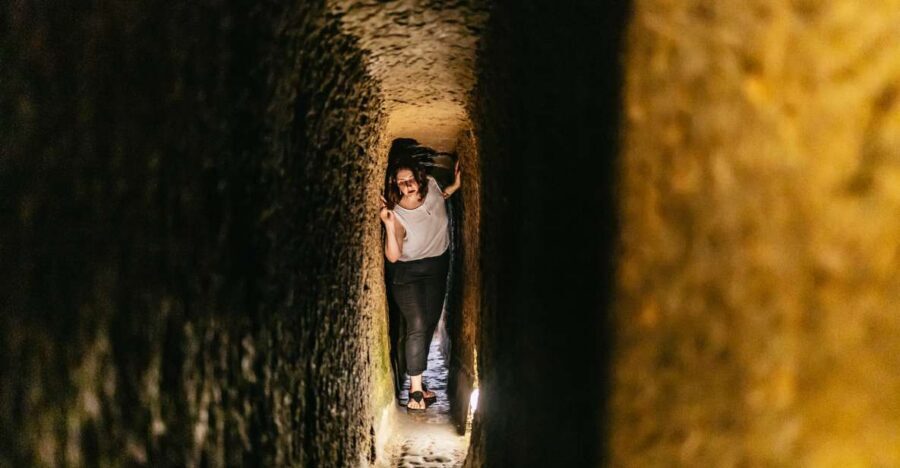
The walk is about historic tunnels and underground waterways. You’ll see sections that feel like corridors, and other sections where the space opens up a bit. Some parts are narrow enough that you’ll naturally slow down and look around, because you’re not just reading facts in a museum. You’re moving through the original shapes of the underground.
You’ll also climb up and down. Some guides guide you through larger routes when needed, but the overall setup still involves stairs and tight passages. That’s why comfortable shoes are essential. Wear footwear you’d be happy to take through uneven stone or steps.
One more practical note: this tour is guided with a live English, Spanish, or Italian guide, so the pacing is consistent. You’re not wandering on your own. Your guide keeps you oriented, which matters when you’re already adjusting to darkness.
The History You’ll Actually See: Greeks to WWII Shelter
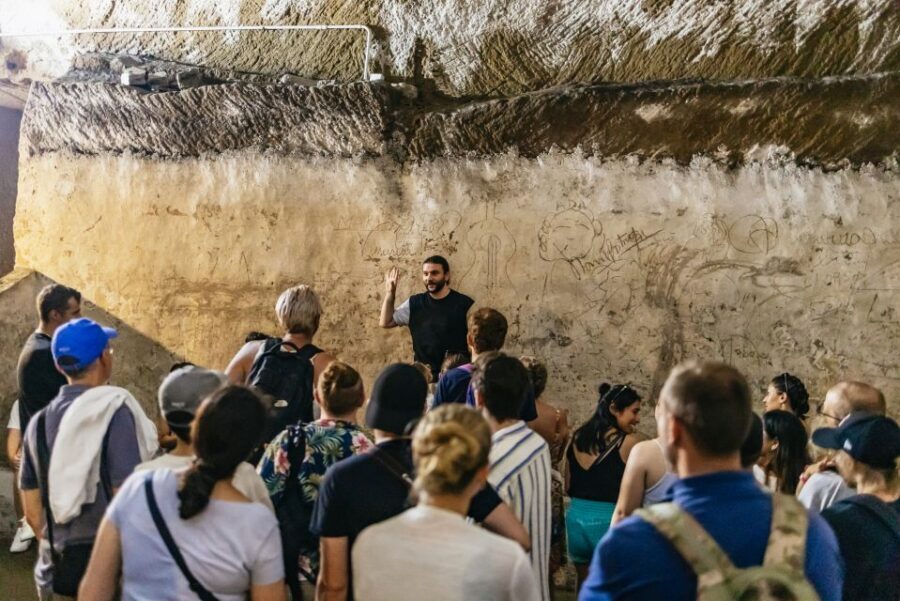
This is the heart of the experience. Your guide connects what you’re standing in to how Naples changed across time. You start with the city’s early transformations and then follow the story forward until the underground takes on a much more urgent role.
You’ll hear about the underground as a working part of the city, not just a leftover. The route ties together major phases, including the development of the Neapolitan Aqueduct, and how the underground system later became useful during conflict. During the Second World War, the tunnels and aqueduct-related spaces were used as air-raid shelters, and that’s part of what makes the setting feel intense even though you’re just walking.
What makes it click is that the explanation matches the environment. You’re in the tunnels while you’re hearing the timeline. When your guide points out features, you can connect them to the way people would have used them in different eras: water management, storage, and safety.
Guides also bring small stories and humor. I like that balance because underground sites can turn into a pure lecture. Here, you get jokes mixed with real context, so you stay alert and remember more.
Neapolitan Aqueduct Stop and the Wall Writing to Look For
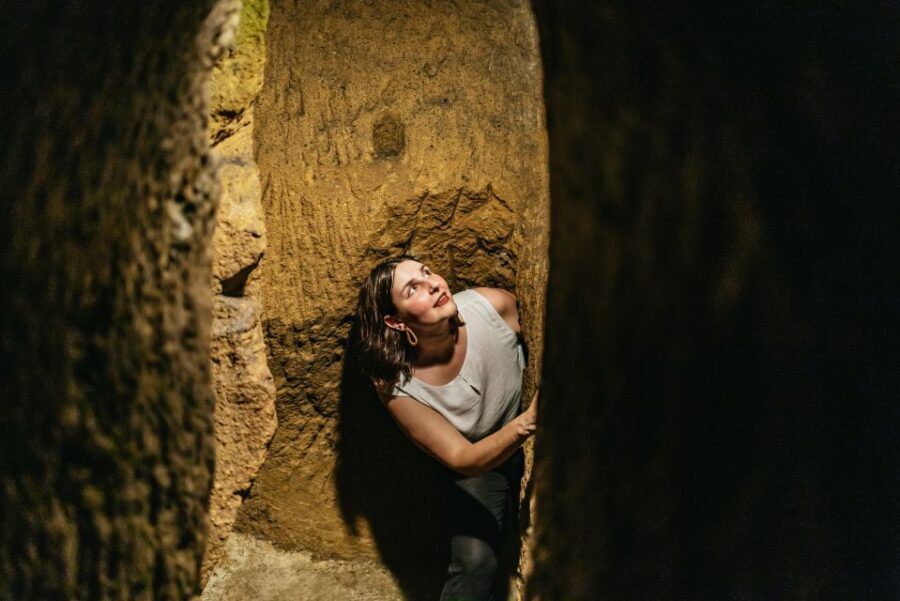
Midway through, you visit the Neapolitan Aqueduct area. This is one of the strongest reasons to do the tour instead of just booking entrance on your own. The aqueduct is easier to appreciate when a guide explains what you’re seeing and why it mattered.
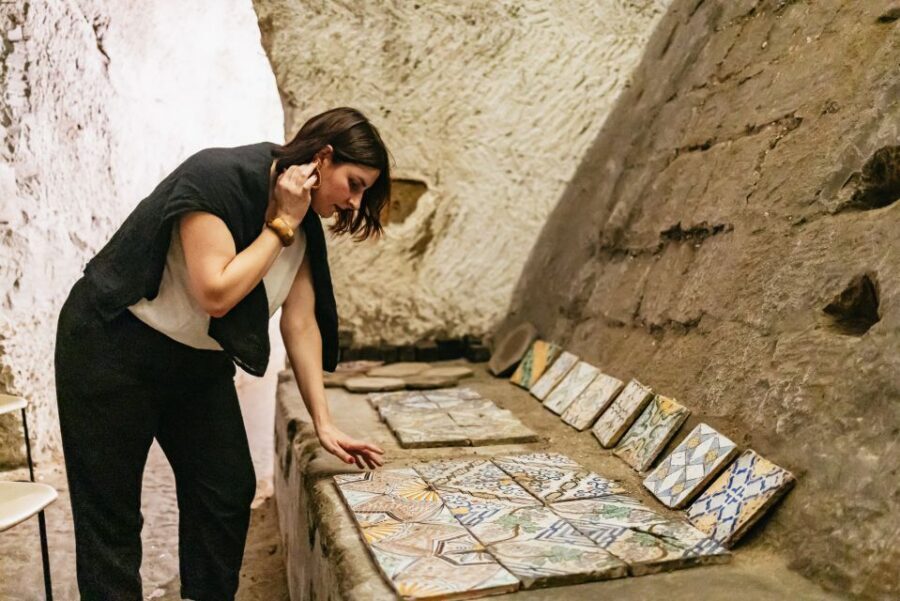
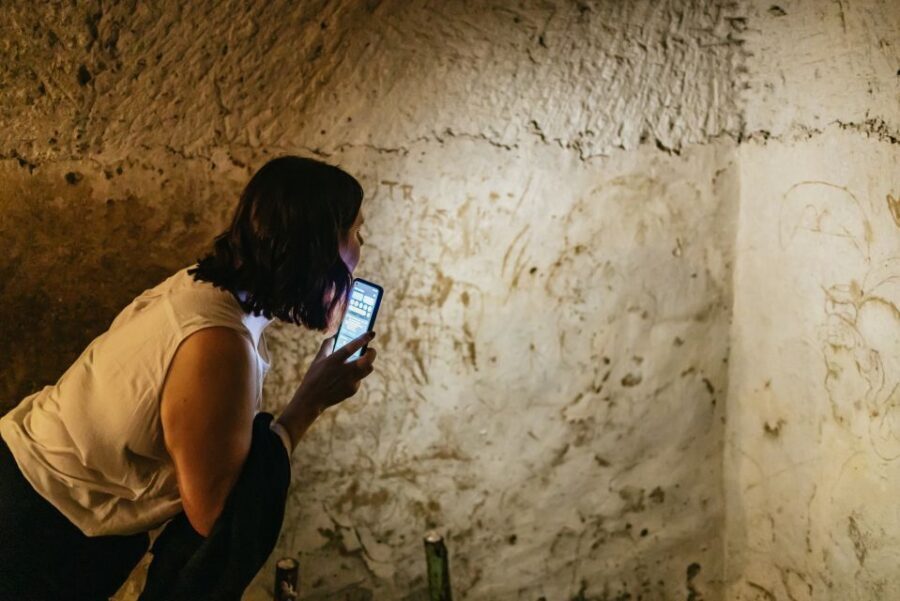
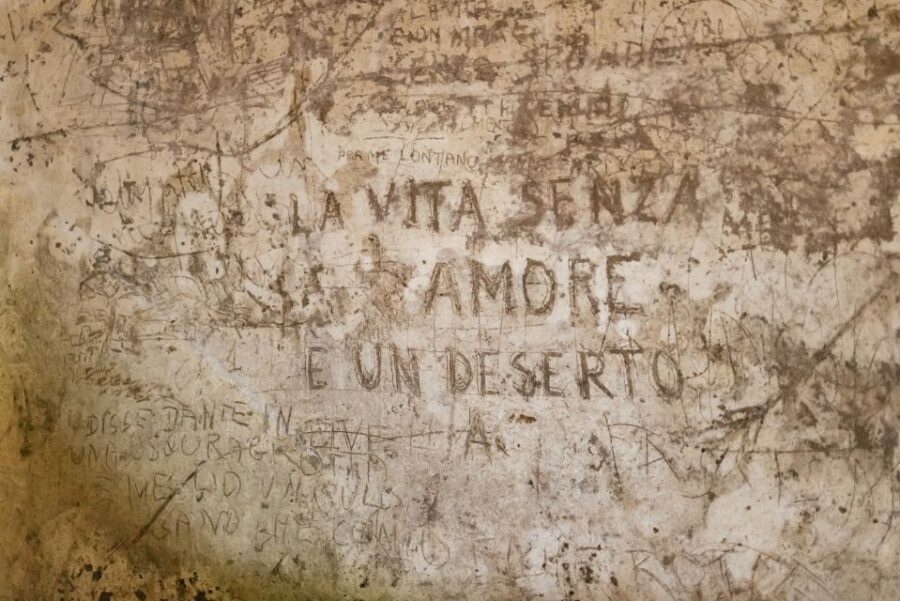
You’ll study old writing on the walls. That’s a detail I’m always glad to have on a guided visit, because inscriptions can look random until someone tells you what to focus on. You may also notice how water-related spaces are built into the underground layout, and how the routes connect.
Guides often describe the aqueduct’s role in the underground system, including how the structure supported Naples before it became part of the city’s defense strategy. If you’re the type who likes your history with physical proof, this stop delivers.
Another good point: some areas feel like older waterways or channels. Even if you don’t know the technical terms, you’ll get a sense of purpose just by looking at shape, slope, and how the spaces were carved for function.
Guides Make It: Why Alex, Eduardo, Giulia, and Alessandro Matter
A tour like this depends on the guide’s ability to make tight spaces feel manageable and the history feel real. The good news: this one has a strong track record for guides who can tell stories well.
I noticed a clear pattern in the guide styles. People like Alex for being entertaining and for moving the tour along with confidence. Eduardo and Edouardo come up repeatedly for mixing humor with clear storytelling, including lots of interesting anecdotes. Giulia also gets praise for strong pacing and making even narrow sections feel understandable.
Guides like Alessandro (and a few similarly named guides) are described as doing the serious and funny parts back to back, so you never feel stuck in one mood. That matters in a place where you’re dealing with dim light, stairs, and the mental effort of paying attention.
If you have a comfort concern, it helps that some guides seem prepared to adjust. One person shared that a claustrophobic husband was accommodated with use of larger bypass tunnels. That doesn’t erase the warning, but it suggests the guides are thinking about safer movement through the space.




Practical Stuff That Actually Helps: Shoes, Stairs, and Tight Passages
Let’s talk logistics the way you’d want it before you buy.
Wear comfortable shoes. You’ll be on foot through corridors and steps. Some passages are narrow, so foot support helps you keep your balance and stay calm.
Expect stairs. The tour is only about 1 hour, but that hour is active. You’re going down, walking through tight spaces, and coming back up. If you’re someone who tires quickly on stairs, plan your day with that in mind.
Claustrophobia warning (read this part). The tour is not suitable for people with claustrophobia or wheelchair users. That said, the route can include larger tunnels/bypasses in some situations, so if you’re on the edge, you’ll want to decide carefully. Don’t treat this as an optional challenge. Treat it as a real factor.
Mobility limits: it’s also not suitable for people with mobility impairments. If you’re unsure, it’s worth checking before you commit.
Group comfort is also a thing. Narrow passages mean you’ll feel space sharing. A guide’s job here includes timing and spacing, so you don’t feel rushed or panicked.
Price and Value: Getting a lot from a short 1-hour tour
At $17 per person for a guided visit with entry, this is strong value for Naples. You’re paying for two things at once: access and interpretation. Underground spaces can be hard to understand without context, and that’s exactly what you’re buying.
Here’s why the 1-hour length works for many people:
- You see key parts without losing the group to fatigue.
- You get enough time to follow the main storyline: city evolution, the aqueduct stop, and how WWII shaped the underground use.
- You still have energy left to continue exploring Naples above ground afterward.
You’re also not paying extra for the guide’s storytelling time. The tour is guided end-to-end. That’s important in a place where the details are easy to miss when you’re looking at walls, steps, and darkness all at once.
For budget travelers, this is the kind of add-on that feels worth it even if you only have limited time in Naples. It’s short, scheduled, and focused.
Who Should Book This Spanish Quarters Underground Tour
Book it if you want Naples history you can touch, not just read. This tour is best for people who like:
- walking guided sites with a strong narrative
- underground spaces and old infrastructure
- aqueducts, inscriptions, and visible traces of past use
- guides who tell stories with humor
Skip it if:
- you need wheelchair access
- you have mobility limits that make stairs and narrow corridors unsafe
- you’re claustrophobic and already know tight spaces stress you out
Also, it fits well for families with older kids who are comfortable with walking and can handle small spaces. You might even find the tone leans into legends and ghost-story vibes, which can make it fun rather than heavy.
Should You Book This Tour?
Yes, I’d book it if you’re visiting Naples and want one experience that feels different from the usual street-level sights. The price is reasonable, the timing is short, and the route gives you two standout “takes”: the Neapolitan aqueduct stop with wall writing, and the sense of how Naples reused its underground spaces across eras, including WWII shelter use.
But book with clear expectations. This is not a relaxed stroll. It’s stairs, tight corridors, and darkness. If that part sounds manageable for you, you’ll likely come away feeling like you saw a real Naples layer most visitors never experience.
FAQ
How long is the Naples Spanish Quarters Underground guided tour?
The tour duration is 1 hour.
Where do I meet the guide?
Meet at vico S. Anna di Palazzo 52 in the Spanish Quarters, close to Toledo street and Plebiscito Square. The nearest metro is Toledo (Line 1), and the nearest funicolare station is Augusteo.
What languages are the guides?
Live guides are available in English, Spanish, and Italian.
Is this tour suitable for wheelchair users or limited mobility?
No. It is not suitable for mobility impairments or wheelchair users.
Is it suitable if I’m claustrophobic?
No. It is not suitable for people with claustrophobia.
What should I bring?
Bring comfortable shoes. You’ll be walking through tunnels and using stairs.