REVIEW · ROME
Rome: Colosseum Guided Tour
Book on GetYourGuide →Operated by Discover Rome Tours · Bookable on GetYourGuide
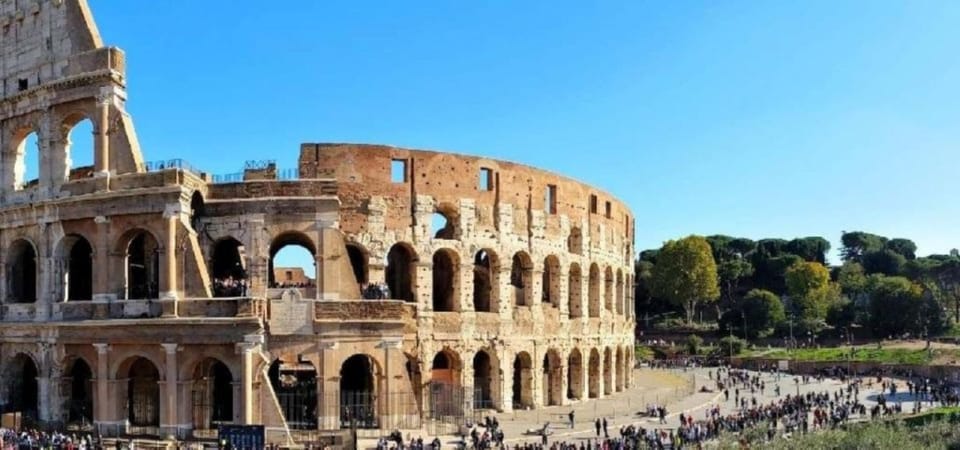
The Colosseum feels bigger in person. This guided stop gives you the key sights fast, with live storytelling that turns stone, arches, and the arena floor into a scene you can picture. You’ll also get access to the Colosseum, Roman Forum, and Palatine Hill—so you’re not just doing one quick photo op.
What I like most is the small-group feel (up to 24 people), which keeps things moving without turning the tour into a cattle push. I also love the way the guide explains specifics you’d otherwise miss, like the arena trapdoors and the gladiator types (think murmillo and retiarius), plus the construction angle using materials such as travertine limestone and tuff.
One thing to consider: the Colosseum is very crowded inside. If you’re sensitive to noise and crowding, plan to wear patience—and know that you’ll be doing a moderate amount of walking on uneven, busy routes.
In This Review
- Key highlights to look for
- Why a 75-minute Colosseum Tour Works (Even When You’re Short on Time)
- Meeting Outside Colosseum Metro: Where You’ll Actually Find the Group
- Entering the Colosseum: Arena Views, Trapdoors, and Gladiator Theater
- How Romans Built It to Last: Travertine, Tuff, and the Roman Arch
- Using Your Roman Forum and Palatine Hill Tickets Afterward
- Guides Matter: Giovanna, Scott, and Marco Style Storytelling
- Practical Tips That Prevent Day-Of Headaches
- Price and Value: Is $56.11 Worth It?
- Who This Tour Suits Best (and Who Might Want a Different Plan)
- Should You Book This Colosseum Guided Tour?
- FAQ
- How long is the Colosseum guided tour?
- What’s the group size?
- Does the tour include tickets for the Roman Forum and Palatine Hill?
- Where do I meet the guide?
- Is ticket line access included?
- What language is the tour guide?
- What do I need to bring for entry?
- Is this tour wheelchair accessible, and can I bring pets?
Key highlights to look for
- Skip-the-ticket-line entry so you start seeing things sooner
- 75 minutes inside the Colosseum with a focus on the first level and arena details
- Gladiator stories and animal hunts that make the space feel real
- Roman engineering talk using travertine, tuff, and the Roman arch
- Forum + Palatine tickets after the tour for self-guided wandering
- Guides who keep it engaging (examples: Giovanna, Scott, Marco)
Why a 75-minute Colosseum Tour Works (Even When You’re Short on Time)
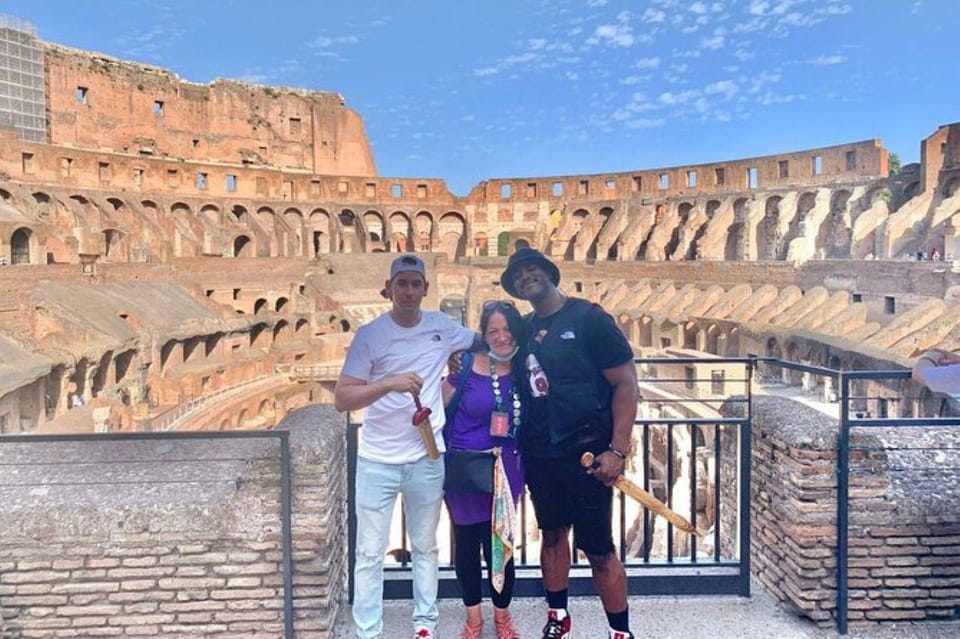
Seventy-five minutes sounds like a sprint. In the Colosseum, that’s not a bad thing. It’s long enough to get oriented, walk the first level, and stand where the gladiator-era drama would’ve played out. And it’s short enough that you’re not stuck being herded for hours in heat, noise, and crowding.
The small-group size (maximum 24 people) matters more than you’d think. In a spot as famous as this, groups can get stretched out and you lose the thread. A tighter group helps the guide keep everyone together and keeps the storytelling from feeling like background noise.
You’re also not starting from scratch. The tour includes entry to the Colosseum, plus access to the Roman Forum and Palatine Hill, with tickets handed over for the after-visit. That mix is good value for people who want a guided intro first, then a slower pace after.
If you hate schedules, this is still manageable. You’ll finish right back at the meeting point, then you can use your time in the Forum/Palatine on your own.
You can also read our reviews of more tours and experiences in Rome.



Meeting Outside Colosseum Metro: Where You’ll Actually Find the Group
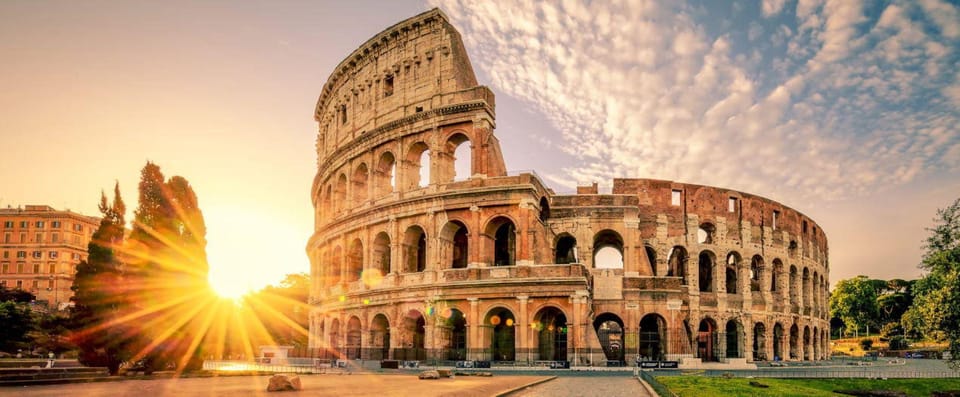
Good news: the meeting point is clear, and it’s designed to keep you from wandering in circles. You’ll meet outside the Colosseum Metro Station (Upper level), near Caffe Roma BAR, close to the red M and SOS signs. Look for staff holding a Discover Rome Tours sign.
This is the kind of detail that saves stress on travel day. Metro stations around the Colosseum are easy to get disoriented in, especially if you show up slightly late. If you arrive early, you’ll have time to spot the sign, regroup, and settle your shoes before security and lines.
Also note the end point: the activity ends back at the meeting point. So you won’t have to figure out how to reconnect with a guide after the tour.
Entering the Colosseum: Arena Views, Trapdoors, and Gladiator Theater
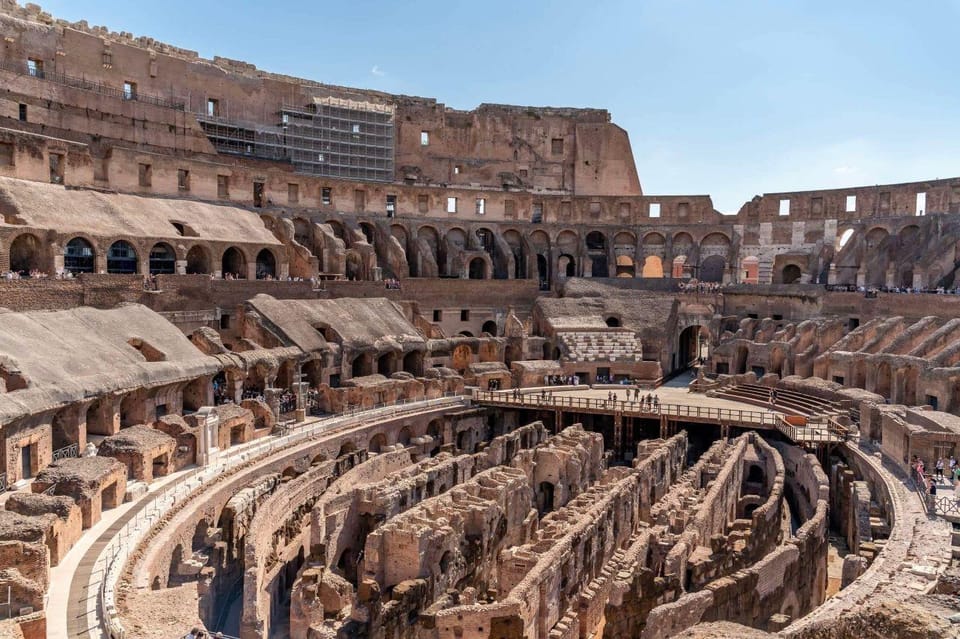
The tour starts inside the Colosseum, where the best “wow” factor is immediate. You’ll walk through areas tied to the daily rhythm of events: spectacle viewing, staging, and movement through the building.
A standout part of the experience is getting down to the arena area conceptually and visually—with the guide describing how it would’ve worked. You’ll hear about the gladiators and the kinds of fighters that Roman audiences would recognize. Expect specifics like the murmillo (the heavily armored style) and the retiarius (the quicker fighter), plus stories that help you connect names to images.
Then there’s the darker side of the show: animal hunts. The guide paints the atmosphere so you’re not just staring at an empty floor and wondering what happened there.
You’ll also be shown details people overlook on their own, including trapdoors—the sort of element that makes the arena feel like a machine built for surprise. When the guide points these out and explains their purpose, the Colosseum shifts from “ruins” to a working stage.
The tour keeps to the first level, which is smart. It gives you big views without forcing you into a long, exhausting climb through every corner.
How Romans Built It to Last: Travertine, Tuff, and the Roman Arch
One reason guided tours feel worth it here: the Colosseum is still standing in a way that needs context. The guide explains the construction behind that survival.
You’ll learn about Roman material choices, including travertine limestone and tuff, and how they contributed to a structure that has endured for centuries. You’ll also hear about an engineering idea that’s easy to miss when you’re just admiring the curve: the Roman arch.
What I like about this kind of explanation is that it changes how you look. Instead of treating arches and stone as purely decorative, you start seeing the logic—weight distribution, stability, and the “why” behind the shapes. That makes your photos better too, because you’re not only photographing scale; you’re photographing structure.
The guide’s storytelling tends to connect those building choices to the crowds and events the amphitheater was designed to handle. In other words, the architecture doesn’t feel like a lecture. It feels like part of the show’s design.
Using Your Roman Forum and Palatine Hill Tickets Afterward
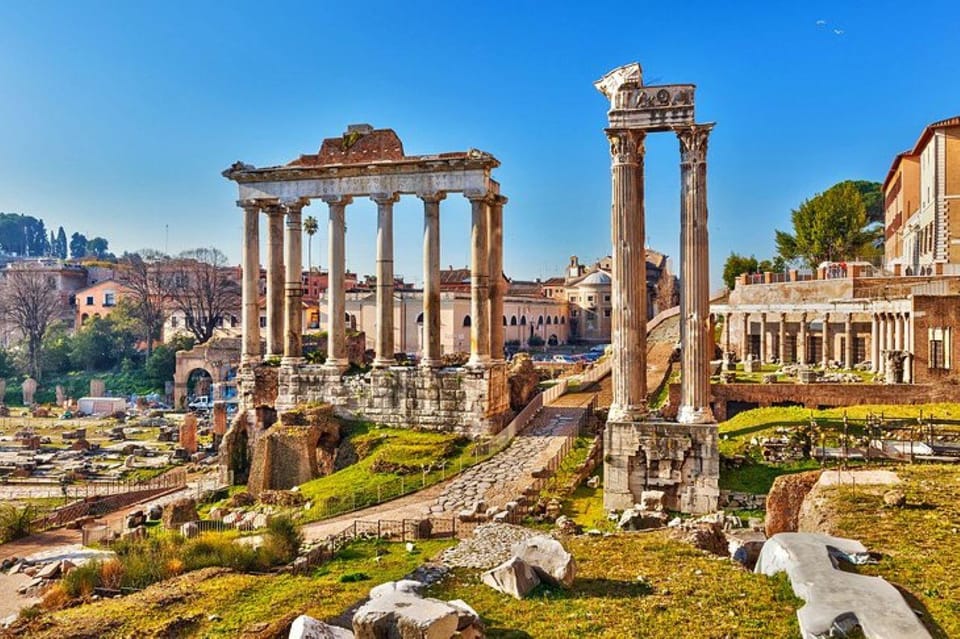
The guided portion is inside the Colosseum, but you’re not left there. You receive tickets for the Roman Forum and Palatine Hill for a self-guided visit afterward.
That setup is ideal if you like switching gears. First you get a human explanation of what the Colosseum meant. Then you’re free to slow down in the Forum, wander among ruins at your own rhythm, and climb Palatine Hill for big views.
Practical note: the Forum and Palatine are time-sensitive. One review example described a situation where an afternoon tour (3 pm) meant the entrances couldn’t be used after the tour because entry closed at 4 pm. The takeaway is simple: if you book a later time slot, plan to visit the Forum and Palatine right after the tour, not the next day.
You also benefit from self-guided time because the Forum and Palatine reward curiosity. You can follow what grabs you—temple remains, routes between viewpoints, and the “streets feel” of the ruins—without a group needing to keep pace.
If you want your guide to point out specific Forum highlights, this isn’t billed as a Forum guided walk. You’ll be on your own there, so it helps to enter with a plan (even a simple one).



Guides Matter: Giovanna, Scott, and Marco Style Storytelling
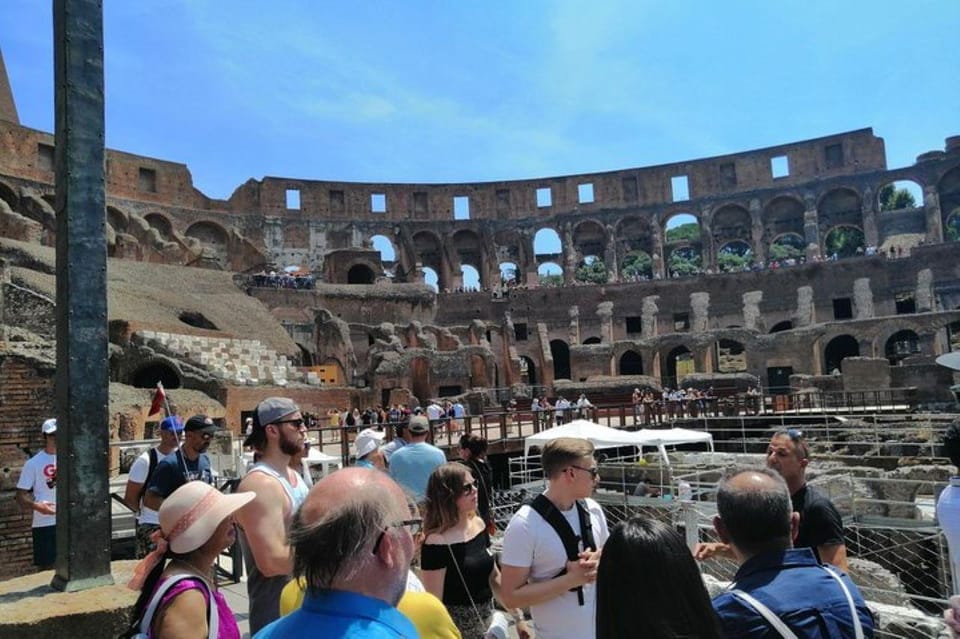
This tour really leans on guide quality. Multiple guides are praised in feedback, including Giovanna, Scott, and Marco. The common thread isn’t just facts—it’s delivery.
What stands out from the strongest comments is that guides keep the experience engaging and not rushed. Some guides use visuals (like picture references) to help you picture what the Colosseum looked like in operation. Others use humor to keep the group comfortable, including during weather hiccups—one tour description even calls out that the guide did a great job keeping people dry in heavy rain.
Another big plus: guides seem to work well with mixed groups. A family-oriented note highlighted that the guide made sure kids could follow the story. That doesn’t mean it’s only for families, but it does suggest the pace and explanations are built to help a broad range of ages.
If your concern is communication, it’s reasonable to expect an English live guide and to rely on their speaking volume in a crowded place. One comment did mention difficulty understanding an accent at times, which can happen anywhere.
Also: crowd layout can affect how close you are to the guide. If you’re far back, you might miss bits or feel like audio (if used) is less clear. It’s worth aiming to stay near the front of the group.
Practical Tips That Prevent Day-Of Headaches
This is one of those Rome tours where the “small rules” can make or break the morning. Here’s what you should prep.
First, bring a passport or ID card. A copy accepted is mentioned, but you should still treat this as serious. It’s absolutely mandatory to have picture ID (or a copy on your phone) to enter the Colosseum. Bring it even if you’ve uploaded it somewhere else already.
Wear comfortable shoes. You’ll have a moderate amount of walking, and surfaces can be uneven. Bring a water bottle. Hot weather happens in Rome, and the instructions specifically recommend a hat and sunscreen.
Security checks are part of the deal. Build in time mentally for that step even though the tour includes skip-the-ticket-line entry. Skip the line is not the same as skip security.
What you can’t bring matters too:
- No luggage or large bags
- No pets (assistance dogs allowed)
- No weapons or sharp objects
- No glass objects
One more practical note: it’s listed as not suitable for wheelchair users. If that applies to you, don’t risk showing up with the expectation of being accommodated.
Price and Value: Is $56.11 Worth It?
At $56.11 per person, you’re paying for three things that can add up quickly on your own:
1) a live expert guide for a structured Colosseum visit,
2) skip-the-ticket-line entry, and
3) tickets for the Roman Forum and Palatine Hill for later self-guided wandering.
The guided part is where you get value most. The Colosseum is too big for most people to “self-teach” efficiently while also reading subtle details like trapdoors and construction materials. A good guide makes those moments click, and you come away with a mental map.
Also, the small group size (up to 24) helps keep that guidance usable. If you’ve ever tried to follow a guide in a massive tour swarm, you know how quickly it becomes a guessing game.
Two costs you should budget for separately:
- No hotel pickup/drop-off
- No food or drinks included
So your real “cost” isn’t just the ticket price. It’s also the time you spend getting there on your own and deciding when to eat afterward. Still, for what you’re getting—especially the Forum/Palatine ticket bundle—this is a solid value for first-time visitors who want orientation without losing the freedom afterward.
Who This Tour Suits Best (and Who Might Want a Different Plan)
This tour fits best if you:
- want a guided introduction to the Colosseum in a reasonable time,
- like storytelling with specific details (gladiators, construction, arena mechanics),
- plan to visit the Forum and Palatine soon after the tour while you still have energy and daylight.
It also works well for mixed groups, since multiple guide notes emphasize keeping everyone included, including kids and older people.
You might consider a different approach if:
- you’re very sensitive to crowds inside the Colosseum (it can feel packed),
- you need a fully guided walk through the Forum itself (this tour gives you tickets, but the Forum/Palatine are self-guided),
- you use a wheelchair (it’s listed as not suitable for wheelchair users).
And if you’re the type who hates any chance of audio or communication issues, be aware that at least one comment flagged audio cutting out when the guide was farther away. Staying closer in the group can help.
Should You Book This Colosseum Guided Tour?
I’d book it if you want the smart first step in Rome’s ancient center: guided, organized, and efficient, with extra ticket value for later exploring. The combination of Colosseum storytelling and Forum/Palatine access is exactly the kind of “one plan that covers a lot of ground” that makes a short trip easier.
Do it especially if you care about understanding what you’re looking at—how Romans built the structure, why certain gladiators mattered, and what arena details like trapdoors meant in the performance.
Just make your decision with timing in mind. If you choose a later departure, plan your Forum/Palatine visit immediately. And if you’re not able to handle crowds or walking, don’t force it.
If you’re ready to learn fast, take photos with context, and then wander the ruins at your own pace, this tour is a good bet.
FAQ
How long is the Colosseum guided tour?
The tour duration is 75 minutes.
What’s the group size?
It’s a small-group tour with a maximum of 24 people.
Does the tour include tickets for the Roman Forum and Palatine Hill?
Yes. You’ll receive tickets for the Roman Forum and Palatine Hill for a self-guided visit after the Colosseum tour.
Where do I meet the guide?
Meet outside the Colosseum Metro Station (Upper level), near Caffe Roma BAR, close to the red M and SOS signs. Look for staff with the Discover Rome Tours sign.
Is ticket line access included?
Yes. The tour includes skip-the-ticket-line entry.
What language is the tour guide?
The live tour guide is in English.
What do I need to bring for entry?
Bring a passport or ID card. A copy is accepted, but picture ID (or a copy on your phone) is mandatory for entry.
Is this tour wheelchair accessible, and can I bring pets?
It is not suitable for wheelchair users. Pets are not allowed, but assistance dogs are allowed.