REVIEW · CITY TOURS
Rome: City Highlights Electric Bike Tour
Book on GetYourGuide →Operated by Bicycle Roma · Bookable on GetYourGuide
Rome in four hours. That’s the trick. This electric bike tour strings together Rome’s most famous landmarks with lesser-seen stops, so you get the wow factor without losing half your day to slow walking. I really like the e-bike assist, which makes the route feel manageable, and I also love how the local guide brings each site to life with clear, story-driven context. One heads-up: it’s still real cycling, so you’ll need a minimum biking level and be ready for occasional short dismounts in the busiest areas.
The route is designed around the Historic Center and the Tiber bike path, plus quieter side streets wherever possible. Guides keep the group small, limit traffic exposure, and run a pre-ride check—so it feels controlled rather than chaotic. If you’re looking for classic photo stops with less exhaustion, this tour fits nicely.
In This Review
- Key Highlights That Make This Tour Worth It
- Why an Electric Bike Tour Beats a Long Day of Walking
- Starting at Lungotevere delle Armi and Getting Calibrated Fast
- Tiber Island and the River-Flow Start
- Circus Maximus: Where Speed Meets Scale
- Colosseum Photo Stop: Iconic, but Expect Controlled Crowds
- Piazza Venezia to the Jewish Ghetto: Rome’s Layers in Motion
- Campo de’ Fiori and Piazza Navona: Squares You Feel in Your Legs
- Castel Sant’Angelo and the Vatican Side: Big Views Without the Grind
- Pantheon and Trevi Fountain: Two Icons, One Smooth Sequence
- Piazza di Spagna and Piazza del Popolo: Finishing With Classic Rome Color
- What the Guides Actually Do (and Why It Matters)
- Bikes, Gear, and Comfort: Small Details That Prevent Big Frustration
- Who This Tour Fits Best (and Who Should Skip It)
- Price Value: Why $80 for Four Hours Can Make Sense
- Should You Book This Rome Electric Bike Tour?
- FAQ
- How long is the Rome City Highlights Electric Bike Tour?
- Where do you meet for the tour?
- What does the tour include?
- Are there any age requirements to operate an e-bike?
- What languages are the live guides?
- Is there a minimum or maximum group size?
- What kind of riding experience is required?
- Is the route entirely in the Historic Center?
- Who should not book this tour?
Key Highlights That Make This Tour Worth It
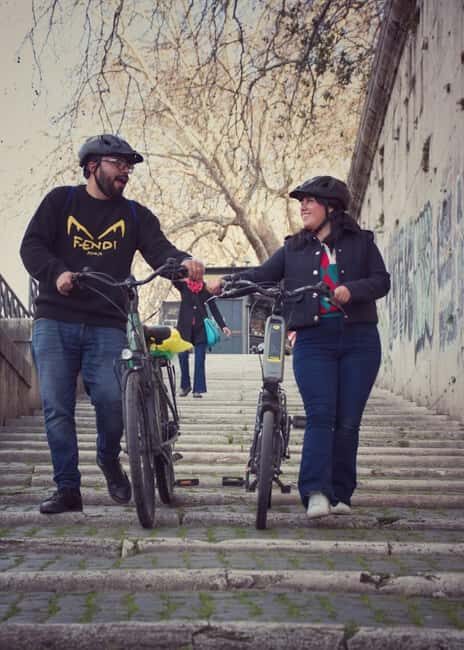
- Tiber bike path riding: you trade some car-heavy streets for an easier flow
- Big-name photo stops with quick timing so you see more in less time (Colosseum, St. Peter’s, Pantheon, Trevi)
- Guide-led storytelling: you’ll hear the human side of Rome, not just dates
- Smaller groups (up to 8 per guide) for easier pacing and safer spacing
- Rain-ready extras like a poncho, plus helmet covers
- Private tour option if you want the route to match your group’s pace
Why an Electric Bike Tour Beats a Long Day of Walking
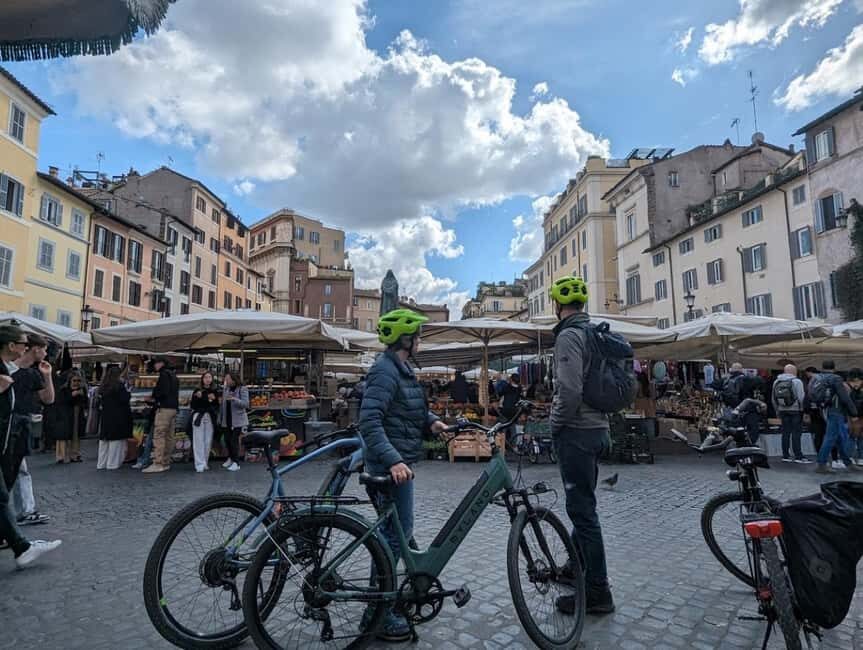
Rome is best when you can keep moving, but walking everywhere all day can flatten your energy fast—especially if you’re mixing major sights with a few “wait, what’s that?” moments. This tour is built for momentum. You pedal, the bike helps, and the route keeps stops tight enough that the afternoon still belongs to you.
The e-bike part is not just a convenience. It changes how you experience the city. With assist, you spend less time fighting hills or slow crowds and more time actually looking—up at facades, across squares, and along the river. That matters because Rome is a city where the details are the whole point.
The other big advantage is structure. In four hours, you hit a lot of iconic points—then you also get the in-between areas that usually don’t make it into a one-day checklist.
You can also read our reviews of more cycling tours in Rome
Starting at Lungotevere delle Armi and Getting Calibrated Fast
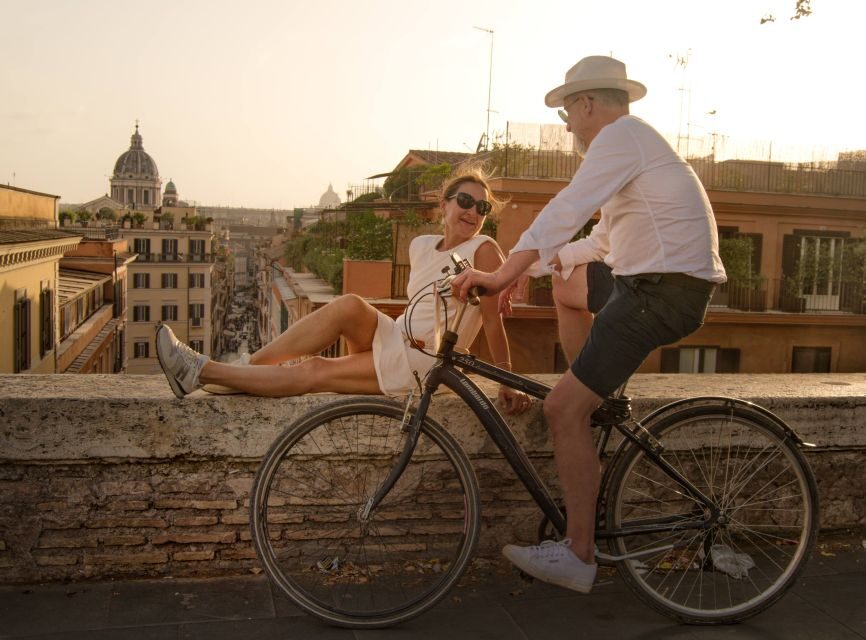
You’ll meet at Lungotevere delle Armi, 44 (there are two listed starting location options, but they share that same address). Expect a quick setup: helmet cover, a short orientation, and a safety check with the guide. There’s a minimum cycling level required, and the operator does a pre-departure test—so if you’re shaky on a bike, speak up early rather than hoping it gets easier.
If you’re nervous about traffic, this is one of the reasons to book a guided route here. The tour is planned with quiet roads and low-traffic stretches whenever possible, and the guide stays with the group. In practice, that means you still feel the energy of Rome, but you’re not constantly making judgment calls at every corner.
Group size is capped at 8 per guide for personalization. That’s important in Rome, where gaps close fast. A smaller group also makes photo stops smoother—less crowding, fewer lost people.
Tiber Island and the River-Flow Start
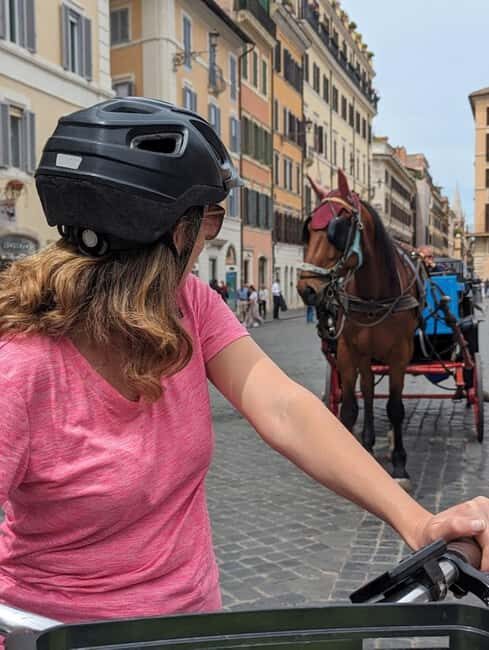
The ride kicks off with a brief segment at Tiber Island (Isola Tiberina). Even with just a short guided moment, it helps set your mental map. You’ll be thinking in “river lanes” right away, which is useful because later you’re riding the Tiber bike path.
This first stretch also helps you learn how the bike feels under you—starting slow, keeping spacing, and understanding the rhythm of guided stops. If you’ve never ridden an e-bike in a dense city, this early warm-up is a big deal.
Circus Maximus: Where Speed Meets Scale
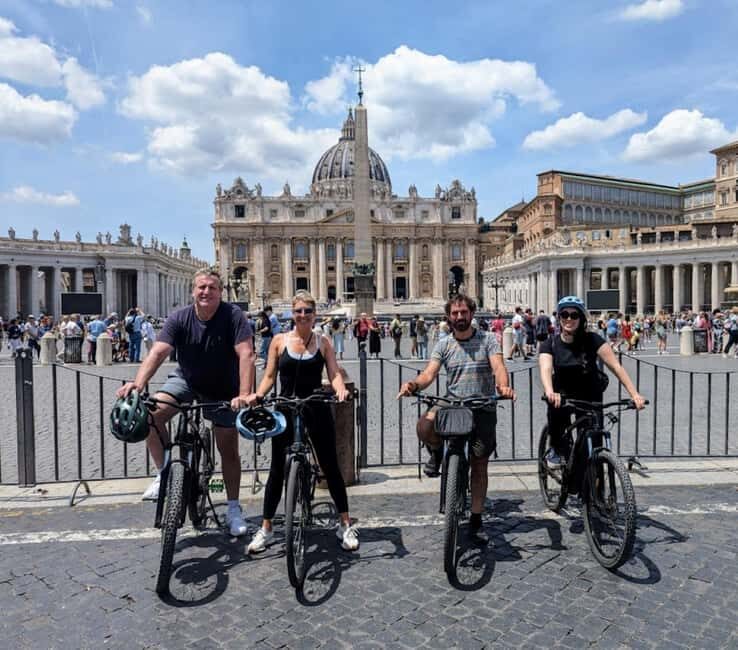
Next up is Circus Maximus for a photo stop. This is one of those Roman locations where size is everything. From the ground, you can’t fully grasp it, but you’ll immediately see why it mattered—this was built for spectacle.
Because the stop is short, it’s not about reading every stone. It’s about getting the scale in your head, then moving on while you’re still fresh. That’s how this tour keeps the day from turning into one long pause after another.
Colosseum Photo Stop: Iconic, but Expect Controlled Crowds
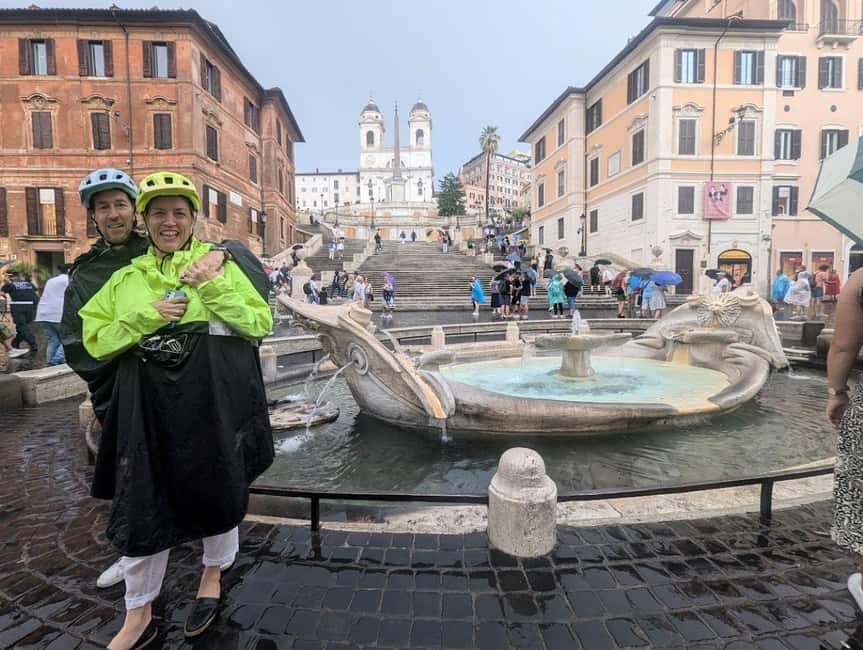
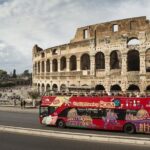
You’ll reach the Colosseum for another photo stop. Here’s the realistic part: the Colosseum area is crowded, and even a bike tour has limits in the tightest zones. You may have to walk your bike for a stretch during peak crowds, then remount once the route opens up again.
The payoff is that you get the Colosseum moment without adding a full sightseeing block. You’ll see it, you’ll get your pictures, and you’ll still have time for Vatican-side landmarks and the “classic Rome” sequence that comes next.
You can also read our reviews of more city tours in Rome


Piazza Venezia to the Jewish Ghetto: Rome’s Layers in Motion
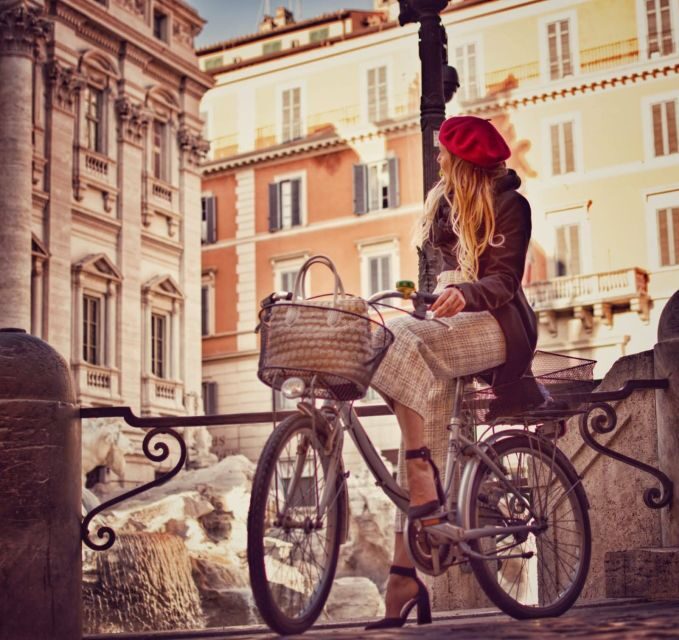
From the Colosseum area, the route flows toward Piazza Venezia for a photo stop. This square is a perfect “orientation checkpoint.” It’s the kind of spot where you can feel the city’s big axes, and it helps you connect what you’ve already seen with what you’ll see next.
Then comes the Jewish Ghetto area for a bike segment and a quick stop. This is where the tour leans into variety—less postcard-only, more Rome-as-a-living-city. It also breaks up the rhythm of only seeing the most famous landmarks in a straight line. You’ll get a sense of how different neighborhoods shape the city’s identity.
Campo de’ Fiori and Piazza Navona: Squares You Feel in Your Legs
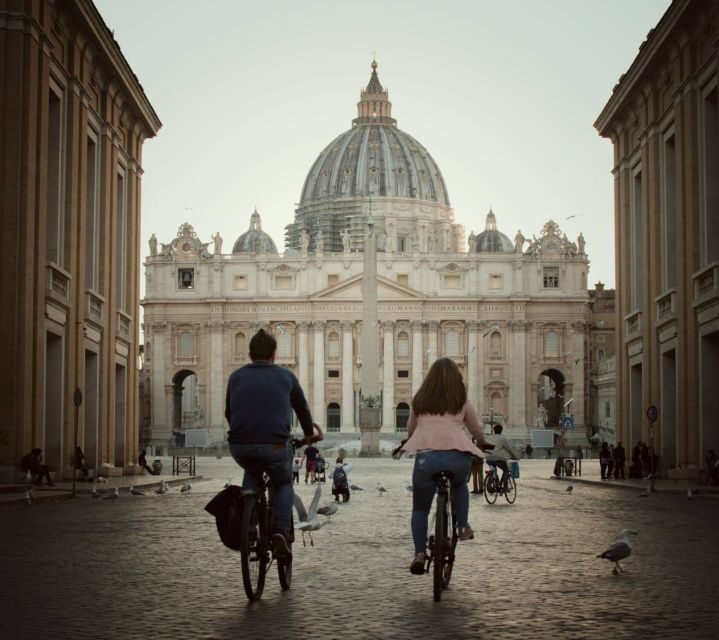
You’ll stop at Campo de’ Fiori and later at Piazza Navona, both for photo stops. These are the Rome squares where life happens at street level. Even for a short stop, you can see the difference between “monument viewing” and “street watching.”
Campo de’ Fiori is lively and central, while Piazza Navona has that dramatic, open-square look that makes you slow down. When you’ve spent part of the morning cycling, the change to standing still for pictures is actually a relief.
If weather turns, this is also the kind of area where plans can adjust smoothly—one of the most useful tour details is that you’re equipped with a poncho, and guides can make the day comfortable if rain hits.
Castel Sant’Angelo and the Vatican Side: Big Views Without the Grind
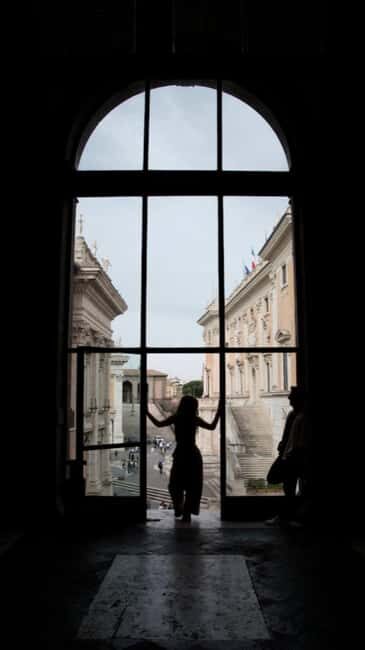
The route continues to Castel Sant’Angelo (photo stop). From here, you’ll feel the pull of the river again. It’s an easy moment to stand back, take in the view, and remember you’re seeing Rome from a moving route that connects everything.
Next: St. Peter’s Basilica for a photo stop. This part of the tour is a big one for first-timers because it puts the Vatican into your day without turning it into an all-day commitment. You get the landmark moment, plus the guide’s running commentary as you ride past and around the busiest approach zones.
Pantheon and Trevi Fountain: Two Icons, One Smooth Sequence
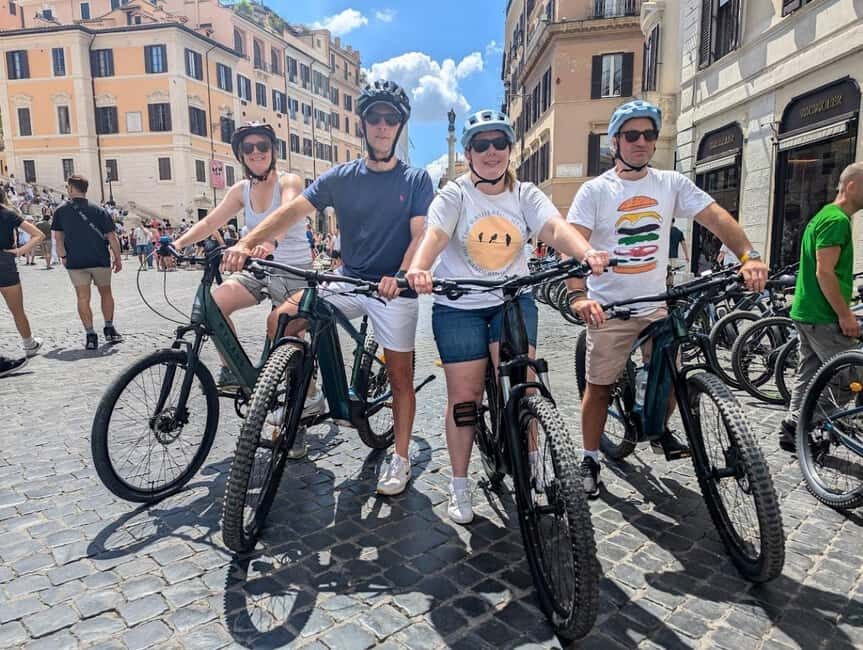
After the Vatican side, you head toward the Pantheon for a photo stop. The Pantheon is one of those places where, even if you know it from photos, it still hits in person. The good thing about doing it on this route is pacing: you aren’t trekking across the city with sore legs.
Then the tour takes you to Trevi Fountain for another photo stop. Trevi is one of the hardest places to do “comfortably” without a plan, because it gets packed. The guided approach helps keep your time efficient and your focus on seeing the fountain, not getting swallowed by crowds.
If you’re hoping to linger at Trevi for longer than the group stop allows, you can still do that after your tour ends. The tour is designed to get you around first—so you can choose your own pace after.
Piazza di Spagna and Piazza del Popolo: Finishing With Classic Rome Color
The final stretch leans into the postcard stops people remember. You’ll stop at Piazza di Spagna and then ride toward Piazza del Popolo for a bike segment/photo stop. These spots are great for photos, but they’re also useful for capturing the city’s “top layer”—the grand stairs, the classic street angles, the sense that Rome is built for walking… even if you’re not walking much today.
At the end, there are two listed drop-off locations, and they return to the same Lungotevere area at Lungotevere delle Armi, 44.
What the Guides Actually Do (and Why It Matters)
The tour’s reputation is tightly linked to the guides. Over the years, you’ll see names like Daniela, Giorgio/Georgio, Martina, Ricardo, Fabio, Alessio, Noam, Marco, Alberto, and Adriana attached to great experiences. The consistent theme is how they handle pacing and questions.
Here’s what that means for you:
- If you want a history-focused explanation, the guide will provide it without turning the ride into a lecture.
- If your group’s energy level varies, the guide adjusts the route pace and stops.
- If crowds spike, you’ll get patient handling around busy crossings and remount points.
One extra detail I like is the photo help. Many people highlight that the guide takes good pictures—so you don’t end up with the classic “only selfies from the corner of the group” problem.
Bikes, Gear, and Comfort: Small Details That Prevent Big Frustration
Included equipment matters on a bike tour. You’ll get:
- An e-bike or mountain bike depending on your selected option
- Helmet cover
- Poncho if rain hits
- Child bike seat if needed
A few rules matter for your planning:
- Pets are not allowed.
- The e-bike minimum operating age is 12.
- There’s a weight limit of 220 lbs (100 kg).
- You’re expected to be able to ride and maintain control; the guide can deny participation if you’re unsuitable due to ability or health concerns.
If you’re biking for the first time, consider this the smart “practice Rome” plan. E-bikes make it far easier to keep your balance and arrive without feeling wrecked.
Who This Tour Fits Best (and Who Should Skip It)
This is a strong pick for:
- First-time Rome visitors who want a high-sightseeing day without over-walking
- Families with teens who can cycle and want a fun activity that still hits the major sights
- Groups that value local route choices—like side streets and river segments—over a straight-through checklist
It may not work well if you:
- Are pregnant, have mobility impairments, or use a wheelchair
- Have heart problems, vertigo, or recent surgeries
- Can’t ride a bike or don’t meet the minimum cycling level
- Fall outside the weight limit
If any of those apply, it’s worth looking for a different style of tour—Rome is too good to risk pushing your body into discomfort.
Price Value: Why $80 for Four Hours Can Make Sense
At $80 per person for 4 hours, this isn’t a “cheap souvenir activity.” It’s priced like guided transport plus a curated route. The value is in what you get per hour:
- Multiple iconic sites close together
- A guide handling navigation and safety choices
- E-bike assist that reduces physical drain
- Photo stops that let you see the landmarks without spending the entire day elsewhere
If you’ve only got a short window in Rome, a tour like this is often a good use of time. You’re buying back energy and decision-making. If your alternative is walking long distances between distant points, that cost can quickly make less sense.
Should You Book This Rome Electric Bike Tour?
Book it if you want a fast, fun, structured way to see Rome’s highlights with less leg burn. It’s a smart first or early-day activity, especially if you want to connect the dots between the Tiber, the Historic Center, and the Vatican-to-classic-Rome sequence. The guide quality—people like Daniela, Giorgio, Martina, Ricardo, and others—seems to be a major reason the experience lands well.
Skip it if you don’t meet the cycling requirements or if biking could be risky for your health. Also skip if you want long museum-style time at each monument. This tour is built for riding, photo stops, and moving on.
If you’re on the fence, my simple checklist is: can you ride a bike confidently for a few hours, and are you okay with seeing sites mainly from outside? If yes, this is one of the best value formats for a half-day Rome hit.
FAQ
How long is the Rome City Highlights Electric Bike Tour?
The tour lasts 4 hours.
Where do you meet for the tour?
The meeting point is listed as Lungotevere delle Armi, 44 (and the drop-off also returns there).
What does the tour include?
It includes a local guide, an e-bike or mountain bike (based on your selected option), helmet cover, and a poncho if it rains. A child bike seat is included if needed.
Are there any age requirements to operate an e-bike?
Yes. The minimum age to operate an e-bike is 12 years old.
What languages are the live guides?
Guides are available in Spanish, English, French, and Italian.
Is there a minimum or maximum group size?
The minimum is 4 guests. The maximum group size is limited to 8 guests per guide.
What kind of riding experience is required?
A minimum cycling level is mandatory, and there is a pre-departure test by the guide. The guide may deny participation if someone is unsuitable due to lack of ability or health concerns.
Is the route entirely in the Historic Center?
Yes. The route is 100% in the Historic Center and on the Tiber bike path, with occasional light vehicular traffic on surface streets.
Who should not book this tour?
It is not suitable for pregnant women, people with mobility impairments, heart problems, vertigo, recent surgeries, wheelchair users, or anyone who can’t ride a bike. Pets are also not allowed.