REVIEW · MUSEUMS
Rome: Vatican Museums and Sistine Chapel Tour with Ticket
Book on GetYourGuide →Operated by CheckandGo Tours · Bookable on GetYourGuide
The Vatican can swallow your whole day. That is why this tour format works: you get a guided sweep through the Vatican Museums and a structured finish at the Sistine Chapel, without spending your morning marinating in ticket lines. You’ll follow a clear path through the big rooms, with the guide pointing out what matters and why it matters.
I love the priority entrance angle. You start off already inside the Vatican complex, which usually means more time looking at art instead of standing around. I also love the included headsets, because the Vatican is loud, echo-y, and crowded, and you still need the guide’s explanations to make the sculptures and frescoes click.
One real catch: it’s fast. In a 2.5-hour window, the crowds and time limits mean you may not get the slow, lingering pace you’d want for every masterpiece, especially in the Sistine Chapel area.
In This Review
- Key Things I’d Circle Before You Go
- Why Skip-the-Line Entry Changes Your Vatican Day
- Finding the CheckandGo Meeting Point Near Ottaviano
- Courtyard of the Armor to Pine Cone: Starting With the Vatican’s Own Stage
- Museo Pio Clementino and the Greco-Roman Stars: Apollo and Laocoön
- The Three Gallery Sequence That Keeps the Story Moving
- Gallery of the Candelabra
- Gallery of Tapestries (Peter Van Aelst connection)
- Gallery of Maps (Pope Gregory XIII)
- Raphael’s Rooms and the Sistine Chapel: Where Time Gets Real
- St. Peter’s Basilica Dome Views and Your After-Tour Options
- Price Check: Is $106 Worth It for Vatican + Sistine?
- Guide Quality: The Difference Between Seeing Art and Understanding It
- Time, Heat, Crowds: How to Survive the Vatican Without Feeling Frazzled
- Dress Code and What to Bring (So You Don’t Get Turned Away)
- Who This Tour Fits Best (And Who Should Rethink It)
- Should You Book This Vatican Museums and Sistine Chapel Tour?
Key Things I’d Circle Before You Go
- Skip-the-line entry: You enter through a separate priority route, saving serious time.
- Headsets included: You can hear the guide without playing “guess the sentence” in a crowded gallery.
- Ancient + Renaissance mix: You move from Greco-Roman icons like Apollo Belvedere to Michelangelo’s fresco work.
- Big-room highlights, not random wandering: You hit the courtyard stops and signature galleries in a logical order.
- Raphael’s Rooms + Sistine Chapel finish: The tour lands where most people want to be, when you still have energy.
- St. Peter’s Basilica area is easy to tack on: You can often continue toward the Basilica after the tour ends, even though the dome climb isn’t included.
Why Skip-the-Line Entry Changes Your Vatican Day
The Vatican Museums are famous for being packed, and the time cost is brutal. Even with skip-the-line tickets, you still go through airport-style security, and in high season that screening wait can run up to 30 minutes. The difference is that the tour route is designed so you don’t lose hours to the main ticket queue on top of that.
In practical terms, this is the kind of tour that protects your focus. Instead of drifting through rooms while other people cut lines and you keep checking your watch, you follow a guide who keeps the group moving from one must-see cluster to the next.
You can also read our reviews of more tours and experiences in Rome


Finding the CheckandGo Meeting Point Near Ottaviano
The meeting point is straightforward once you know what to look for. You go inside the CheckandGo Tours office at Via Sebastiano Veniero, 21—an office on the street parallel to the Vatican Museums entrance.
For transit, the nearest metro stop is Ottaviano (Line A). It’s close to a Todis supermarket, and near an auto shop with a blue Michelin sign. If you arrive a few minutes early, you’ll be less stressed about finding the office and lining up with your group.
Courtyard of the Armor to Pine Cone: Starting With the Vatican’s Own Stage
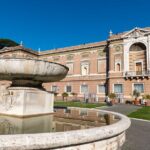
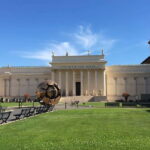
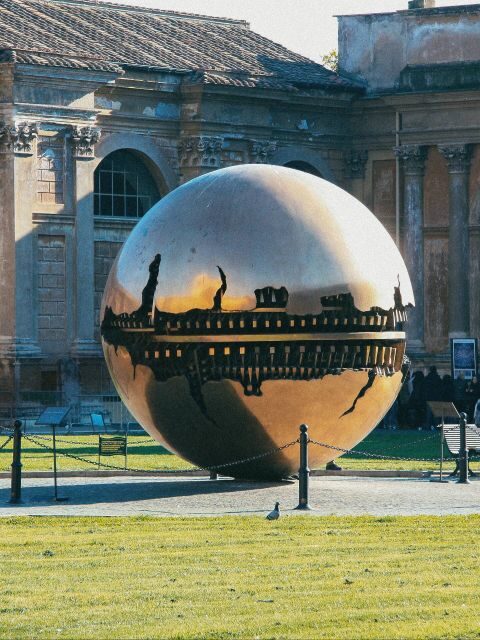
Your tour begins with a guided look starting at the Courtyard of the Armor area, a quick introduction that helps you orient yourself inside the Vatican complex. From there, you move to the Courtyard of the Pine Cone in the middle of the ancient papal buildings.
This early section matters more than it sounds. Getting a sense of the Vatican’s layout at the start makes the later rooms feel less like a maze and more like a route you’re mastering.
Museo Pio Clementino and the Greco-Roman Stars: Apollo and Laocoön
One of the best parts of this tour is the shift into the Pius Clementine Museum, housed in the former Belvedere Palace (formerly a pope’s summer residence). You’re not just seeing “old statues”—you’re walking through a museum section that’s built around major Greco-Roman masterpieces.
Two highlights you’ll hear about are:
- Apollo Belvedere
- Laocoön Group
These works are iconic partly because they’re so influential to later artists. When the guide explains what you’re looking at—pose, gesture, storytelling—you start noticing details you’d otherwise miss if you just stood there and stared.
The Three Gallery Sequence That Keeps the Story Moving
After the ancient highlights, the tour rolls into the galleries that connect art, politics, and patronage—without needing you to study a museum guidebook.
You can also read our reviews of more museum experiences in Rome



Gallery of the Candelabra
This is one of those rooms where the art feels arranged like a visual argument. Expect to spend time learning what you’re seeing and why the collection is framed the way it is. The payoff is that the rest of the tour becomes easier to follow because you’re getting interpretive “threads” early.
Gallery of Tapestries (Peter Van Aelst connection)
Next is the Gallery of Tapestries, which features works from the Flemish atelier of Peter Van Aelst. Tapestries can be tricky to appreciate quickly because they’re not “grab-and-go” like a statue you can circle. In this format, the guide helps you read the scenes so you get beyond the wow-factor and into understanding.
Gallery of Maps (Pope Gregory XIII)
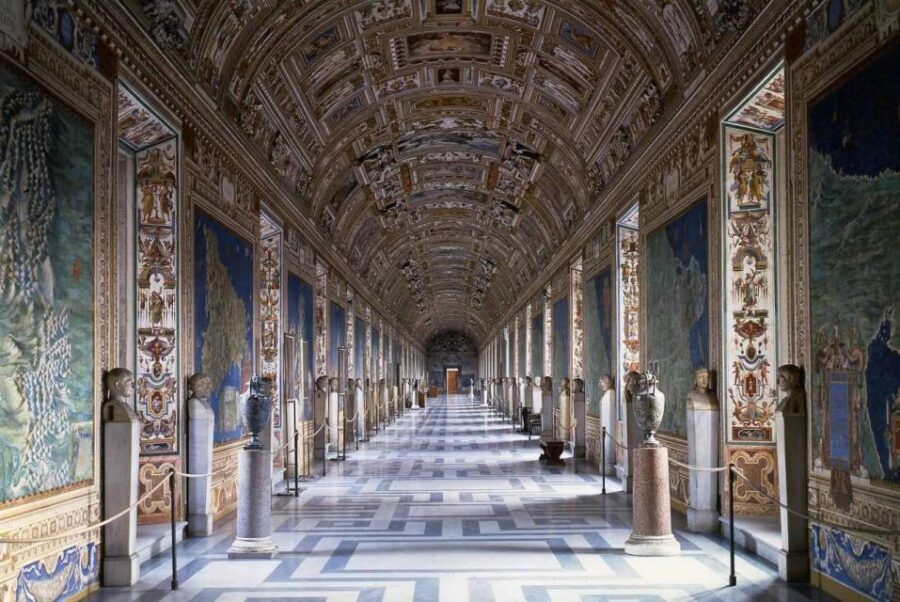
Then comes the Gallery of Maps with frescoed maps of the Italian territory, commissioned by Pope Gregory XIII. It’s a reminder that this is not only an art museum—it’s also a place where geography and authority were displayed.
If you’re the kind of person who gets lost in long galleries, this section is a lifesaver. It gives you something concrete to track: the maps, the commission story, and the way the walls teach the viewer.
Raphael’s Rooms and the Sistine Chapel: Where Time Gets Real
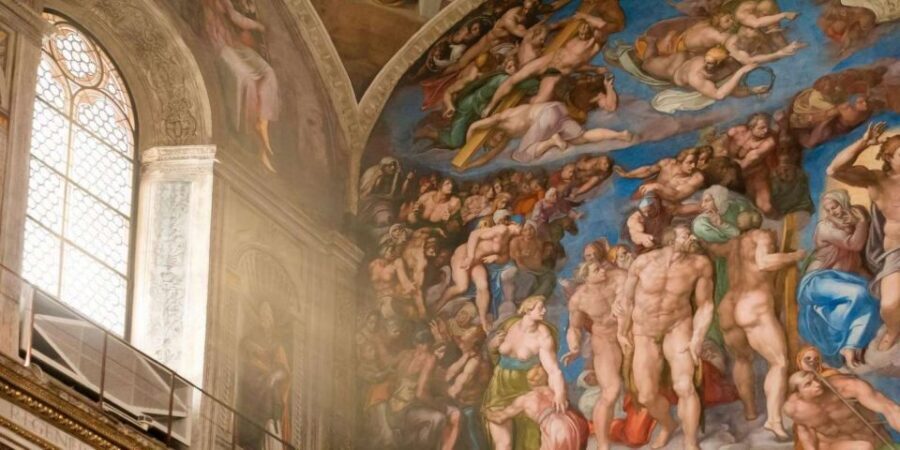
The tour’s ending focus is exactly what you’d want if you have limited time: Raphael’s Rooms and then the Sistine Chapel. Raphael’s Rooms connect Renaissance ideas to the religious setting of the Vatican apartments.
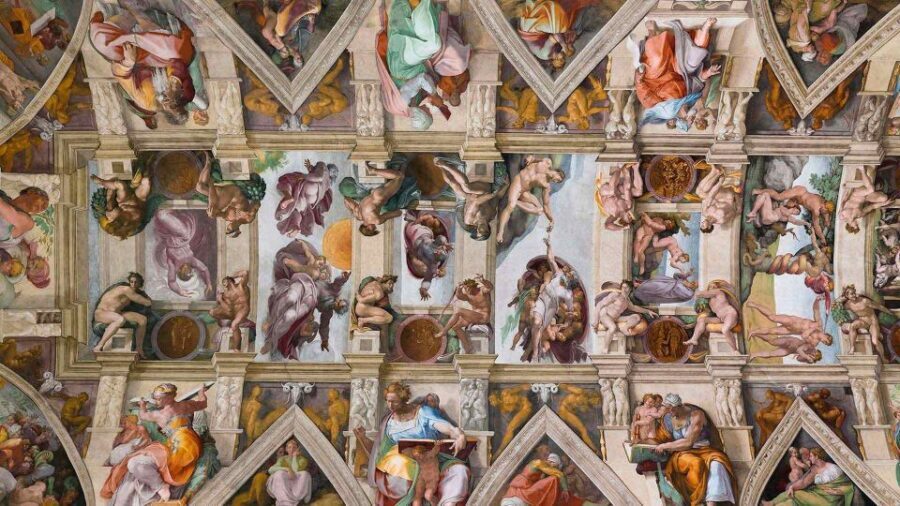
Then you move into the Sistine Chapel area for Michelangelo’s work—especially scenes from the Book of Genesis and the Last Judgement. This is the moment most people come for, and it’s also the moment the schedule tightens.
A word to the wise: the Sistine Chapel experience can be brief. One clear data point from real-world pacing is that some groups report around 10 minutes in the Sistine Chapel. That doesn’t mean it’s not worth it—it means you should show up mentally ready to scan for the details you care about most.
Also, guides may help with rules enforcement inside the chapel area, including the no-photo restrictions.
St. Peter’s Basilica Dome Views and Your After-Tour Options
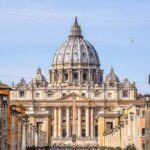
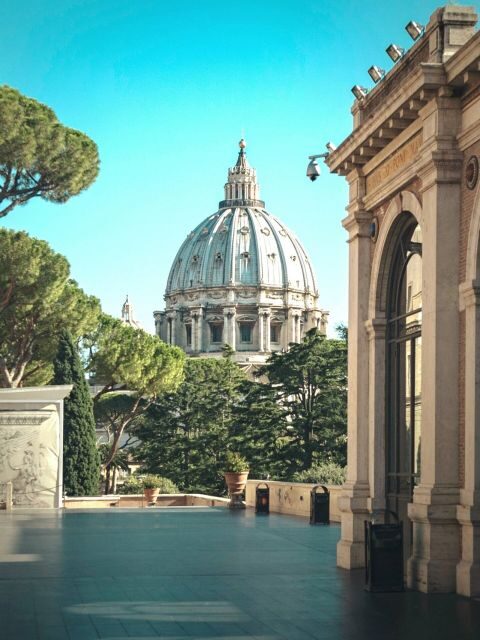
St. Peter’s Basilica shows up in the highlights even though the tour does not include a guided walkthrough of the Basilica itself or a dome climb. Still, you’ll get the “I’m here in the Vatican” feeling—especially with the famous dome construction visible from the surrounding area.
In addition, the tour structure can make it easier to continue toward St. Peter’s Basilica afterward. Some groups are led toward the Basilica through a side route that can help you skip another line. If you want the dome views, you’ll still have to do that separately.
Price Check: Is $106 Worth It for Vatican + Sistine?
At $106 per person, this is not a bargain tour. But it can be good value if your time is short and you hate queues.
Here’s why:
- You’re paying for a live guide who can explain what you’re seeing, not just point you at rooms.
- You get skip-the-line tickets to cut down the biggest time sink.
- You also get headsets, which is huge in the Vatican because you’ll spend less effort trying to hear over the crowd.
If you were self-guiding, you’d still face security screening and heavy foot traffic. The real cost isn’t just money—it’s energy and patience. This package is built for people who want the biggest hits without turning the day into a line-management exercise.
Guide Quality: The Difference Between Seeing Art and Understanding It
A pattern shows up in the guide praise: guides keep the group organized, explain the art clearly, and tell stories that connect the dots.
You’ll see names like Juliana, Deny, Luis, Carolina, and Tatiana tied to strong feedback. One guide, Deny, gets credit for breaking down techniques used in the artworks. Another, Carolina, is noted for being attentive about Chapel rules. Juliana shows up as a scholar-type guide who makes sculpture history and context feel easy to grasp.
That guide quality is not a small detail here. Vatican Museums can be overwhelming fast. A good guide gives you a mental map, then helps you recognize what you’re looking at.
Time, Heat, Crowds: How to Survive the Vatican Without Feeling Frazzled
This is a working reality tour. The Vatican Museums are crowded, and the Sistine Chapel area can feel hot and packed. You’ll get the best experience if you plan like a pro:
- Wear breathable layers that still follow the dress code.
- Leave extra time for security screening.
- Use the headsets like they’re life support.
If you show up prepared, the crowd pressure turns from annoyance into background noise. If you show up under-dressed or late, it turns into stress—and you lose the relaxed feeling you’re aiming for.
Dress Code and What to Bring (So You Don’t Get Turned Away)
Dress code is strict because these are religious spaces. You can’t wear shorts, sleeveless shirts, miniskirts, or hats. You should also avoid anything bulky that makes security awkward.
For what to bring:
- Bring your passport or ID card for children
- If you have one, bring a student card
Security also follows airport-style screening. That means no weapons or sharp objects, and the list also bans pets and scooters.
Who This Tour Fits Best (And Who Should Rethink It)
This tour is a smart choice for:
- First-timers who want the Vatican’s biggest masterpieces in one guided sweep
- People with limited time who still want context for the art
- Anyone who prefers a route that prevents aimless wandering
It’s not a fit for:
- Mobility impairments and wheelchair users, based on the tour’s suitability limits
Should You Book This Vatican Museums and Sistine Chapel Tour?
I’d book it if you want a high-impact Vatican experience without spending half your day in queues. The combination of priority entry, a live guide, and headsets is what makes the $106 feel justified for most people.
I’d skip or adjust expectations if you’re the type who needs lots of quiet time in each room. With only 2.5 hours, you’re getting a highlight route, not a slow museum retreat. If your goal is depth at every stop, you might need a different pacing plan.
If you want the essentials done right—ancient sculpture, Renaissance rooms, and Michelangelo’s ceiling—this tour is a solid bet.