REVIEW · MUSEUMS
Vatican Museums, Sistine Chapel and St. Peter’s Basilica Tour
Book on Viator →Operated by Nicom Tours · Bookable on Viator
Three hours in the Vatican can be chaos.
This tour turns that chaos into a guided line you can actually follow, with fast-track entrance and a guide who helps you see what matters fast. I also like the way headsets are handled for larger groups, so the stories about the art don’t get lost to the crowd noise.
You’ll spend real time in the places you came for: the Vatican Museums big-name rooms (and the weird ones), the Sistine Chapel ceiling, then St. Peter’s Basilica with priority access. The best part is how the route ends at St. Peter’s so you’re not scrambling for a ticket or stuck in a long wait right when you’re most excited. One possible drawback: a few people find the museum portion heavy on explanation and a bit rushed through, so if you hate guided pacing, you might feel it.
Plan for the practical stuff. Security at the metal detectors can add a 20–30 minute delay even with fast-track tickets, and there’s a lot of walking and stairs. Also note that St. Peter’s Basilica and the Sistine Chapel can close without notice on rare occasions, and the guide will reroute you to other museum areas.
In This Review
- Key things that make this tour worth your time
- Fast-Track Reality Check: What You’re Paying For at This Price
- Meeting at Via Germanico 8: Easy Access, Then a Big Security Moment
- Vatican Museums: How to See More Than Postcards in 2 Hours
- Sistine Chapel: Ceiling Time Is Short, So Aim Your Attention
- St. Peter’s Basilica Priority Entry: Pietà, Bernini, and the Toes of Luck
- Guides, Headsets, and the Sound Check That Can Make or Break It
- Who This Tour Is For (and Who Should Skip It)
- Tips to Make the 3 Hours Feel Worth It
- Should You Book This Vatican Museums, Sistine Chapel, and St. Peter’s Tour?
- FAQ
- Is the tour in English?
- How long does the tour take?
- Does the price include tickets?
- Where do I meet for the tour?
- How much time should I plan for security?
- Is St. Peter’s Basilica open every day?
Key things that make this tour worth your time
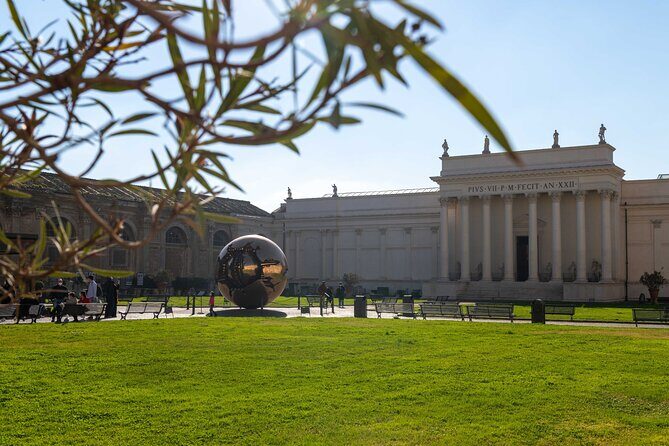
- Skip-the-line access helps you start sooner, but security still takes time at the metal detectors.
- Sistine Chapel highlights are built in, so you’re not hunting for Michelangelo moments on your own.
- Vatican Museums focus on story + context, including major rooms like Raphael’s areas and the Gallery of Maps and the Gallery of the Masks.
- St. Peter’s Basilica priority entry means you’re positioned to see the Pietà and Bernini’s altar covering with less waiting.
- Headsets matter: if the audio is clear for you, the whole experience gets easier to enjoy.
- Group size stays small-ish (up to 25), which usually helps with control and staying together.
Fast-Track Reality Check: What You’re Paying For at This Price
At $83.76 per person for about 3 hours, you’re mostly buying three things: a guide, time-savings, and logistics help inside one of the most overloaded tourist sites on earth. The fast-track entrance tickets are the big value lever. Without them, you’re more likely to burn your morning or afternoon inching forward in queues.
But I want you to keep expectations grounded. Fast-track doesn’t erase security. You still pass through metal detectors, and you should expect 20–30 minutes to clear. So the real win is that you’re not stuck in the longest museum lines on top of security. It’s a smoother start, a steadier flow, and fewer chances to get separated from your plan.
In places like the Vatican, a guide is more than a narrator. They help you spot what you might otherwise miss and they keep you oriented in a building that feels like a maze—especially when your time window is tight.
You can also read our reviews of more museum experiences in Rome



Meeting at Via Germanico 8: Easy Access, Then a Big Security Moment
Your tour begins at Via Germanico, 8, 00192 Roma, with the tour office meeting setup. The meeting point is close to public transportation, and there’s free Wi‑Fi and a recharging station there—handy if your phone battery is already struggling from Rome walking.
One practical note: no luggage storage is available. If you’re traveling with a backpack, keep it light and be ready to carry it. Also, keep an eye on the group size. Tours can use headsets when there are more than 10 people, which helps you hear the guide without leaning on someone’s shoulder like you’re in a subway car.
Then comes the part people forget: metal detectors. Even with fast-track tickets, that checkpoint is real. I’d treat the first part of your tour day like a “buffered schedule,” not a zero-wait promise.
Vatican Museums: How to See More Than Postcards in 2 Hours
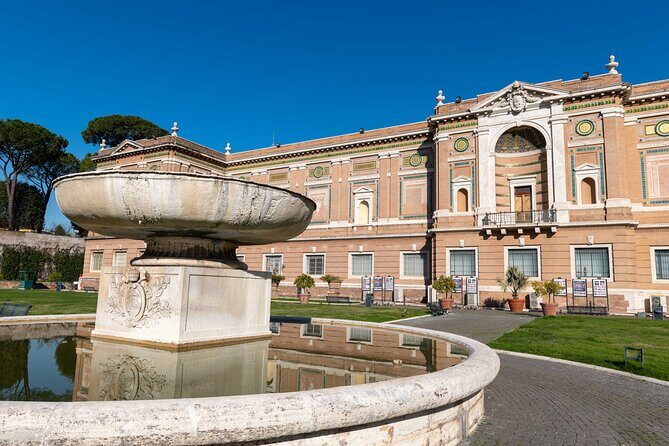
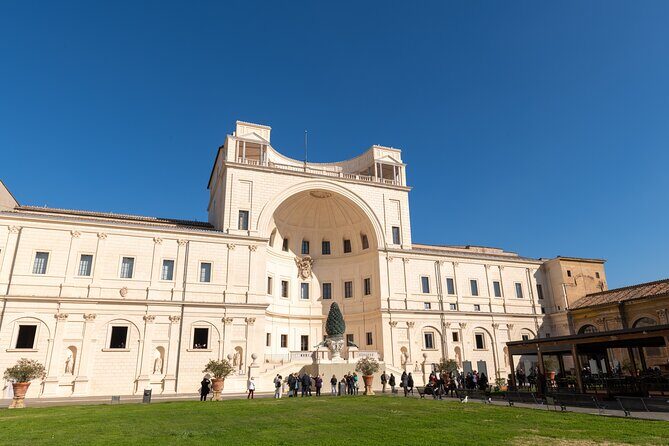
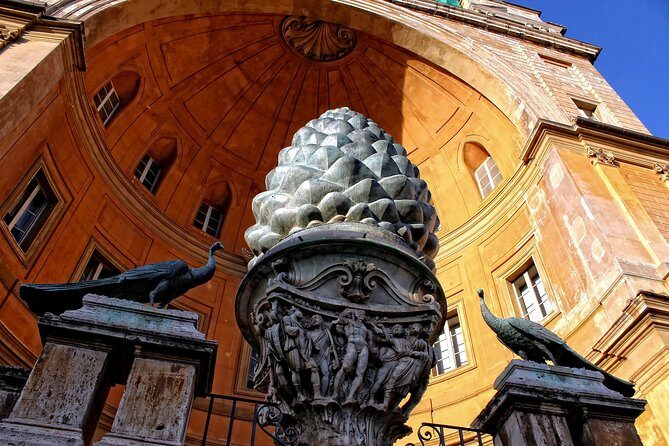
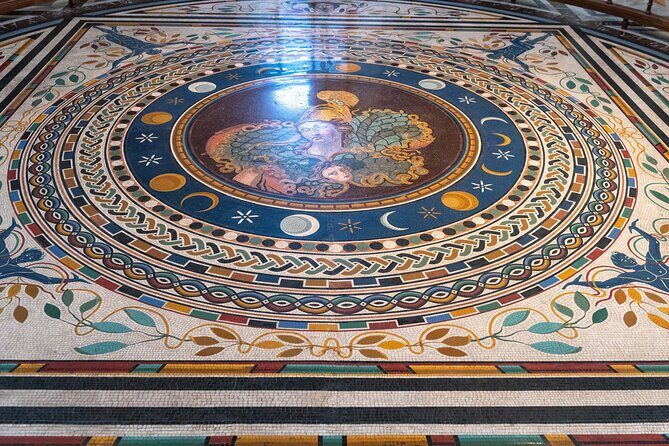
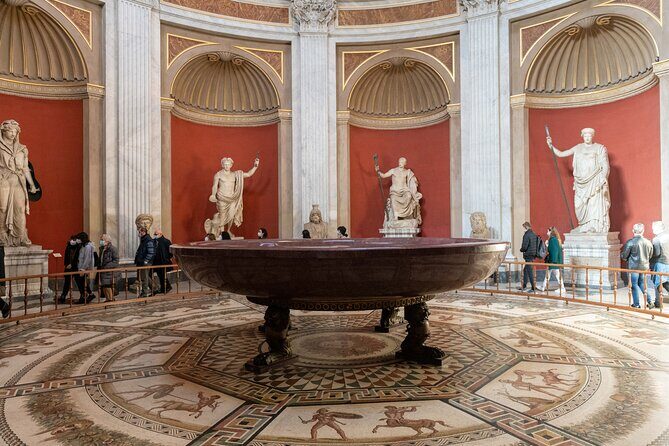
The Vatican Museums can swallow an afternoon. Here, you’re allocated about 2 hours—so the tour has to prioritize. That’s why you’ll move through highlight galleries and rooms where the artwork is famous, but the details are easy to miss if you’re just walking and snapping photos.
Expect stops and storytelling around:
- Major Renaissance and Baroque masterpieces tied to the way Vatican popes gathered art and commissioned works.
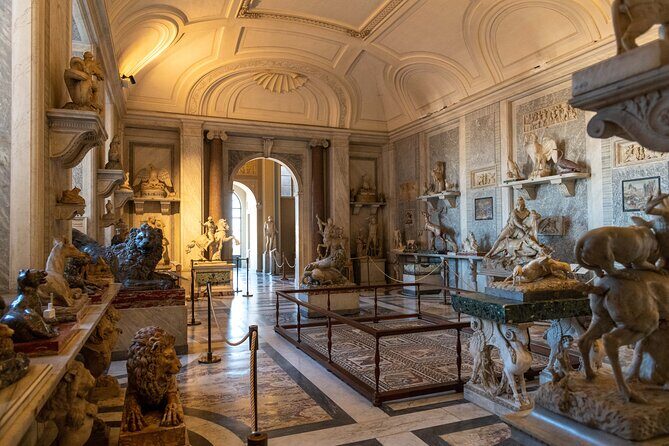
- Artists like Caravaggio and Raphael, plus lots of statues and artifacts that give you the Vatican’s “museum brain” beyond fresco ceilings.
- Rooms and gallery areas such as Raphael’s Rooms, where you’ll learn how paintings connect to the broader Renaissance mindset.
- Specific stops like the Gallery of the Maps and the Gallery of the Masks, which tend to feel odd in a good way—less “serious marble” and more “wow, they really went for it.”
One clever thing this tour does (when the guide is firing on all cylinders) is teaching you how to look. For example, you’ll hear the stories behind famous works like the School of Athens, and it helps to know that certain figures tie back to artists you might already associate with the ceiling and the Renaissance story arc.
A heads-up on pacing: a few guides can talk fast, and some visitors regret not having a minute to simply stare. If you’re the type who likes slow looking, bring a mental plan: let the guide do the heavy lifting early, then linger a bit where something grabs you—without getting pulled too far behind.
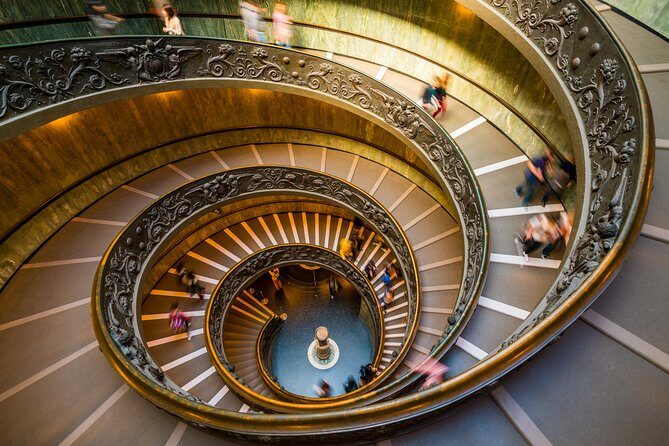
Also, don’t build your expectations around a specific side route shown in photos. One disappointment I’ve heard is that you might not see or climb a spiral staircase that some people expect from promotional imagery. In a short, structured tour, the route is the route.
Sistine Chapel: Ceiling Time Is Short, So Aim Your Attention
You’ll then head into the Sistine Chapel, and this is where the tour earns its name. You’re there for Michelangelo’s frescoes, including the ceiling and also the Last Judgment. Even though you might think you already know what the Sistine Chapel looks like, seeing it in person is still a shock to the system—because the scale and detail hit harder when you’re standing in it, not watching it through a screen.
This is also where timing matters. The tour segments the experience so you’re not just marinating inside the chapel with no context. If you pay attention to what the guide points out, you’ll leave understanding how the images connect and why Michelangelo’s style still feels revolutionary centuries later.
A practical reality: the Sistine Chapel can feel tight and intense. So listen closely, keep your group position, and don’t expect a museum-style slow walk. If you’re going for the biggest wow moments—ceiling panels, the famous scene everyone knows, and the overall impact—the format is a good fit.
St. Peter’s Basilica Priority Entry: Pietà, Bernini, and the Toes of Luck
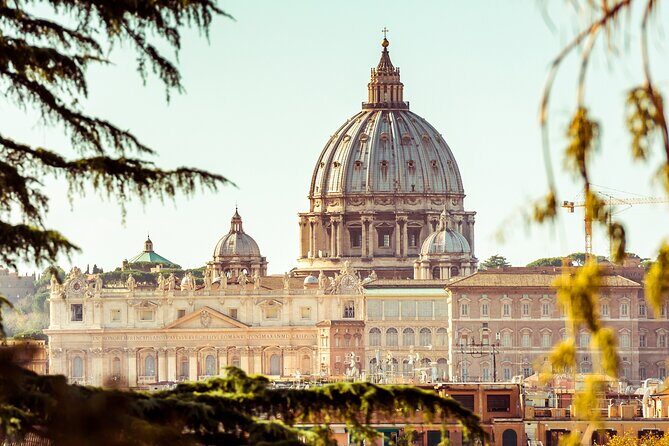
After the Sistine Chapel, you finish at St. Peter’s Basilica with priority access. This part is often the emotional payoff. St. Peter’s is huge, grand, and still a working church, so you’ll want to dress respectfully and be ready for a more solemn atmosphere than the museums.
Inside, you’ll see key highlights like:
- Michelangelo’s Pietà
- Bernini’s altar covering
And yes, you’ll have time to do the classic local ritual: rub the toes of the statue of St. Peter for good luck. It’s touristy, but it’s also one of the few traditions that feels playful in a place that otherwise runs on sacred awe.
Here’s the big consideration. Priority access helps, but it doesn’t mean the world stops moving. Lines outside can still be extensive if something changes. A few people reported feeling left with limited guidance or unexpected time cut for St. Peter’s if closures happen or routes shift. That’s not the norm you should plan on, but it’s worth knowing: your experience improves when your guide stays clearly oriented with the group.
Also remember: St. Peter’s Basilica can be closed on Wednesdays from 8:00 AM to 12:00 PM. During those times, the tour is set to visit other areas of the museums instead. If your trip lands on a Wednesday morning, verify the day plan before you go.




Guides, Headsets, and the Sound Check That Can Make or Break It
A guided Vatican visit lives or dies on two things: the guide’s clarity and the headset quality. In past experiences with different guides attached to this kind of tour, I’ve seen strong performances from people like Barbara, Marco, Antonio, Alessandro, Catherine, and Rudy—with emphasis on keeping groups together, explaining what you’re looking at, and handling the heavy foot traffic.
But headset issues can happen. Some people reported that the audio quality was poor or hard to understand due to accent, and others said the headset fit wasn’t comfortable and they ended up removing it. You can’t control the headset device, but you can control your backup. If you’re sensitive to audio, consider bringing a spare comfort option like foam earplugs (and remember you’ll need to keep one ear open enough to hear the guide when possible).
If you truly struggle to hear guides, decide in advance what you’ll do: either commit to listening and absorbing context, or accept that you’ll need to look more independently during the museum rooms.
Who This Tour Is For (and Who Should Skip It)
This tour fits best if you want:
- A structured route through the Vatican without getting lost
- Help understanding why pieces matter (not just what they look like)
- A practical plan that ends with St. Peter’s Basilica rather than leaving you to manage queues afterward
It’s less ideal if you:
- Hate hearing constant narration for long stretches
- Prefer to spend 10 minutes at every painting
- Plan to move at your own pace and don’t want to stay in a group line
If you’re traveling with kids, be aware that some visitors found the museum explanations too long. If your family likes art but doesn’t love lectures, you may want to prepare them with a simple goal: pick 3 things to look for, not 30.
If you’re extremely photo-driven and want lots of pauses, you might also feel rushed. One of the most common regrets is “the Vatican museums are longgggg,” meaning the time inside can dominate the whole experience.
Tips to Make the 3 Hours Feel Worth It
Here’s how you get the best return on your time.
Arrive rested and expect walking. This tour is short, but you still move a lot. Comfortable shoes matter more than you think.
Use the guide’s look-direction. When they point out specific details—like what you should spot in Raphael areas or how to read a crowded scene—your time turns into understanding, not just viewing.
Don’t plan extra stops after security. You’ll lose time there if you wander while the group gathers.
If something closes, don’t assume you’re stuck. St. Peter’s Basilica and the Sistine Chapel can close without notice on rare occasions. When that happens, your guide is set up to reroute you to other museum areas such as Raphael Rooms and other parts of the Vatican route.
Keep expectations about St. Peter’s flexible. Priority helps, but lines and access can shift.
Should You Book This Vatican Museums, Sistine Chapel, and St. Peter’s Tour?
I’d book this if your goal is a high-impact, guided Vatican hit in a short window, and you’re comfortable trading a bit of freedom for fast-track entry and context. The combination of Museums + Sistine Chapel + St. Peter’s in one flowing route makes sense when you only have a half-day.
I’d skip it if you want maximum quiet time and maximum self-paced wandering, or if you know you’ll struggle with headset audio. In those cases, the value can feel uneven—especially if you end up feeling you paid for guide-led time you didn’t love.
A good decision strategy: if you’re unsure, compare what you care about most. If the Sistine Chapel and St. Peter’s are your must-dos, this route is built to land there. If you’re more interested in slow museum wandering, you’ll likely be happier planning your own route and lingering longer.
If you book, go in with one mindset: your goal is to look smarter, not to see everything. In 3 hours, that’s the winning formula.
FAQ
Is the tour in English?
Yes. This experience is offered in English.
How long does the tour take?
It’s listed as about 3 hours.
Does the price include tickets?
Yes. Fast track entrance tickets and admission tickets are included for the Vatican Museums, Sistine Chapel, and St. Peter’s Basilica.
Where do I meet for the tour?
You meet at Via Germanico, 8, 00192 Roma RM, Italy, and the tour ends at the Vatican Museums area (Vatican City).
How much time should I plan for security?
You’ll go through metal detectors, and you should expect to wait about 20–30 minutes to clear security.
Is St. Peter’s Basilica open every day?
No. St. Peter’s Basilica is closed Wednesdays from 8:00 AM to 12:00 PM, and the tour will visit other parts of the museums during those times. It can also close without notice on rare occasions, and the guide will reroute you.