REVIEW · CITY TOURS
City Sightseeing Rome Hop-On Hop-Off Bus Tour
Book on Viator →Operated by Sightseeing Experience · Bookable on Viator
Rome beats the sprint-through-sights strategy. This hop-on hop-off bus tour is built for your pace: hop off when something catches your eye, hop back on when you’re ready to move on, and use the onboard audio commentary to connect the buildings with the stories. I especially like the flexibility—you’re not stuck with one rigid route.
Here’s the tradeoff: Rome traffic and local road rules can slow the loop down, so you may wait longer than you expect between buses or see fewer stops on a given day. Still, if you want an easy way to get oriented fast—without committing to long guided walking legs—this format can work well. Plus, you get free Wi‑Fi onboard, which is handy for mapping your next hop and sharing photos while you’re on the move.
In This Review
- Key highlights to focus on before you ride
- A quick reality check on Rome open-top bus time
- Price and value: $16.24 for a flexible orientation day
- Getting on: terminals, mobile ticket, and why you should plan your first hop
- The route loop, stop-by-stop: what each area is good for
- Terminal A (Via Marsala, 7): start with options
- Giolitti (Via Giovanni Giolitti, 38): a major hinge point
- Terminal C (Piazza dei Cinquecento): a good waypoint
- Santa Maria Maggiore (Via dell’Esquilino): classic basilica zone
- Colosseo (Via di San Gregorio): temporarily suspended stop
- Circo Massimo (Piazzale Ugo la Malfa): space for a wide-sky break
- Piazza Venezia (Via del Teatro di Marcello, 12): the dramatic center
- Vaticano (Lungotevere Tor di Nona, 7): for Vatican-area walking
- Piazza di Spagna (Via Ludovisi, 47): a shopping-and-stroll stop
- Piazza Barberini (Via Barberini, 2): wrap the ride with a classic Rome feel
- Audio guide and Wi‑Fi: how to make the ride actually help
- Comfort notes that matter in real Rome weather
- When Rome traffic makes the loop feel long
- The Jubilee Line option: extra ride if you selected it
- Night tour: one loop, and it’s not hop-on hop-off
- So who is this bus for?
- Should you book this hop-on hop-off bus?
- FAQ
- How long is the full loop on this hop-on hop-off bus?
- Is there onboard audio, and is English available?
- Do I get free Wi‑Fi on the bus?
- Is food and drinks included?
- Can stops change or be restricted in Rome?
- Is the Colosseo stop available?
Key highlights to focus on before you ride

- Hop on and off as many times as you want on the regular loop, so your day can stretch or shrink.
- English audio is available (with eight languages total), so you can follow along without straining your eyes on guidebooks.
- Free onboard Wi‑Fi helps you check the next stop, post pictures, and plan connections on the fly.
- A stop-based route that reaches major areas like Santa Maria Maggiore, Circo Massimo, Piazza Venezia, Vatican, Piazza di Spagna, and Piazza Barberini.
- Season and city restrictions can change stops, including temporary suspension of the Colosseum stop.
A quick reality check on Rome open-top bus time
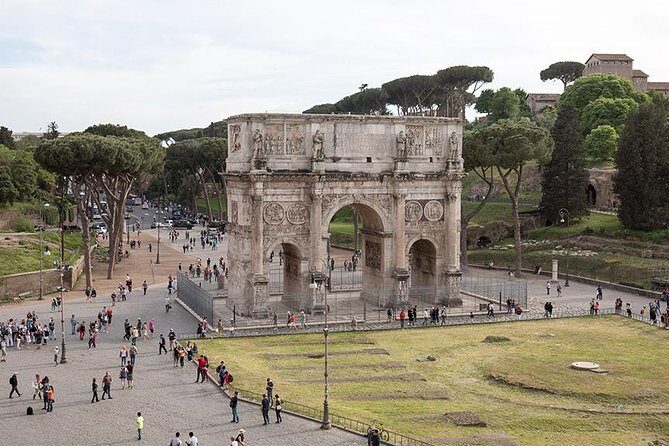
In theory, the full loop runs about 1.5 to 2 hours. In practice, Rome can turn a “quick loop” into a slow crawl—especially on busy streets, around major junctions, or when traffic patterns shift.
What makes the tour still worth considering is simple: the bus is most valuable as transport with narration. You’re not paying to see everything perfectly from the windows. You’re paying to get between big sights smoothly, then spend real time on the parts you care about most.
Also, don’t assume every stop will be equally convenient that day. The city can restrict access, and the operator notes that new regulations may affect available stops without warning.
You can also read our reviews of more city tours in Rome
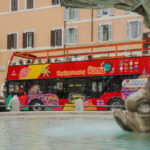

Price and value: $16.24 for a flexible orientation day
At $16.24 per person, this is priced like an “easy intro” ticket. The value comes from how you use it:
- If you use it to position yourself near multiple monuments, then get off to walk and explore on your own, the cost per hour starts to make sense.
- If you end up stuck at stops waiting a long time, the purchase can feel expensive fast—especially compared with other low-cost ways to move around Rome.
A few practical thoughts I’d use to decide:
- If it’s your first day, this can help you learn the layout and pick targets for later.
- If you’re short on time and want a guided ride through the big-name areas, the audio adds real value.
- If you’re relying on it to hit everything on a tight schedule, traffic and stop changes are the risk.
Getting on: terminals, mobile ticket, and why you should plan your first hop
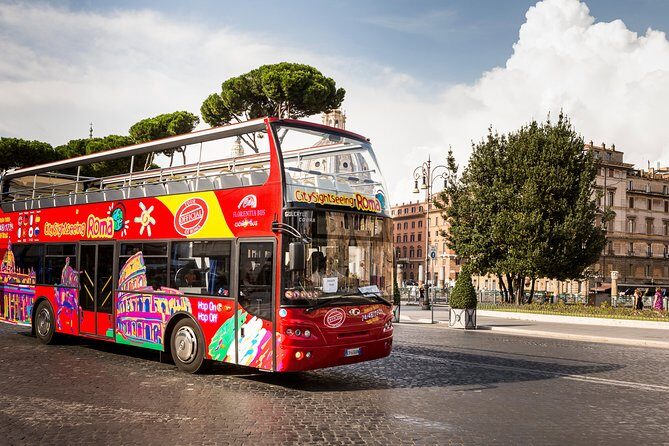
This is a mobile-ticket experience in English, and you board at the listed stops around town. The route includes named terminal points and specific street addresses, including:
- Terminal A at Via Marsala, 7
- Giolitti at Via Giovanni Giolitti, 38
- Terminal C at Piazza dei Cinquecento
- plus stops for Santa Maria Maggiore, Circo Massimo, Piazza Venezia, Vaticano, Piazza di Spagna, and Piazza Barberini
Here’s the key practical tip: build in extra time on your first boarding. Several riders reported that finding the right pickup spot wasn’t always obvious. Before you travel, open the official info in your phone and compare it with where you’re standing, not just the neighborhood name.
Also, keep an eye on the app and bus tracker if provided for your service day. A few people found tracking unhelpful, but it’s still the best way to reduce guesswork when you’re trying to catch your bus at a busy curb.
The route loop, stop-by-stop: what each area is good for
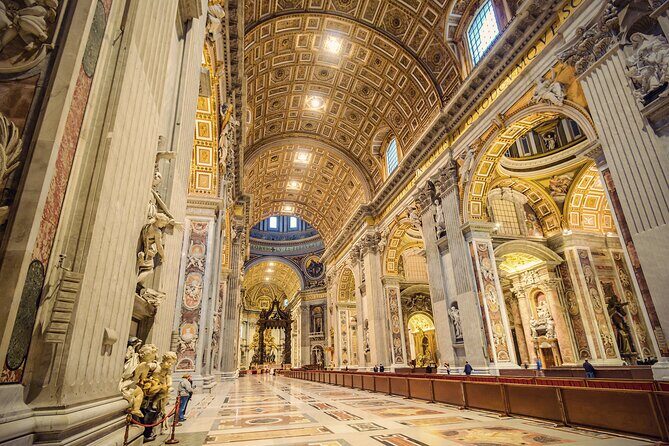
Think of this loop as a long, narrated hallway through Rome’s headline zones. Use it to hop out for photos, quick walks, and then longer visits on your own.
Terminal A (Via Marsala, 7): start with options
This is the “easy begin” point for people who want to start their day near central transit areas. From here, you can shape your day without overcommitting: ride a few stops, get your bearings, then hop off when a monument looks right for your energy level.
If you’re sensitive to waiting, consider getting on early. Rome delays tend to cascade when buses bunch up.






Giolitti (Via Giovanni Giolitti, 38): a major hinge point
Giolitti is another central stop and shows up as a named point on the route. It’s also the departure location for the optional night tour, which can matter if you’re planning evening sights.
If you’re using the bus as “transport between areas,” this stop is a convenient place to restart later in the day.
Terminal C (Piazza dei Cinquecento): a good waypoint
Piazza dei Cinquecento is listed as a terminal on the route. It’s useful as a mid-ride regroup spot when you want to reboard without backtracking across neighborhoods.
If you’re watching the clock, try to avoid getting off too late here unless you’re okay with walking back later, because the loop can slow when traffic tightens.
Santa Maria Maggiore (Via dell’Esquilino): classic basilica zone
This stop is built around Santa Maria Maggiore. If that’s on your must-see list, hop off here and plan a focused visit. This is the kind of stop where the bus does its job—place you near a major church—then you do the real exploring on foot.
A nice mindset: don’t try to “do everything” at one stop. Pick a route that fits your time and energy.
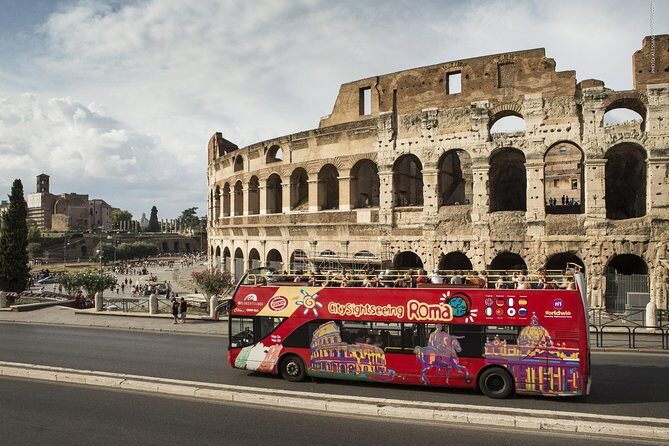
Colosseo (Via di San Gregorio): temporarily suspended stop
Important: the Colosseo stop is marked as temporarily suspended until further notice. If you were counting on this stop for easy access to the Colosseum, plan for an alternate approach—use nearby stops and walk, or rearrange your day.
This is the single biggest itinerary-variable in the provided info, so check closer to your travel date and keep a backup plan.
Circo Massimo (Piazzale Ugo la Malfa): space for a wide-sky break
Circo Massimo is listed as a named stop. This is a great place to hop out if you want Rome to open up a little—less “tight streets, no breath,” more room for a breather and photos.
If your day includes a lot of indoor time, this is the opposite: a stop designed for outdoor wandering.
Piazza Venezia (Via del Teatro di Marcello, 12): the dramatic center
Piazza Venezia is one of the tour’s headline stops. It’s where you can aim for the large monument area tied to Vittorio Emanuele II (the tour info calls out this landmark), and it’s a classic “pause and take it in” moment.
This stop is also good for planning. If you’re tired, you can choose a nearby easy walk. If you still have energy, you can keep going from here on foot.
Vaticano (Lungotevere Tor di Nona, 7): for Vatican-area walking
The route includes a Vaticano stop and the tour overview explicitly references walking in Vatican City. This is the point where the bus starts to feel less like sightseeing and more like “scaffolding” for your walk plan.
If you have the Vatican on your day plan, treat this stop like your launch pad: hop out, check your route and timing, then move at your pace.
Piazza di Spagna (Via Ludovisi, 47): a shopping-and-stroll stop
Piazza di Spagna is on the itinerary, and it’s a great area for lingering. This is the kind of stop where you can slow down, browse, and connect the Rome you see from the bus with the streets you actually walk.
It’s also handy if you want a break from long museum-style commitments.
Piazza Barberini (Via Barberini, 2): wrap the ride with a classic Rome feel
Piazza Barberini is the last named stop on the loop list. If you end here, you’ll be positioned for a convenient finish—then you can decide whether to continue by walking or shift to another transit method.
This stop is also good for pacing your day: hop off near the end and focus on one last area rather than trying to sprint through everything.
Audio guide and Wi‑Fi: how to make the ride actually help
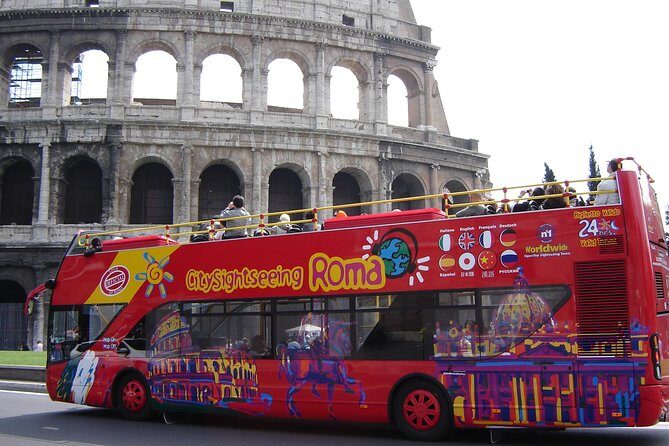
The onboard experience isn’t just “sit and look.” You get an audio guide in English and seven other languages, designed around what you pass.
I like this setup because it turns the ride into a moving context lesson. Instead of staring out the window at random stone, you hear what it is and why it matters. Even if you only catch bits of narration while the bus slows in traffic, it’s enough to help you connect sights later when you’re walking.
Then there’s the free onboard Wi‑Fi. Use it like a tool, not entertainment:
- check where the bus is if you’re planning your next hop
- map your walking route from the stop you just got off
- share photos while they’re fresh in your camera roll
Comfort notes that matter in real Rome weather
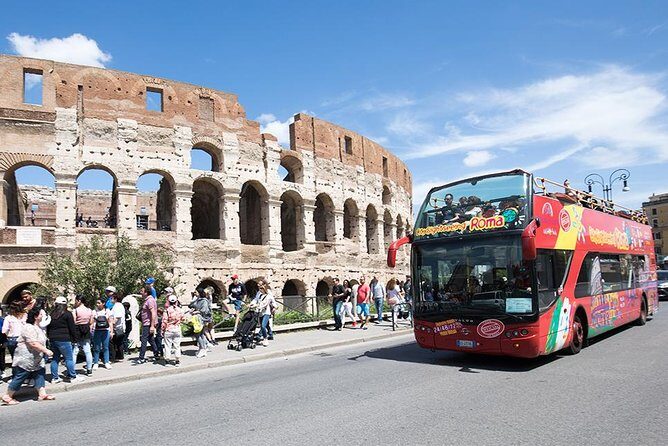
Two comfort factors show up in the provided information and the practical experiences people described:
1) Upper-level coverage varies. On rainy days, the upper deck can be cold, wet, and windy because it’s not fully covered. If rain is possible, dress for it.
2) Views can depend on where you sit. One common complaint was that the roof setup can limit sightlines unless you’re seated where you have the best angle.
Also, bus seating can feel hard for some people. If you’re sensitive to discomfort, bring a small layer or consider choosing where you sit strategically so you can see without craning.
When Rome traffic makes the loop feel long
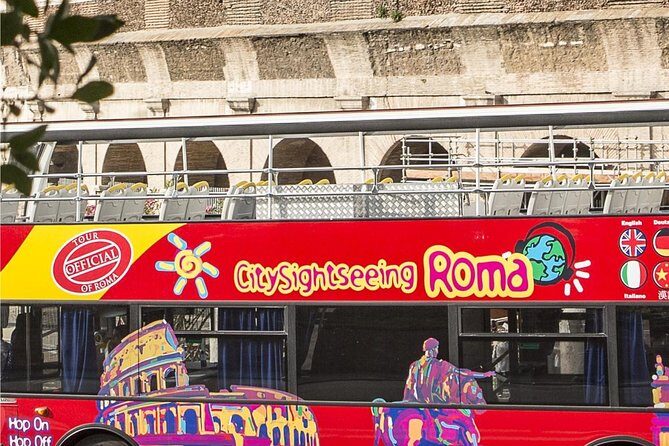
Rome traffic is the tour’s biggest wildcard. Several people described:
- long waits at stops
- unclear scheduling on the day
- buses being crowded
- delays that cut into how many sights they felt they could realistically do
This doesn’t mean you shouldn’t buy the ticket. It means you should use it with the right expectations.
My go-to strategy for a tour like this:
- Treat the bus as transportation with commentary.
- Use your hop-offs for short, high-impact walks.
- Don’t plan your tightest appointment for the moment right after a likely traffic chokepoint.
If you’re traveling on a day with major events (marathons, protests, special restrictions), have a fallback. The city can shut down parts of the route, and some stops can be impacted.
The Jubilee Line option: extra ride if you selected it
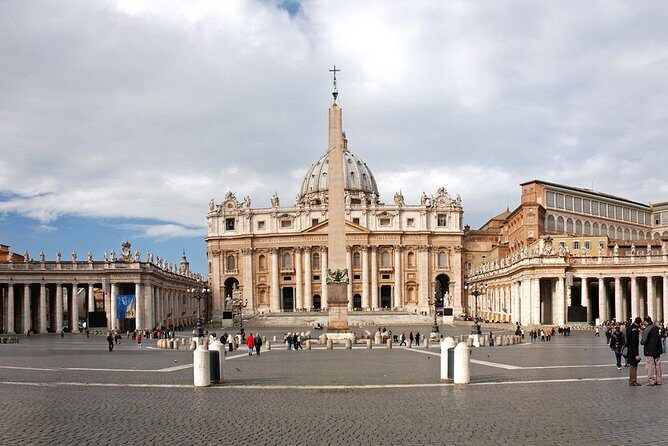
Your ticket details mention an included Jubilee Line component, operated by Vatican & Rome Open, tied to a City Sightseeing ticket option. That means you might be able to add a second style of loop beyond the regular one, depending on what’s selected and operating that day.
In the same spirit, people described getting to do more than one loop on certain days when conditions allowed. If this option matters to you, double-check what’s actually activated for your ticket before you rely on it.
Night tour: one loop, and it’s not hop-on hop-off
If you choose the night tour, the provided info is very clear about two points:
- It leaves only from Via Giolitti, 32
- It’s one loop only, not hop-on hop-off
It runs about 90 minutes, and departure at 21:00 could be delayed up to 15 minutes for operational reasons, while the service is still guaranteed.
In plain terms: the night tour is best for a relaxed evening orientation, not for building a flexible schedule around night museums you must catch.
So who is this bus for?
This works best if you:
- want a fast orientation on your first day
- like audio narration and want help picking which areas to return to later
- prefer hopping between major zones instead of committing to long walks back-to-back
- want an easier “between stops” day when you’re tired or the weather is harsh
It may feel less satisfying if you:
- want a perfectly timed, appointment-friendly itinerary
- expect all stops to be available every day (Colosseo can be suspended)
- hate waiting and get frustrated easily by traffic-driven delays
Should you book this hop-on hop-off bus?
Yes, with conditions.
Book it if you’re using it as a flexible spine for your day: hop off at the headline areas you care about, then spend more time on foot where you want depth. The combination of English audio and free Wi‑Fi makes it easier to turn a bus ride into a real planning tool, not just a slow ride through traffic.
Skip it or plan extra backups if you need Colosseo access right now (that stop is listed as suspended) or if your schedule is tight on a day with likely disruptions. If you do book, build your day so that your most important walking time comes after you’ve had a chance to get your bearings.
If you want, tell me your travel dates and whether you’re aiming for Vatican + Colosseum + a specific afternoon plan. I can help you choose the best stops to prioritize with the realities of Rome traffic.
FAQ
How long is the full loop on this hop-on hop-off bus?
The full loop is listed as about 1.5 to 2 hours.
Is there onboard audio, and is English available?
Yes. The bus offers onboard audio commentary in eight languages, and the service is offered in English.
Do I get free Wi‑Fi on the bus?
Yes. There is free Wi‑Fi onboard.
Is food and drinks included?
No. Food and drinks are not included.
Can stops change or be restricted in Rome?
Yes. The operator warns that Rome Municipality Authority may impose new regulations that can restrict access or impact stops without warning, and some areas can be affected on Sundays and selected public holidays.
Is the Colosseo stop available?
The Colosseo stop is currently listed as temporarily suspended until further notice.