REVIEW · COLOSSEUM TOURS
Roma: Colosseum, Forum, and Palatine Hill Local Guided Tour
Book on Viator →Operated by Tours and the City · Bookable on Viator
Three ancient stops in one run.
This guided circuit is a smart way to handle Rome’s biggest crowd magnets without turning your day into chaos. You’ll move between three sites that sit close together, all while hearing the story of what happened there and why it mattered, from the arena showdowns at the Colosseum to the founding legends on Palatine Hill, then into the daily power center of the Roman Forum.
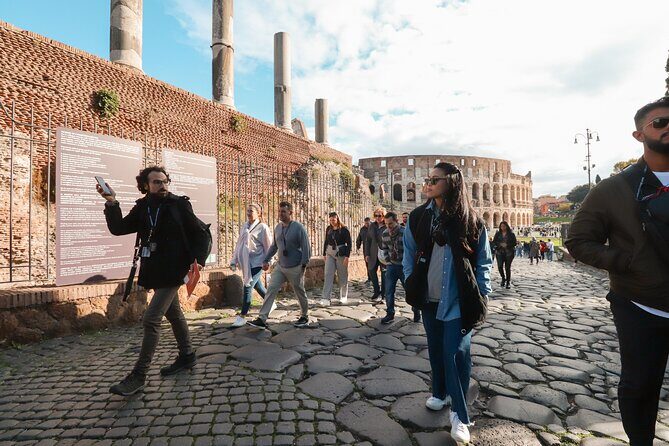
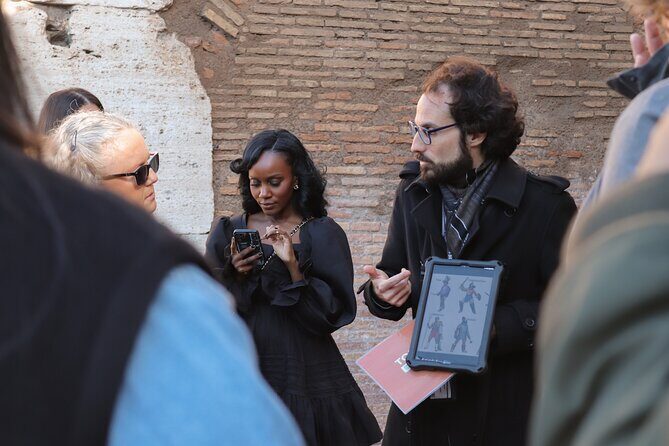
I especially like the headsets. They make the guide’s explanations easy to follow even when you’re wedged with other people. I also like that it stays small, with a max of 25, so the guide can actually keep track of everyone through the lines and tight walkways.
One thing to plan for: the tour is strict about ID and names/ages on the tickets. If your details don’t match your official ID, entry can be refused, and there’s no quick fix at the gate.
In This Review
- Key highlights you will feel right away
- From Arch of Constantine to Via dei Fori Imperiali: logistics that prevent stress
- Colosseum first: gladiators, politics, and the arena’s surprising details
- Palatine Hill: the founding legend and the views over the Forum
- Roman Forum and Via Sacra: where politics, trade, and ceremony meet
- The guide and headsets: hearing the story in real crowd conditions
- Pacing, walking, and weather: plan like Rome has its own rules
- Price and value: what you’re really paying for
- Who this tour suits best (and who might want a different plan)
- FAQ
- What sites are included in the tour?
- Is admission included in the price?
- How long is the tour?
- Do I need a headset?
- Where do we meet and where does the tour end?
- What documents are required for entry?
- Is the tour in English only?
- Final verdict: should you book this Colosseum–Forum–Palatine Hill tour?
Key highlights you will feel right away
- Headsets for clear narration in loud, crowded spaces
- Small group size (max 25) so the tour doesn’t feel like cattle
- Ticketed entry included for the Colosseum, Palatine Hill, and Roman Forum
- A guide-led route built to keep the pacing manageable across three major sites
- Stays focused on the “why” behind what you’re seeing, from politics to daily life
From Arch of Constantine to Via dei Fori Imperiali: logistics that prevent stress
This is a classic Rome “start here, end there” arrangement, which is exactly what you want when time is tight. You meet at the Arch of Constantine on Piazza del Colosseo (near the main exit), then finish near Via dei Fori Imperiali. That means you’re not spending your day backtracking across the same area.
The tour is designed to run about 2 to 3 hours, which fits well if you want the big-ticket history without losing an entire day. It also keeps you moving between sites that are close enough to connect smoothly, but still far enough that you’ll feel like you changed scenery in each stop.
One practical detail I appreciate: the start order can vary. The tour may begin at the Colosseum or at Palatine Hill and the Roman Forum, depending on operations. Either way, you’ll get updated timing and guide info through WhatsApp, iMESSAGE, or email a few hours before, so you’re not guessing at the last minute.
If you’re deciding whether to book, here’s the big takeaway: the tour handles the part that usually derails first-timers—getting in and staying oriented—so you can spend your attention on what you’re actually looking at.
You can also read our reviews of more guided tours in Rome



Colosseum first: gladiators, politics, and the arena’s surprising details
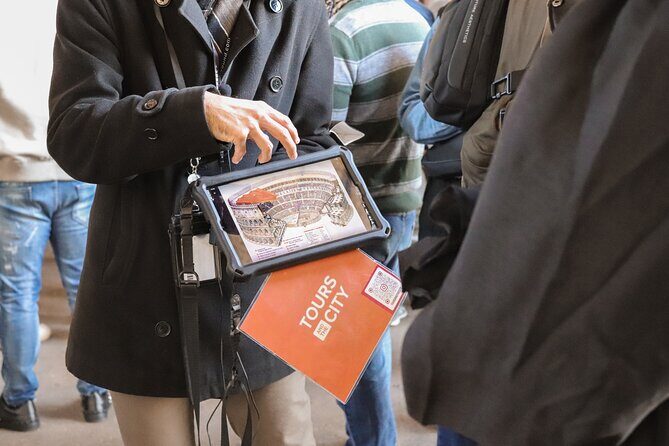
The Colosseum stop is where Rome’s drama gets real. You’ll start with the amphitheater itself and the way it worked as both entertainment and political theater. A good guide makes the difference here, because the stones are impressive, but the meaning is what turns it into a story.
You’ll hear about how battles played out not just through fighting, but through power and messaging. That’s also where the tour’s “pop culture corrections” can be fun. You might learn that the movie version, Gladiator, doesn’t match everything you can infer from the real site. You’ll also hear about ancient engineering tricks that allowed the Romans to stage spectacular events, including the idea of naval-style re-enactments in the arena.
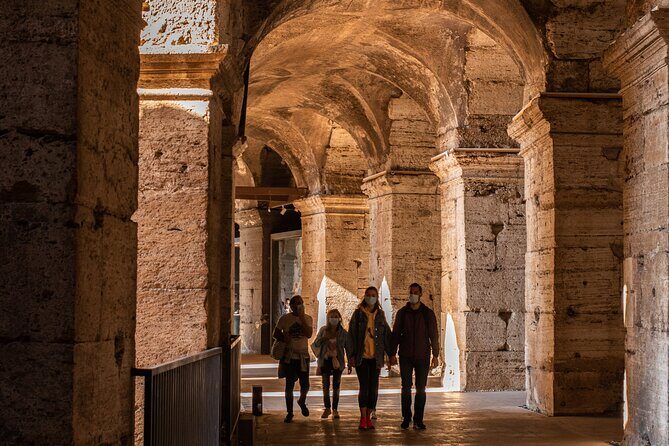
Expect your group to focus on key sightlines and major architectural cues rather than wandering aimlessly. The payoff is that you start recognizing how the Colosseum was organized—levels, entrances, and the logic of moving crowds. It helps a lot if you’ve only ever seen the Colosseum in photos, because in person you notice how practical the design had to be.
At this stop, your guide is also managing time inside a site that can feel like a living puzzle. That’s where the headsets matter. The audio support is especially useful when you’re trying to listen while people stop for photos or squeeze past.
Palatine Hill: the founding legend and the views over the Forum
Next comes Palatine Hill, and it’s a nice change of pace. After the Colosseum’s intense scale, Palatine Hill gives you context—the “why Rome started here” angle. The tour frames it around the founding legend: Romulus choosing Palatine Hill to establish the city in 753 BC, and the sibling tragedy tied to Remus. Even if you treat the story as myth, it’s valuable because it explains how Romans themselves connected identity to place.
This stop also offers something practical: views. The Palatine Hill viewpoints look over toward the Roman Forum, so you’re not just hearing about the Forum—you’re seeing the layout from above. That helps you understand how the Forum could function as the daily center of gravity for the city.
Because Palatine Hill includes uneven ground and steps, this part is one of the first moments you’ll feel the walking. It’s not a hike, but it’s not flat either. If you’re traveling with kids or anyone who tires quickly, plan for short pauses. The guide will keep you moving, but you’ll want comfortable shoes and a little patience.
The best use of time here is listening for connections: why Palatine Hill is positioned as the “origin zone,” and how that storyline links to what you’ll see next. When you walk down toward the Forum, the story starts making sense in a new way.
Roman Forum and Via Sacra: where politics, trade, and ceremony meet
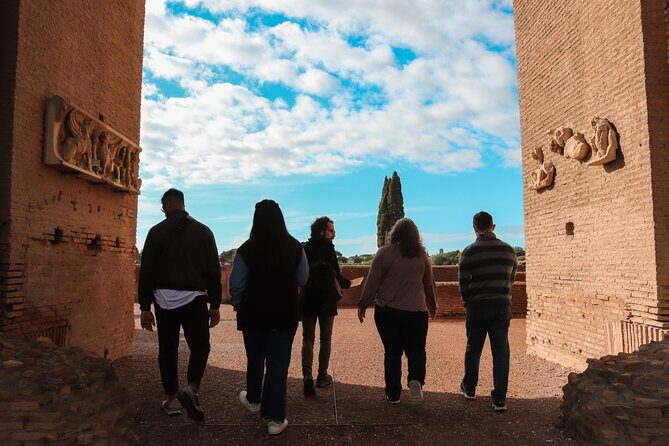
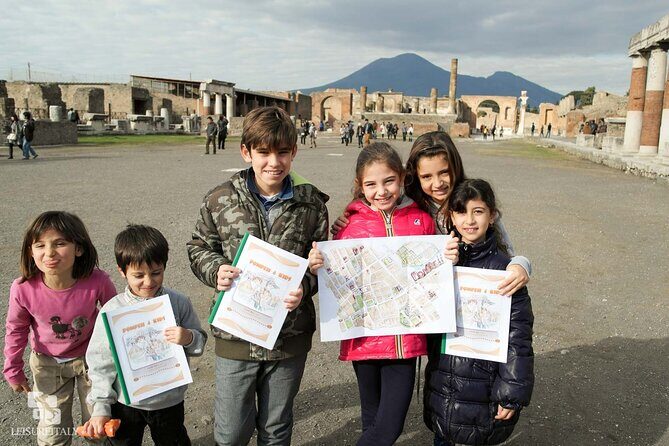
Then you step into the Roman Forum—often the hardest site to appreciate without a guide, because it’s a mix of ruins, pathways, and scattered stone fragments. With narration, those stones stop looking random. They become locations tied to real routines: commerce and trade, political rallies, military processions, and public religious life.
You’ll also cover the Via Sacra, the Sacred Way—the main ceremonial route. This part works especially well when your guide points out how routes and buildings relate to audience movement. The Forum wasn’t built for people to stand still. It was built for people to pass through, gather, argue, and watch.
One of the most memorable angles is the blend of everyday business with official ritual. The tour includes mentions of events connected to the Vestal Virgins and how sacred ceremony sat inside the city’s political and commercial flow. That combination is one of the reasons the Forum feels like more than a ruin field: it feels like a stage where roles change daily.
The pacing on this stop is important. It can get crowded, and it can be tempting to push for photos. With a group plan and headsets, you can do both—listen to the explanation and still take photos where the sightlines are best. The guide keeps you from getting stuck in the wrong place while the group needs to keep flowing.
The guide and headsets: hearing the story in real crowd conditions
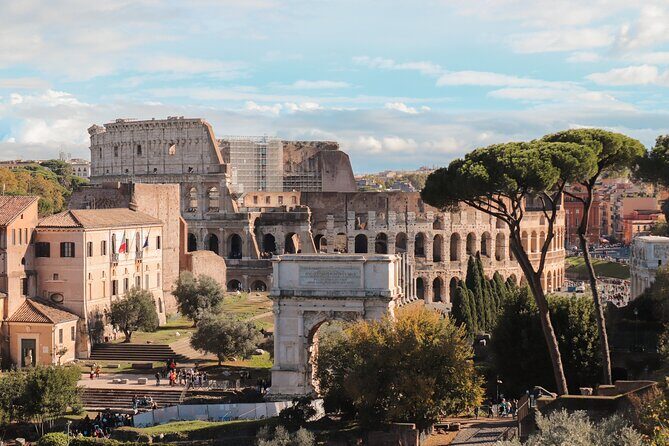
The best thing about this tour is how it manages the main enemy: noise and crowd pressure. The headset system means you’re not relying on shouting across a plaza. You can actually follow the guide’s thread while moving through tight areas.
The tour also works hard to stay organized. People have praised how easy it was to find the meeting spot and how smoothly the route runs even during peak times. The small group size helps a lot here. When you’re with a max of 25, it’s easier for the guide to keep an eye on pace and attendance, especially when you’re bouncing between three different entrances and paths.
It’s also worth noting the range of guide styles you might experience. Names that have shown up in guides include David, Francesca, Michela, Giordano, and Ramona. What ties these different guides together is the ability to explain what you’re seeing in clear, practical language—so you don’t just hear facts, you understand how the site functioned.
If you get one tip from this section, make it this: use the headset early. The best guides don’t just “start talking.” They quickly set the map in your head, so every next stop feels like a continuation, not a reset.



Pacing, walking, and weather: plan like Rome has its own rules
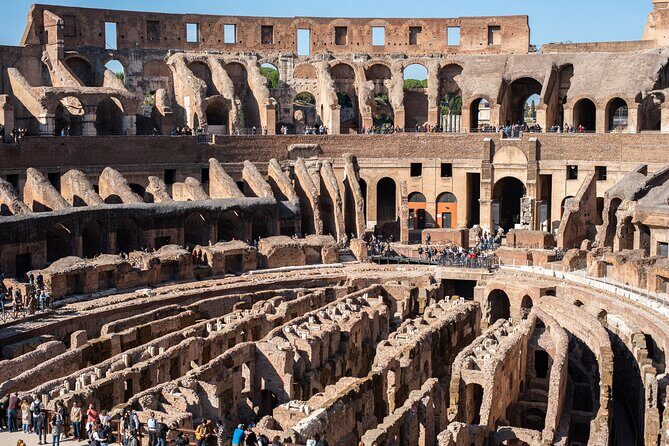
This tour is listed for moderate physical fitness, and that’s accurate. You’ll do a fair amount of walking, plus steps and uneven ground inside historic areas. It’s not a strenuous trek, but it is a “good shoes” experience.
I strongly recommend you come ready for weather extremes. In summer heat, you can get cooked faster than you expect. One common piece of advice from participants: bring lots of water, wear sunscreen, and pack a hat or umbrella if you’re sensitive to sun. In winter or cold snaps, you might be grateful for a guide who offers warmth—one guide even brought a scarf on a very cold day, which is a nice reminder that Rome weather can swing.
Also plan for crowd timing. Even when entry is efficient, you’re still inside Rome during the busiest hours, so your time won’t feel empty. This is why the 2 to 3 hour format works. It’s long enough to understand three sites, but short enough to keep you from turning the day into one long wait.
If you need a bathroom stop, the tour can include a pause for it when appropriate. That sort of real-world flexibility matters more than you’d think until you’re inside the Forum and trying to work it out mid-tour.
Price and value: what you’re really paying for
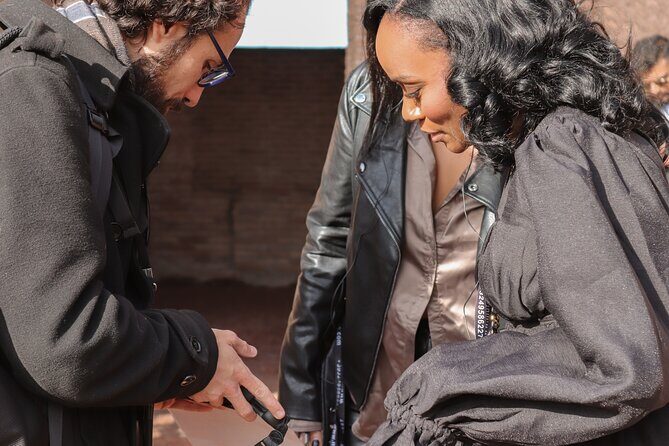
At $71.38 per person, this tour can feel like a bargain once you break down what’s included. You get adult entry tickets for the Colosseum, Palatine Hill, and Roman Forum included in the price, each listed at €18.00. That’s admissions handled for you, plus a Colosseum reservation fee valued at €2 per person.
So your money isn’t just going to a guided walk. You’re paying for a package: guide time, the headset system, and the ticket setup that keeps you from juggling multiple entry purchases while trying to coordinate a route.
The math won’t beat every DIY plan, especially if you love organizing everything yourself. But if you’d rather show up, get oriented, and spend your attention on meaning, the value is strong. It’s the same reason people often like guided runs through big sights: the guide is buying you clarity and momentum at the same time.
One more value point: this is built around three sites that are expensive in time and attention. The Colosseum alone can swallow an entire visit if you’re figuring it out from scratch. Add Palatine Hill and the Forum, and you’ll be glad someone plotted a route that keeps you from wandering.
Who this tour suits best (and who might want a different plan)
This is a great fit if you:
- Want the big Roman highlights in one stretch without spending your day sorting logistics
- Like history explained in plain language with a map in your head as you walk
- Travel with kids or anyone who will enjoy guidance to keep the day moving
It may be less ideal if you:
- Want a slow, independent pace with lots of free time in just one site
- Are sensitive to heat or stepping around uneven ground
- Don’t want to follow the strict ID and name/age requirements on tickets
Also keep in mind that the tour is English only, so it won’t work if you need another language.
If you prefer total control, a self-guided approach can work. But in Rome’s busiest ancient zones, the guided structure is what keeps you from feeling lost, especially at the Forum, where ruins can look the same until you know what you’re standing on.
FAQ
What sites are included in the tour?
You’ll visit the Colosseum, Palatine Hill, and the Roman Forum, including the Via Sacra area.
Is admission included in the price?
Yes. Adult entry tickets for the Colosseum, Palatine Hill, and Roman Forum are included, along with a Colosseum reservation fee.
How long is the tour?
It runs about 2 to 3 hours.
Do I need a headset?
Yes, headsets are included so you can hear the guide’s commentary inside the busy sites.
Where do we meet and where does the tour end?
You meet at the Arch of Constantine on Piazza del Colosseo, and the tour ends on Via dei Fori Imperiali, at the main exit area.
What documents are required for entry?
You need official ID/driver’s license, and the ticket details must match the names and ages provided at booking.
Is the tour in English only?
Yes. The tour is English language only.
Final verdict: should you book this Colosseum–Forum–Palatine Hill tour?
Book it if you want a well-structured Roman highlight day with tickets handled, headsets included, and a guide who helps you understand what you’re looking at instead of guessing. The small group size and headset system are the real difference-makers when Rome gets crowded.
Skip it (or consider another style) if you want lots of free roaming time, have trouble with walking and steps, or aren’t ready to follow the strict ID and ticket name/age requirements. If you’re prepared, this is one of the most practical ways to see Rome’s core ancient landmarks in a single, coherent run.