REVIEW · PANTHEON TOURS
From Bones to Gods: Capuchin Crypt to Pantheon walking tour
Book on GetYourGuide →Operated by Rome - Tour · Bookable on GetYourGuide
Bones and gods, in one tidy walk. This tour strings together the Capuchin Crypt (bone chapel) and the Pantheon (ancient temple turned church) with a stop at Trevi Fountain, so you see Rome in a way that feels both odd and somehow fitting. What makes it work is the guide’s storytelling—legends, facts, and context that help the stops click instead of turning into separate photo ops.
I especially love that the two big timed visits include entry—your Pantheon ticket and your Capuchin Museum/Crypt access are handled. Second, I like that the tour is short enough to feel efficient but not rushed to the point where you miss the mood. One drawback to plan around: the sites have dress-and-bag rules, and you’ll want comfortable shoes and no big luggage.
In This Review
- Key highlights to expect on this Rome walk
- Bones, gods, and one smart route across Rome
- Capuchin Crypt: the bone chapel experience (and the rules that matter)
- Trevi Fountain: what you see in 30 minutes (and how to enjoy it)
- Pantheon: a temple’s transformation you can actually follow
- Walking pace and meeting points: how to plan your start
- Cost and value: is $76 a fair deal for Rome?
- What to wear and bring (so you don’t lose time)
- Who this tour suits best
- A balanced expectation check: what this tour is and isn’t
- Should you book this Capuchin Crypt to Pantheon tour?
- FAQ
- How long is the tour?
- How much does it cost?
- What’s included in the price?
- Where does the tour start and finish?
- What languages are offered for the live guide?
- What should I wear or bring?
- Is the tour cancellable?
Key highlights to expect on this Rome walk
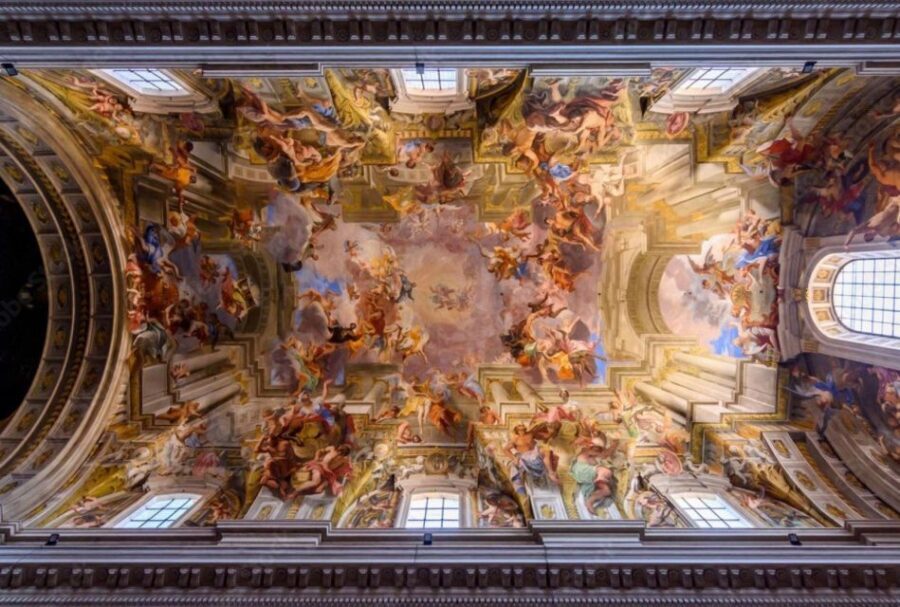
- Capuchin Crypt visit with guided time inside the bone chapel and its small museum space
- Pantheon guided stop including your entry ticket and the full “temple to church” story
- Trevi Fountain on the way with guided context, not just a quick stop for selfies
- Legends and guided storytelling that connects pagan Rome to later Christian Rome
- Friendly pacing for small groups and even solo bookings, so questions aren’t awkward
- Finish near Piazza Barberini, which makes it easy to keep walking afterward
Bones, gods, and one smart route across Rome
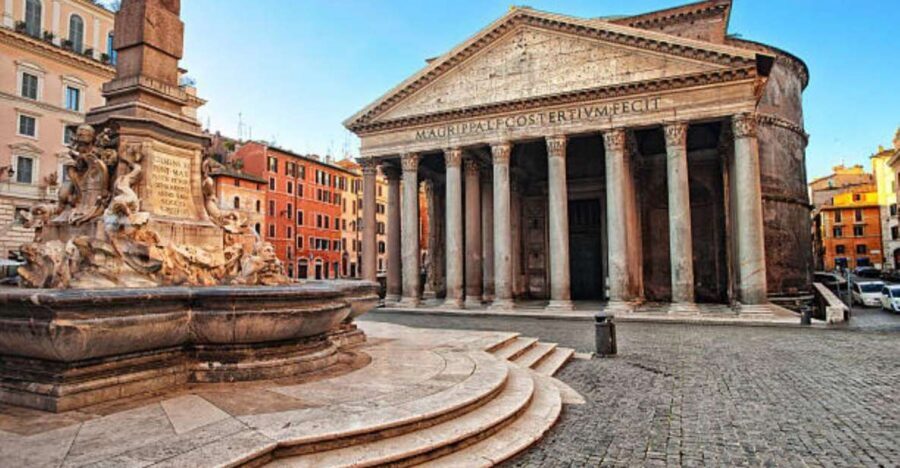
This is a tight, 2-hour walking tour that links three famous Rome sights—Capuchin Crypt, Trevi Fountain, and the Pantheon—into one continuous storyline. The trick is that the tour doesn’t treat these places like checkboxes. Instead, it frames them as stages of Rome’s long memory: death and art at the crypt, myth and spectacle at Trevi, and old-world religion turning into new-world meaning at the Pantheon.
The group format is private or small groups, and the vibe you’re aiming for is chat-friendly. In practice, that means if you’re traveling solo, you can ask questions and take your time without feeling like you’re holding everyone up.
Duration is short, but the time is placed where it counts. You get a longer guided visit at the crypt, then shorter guided blocks at Trevi Fountain and the Pantheon—enough to understand what you’re looking at, and not so long that you feel trapped inside a schedule.
You can also read our reviews of more walking tours in Rome



Capuchin Crypt: the bone chapel experience (and the rules that matter)

The tour starts with the Capuchin Crypt area, and you’ll spend about 45 minutes on this first guided segment. The concept is already unusual—bones and artistry mixed into a single devotional display—but what makes it memorable is that it isn’t presented as just macabre décor. The guide explains the religious and cultural angle behind the Crypt, and you’ll hear stories connected to the Capuchin monks and how the display fits their worldview.
A couple practical notes that help you prepare:
- The crypt experience has no photography allowed, so don’t plan to document it like you would a museum gallery.
- You’ll be dealing with an indoor setting where you may want to listen carefully—this is not a “walk past and glance” stop.
Some people love this site for its shock factor; others find it moving in a quieter way. Either way, go in with an open mind. It’s one of those places where the guide’s tone makes a difference—several guides have been praised for making the experience feel respectful, and not just weird for weird’s sake.
If you’re curious about who might lead you, names like Gabriela/Gabriella and Joseph come up in the guide stories connected to this route, along with Alma and Clara. That matters because the tone can range from brisk and factual to genuinely reflective—and on this topic, both approaches can work, but you’ll feel the difference.
Trevi Fountain: what you see in 30 minutes (and how to enjoy it)
Next comes Trevi Fountain for about 30 minutes. This is where Rome flexes its drama: crowds, architecture, legends, and that classic coin-toss moment. The guide’s job here is to give you something to look for beyond the obvious. Instead of treating Trevi as a pause for photos only, the narration ties it to Rome’s habit of turning belief, ritual, and storytelling into public spectacle.
Is 30 minutes enough? Yes, if you focus. Here’s how to make it feel worth it:
- Aim to understand the setting first, then do your photos after you know what you’re looking at.
- Use the time to watch the crowd flow. It’s busy, and a little patience turns a frustrating stop into a people-watching break.
The tour keeps Trevi fairly contained, so if you’re the type who wants to linger for an hour or two with gelato and endless angles, you might need extra free time afterward. But for most visitors, this timing hits the sweet spot: you get the moment without turning your day into queue management.
Pantheon: a temple’s transformation you can actually follow
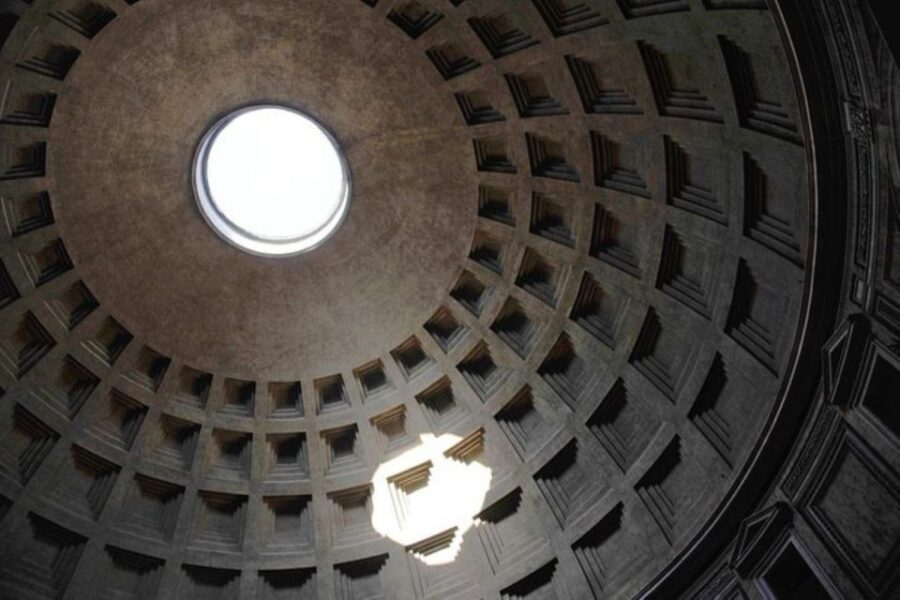
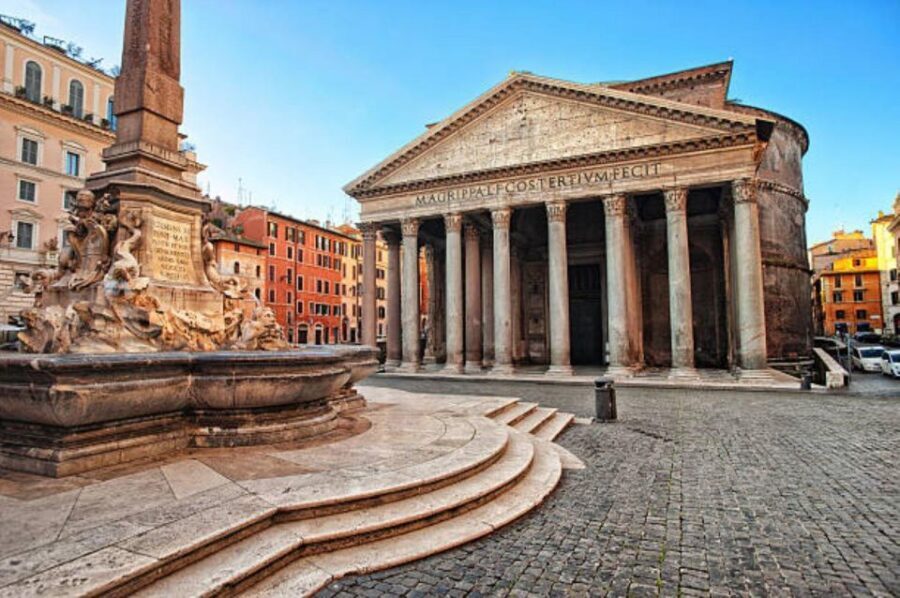
The final stop is the Pantheon, with about 30 minutes guided inside the monument. The guide frames it as an ancient structure from 25–27 B.C., originally dedicated to the gods of pagan Rome—and later transformed into a church and mausoleum. That single timeline helps you connect the dots fast.
This is also where a good guide really pays off. The Pantheon is famous enough that you can stumble through it on your own and still get the basics. But with a guide, you get stories that explain why it kept mattering through political and religious change. The building becomes less like a photo backdrop and more like a witness to Rome’s shifting beliefs.
You’ll also leave the tour with a clearer sense of what to notice next time you return. Even if you don’t have time for a second visit on this trip, you’ll likely walk away able to interpret what you saw, not just remember that you saw it.
And yes, you’ll have an entry ticket to the Pantheon included in the tour price. That sounds simple, but it’s a big value point in a city where timed entries can otherwise steal time from your day.
Walking pace and meeting points: how to plan your start
This tour is designed to be walkable and timed—so your meeting point matters. You choose from multiple starting options, and the meeting location can vary depending on what you book. The listed starting choices include areas around Barberini and Piazza della Minerva (including an address listed as 72 near that square).
Regardless of which start you select, the tour ends at Piazza Barberini. That finish is convenient because it puts you near more transit and more options for your next meal or stroll without needing to backtrack across town.
What about pace? It’s not a slow amble, because you’re covering three major sights in two hours. Still, the guided segments are substantial enough—especially the crypt—to keep you from feeling like you’re being dragged.
If you’re sensitive to crowd stress, plan your day so you’re not cutting it close to other timed tickets. The faster you go into the tour, the more you’ll get out of it.






Cost and value: is $76 a fair deal for Rome?
At $76 per person for a 2-hour guided walk, this tour is priced like a mid-range Rome experience. What makes it feel fair is the package:
- Your Pantheon entry ticket is included.
- Your Capuchin Museum/Crypt entry is included.
- You get an expert local guide for the walking and narration through the main stops.
Without a bundled guide and bundled tickets, you’d typically have to pay for entries separately and spend time figuring out the story yourself at each location. Here, your time is bought back, which is often the real currency in Rome.
Also, if you’re traveling on your own, the structure still works well. One solo booking was described as smooth and not awkward, with lots of room for questions and taking a bit more time to explore. That’s a strong sign that the tour design supports more than just packed-to-the-gills groups.
What to wear and bring (so you don’t lose time)
This is a practical heads-up section, because it saves you stress.
Bring:
- Comfortable shoes. You’ll be on foot through historic streets and inside religious/museum spaces.
Avoid:
- Luggage or large bags (not allowed).
- Short skirts and sleeveless shirts (not allowed).
If you’re not sure about fit, pick conservative, breathable layers. Rome is hot, but getting turned away over clothing details is a very preventable headache.
Who this tour suits best
This tour works especially well for people who want Rome as a story, not a scrapbook. If you like symbolism—bones as an art form, fountains as ritual, temples as political theology—this route makes those themes connect.
It’s also a good option for:
- Solo travelers who want conversation without a big group dynamic
- Families (the guides have been praised for explaining things to kids while still keeping the adults engaged)
- Couples who want a shared “wow” that isn’t just another skyline view
- Anyone who’s already seen a few classic ruins and wants something different but still very Rome
One more plus: because the tour is short, it doesn’t force you to rearrange your entire day. You can still do gelato, shopping, or a longer evening walk after.
A balanced expectation check: what this tour is and isn’t
This is not a slow, sit-down, linger-everywhere tour. Timings are fixed: crypt gets the most time, Trevi and the Pantheon are shorter guided blocks. If you want deep independent roaming through Trevi or a long stand-alone visit inside the Pantheon, plan extra time on your own after the tour.
Also, the Capuchin Crypt is emotional for some people. If you dislike bone-related displays, you might find it disturbing. The guide’s respectful framing helps, but the subject matter doesn’t change.
Should you book this Capuchin Crypt to Pantheon tour?
Book it if you want a 2-hour Rome story that links three major sights into one coherent arc. The biggest reasons to say yes are the inclusion of entry tickets for the Pantheon and Capuchin Museum/Crypt, plus a guide who’s known for making legends and context feel understandable.
Skip or consider alternatives if:
- You’re mainly after unstructured time at Trevi or the Pantheon and hate timed schedules.
- You’re strongly uncomfortable with the idea of bone displays, even when they’re presented as religious art.
If you’re on the fence, here’s a simple way to decide: if you’d rather learn why these places matter than just capture them, this tour is a solid fit.
FAQ
How long is the tour?
The tour lasts about 2 hours.
How much does it cost?
It’s $76 per person.
What’s included in the price?
You get entry tickets to the Pantheon and the Capuchin Museum, plus an expert local guide.
Where does the tour start and finish?
The start point can vary depending on the option you choose. It finishes at Piazza Barberini.
What languages are offered for the live guide?
The live guide can be in French, English, Spanish, Arabic, Italian, Persian, Portuguese, Russian, or German.
What should I wear or bring?
Wear comfortable shoes. Short skirts and sleeveless shirts are not allowed, and luggage or large bags are not allowed.
Is the tour cancellable?
Yes. You can cancel up to 24 hours in advance for a full refund.