REVIEW · TREVI FOUNTAIN TOURS
Best of Rome Walking Tour including Trevi Fountain
Book on Viator →Operated by Airotour Ltd - Freetourrome · Bookable on Viator
Some streets in Rome feel like history with traffic. This walk is built for fast orientation, with stops at major sights like Piazza Navona and Trevi Fountain, plus a church detour that shows a different side of the city. You’ll also get context for what you’re seeing as you move—exactly the kind of setup that helps later in your trip.
One thing I like a lot is the mix of famous Rome landmarks with a quieter, free church stop, and another is that you’re not stuck with a rigid plan at every photo moment. The main consideration: the Pantheon interior visit isn’t included right now, since you must reserve entry under your own name.
Key things to know before you go
- Trevi Fountain + real photo time so you’re not just sprinting through the crowd
- Piazza Navona and the Pantheon area for a strong first-night Roman overview
- Pantheon interior not guaranteed: the tour focuses on the exterior unless you handle your own reservation
- Small-group vibe with a max of 20 people
- Free church stop at Chiesa di Sant’Ignazio di Loyola (admission free)
- Dress code matters at places of worship, or you may get refused entry
In This Review
- Meeting at Piazza Barberini: how the walk gets you oriented fast
- Trevi Fountain as the centerpiece: why this stop works for first-timers
- Piazza Navona and the biggest square of Rome: what you’ll notice on the walk
- Pantheon reality check: exterior talk now, interior entry later (with your own reservation)
- Chiesa di Sant’Ignazio di Loyola: the free church stop that adds depth
- Temple of Hadrian: a quieter checkpoint with big payoff
- Who you might meet: guides and pacing that can change everything
- Price and value: what you’re really paying for
- Practical tips to get the most out of this exact route
- Should you book this walking tour? My take
- FAQ
- How long is the walking tour?
- How much does it cost?
- What language is the tour offered in?
- Is the tour pay-what-you-wish?
- Will we enter the Pantheon during the tour?
- Where does the tour start and end?
- What’s included, and what isn’t?
Meeting at Piazza Barberini: how the walk gets you oriented fast
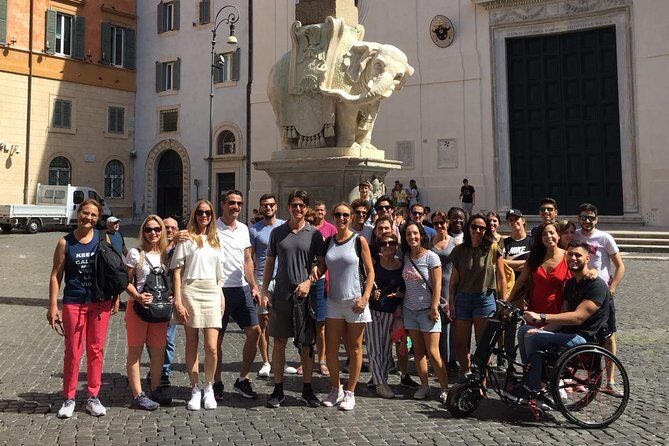
This tour is designed for the first hours (or first day) in Rome mindset. It starts at Piazza Barberini and ends at Piazza Navona, so you get a clear route across the center instead of zigzagging all day. The timing is typically about 1 hour 30 minutes to 2 hours, which is long enough to learn your bearings, but short enough to keep the rest of your day open.
The walking pace is generally described as comfortable. In multiple guide experiences, people highlight that the group had time for photos at the big-ticket spots, and that questions were welcome. That matters in Rome, where the difference between a good walk and a forgettable one is often how much you understand while you’re seeing.
Logistics are simple: it runs in all weather conditions, so wear shoes you can trust on uneven pavement. Also, there’s a dress code for churches and selected museums—no shorts or sleeveless tops, and shoulders plus knees need to be covered. It’s worth packing accordingly if you plan to do other religious sites the same day.
Trevi Fountain as the centerpiece: why this stop works for first-timers
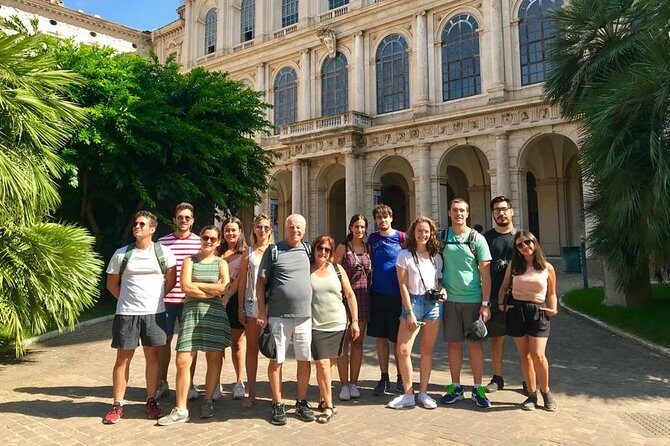
Trevi is the kind of place where you can easily waste time. The crowd can be thick, people block each other, and it becomes a frantic guessing game: where do I stand, how close can I get, and when will I have a chance to actually enjoy it?
This tour is built to help you handle that. Trevi Fountain is treated as a major moment, not a quick stop. Guides on this walk are repeatedly praised for giving enough time for pictures and for pointing out what to watch for while you’re standing there—plus practical tips like warning about pickpockets in a crowded area. It’s a small safety step, but it changes how relaxed you feel while you’re photographing.
Even if you’ve seen photos of Trevi a hundred times, being there with context helps. You start noticing the details more than the myth of it, and you also understand why this fountain sits in the middle of Rome’s social life.
One heads-up: some experiences mention feeling rushed when crowds were heavy. If you’re the type who needs to linger, aim for a time of day when you’re not already exhausted, and be clear with the guide if you want extra seconds for photos.
You can also read our reviews of more walking tours in Rome



Piazza Navona and the biggest square of Rome: what you’ll notice on the walk
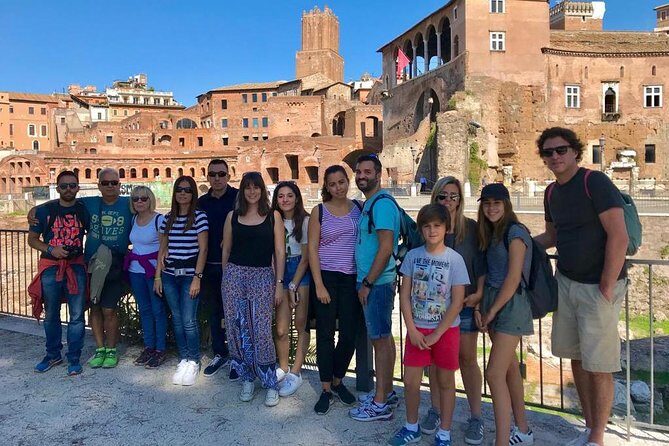
The tour moves from the meeting area toward Piazza Navona, often described as the biggest square of Rome in this format. This is a smart inclusion because Piazza Navona is one of those rare Roman places that hits multiple needs at once:
- it’s instantly recognizable,
- it visually teaches you what a public space in Rome is supposed to feel like,
- and it helps you understand why Rome keeps pulling you back to its squares.
You’ll likely pass nearby highlights as you go, and the guiding is meant to make the street-level scene readable. A good version of this walk helps you understand the difference between a building you’re seeing and a building you’re actually learning from.
People consistently praise the guides for being personable and flexible—stories and explanations that make the sites feel connected rather than random. In real-life terms, that means you stop thinking of Rome as a list and start seeing it as a system.
Pantheon reality check: exterior talk now, interior entry later (with your own reservation)
This is the biggest practical twist on this tour, so don’t let it sneak up on you.
Right now, Pantheon interior entry is not included. Entry requires a mandatory individual reservation, and the reservation must be made under your own name. The tour can’t book it on your behalf, so the group does not go inside during the tour. What you do get is a detailed explanation and insights from the exterior.
After the tour, you can revisit the Pantheon at your convenience and make your own arrangements to enter. If you’re planning your whole Rome day around the Pantheon, you’ll want to set a plan for that in advance—otherwise you’ll stand outside with excellent commentary and a door you can’t yet use.
This can actually be a good setup for many travelers. Instead of spending your guided time waiting in a potentially slow queue, you get the key context first, then decide whether to return for interior time when it suits your schedule and energy.
Chiesa di Sant’Ignazio di Loyola: the free church stop that adds depth
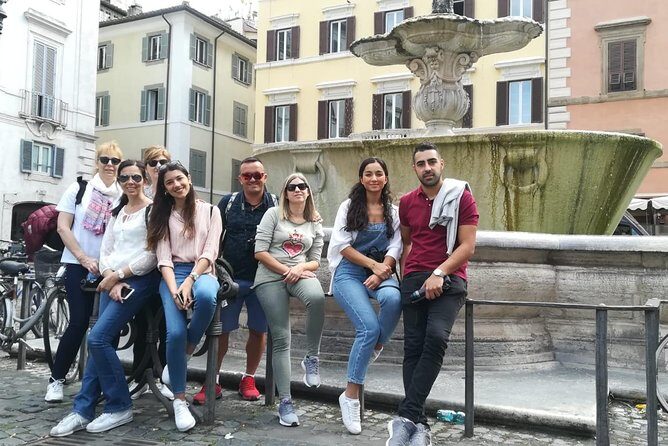
One of the best value moments in the itinerary is Chiesa di Sant’Ignazio di Loyola, which has free admission. Even if you’re not a church-architecture expert, this stop tends to work because it breaks the pattern of only chasing the famous outdoor landmarks.
Church interiors in Rome are often where you learn to slow down. You start looking up—literally—and you pick up the cultural habit of Rome: art and faith as everyday experiences, not museum-only objects. The fact that admission is free gives you a chance to take advantage of a high-impact stop without paying an extra fee.
You’ll also need to remember the dress code here: knees and shoulders covered. If you’re traveling in warm weather, it’s worth having a light layer that covers your shoulders. Getting refused entry is one of the most frustrating ways to lose time on a short trip.
Temple of Hadrian: a quieter checkpoint with big payoff
Another stop on the route is the Temple of Hadrian. This is one of those Rome sites that can look small from street level, but it’s valuable to see with a guide because you get the context for what you’re looking at and why it mattered.
Why this matters on a walking tour: Rome’s center contains lots of fragments—arches, columns, elevations that feel like they’re part of a bigger story. A guide helps you connect the shapes you see to the role they played in the city’s past. It’s how you turn a “seen that” moment into a “now I get it” moment.
Even if you don’t spend a long time here, the stop helps the tour feel more like a guided walk through ideas rather than a sprint between postcards.






Who you might meet: guides and pacing that can change everything
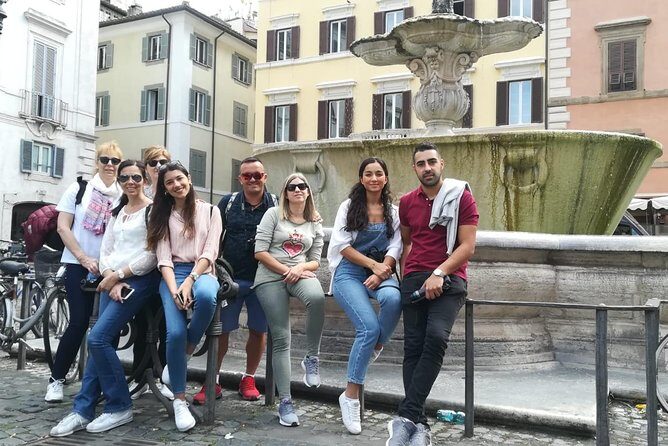
A walking tour lives or dies on the guide’s storytelling and group management. This one shows a wide range of guide styles in the feedback, which is good news because it means you’re likely to find a person who clicks with your travel pace.
Names that come up include Fabian, Akra, Caitlin, Axel, Camilla, Angela, and Etienne—and the common thread is that guides are praised for being friendly and helpful, with explanations that make the landmarks feel less random. Some guides also proactively warn about scams like pickpocketing near the densest attractions.
Pacing is another factor. Many people mention not-too-strenuous walking, enough time for photos, and the ability to ask questions. Others report feeling rushed at the Trevi moment or getting less commentary than expected on portions of the route. That doesn’t mean the tour is doomed—it means you should go in with realistic expectations for a popular Rome itinerary.
If you want a calmer experience, treat Trevi as your photo priority, then ask your guide where to slow down for a better look. A good guide will steer you, even in crowds.
Price and value: what you’re really paying for
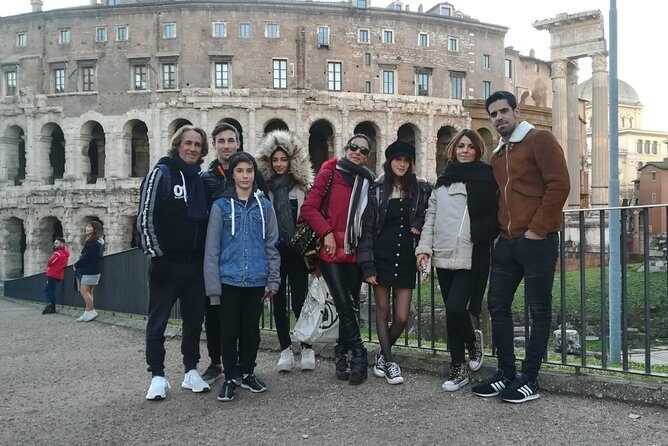
The listed price is $4.62 per person, and the tour uses a pay-what-you-wish model. That’s a big part of the value story: you’re not forced into a high fixed cost just to get oriented and learn what matters.
But here’s the practical way to think about it:
- You pay the booking fee to secure your spot.
- After that, there’s no extra cost during the tour except tips to the guide if you liked it.
So you’re basically paying for a guide-led route through central Rome’s top hits, plus context that would take you a lot longer to piece together on your own. If you’re visiting Rome for the first time, that orientation can save you time later, because you’ll know what you want to return to and what you can safely skip.
Also, the group size is capped at 20, which usually helps keep the guide from turning into a loud microphone reading a script while you’re lost in the back.
If you already have strong Rome knowledge and want total freedom, you might feel this tour is more structured than you’d like. If you want guidance and context with minimal commitment, it’s a strong fit.
Practical tips to get the most out of this exact route
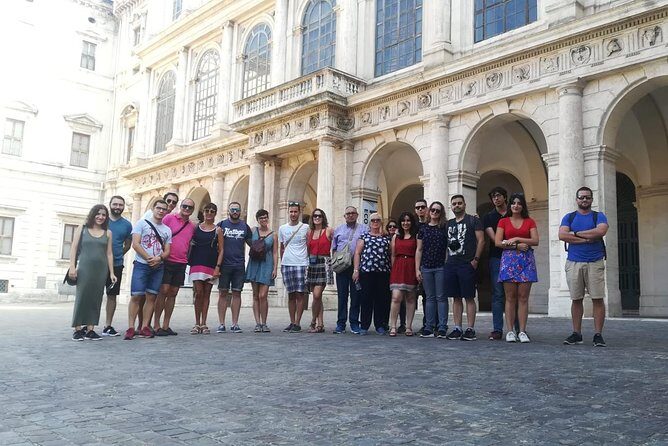
A short central Rome tour has two enemies: crowds and the wrong clothing. You can beat both.
Here’s what I’d do before you go:
- Wear shoes with grip. You’ll be on uneven stones and busy pavements.
- Bring something you can wear to cover shoulders and knees if you stop in any church space.
- Treat Trevi as the moment you plan around, because that area gets intense.
- Expect the Pantheon exterior talk, and if you truly want inside time, make your own reservation under your name after the walk.
Also, if you need help while sorting out meeting logistics, note that the chat function isn’t instant—calling or sending a WhatsApp message is the better move based on the tour info.
Should you book this walking tour? My take
Book it if you want a high-impact orientation to central Rome without tying up half your day. This is especially helpful for first-timers, or for anyone juggling a tight schedule who still wants the big sights—Trevi, Piazza Navona, the Pantheon area—explained in a way that makes your next steps easier.
Skip it or adjust expectations if Pantheon interior entry is your absolute must-have. This tour won’t get you inside, and you’ll need to arrange your own entry reservation under your own name. If that doesn’t fit your timing, plan something else for the Pantheon day.
Overall, this is good value for the money, and the best versions of the experience seem to deliver what you want most from a short Rome walk: clear route sense, meaningful explanations, and enough time to enjoy the photos without feeling like you’re being herded.
FAQ
How long is the walking tour?
It’s about 1 hour 30 minutes to 2 hours.
How much does it cost?
The listed price is $4.62 per person.
What language is the tour offered in?
The tour is offered in English.
Is the tour pay-what-you-wish?
Yes. It uses a pay-what-you-wish model.
Will we enter the Pantheon during the tour?
No. Pantheon interior entry requires an individual reservation under your own name, and the tour does not enter the Pantheon. You can revisit and explore the interior on your own after.
Where does the tour start and end?
It starts at Piazza Barberini and ends at Piazza Navona.
What’s included, and what isn’t?
Included: a professional guide and a local guide. Not included: food and drinks, tips, and the inside Pantheon.