REVIEW · ROME
Rome: Paranormal Night Walking Tour & Secret Backstreets
Book on GetYourGuide →Operated by Global Experiences by Carpe Diem Tours Group · Bookable on GetYourGuide
Rome gets a second personality after sundown. This 2-hour paranormal night walk trades daytime crowds for moonlight streets and then follows the city’s darkest characters, from execution-era legends to spooky alleys the average visitor never slows down for. I really like the storytelling tone (part eerie, part human) and the way the route strings together famous landmarks with quieter “how did we miss this?” corners. The only real drawback: you’ll be outside for the full walk, so cold or rain makes it less charming.
The vibe is also notably personal. With a group capped at 20 people max, you can actually hear the guide and keep up without getting lost in the shuffle, and English-speaking guides such as Maham, Ana, Antonio, and Domenica have a knack for making grim history feel clear rather than chaotic. I also appreciate that the tour doesn’t feel like a loud haunted house; it’s respectful storytelling that can even land as a bit emotional.
This is also solid value for the price. For $34 per person, you get a local ghost-loving guide, a tight route, and a finale at Castel Sant’Angelo, with big sights like Campo de’ Fiori and Ponte Sisto along the way. Just plan ahead: there’s no food or drinks included, so bring what you need before you start.
In This Review
- Key things that make this ghost walk worth your night
- Rome turns eerily readable on a 2-hour night walk
- Starting point: Campo de’ Fiori and Giordano Bruno’s statue
- Piazza Farnese: power, art, and the politics behind the mood
- Madonna della Pietà (Madonnelle) and the “small” holy corners
- Ponte Sisto: where the bridge stories get graphic
- Fountain of the Mask: an eerie pause on the way
- Chiesa di Santa Maria dell’Orazione e morte: the human-bone chapel moment
- Santa Maria in Monserrato degli Spagnoli: Spain’s presence in Rome’s dark stories
- Clivo di Rocca Savella: the uphill street that makes the night feel longer
- Finishing at Castel Sant’Angelo: a strong ending point
- Price and value: what $34 buys you at night
- Who should book this spooky route, and who might skip it
- Booking advice: make the first 15 minutes go smoothly
- Should you book Rome: Paranormal Night Walking Tour & Secret Backstreets?
- FAQ
- How long is the Rome paranormal night walking tour?
- Where do I meet the guide?
- Is the tour offered in English?
- How large is the group?
- What’s included, and is food or drinks part of the tour?
- Can I cancel and get a full refund?
Key things that make this ghost walk worth your night
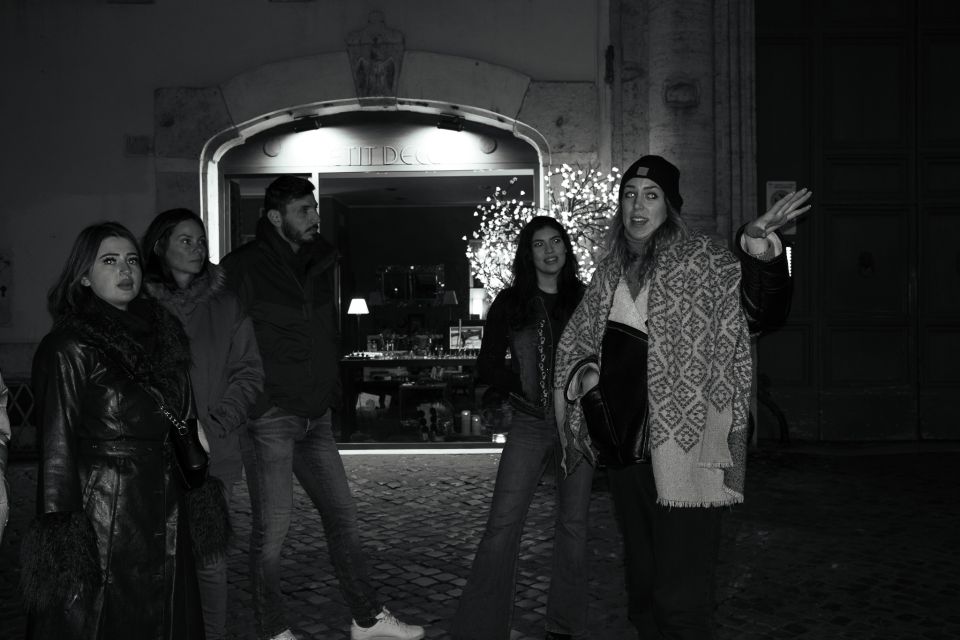
- Meet at Campo de’ Fiori under the Giordano Bruno statue with a yellow Carpe Diem Tours flag so you’re not wandering trying to find the group
- A maximum of 20 people keeps the mood intimate and makes it easier to hear every detail
- Backstreet Rome after dark includes stops like Piazza Farnese and Via Giulia-area viewpoints (without the daytime crush)
- The bone-chapel stories hit hard in a church setting tied to human bones, plus you’ll hear about corpse-lined bridge legends
- A satisfying finish at Castel Sant’Angelo gives you a memorable end point after two hours on foot
Rome turns eerily readable on a 2-hour night walk
Rome in daylight can feel like a blur of stone, sun, and buses. At night, the city gets quieter, shadows do half the work, and the stories make the landmarks feel more personal. This tour leans into that. You’re walking, not sitting, so you notice the street shapes and small turns that day tours often skip.
What I like most is the balance: the tour aims for spooky but not for shock-for-shock’s sake. The guides’ style often includes humor and warmth alongside the darker material, which keeps the group engaged instead of grim and tense. On a couple of nights, guides have even handled cold, rainy weather well, keeping the pacing steady and the group together.
You should also know what you’re signing up for. This isn’t a light “ghost spotting” stroll where every stop is a joke. The stories include murders and bloody executions connected to infamous popes, emperors, and artists, so it’s a good fit if you like history with teeth.
You can also read our reviews of more tours and experiences in Rome.



Starting point: Campo de’ Fiori and Giordano Bruno’s statue
You begin in Piazza Campo de’ Fiori, right under the statue of Giordano Bruno. The guide meets you there holding a yellow Carpe Diem Tours flag or sign, and it’s worth arriving about 10 minutes early so you don’t miss the start window. After a quick setup, you’re off, using the night streets as your timeline.
This start matters because Campo de’ Fiori is a “center of gravity” for your first steps. You get an immediate sense of Rome’s street energy, but without spending the whole time in the busiest parts. Bruno also gives the tour an intellectual edge right away. The conversation quickly turns from spooky vibe into darker historical context, and that helps the later stops land better.
If you’re hoping for a tour that feels like a guided story rather than a checklist of sights, this opening sets the tone. You’re given a framework so each next location feels connected, not random.
Piazza Farnese: power, art, and the politics behind the mood
Next up is Piazza Farnese, another major square that works beautifully at night. In daytime, it’s busy and sunlit; at night, the same architecture feels sharper, almost theatrical. Your guide uses this stop to connect Rome’s famous faces and power structures to the darker stories that follow.
This is a good moment for you to listen closely, because the tour starts tightening into its specific themes. Expect the guide to link people, events, and the city’s darker reputation. It’s not just where you stand; it’s why Rome became known for secrets, executions, and rumor that never fully died out.
A practical note: squares like Farnese can get breezy after dark. Dress for standing and walking, not for sunshine.
Madonna della Pietà (Madonnelle) and the “small” holy corners

Then you head to Madonna della Pietà, Madonnelle, a quieter stop that feels like a breather from the bigger squares. Small madonnas like this are exactly the kind of street-level detail that you’d often ignore in the daylight rush. Here, they become part of the tour’s storytelling path, tying faith, memory, and local legend into the same walking thread.
This stop is also where the guide’s tone can make or break the experience. The best guides treat these little corners seriously, not as props. When the guide has a gentle voice and a warm presence, the mood shifts from pure fear to something more thoughtful, which can be surprisingly comforting even when the stories stay dark.
Don’t worry if you’re not an expert on religious art. The tour is designed to explain the relevance, not assume you already know it.
Ponte Sisto: where the bridge stories get graphic
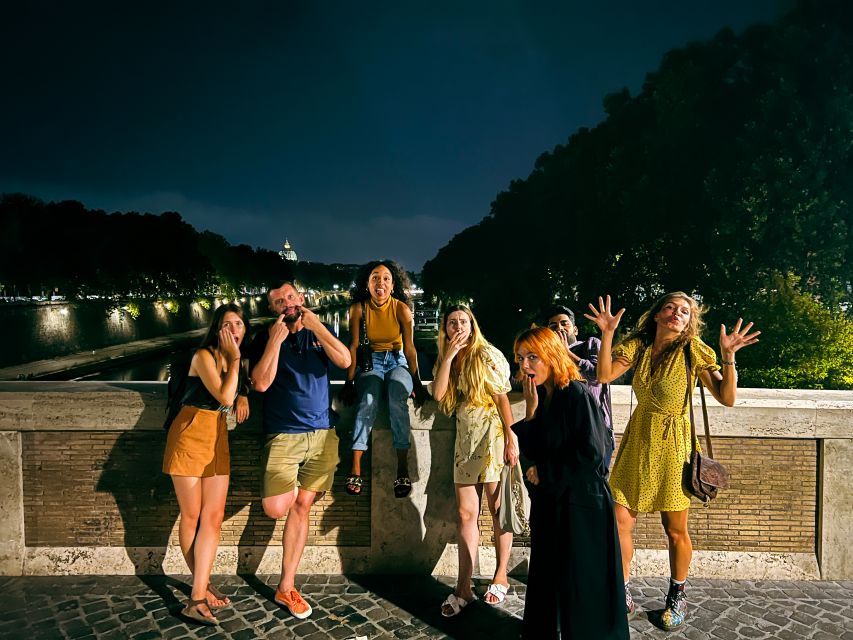
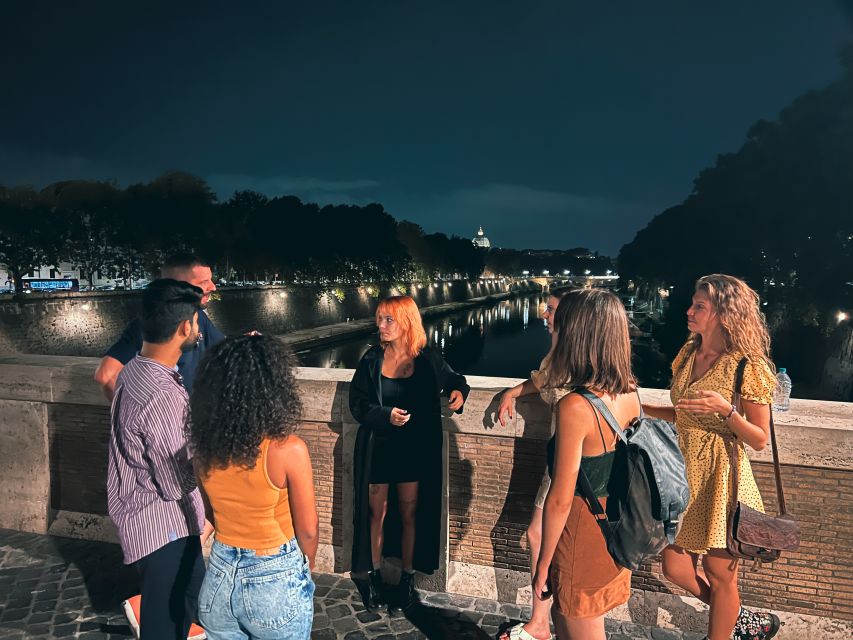
One of the tour’s signature turns comes at Ponte Sisto. The experience leans into the darker reputation here with stories that get described in the tour as a bridge lined with corpses. Whether you’re a skeptic or a believer, the effect is the same: your brain starts visualizing the past because the setting is right in front of you.
This stop is worth your full attention because it’s the first time the tour really pushes into the most vivid, disturbing material. If you prefer light spookiness, this is the point where the tone likely gets heavier. If you’re the type who loves true-crime energy mixed with history, you’ll probably appreciate how direct the guide can be.
It’s also a good listening stop for photos later. Even if you don’t take pictures during the walk, you’ll know exactly where to look when you revisit the area in daylight.



Fountain of the Mask: an eerie pause on the way

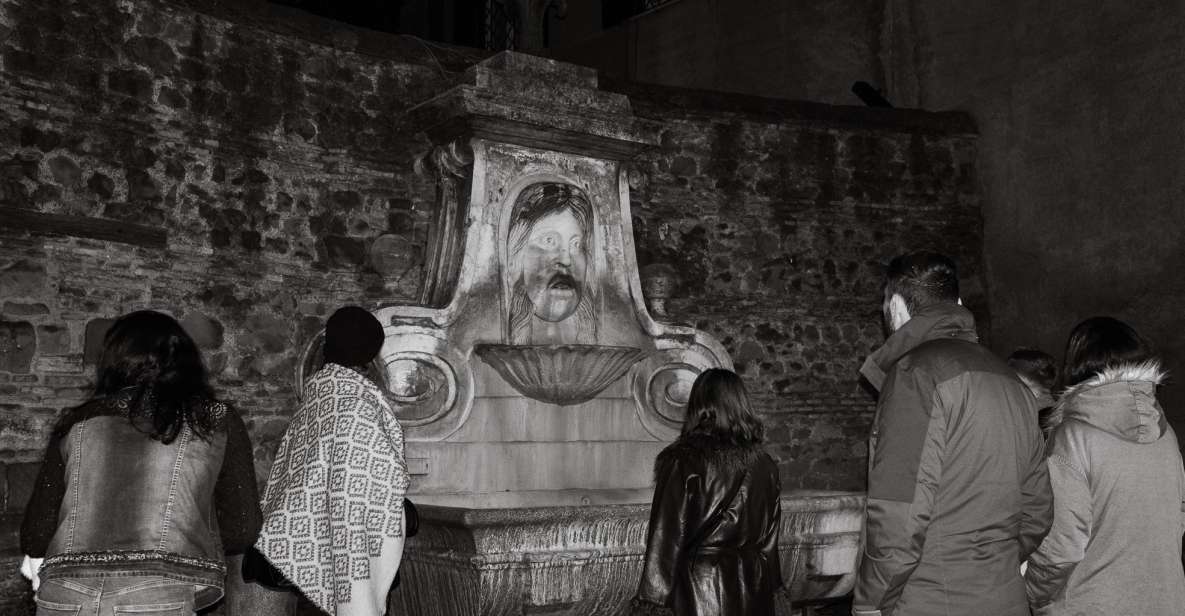
After the bridge, you move to the Fountain of the Mask. This is a clever choice for a night tour because fountains and sculptures feel more symbolic after dark. You’re not just looking at a landmark; you’re using it as a mental waypoint in the story.
The guide uses this kind of stop to break up the more intense segments. That matters on a walking tour. Two hours can sound short until you factor in the turns, waiting for the group to reposition, and the nonstop storytelling. A landmark like this gives your ears a rest while keeping the mystery going.
If you’re cold, this is also a fine moment to adjust your layers before you head into the next stretch.
Chiesa di Santa Maria dell’Orazione e morte: the human-bone chapel moment
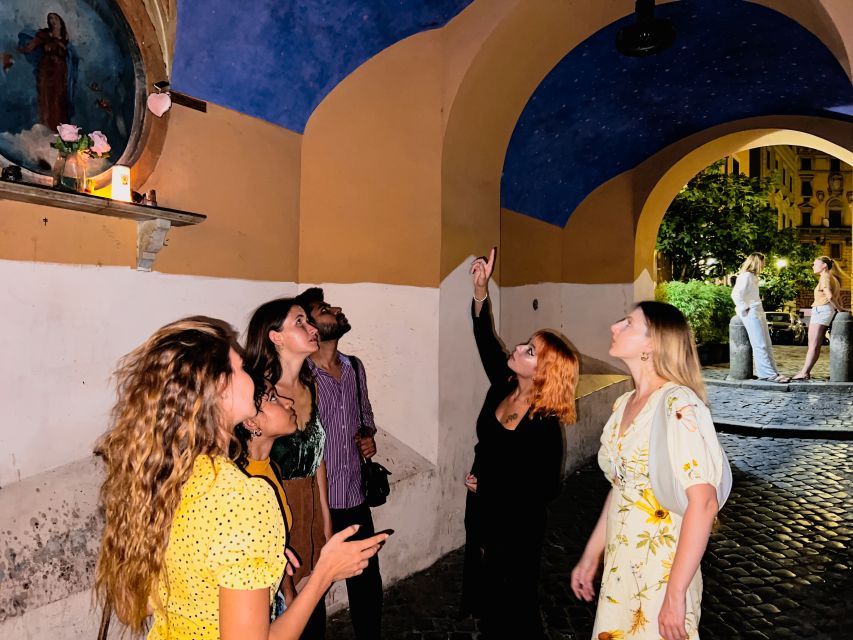
Next is Chiesa di Santa Maria dell’Orazione e morte, one of the tour’s most memorable locations. This is where the stories point to a chapel decorated with human bones, which is exactly the kind of detail that makes a paranormal-themed walk feel real instead of theatrical.
Expect this stop to be more intense than the rest. Even if you’re used to museum crowds, a bone-themed church detail is not the same as reading a caption on a wall. The guide’s job here is crucial: you want a storyteller who can keep it respectful and clear. From how guides are described in past experiences, the best ones manage to be chilling without being careless.
This is also a good place to mentally decide your pace. If the material gets too heavy for you, you can listen and then take a short step back. The group stays together, but you don’t have to force yourself to stare at anything you find upsetting.
Santa Maria in Monserrato degli Spagnoli: Spain’s presence in Rome’s dark stories
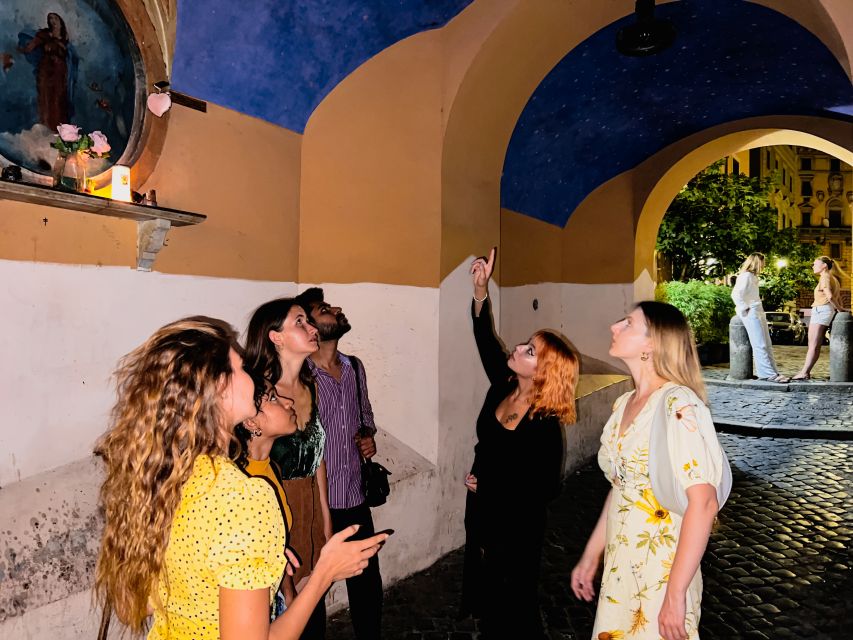
You then head to Santa Maria in Monserrato degli Spagnoli. The key value here is variety. You’ve already visited big squares and a bridge; now you get a church stop that changes the tone again and keeps the walk from feeling repetitive.
This stop also fits the tour’s bigger theme: Rome absorbs influences and then reshapes them into its own mythology. A church like this becomes another chapter in the guide’s story chain, connecting the city’s political and cultural past to why these legends persist.
If you like tours where the guide links “small details” to big themes, this is one of those stops. You may come out with more than one new curiosity to look up later.
Clivo di Rocca Savella: the uphill street that makes the night feel longer
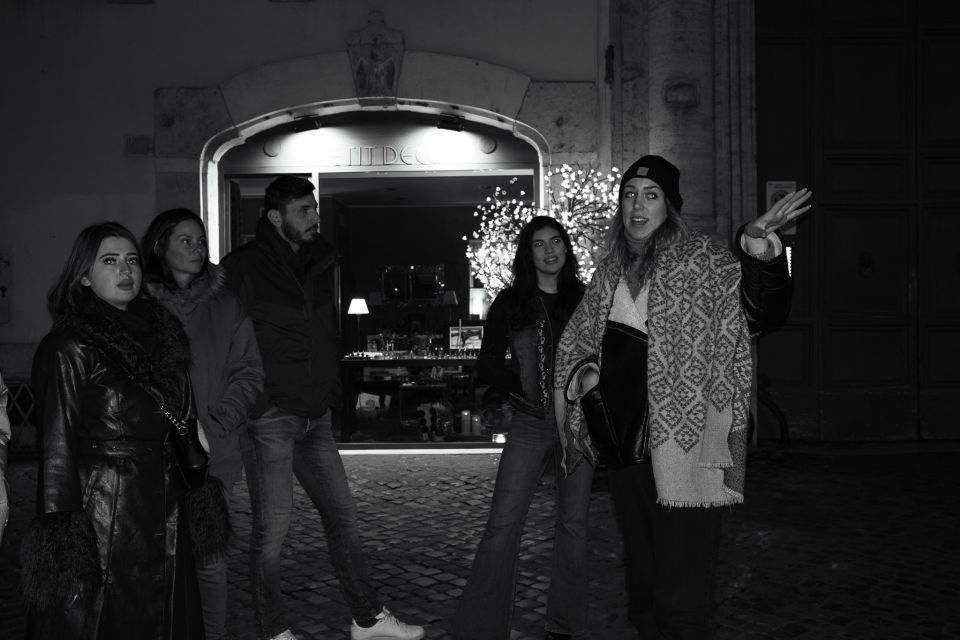
Then comes Clivo di Rocca Savella. This is the kind of street section that makes you feel Rome’s geography. Even a short climb at night changes your breathing and your attention, which actually helps the tour’s rhythm. You’re moving, but you’re also physically aware of your route.
This is a useful moment if you want a break from the most intense story points. The guide can still keep things moving, but the climb gives you something else to focus on besides the darker subject matter. It’s also where your shoes matter. If you’re wearing slippery soles, you’ll feel it here.
So treat it like a “stretch break in motion.” Keep your pace, listen when you can, and save your questions for later when you’re not winded.
Finishing at Castel Sant’Angelo: a strong ending point
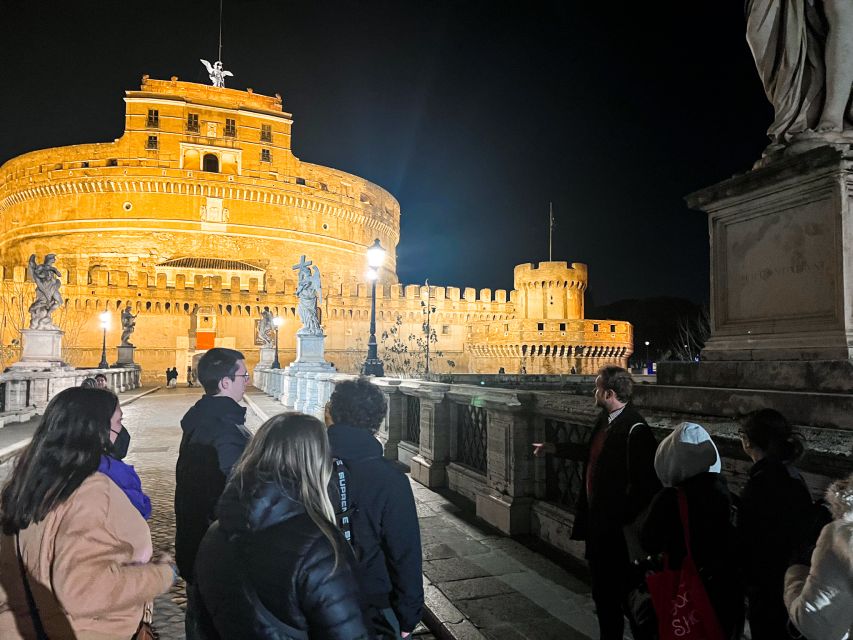
The tour ends at Castel Sant’Angelo, which is a fitting finale. It’s a recognizable Roman landmark, and arriving there after a full story arc makes the city’s darker reputation feel like part of a larger whole. Even if you’re not planning to go inside that night, the surrounding area gives you a clear end to reset and head off on your own.
This ending also helps your next moves. Castel Sant’Angelo is a convenient location to reconnect with the rest of your evening plans. It’s the kind of finish point where you can still keep sightseeing, grab a drink nearby, or simply watch the city’s lights.
If you want the tour to be a “great first night plan,” this finish is one more reason it works.
Price and value: what $34 buys you at night
At $34 per person for about 2 hours, this is priced like a mid-range walking experience, and the value comes from what’s included. You get a live English-speaking guide, a city highlights route plus backstreet stops, and a group size capped at 20.
In practical terms, you’re paying for:
- Direction through multiple famous and lesser-noticed spots
- A guide who links the sights into one dark narrative
- A night walk that saves you from doing all the guesswork yourself
The main tradeoff is that there’s no food or drinks included. That’s not a deal-break, but you do need a plan. If you arrive hungry, the tour can feel shorter than it is because you’ll be thinking about dinner the whole time.
For $34, I’d call it a fair deal if you like guided storytelling and want a different angle on Rome beyond the classic postcard circuit.
Who should book this spooky route, and who might skip it
This tour suits you if you:
- Enjoy history that includes crime, politics, and grim human stories
- Like night walks where the city feels calmer
- Want an English guide to point out details you’d likely miss on your own
- Prefer a group that’s small enough to actually interact
You might consider skipping or choosing a gentler option if:
- You don’t handle graphic, execution-related stories well
- You’re sensitive to human-bone themed content
- Cold or wet weather ruins your tolerance for outdoor walking
On the positive side, the guide styles described across multiple nights suggest there’s a wide range of ways the stories get told. Some guides focus on suspense; some add humor; some come across as soothing even when the subject is frightening.
Booking advice: make the first 15 minutes go smoothly
Book if you want a change of pace that still feels like Rome, not like a Halloween add-on. This is especially smart if your daytime schedule is packed with major sites, because this tour gives you a different kind of sightseeing: street-level, narrative-driven, and built for evening light.
For your comfort:
- Wear shoes you can walk in for two hours, including any uneven streets
- Bring a layer for night air and potential rain
- Eat before you start since there’s no included food
When you arrive, stand at the right spot under the Giordano Bruno statue. Meeting points get confusing fast at night, and this one is very specific: look for the yellow Carpe Diem Tours flag/sign.
Should you book Rome: Paranormal Night Walking Tour & Secret Backstreets?
Yes, if you want a small-group, English-guided night walk that swaps daytime crowds for quieter streets and gives you a story chain through Campo de’ Fiori, Ponte Sisto, a bone-chapel church stop, and a finish at Castel Sant’Angelo. It’s one of those experiences that can change how you see the city because you’ll start noticing details you used to walk past.
Skip it if you hate being outside in poor weather, or if you’re not comfortable with human-bone and execution-related storytelling. Otherwise, this is a great pick for your first or second evening in Rome when you want your bearings fast and your imagination warmed up.
FAQ
How long is the Rome paranormal night walking tour?
It lasts about 2 hours.
Where do I meet the guide?
Meet in Piazza Campo de’ Fiori, beneath the statue of Giordano Bruno. The guide will be holding a yellow Carpe Diem Tours flag or sign.
Is the tour offered in English?
Yes, the live guide speaks English.
How large is the group?
The group size is capped at 20 people max.
What’s included, and is food or drinks part of the tour?
Included are the guided walking tour, a local ghost-loving guide, and city highlights and hidden gems. Food and drinks are not included.
Can I cancel and get a full refund?
You can cancel up to 24 hours in advance for a full refund.