REVIEW · EVENING EXPERIENCES
Twilight Treasures: An Evening Tour Through Rome’s Rich History
Book on Viator →Operated by Airotour Ltd - Freetourrome · Bookable on Viator
Rome gets quieter when the sun drops.
Twilight Treasures is an English-language evening walk that trades daytime lines for a calmer pace, with stops at some of Rome’s biggest landmarks—starting with Trevi Fountain and ending around Piazza Venezia. It’s a short, guided route designed for an easy hit of history while the city lights up.
I especially like the fountain-first approach. You don’t just look at waterworks—you hear the stories behind them, including religious and political references that make the sights click. I also like that the tour keeps moving between major photo spots, so you get a “Rome greatest hits” feeling without spending the whole night standing still.
One thing to consider: because this is a walking meet-up at busy central streets, you’ll want to arrive a few minutes early and be ready to find your group at Piazza della Repubblica by 5:00 pm—some past guests reported meeting-point confusion when they arrived late or when construction blocked easy access.
In This Review
- Key highlights to expect
- Why twilight works so well in Rome
- Meeting at Piazza della Repubblica at 5:00 pm
- Trevi Fountain at dusk: more than a postcard
- Piazza San Bernardo and the Moses Fountain stop
- The quick four-fountains detour: spotting Rome’s design fingerprints
- Piazza Venezia and the Quirinale area: closing with gravity
- How the guides make fountains feel personal
- Pace, comfort, and what to bring for a 1.5–2 hour walk
- Price and value: what $4.59 gets you in real terms
- Who should book this tour (and who might not)
- Should you book Twilight Treasures?
- FAQ
- How long is the Twilight Treasures evening tour?
- Where does the tour start and end?
- What time does the tour meet?
- Is the tour offered in English?
- What’s the group size?
- What does the tour include?
- Are food and drinks included?
- Do I need paid admission tickets for the stops?
- Does the tour operate in bad weather?
- What’s the cancellation policy?
Key highlights to expect
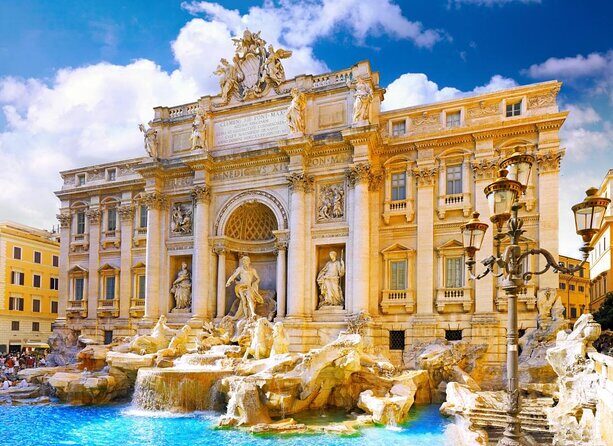
- Trevi Fountain at dusk: a classic Rome moment with time to actually look and listen
- Moses Fountain in Piazza San Bernardo: a smaller stop that adds variety to the route
- A quick “four fountains” detour: a compact way to spot recurring design ideas in different squares
- Piazza Venezia: end-of-walk energy near one of Rome’s most central viewpoints
- Palazzo del Quirinale exterior focus: “presidents home” context, plus possible timing for ceremonies
Why twilight works so well in Rome
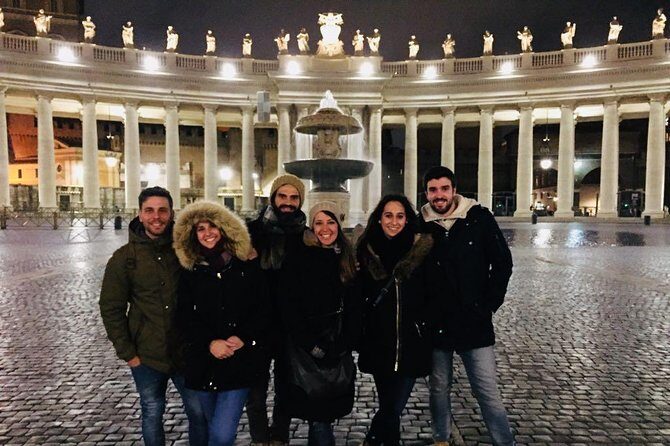
If you’ve ever tried to “do Rome” in the afternoon, you know the problem: the city turns into a moving crowd. Twilight Treasures flips that. Starting at 5:00 pm, you’re walking when the light is softer and people are more willing to pause. It still feels like the heart of Rome, but you’re not wrestling midday congestion while trying to take in details.
This is also the kind of tour where timing matters. Fountains look different when the background cools down. Stone and marble pick up color from street lighting. Even simple street corners feel more cinematic at dusk, which helps the guide’s stories land fast—architecture, symbolism, and the why behind each landmark.
One more practical win: the route is built for a tight time window (about 1 hour 30 minutes to 2 hours). That means you can still have dinner plans afterward without it turning into an all-night marathon.
You can also read our reviews of more historical tours in Rome

Meeting at Piazza della Repubblica at 5:00 pm
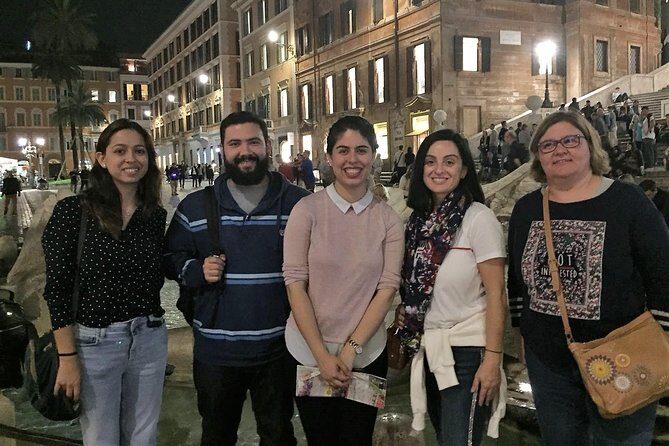
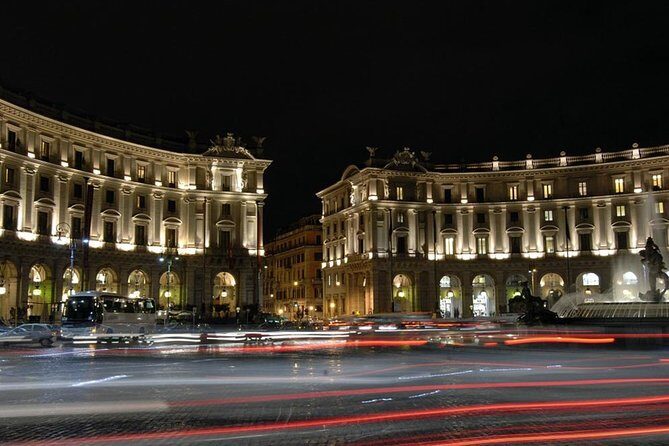
The tour starts at Piazza della Repubblica (P.za della Repubblica, 00185 Roma). You’ll begin at 5:00 pm, and it ends at Piazza Venezia. The good news is that the meeting point is near public transportation, so you’re not stuck trying to taxi across Rome.
For walking tours, the first five minutes decide whether the whole evening feels smooth. Here’s how I’d play it: arrive early, take a quick orientation look around the square, and keep your eyes on people with the tour setup. A few past guests had issues when construction made certain approaches harder to use, so don’t assume your usual route will work if streets are blocked.
Also, bring the simple stuff:
- comfortable shoes (you’ll cover multiple stops on foot)
- a layer if the evening turns cool
- your mobile ticket ready on your phone
This tour runs in all weather conditions, so you’ll want to dress for rain and damp stone.
Trevi Fountain at dusk: more than a postcard
Trevi Fountain is the big magnet on this walk, with a dedicated 15-minute stop and free admission for the viewpoint/experience on the route. At night, it still gets plenty of attention—but the feel is different. The crowd tends to thin, and you have a better shot at watching the flow and details instead of only snapping photos and moving on.
What makes this stop valuable is how the guide frames it. A common theme in this tour’s best moments is explaining the fountain as a story system: why it’s designed the way it is, what the symbolism points to, and how it connects to Roman culture beyond tourism. One guide style you may encounter—examples include Ainara and Anna—leans into connecting art and architecture with the social and political world that produced it.
Two things I’d do during your Trevi time:
- Look up and then back down. This fountain rewards that quick shift—architectural details pop when you’re not only focused on the water.
- Listen for the guide’s meaning before you search for your own interpretation. It saves time and makes the place feel less like a random famous object.
Possible drawback? Fifteen minutes can feel short if you want long gawking time or you’re traveling with someone who wants to linger. Still, for a guided route across several major sights, it’s a sensible allocation.
Piazza San Bernardo and the Moses Fountain stop

After Trevi, the tour moves to Piazza San Bernardo for a quick 5-minute pause at the Moses Fountain. This is one of those “small but satisfying” moments that changes the rhythm. You go from the loudest fame in Rome to something quieter and more off the main tourist lane.
Because the stop is brief, you’ll get the most value by going in ready to notice shape and symbolism. A good guide here won’t just point—they’ll explain what you’re looking at and why it matters in Rome’s visual language.
Even with the short time, this stop earns its place on the route. It breaks up the evening so it doesn’t become five versions of the same square-photo routine. And it gives you a chance to hear a different type of story than the Trevi myth experience.
If you’re the kind of traveler who likes variety (or who gets bored when every stop is too similar), this is the kind of diversion you’ll appreciate.
The quick four-fountains detour: spotting Rome’s design fingerprints
The itinerary includes a stop described as 4 fountains in Rome, which suggests a compact stretch where multiple fountains are grouped closely enough to make the walking portion efficient. This is a smart move for an evening tour because you’re not losing time crossing half the city.
Here’s what I like about a format like this: it teaches you to compare. Once you’ve been told what to notice, the next fountain becomes a chance to spot design fingerprints—how stonework echoes, how layouts guide your eye, and how different squares tell different “versions” of Rome’s identity.
Also, guides on this walk often focus on connecting the visual to the bigger story. In past sessions, some guides have been especially enthusiastic about explaining fountains and how they tie into the city’s broader cultural layers—this is where you can get the most “oh, that’s why” moments.
The one consideration: because the time here is limited, don’t expect deep analysis of every sculpture. The best use of this part is to collect the guide’s highlights, take in what you can, then let it sink in later when you’re back in your hotel and can look at photos without rushing.
You can also read our reviews of more evening experiences in Rome


Piazza Venezia and the Quirinale area: closing with gravity
The walking route finishes at Piazza Venezia, with 15 minutes allocated there. It’s a strong end point because Piazza Venezia sits in a thick layer of Rome’s civic and monumental atmosphere. Even if you’ve seen pictures before, it has that “you’re actually here” weight.
The tour also includes a 15-minute stop at Palazzo del Quirinale, described as the presidents home. You’re usually seeing this kind of building from the outside during a walking route, but the payoff is context. A Roman guide can connect the palace to the idea of state power and how it has shaped what gets built and preserved.
One tip from a practical perspective: if your timing aligns with ceremonies, you might get lucky. A guest mentioned seeing the changing of the guard at the palace area, so it’s worth keeping an eye on what’s happening nearby once you reach that part of the route. It’s not something you should plan your whole evening around, but it can turn a good tour stop into a great memory.
I’d also suggest taking your time to reset here. By the end of a fountain-heavy walk, your feet will tell you it’s time to slow down for a minute. Use the Piazza Venezia stop for a breather, then decide whether you want to keep exploring afterward.
How the guides make fountains feel personal
The common thread across the guides named in the tour’s guest feedback is a friendly, story-driven style. Guides you might see associated with this walk include Yousef, Marco, Carmella, Maria, Mak, Cameel, Cecelia, and Camila. The frequent compliments aren’t just about being able to name places—they’re about making you understand why a place exists and what you’re looking at.
If you want the best experience, show up with one small mindset shift: treat each stop like a mini lecture with a photo break. When the guide connects fountains to religion, politics, and Roman life, you’ll get more out of the same view.
Another thing I value in this kind of tour is question time. Several guide comments mention the guide checking whether people had questions and taking time to explain beyond the quick script. That’s how a standard landmark walk becomes a fun, personal history lesson—without turning into a stiff classroom.
Pace, comfort, and what to bring for a 1.5–2 hour walk
This tour is built for most travelers and keeps the movement steady. With a maximum of 30 travelers, it’s not a cattle-car situation, and that matters when you want to hear explanations while walking.
Because it runs in all weather conditions, pack for Rome reality, not postcard weather. If it’s rainy, expect wet stone and slick sidewalks. If it’s windy, bring a layer. Even in mild evenings, your shoes will take a hit if you’re wearing something slippery.
I’d also bring:
- a light rain layer or compact umbrella
- water (not provided)
- a phone with enough battery (you’ll likely rely on your mobile ticket)
Food and drinks are not included, so plan to eat after. This tour is sized so you can still enjoy dinner, not so you need a meal break halfway through.
Price and value: what $4.59 gets you in real terms
At $4.59 per person, this is priced like a low-cost entry to guided sightseeing. That price point changes the value equation. You’re paying primarily for interpretation—someone to translate what you’re seeing into a story you can actually remember.
You also get the benefit of visiting multiple major points in one evening:
- a marquee landmark at Trevi Fountain
- a distinctive stop at Piazza San Bernardo
- a compact four-fountains stretch
- closing at Piazza Venezia and visiting the Palazzo del Quirinale area
Plus, it’s offered in English and includes guides (a local guide and a professional guide). Even if you only partially absorb the stories, the guided framing helps you look smarter at the same sights.
Would I call it “luxury”? No. This is a walking tour. You’re paying for access to a guided route, not a private car or a meal. But for an evening that helps you see Rome’s famous corners with context, it’s hard to argue against the value.
Who should book this tour (and who might not)
This tour fits best if you:
- want a lighter, quieter Rome experience after peak crowds
- enjoy fountains, symbolism, and the stories behind art and architecture
- prefer a guided route that helps you avoid getting lost in the middle of a huge city
- like small-group energy (up to 30 people)
It’s also a good match for first-timers who want “major sights” without committing to a full-day plan. And since multiple guides are described as personable and responsive to questions, it can work well even if you don’t know much about Roman history at the start.
You might consider another option if:
- you need more time at one single attraction
- you hate walking in weather
- you need very flexible pacing for disabilities or mobility limits (this is described as suitable for most travelers, but it’s still a walking tour)
Should you book Twilight Treasures?
I’d book this if you want a smart evening in Rome—short enough to keep your plans intact, guided enough to make the sights meaningful, and focused on fountains and iconic squares that you’d otherwise skim.
Do it especially if you’re traveling during busy weeks or you know you’ll be tired from daytime sightseeing. The 5:00 pm start is a practical sweet spot, and the route keeps you moving through the city’s landmarks without turning the experience into a full-day grind.
Just be punctual at Piazza della Repubblica, and treat Trevi and the other stops like guided viewing moments, not open-ended museum time. If you do that, you’ll come away with more than photos—you’ll have stories you can actually retell.
FAQ
How long is the Twilight Treasures evening tour?
It runs about 1 hour 30 minutes to 2 hours.
Where does the tour start and end?
It starts at Piazza della Repubblica and ends at Piazza Venezia.
What time does the tour meet?
The start time is 5:00 pm.
Is the tour offered in English?
Yes, it’s offered in English.
What’s the group size?
The tour has a maximum of 30 travelers.
What does the tour include?
You get a local guide and a professional guide.
Are food and drinks included?
No. Food and drinks are not included.
Do I need paid admission tickets for the stops?
For the listed stops, the admission ticket is listed as free.
Does the tour operate in bad weather?
Yes, it operates in all weather conditions, so you should dress appropriately.
What’s the cancellation policy?
You can cancel for a full refund up to 24 hours before the experience’s start time. If the minimum number of travelers isn’t met, the provider may cancel and offer another date/experience or a full refund.