REVIEW · FOOD
Rome Food Tour in the Historic Centre with 8+ Food Tastings
Book on Viator →Operated by Secret Food Tours · Bookable on Viator
Rome works best when you follow your stomach.
This 3-hour Rome food tour strings together iconic sights and serious Roman comfort food in a tight route, starting at Piazza Navona and ending near Largo di Torre Argentina. You’ll eat your way through classic neighborhoods while hearing how the city’s food culture grew around the streets, squares, and history you can still see.
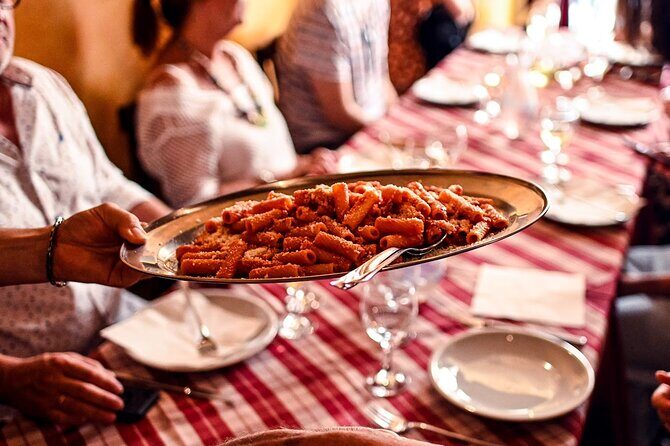
Two things I really like: the variety of Roman bites (two types of homemade pizza, two Roman pastas, supplì, cannoli, artisanal gelato, and an extra secret dish), and the fact that the walk isn’t just about food—it’s also about place. You’ll pass through key landmarks tied to Rome’s layers, from baroque squares to the Jewish Ghetto founded in 1555.
One consideration: this is a walking tour. Even if the pace feels manageable, you should wear good shoes and expect crowds around the major stops, especially during peak hours.
In This Review
- Key things that make this Rome food tour worth it
- Piazza Navona to Torre Argentina: a food route built on real Rome
- Starting at Sant’Agnese in Agone: Piazza Navona sets the tone
- What to expect here
- Stop: a French embassy palace that shows Rome’s power shift
- Why this stop matters
- The Roman Jewish Ghetto: history that still shapes what you eat
- What you’ll feel while you walk
- Four rivers and a dove: the fountain stop that connects art and street life
- Practical tip
- Ancient walkway remains: Rome’s infrastructure under your lunch route
- The drawback here
- Campo de’ Fiori: where your food tour gets more street-level
- What to expect from the vibe
- Campus Martius and Pompey’s Theatre: temples and Roman scale
- What you actually eat: the Roman comfort food lineup
- A note about drinks
- Guide energy and small-group pacing: why you might love it
- Price and value: what $118.51 buys you in real terms
- Who should book this Rome food tour
- Should you book? My straight answer
- FAQ
- How long is the Rome Food Tour?
- Where does the tour start and end?
- What foods are included in the tastings?
- Is the tour offered in English?
- How many people are in the group?
- Is hotel pickup included?
- Is there an age limit for drinking?
- Can I bring pets?
Key things that make this Rome food tour worth it
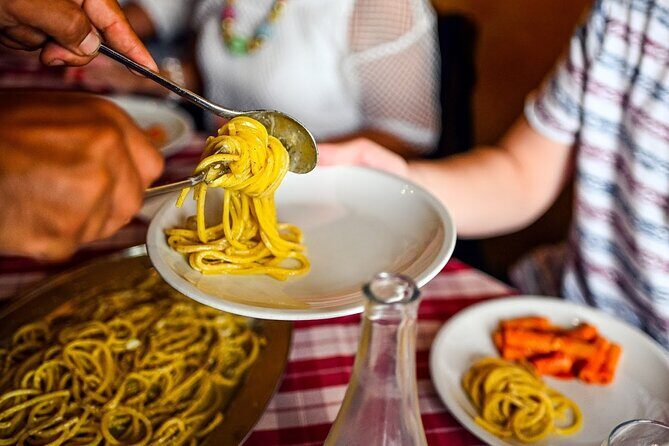
- 8+ tastings that actually feel like a meal (pizza, pastas, supplì, cold cuts/cheese, cannoli, gelato, plus a secret dish)
- Historic-centre route that links food with landmarks like Piazza Navona, Campo de’ Fiori, and Campus Martius
- Small group size (max 12), which usually makes it easier to ask questions and move together
- A focus on Roman classics you can’t always recreate at home, like supplì and specific styles of Roman pizza
- Guides like Massimiliano, Rocio, Manuel, and Luda get praised for keeping the tour fun and easy to follow
- You’ll leave full—people consistently call out the amount of food
Piazza Navona to Torre Argentina: a food route built on real Rome
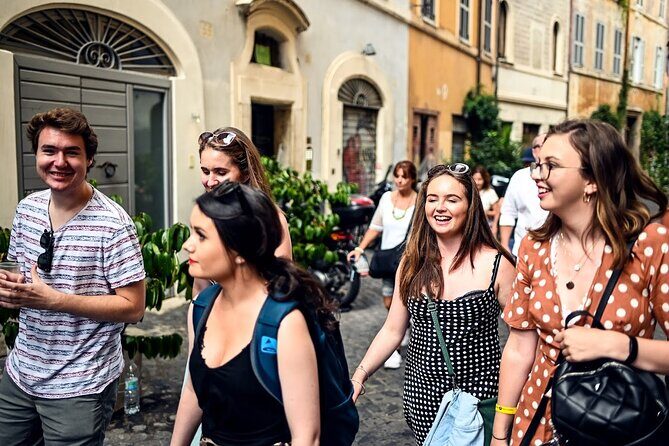
This tour is aimed at the sweet spot: enough time to cover multiple neighborhoods, but not so long that you lose the thread. It runs about 3 hours, and the route is designed to start in a headline location—Piazza Navona—then gradually steer you through the historic heart toward Largo di Torre Argentina.
I like that it’s not trying to cram in every major monument. Instead, it uses a walking route where you can look up, glance across a square, and then immediately switch gears to food. That rhythm matters in Rome. You get stories tied to what you’re seeing, not just a checklist of stops.
The group caps at 12 travelers, so it feels more like a guided stroll with planned tastings than a huge production. And because there’s a mobile ticket and the tour is in English, it’s one less hassle while you’re already juggling museum lines and transit.
You can also read our reviews of more food & drink experiences in Rome


Starting at Sant’Agnese in Agone: Piazza Navona sets the tone
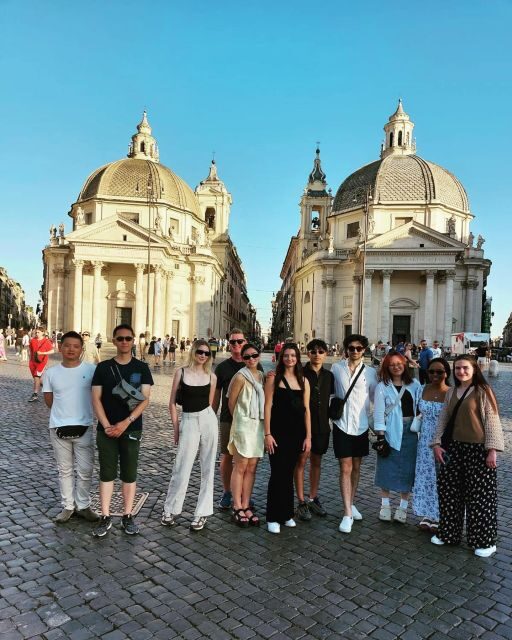
You meet at Sant’Agnese in Agone, Piazza Navona (14). Right away, you’re in one of Rome’s best examples of how different eras stack on top of each other.
Piazza Navona sits on the site of an ancient stadium. That alone is a good preview of what this tour does well: it teaches you to read the city like a palimpsest. Even if you only spend a few minutes looking around, you’ll notice the fountains, the baroque façades, and the café culture that makes the area feel like it’s always in “eat mode.”
This start also works because it’s practical. Piazza Navona is a hub, so you can usually get there easily using public transport. And there are plenty of places around to grab a coffee if you arrive early.
What to expect here
- A sense of arrival: you’re placed in the center of the action
- The first food framing of the day: Roman street-style flavors and classic tastes in a landmark setting
- Easy energy for the rest of the walk
Stop: a French embassy palace that shows Rome’s power shift
One of the stops is a High Renaissance palace that now serves as the French embassy in Italy. On a food tour, this sounds like a curveball—until you realize what Rome is doing with its buildings.
Old wealth and old politics often live in the same structures. When you’re eating Italian food near an embassy palace, it helps you understand how Rome went from ancient city to Renaissance capital to modern international hub. The architecture is the lesson; the food just keeps you grounded in daily life.
Why this stop matters
It gives you a quick break from the “walk and taste” flow without turning the tour into a museum. It also helps you see why certain neighborhoods became food destinations in the first place—people with money, people with influence, and people with appetites all shaped what was served and where.
You can also read our reviews of more tours and experiences in Rome



The Roman Jewish Ghetto: history that still shapes what you eat
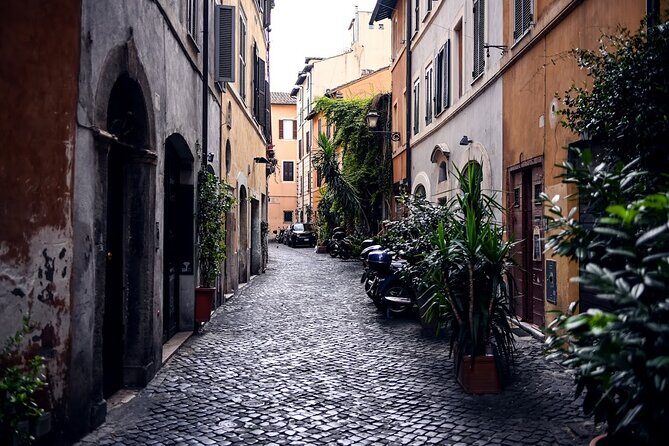
Next comes one of the most meaningful parts of the route: the Jewish Ghetto, established in 1555 in the Rione Sant’Angelo. This is a zone with layers—community life, restrictions, resilience, and a food culture that grew around daily survival and celebration.
This stop isn’t “history for history’s sake.” When the tour points you to food choices in and around the area, it makes the point that cuisines are social systems, not just recipes. You’ll understand why certain flavors show up again and again, and how local eating habits develop under real-world pressure.
What you’ll feel while you walk
- A shift in tone: less postcard Rome, more lived-in Rome
- A stronger sense of continuity: history isn’t sealed behind glass
- A food mindset: meals as identity
Four rivers and a dove: the fountain stop that connects art and street life
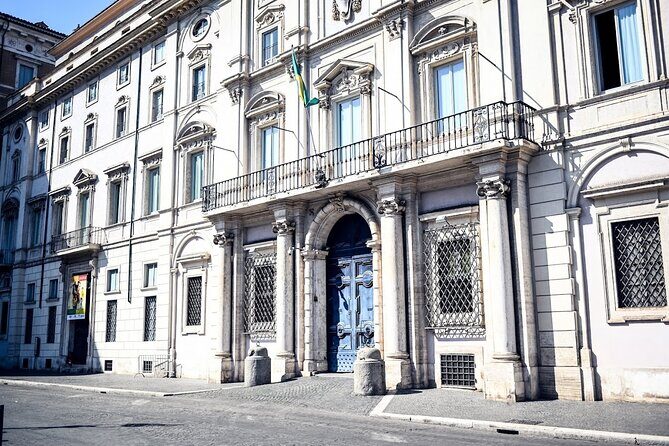
You’ll also pass a 17th-century fountain that’s a homage to 4 rivers, with a Roman obelisk topped by a dove. This kind of stop is a smart tool on a food tour: it stops your feet from carrying you through Rome as a blur, and it gives you something visual to hold onto while you think about what you’re tasting.
Rome loves symbols. Even if you don’t know what each river represents, you’ll notice that the fountain turns a public space into a storytelling stage. That’s the same idea behind Roman eating culture—public, shared, and full of meaning in small details.
Practical tip
Look up for a few seconds. Your neck will thank you later when you’re not trying to do it between tastings.
Ancient walkway remains: Rome’s infrastructure under your lunch route
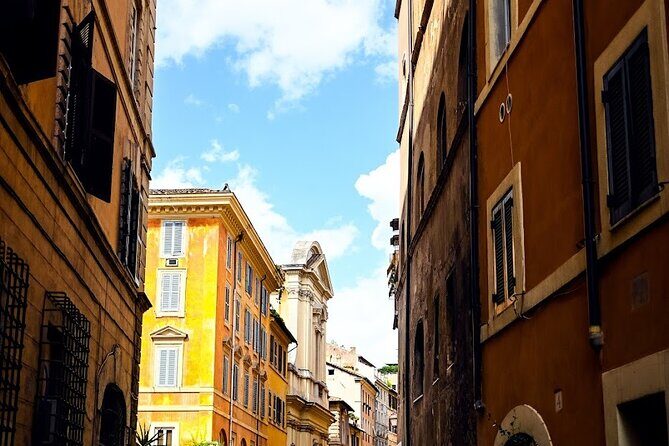
Another stop includes remains of an ancient walkway originally built in the 2nd century B.C. to link two Roman temples.
This is the kind of detail that makes Rome feel different from other European capitals. You’re not just seeing landmarks; you’re walking near the logic of the city—how people moved, how worship shaped routes, and how public space connected everyday life.
On a food tour, these “bones of the city” moments work because they give context for how Romans have long treated the street as part of life. Eating happened outside. Conversations happened in plazas. Routes were social.
The drawback here
If you’re the type who gets impatient with explanations, this is where you might want to listen in short bursts. But the good guides can keep it punchy and relate it back to what you’re about to taste.
Campo de’ Fiori: where your food tour gets more street-level
Then you reach Campo de’ Fiori. The name translates literally to “field of flowers,” but the feeling today is more market and street energy than garden calm.
This part of the route is useful if you want Rome to feel like a real city, not only a stage for visitors. You’re in a square where the street-food atmosphere makes sense. It’s also a natural pause point: you’ve had history, you’ve had tastings, and now you’re moving into a livelier public space.
What to expect from the vibe
- More everyday Rome energy
- A stronger sense of eating as a public ritual
- Good photo opportunities without it being only monuments
Campus Martius and Pompey’s Theatre: temples and Roman scale
Near the end, you’ll be in a square connected with Campus Martius, featuring four Roman Republican temples and the remains of Pompey’s Theatre.
This stop is more than a view. It helps you understand scale. Roman food culture developed in a city where civic life mattered, where gatherings happened in public spaces, and where people ate in the same places they watched performances and discussed politics.
When you’re full from multiple stops already, this kind of landmark lands differently. It can turn your mood reflective, like you’re eating lunch inside a giant open-air timeline.
What you actually eat: the Roman comfort food lineup
This tour is structured around multiple tastings, not just one big meal. Based on what’s included, here’s the Roman lineup you can plan around:
- Two different types of homemade pizza
Roman pizza has its own personality, and splitting it into two styles is a smart move. It keeps the tasting from feeling repetitive.
- Supplì
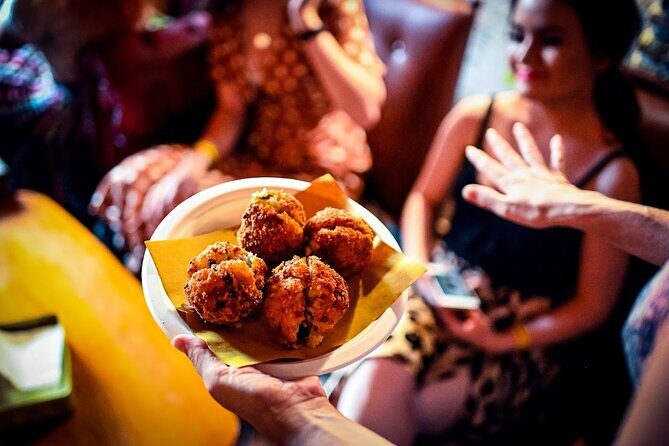
Crispy, rice-based comfort food. This is one of those Roman classics that doesn’t translate as well from frozen versions, so it’s worth trying fresh.
- Italian cold cuts and cheeses
A palate reset between heavier bites, and a reminder that Italian meals aren’t only about pasta and pizza.
- Two Roman pastas
If you think pasta is just pasta, Roman pastas on a tour can change your mind fast. The point is variety within tradition.
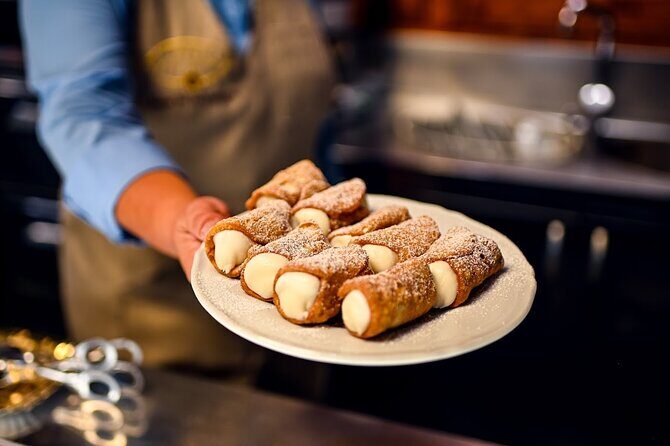
- Cannoli
A dessert that works even when you’re already full, because it’s sweet but not heavy like some pastries.
- Artisanal gelato
Yes, it’s dessert—but it’s also a final flavor check on the day.
- Our secret dish
The tour keeps one element under wraps. That can be fun, but it also means you should keep space in your stomach for one more surprise.
I also like the way this menu supports different cravings. You get savory, crunchy, cheesy, and sweet across the walk. And because the tour includes multiple stops, you’re not stuck eating one thing over and over.
A note about drinks
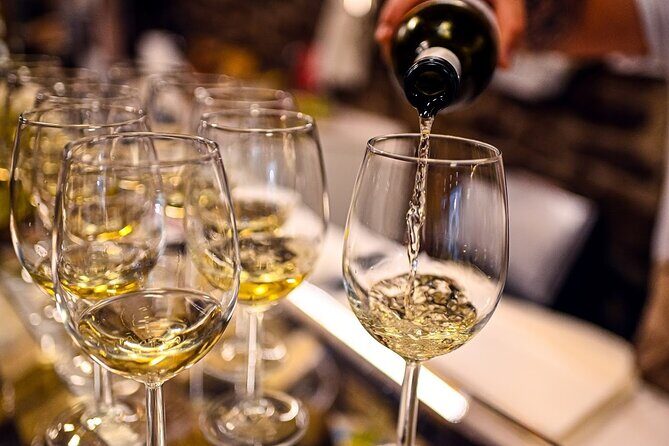
The provided info doesn’t list specific drinks. Still, food tours in this style often pair tastings with coffee and possibly wine at certain stops. With that said, the tour indicates a minimum drinking age of 18, so plan accordingly.
Guide energy and small-group pacing: why you might love it
A lot of food tours are loud and vague. This one is set up to be the opposite. The tour format limits group size to 12, which helps the guide keep names straight, answer questions, and keep you moving without herding you.
From the guide names that show up in the experience—Massimiliano, Manuel, Rocio, Luda, Federico, Eduardo, and others—you can expect a mix of food explanation and local context. People often mention guides being engaging and funny, and that’s exactly what you want here. Rome’s food is best when someone explains why a dish exists and how locals think about it.
One more practical plus: you’ll likely get a steady pace with time for each tasting stop. And if you’re traveling with kids, there are indications that families can enjoy it, as long as you accept walking and big hunger.
Price and value: what $118.51 buys you in real terms
At $118.51 per person, this tour isn’t the cheapest way to eat in Rome. But it also isn’t trying to be. You’re paying for three things that add up:
- Multiple tastings (8+ items including pizza, pastas, supplì, cannoli, gelato, and more)
- A guided route through high-demand historic areas, including the Jewish Ghetto and major squares
- A small group setup that makes the food experience feel intentional rather than chaotic
If you tried to recreate this yourself, you’d spend money on separate meals, multiple snacks, and likely spend time hunting for places that can handle the specific Roman classics you’re trying to taste. The tour compresses that search time and gives you structure, which is valuable in Rome when your schedule gets tight.
So I’d call this a good value when you want a guided sampler day rather than a DIY food crawl.
Who should book this Rome food tour
This works especially well if you:
- Want a first-time Rome food experience that covers more than pizza and gelato
- Like history when it’s tied to what you’re eating
- Prefer small groups and an easy, guided pace
- Want to cover several classic squares in one go: Piazza Navona, Campo de’ Fiori, and the Campus Martius area
It might be less ideal if you:
- Hate walking or have tight mobility limits (the tour is roughly 3 hours on foot)
- Need a very strict dietary plan. The info confirms vegetarian pasta accommodations have been described by some participants, but the menu details provided don’t list full dietary rules.
Should you book? My straight answer
Yes, I think you should book this tour if you want a smart, enjoyable Rome Historic Centre food intro. The big reason is the balance: enough landmark time to make the city feel real, and enough tastings to actually satisfy.
If you’re already the type to plan every meal, you might not need a guided sampler. But if you’d rather get your bearings fast and eat your way through the classics—pizza, supplì, pastas, cannoli, gelato—this is the kind of tour that makes Rome click.
FAQ
How long is the Rome Food Tour?
It runs for about 3 hours.
Where does the tour start and end?
It starts at Sant’Agnese in Agone, Piazza Navona, 14, 00186 Roma RM, Italy, and ends at Largo di Torre Argentina, 00186 Roma RM, Italy.
What foods are included in the tastings?
The tour includes two different types of homemade pizza, supplì, Italian cold cuts and cheeses, two Roman pastas, cannoli, artisanal gelato, and a secret dish.
Is the tour offered in English?
Yes, it’s offered in English.
How many people are in the group?
The tour has a maximum group size of 12 travelers.
Is hotel pickup included?
No, hotel pickup and drop-off are not included.
Is there an age limit for drinking?
Yes. The minimum drinking age is 18.
Can I bring pets?
No, pets can’t be accommodated on these food tours.