REVIEW · COOKING CLASSES
Rome: Pasta Making with Wine Tasting and Dinner in Frascati
Book on GetYourGuide →Operated by From Scratch Experiences · Bookable on GetYourGuide
A real meal you can cook again later. This Rome-to-Frascati experience mixes fresh pasta from scratch with a proper visit to an old wine cave in a family cellar. What I like most is that you learn classic Roman sauces like Carbonara, Cacio e Pepe, and Amatriciana while you’re making the dough. I also like the extra history touch: the cellar and cave connect you to how Frascati wine began. One thing to consider: you’ll climb about 100 steps with no elevator.
If you want Rome without staying stuck in Rome, Frascati is the move. You take a short train ride out of the city, get picked up at the station, stroll through town, then settle into a relaxed evening that ends with lunch or dinner. The class feels hands-on and social, not stiff. Still, come ready for wine: the tasting is part of the experience, and you can buy more if you want.
In This Review
- Key things I’d put on your radar
- Why Frascati feels like a different side of Rome
- The train ride: the simple start that makes it feel real
- First stop in Frascati: a quick town walk that beats waiting around
- Entering the old wine cellar and tasting two family wines
- Pasta making in a 15th-century cellar: what you do, not just what you watch
- If you care about dietary needs
- The Roman sauce choice: how to decide what you’ll make
- Lunch or dinner with what you made: the best kind of ending
- Logistics that can catch you: steps, timing, and meeting points
- Who this is best for (and who might want a different plan)
- What you can take home: skills that actually last
- Should you book Rome: Pasta Making with Wine Tasting and Dinner in Frascati?
Key things I’d put on your radar
- Train to Frascati sets the tone fast: quick, easy, and you trade city noise for countryside calm
- 15th-century cellar + old wine cave: you don’t just taste wine, you see where it started
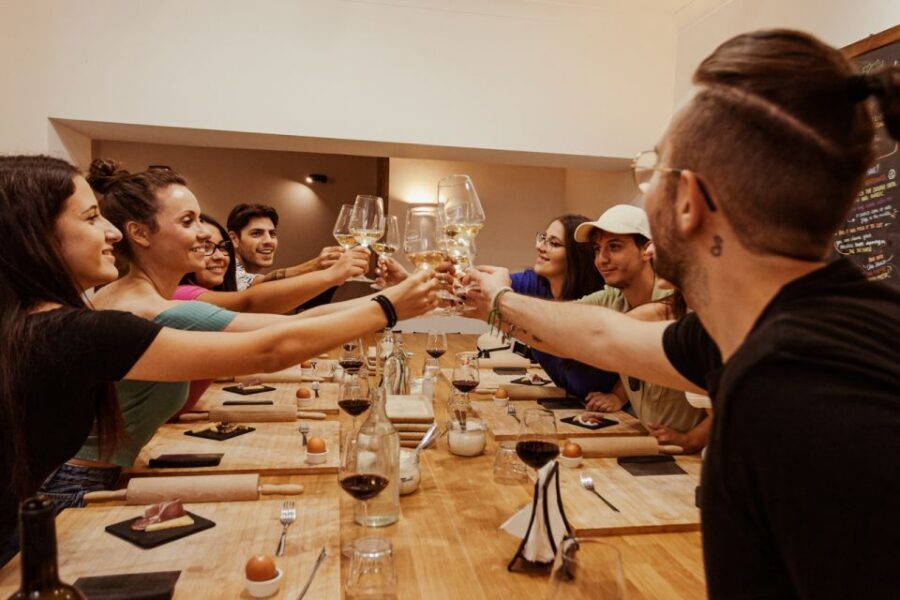
- Two wine tastings with paired snacks: local meats and cheese come with the pour
- Hands-on pasta from scratch: aprons on, dough mixed, shaped, and cooked
- Roman sauces you’ll actually use: Carbonara, Cacio e Pepe, and Amatriciana
- Big final payoff: you eat what you make, in a setting that feels genuinely local
Why Frascati feels like a different side of Rome
Frascati is close enough to Rome for an easy day trip, but it feels like another world once you’re there. The vibe is slower. The setting is built around wine. And the best part is that you’re not doing a “look at stuff” tour. You’re doing a “make food and eat it” tour.
This is the kind of outing that gives you both stories and skills. You get the family cellar background, then you get your hands in dough. When you leave, you’re not just saying you had great pasta. You’ll remember how it came together and which sauce you made it with.
I also like that it’s structured without being rigid. You start with a short walking tour, warm up with a wine tasting, and then the pasta part takes over. The time feels used, not padded.
You can also read our reviews of more food & drink experiences in Rome


The train ride: the simple start that makes it feel real
Your day kicks off with getting from Roma Termini to Frascati by train, about a 30-minute ride. The experience starts after that, so plan to arrive at least 20 minutes early at Termini to find the right platform. The train schedule is listed as about 40 minutes before the experience start time, so treat the train as part of the program, not just transportation.
Here’s what that matters for you: it keeps the day from getting stressful. Instead of a long drive or complicated meeting spots, you’re on rails. And once you’re moving through the countryside, you’ll feel the shift immediately. That’s a big part of why this works as a break from the Rome frenzy.
When you arrive in Frascati, you get picked up at the Frascati Railway Station. If you ever miss a step, the operation seems used to catching people in real life. One person shared that even with a station mix-up, they were contacted and guided to the right place and time.
First stop in Frascati: a quick town walk that beats waiting around
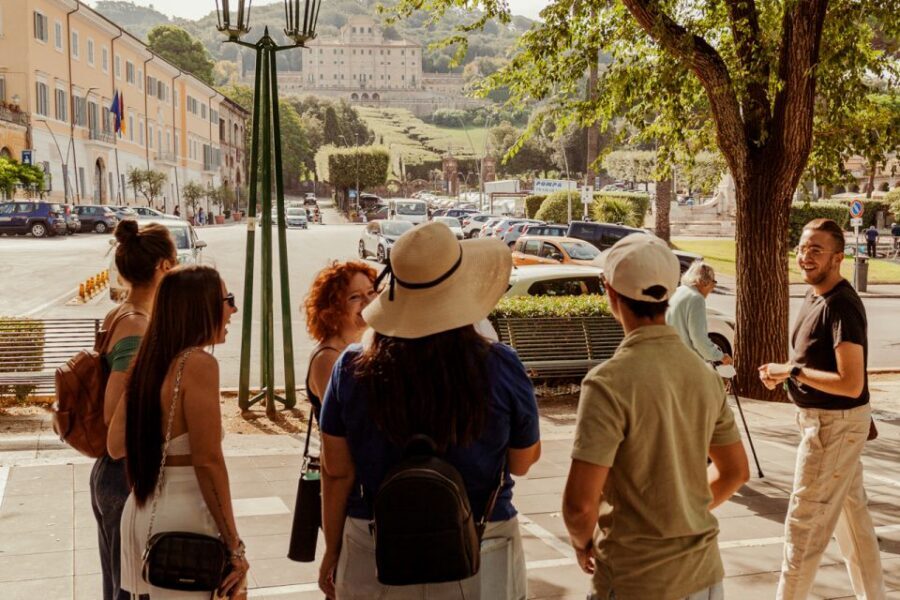
After pickup, the program includes a short walking tour of Frascati. This is not a long lecture. It’s a guided way to get your bearings and see corners you’d likely skip if you were just wandering on your own.
This is where local context matters. Frascati isn’t only wine labels and Instagram views. It’s a hill town with a rhythm. You get some orientation before you head underground. That way, the cellar visit feels connected to the town, not like a random pit stop.
You’ll also likely meet your English-speaking guide/sommelier here. Names that show up in the experience include Rosie/Rosa at the station level, with Nico and Aurora also mentioned in hosting roles. That matters because a good guide makes the whole night feel like you’re with family, not like you’re shuffled through stations.
Entering the old wine cellar and tasting two family wines
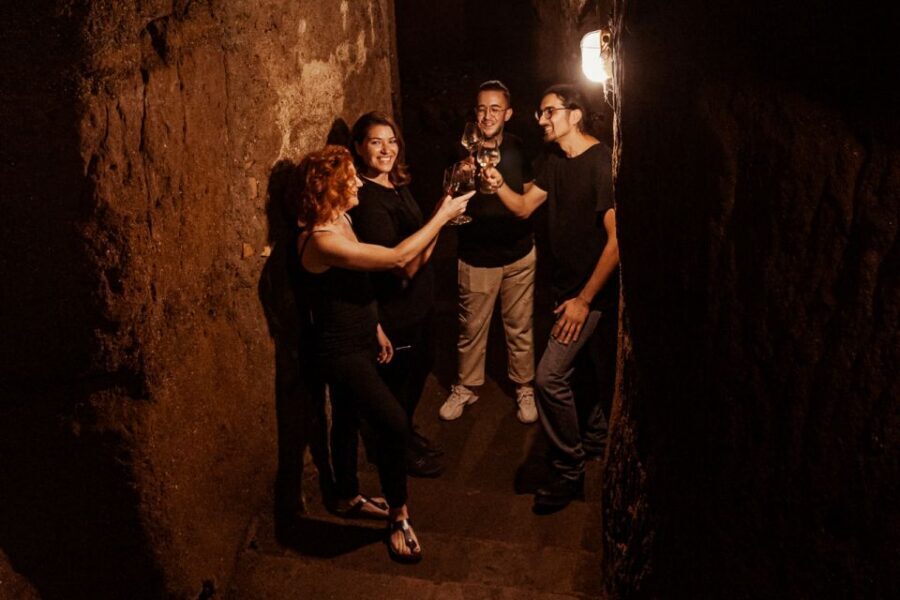
Next comes the main setting: the 15th-century wine cellar and the old wine cave where the family’s production began. If you like your wine experiences to be grounded in place, this is the part you’ll remember.
The tasting starts with two types of the family’s wine, paired with snacks like local meats and cheese. This is practical wine travel: you’re learning how to pair while you’re actually tasting, instead of just sipping blindly and hoping for the best.
You’ll also get the story behind the space. The caves and cellar aren’t just scenery. One review noted that the cellar area was previously used as a shelter during WWII, which adds a human layer to the walls. Even if your focus is food, that context makes the visit feel weighty in a good way.
A simple tip if wine isn’t your whole personality: you don’t have to become a sommelier. The tasting is set up as part of the dinner rhythm. You’ll still get the full pasta lesson and the meal at the end, and the wine role is supportive, not overpowering.
Pasta making in a 15th-century cellar: what you do, not just what you watch
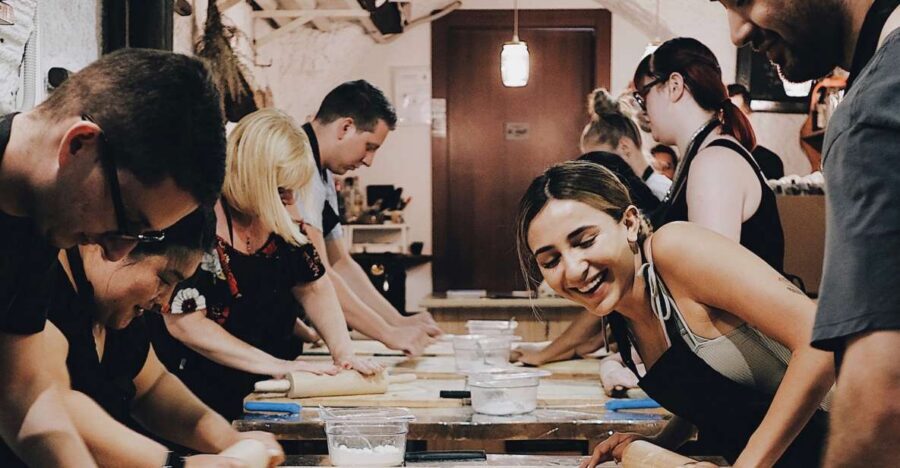
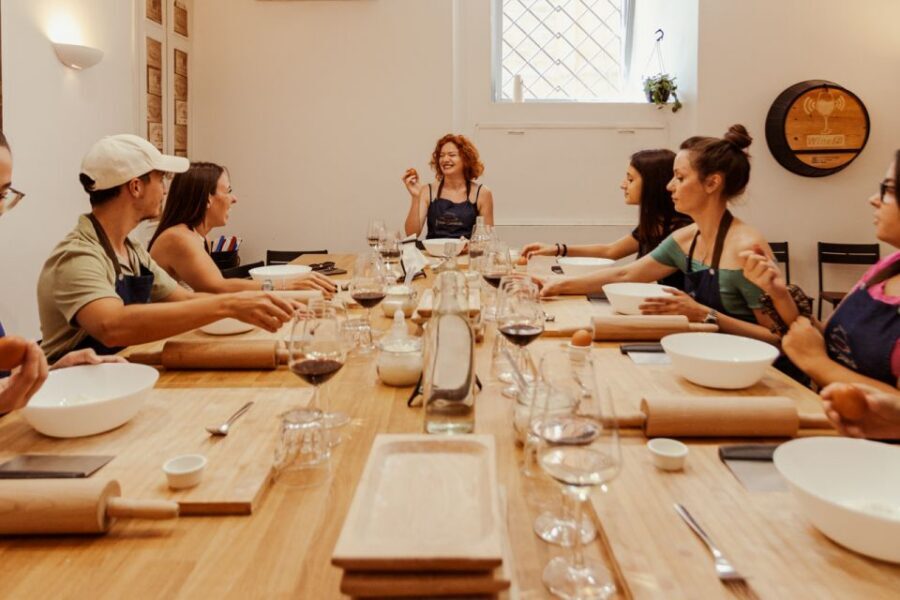
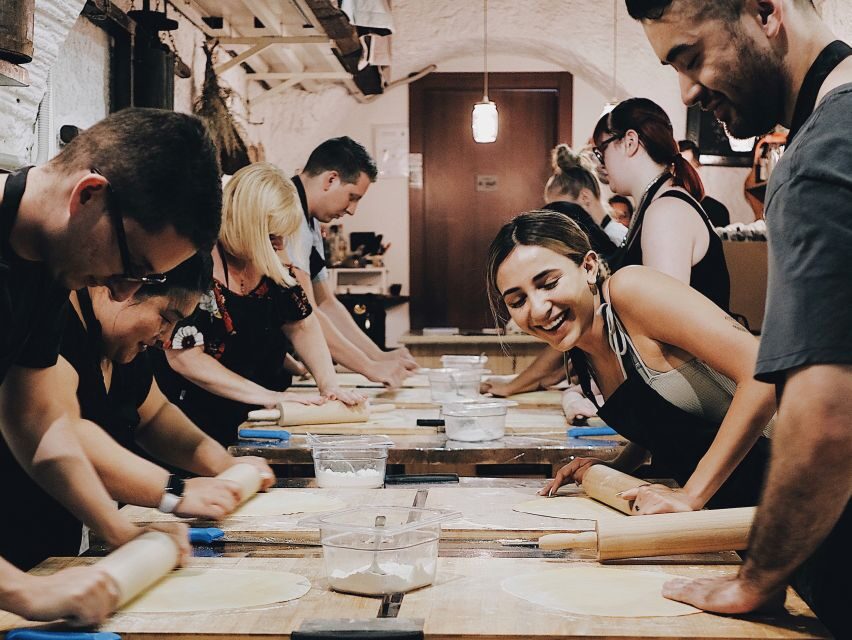
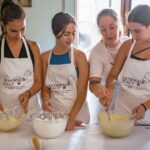
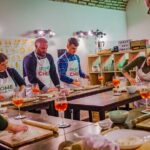
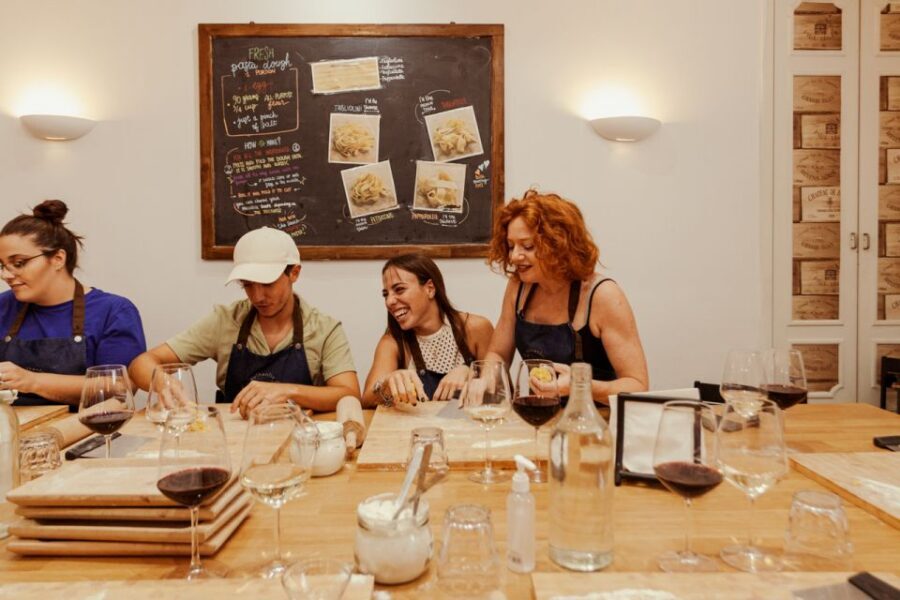
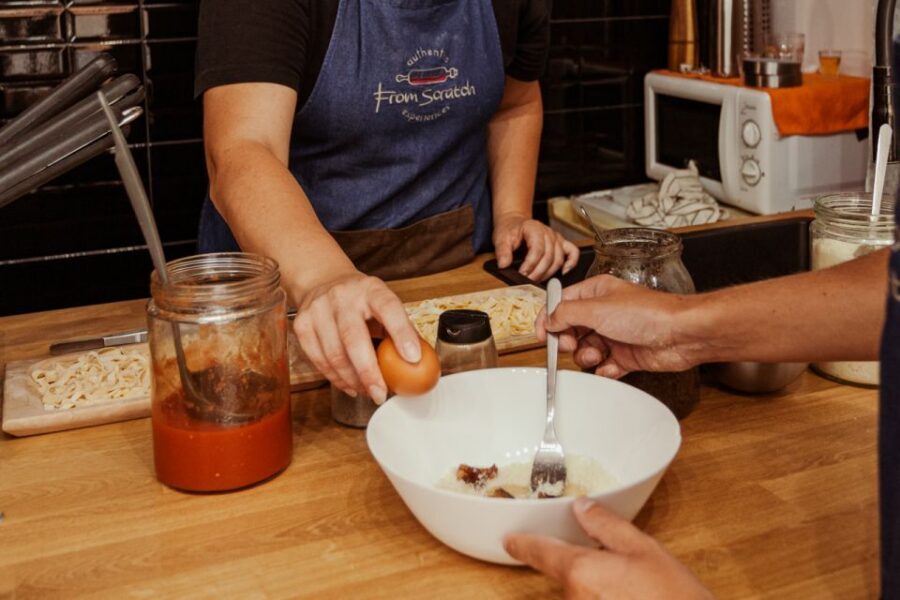
Then you switch gears from sipping to mixing. All the necessary items for pasta are ready for you, and you get an apron and instructions in English.
The hands-on part includes:
- mixing the ingredients into dough
- learning the basic kneading and working process
- shaping and cutting your pasta
- having your pasta cooked with your chosen Roman sauce
You’ll learn to make Roman-style sauces that are part of the Frascati-to-Rome flavor chain. The sauces named in the experience include:
- Carbonara
- Cacio e Pepe
- Amatriciana
Here’s why this matters for you: Roman pasta isn’t about fancy gadgets. It’s about technique and restraint—getting the sauce to cling and keeping flavor balanced. When you make the dough yourself, you start to understand how small changes affect texture and bite.
Also, the experience is designed so you end up eating your work. Many people say the pasta is huge or extremely satisfying, and it’s not just a token taste. Come hungry. You won’t regret it.
You can also read our reviews of more cooking classes in Rome

If you care about dietary needs
One review mentioned that the hosts can accommodate food choices and intolerances with flexibility. The lesson to take from that: if you have dietary needs, flag them ahead of time. This type of family-run class tends to be more practical than rigid.
The Roman sauce choice: how to decide what you’ll make
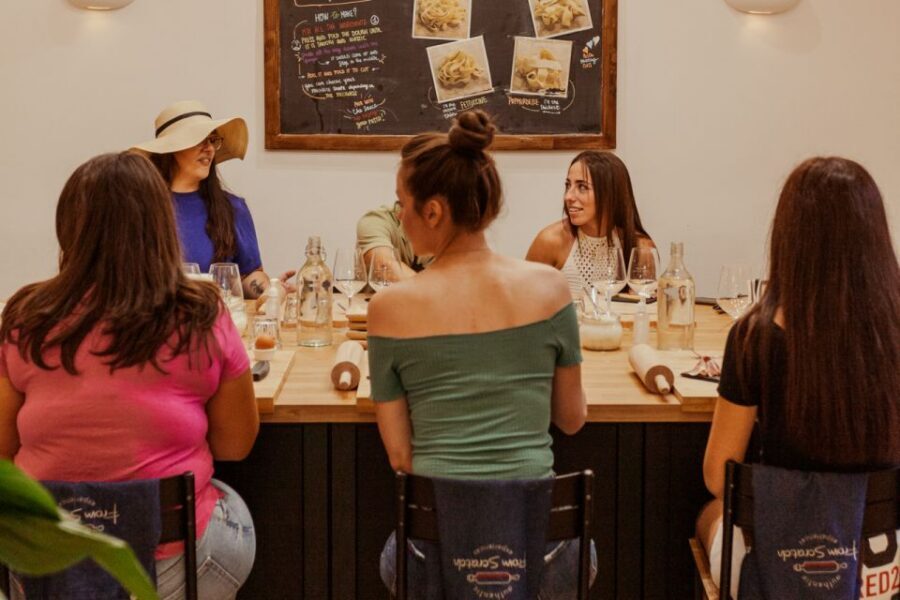
Before eating, you’ll have a chance to pick (or be guided toward) a sauce that matches what you want out of the meal.
If you like creamy comfort, go for Carbonara. If you want sharp, pepper-forward simplicity, Cacio e Pepe is the style. If you’re craving something richer and more savory, Amatriciana is the grab.
You’re not just picking a sauce for your plate. You’re picking the flavor you’ll associate with the pasta you made. That’s what makes this class useful after you get home: next time you cook, you’ll remember what worked for you.
Lunch or dinner with what you made: the best kind of ending
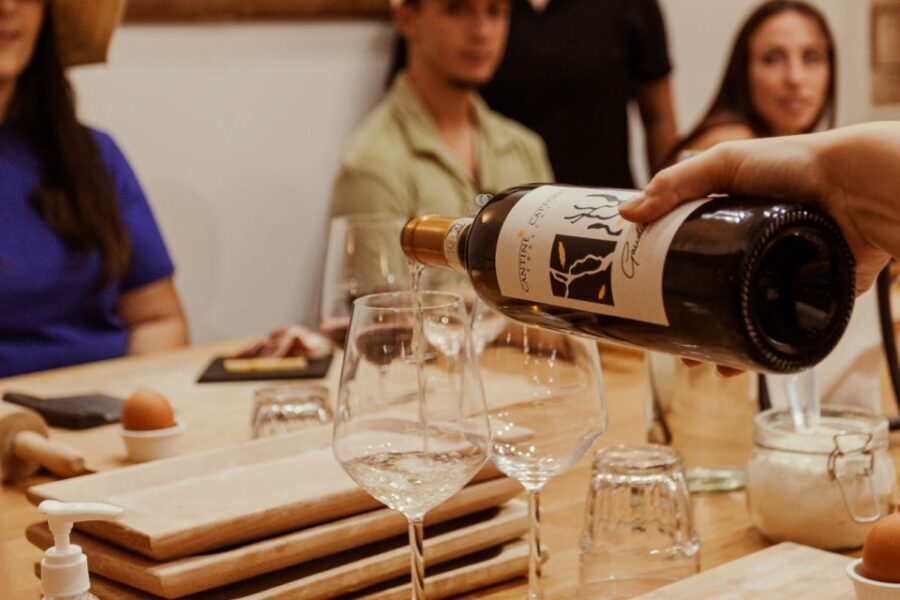
The experience includes coffee and water, plus lunch or dinner depending on the timeslot. Either way, the structure stays the same: wine cave first, then pasta making, then eating your finished dish.
This is where the value feels real. For $35, you’re not only paying for instruction. You’re paying for:
- station pickup and town orientation
- all pasta equipment
- wine tasting (two wines) with paired snacks
- cellar and cave access
- a meal plus coffee and water
And you get a personal connection that larger city cooking demos often can’t replicate. Several people described the hosts as welcoming and supportive, even when they made mistakes. That tone matters because it makes pasta making feel doable, even if you’ve never made dough before.
One smart move: don’t rush the meal. The place is set up so you can relax after the cooking. If you end up with more pasta than you can finish, ask about taking leftovers. At least one person mentioned getting a to-go option.
Logistics that can catch you: steps, timing, and meeting points
There’s one physical consideration you should take seriously: you’ll climb 100 steps to reach the top of the town, and there’s no elevator. If you’re traveling with limited mobility, plan for breaks. If you’re fine on stairs, still wear shoes with good grip and expect a steady climb.
Timing is your other key. The train leaves from Roma Termini about 40 minutes before the experience start time, and pickup is at Frascati station. The meeting setup is clear:
- At Frascati Station, go out via the main exit and look for the FRASCATI sign on your right.
- If you want to meet directly at the restaurant, the address listed is Corso San Giuseppe Calasanzio 21, about 20 minutes after the scheduled time.
This kind of detail saves you stress, especially on arrival day when you’re juggling trains, platforms, and crowds.
Who this is best for (and who might want a different plan)
This works especially well if you:
- want a hands-on Rome cooking class without staying trapped inside the historic center
- love Italian food and want specific Roman sauce skills (Carbonara, Cacio e Pepe, Amatriciana)
- want a short break from Rome’s pace while still doing something major
- enjoy wine, or at least enjoy food-focused wine pairings
It may be less ideal if you:
- hate stairs (the 100-step climb with no elevator is a dealbreaker for some)
- want only a quick photo stop and no cooking
- prefer highly structured, kitchen-lab style instruction (this is family-run and more relaxed)
What you can take home: skills that actually last
The best part of a pasta class isn’t the meal in front of you. It’s the confidence you get for later.
After making dough from scratch and shaping it with guidance, you’ll be able to reproduce the core steps at home: mixing, kneading feel, cutting/shaping, and then finishing with a sauce you now understand. That’s the advantage of focusing on classic Roman sauces. They’re not trend-driven. They’re built for repetition.
And because the evening includes the wine cave story in the same flow as the cooking, it sticks. You don’t forget where the experience happened, because the place is part of the taste.
Should you book Rome: Pasta Making with Wine Tasting and Dinner in Frascati?
Yes, if you want real value for your time. For about $35 for 2.5 hours, you get a full mini-day trip with pickup, a town walk, a wine cave and cellar visit, two wines, hands-on pasta making, and a full meal with coffee and water.
I’d book it if you’re excited by the idea of eating what you made, and if you’re comfortable with stairs. If stairs are an issue, look for something else in Rome proper.
If you’re the type who likes food with a story, this is a strong choice. You’ll leave with skills, not just souvenirs.