REVIEW · COOKING CLASSES
Rome: Pasta Cooking Class with Spritz Cocktails
Book on GetYourGuide →Operated by Carpe Diem Tours · Bookable on GetYourGuide
Spritz and spaghetti is a fun way to learn Rome. In a centrally located kitchen, you’ll meet a local chef, do a mixology demo, then make fettuccine and classic Roman sauces while you’re sipping along.
I especially like the hands-on pace: you’re not just watching, you’re making pasta from scratch and tasting what you create. And the cocktail part is practical, not just a toast—learn the Aperol Spritz technique first, then you’ll mix another spritz-style drink as the meal builds.
One clear consideration: this class isn’t set up for coeliac disease, gluten intolerance, a vegan diet, or lactose intolerance. If any of those apply, you’ll want to look for a different format.
In This Review
- Key things I’d circle before you book
- Spritz-and-pasta setup in central Rome
- Walking into the kitchen: meet your chef and get oriented
- Aperol Spritz mixology demo: learn the cocktail system first
- Fettuccine from scratch: the part you’ll remember
- Roman sauce secrets: cacio e pepe and carbonara
- Hugo Spritz and Limoncello: the meal’s second act
- The meal: you eat what you make (not scraps)
- E-book recipes: how to keep the class going after Rome
- Price and value: is $89.50 worth it?
- Who this class suits best (and who should skip)
- Practical tips so your night stays smooth
- Should you book this Rome pasta and spritz class?
- FAQ
- How long is the Rome Pasta Cooking Class with Spritz Cocktails?
- What cocktails are included in the class?
- What pasta will I be making?
- Are vegetarian options available?
- Can I join if I’m vegan?
- Is this class gluten-free or suitable for coeliac disease?
- Can I join if I’m lactose intolerant?
- Is hotel pickup included?
- What language is the class taught in?
- Is there free cancellation?
Key things I’d circle before you book
- Aperol Spritz mixology demo before the cooking starts
- Fettuccine made from scratch in a hands-on kitchen
- Roman sauce skills for cacio e pepe and carbonara
- Three drink moments: Aperol Spritz, Hugo Spritz, plus Limoncello
- Recipe e-book to take home so the class doesn’t vanish after dinner
Spritz-and-pasta setup in central Rome
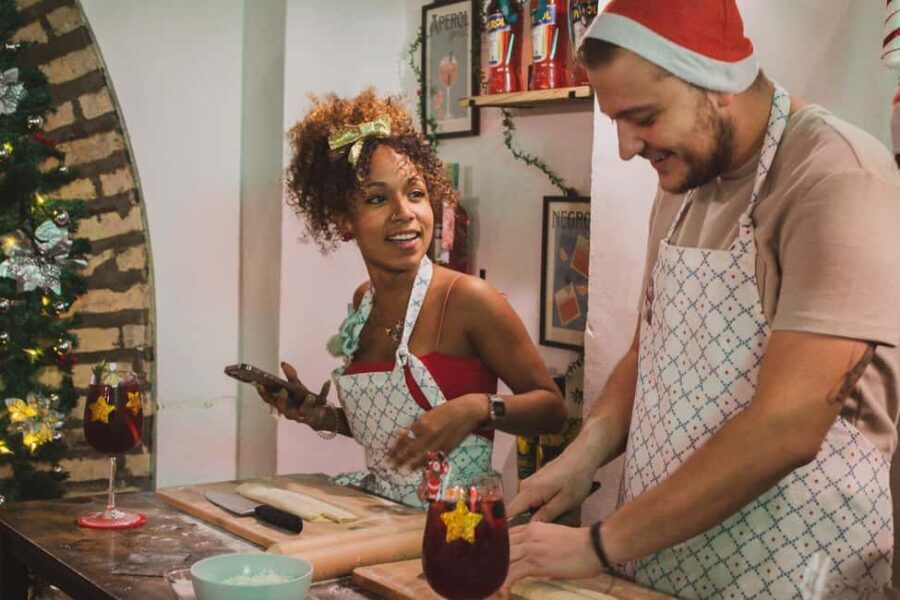
This experience is basically Rome in two flavors: pasta technique and Italian aperitivo culture. You’ll start in a real kitchen setting, with a chef teaching you how the process works, step-by-step. No mystery. No vague “add some seasoning” vibes.
The best part is how naturally the schedule flows. You get a drink lesson first, then you move to dough. As the cooking ramps up, your chef brings you into the logic behind Roman favorites like cacio e pepe and carbonara. It turns a dinner plan into a skill-building evening.
And yes, the social side is built in. You’re cooking together, sharing the work, then sitting down to eat your own creations. That combo—activity plus meal—tends to keep the mood light, even if you’re traveling solo.
You can also read our reviews of more cooking classes in Rome

Walking into the kitchen: meet your chef and get oriented
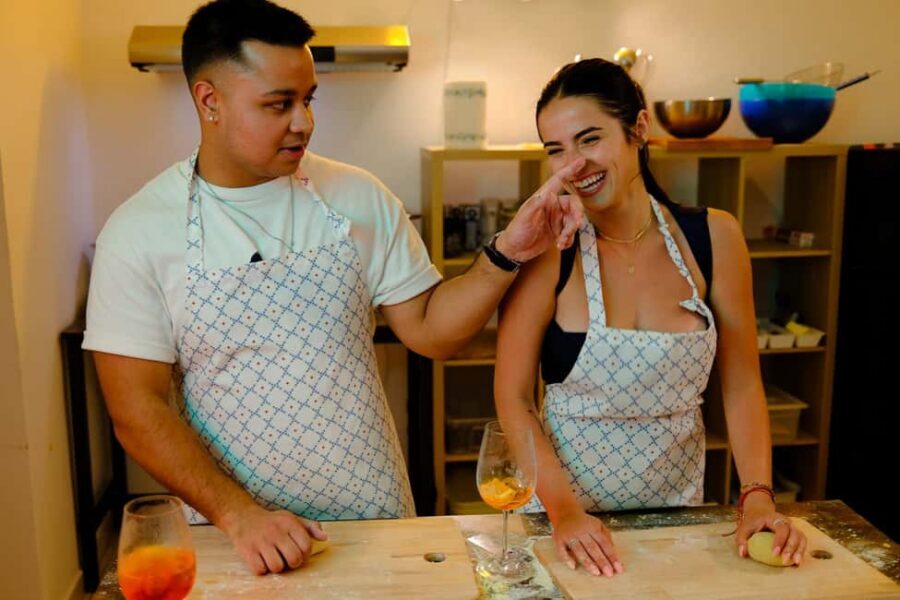
You’ll meet the local chef at a meeting point that can vary by option booked, and the class ends back at that same area. That means you’re not locked into a specific pickup script, so it helps to plan to arrive a few minutes early once you know the exact address.
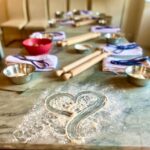
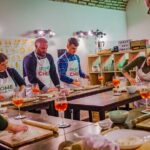
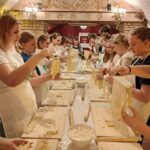
In the room, expect a kitchen setup that’s designed for group participation. You’ll have the chance to mix, roll, portion, and cook. Reviews also repeatedly mention that instructors manage pacing well—people feel they can follow along without being left behind.
Many sessions are led by different chefs and hosts. Names that come up include Emma, Sunny, Adriano, Juan, and Marzia, with guests praising clear instruction and lively energy. If you like learning with some humor and momentum, you’re in the right place.
Aperol Spritz mixology demo: learn the cocktail system first

Before you touch dough, you’ll get a mixology demo centered on Aperol Spritz. This is more than a drink pour—it’s the foundation for balancing bitterness, bubbles, and orange notes so the spritz tastes right, not just strong.
Practically, this matters for two reasons:
- You get a “win” early in the evening, which keeps everyone in a good mood while the cooking gets hands-on.
- You learn the method first, then can apply that logic to the next cocktail later.
The class specifically includes the Aperol Spritz. And since you’ll be sipping as you learn, it also helps you settle into the Roman dinner rhythm—aperitivo first, then pasta.
Fettuccine from scratch: the part you’ll remember
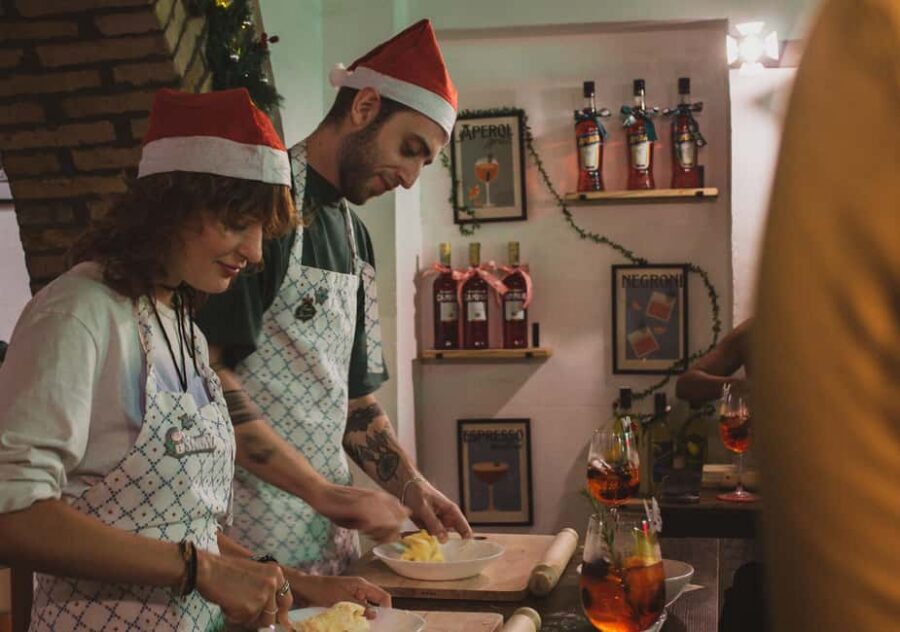
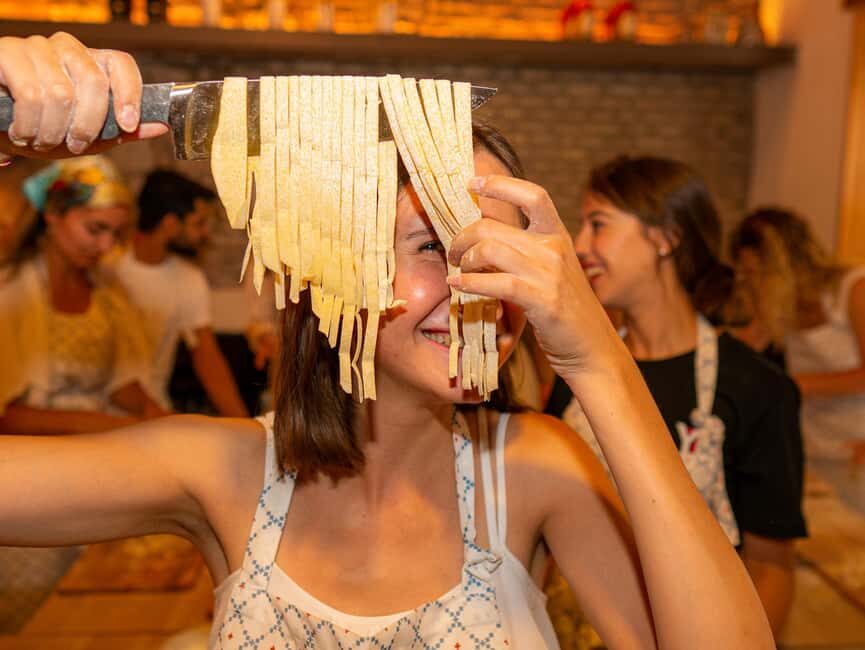
Next comes the saucy work: you’ll make fettuccine from scratch. That’s the core skill in this class, and it’s what makes it more than a “taste and watch” experience.
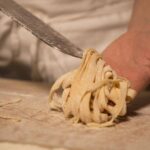
You’ll learn the pasta-making process as you go—so you’re not just eating Roman classics, you’re actually reproducing the base. Expect teamwork and a bit of mess at the counter. That’s normal. The dough will teach you faster than any explanation.
Why I think this is valuable: pasta is one of those things people assume is too technical to learn in a short class. But when the chef breaks it into manageable steps and you’re in the middle of the work, it clicks. Even if your first batch isn’t perfect, the learning sticks—and you’ll have a recipe e-book to refresh the details later.
Roman sauce secrets: cacio e pepe and carbonara
Now the focus shifts to what makes Roman pasta Roman: the sauces.
You’ll be taught how to make classic cacio e pepe (cheese + pepper) and carbonara (creamy, egg-and-cheese logic). The class description frames this as learning the secrets of authentic Roman recipes, and the overall feedback puts a big emphasis on clarity and results—people describe their carbonara as among the best they’ve had.
Here’s what you should watch for while you cook:
- Timing matters. Carbonara texture depends on careful mixing and heat control.
- Cacio e pepe needs a smooth approach so the cheese and pepper behave like a sauce, not a clump.
- Don’t treat the sauce as an afterthought; you’re learning the method that turns simple ingredients into the signature taste.
If you’ve only ever had these dishes on menus, this part helps you understand why they’re so beloved. It’s not a complicated menu; it’s technique and restraint. That’s very Roman.
You can also read our reviews of more tours and experiences in Rome

Hugo Spritz and Limoncello: the meal’s second act
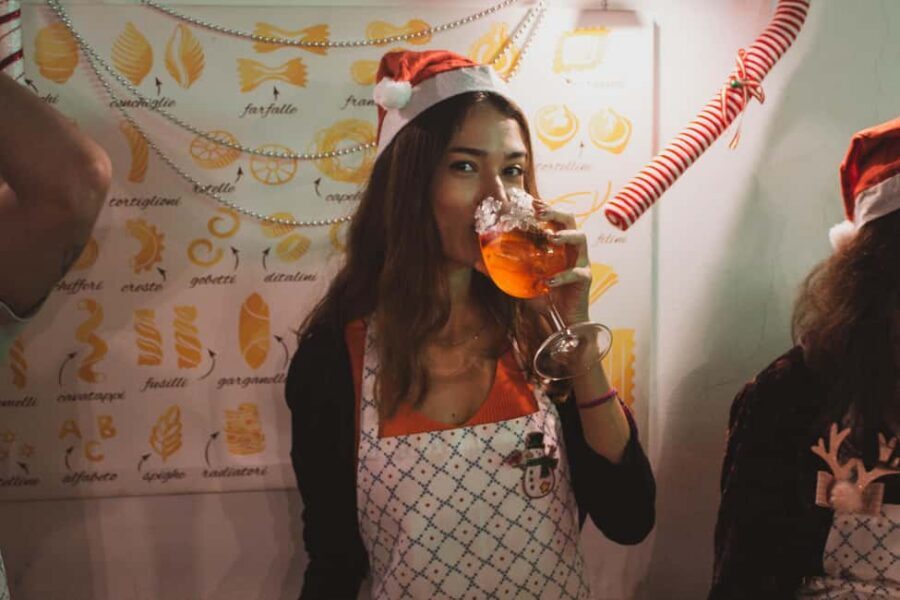
After the mixology demo and pasta-making, you’ll get another spritz moment: Hugo Spritz. The class description includes it as the second cocktail you’ll stir up. This keeps things moving and gives you another taste comparison point as the evening evolves—from Aperol’s more bitter-sweet profile to Hugo’s herb-forward vibe.
And then there’s the third drink: Limoncello. This is often what people remember later because it feels so distinctly Italian—bright, aromatic, and served as a fitting capstone after a home-cooked meal.
One useful way to think about the drinks: they’re not just “extras.” They mirror the pacing of an Italian evening—drink lessons early, then more drinking as you eat. If you go in expecting a serious cocktail class plus an actual pasta lesson, you’ll get exactly what you came for.
The meal: you eat what you make (not scraps)
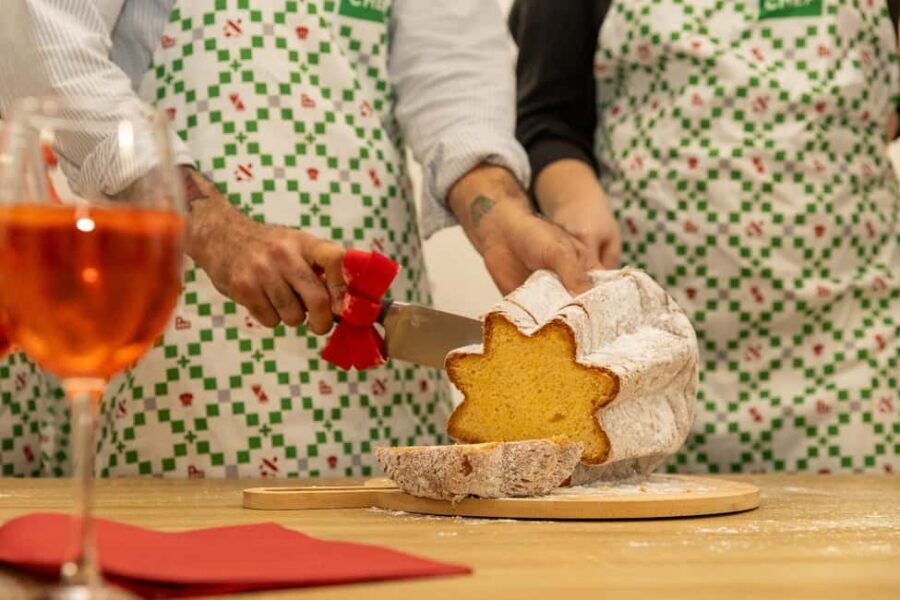
Once your pasta and sauces are ready, you’ll enjoy your homemade meal. That’s a big deal. A lot of cooking classes end with snacks. Here, you’re expected to sit down and eat a real plate of your work.
This is also where the group chemistry shines. Multiple comments highlight how the kitchen format brings people together—sharing tasks, talking during mixing, and then eating the results as a team.
If you’re the kind of person who likes travel moments that combine culture with something you can do with your hands, you’ll probably love this part. It turns dinner into a story you can repeat at home.
E-book recipes: how to keep the class going after Rome
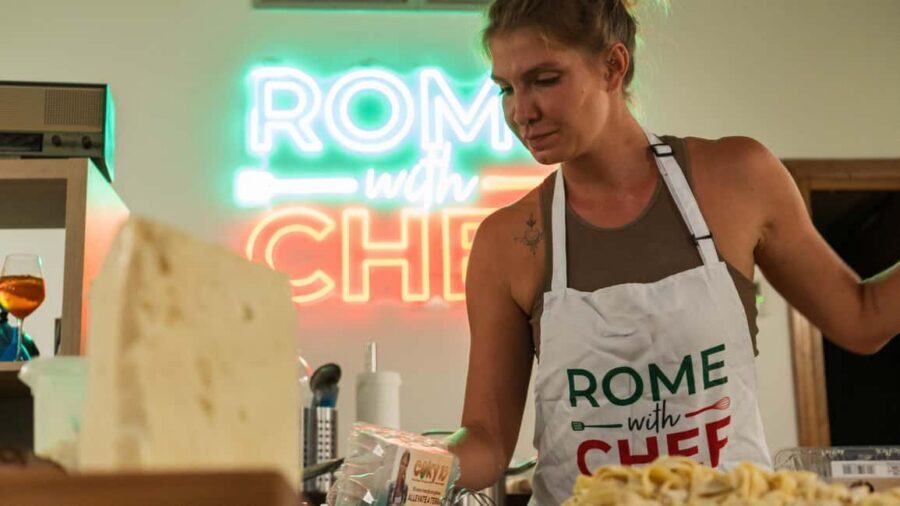
You’ll receive the recipes by e-book after the class. That matters more than you might think. Pasta dishes can be hard to recreate from memory—especially when sauce texture is involved.
With the e-book, you’ll have a practical reference to make:
- the fettuccine process you practiced
- the method logic for cacio e pepe and carbonara
- the cocktail approach you learned for Aperol Spritz and Hugo Spritz
This is the difference between a fun night and a skill you can use later. The recipe list makes your next attempt at home far less guessy.
Price and value: is $89.50 worth it?
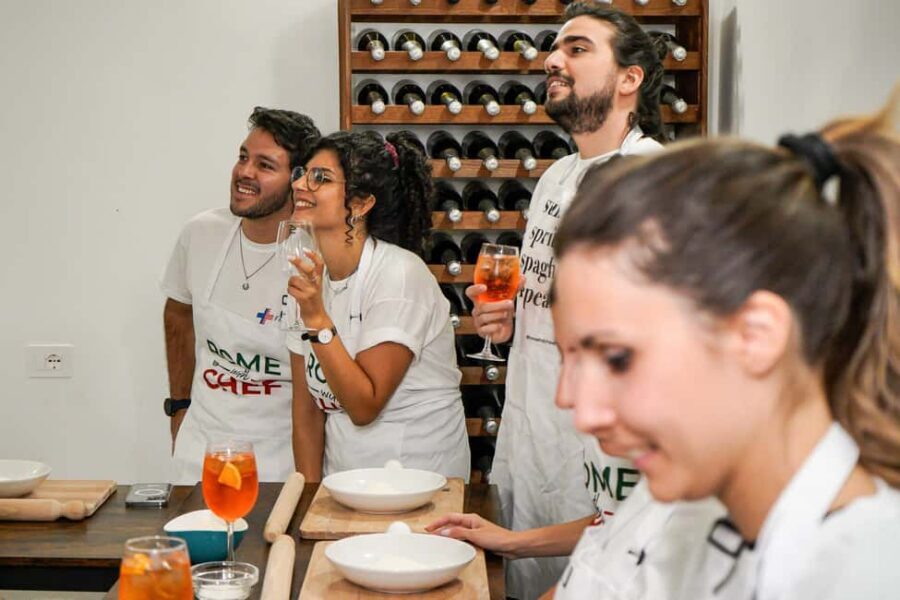
At $89.50 per person for a 2–3 hour class, the value comes from three bundled things:
- a chef-led, hands-on pasta session
- three included cocktails (Aperol Spritz, Hugo Spritz, plus Limoncello)
- ingredients and take-home recipes (not just instruction)
If you priced those separately in Rome—chef-led cooking time, multiple drinks, and the ingredients—you’d likely feel the gap. Even without turning it into a math exercise, the structure makes sense: you pay for an evening that replaces dinner with a guided lesson.
Also, the rating is extremely strong (4.9 from 158 reviews), and many of the comments repeatedly point to the same payoff: the class is fun, the food is delicious, and the drinks are generous. That’s consistent with a well-run format where people leave fed, informed, and in a good mood.
Who this class suits best (and who should skip)
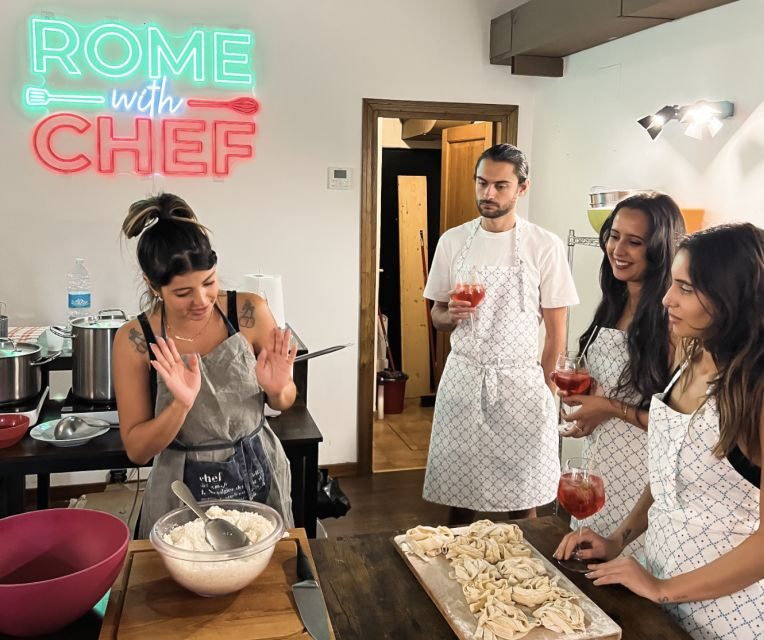
This is a great fit if you want:
- a hands-on pasta lesson with Roman sauce focus
- a cocktail-forward evening that still teaches technique
- a social activity that feels like dinner, not a lecture
Instructors get praise for being funny and engaging—people call out hosts like Sunny and Marzia for energy and helpful tips. And the class design—mixing, cooking, eating—naturally supports that kind of interactive vibe.
But skip this one if you’re dealing with dietary limits mentioned in the class rules:
- not suitable for gluten intolerance or coeliac disease
- not suitable for a vegan diet
- not suitable for lactose intolerance (dairy is used)
- vegetarian options are available, but vegan isn’t
If you’re somewhere in that middle zone (for example, you can eat dairy but not gluten), this class won’t work as written. In that case, you’ll want to look for an alternative that explicitly supports your needs.
Practical tips so your night stays smooth
A few common-sense moves make a difference in a class like this:
- Go hungry. You’ll cook, you’ll sip, and then you’ll eat a full meal.
- Pace yourself with the spritzes. The class is meant to be fun, but cocktails add up fast.
- Bring your appetite for learning. The real win here is picking up the logic behind the sauces and the pasta process, not just snapping photos.
Also, plan your evening around the 2–3 hour duration. Starting times depend on availability, so once you pick a slot, build in enough buffer for getting there and settling in.
Should you book this Rome pasta and spritz class?
I’d book it if you want a high-value night in Rome that mixes real cooking with real aperitivo culture. The hands-on pasta-making, the Roman sauce focus (cacio e pepe and carbonara), and the inclusion of three cocktails make it feel like an experience, not a ticket to a show.
I’d skip it if you need vegan, gluten-free, or lactose-free accommodations, since the class states it can’t accommodate those diets due to its menu.
If you fall into the “I want to learn and eat” category, this is the kind of class that gives you something lasting: recipes you can use later and a technique story you’ll be able to repeat next time you make carbonara.
FAQ
How long is the Rome Pasta Cooking Class with Spritz Cocktails?
The class runs about 2 to 3 hours. Starting times vary, so you’ll need to check availability for the schedule.
What cocktails are included in the class?
You’ll make or learn three cocktails: Aperol Spritz, Hugo Spritz, and Limoncello. The class also includes a mixology demo.
What pasta will I be making?
You’ll make homemade fettuccine from scratch, and you’ll learn Roman recipes like cacio e pepe and carbonara.
Are vegetarian options available?
Yes. Fresh, local ingredients are used, and vegetarian options are available.
Can I join if I’m vegan?
No. The class is not suitable for people who follow a vegan diet.
Is this class gluten-free or suitable for coeliac disease?
No. It is not suitable for gluten intolerance, and it cannot accommodate participants with coeliac disease or gluten intolerance.
Can I join if I’m lactose intolerant?
No. It is not suitable for lactose intolerance because dairy products are used.
Is hotel pickup included?
No. Hotel pickup and drop-off are not included.
What language is the class taught in?
The live tour guide is in English.
Is there free cancellation?
Yes. You can cancel up to 24 hours in advance for a full refund.