REVIEW · COOKING CLASSES
Bruschetta, Fettuccine, Gnocchi, Tiramisu Cooking Class
Book on Viator →Operated by Local Aromas - Rome Food Tours · Bookable on Viator
That first spritz sets the mood fast. This Rome class is less like a classroom and more like a relaxed dinner party in a private villa, with a chef leading you step by step. The menu starts as a surprise, and you’ll end up eating what you help make, paired with local wine.
Two things I really like: you get real hands-on practice with pasta doughs from scratch, and you’re not just tasting—you’re learning tips you can use back home. I also like the small-group feel (up to 12 people) and the warmth that comes from a family-run team.
One thing to consider: the exact menu is part of the fun, so if you want a fixed, guaranteed list of dishes, you may want to double-check what’s running on your date.
In This Review
- Key things to know before you go
- Why this Rome cooking class feels like a real dinner party
- The menu surprise: pasta doughs, mystery sauces, and a Roman dessert
- The spritz and snacks moment: how the evening starts
- Hands-on pasta in the villa kitchen: what you’ll actually learn
- Cacio e pepe and the mystery sauce: dinner you earn
- Dessert: the Roman wine-dipped finish (and the tiramisù question)
- Small-group energy: how the class stays fun and personal
- What to do before and after: timing, pacing, and practical prep
- Price and value: is $189.87 worth it in Rome?
- Who should book this cooking class, and who should skip it
- FAQ
- How long is the Bruschetta, Fettuccine, Gnocchi, Tiramisu Cooking Class in Rome?
- Is this cooking class offered in English?
- Where do I meet for the class?
- How many people are in the group?
- What is included in the price?
- Do I get hotel pickup or drop-off?
- What drinks are part of the experience?
- What food will I make and eat?
- Is there free cancellation?
- Are service animals allowed?
- Should you book this Rome pasta-and-dessert dinner?
Key things to know before you go
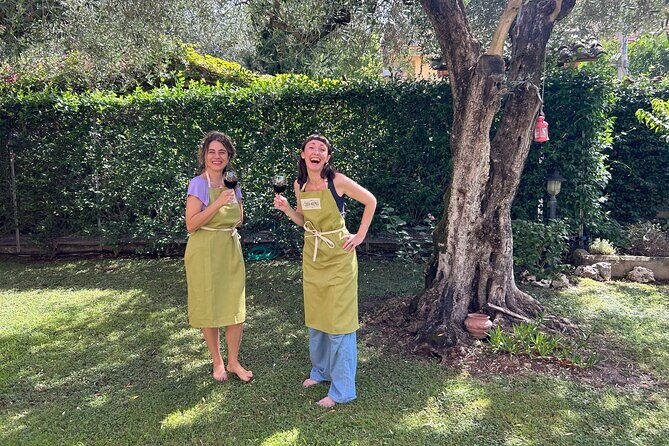
- A private villa setup in Trastevere: you’re cooking where Romans actually relax, not in a warehouse demo room.
- A surprise menu, with cacio e pepe in the mix: one pasta course is paired with classic cacio e pepe.
- Two pasta doughs, hands-on: you’ll practice technique, not just watch and hope.
- Wine starts early and keeps going: spritz plus local wine with dinner, and wine is part of dessert too.
- Family-run Local Aromas team: you may meet hosts like Christina and Valentina, plus other Local Aromas staff.
Why this Rome cooking class feels like a real dinner party
Rome has no shortage of cooking classes. This one stands apart because it’s built around a dinner rhythm. You arrive, snack, cook, then eat together on what you made.
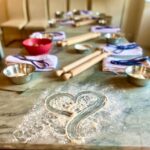
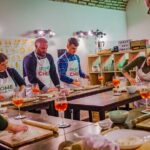
The Trastevere villa setting matters. It keeps the energy casual. You’re not stuck in a line. You can ask questions while you work, and you’ll feel like you’re part of the evening instead of rushing through “the activity.”
Also, the vibe is family-run. People like Chef Christina and her daughter Valentina come up again and again in what I saw firsthand through the experience details. You’ll also see other Local Aromas hosts listed in different sessions, which hints that you’re in steady hands either way.
If you like food that’s practical—recipes you can repeat at home—this format is a good match. You’ll leave with techniques, timing cues, and confidence.
You can also read our reviews of more cooking classes in Rome

The menu surprise: pasta doughs, mystery sauces, and a Roman dessert
The class is built around mystery. Your evening starts with a Spritz and local snacks, then moves into two pasta doughs from scratch. After that, dinner includes handmade pasta served with cacio e pepe and another “mystery” sauce.
What does mystery mean for you? It means you should arrive with curiosity, not a shopping list. You might see familiar Roman-style elements, but the second pasta course and sauce can vary from what you expect.
Dessert is also described as a traditional Roman treat, and the description specifically hints it’s not tiramisù. At the same time, some versions tied to the same cooking concept mention tiramisù by name. So your safest expectation is this: you’ll learn a Roman dessert, and it may or may not be tiramisù depending on the session.
That’s actually a good thing. Roman dessert is about texture and balance, not showy decoration. You’ll get the method and the logic behind it, not just a one-night gimmick.
The spritz and snacks moment: how the evening starts
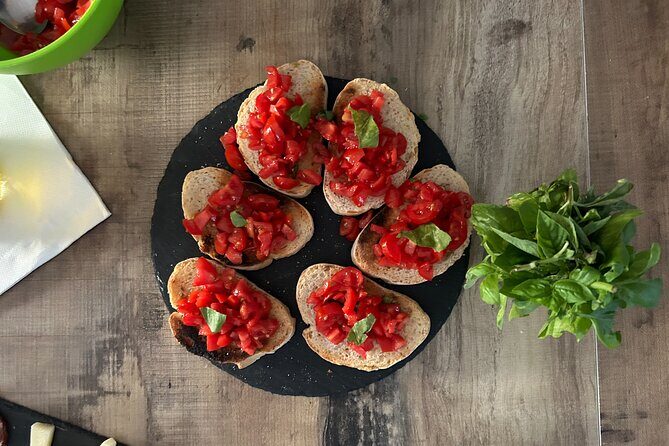
The start is simple: a Spritz plus local snacks. This isn’t filler time. It’s a way to get everyone loosened up before the hands-on work begins.
Spritz also gives you a taste of the Italian aperitivo style. You’ll likely notice how the menu pacing shifts afterward. Instead of jumping straight to cooking, you ease into it, which makes the later steps feel less rushed.
Local snacks matter too. They’re usually there to anchor your appetite while you settle in. You’re not showing up hungry and stressed. You’re ready to focus when the dough lessons start.
If you don’t drink alcohol, the experience still centers on dinner and chef-led instruction. You can still enjoy the snacks and take part in every cooking step; just plan accordingly for your own preferences.
Hands-on pasta in the villa kitchen: what you’ll actually learn
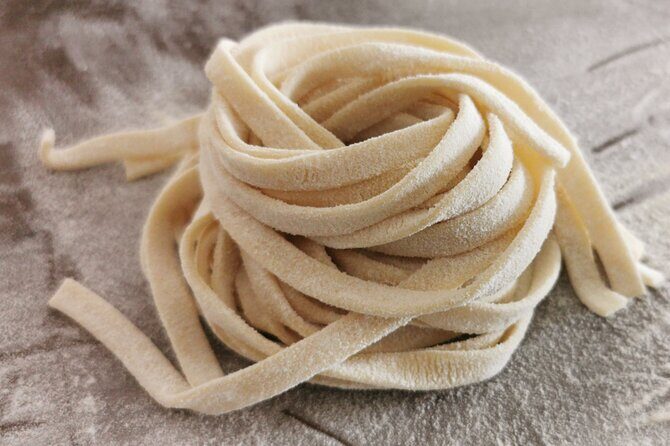
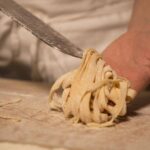
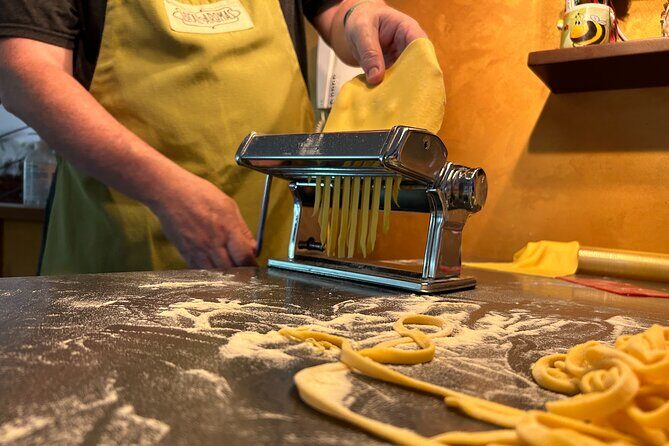
The core of the evening is making two pasta doughs from scratch. You’ll learn step by step, with the chef guiding you through technique and the little decisions that separate okay pasta from great pasta.
From the experience details and the repeated themes in the feedback, you should expect work that includes:
- mixing and handling dough properly
- shaping and working the dough into specific pasta styles
- guidance on timing and consistency, so you don’t end up with dough that’s too dry or too soft
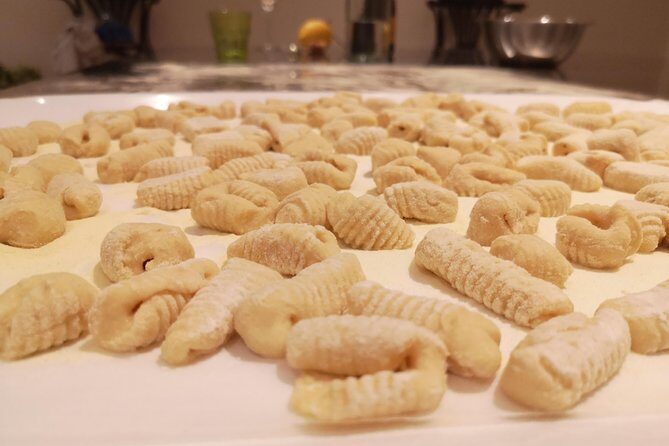
Some sessions are tied to formats like fettuccine and gnocchi. Other sessions mention gricia and ravioli-style learning. The common thread is technique: you’ll practice how dough behaves, and you’ll learn what to adjust if your dough isn’t acting like it should.
That’s the real value. Anyone can follow a recipe that’s written down. The harder part is knowing how dough feels and what “right” looks like while you’re working. A good chef can correct you midstream, and that’s exactly what you’re paying for here.
You’ll also notice the instruction style. The best part of this class is how it’s friendly and paced. Even if you’ve never made pasta before, you’ll get enough direction to participate fully.
Cacio e pepe and the mystery sauce: dinner you earn
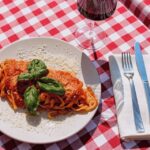
After cooking, you sit down and eat what you made. The first pasta course is served with cacio e pepe, which is a classic Roman choice for a reason. It’s simple on paper, but it’s tricky in real life. The sauce needs timing and the right texture.
Then comes the second handmade pasta course with a surprise sauce. This is where the evening keeps its energy. You might get something cheese-forward, herb-led, or a sauce that feels more surprising than the usual Roman hits.
Both courses are served as dinner, not as a “snack demo.” You’ll get a full meal, and the pacing usually feels comfortable because you’re cooking in a relaxed setting rather than cranking through tasks back-to-back.
And don’t skip the wine pairing. Local Aromas builds in two glasses of local wine with dinner. It complements the flavors, and it also makes the whole thing feel like an actual Roman night out, not a rushed class.
You can also read our reviews of more tours and experiences in Rome

Dessert: the Roman wine-dipped finish (and the tiramisù question)
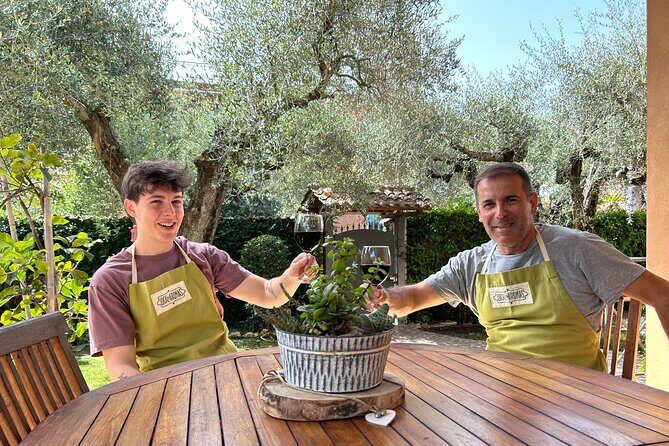
Dessert is where the evening gets playful. The description calls it a mystery Roman dessert, and it notes that it’s not tiramisù. The finish is also described as a classic Roman treat that’s dipped in wine.
That detail is worth paying attention to. Wine-dipped desserts aren’t about being fancy. They’re about balancing sweetness with acidity and making a soft dessert feel more lively on the palate.
If you’re expecting tiramisù because it’s in the title, keep one rule in mind: the evening is built around surprise. Some sessions may include tiramisù, but the official expectation is a traditional Roman dessert that may not be tiramisù.
Either way, you should leave with a strong sense of how Roman dessert is constructed: what’s made, what gets soaked, and why the texture matters.
Small-group energy: how the class stays fun and personal
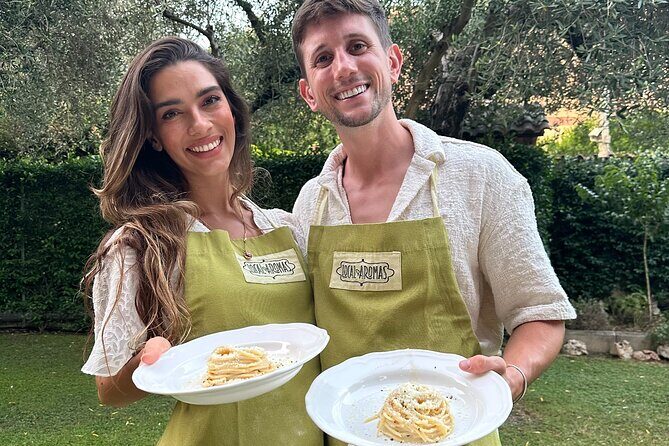
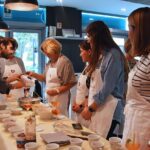
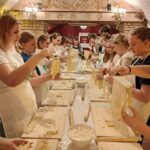
This is one of those “small group” activities that actually feels small. The max group size is 12 people, which usually means more time with the chef and less waiting around.
Some sessions also seem to run even tighter, which explains why so many people talk about feeling involved. When the group is small, you can get hands-on. You’re not just observing while someone else does the dough.
This is also why the class works for different group types. If you’re solo, you get conversation without it feeling awkward. If you’re a couple, you can share the process and still get individual help. If you’re with friends, it’s a shared project, not separate tours.
The best feedback points keep circling back to warmth, laughter, and clear instruction. That matters because pasta-making can get technical fast. A chef who can explain it simply makes the evening fun and helps you remember what to do at home.
What to do before and after: timing, pacing, and practical prep
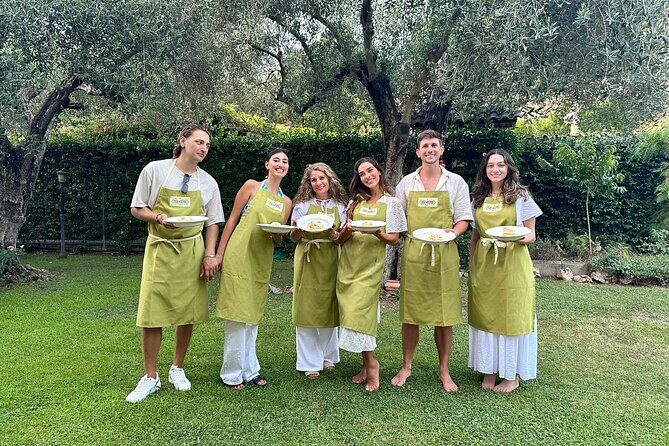
The experience runs about 3 hours, so it fits nicely into a single evening plan. Since it starts at Via Zanazzo Giggi, 4 in Rome, you’ll want to plan dinner afterward that’s lighter—or just plan to enjoy the dinner you’re already getting.
There’s no hotel pickup or drop-off. You’ll be walking yourself to the meeting point. The good news is the activity is near public transportation, so you’re not stuck hunting for a taxi.
If you’re booking this as part of your first days in Rome, I’d do it early enough that you can still adjust your restaurant plan later. When you learn the sauce logic and pasta feel, you start noticing quality in regular meals. After pasta-making night, your taste gets sharper.
Also, if you’re sensitive to alcohol, remember the evening includes spritz and wine. You can still enjoy the cooking, but consider whether you want water breaks and how you’ll pace yourself.
Price and value: is $189.87 worth it in Rome?
At $189.87 per person, this isn’t a bargain class. But it’s also not an overpriced “watch someone cook” situation.
Here’s what the money covers based on what’s included:
- a local chef
- dinner
- alcoholic beverages (spritz and local wine)
- bottled water
- the cooking time in a private villa setting
So you’re paying for food, instruction, and a real social meal. In Rome, that combo is where the value shows up. If you went out to dinner plus a food-focused workshop, you’d likely spend similar money anyway.
What makes it feel fair is the small-group size and the focus on technique. You’re not just buying a plate. You’re buying the chance to make pasta doughs yourself and get tips that help you recreate the sauces and textures later.
Who should book this cooking class, and who should skip it
I think this is a great pick if you:
- want hands-on cooking in a private villa setting
- enjoy learning how to reproduce food at home
- like Roman comfort food like cacio e pepe
- want a small-group evening with good conversation and wine
You might skip it if:
- you need a fixed menu with no surprises
- you want a strict, classroom-style lesson with no dinner-social vibe
- you’re short on time and can’t handle a 3-hour evening plan
It’s also a strong choice for couples or small friend groups who want an experience that feels local without being complicated.
FAQ
How long is the Bruschetta, Fettuccine, Gnocchi, Tiramisu Cooking Class in Rome?
It lasts about 3 hours.
Is this cooking class offered in English?
Yes, it’s offered in English.
Where do I meet for the class?
The meeting point is Via Zanazzo Giggi, 4, 00153 Roma RM, Italy.
How many people are in the group?
The maximum group size is 12 people.
What is included in the price?
A local chef, alcoholic beverages, dinner, and bottled water are included.
Do I get hotel pickup or drop-off?
No, hotel pickup and hotel drop-off are not included.
What drinks are part of the experience?
The start includes a Spritz, and the dinner includes two glasses of local wine. Alcoholic beverages are included.
What food will I make and eat?
You’ll make two pasta doughs from scratch and enjoy a traditional Roman dessert. Dinner includes handmade pasta served with cacio e pepe and another surprise sauce.
Is there free cancellation?
Yes, free cancellation is available. You can cancel up to 24 hours in advance for a full refund.
Are service animals allowed?
Yes, service animals are allowed.
Should you book this Rome pasta-and-dessert dinner?
If you want a Rome night that mixes cooking, dinner, and laughter in a small-group villa setting, I’d book it. The combination of hands-on pasta doughs, a proper sit-down meal, and wine makes it feel like more than a demo.
Book it especially if you care about learning technique you can repeat at home. That’s where the value shows up.
Skip it only if you hate surprises in the menu or you need hotel pickup and drop-off. If that’s you, you’ll probably feel better choosing something with more rigid structure.