REVIEW · POMPEI CAMPANIA
Pompeii 3hours Villa of Mysteries tour with an Archaeologist
Book on GetYourGuide →Operated by Askos Tours · Bookable on GetYourGuide
Pompeii feels personal when you slow down. This 3-hour, archaeologist-led small-group visit starts at Porta Marina Superiore and builds toward the Villa of the Mysteries, with a guide like Yolanta or Alexandra using real archaeological context to make the ruins readable.
I love how the tour is designed for focus, not just stamps on a map. You get Pompeii Plus entry (including the Villa of the Mysteries) and skip the ticket line, so you spend more time looking closely at frescoes and street-level details.
One thing to consider: three hours is a sprint for a huge site. Wear sturdy shoes and be ready for lots of walking, because this experience is not set up for wheelchair users or mobility impairments.
In This Review
- Key highlights you will feel fast
- Why the Villa of the Mysteries changes Pompeii from ruins to stories
- Porta Marina Superiore: the smart way to start (and not burn time)
- Small-group pacing: how you get Pompeii without the total crowd chaos
- House time in Pompeii: House of the Vettii and House of the Faun
- House of the Vettii
- House of the Faun
- Public Pompeii: theatre, forums, baths, and basilica energy
- Large Theatre
- Forum Baths
- Basilica and Foro Civile di Pompei
- Temple of Apollo
- Lupanare and the trick of seeing a city’s full reality
- House of Menander and House of the Tragic Poet: decoration plus meaning
- Timing the route to keep your brain switched on
- The value of the included Pompeii Plus ticket (and skipping the line)
- What to do before and after the 3 hours you have
- Before the tour
- After the tour
- Who this tour suits best (and who should skip it)
- Should you book Pompeii 3 hours Villa of the Mysteries with an archaeologist?
- FAQ
- Where does the tour start?
- How long is the Pompeii tour?
- What is included in the price?
- Do I need to buy a ticket separately?
- Can I bring food and drinks?
- What language is the tour guide?
- What should I bring to Pompeii?
- What shoes should I wear?
- What is the weather policy?
- Is this tour wheelchair accessible?
- FAQ
- Can small pets join the tour?
Key highlights you will feel fast

- Archaeologist-led explanations that turn rooms and murals into evidence, not just scenery
- Villa of the Mysteries access included with Pompeii Plus, not something you have to organize separately
- Small-group pacing that helps you reach major stops with fewer headaches and better sightlines
- Big variety of Pompeii in 3 hours: homes, public buildings, and religious space (Temple of Apollo)
- Ear-piece style setup in a small group so you can hear the guide clearly as you walk
- Guides who stay practical and answer questions in a way that keeps the visit moving
Why the Villa of the Mysteries changes Pompeii from ruins to stories
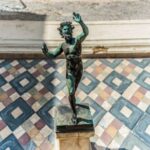
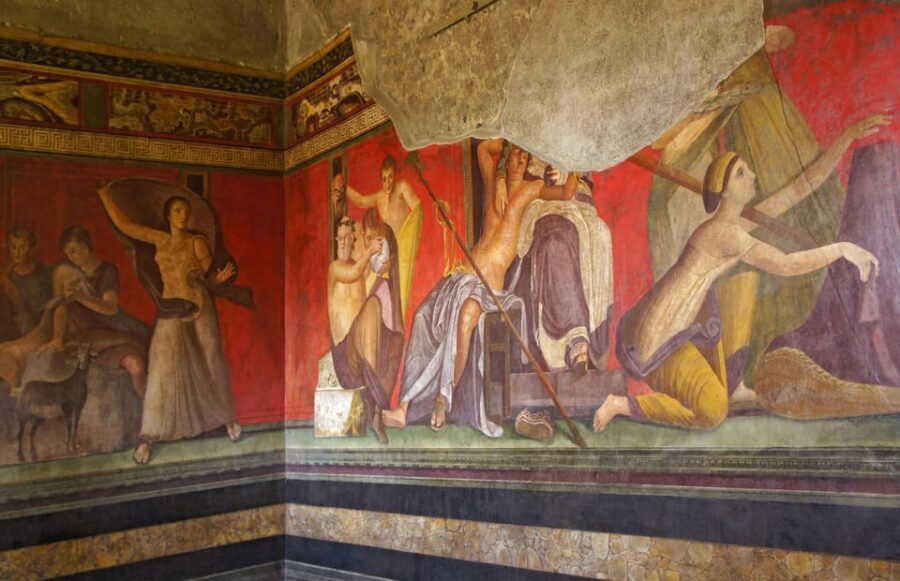
The Villa of the Mysteries is the kind of place that makes Pompeii feel less like a museum and more like a message from the past. You are not just standing in a room looking at walls. With an archaeologist guide, the frescoes become clues: what was likely important to the people who lived (and visited) there, and how scholars try to read what survived.
What makes this tour worth your time is that the Villa is built into the experience, with commentary you can actually use while you’re there. You’ll hear context around the famous fresco scenes, and you’ll also get tips on where to look so you do not miss the “why this matters” details that are easy to overlook when you’re touring alone.
And yes, the Villa is famous for a reason. But the real win is that you get to experience it with fewer distractions and better interpretation, which makes the whole Pompeii visit click.
You can also read our reviews of more tours and experiences in Pompei Campania.


Porta Marina Superiore: the smart way to start (and not burn time)

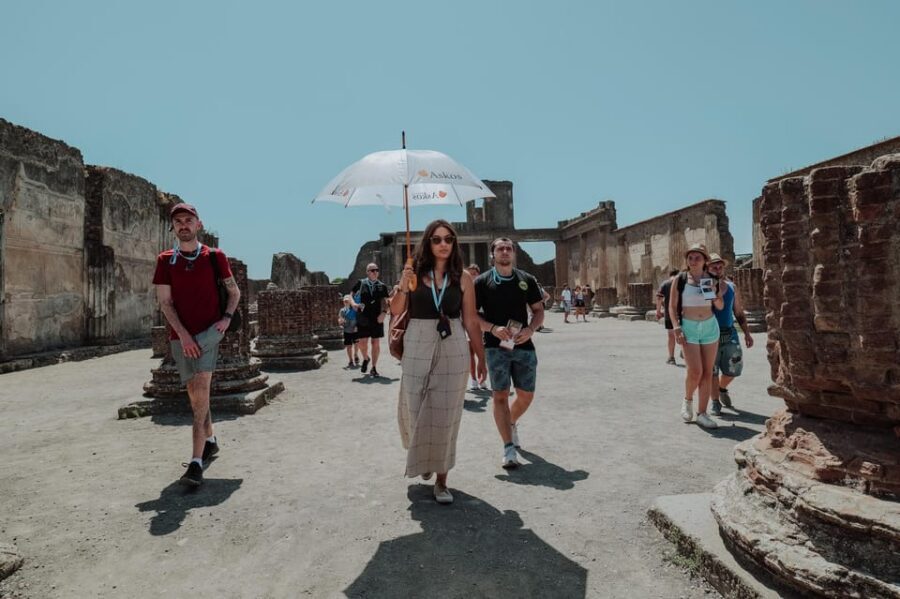
You meet at the entrance gate of the Pompeii ruins called Porta Marina Superiore, with your guide holding an ASKOS TOURS sign. You can also see the listed starting address at Via Villa dei Misteri, 2, but in practice, you should plan to find the gate sign quickly so you can start walking without delays.
This matters because Pompeii begins fast. Once you’re inside, the biggest time sink is usually getting oriented: where to go next, how to cross through crowds, and how to not waste energy backtracking. Starting at Porta Marina Superiore helps you move in a logical flow through the site and keeps the tour from turning into a group scavenger hunt.
Before you go, do the small practical stuff:
- Bring passport or ID card since it is required
- Wear comfortable, closed-toe shoes (you will not want flip-flops)
- In summer, plan for sun: a hat is a good idea
- Expect the tour to run rain or shine, so keep a light layer or small umbrella if weather looks iffy
Small-group pacing: how you get Pompeii without the total crowd chaos

This is a 3-hour small-group tour with an archaeologist guide. Small groups are not automatically better, but here they help you do two key things: hear the guide and keep momentum.
One reason people rate this so highly is that the guides do crowd management in a real way. In a small group you can follow directions, avoid bottlenecks, and still stop long enough to understand what you’re looking at. You also have a chance to reach some major areas when they’re calmer, so the tour feels less like you’re fighting for elbow space.
If you like to ask questions, this is a good setup. Guides on this experience commonly encourage back-and-forth, and several named guides (like Michele, Rafael, and Julia) are praised for answering questions clearly and keeping the group engaged for the full time.
A quick heads-up: Pompeii is tiring. Even with good pacing, you’re walking on stone and uneven ground. This is not the best match if you have mobility issues, and it is not a wheelchair-friendly plan.
House time in Pompeii: House of the Vettii and House of the Faun

Pompeii houses are where you really learn how Romans lived, not just what they owned. Two of the most important stops here are the House of the Vettii and the House of the Faun.
In these homes, the guide’s job is to help you see beyond the obvious. Frescoes, everyday objects, and room layouts are the point. An archaeologist-led approach is useful because the guide can explain what survives, what it likely meant, and why certain details matter for interpreting daily life.
House of the Vettii
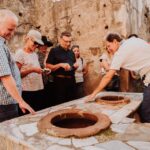
You’ll get a chance to walk through a domestic space and connect the dots between decoration and lifestyle. Pompeii houses are like preserved snapshots: you see how rooms were used, how people moved through space, and how art worked as part of normal life.




House of the Faun
This is another home that gives you a sense of scale and household variety. Even without needing to memorize names of every artifact, you can learn to read the house structure: the public-facing parts versus the more private areas, and how art shows up where people would notice it.
If you’re short on time in Pompeii, these home stops are the best return on your walking effort. Public ruins can impress, but houses are where the human details land.
Public Pompeii: theatre, forums, baths, and basilica energy
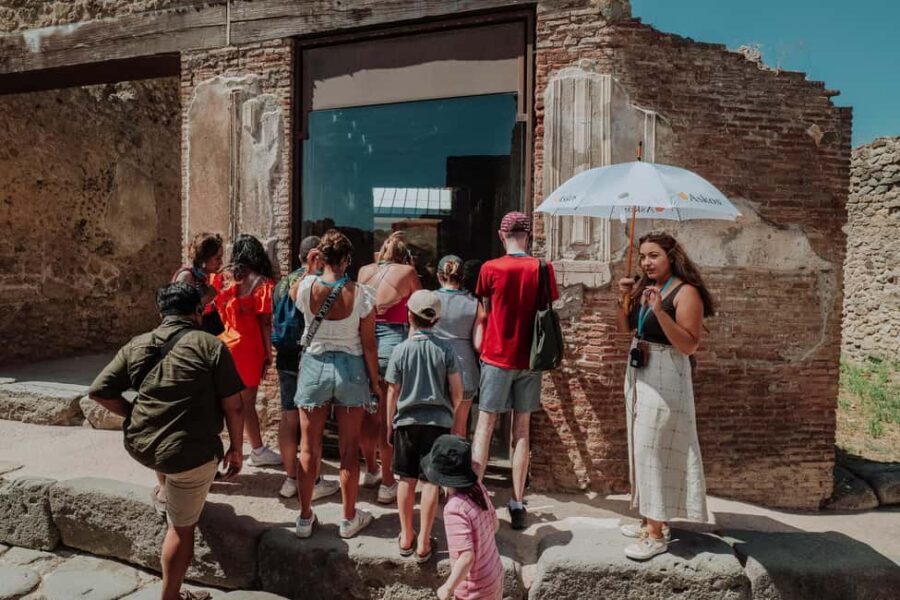
The tour shifts from private life to public life in a smart sequence. You’ll visit major civic and ceremonial areas, including:
- Large Theatre
- Forum Baths
- Basilica
- Foro Civile di Pompei
- Temple of Apollo
Here’s why that matters. Pompeii is not only about homes. It is about how a city organized power, religion, debate, and commerce. Those public sites let you see the city as a system.
Large Theatre
A theatre stop gives you a feel for gatherings and performances. Even if you do not get lost in the technical details, the layout helps you understand what kind of public life Pompeii supported.
Forum Baths
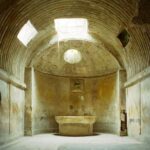
Baths are social infrastructure. You’re not just looking at stone basins; you’re seeing a place built for routine and conversation, a daily habit, not an occasional event.
Basilica and Foro Civile di Pompei
These sites help explain how public space worked for administration and civic functions. The guide’s archaeologist perspective is key here because Pompeii’s architectural remnants can feel confusing if you do not know what you’re looking at. With commentary, you get a clearer sense of how people used those spaces.
Temple of Apollo
Temple visits anchor the religious side of the city. It’s also a good place for understanding how Pompeii blended civic and sacred life, not treating religion as something separate from everyday routine.
Lupanare and the trick of seeing a city’s full reality
You’ll also visit the Lupanare. This stop has a different vibe than theatres or houses. Pompeii can feel surprisingly layered: everyday life, entertainment, civic ritual, and topics that modern visitors sometimes find awkward or uncomfortable.
The value of including it in a guided route is that you are not guessing. You get a guided framing, and you can keep your focus on how archaeology helps interpret a site’s social world. Just be aware that this is not a purely wholesome, postcard Pompeii stop. If you want only family-friendly sights, you might feel the tone shift.
House of Menander and House of the Tragic Poet: decoration plus meaning
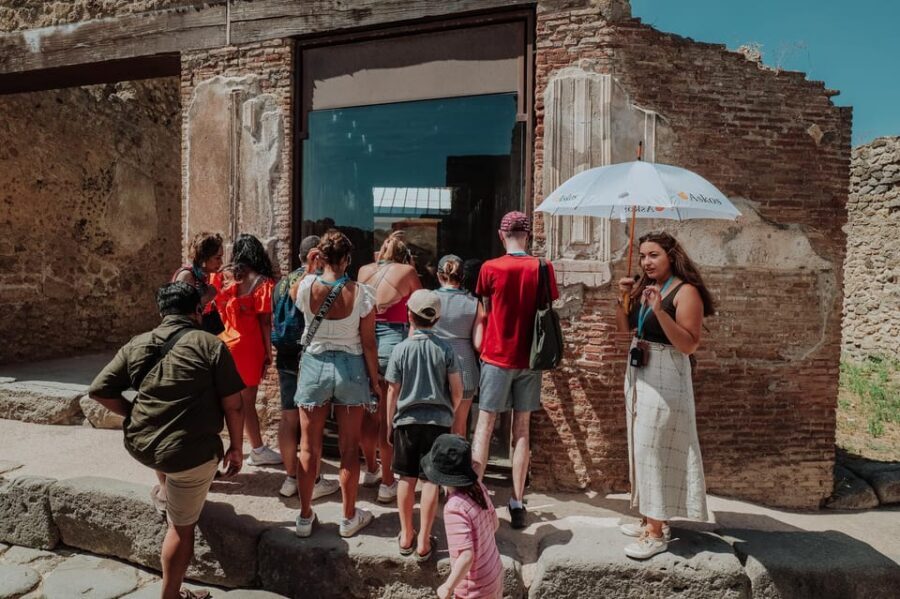
Two more domestic stops round out the city walk: House of Menander and House of the Tragic Poet.
Even though these houses might not be the first ones you heard about in casual Pompeii chatter, they work well in a short tour because they keep the focus on how rooms were decorated and used. A good guide helps you notice what matters: wall paintings, room function, and how a home communicates status and identity.
If you’re the type who likes taking photos, these stops reward you. You can capture more than just ruins. You’re photographing lived-in space patterns: how the architecture frames people and daily movement.
Timing the route to keep your brain switched on
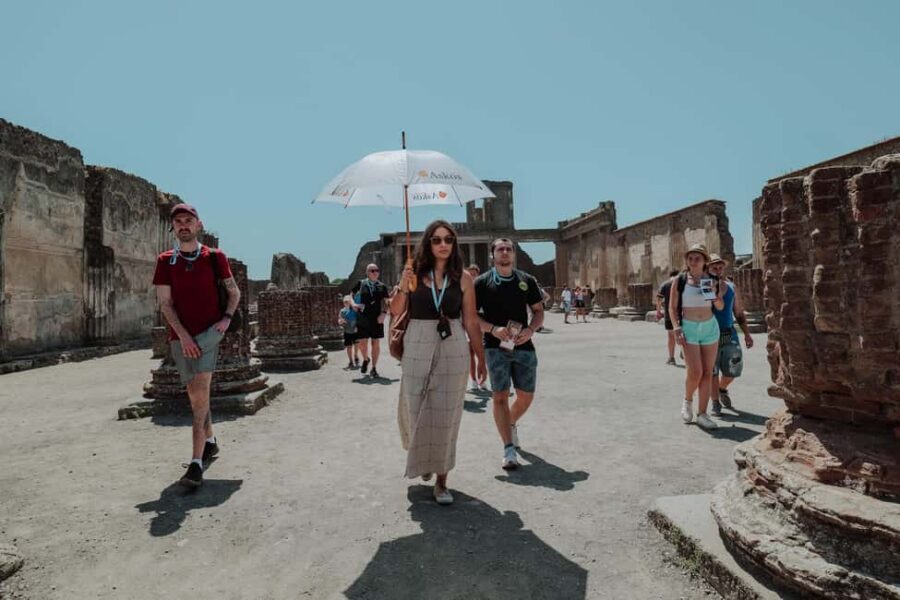
Several guides on this experience are praised for keeping the visit smooth even when the weather turns. One example from feedback: Alexandra and Julia are mentioned for adjusting the day and still delivering the full experience, even when rain started.
That flexibility matters because Pompeii is exposed. Heat can flatten your stamina fast, and sudden rain can make surfaces slippery. Since the tour runs rain or shine, your best protection is simple:
- Bring water (a review specifically notes refilling stations exist, but not necessarily right at the start)
- Take sun seriously with a hat in warm months
- Keep a small layer if cooler weather hits
Also, Pompeii is bigger than most first-time plans. The tour gives you a concentrated view. When you finish, you’ll likely want to keep walking on your own to fill in the gaps.
The value of the included Pompeii Plus ticket (and skipping the line)
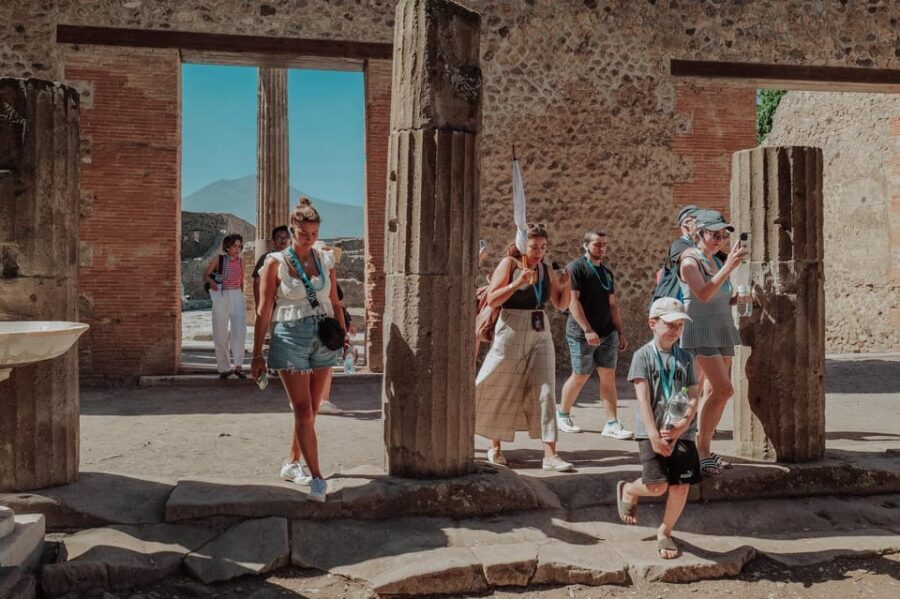
At $88 per person for a 3-hour experience, the big value lever is that you are not just paying for the guide. The price includes the Pompeii Plus entrance ticket, described as including the Archaeological Park + Villa of the Mysteries, and you skip the ticket line.
In practical terms, this reduces two stressors:
- You do not lose time or energy figuring out separate admissions.
- You start the experience already inside the rhythm of the site.
If you’ve ever toured big sites with separate tickets, you know how that story goes: one person in the group has to check a phone screen, someone else has to wait at a counter, and suddenly your best viewing windows slip away. Here, the included admission helps you stay on track.
What to do before and after the 3 hours you have
Pompeii is a place where planning your energy matters. In this short format, I’d treat the tour like your Pompeii foundation. You learn where to look and what to notice, so your self-guided time afterward becomes smarter and less random.
Before the tour
- Use the bathroom early. One note stands out: there might be no option once you’re inside, so handle it before you start.
- If you think you’ll run out of steam, pack water. Even with refilling points, the thirst usually sneaks up.
After the tour
When the guide wraps up, you’re not finished with Pompeii. Many people leave the tour ready to wander and connect what they just learned to other corners of the site. If you still feel the urge, keep it simple: choose one extra area and spend time there, instead of trying to cover everything.
Who this tour suits best (and who should skip it)
This tour is a strong fit if you want:
- A guided archaeologist-led visit rather than a quick walk-through
- The Villa of the Mysteries as part of a timed plan
- A structured route covering both domestic and civic Pompeii
- A small group experience where you can hear the guide and ask questions
It’s less ideal if:
- You need wheelchair access or have mobility limitations
- You prefer very slow, unstructured sightseeing (this is paced for a 3-hour window)
- You want purely family-morning vibes, since the Lupanare stop changes tone
Should you book Pompeii 3 hours Villa of the Mysteries with an archaeologist?
Book it if you want to get real value out of limited time. The included Pompeii Plus ticket plus small-group archaeology guidance plus skip-the-line entry is a smart combo for first-timers and repeat visitors alike. If you’ve only got a half day in Pompeii, this is one of the most efficient ways to see the highlights while still understanding what you’re looking at.
Skip it if you have mobility constraints or want a long, unhurried explore with lots of flexibility. Also, if you hate walking on uneven ground, plan a different kind of day.
If you do book, do one thing that pays off: arrive with the right shoes and carry water. Then let the guide do the heavy lifting of interpretation. You’ll leave knowing Pompeii as more than a list of buildings.
FAQ
Where does the tour start?
The guide meets you at the entrance gate of Pompeii ruins called Porta Marina Superiore, holding a sign that says ASKOS TOURS.
How long is the Pompeii tour?
The tour duration is 3 hours.
What is included in the price?
The included items are a 3-hour small group tour, an archaeologist guide, and the Pompeii Plus entrance ticket (including the Archaeological Park + Villa of the Mysteries), plus skip-the-ticket-line entry.
Do I need to buy a ticket separately?
No. Entrance is included via the Pompeii Plus ticket.
Can I bring food and drinks?
Food and drinks are not included. The tour notes do not list a specific on-site meal plan, so plan to bring what you need if you want snacks.
What language is the tour guide?
The live tour guide is available in German, Italian, French, English, Spanish, and Portuguese.
What should I bring to Pompeii?
Bring your passport or ID card.
What shoes should I wear?
Wear comfortable, closed-toe shoes. Flip-flops are not suitable.
What is the weather policy?
The tour takes place rain or shine.
Is this tour wheelchair accessible?
No. It is not suitable for wheelchair users or people with mobility impairments.
FAQ
Can small pets join the tour?
Small pets (within 10 kg) are allowed inside the Archaeological Park of Pompeii, but they must be kept on a leash.