REVIEW · PRIVATE
Rome: Private Guided Golf Cart Tour with Gelato or Wine
Book on GetYourGuide →Operated by Aromatour srls · Bookable on GetYourGuide
Rome feels easier when you’re rolling. This private golf cart tour strings together Rome’s must-sees with stops for stories, photos, and a break from heat and cobblestones. What makes it fun is the mix: big-name landmarks like the Colosseum and Trevi Fountain, plus quieter streets and local-feeling areas you’d be less likely to find on your own.
I really like the built-in treat factor: a gelato tasting with Roman-style flavors made since 1947 (or wine with a snack, depending on the option). Second, the guide component matters here. People often mention guides like Christian, Chris, Matteo, Stefano, Simone, Allessio, and Cristian for being adaptable, personable, and helpful about where to eat like a Roman, not like a tourist.
One thing to consider: this is a ride-and-stop format, so you won’t linger for long the way you might on a slower walking day. It’s also not suitable for pregnant women or people with back problems, and luggage/large bags aren’t allowed.
In This Review
- Quick hits before you go
- Why a private golf cart works for Rome
- Starting at Piazza della Repubblica: finding the meeting point
- The gelato (or wine) stop: the flavors of 1947
- Colosseum to Trevi Fountain: the classic route, without the chaos
- Forum and Trajan’s Column: making sense of the “outside” version
- Suburra, Jewish-area stops, and Rome’s everyday texture
- Orange Garden, Aventine Hill, and the viewpoints that hit
- Mouth of Truth and Saint Mary Major: spiritual Rome in compact time
- How the 4-hour, 6-hour, Sunset, and combo options change the day
- Price and value: is $103.38 per person worth it?
- Practical tips so your tour feels smooth
- Should you book this Rome golf cart tour?
Quick hits before you go
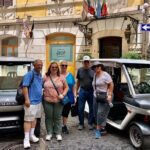
- Private group feel: only your group participates (no sharing the cart with strangers).
- Icon sights without the slog: you’ll see places like the Colosseum and Trevi Fountain from the right angles and at a comfortable pace.
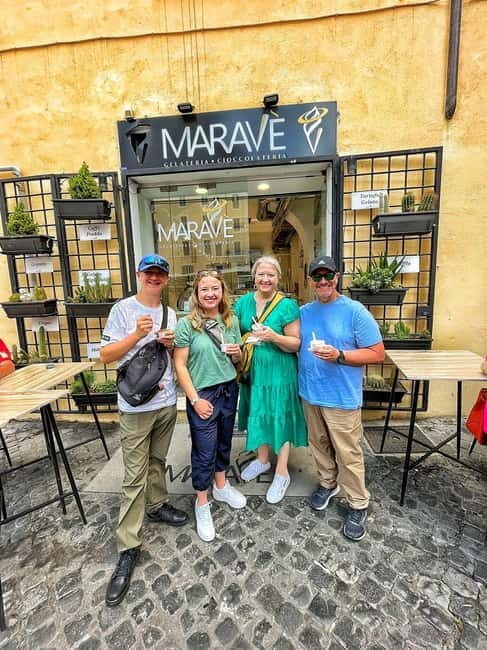
- Roman gelato tradition: tasting includes gelato made with recipes dating back to 1947 (wine option also available).
- Small-street access: the cart can reach compact lanes where bigger vehicles can’t go.
- Food and locals-first tips: your guide suggests places real Romans eat and steers you away from tourist traps.
- Pick your length and mood: standard tours run 4h or 6h, plus a Sunset option, and there’s a combo with Vatican Museums.
Why a private golf cart works for Rome
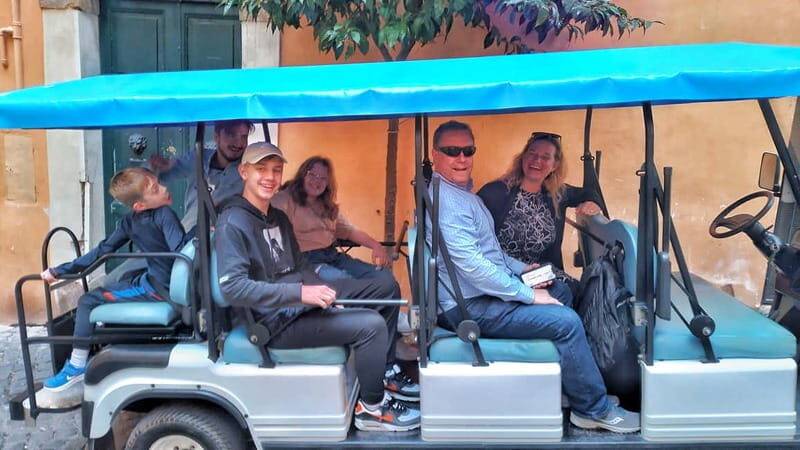
Rome is photogenic and exhausting in the same breath. If you want the highlights but don’t want your legs to revolt, this is a smart middle ground between bus tours and solo walking. You get motion plus commentary, which helps you connect the monuments to the city around them.
A private golf cart also changes the vibe. You can pause when something catches your eye and adjust the day to your group’s pace, whether you want faster coverage or more time near a specific stop. And because the cart can enter streets that regular vehicles can’t, you spend less time trapped in traffic bottlenecks and more time moving through the city’s rhythm.
Who it suits best: couples, small families, groups that want maximum seeing-with-minimum-walking, and anyone with limited mobility who still wants a proper Rome “orientation” day. The only groups who should think twice are anyone needing extensive walking time, or anyone for whom rides might be uncomfortable due to back issues.
You can also read our reviews of more guided tours in Rome



Starting at Piazza della Repubblica: finding the meeting point
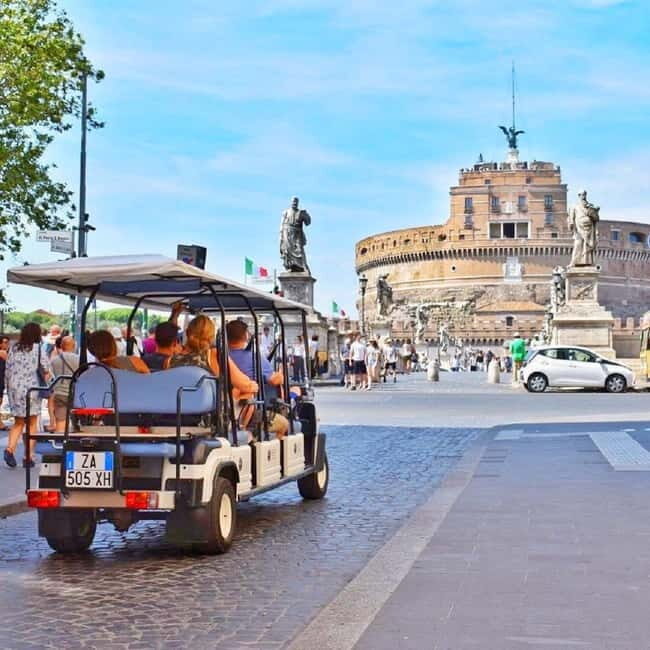
You meet your guide at P.za della Repubblica, 48, in front of the Anantara Palazzo Hotel Naidi area. This matters more than it sounds. Rome’s landmarks are everywhere, but a clear meeting point keeps the start stress-free, especially for a cart tour where you’re on the clock for the route.
Plan to arrive a few minutes early so you can spot your guide quickly. A cart tour runs on timing, and when you’re in a group setting, late arrivals can throw off everyone. If you’re using public transport, you might want to pre-check the closest station to your pickup point so you don’t burn energy hunting at the start.
Also note the “no luggage or large bags” rule. Bring what you need for a few hours—think compact daybag only. If your day includes extra shopping plans, keep that for after the tour.
The gelato (or wine) stop: the flavors of 1947
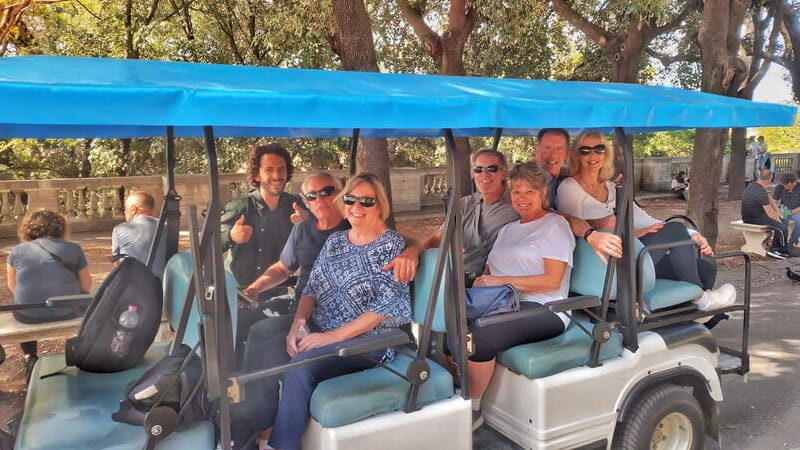
The treat on this tour isn’t random. You get a tasting of authentic Roman gelato made with traditional recipes dating back to 1947. That detail is a clue: this isn’t just about a sweet cone photo. It’s about the classic style of Roman gelateria—simple, ingredient-forward flavors, with history behind the recipes.
If you choose the wine option, you’ll still get a snack alongside it. In both cases, the point is the same: you’re refueled without turning the day into a long restaurant detour. This matters in Rome because the best sightseeing often happens in short bursts, not in multi-hour meals.
What I’d do with the gelato/wine moment: treat it like a reset button. Slow down, compare flavors, and ask your guide what they recommend for your next food stop. Guides often use this time to get a read on what you like—so your later food tips can match your tastes.
Colosseum to Trevi Fountain: the classic route, without the chaos
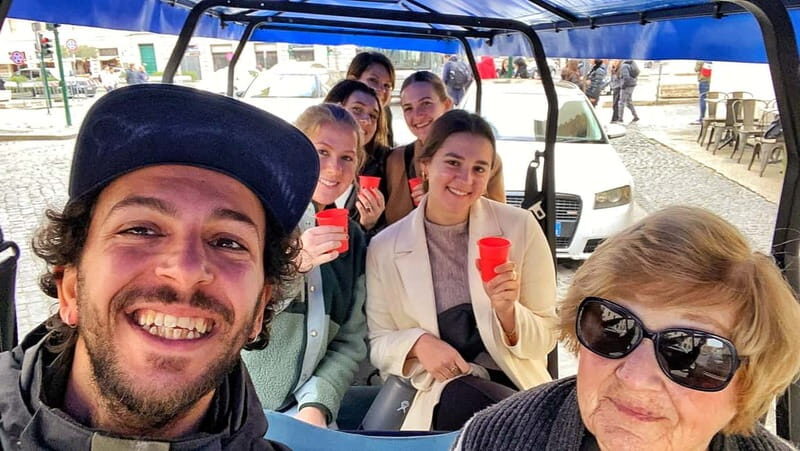
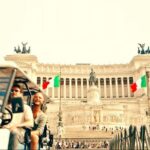
You’ll pass major headline sights such as the Colosseum (outside), Trevi Fountain, and the Pantheon area, plus big-bowl landmarks around them like the Roman Forum (outside) and Circus Maximus. The key idea: you’re seeing the city’s most famous backdrops while avoiding the worst of the walking grind and the navigation headache.
Outside views are still powerful, because your guide can help you orient what you’re looking at. A good cart tour acts like an interpretive map—suddenly you can picture where people once moved through the spaces, not just what looks good in a selfie.
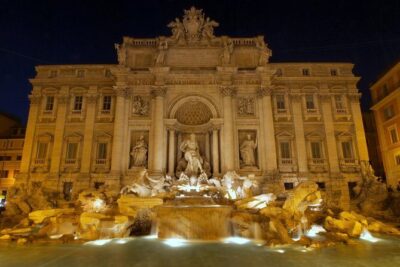
Trevi Fountain is famous for a reason, but it can feel crowded. The cart-and-guide approach can make it easier to land in the right area for quick photos and context without spending your whole time stuck in foot traffic. The “drawback” is also predictable: photo spots are photo spots, and you won’t have an endless amount of time at any one monument. If you want deep time at Trevi, plan that for another day.
Forum and Trajan’s Column: making sense of the “outside” version
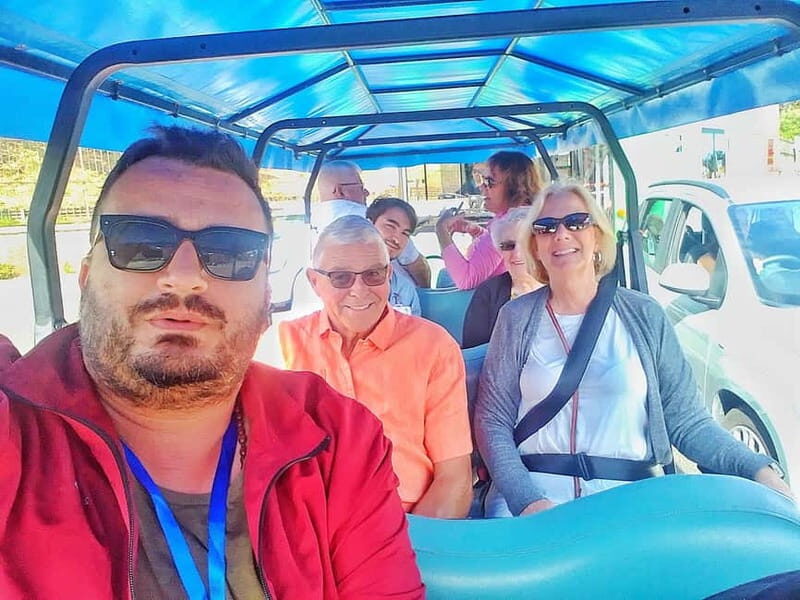
Some Rome tours focus on getting you inside tickets and skip the connecting tissue. This one keeps the storytelling moving as you ride between key historical landmarks like Trajan’s Column and the Roman Forum (outside). Even from the curb or street view, you can start to understand the scale and layout when the route is explained clearly.
Trajan’s Column is one of those “you can’t really appreciate it until someone explains why it matters” sights. With a guide, that turns into a more meaningful stop rather than a quick glance. The same goes for the Forum area: outside viewing sounds limited, but it still gives you a framework for what you’ll recognize later if you explore on your own.
The practical benefit of doing this by cart is pacing. You cover ground fast enough to keep momentum, but you still get enough pauses to feel like you’re collecting Rome, not just passing through.
You can also read our reviews of more private tours in Rome



Suburra, Jewish-area stops, and Rome’s everyday texture
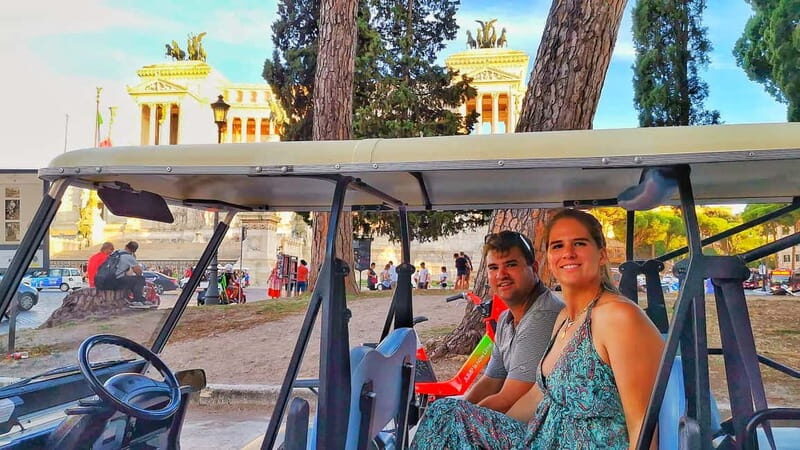
One of the best parts of this kind of tour is the city between the postcards. You’ll reach areas tied to local life and older neighborhoods, including Suburra, and many versions include a stop where the group can taste something along the way. In one common pattern, guides take the group into the Jewish area for baked goods, and you might also see lesser-visited churches and fountains that don’t dominate typical “greatest hits” itineraries.
This is where you feel Rome as a living city, not a museum hallway. The cart helps you cover these pockets without turning the day into a long series of detours on foot. And because the guide suggests where real Romans eat, it’s easier to turn sightseeing day into a food day.
Drawback to watch for: if you’re expecting every stop to be a formal “major attraction” with ticket lines, you may feel like some moments are smaller in scale. But those smaller stops are often the ones that age well in your memory.
Orange Garden, Aventine Hill, and the viewpoints that hit
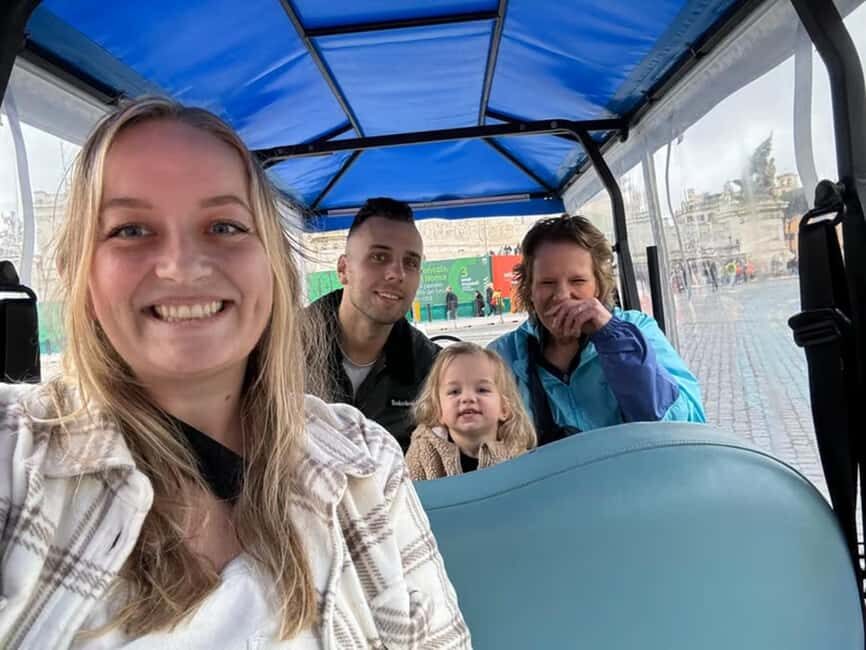
Rome’s viewpoints are powerful because they frame the city’s layers—rooftops, domes, and distance that makes everything feel older than time. This tour includes Orange Garden and Aventin Hill, which are exactly the sort of places where a little pause is better than rushing through.
A cart tour pairs well with viewpoints. Instead of spending all your energy walking there, you arrive less worn out and can actually enjoy the scene. You also get the benefit of your guide’s context, which can help you understand why one skyline view hits differently than another.
If you’re traveling with kids or grandparents, these stops are a win. They still get the “I can see Rome” moment without needing a marathon walk.
Mouth of Truth and Saint Mary Major: spiritual Rome in compact time
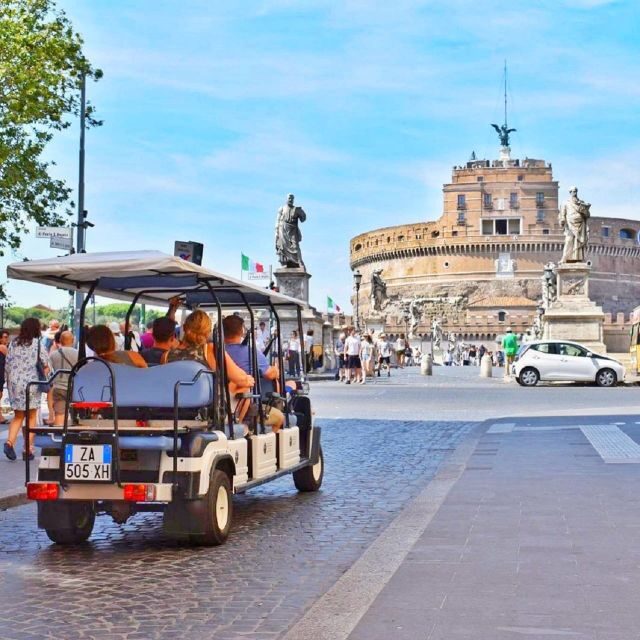
You’ll also pass the Mouth of Truth area and the Papal Basilica of Saint Mary Major. These are the kinds of stops that can feel like a quick stop on some tours, but in a cart-and-guide format, they often land as meaningful checkpoints.
The Mouth of Truth is iconic in pop culture, but the real value is how quickly it connects you to Rome’s blend of ancient myth and everyday street life. For Saint Mary Major, the value is the location and atmosphere—when you see it as part of a route rather than a standalone ticket day, it fits smoothly into the “Rome all in one afternoon” plan.
The caution: these are stops where details matter, and crowds can influence how long you’re comfortable lingering. Still, the cart format helps you get there efficiently and then decide on the spot how much extra time you want.
How the 4-hour, 6-hour, Sunset, and combo options change the day
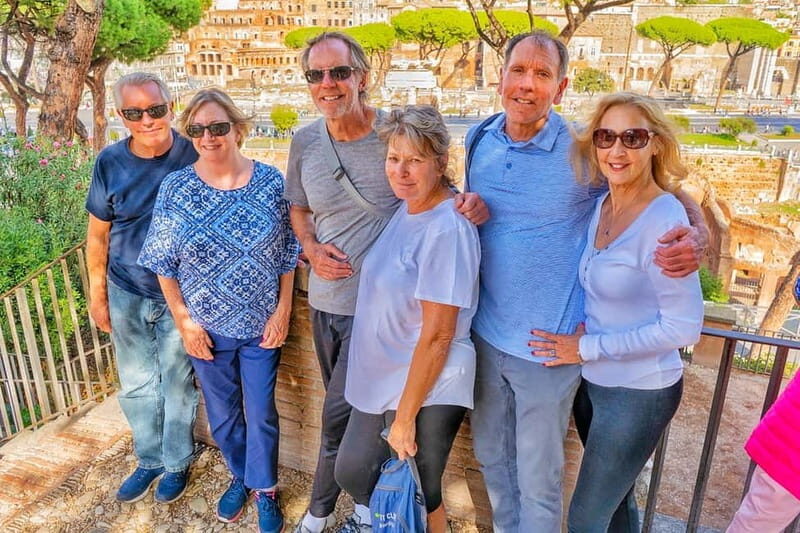
This tour is built in different lengths, and that changes what you get.
- 4-hour versions tend to be the fast, highlights-first plan: major sights, a couple of neighborhood touches, and the gelato/wine moment. Great for short trips.
- 6-hour versions give you more breathing room. You’re more likely to feel the rhythm of the city and fit in extra time at viewpoints and in neighborhood pockets.
- Sunset runs a different feel: you trade midday heat for the gentler light that makes Rome’s stone look softer. One review-style lesson to keep in mind: evenings can mean more congestion and traffic, so a weekday timing can make things smoother if you have that option.
- Combo Golf Cart + Vatican Museums adds a major museum block to the cart day. It’s a good choice when you want both “big monuments outside” plus a major indoor hit, but it also means your schedule will be tighter. Plan the rest of your day around it.
If you’re deciding between lengths, I’d pick based on how you want your Rome day to feel:
- If you want a quick “best of” orientation, go shorter.
- If you want breathing room and more photos without stress, go longer.
Price and value: is $103.38 per person worth it?
At about $103.38 per person, you’re paying for more than a ride. You’re paying for four things that are hard to replicate on your own in the same time window: a live guide, transportation by golf cart, included gelato or wine with a snack, and a souvenir.
The math gets better when you value time and comfort. If you’ve already spent multiple hours in the city on foot and you’re trying to squeeze in iconic sights with less fatigue, the golf cart saves energy you can use later for a meal, a longer walk near one monument, or a museum visit. It also saves navigation work. In Rome, “saving time” often means “saving stress.”
The only cost-control caution: the tour includes a fixed route logic. If you have extremely specific “must stand here for an hour” plans at one site, you may still need extra independent time on a separate day.
Practical tips so your tour feels smooth
A few smart moves will make this day better:
- Bring a compact bag. No luggage/large bags is a real limit.
- Wear shoes that handle uneven streets. Even with a cart, you’ll step out for viewing and photo moments.
- Think about your food expectations. The gelato/wine stop is included, and your guide is also set up to point you to good places afterward. Keep dinner flexible enough to take their suggestion.
- If you care about customizing, speak up early. Guides like Christian, Chris, Matteo, and Stefano are often praised for being adaptable and for making the route feel personal.
If you’re sensitive to motion, it’s worth considering your comfort level ahead of time, especially since the tour isn’t recommended for people with back problems.
Should you book this Rome golf cart tour?
I think you should book it if your goal is simple: see a lot of Rome’s key sights with less walking, get real local-feeling food guidance, and still get meaningful context from a live guide. It’s especially good for groups who want a stress-free first “big overview” day, or for travelers who feel Rome’s heat and crowds quickly.
You might skip it if you want a slow, deeply immersive museum-style day where you stay inside major sites for long stretches. This works best as a high-impact, comfortable introduction to Rome’s layout and highlights, not as your only Rome experience.
If you’re the type who wants to do it all but also wants to enjoy your vacation, this is one of the easiest ways to make Rome feel manageable without dulling the wonder.