REVIEW · PRIVATE
Rome on a Golf Cart Semi-Private Tour Max 6 with Private Option
Book on Viator →Operated by LivTours · Bookable on Viator
Rome moves fast; this tour keeps up. A 3-hour golf cart loop is a practical way to see a lot of Rome without feeling like you’re sprinting between monuments, especially when traffic and crowds slow down normal plans. I like how it mixes major landmarks with a couple of smarter side streets, like a church designed by Michelangelo.
I love the max 6 group size and the easy, open-air way the city feels as you roll through it. One thing to consider: in 3 hours you’ll see a lot, so each stop is more about getting oriented and grabbing key moments than lingering like you would on a longer, walking-only day.
In This Review
- Key highlights that make this tour worth your time
- Why a golf cart tour works in Rome
- Starting at Piazza della Repubblica and the Michelangelo side street
- The imperial route: Arch of Constantine and Palatine Hill
- Circus Maximus and Capitoline Hill: where Rome flexed its power
- Mouth of Truth and Largo di Torre Argentina: myth meets politics
- Piazza Venezia, the Pantheon portico, and the Rome you recognize instantly
- Trevi Fountain to Piazza Navona, then Janiculum Hill panoramas
- Spanish Steps finish: how to make the most of your last hour
- Price and value: is $168.09 per person fair?
- Who should book this Rome golf cart tour
- Should you book this Rome golf cart tour or not?
- FAQ
- How long is the Rome on a Golf Cart semi-private tour?
- Where does the tour start?
- What group size is this tour limited to?
- Is the tour offered in English?
- Is there an option for a private tour?
- What are some of the main sights you’ll see?
- Is free cancellation available?
Key highlights that make this tour worth your time
- Max 6 people keeps it intimate and easier for questions
- Golf carts cover huge distances without the strain of constant walking
- Michelangelo connection includes a church stop on a side street
- Big ancient hits like the Arch of Constantine, Palatine Hill, and Circus Maximus
- Fun Rome ritual moments such as the Mouth of Truth photo stop
- Private tour option if you want a more custom pace
Why a golf cart tour works in Rome
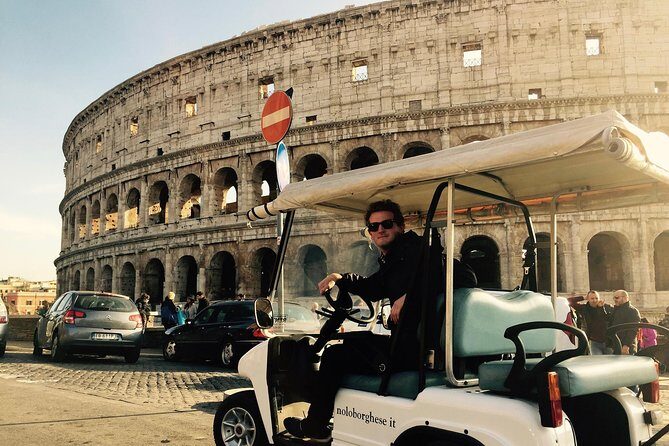
Rome is excellent at making your day feel good and your feet feel bad. This golf cart format solves the obvious problem: many of the most famous spots sit far enough apart that a standard walking route turns into a marathon, and a car/van setup can feel boxed-in and slow during heavy traffic.
The second big win is the pace. With a semi-private group (up to 6), you get enough time at each landmark to understand what you’re looking at, without the chaos of a big bus day. In my ideal Rome day, you should leave with a clear picture of where things are, what mattered historically, and where you want to return later. This tour is built for exactly that.
The cart also helps with comfort and mobility. Even if you can walk fine, the ability to roll up and move on quickly is a lifesaver in hot weather or after a long Vatican morning.
You can also read our reviews of more private tours in Rome

Starting at Piazza della Repubblica and the Michelangelo side street
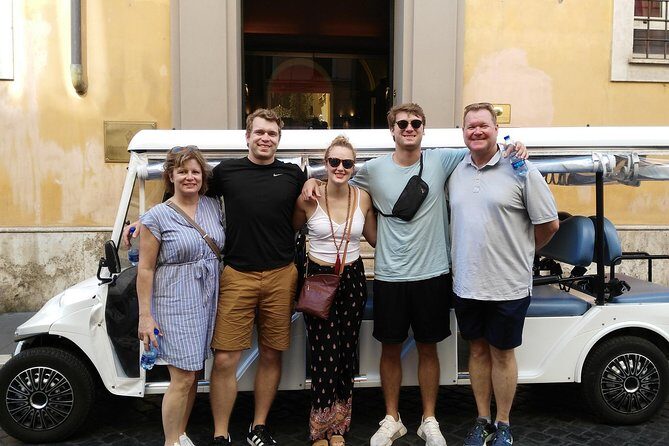
Your day kicks off around Piazza della Repubblica, a convenient launch point for getting moving quickly through central Rome. From the start, the tour has a good rhythm: you’re not stuck in “just wait” mode. You’ll roll into the historic area, then start picking up stories fast.
One of the more interesting early moments is a church designed by Michelangelo on a side street. This is the kind of stop that changes how you experience Rome. Instead of only seeing the big postcard structures, you get a reminder that major artists shaped the city in quieter corners too. Side streets also tend to feel less crowded, which makes the brief detour feel worthwhile rather than random.
A small practical note: because this is a guided drive-and-stop style, you’ll want to stay close to the cart when the group is regrouping. That keeps the flow smooth and helps you avoid missing the best angle for photos.
The imperial route: Arch of Constantine and Palatine Hill
Next up is the Arch of Constantine, a triumphal monument built in 312 AD. This is one of those sites where a quick guided explanation turns the arch from just stone into a political message. You learn what it was celebrating and why Rome loved using architecture to declare power.
Then comes Palatine Hill, traditionally linked to the birthplace of Rome and famously tied to emperors and elite homes. Palatine is one of the most “Rome in layers” places in the city. Even if you’ve read about it, you’ll usually grasp it better after a guide points out how the hill connects to the rest of ancient power.
Why this section works in a golf cart format: you get to cover the distance between sites efficiently, but still stop at the exact spots where the viewpoints make sense. The drawback is typical for a short tour—there isn’t time to go deep like you would on a full archaeology day. Use this as your orientation phase.
Circus Maximus and Capitoline Hill: where Rome flexed its power
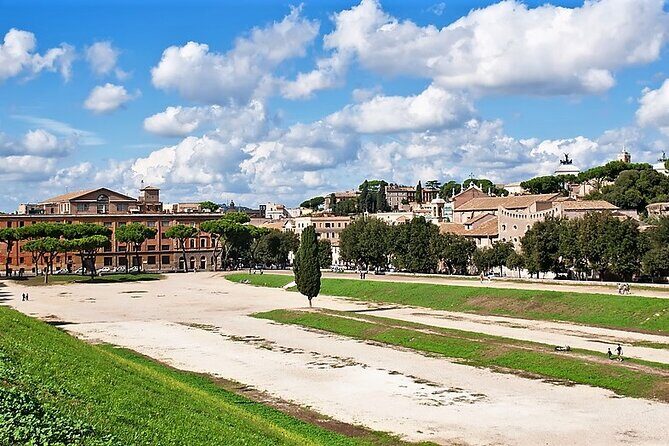
From Palatine, you head toward the Circus Maximus, known as ancient Rome’s largest stadium—the place where chariot races once drew huge crowds (the scale was enormous, even by ancient standards). This stop is great because it shows a different side of Rome: not temples and emperors only, but mass entertainment and public life.
After that, you’ll explore Capitoline Hill, the political and religious heart of ancient Rome, with Michelangelo redesign elements tied to the modern look. Capitoline is also one of the best “big picture” hills in the city. Even if you only spend a short stretch here, you’ll come away understanding why this area kept mattering across centuries.
A practical consideration: this area can have uneven surfaces near viewpoints and stairs. The cart reduces the overall walking, but your feet still have to handle a little Rome terrain at each stop. If mobility is your main concern, it’s smart to tell your guide what’s easiest for you at the start. Several guides on this format are good about adjusting where you stand and how you move between stops.
Mouth of Truth and Largo di Torre Argentina: myth meets politics
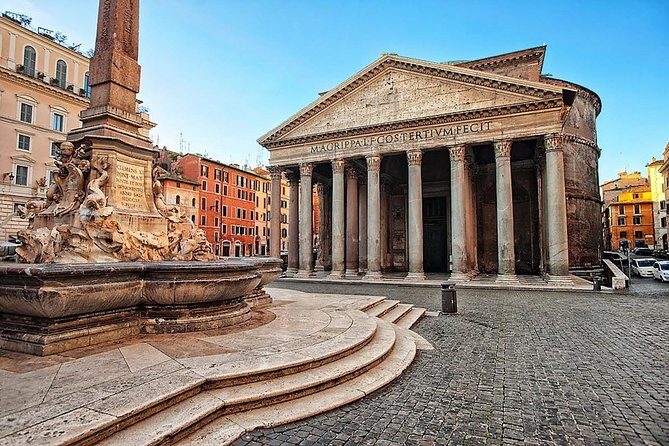
One of the most memorable moments on the route is the Mouth of Truth, the ancient marble mask said to bite the hand of anyone who lies. Yes, it’s partly playful. But it’s also a great way to get people engaged during a day that otherwise could feel too academic. It’s the kind of stop where you laugh, take a photo, then suddenly care about what the object represents.
Next you’ll be at Largo di Torre Argentina, known for ancient temples and the site tied to Julius Caesar’s assassination. This stop is heavier in tone than the Mouth of Truth, and that contrast is useful. A short tour needs emotional variety, or you’ll forget half of what you saw once you hit the next piazza.
If you’re the type who likes a quick takeaway: aim to listen for the story thread linking political power, public spaces, and how Rome reused (or rebuilt over) earlier places. That’s where the tour becomes more than a checklist.






Piazza Venezia, the Pantheon portico, and the Rome you recognize instantly
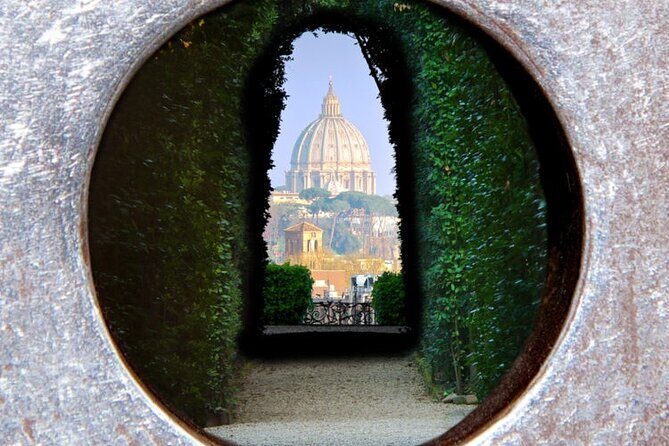
Then you’ll reach Piazza Venezia, one of Rome’s central squares, dominated by the Vittorio Emanuele II Monument. This is a “look around” moment. You get to see how the grand scale of Italy’s national narrative sits right next to the older layers of the city.
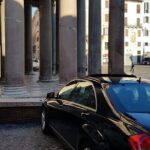
After that, you’ll admire the Pantheon’s iconic portico. Even if you don’t go inside during your stop time, the portico alone is a lesson in Roman design confidence. The sheer geometry and proportions do a lot of the explaining for you.
This is also where a cart tour helps you keep your energy. In a walking plan, Pantheon-to-next-stop days can feel exhausting. Here, you move with fewer interruptions, while still getting the key visual hits.
Trevi Fountain to Piazza Navona, then Janiculum Hill panoramas
If your Rome trip includes the famous fountains and lively squares, this tour hits them in a smart order.
First, Trevi Fountain—that dazzling cascade where marble and myth do their thing. The key value here isn’t only the photo. It’s the timing and orientation: you’ll learn what to look for, what stories attach to the place, and how it fits into the route of central Rome. Then you’ll keep moving, rather than getting stuck in the longest lines and slowest crowds.
Next: Piazza Navona, a Baroque masterpiece with fountains and open-sky energy. It’s a great place for people-watching, but also for learning how Rome’s “celebration of public life” shows up in stone. You’ll get a guided look that helps the square make sense, not just look pretty.
Finally, you climb to Janiculum Hill for panoramic views. This is one of the best payoffs of the whole day: the city spreads out and suddenly you understand the geography that links all the monuments you just visited. It’s also a morale booster if you’ve been in a half-day “history mode.”
Spanish Steps finish: how to make the most of your last hour
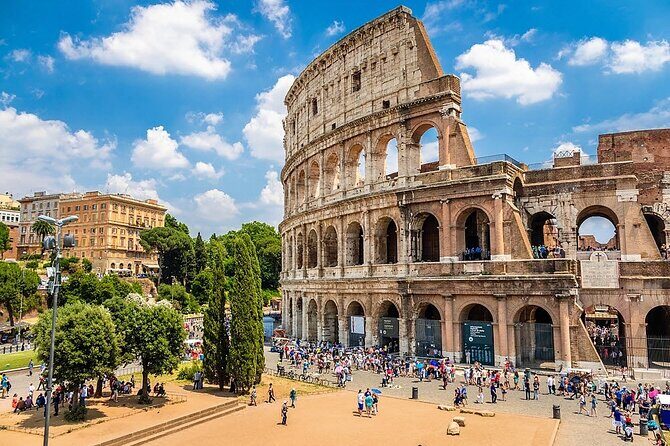
Your tour ends with the Spanish Steps, where you get the classic Rome skyline views and a sense of how central this area is for meeting points and strolling routes. It’s a strong finish because it feels modern-urban rather than purely ancient.
Here’s the practical tip I’d give: treat the final stretch as your photo and orientation window. After seeing imperial Rome, hilltop Rome, and fountain Rome, you’ll start noticing which streets connect where. When you leave, you’ll be better prepared to plan a return visit on foot.
If you’re traveling with teens or mixed-age family members, this finish also lands well. It’s easier to enjoy than another ruins-heavy stop, and you can stretch your legs a bit while still staying within the tour’s overall flow.
Price and value: is $168.09 per person fair?
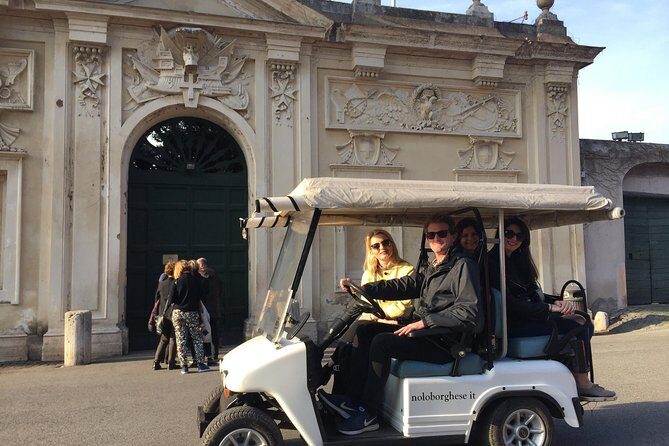
At $168.09 per person for about 3 hours, you’re paying for three things at once:
- Transportation efficiency via the golf cart
- A professional local guide to connect the dots
- A tight loop that hits major landmarks plus some side routes
Is it “cheap”? No. But Rome is one of those cities where time has real value. Three hours can’t cover everything deeply, yet it can give you the big framework that helps you spend the rest of your trip wisely. People also choose this format because it avoids the fatigue that often wrecks second-day plans.
The other value lever is the group size. With max 6, you’re not just paying for a cart—you’re paying for the chance to ask questions and actually get answers without waiting your turn. Several guides named in other experiences (like Andy, Luca, Ricardo, Massimo, Alice, and Carlo) are highlighted for storytelling and calm driving, which matters a lot when you’re negotiating Rome traffic.
If you want more flexibility, look at the private tour option. Some guests feel a private setup is worth it when you have specific interests—like focusing more on viewpoints or adjusting the rhythm around mobility needs.
Who should book this Rome golf cart tour
This is a smart match if:
- You want a high hit-rate day without turning it into an all-day walking grind
- You prefer a small group rather than a crowded bus
- You have mobility limits or just want to conserve energy after other big attractions
- You’re arriving and need an easy way to get your bearings fast
It’s also ideal as a first-day orientation tour. If your Rome plan includes a lot of independent walking later, getting the “map in your head” early helps.
Should you book this Rome golf cart tour or not?
If your goal is a 3-hour overview that connects the city’s main monuments with a few clever side stops, this is an easy yes. The golf cart format makes it feel more relaxed than a walking-only plan, and the max 6 group size keeps it personal.
Skip it only if you already know Rome deeply and you want long, slow time in museums or on major ruins sites. This one is built for motion, clarity, and key moments, not for deep study.
If you’re on the fence, book it earlier rather than later. This experience often gets reserved about 57 days in advance, and that’s usually a sign people find it useful for planning.
FAQ
How long is the Rome on a Golf Cart semi-private tour?
It runs about 3 hours.
Where does the tour start?
The meeting point is Piazza della Repubblica (P.za della Repubblica, 00185 Roma RM, Italy).
What group size is this tour limited to?
It’s a semi-private experience with a maximum of 6 travelers.
Is the tour offered in English?
Yes, it’s offered in English.
Is there an option for a private tour?
Yes, a private tour option is available.
What are some of the main sights you’ll see?
You’ll see places including the Arch of Constantine, Palatine Hill, Circus Maximus, the Mouth of Truth, Capitoline Hill, Largo di Torre Argentina, Piazza Venezia, the Pantheon’s portico, Trevi Fountain, Piazza Navona, Janiculum Hill, and the Spanish Steps.
Is free cancellation available?
Yes. You can cancel for a full refund up to 24 hours before the experience start time.