REVIEW · POMPEI CAMPANIA
Pompeii Tour with Archaeological Expert and Lunch
Book on GetYourGuide →Operated by Angelo (Travelcampania) · Bookable on GetYourGuide
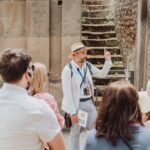
Pompeii hits fast, and this tour keeps it focused. You’ll get skip-the-line access and a guided walk that points you to the best-preserved, most meaningful ruins. I love that you don’t just stroll—you get context on the eruption of Mount Vesuvius in 79 AD and what that changed for daily life. I also like the lunch payoff at the end, with a simple sit-down meal rather than rushing off again.
One possible drawback: it’s a 2-hour walking format, and it’s not designed for wheelchair users. If you’re easily tired on uneven ground, plan on going slow and wearing proper shoes.
Quick Pompeii value check: at $82 per person, you’re paying for an expert guide, priority entry, and lunch—not just entry tickets.
In This Review
- Key highlights at a glance
- Where this Pompeii tour shines: an expert route in 2 hours
- Getting started: meeting near EUROPARKING and skipping the front-door hassle
- The big anchors: Basilica and the Roman Forum (Foro Civile di Pompei)
- Walking the ancient streets: houses, shops, temples, and lava-covered paths
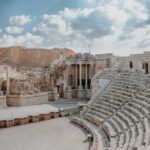
- Teatro Piccolo: a compact stop that shows public entertainment life
- Terme Stabiane: why the baths matter more than you think
- Lupanare frescoes: the brothel preserved by the eruption
- Photo stops and short free time: don’t rush the best moments
- Lunch at Ristorante pizzeria Turistico: a real end point, not an afterthought
- Price and value: is $82 fair for Pompeii in 2 hours?
- What you’ll get most out of (and who it’s for)
- Should you book this Pompeii tour?
Key highlights at a glance
- Skip-the-line entry with tickets handled for you, so you waste less time at the gate
- Basilica + Roman Forum focus so you see the power-and-public-life side of Pompeii
- Lupanare frescoes in the brothel area, preserved by the eruption
- Stabian Baths (Terme Stabiane) and Teatro Piccolo for a feel of everyday public spaces
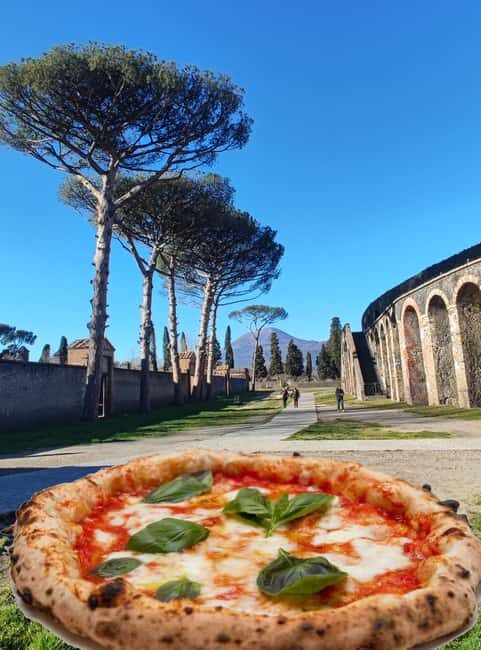
- Pizza or spaghetti lunch near the park entrance to cap the experience
Where this Pompeii tour shines: an expert route in 2 hours
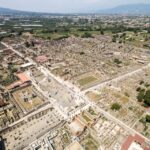
Pompeii can feel huge when you arrive on your own. Streets wind in every direction, and it’s easy to wander without understanding what you’re looking at. This tour is designed to solve that problem with a guided walking route that hits the big moments quickly.
The best part is the way the guide connects ruins to story. You’ll hear about the fate of the city in 79 AD after Mount Vesuvius erupted. Then you’re walking those same streets and public spaces, so the explanation makes physical sense, not just textbook sense.
I also like that the tour doesn’t treat Pompeii like one long photo stop. There are guided segments, short pauses, and a bit of breathing room with free time—so your brain can actually absorb what you see.
You can also read our reviews of more tours and experiences in Pompei Campania
Getting started: meeting near EUROPARKING and skipping the front-door hassle
You meet your guide in front of the EUROPARKING lot in Pompeii, with the meeting point identified as the Wellcome box. From there, you’ll handle the entry process quickly. The guide purchases your tickets for you and you go through an express-style security check, which is the main time-saver when crowds build up.
Why this matters: Pompeii is popular. If you’re stuck in line before you even step into the ruins, the whole day starts off tired. Here, you get moving sooner and stay on schedule for the two-hour pace.
What I’d do before you go: bring a sun hat and keep your water accessible. You’ll be walking through outdoor ruins, and there’s less chance of an easy break later.
The big anchors: Basilica and the Roman Forum (Foro Civile di Pompei)
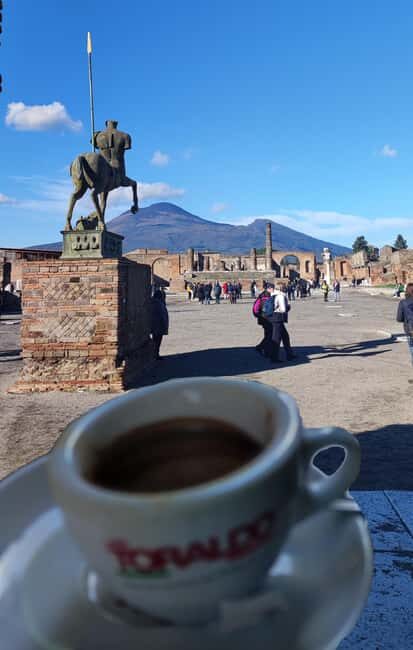
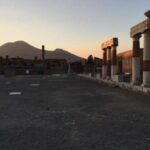
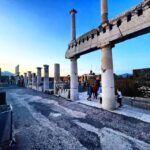
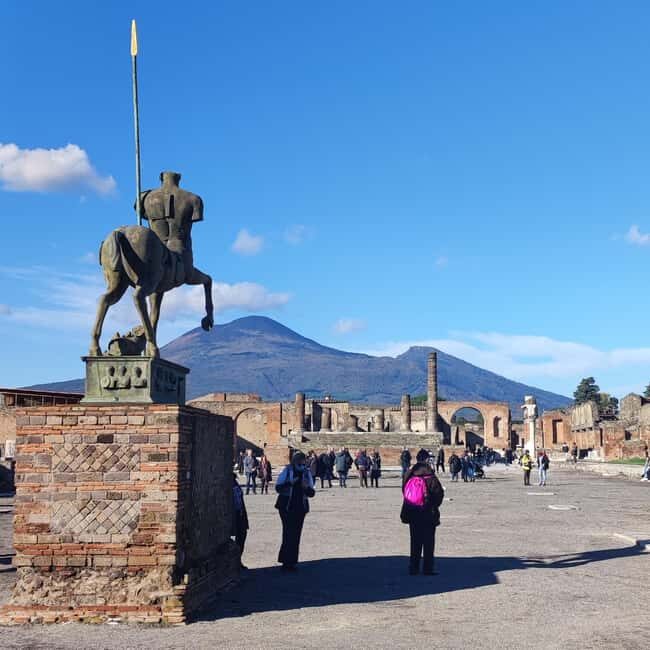
This is the part that helps Pompeii feel like a real city. The tour includes the Basilica and the Foro Civile di Pompei, which is where you get the public-life core of the settlement.
In practical terms, that means you’re watching for the kinds of spaces people used for civic business—places that signal power, community, and routine. Without this anchor, Pompeii can feel like “cool walls and columns.” With it, you start mapping what went where in your head.
One more thing: your guide will keep pointing out what’s most important versus what’s just near the route. That makes the walk feel efficient, like you’re getting the highlights for your time instead of collecting random snapshots.
Walking the ancient streets: houses, shops, temples, and lava-covered paths
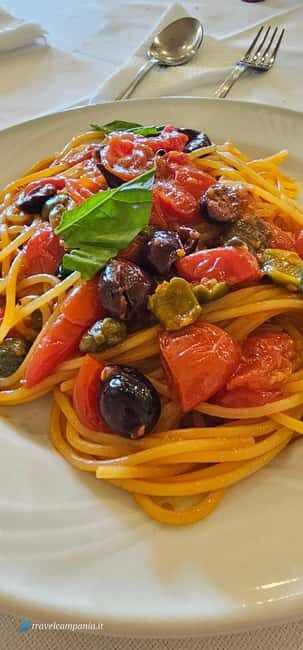
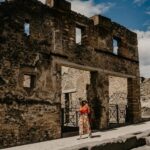
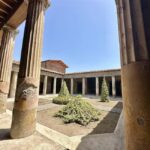
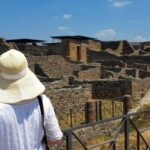
The tour spends time on the streets themselves, not just landmark buildings. You’ll move through lanes where you can see the layout of private homes, shops, restaurants, and temples. That street-level wandering is where Pompeii turns from ruins into a place with habits.
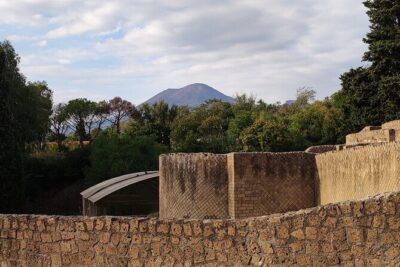
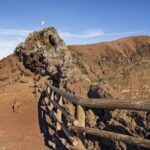
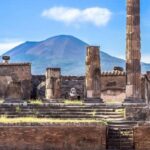
You’ll also see how the eruption changed the city physically—your guide explains how the streets were covered in lava after Mount Vesuvius erupted in 79 AD. Even if you’ve heard the story before, it lands differently when you’re standing where the aftermath visibly shaped the town’s surfaces.
Tip for you: slow down at the intersections. Even with a guide, it helps to pause when the route turns. That’s often when the street grid starts to make sense.
Teatro Piccolo: a compact stop that shows public entertainment life
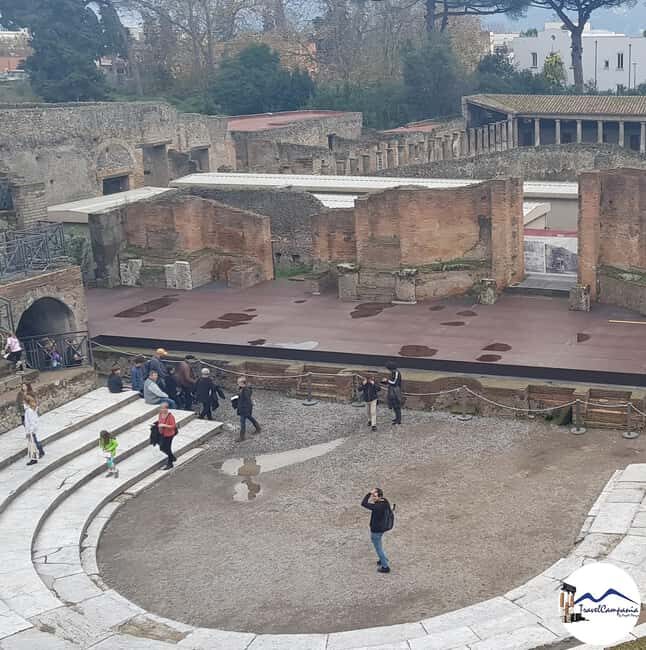
One of the early guided segments is Teatro Piccolo. It’s not the biggest stop on paper, but it works well in a short tour because it adds variety. You get a sense of how people spent time outside of civic and domestic spaces.
If you’re wondering what to look for, focus on how the theater structure frames space. A venue like this isn’t just stone; it’s a design for spectators. The guide’s commentary helps you see the intention behind the layout rather than treating it like a set piece.
Given the two-hour timing, this stop is also a good reminder: you’re not being asked to do Pompeii “all at once.” You’re being asked to see key pieces that make the rest easier to understand.


Terme Stabiane: why the baths matter more than you think
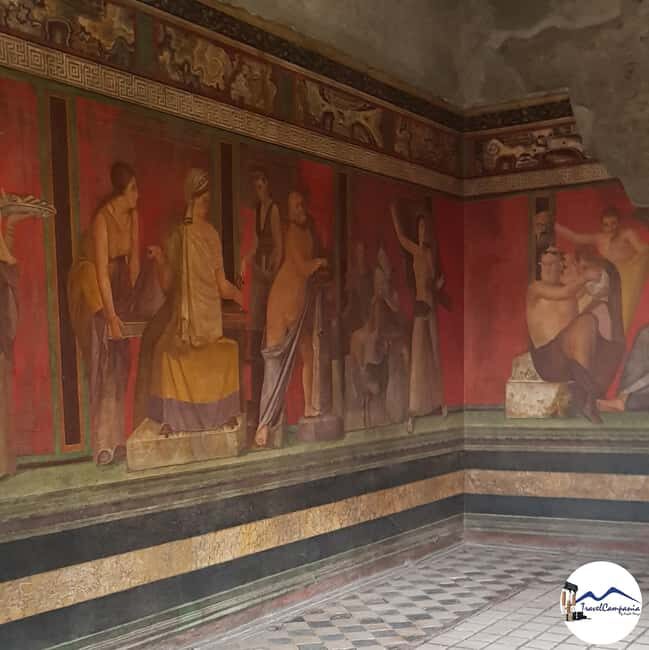
Next up is Terme Stabiane (the Stabian Baths). Baths in Roman life weren’t only about washing—they were social spaces. That’s the idea your guide brings forward as you look around the ruins.
Even if you don’t know the terminology, you’ll understand the vibe quickly. These were places people used regularly, and the tour’s timing makes it feel like a natural transition from entertainment (Teatro Piccolo) to public routines (the baths).
Practical note: since this is outdoors and you’re moving between areas, wear shoes with grip. Pompeii ground can be uneven, and you’ll appreciate extra traction when you’re on the move.
Lupanare frescoes: the brothel preserved by the eruption
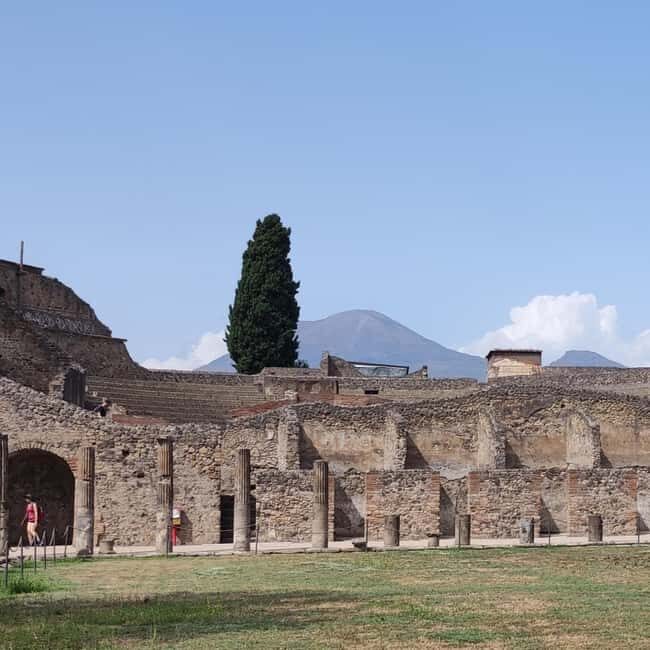
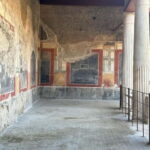
This is one of the tour’s strongest highlights. You’ll visit the Lupanare, a brothel area, and your guide points out the frescoes that were preserved after the eruption.
I like this stop for a simple reason: it adds human detail. Public buildings tell one story, but private and commercial spaces tell another. Here you get a glimpse of everyday life and services that existed alongside theaters, temples, and civic centers.
It’s also a place where your guide’s explanations help you read what you’re seeing without guessing. You’ll get the background on what the Lupanare was and why the eruption’s preservation makes it especially famous.
Quick caution: if you’d rather keep the tone light, go into the stop prepared for mature themes. The tour is factual and historical, but it doesn’t pretend the topic is “just ancient art.”
Photo stops and short free time: don’t rush the best moments
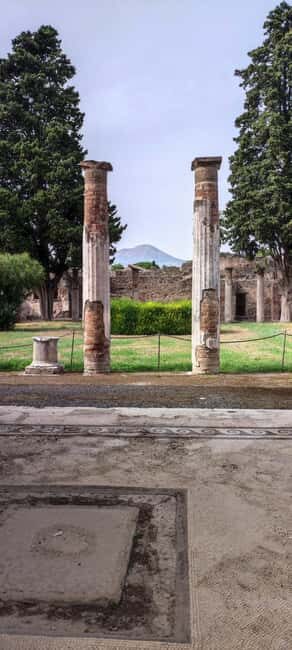
Along the route, you’ll stop for photos at various points. There’s also a 10-minute free time window built into the experience. That free time is useful because it gives you a chance to catch your breath, re-check your bearings, and take the photos you actually care about.
My advice: use the free time intentionally. Don’t spend it wandering blindly. Pick one or two spots you keep seeing repeated in your guide’s explanations, and then slow down. Pompeii rewards patience—especially when the tour pace is otherwise quick.
Lunch at Ristorante pizzeria Turistico: a real end point, not an afterthought
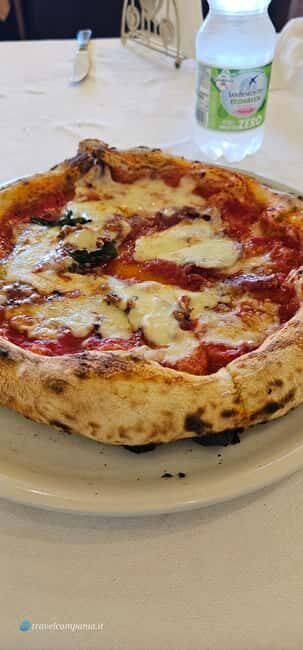
At the end, you head to Ristorante pizzeria Turistico, a restaurant near the entrance to the archaeological park. You’ll enjoy a food tasting for about one hour, with your meal included: either Margherita pizza or spaghetti with cherry tomatoes, plus water.
This is good planning. A lot of tours dump you off and hope you’ll find food on your own. Here, you get a scheduled landing spot right where you’ll want it after a couple hours in the ruins.
What to expect from the meal: it’s a straightforward included option, designed to keep the experience easy and comfortable. Alcohol and fizzy drinks aren’t included, so if you want those, you’ll pay separately.
Price and value: is $82 fair for Pompeii in 2 hours?
For $82 per person and a 2-hour guided walk, you’re not paying just for entry. You’re paying for:
- a live guide
- priority entrance
- help with tickets (your guide purchases them)
- the covered sights in a tight route
- included lunch with pizza or spaghetti + water
That’s why the price feels reasonable if you’re short on time or you hate waiting in lines. If you’re the kind of traveler who loves spending half a day wandering without interpretation, you might feel the cost more. But if you want a guided, high-impact Pompeii overview and a scheduled meal, this format pays off.
Also, the time matters. Two hours is long enough to see the key areas, but short enough that you’re less likely to feel “ruined” for the rest of the day.
What you’ll get most out of (and who it’s for)
This tour is ideal if you:
- want an organized Pompeii visit without a DIY struggle
- like guided storytelling tied to specific ruins
- appreciate a clear hit list of major sights like the Roman Forum area and the Basilica
- want an included meal so you can relax afterward
You may want to choose another option if you:
- need wheelchair-friendly access (this one isn’t suitable for wheelchair users)
- can’t handle steady walking for about two hours
- prefer long, slow museum-style wandering with minimal guide structure
On the guide side, I’ve heard strong praise for tour leaders like Paolo, described as friendly and engaging, and for the broader team connected to Angelo (Travelcampania). The consistent theme is that the experience feels human, not robotic.
Should you book this Pompeii tour?
Yes, I think it’s a smart booking for most first-timers. You’re getting priority entry, a guide who keeps you focused on the core highlights, and a no-stress lunch at the end. The two-hour length is especially valuable if Pompeii is one stop on a busy Campania itinerary.
Book it if you want Pompeii with direction. Consider a different format if you need lots of mobility support or you want to spend the whole day at your own pace.