REVIEW · POMPEII
Semi – Private Tour of Pompeii with an Archaeologist
Book on Viator →Operated by Around Amalfi coast · Bookable on Viator
Pompeii makes more sense with a guide. This semi-private outing focuses on the people’s world in Roman Pompeii, walking past theatres, shops, houses, and major monuments while an archaeologist-style presenter helps you read what you’re seeing. I really like the emphasis on how daily life worked in a city frozen in time.
Two things push this tour into the buy-it category for me: the small-group vibe (max 15) keeps questions flowing, and many guides manage routes that help you skip the worst crowd delays. One possible consideration: although it’s marketed with an archaeologist, group size and guide details can be inconsistent if the day runs off-script—so arrive on time at the right meeting point and stay open to adjustments.
In This Review
- Key highlights at a glance
- Pompeii in 2 hours: why this “semi-private” format works
- Meeting point at Coffee Shop Vittoria: start where the plan works
- Archaeologist-led walking route: theatres, shops, and houses
- Theatres: public entertainment you can still feel
- Shops and street life: how money and food moved
- Houses: social clues hidden in rooms and decor
- Water systems and technical leftovers
- Skip the crowds, but keep expectations realistic
- Your guide is the product: Lello, Camilla, Leonardo, and more
- Price and value: $36.28 plus the €18 site ticket
- What to bring, and how to handle the walking and sun
- Who this tour is best for
- Should you book this Pompeii semi-private tour?
- FAQ
- How long is the Pompeii tour?
- What time does the tour start?
- Is the Pompeii entrance ticket included?
- What language is the tour offered in?
- How many people are in the group?
- Where do we meet for the tour?
- Where does the tour end?
- Is a mobile ticket provided?
- Is free cancellation available?
Key highlights at a glance
- Small-group feel (max 15) that’s much easier to manage in Pompeii’s crowds
- Daily-life storytelling, from theatres and public spaces to shops and homes
- Practical guidance through the site so you don’t wander and miss key areas
- Route planning that can cut waiting, depending on the day
- A guide who spots details, like frescoes and water systems, not just big monuments
Pompeii in 2 hours: why this “semi-private” format works
Pompeii is big, sun-heavy, and crowded. Even if you have a great map, it’s easy to get lost in the weeds. This is built for people who want the essentials—without turning the day into a stressful endurance event.
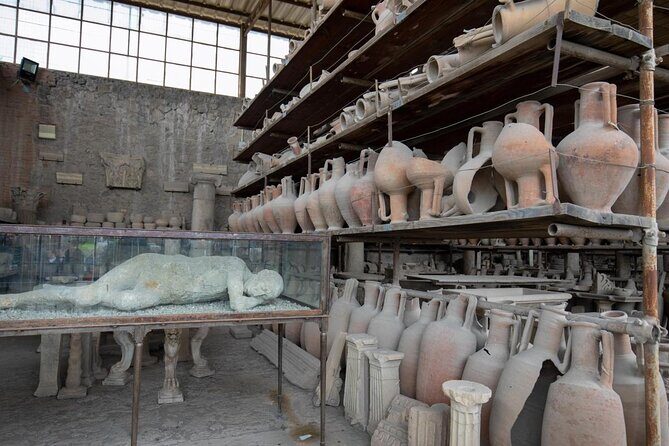
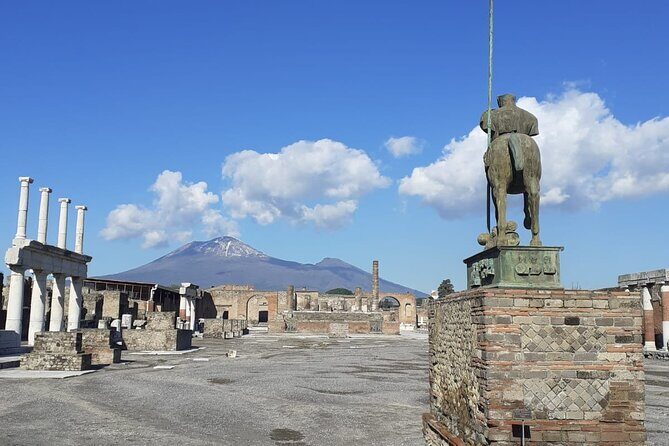
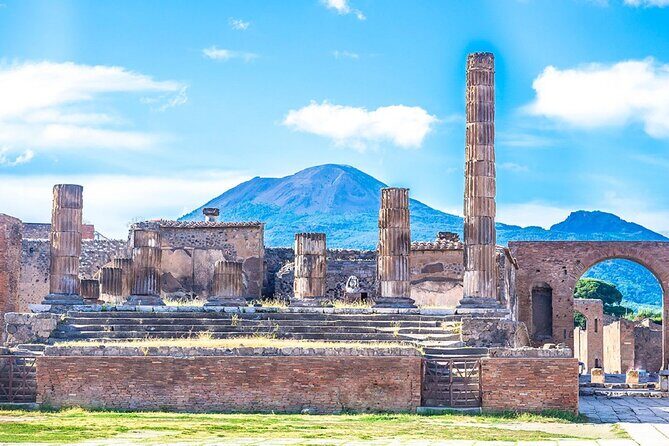
You get about 2 hours with a guide, plus a targeted walk through the main parts of the archaeological park: theatres, commercial streets (yes, the shops), residential areas (the houses), and other big highlights. The payoff is context. The ruins stop being random stone and start behaving like a living city—social life, work life, public entertainment, and what people used to buy and eat.
Also, the max group size is up to 15, which matters here. Pompeii is not a museum where you can stand shoulder-to-shoulder and still have a conversation. Smaller groups help you hear explanations and keep moving at a pace that feels sane.
You can also read our reviews of more private tours in Pompeii


Meeting point at Coffee Shop Vittoria: start where the plan works
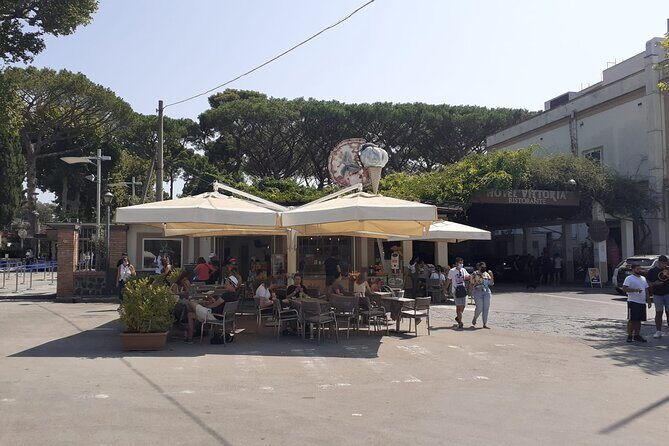
The meeting point is Coffee Shop Vittoria, Via Mare, 80045 Pompei NA, Italy, with a 10:00 am start. The tour ends back at the same spot, so you don’t have to guess where you’ll end up after you’ve walked through the park.
Here’s a simple tactic I recommend: build extra time into your arrival so you’re standing by the entrance area before the official start. A couple of comments in the overall feedback talk about trouble locating the guide when meeting details weren’t followed perfectly. In a place like Pompeii, that sort of slip can cascade into late starts or regrouping.
If you’re thinking, I’ll just be nearby—don’t. Do the boring thing and be early at Coffee Shop Vittoria. Your future self will thank you.
Archaeologist-led walking route: theatres, shops, and houses
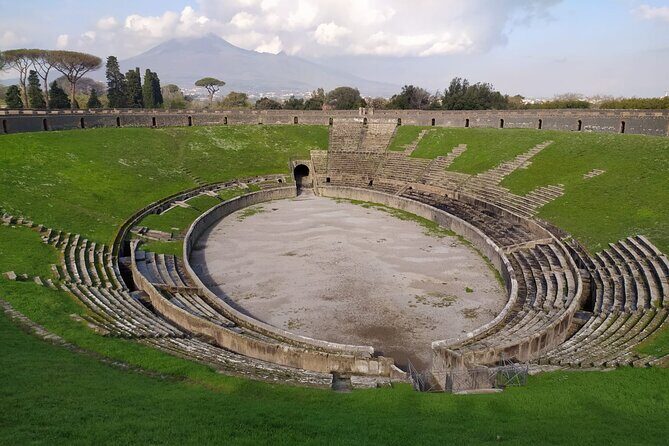
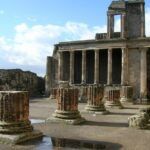
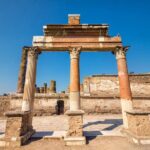
This tour’s core is a guided walk through the Archaeological Park of Pompeii, designed like a Roman day-in-the-life overview. It’s not just check-the-box sightseeing. The real value is how the guide ties spaces to routines—what people did there, who used them, and why the layout mattered.
Theatres: public entertainment you can still feel
Pompeii’s theatres were built for public spectacle. In a good guided pass, you don’t just see seating and stage walls—you learn how Romans gathered, what kinds of performances would happen, and how these spaces sat inside neighborhood life. It’s the kind of stop that helps you understand the city wasn’t only about commerce and homes. It was also about crowd energy and shared entertainment.
Shops and street life: how money and food moved
One of the most memorable elements in the feedback is how guides explain what people sold and how the “everyday economy” worked. You’ll likely hear comparisons that make the commercial zones feel familiar—shops and counters where regular people handled purchases and trade.
This is also where you get those small details that change your visit. Guides have pointed out features you might skip on your own, and they connect them to daily habits. Think: signage or layout cues, and the practical logic behind where certain stalls and spaces were placed.

Houses: social clues hidden in rooms and decor
Pompeii’s houses are where you learn how status showed up in architecture and routine. In the better explanations, the guide doesn’t just describe rooms; they explain what those rooms were for and how people moved through their daily schedules. You may hear discussions about different parts of town and how living arrangements reflected wealth and lifestyle.
Some guides have also been praised for drawing attention to specific visual remnants—fresco quality, and everyday features that hint at how rooms were actually used. Even in a short tour window, that approach helps you see more than the big postcard scenes.
Water systems and technical leftovers
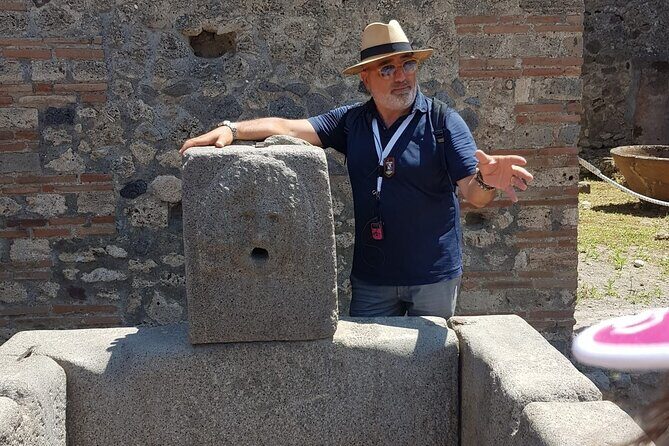
One standout theme from the feedback: guides sometimes point out practical engineering remnants, like water pipes. That’s a big deal because Pompeii isn’t only about art and drama. It’s also about infrastructure—how the city functioned day after day. When your guide connects a visible feature to everyday use, the ruins feel less like ruins and more like a working town that paused mid-routine.
Skip the crowds, but keep expectations realistic
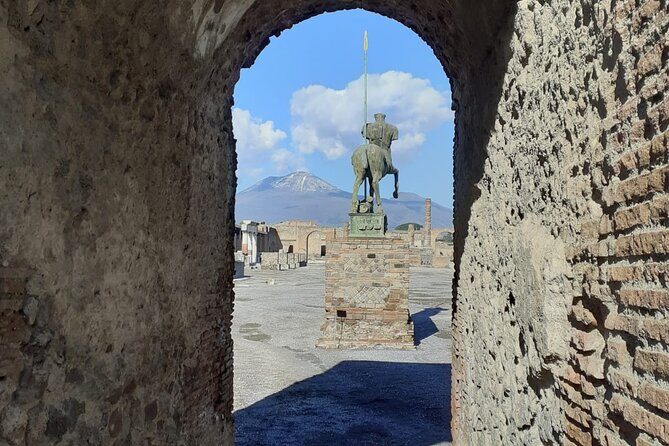
Pompeii crowds can be brutal. The good news is that many guides in the mix have experience managing visitor flow. Several people highlight moments like getting in quickly and avoiding cruise-ship crunches.
That said, I wouldn’t bet my whole day on “guaranteed skipping” on every date. Crowds shift. Timing shifts. Group logistics shift. What you can count on is that a guide will make choices—route pacing, stops for shade, and smart grouping—so you don’t waste the limited time you have.
A practical approach for you: plan for walking in heat, not a relaxed stroll. Some explanations also mention frequent sun and only a few spots for shade and cool air stops. Bring water, wear a hat, and wear shoes you’ll still like after a lot of uneven ground.
Your guide is the product: Lello, Camilla, Leonardo, and more
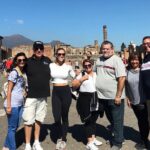
In Pompeii, the difference between a so-so visit and a standout one is often the person leading the talk. In the feedback, specific guides earn repeat praise, and their styles tell you what to expect.
- Lello is described as high-energy, story-driven, and focused on imagining daily life—often including details like how people might handle food and shops.
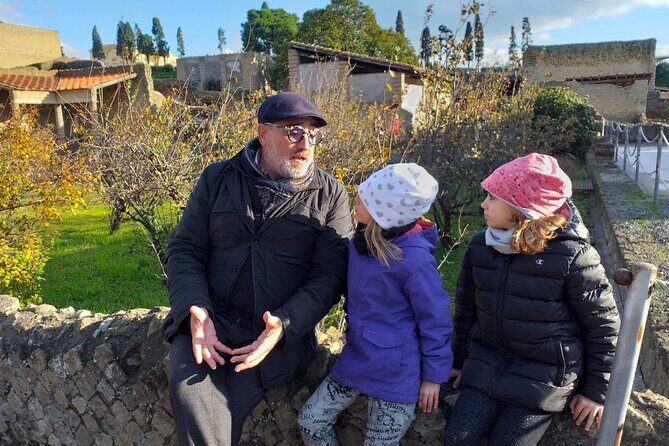
- Camilla gets credit for being engaging for kids and for guiding people through highlights with clear explanations.
- Leonardo is repeatedly mentioned for pacing, crowd navigation, and pointing out details most people miss (like water systems and visual remnants).
- Rafaello shows up in feedback as enthusiastic and funny, using stories to make the ruins feel alive.
- Esther is praised for being professional and helpful when the schedule or meeting setup required adjustment.
One caution, based on the less positive comments: the “archaeologist” part may not always match what you expect in practice. Some people report that a guide wasn’t an archaeologist, even though the listing suggests it. So think of it as an expert-led Pompeii interpretation, not a guaranteed museum professor in every case.
If that matters to you, you can still reduce risk by confirming the meeting point, arriving early, and checking that the guide name matches what you were told at booking.
Price and value: $36.28 plus the €18 site ticket
The headline price is $36.28 per person, and the tour runs about 2 hours. The key detail: admission to the archaeological site is not included, and the ticket cost is €18 per person.
So your real all-in figure is roughly $36.28 plus €18 (exchange rate depends on your payment method and day). That sounds like a lot until you think about what you’re buying:
- You’re buying time saved from trying to choose a route alone in a crowded, huge site.
- You’re buying interpretation that turns monuments into a story about daily work, public life, and home life.
- You’re buying a guide who can point out specific remnants you might otherwise walk past.
If you’re doing Pompeii as a first-time stop and you only have a couple hours to spare, guided value is easier to justify. If you’re the type who loves self-guided wandering and you have extra time beyond the guided window, you could choose your own route. But if your goal is seeing the essentials with context, this format is built for you.
What to bring, and how to handle the walking and sun
Pompeii is not a “sit and look” day. Even with a short tour, you’ll spend time walking between key zones. And yes, the sun hits hard.
Based on the practical notes from the experience feedback, plan for:
- Heat and shade limits: there are some stops for cooler air, but don’t assume you’ll constantly find shade.
- A lot of walking in a short window: comfortable shoes matter.
- Being ready for crowds: other groups move through the same corridors and viewpoints.
If you’re sensitive to long walks, consider whether a 2-hour route is realistic for your stamina. If you have walking issues, some guides have shown flexibility—taking a pause while the rest continue, then meeting up again—but that’s not something you should assume without asking in advance.
Who this tour is best for
This is a strong choice if:
- you want a first-time Pompeii orientation without losing the day to decision-making
- you’re visiting with kids and want someone to keep attention focused with stories
- you have limited time and want to cover major highlights efficiently
- you prefer small-group pacing over large bus-group chaos
It may be less ideal if:
- you need a strict guarantee of a small group size every time the day runs
- you expect the guide to be an archaeologist in a formal academic role (because some feedback suggests mismatches)
- you want a slow, linger-and-photograph pace without crowd movement
Should you book this Pompeii semi-private tour?
I’d book it if you’re the type who gets more out of places with context than with a guidebook alone. The short duration is real value: you’re not trying to solve Pompeii on your own, and you’re not spending your whole day indoors or in dead time between stops.
Here’s my decision rule:
- If you want the main highlights plus daily-life explanations in about 2 hours, this is a smart pick.
- If you’re picky about exact group size and you treat the archaeologist label as a must-have, I’d double-check details before you go, show up early, and keep a Plan B mindset for how busy Pompeii can get.
Either way, plan for sun, wear good shoes, and let your guide do the heavy lifting of turning ruins into a city you can understand.
FAQ
How long is the Pompeii tour?
It runs about 2 hours (approx.).
What time does the tour start?
The start time is 10:00 am.
Is the Pompeii entrance ticket included?
No. Admission to the Archaeological Site costs €18.00 per person and is not included.
What language is the tour offered in?
The tour is offered in English.
How many people are in the group?
The maximum group size is 15 travelers.
Where do we meet for the tour?
Meet at Coffee Shop Vittoria, Via Mare, 80045 Pompei NA, Italy.
Where does the tour end?
It ends back at the meeting point.
Is a mobile ticket provided?
Yes, you get a mobile ticket.
Is free cancellation available?
Yes. You can cancel for a full refund if you cancel at least 24 hours before the experience starts.