REVIEW · POMPEI CAMPANIA
Pompeii Skip the Line Ticket + Guide Book with itineraries
Book on GetYourGuide →Operated by MOTORENT S.R.L. · Bookable on GetYourGuide
Pompeii works best when you control the pace. This setup pairs a skip-the-line ticket with a practical 13-language guidebook and map, so you can plan smart and wander confidently.
I like that it’s designed for independence: you enter at your time window (9:00 am to 5:00 pm) and explore on your own. I also like the structure of the guidebook itineraries (2, 4, or 6 hours), which helps when Pompeii is big and your energy is limited. The one possible drawback: you’re not buying a live, headsets-and-captions tour. If you want a person to answer every question on the spot, this is more self-guided.
Still, for a day in an archaeological park this large, the combo makes a lot of sense. You’ll get the essentials to navigate, plus enough historical context to turn random stone walls into places with stories—and you’ll be able to revisit highlights without feeling rushed.
In This Review
- Key Points That Make This Pompeii Day Easier
- Pompeii in 1 Day: Pick 2, 4, or 6 Hours and Don’t Overdo It
- Piazza Anfiteatro Entry: How to Access Pompeii Smoothly
- How the Guidebook Changes the Ruins From Stone to Place
- Streets and Frescoed Houses: Seeing Daily Life Without Getting Lost
- Spas, Temples, and the Daily Rhythm of Roman Pompeii
- Shops, Thermopolium, and the Fast-Meal Reality of Pompeii
- Theatres, Brothels, and the Stories That Get Under Your Skin
- Amphitheater Moments and UNESCO-Listed Gravitas
- Staying Comfortable: Shoes, Sun, and Using the Map Like a Pro
- Price and Value: Is $41 Worth It for Skip Entry Plus a Guidebook?
- Who This Pompeii Combo Fits Best
- Should You Book This Pompeii Skip-the-Line Ticket + Guidebook?
- FAQ
- How long can I visit Pompeii with this ticket?
- Where is the meeting point and which entrance do I use?
- What exactly is included in the price?
- Is there a live guide during the visit?
- How many guidebooks do we get?
- What languages are available?
- What should I bring for the day?
Key Points That Make This Pompeii Day Easier
- Skip-the-line entry so you spend more time walking and less time waiting
- Guidebook with 2, 4, and 6-hour itineraries to match your stamina
- Updated map so you don’t have to guess your way across the ruins
- Real Pompeii highlights like frescoed houses, spas, theaters, and the amphitheater
- Victim casts and major public spaces that make the eruption tragedy feel immediate
- UNESCO-listed archaeological site context built into the route planning
Pompeii in 1 Day: Pick 2, 4, or 6 Hours and Don’t Overdo It
Pompeii is the kind of place that rewards staying focused. With this ticket + guidebook package, you’re not trapped in a rigid schedule—you’re choosing a route length. The guidebook includes itineraries for two, four, or six hours, which is great because Pompeii can feel bigger than you expect once you’re inside.
For a first visit, I’d treat this like energy planning, not math. A two-hour route works if you want a “greatest hits” sweep: you’ll cover major structures without trying to read every inscription or admire every doorway painting. A four-hour route is the sweet spot for most people who want time to slow down for frescoes, sit for a moment in quieter spots, and still feel like you saw enough. A six-hour route is for people who love detail and don’t mind that walking adds up fast.
One smart move: pick your itinerary length based on the time you’ll truly start. Even though entry runs from 9:00 am to 5:00 pm, your best experience usually comes from starting earlier rather than later—because heat and crowds both get more intense as the day goes on.
You can also read our reviews of more tours and experiences in Pompei Campania


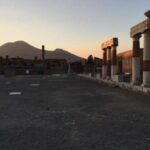
Piazza Anfiteatro Entry: How to Access Pompeii Smoothly
Here’s the practical part that matters: your reservation gets you into the archaeological park via the Piazza Anfiteatro entrance. When you arrive, you meet the operators at the information point at VIA ROMA 123, POMPEI. Show your voucher there for easy access.
This is a big deal in Pompeii because entry lines can be slow and time is limited. A skip-the-line ticket doesn’t magically make the day effortless, but it does protect your most valuable resource: daylight and energy. You’ll spend your time where it belongs—on the streets, in the buildings, and around the major public sites.
Also note the logistics of the guidebook: one book is available for every two participants. If you’re traveling as a pair, you’re set. If you’re traveling as a group of three or more, you may want to plan who shares the route decisions.
How the Guidebook Changes the Ruins From Stone to Place
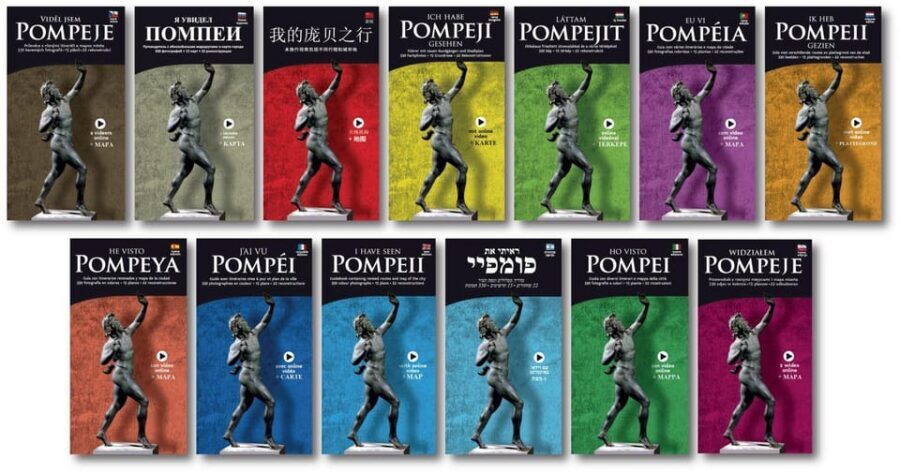
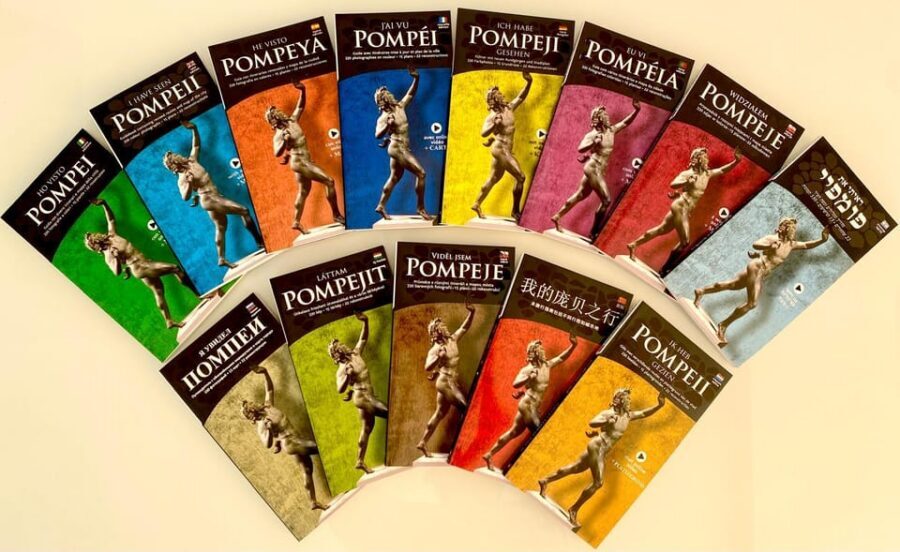
The guidebook is the core of this experience. It’s translated into 13 languages, and it’s not just facts—it includes an updated map and route guidance for different time lengths. Think of it as your anti-stress tool: you won’t need to stop and re-orient every few minutes, and you’ll know what you’re looking at when you walk into a space that looks similar to the next one.
The book also helps you focus on what makes Pompeii memorable. You’re not only walking through an archaeological park; you’re walking through a real city with recognizable routines: where people shopped, ate, bathed, prayed, watched performances, and gathered. With the route suggestions, the guidebook helps you connect those routines to specific buildings.
And yes, it’s designed to be a souvenir. That means you keep it afterward, which is perfect if you like to remember what you saw by rereading the relevant sections later.
Streets and Frescoed Houses: Seeing Daily Life Without Getting Lost
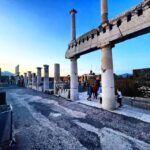
Once you’re inside, Pompeii is a maze in the best way. The guidebook helps you navigate millenary streets and reach the highlights efficiently, but the real magic is how quickly the city starts to feel lived-in.
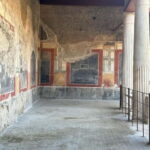
You’ll likely spend time around frescoed houses, where wall paintings turn ordinary rooms into something more human. Even without being able to read every detail, you can still sense the styles, themes, and the pride homeowners had in their spaces. It helps to pause. Frescoes are not a “walk-by” item; they’re best when you slow down and look at them as if you’re standing in a room, not in a museum hallway.
One practical drawback to expect: Pompeii doesn’t do “easy walking.” Uneven surfaces, stairs, and frequent directional changes are part of the deal. A map and itinerary reduce the chaos, but they can’t erase the physical reality. Comfortable shoes matter more here than almost anywhere else in Italy.
Spas, Temples, and the Daily Rhythm of Roman Pompeii
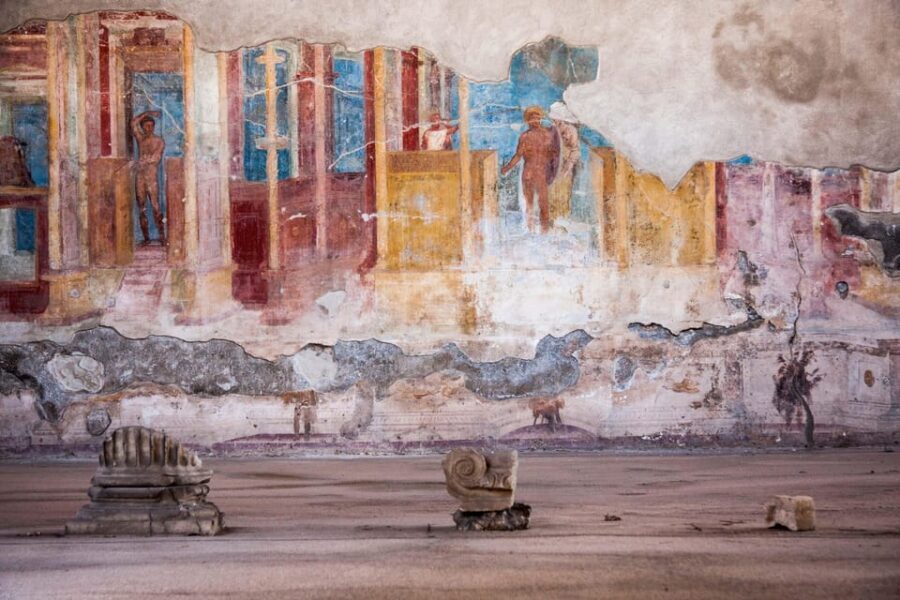
Pompeii isn’t only about homes. You’ll also encounter public and semi-public spaces that show how Roman life worked. Highlights on the route can include spas and temples, and those are worth your attention because they reveal routines beyond the household.
Bath culture, for example, isn’t just a building—it’s social time. When you visit the spas, try to imagine who used them, how people interacted, and why certain spaces mattered. The guidebook’s context helps you see the layout as a system, not just ruined walls.
Temples also benefit from that same mindset. It’s easy to see columns and arches and move on. If you follow the guidebook’s itinerary cues, you’ll be more likely to notice the specific structure choices that connect to worship and civic identity.
You can also read our reviews of more guided tours in Pompei Campania



Shops, Thermopolium, and the Fast-Meal Reality of Pompeii
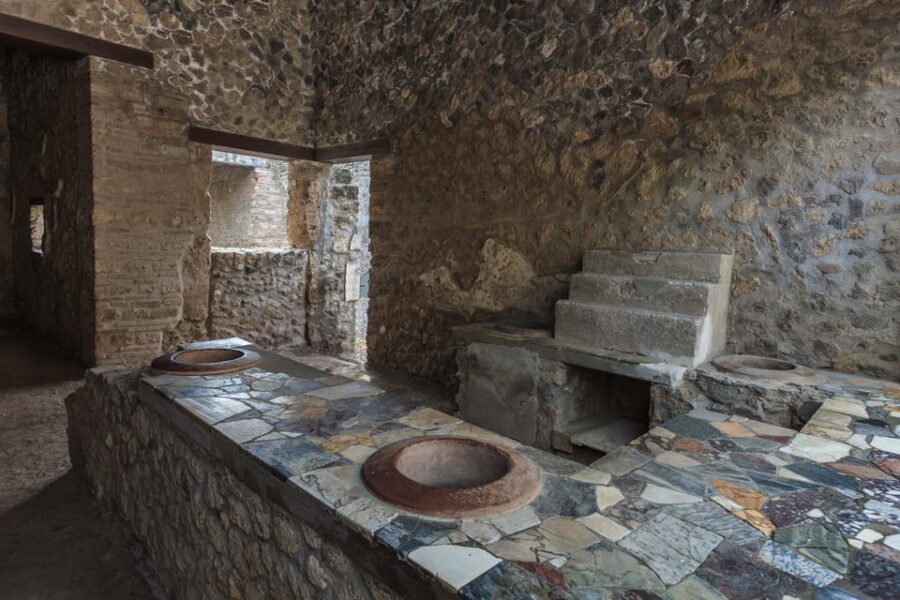
One of the more fun parts of the city is the thermopolis, essentially a Roman quick-serve spot—described here as the coffee-fast food of its time. It’s a strong stop because it feels instantly familiar. Even if the menu is different, the idea is the same: grab something hot, eat fast, keep moving.
When you find a thermopolium, look for how it’s laid out for service. The layout tells you how quickly people were meant to pass through and get what they needed. This is one of those places where Pompeii stops being “ancient ruins” and becomes “a city where people had errands.”
Shops and commercial spaces throughout the site add to that feeling. Following the guidebook routes keeps you from missing these smaller points while you’re chasing the big monuments.
Theatres, Brothels, and the Stories That Get Under Your Skin
Pompeii doesn’t sanitize what happened there. Depending on the itinerary you choose, you may come across theaters and brothels. These aren’t just scandalous footnotes—they help you understand entertainment, social habits, and how different parts of the economy operated.
Theaters are easier to appreciate when you let yourself think about performances as daily culture. Sit where you can (even briefly), and remember that people once packed these spaces to be entertained, not to take photos.
The brothel sites can feel intense. I’d use the guidebook here as your guide. Instead of only focusing on what’s uncomfortable, look for how the site is arranged and what that arrangement implies about how services were organized.
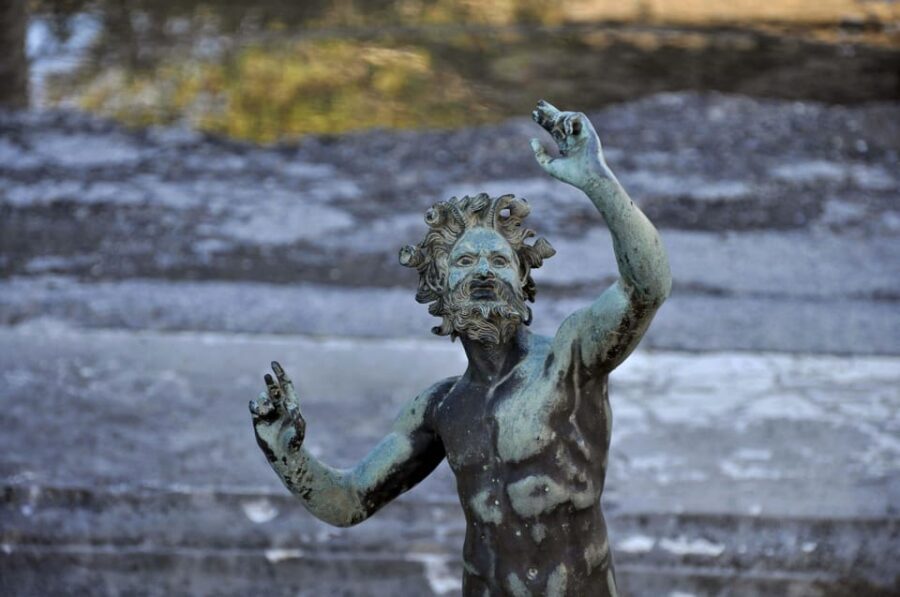
And then there are the casts of the victims. This is often the emotional center of Pompeii visits. The casts bring the eruption from a historical event into an immediate human reality—something you can’t “opt out” of once you see it. If you’re doing the two-hour route, consider whether you want to spend extra time here or if you prefer to balance emotion with highlights.
Amphitheater Moments and UNESCO-Listed Gravitas
One of the standout features you can aim for is a best-preserved Roman amphitheater. An amphitheater is built for atmosphere, and in Pompeii you get a sense of scale that doesn’t show up the same way in smaller structures. Even if you only spend a short time there, it’s a moment where the ruins stop being fragmented and start feeling like a place people gathered for major events.
Because Pompeii is a UNESCO-listed archaeological site, the route planning tends to connect what you see to why the location matters globally. If you like context, follow the guidebook’s prompts at major sites. That way, you don’t just memorize architecture—you understand why it was preserved and what it represents.
Staying Comfortable: Shoes, Sun, and Using the Map Like a Pro
Pompeii is outdoors, and your day depends on basic preparation. The essentials you should bring are simple but non-negotiable: passport or ID card, comfortable shoes, sun hat, and water. Comfortable clothes also help because you’ll be walking more than you think.
Your updated map and the itinerary options are the best tools for reducing stress. Here’s how to use them without turning your day into a checklist:
- Start with the itinerary length you picked (2, 4, or 6 hours).
- Use the map to find the next key stop, not to micro-manage every turn.
- When you hit something especially interesting, give yourself permission to stay a little longer and adjust forward.
Also, plan for slower movement around the big stops. Pompeii is popular, and even with skip-the-line entry, the site can still get busy once people cluster around major highlights.
Price and Value: Is $41 Worth It for Skip Entry Plus a Guidebook?
At $41 per person for an entrance ticket plus a guidebook with map and itineraries, the value depends on how you travel and what you want from the day.
If you want a self-guided experience but don’t want to spend time researching routes, this is strong value. The skip-the-line access protects your schedule. The guidebook protects your attention span. And because you get itineraries for 2, 4, and 6 hours, you’re not stuck with an all-or-nothing plan.
If you’re the type who already knows Pompeii well and you only want tickets, you might feel you’re paying for items you wouldn’t use. That’s where your decision gets personal: do you need planning help and a souvenir guidebook, or would you prefer to keep it all minimal?
One note from real-world value math: some people may qualify for reduced-price or free entry based on age or special categories. In those cases, paying for a package might not beat buying only the entry. If you have children and/or a senior (65+), it’s worth checking what your group members qualify for locally before deciding the package is the best deal.
Who This Pompeii Combo Fits Best
This experience fits best if you:
- Want independence but also want a clear plan so you don’t waste time
- Prefer a guidebook you can revisit later (it stays with you as a souvenir)
- Appreciate skip-the-line entry to start the day efficiently
- Like the big Pompeii highlights, including frescoed houses, spas, theaters, and the emotional impact of the victim casts
It may not fit as well if you:
- Want a live guide explaining things in real time with interactive answers
- Have no interest in reading or using a map and itinerary
- Are extremely price-sensitive and know you can buy entry cheaper elsewhere for your specific group situation
Should You Book This Pompeii Skip-the-Line Ticket + Guidebook?
Yes—if your ideal Pompeii day is structured but still flexible. This package makes it easier to start fast, find your way, and focus on the sites that matter without committing to a full guided tour.
If your group includes people who might have discounted or free entry options, do a quick value check first. Otherwise, for most couples and small groups who want a smooth, comfortable day at Pompeii, this is a practical way to see a lot and understand what you’re looking at while you walk.
FAQ
How long can I visit Pompeii with this ticket?
Your admission window runs from 9:00 am to 5 pm, and it’s valid for 1 day.
Where is the meeting point and which entrance do I use?
You access the park via the Piazza Anfiteatro entrance. You meet the operators at the information point at VIA ROMA 123, POMPEI, and show your voucher.
What exactly is included in the price?
You get an entrance ticket for Pompeii Ruins, a guidebook in 13 languages, a map, and itineraries for 2, 4, or 6 hours.
Is there a live guide during the visit?
This is set up for you to manage your visit independently using the guidebook and map.
How many guidebooks do we get?
One guidebook is available for every two participants.
What languages are available?
The guidebook is translated into 13 languages, and instructor/support languages listed include English, Italian, Spanish, and French.
What should I bring for the day?
Bring a passport or ID card, comfortable shoes, a sun hat, water, and comfortable clothes.