REVIEW · POMPEI CAMPANIA
2-Hour Pompeii Child-Friendly Tour
Book on GetYourGuide →Operated by Askos Tours · Bookable on GetYourGuide
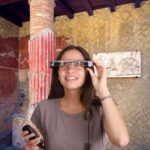
Pompeii can feel huge. This tour shrinks it fast. I like the kid-focused approach that uses tablets and multimedia to make Roman daily life click. I also like the smart stop mix, from Porta Marina to the Large Theatre and home interiors, so families get a real sense of how people lived. One possible drawback: it’s a 2-hour walking tour, so you’ll want comfortable shoes and a flexible pace for smaller kids.
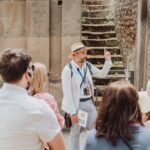
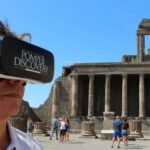
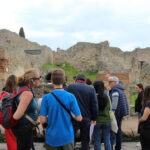
This is a private-group style tour run by Askos Tours with a certified guide, and the meeting point is the main Pompeii entrance at Porta Marina Superiore. The guide helps set the tone early and keeps the ruins readable with reconstructions and tablet-based storytelling—so parents get context and kids get something to do besides say Are we there yet.
In This Review
- Key Highlights You’ll Feel Right Away
- Start at Porta Marina Superiore and Get Oriented Fast
- Porta Marina to the Temple of Apollo: The City’s Big First Beat
- The Forum and Basilica: Where Roman Life Was Negotiated
- House of Menander and the Homes Theme: How People Lived Indoors
- Baths, Theatre, and Everyday Rhythm: Pompeii Beyond the Ruins
- Thermopolium: The Street-Food Stop Kids Actually Remember
- Price and Value: Is $212.41 Worth It for Two Hours?
- Should You Book This Pompeii Child-Friendly Tour?
- FAQ
- How long is the Pompeii child-friendly tour?
- Where does the tour meet?
- Does the price include admission fees?
- Is there a skip-the-line option?
- What language is the live tour guide?
- Is this a walking tour?
- Is it wheelchair accessible?
Key Highlights You’ll Feel Right Away
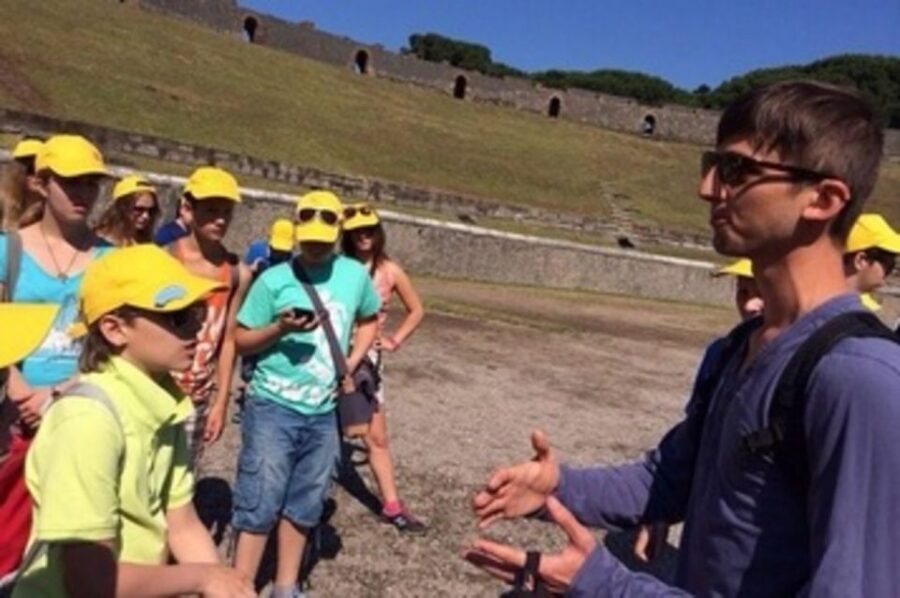
- Tablet-led discovery: Tablets plus multimedia help you understand what you’re seeing, not just stare at it.
- Family-friendly pacing: Short guided segments at major sites help kids reset before attention drifts.
- Roman life in one loop: Gates, temples, forums, baths, homes, theatre, and street food spots all show up.
- Skip-the-ticket-line support: The guide handles entry quickly, so you lose less time to paperwork.
- Private group feel: Your guide can steer the pace and focus for your family.
Start at Porta Marina Superiore and Get Oriented Fast
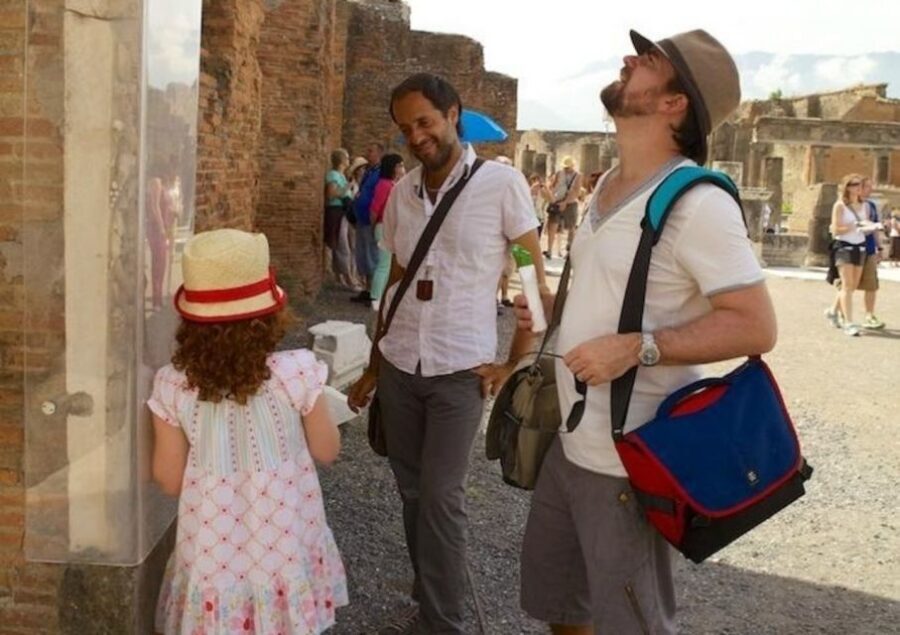
The tour begins at the Pompeii main entrance called Porta Marina Superiore, on the opposite side of the bar-restaurant Hortus. You’ll meet at Via Villa dei Misteri, 2, and your guide will hold a sign with your name, which is helpful in a place where everyone looks equally touristy.
I like this start because it gives you bearings before you’re swallowed by ruins. Pompeii isn’t a single attraction—it’s a whole city. Standing at the gate helps kids understand that they’re entering a real place, not walking between random wall chunks. And parents tend to relax when the first part has clear direction.
From there, the guide’s job is to keep the “why” attached to the “what.” In a normal visit, adults often end up doing all the interpreting. Here, the guide uses tables, reconstructions, and multimedia to translate. You’ll feel that especially when the story shifts from city entrance to religious space to civic life.
One more practical note: this isn’t a bus-and-stop tour. It’s walking only, so the best strategy is to treat it like an outdoor activity with frequent little stops rather than a museum marathon.
You can also read our reviews of more tours and experiences in Pompei Campania
Porta Marina to the Temple of Apollo: The City’s Big First Beat
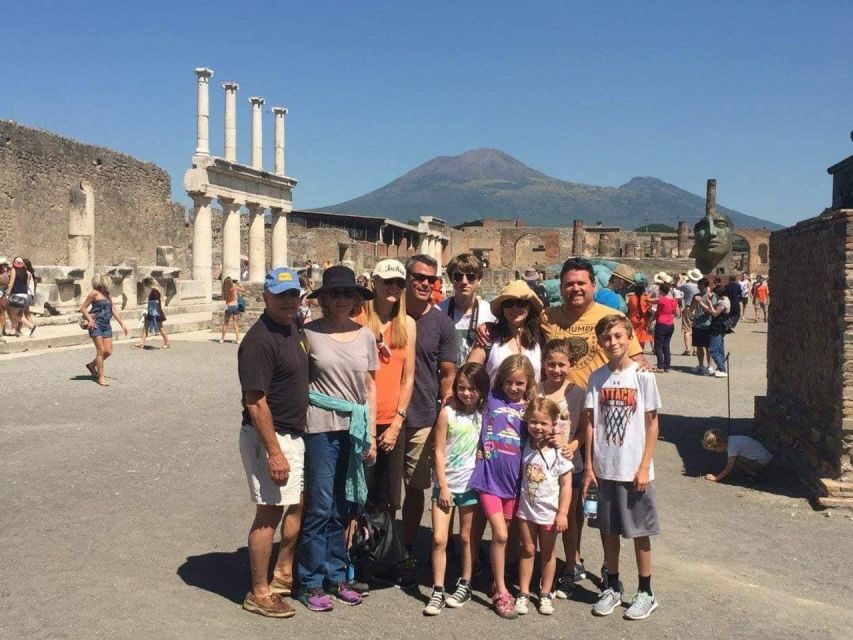
Right after you meet your guide, you get a guided intro at Porta Marina (about 10 minutes). This is a good early checkpoint because gates are easy for kids to picture. You can frame it as a point of arrival and departure—where people came in, went out, traded news, and moved around the city.
Then you head to the Temple of Apollo for another guided visit (about 10 minutes). Temples are where Pompeii starts to feel like more than homes and streets. Religion shaped daily routines, festivals, and community identity, and a short, guided stop is a smart fit for families. Kids don’t need a long lecture here. They need a simple storyline: this is where people came to worship, and it signals what mattered in Roman society.
The biggest value of these first stops is timing. By the time kids are ready to wander, you’ve already given them a framework: entrance, sacred space, and then public life. That makes later sites easier to follow.
Potential drawback: if your family is the type that wants deep explanation every step, these short segments might feel a bit “snack-sized.” The trade-off is that the tour stays energetic instead of slow.
The Forum and Basilica: Where Roman Life Was Negotiated
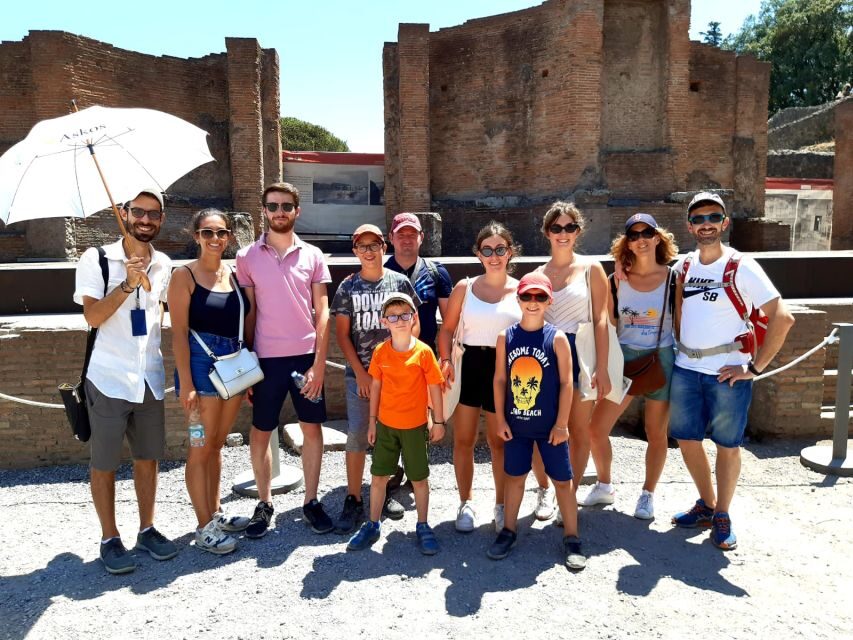
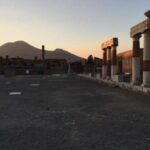
Next comes Foro Civile di Pompei (the civic forum area) with a longer guided segment (about 20 minutes). This is the heart-of-the-city zone, and it’s where Pompeii starts to look busy even when it’s quiet. The tour focuses on the main square concept, including market temples and municipal buildings. For kids, it’s easier to understand when you think of it as a public hub: announcements, trade, and community decisions.
After that, you visit the Basilica (about 10 minutes). In plain terms, it’s a civic building tied to legal and public activity. For families, a basilica stop works because it’s not just decoration. It’s a place where real people would have gathered, waited, spoken, and handled business.
I like how this portion blends storytelling tools with visible structure. When you’re standing in the ruins, the forum can still feel abstract. Tablets and reconstructions help connect the shapes you see to the daily functions you’re learning about. Parents also tend to appreciate this because it turns “cool stones” into “I get it now.”
A small caution: this section can be cognitively busy. Between civic life, temples, and municipal buildings, it helps if you keep kids engaged with the guide’s prompts and keep expectations realistic. You’re building understanding in short bursts.
House of Menander and the Homes Theme: How People Lived Indoors
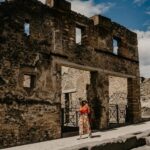
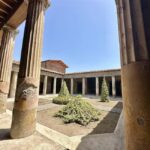
Then the tour moves into residential Pompeii with the House of Menander (about 20 minutes). Houses are often the surprise hit on a family tour, because kids can switch from public-life thinking to everyday-life thinking. You start to see how rooms relate, how spaces function, and how much daily life happened indoors as well as out.
After Menander, you continue with the House of the Faun (about 10 minutes). This keeps the homes theme moving so kids don’t feel like they’re repeating the same thing. Different residences help you understand that Roman life wasn’t one-size-fits-all. It also gives you plenty of photo opportunities that feel meaningful because you have context.
Next is the House of the Vettii (about 10 minutes). The short duration matters for families. Instead of getting stuck in one long house, you get multiple windows into domestic life, each with a kid-friendly guide narrative.
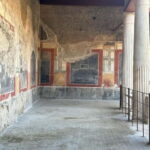
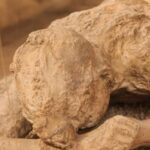
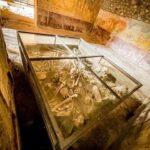
One extra thing you should watch for during the homes portion: the tour includes plaster casts and multimedia explanations as part of the overall experience. That’s a powerful way to make the city’s story more human, especially for children who connect to images and reconstructions faster than text.
Possible drawback here: if your family prefers to linger and wander at their own pace, a guided home stop can feel structured. The upside is that the guide is the translator, and in Pompeii that can be the difference between confusion and understanding.
Baths, Theatre, and Everyday Rhythm: Pompeii Beyond the Ruins
After homes, the tour returns to daily routine with the Forum Baths (about 10 minutes). Baths are a great family-friendly topic because they’re universal. Kids may not know Roman architecture terms, but they understand hygiene, relaxation, and communal space. You get to see how public services shaped everyday life.
Then you visit the Large Theatre (about 10 minutes). Theatre brings Pompeii’s social side into focus. Even with the ruins, the idea is straightforward: people came to watch, gather, and share entertainment. For many kids, this is where the city starts to feel like a place you’d recognize—because audiences, performances, and cheering aren’t locked to the ancient world.
This is also a good point in the tour for a quick energy check. The theatre stop can give older kids something to “act out” (sound, audience angle, where performers would have been), and it gives parents a natural moment to explain how culture worked.
Finally, you’ll see more of the Roman day-to-day through included experiences connected to baths and mealtime. Even if you’re not a big history buff, the daily rhythm makes Pompeii easier to remember.




Thermopolium: The Street-Food Stop Kids Actually Remember
Near the end, you visit a Thermopolium (about 10 minutes). This is a street-food or refreshment counter concept, and it’s one of the best “kid memory” stops because food is a universal language. It also helps round out the picture: Pompeii wasn’t only grand buildings and private homes. People ate quickly, ate often, and lived on the street like we do now.
This stop pairs nicely with earlier themes. You’ve covered entry into the city, sacred space, public civic life, domestic life, and leisure. Food ties it all together in a way kids can grasp fast.
If your family has picky eaters, you can use this moment to compare. What would people order? Where would they stand? What does a counter service place look like? The guide’s multimedia elements can help keep it playful without turning it into a totally random detour.
Price and Value: Is $212.41 Worth It for Two Hours?
At $212.41 per person, this isn’t a budget add-on. But it also isn’t just a walk with a sign-waving stranger. You’re paying for a few specific things that matter in Pompeii:
- A certified live guide who’s using tablets, reconstructions, and multimedia to make the ruins understandable for kids.
- Admission fees included, so you’re not doing extra purchasing after you arrive.
- Skip-the-ticket-line help. The guide can buy tickets for you in about 5 to 10 minutes, which saves real time when lines are long.
- A private group format, which usually means the guide can tailor pace and focus for your family.
For many families, the value comes from the reduced friction. Pompeii is crowded, and ruins are confusing without interpretation. When you add kid attention spans to that, the guided, multimedia approach becomes the product, not just the transportation.
The main “cost risk” is the walking time. If your group needs frequent breaks or moves slowly, two hours can feel short. If your group can keep a steady rhythm, two hours is long enough to feel the city’s personality without exhausting everyone.
Should You Book This Pompeii Child-Friendly Tour?
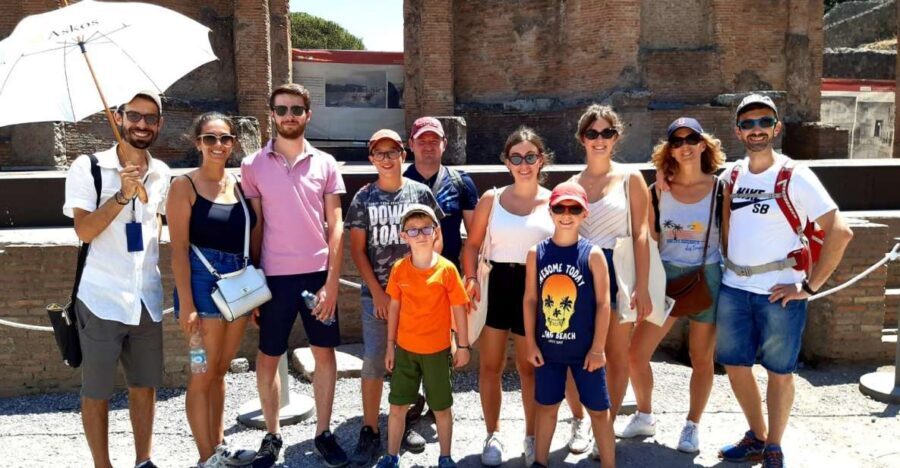
Book it if you want Pompeii to feel like a living city instead of a list of monuments. I especially like this plan for families who know they’ll benefit from interpretation. The use of tablets, reconstructions, and multimedia is a practical choice, not a gimmick, because it helps kids connect shapes in the ground to real daily life.
You should think twice if:
- You want maximum time in just one or two areas. This is designed for flow, not wandering.
- Your group struggles with uneven walking and steady movement for a two-hour stretch.
Overall, this is a smart way to get the big storyline of Pompeii—entrance, civic core, home life, baths, theatre, and street food—wrapped into a kid-friendly format that respects parental sanity.
FAQ
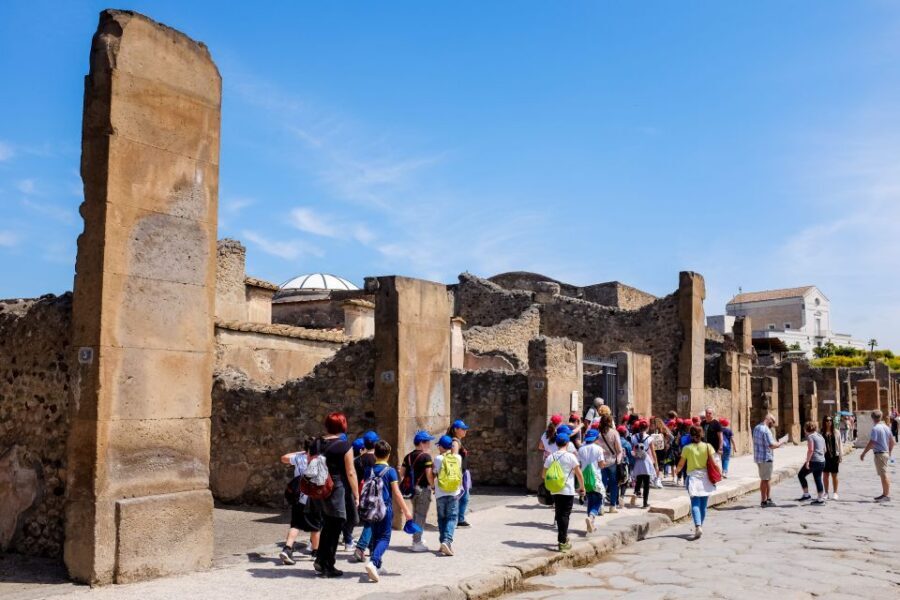
How long is the Pompeii child-friendly tour?
The tour lasts 2 hours.
Where does the tour meet?
Meet your guide at the Pompeii main gate called Porta Marina Superiore, opposite the bar-restaurant Hortus, at Via Villa dei Misteri, 2. The guide holds a sign with your name.
Does the price include admission fees?
Yes. Guidance by a certified guide and admission fees are included.
Is there a skip-the-line option?
Yes. This tour includes skip-the-ticket-line help, and the guide can buy the tickets for you in about 5 to 10 minutes.
What language is the live tour guide?
The live tour is offered in English and Italian.
Is this a walking tour?
Yes. It is a walking tour and no transportation is included.
Is it wheelchair accessible?
The activity information states it is wheelchair accessible, but it also includes a note saying it is not suitable for wheelchair users. I’d confirm with the provider before booking so you get a clear answer for your specific needs.