REVIEW · POMPEI CAMPANIA
Pompeii: 2 Hours Skip the Line Visit with a Licensed Guide
Book on GetYourGuide →Operated by HP TRAVEL · Bookable on GetYourGuide
Pompeii hits hard when you have a guide. In about 2 hours, you’ll walk through the streets and public spaces that were preserved by the Vesuvius eruption, then placed back into view by archaeology. You get a licensed guide plus headsets, so you can actually hear the story while you’re surrounded by crowds and stone.
What I like most is the way the tour connects big sites to daily life: a real look at an ancient Roman house and the practical feel of markets, artisan workshops, and frescoes. I also like the specific stops that most people miss on a fast self-guided visit, including the Thermopolium (fast-food counter) and the Lupanare. One thing to keep in mind: the time you get on the ground can be shorter than advertised if schedules shift, and at least one booking reported ending closer to 1–1.5 hours.
In This Review
- Key tour takeaways (quick read)
- Skip-the-line Pompeii: starting at Piazza Esedra and Hotel Vittoria
- What you really get in 2 hours (and how to use it)
- Roman Forum: where power and commerce meet
- Roman house visit: houses as a window into private life
- Markets and artisan workshops: how the city produced everyday life
- Thermopolium: Pompeii’s fast-food counter
- Lupanare: street-level reality of private and public boundaries
- Stabian Baths: relaxation and social life
- “Frozen in time”: how Pompeii’s eruption story shapes your walk
- Price and value: is $58 a good deal?
- Who this Pompeii tour suits best
- Practical tips before you go (so the hour isn’t wasted)
- Should you book this skip-the-line Pompeii visit?
- FAQ
- FAQ
- How long is the Pompeii skip-the-line tour?
- Where do we meet for this tour?
- Is the tour guided, and what languages are available?
- Does this tour include entry tickets to Pompeii?
- Is there skip-the-line access?
- Are headsets included?
- What should I bring with me?
- Does the tour mention visiting Roman Forum, baths, and specific sites?
- Are there discounts for reduced or free tickets?
- What’s the cancellation policy?
- Can I book without paying right away?
Key tour takeaways (quick read)
- Skip-the-line access helps you start walking sooner at the Pompeii gates
- Licensed English/Spanish guide turns ruins into a living picture of daily life
- Headsets included, a big help in a busy site
- Roman Forum + Stabian Baths cover public power and social relaxation
- Thermopolium and Lupanare show food culture and private life in Pompeii
- Meet near Hotel Vittoria in Piazza Esedra, with a clear starting point to find
Skip-the-line Pompeii: starting at Piazza Esedra and Hotel Vittoria
This tour starts right in the area that’s easiest to reach in Pompeii: the ticket office near Hotel Vittoria, in Piazza Esedra. That matters, because Pompeii can overwhelm you at first. If you arrive unsure, you’ll burn energy trying to orient yourself instead of using your time well inside the site.
The big promise here is skip-the-line. In practice, that usually means fewer waiting moments and more time walking the streets you came for. It also pairs well with headsets, because Pompeii ruins don’t always give you quiet corners to listen.
Languages are English and Spanish, so the guide should be able to keep the pacing clear and the explanations connected to what you’re standing in front of.
You can also read our reviews of more guided tours in Pompei Campania


What you really get in 2 hours (and how to use it)
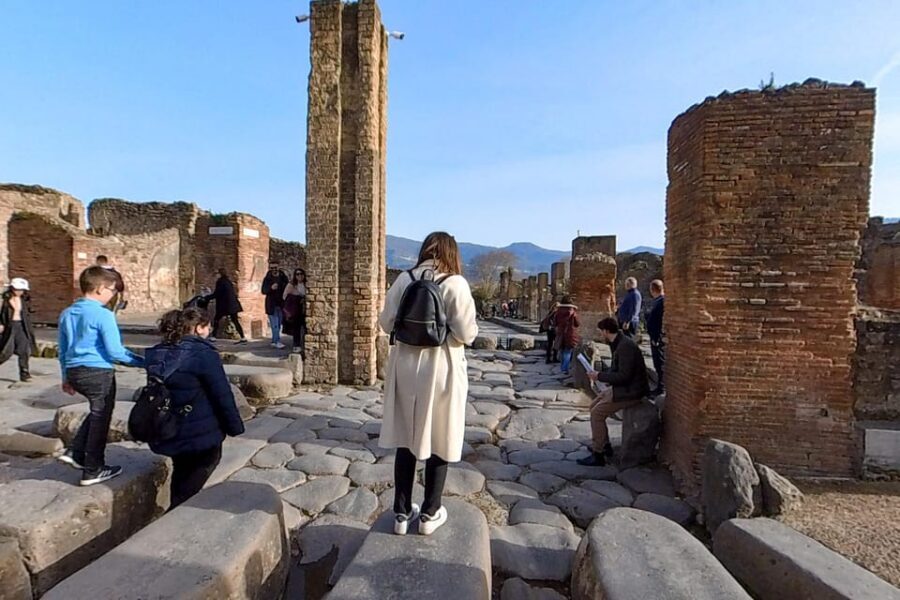
Two hours sounds short because Pompeii is huge. The trick is that this tour doesn’t try to cover everything; it chooses high-impact highlights that explain how the city worked. Think of it as the “first explanation layer,” then you can decide whether you want to stay longer afterward on your own.
Here’s the trade-off: a short guided visit can feel too brief if you love roaming. And scheduling can affect how much time you spend on the route. Some people reported the tour stopping earlier than the 2-hour claim when the group flow changed. You can still walk around afterward, but you may not get another guided slot or the full planned timing.
So for the best outcome, arrive on time, keep your questions simple and focused, and be ready to move. If you’re the type who wants to linger for photos and read every inscription, you may want extra self-guided time in your day plan.
Roman Forum: where power and commerce meet
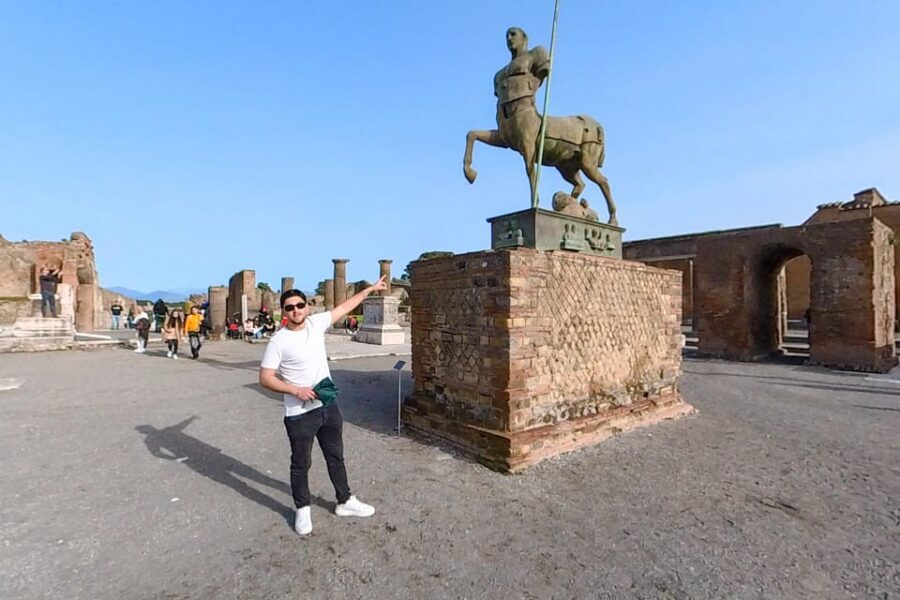
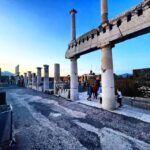
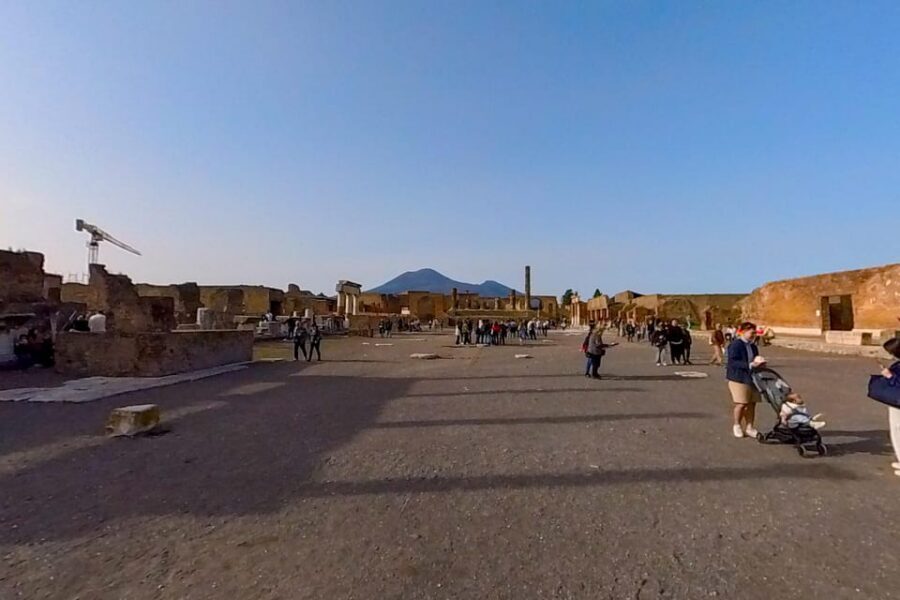
One of the stops is the Roman Forum, the center of politics and commerce. Even if you’ve seen forums elsewhere, Pompeii’s set-up feels grounded because you’re seeing how civic space blends with street-level life.
What I like about this stop on a guided route is that it’s not only about columns and stone layout. The guide’s job is to explain why this area mattered: decisions were made here, business happened here, and the city’s rhythms were tied to public spaces like this. In a short tour, that kind of context is gold. It helps you understand what you’re looking at instead of just collecting “pretty ruins.”
If you like to picture daily schedules, the Forum is where your brain starts mapping the city as a functioning place—not a museum.
Roman house visit: houses as a window into private life
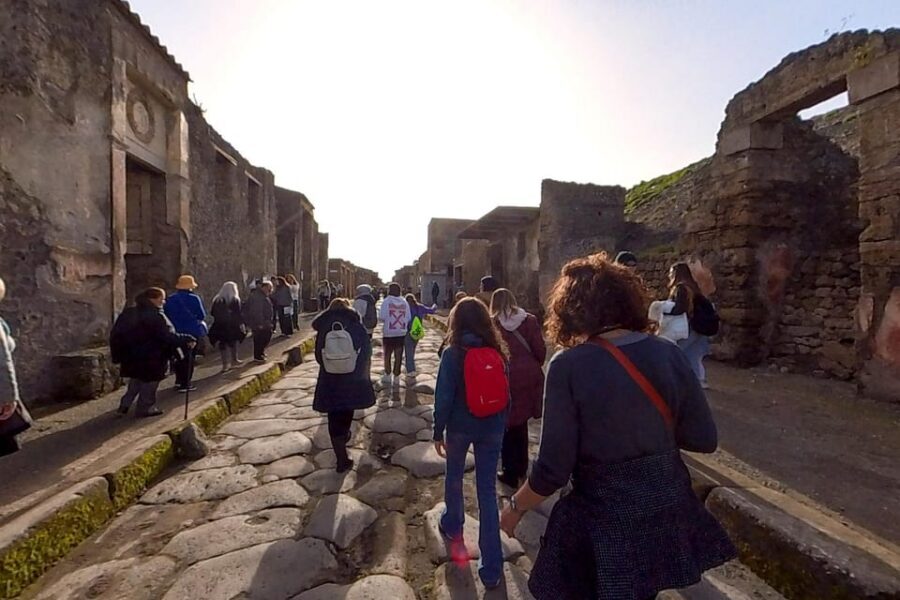
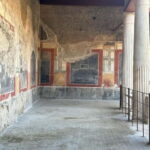
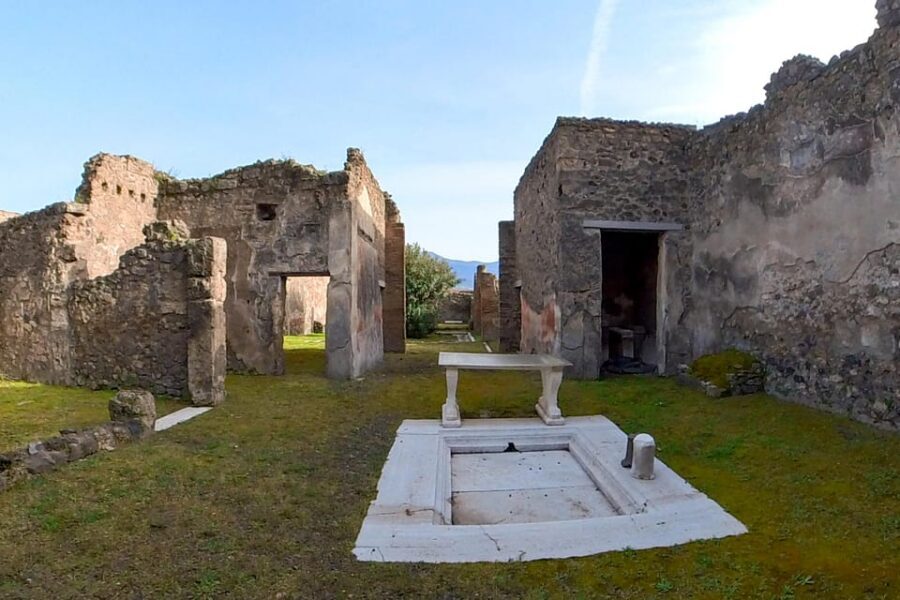
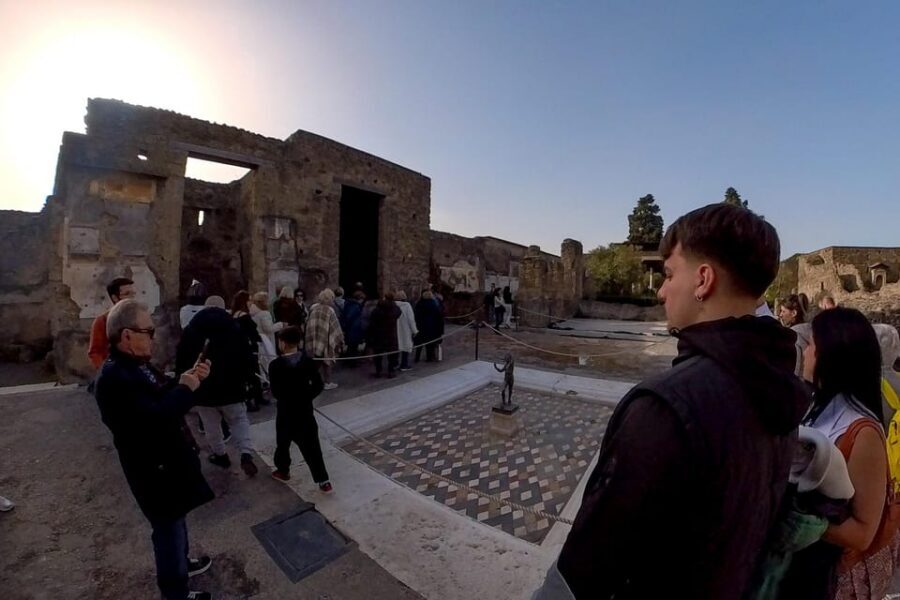
A highlight is time spent at a Roman house. Pompeii is famous for domestic spaces, and a guide can point out what clues still exist: layout cues, decorative choices, and the way rooms likely worked for work, rest, and family life.
This stop is valuable because houses are where Pompeii stops feeling generic. Markets and workshops tell you what people made and sold. Houses tell you what people wanted to show, how they hosted, and how daily routines might have flowed through connected spaces.
In a 2-hour tour, you likely won’t get to explore every room. But the goal is understanding the “big picture” of domestic life so that when you step into another house section later, you recognize patterns faster.
Markets and artisan workshops: how the city produced everyday life
The tour focuses on markets and artisan workshops, plus visible evidence like frescoes that depict daily stories. This is where Pompeii becomes more than tragedy. It becomes routine: craft work, trade, and the visual culture of everyday people.
A good guide helps you read workshop spaces the way a local would: what kind of work might have happened there, where items could have moved, and why certain rooms or layout features matter. Even when you’re moving quickly, the explanations make the ruins feel less random.
If you’re interested in “how things were made,” this portion is the closest thing you’ll get to a workshop version of street food—except the ingredients and tools are preserved in stone and layout.
You can also read our reviews of more tours and experiences in Pompei Campania
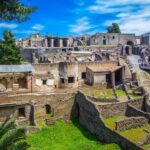
Thermopolium: Pompeii’s fast-food counter
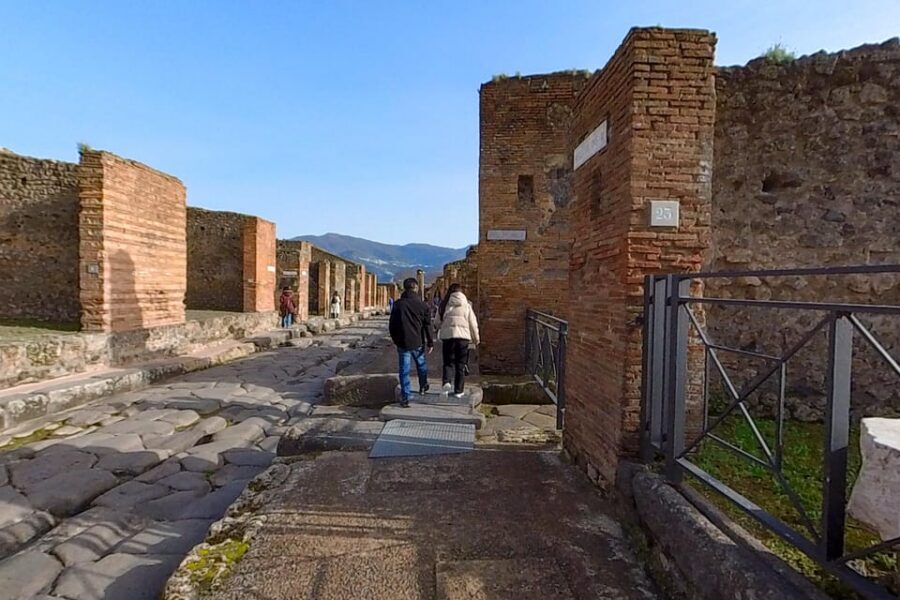
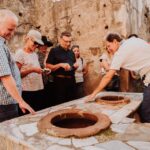
You also visit the Thermopolium, an ancient fast-food establishment where people grabbed quick meals. This is one of those stops that feels instantly modern, because the idea is familiar: convenience, speed, and a place built around serving rather than sitting down for hours.
On a guided route, the Thermopolium works well because it’s easy to connect the physical remains to a daily behavior. You’re not just looking at walls; you’re imagining the flow of customers and the role this kind of place played in daily routines.
If you’re hungry for details, this is one of the best locations for questions. Guides can often help you understand what portions of the remains likely supported preparation and service.
Lupanare: street-level reality of private and public boundaries
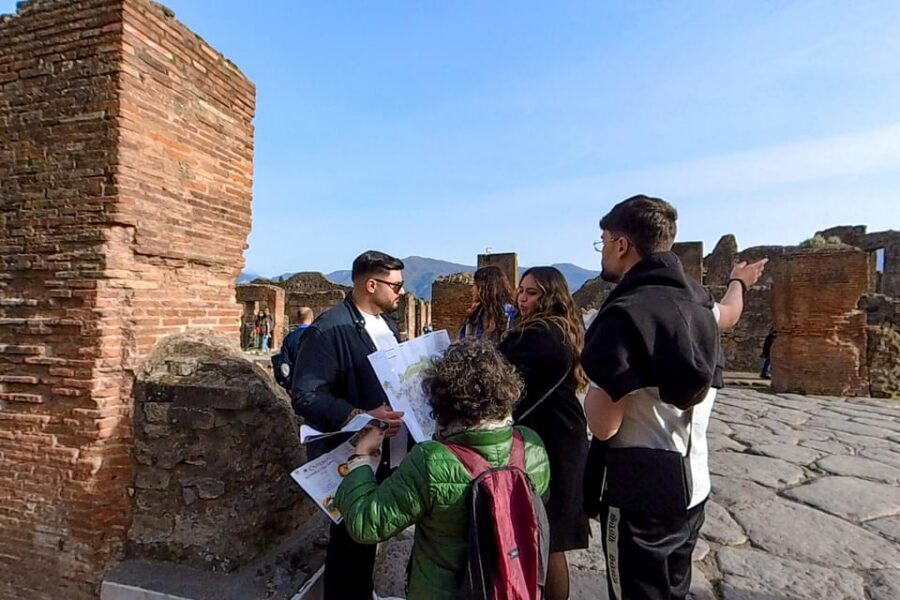
The tour includes the Lupanare, Pompeii’s brothel. This stop isn’t about sensationalism for its own sake. The value is seeing how the city handled boundaries between private desire and public space, and how something like a commercial sex business fit into a street grid.
It’s also a reminder that Pompeii wasn’t only rich villas and grand civic buildings. It had messy, human commerce that existed beside everything else.
A licensed guide can keep the explanation grounded and respectful. Still, if this topic is uncomfortable for you, you might prefer to mentally frame it as social history and urban economics rather than something to treat as a “shock stop.”
Stabian Baths: relaxation and social life
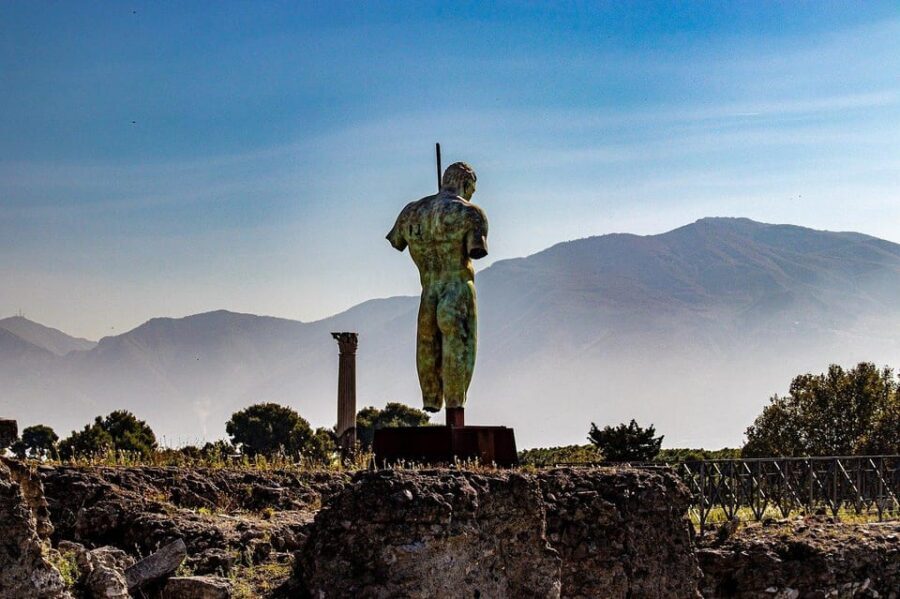
Another major highlight is the Stabian Baths. Baths in Roman culture were social places as much as they were for hygiene. In Pompeii, the baths help you understand that public life wasn’t only politics and markets. There was time and space for relaxation, conversation, and community.
With a guide, the bath stops tend to become easier to visualize because you get explanations tied to how spaces were used. That’s important since a bath complex can look confusing at first if you only know the general concept.
This is a great counterbalance to the Lupanare. One shows leisure and gathering; the other shows commercial private life. Put together, they make the city feel more complete.
“Frozen in time”: how Pompeii’s eruption story shapes your walk
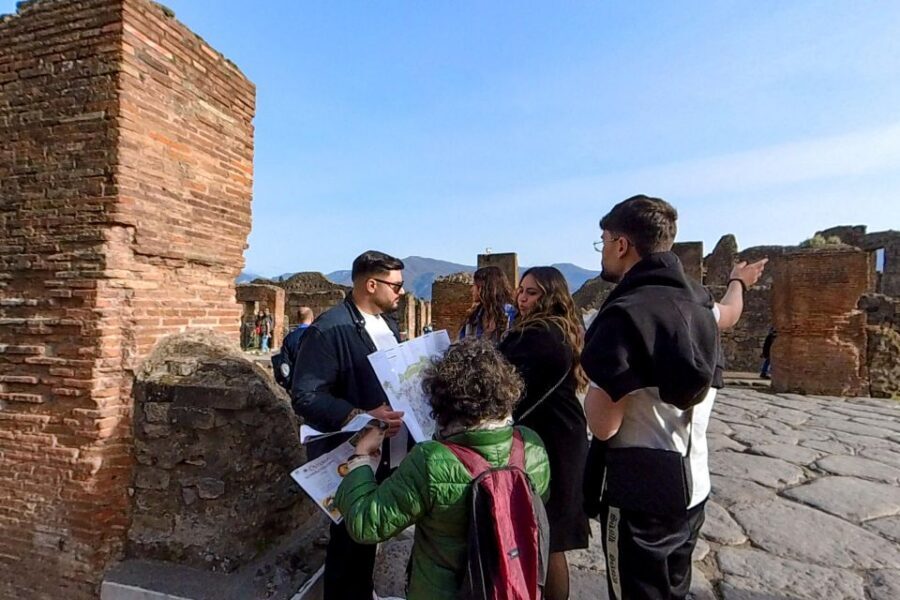
Pompeii’s big story is the eruption of Vesuvius and how the city was frozen in time. In this kind of tour, that theme doesn’t stay abstract. The guide connects it to what’s still visible: preserved spaces, preserved decoration like frescoes, and the way archaeology reconstructs the city’s layout.
I like this approach because it answers the question you’re probably having while you walk: Why does this look the way it does? Why are some details so sharp? A guide helps connect the physical remains to the accident that turned daily life into a snapshot.
Even if you know the headline story already, a guide helps translate it into what you’re seeing in the moment.
Price and value: is $58 a good deal?
The price listed is $58 per person for a 2-hour experience, with entry tickets included in the “included” details and access handled by the provider to guarantee entry. That’s a meaningful value point because Pompeii entry lines can eat time.
That said, I’d treat the ticket inclusion as something to confirm in writing. At least one booking reported confusion about whether the entry ticket was actually included. To protect yourself, check your confirmation voucher carefully before you go. If your voucher clearly states entry tickets are included, you’re good.
So where is the real value?
- You pay for licensed guidance and headsets, which helps you understand more per minute
- You save time with skip-the-line
- You get targeted stops (Forum, baths, Thermopolium, Lupanare) that match Pompeii’s most “explainable” highlights
Where the value can be weaker:
- If your tour ends earlier than planned, you may feel the price doesn’t match the time on-site
- If you’re the type who wants lots of free wandering, two hours may feel tight no matter what
Who this Pompeii tour suits best
This tour fits you if:
- You’re visiting Pompeii for the first time and want a fast path to the city’s most important story beats
- You want a guided explanation of how people lived and worked, not just a photo walk
- You like Roman context: Forum politics, baths social life, and food culture at the Thermopolium
It may not fit you as well if:
- You plan to read everything and take long breaks in each area
- You need a small-group feel and hate big crowds (one account specifically flagged larger group size)
- You’re extremely time-sensitive and can’t absorb the risk of a shorter guided duration if schedules shift
Practical tips before you go (so the hour isn’t wasted)
- Go prepared with an ID or passport, since you’ll be asked to bring it for entry-related needs.
- Meet at the Piazza Esedra ticket office near Hotel Vittoria. If you can, take a screenshot of the meeting spot before you leave your lodging.
- Bring comfortable shoes. Pompeii terrain can be uneven, and you’ll be walking more than you think.
- If you care about timing, plan a bit of buffer before and after the tour. If your guided time is cut short, you’ll still want the option to explore at your own pace.
Should you book this skip-the-line Pompeii visit?
I’d book it if you want the strongest chance of understanding Pompeii quickly. Skip-the-line plus a licensed guide plus headsets is a solid combo for a short visit, and the choice of stops (Roman Forum, Stabian Baths, Thermopolium, Lupanare, and a Roman house) covers both public life and everyday routines.
I’d pause or compare options if you know you need a full-length, slow-paced experience. Pompeii rewards time. If you only have two hours, this is a practical way to start. If you can give yourself more time, you might consider pairing this with extra self-guided wandering so you’re not forced to rush.
FAQ
FAQ
How long is the Pompeii skip-the-line tour?
The tour duration is 2 hours.
Where do we meet for this tour?
The meeting point is at the ticket office near Hotel Vittoria, in Piazza Esedra.
Is the tour guided, and what languages are available?
Yes. It includes a live licensed guide, and the tour is offered in English and Spanish.
Does this tour include entry tickets to Pompeii?
Entry tickets are listed as included. Still, it’s smart to double-check your confirmation voucher so you know exactly what your booking covers.
Is there skip-the-line access?
Yes, it’s described as a skip-the-ticket line visit.
Are headsets included?
Yes, headsets are included.
What should I bring with me?
Bring a passport or ID card.
Does the tour mention visiting Roman Forum, baths, and specific sites?
Yes. The tour includes stops such as the Roman Forum, Stabian baths, the Thermopolium, and the Lupanare, plus time focused on everyday life like houses and artisan/workshop areas.
Are there discounts for reduced or free tickets?
The information states that if you’re eligible for a discount, you may receive a reduced or free ticket. Eligibility details aren’t provided beyond that.
What’s the cancellation policy?
It offers free cancellation up to 24 hours in advance for a full refund.
Can I book without paying right away?
Yes, there’s a reserve now & pay later option listed.