REVIEW · CITY TOURS
Fettuccine Pasta Cooking Class in Rome City Center
Book on Viator →Operated by Eatalian Cooks · Bookable on Viator
Fresh pasta in Rome feels unfairly fun.
This class is built for people who want real technique, not just watching. I like that it’s centered around Piazza Navona (you get the atmosphere with your meal), and I also like the small group size (maximum 6), which makes it easier to get hands-on help when dough gets stubborn. One drawback to plan around: it’s not designed for everyone—gluten intolerance and a vegan diet are both listed as not recommended, since the pasta uses eggs.
You start with a welcome, then roll up your sleeves for fresh fettuccine, and you’ll finish by eating what you made outdoors near the square. If you’ve ever wondered why some pasta feels silky and others turns tough, this is the kind of session that makes the difference feel practical.
In This Review
- Key Points You’ll Care About
- Piazza Navona Is the Secret Ingredient
- The Hands-On Fettuccine Lesson (What You’ll Actually Learn)
- Your Roman Sauce Choices: From Carbonara to Pomodoro
- Bruschetta and Drinks: The Part You’ll Remember
- The Route: Piazza Navona, Pantheon, Trevi, Vatican City
- Piazza Navona
- Pantheon
- Trevi Fountain
- Vatican City
- Small Group Cooking: Why Max 6 Changes Everything
- Price and Value: Is $65.17 a Fair Deal?
- Who Should Book (and Who Might Skip)
- Quick Tips to Make Your Class Smoother
- Should You Book This Fettuccine Class?
- FAQ
- FAQ
- Where does the class start?
- What time does it begin?
- How long is the experience?
- Is the class in English?
- How big is the group?
- What food and drinks are included?
- What kinds of sauces are used with the fettuccine?
- Is there a cancellation refund if plans change?
Key Points You’ll Care About
- Small group (max 6): more hands-on attention from the instructor.
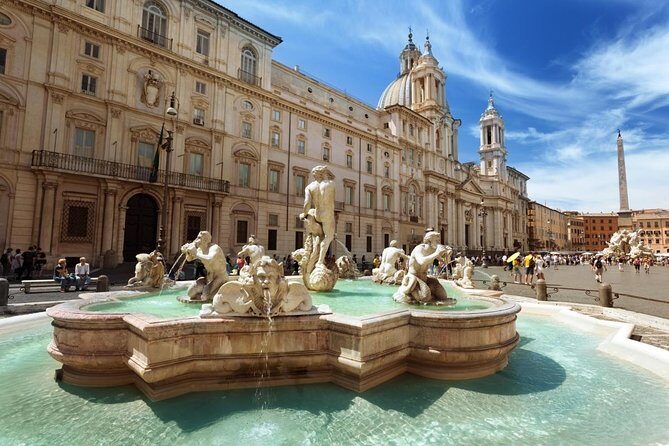
- Piazza Navona location: you cook and then dine in Rome’s historic-center buzz.
- Sauce lineup: Carbonara, Cacio e Pepe, Pesto, or Pomodoro with local ingredients.
- Included food and drinks: bruschetta plus wine or beer, and more during the meal.
- Hands-on fettuccine-making: mixing, kneading, cutting—done step by step.
- Diet limits matter: gluten-free and vegan expectations don’t match the class setup.
Piazza Navona Is the Secret Ingredient
Rome has cooking classes everywhere, but this one works because of the setting. The workshop starts at Ristorante Panzirone on Piazza Navona 73, a location that instantly gives you that classic Rome feeling—stone, cafés, and that open-air energy even before you eat.
The schedule also fits the late-afternoon rhythm of the city. With a 4:00 pm start and about 2 hours total, you get to avoid the harshest midday heat and still enjoy the square at a more “golden hour” tempo.
And there’s a practical bonus: the whole experience is built around being in walking distance of major landmarks. Even if you’re not hunting for museum time, you’ll get a sense of the city’s layout fast.
You can also read our reviews of more city tours in Rome
The Hands-On Fettuccine Lesson (What You’ll Actually Learn)
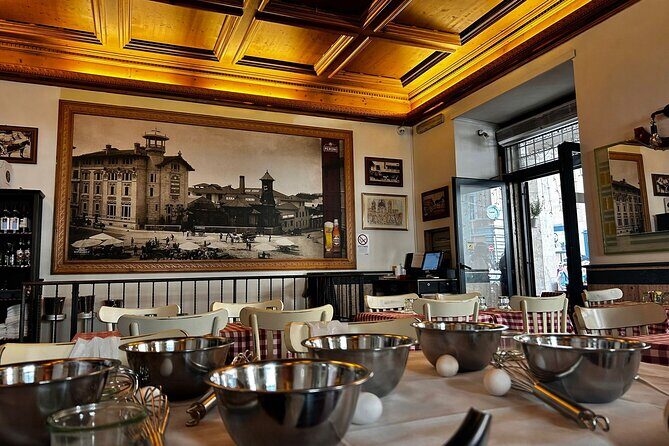
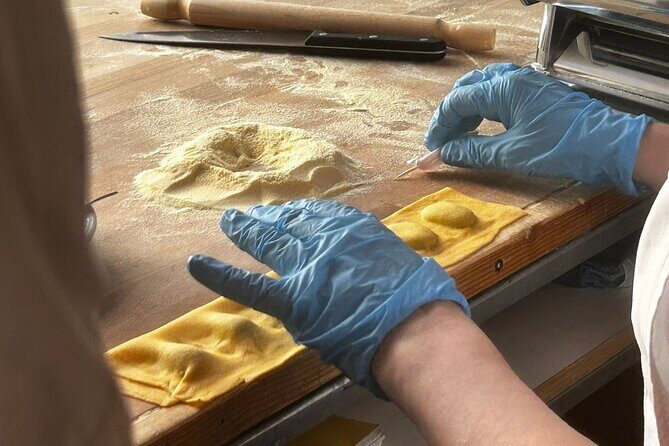
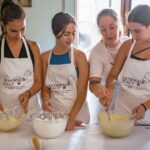
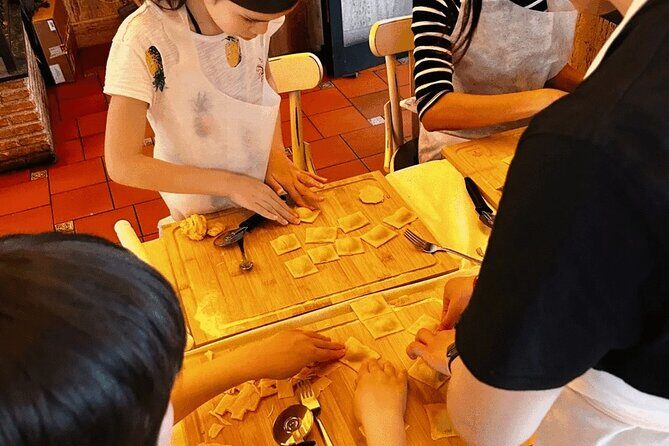
This is not a sit-and-smile class. You’ll work through the essential stages of making fresh pasta dough: mixing, kneading, and then cutting into fettuccine. That sequence matters because texture comes from the dough, not from luck.
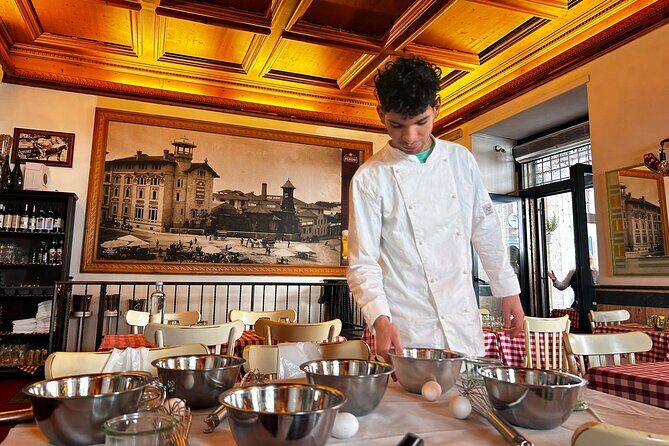
During the first hour, the chefs/instructors guide you step by step—so you’re not just following a script. This is where you learn the “feel” of dough. You’ll get coached on how to handle it as you roll it out and cut it into fettuccine strips, which is where beginners often get frustrated.
I also like the way the class sets you up for success. The cooking portion is separated so you’re not stuck trying to multitask while the kitchen cooks everything. While your pasta is ready, the team prepares the finished dish for serving—so you still get to enjoy the process without turning it into chaos.
One more small detail that shows up in the way the operation runs: instructors are often described as very patient and friendly in different sessions (names you might see include Simone, Sara, Lisa, Anna, Bea, Luca, and Daniel). That kind of teaching style is a big deal if you’re traveling solo, bringing a partner who doesn’t cook, or just want to feel comfortable asking questions.
Your Roman Sauce Choices: From Carbonara to Pomodoro
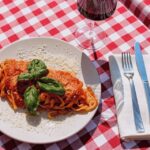
Here’s one of the best parts for food lovers: you’re not stuck with just one sauce. After the dough work, you’ll get a pasta dinner made with one of four classic Italian options: Carbonara, Cacio e Pepe, Pasta all Pesto, or Pasta all Pomodoro.
Why this matters for value: a cooking class is more than technique—you want results. Sauce is what turns “fresh pasta” into “Roman meal.” And since these are recognizable Roman/Italian staples, you’ll leave with ideas you can actually repeat at home.
Carbonara and Cacio e Pepe are especially useful lessons if you tend to overcomplicate things. Their appeal is clarity: a few strong ingredients, done with correct timing and handling. Pesto and Pomodoro help you connect fresh pasta to everyday flavors (and to the Italian pantry staples you’ll likely find in your own grocery store back home).
Do note the class limits: it’s not recommended for vegans because eggs are part of the pasta. It’s also not recommended for gluten intolerance, so if you’re hoping for a gluten-friendly version, this likely won’t fit.
Bruschetta and Drinks: The Part You’ll Remember
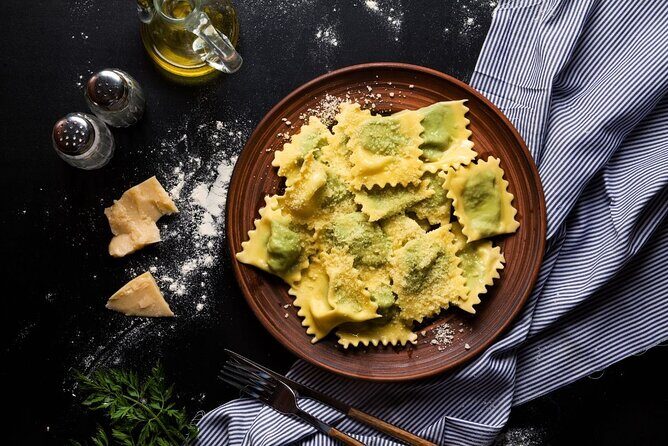
While the kitchen prepares your pasta dish, you’ll start with an appetizer: bruschetta. You’ll also have drinks included, typically a glass of local wine or beer.
What makes this work well is timing. You’re not waiting around starving, and you’re not eating before the class. Instead, you’re building anticipation while your fettuccine gets finished—then you move naturally into dinner.
In multiple sessions, people also mention welcome drinks like Prosecco and a meal ending that can include limoncello or espresso. The exact pour can vary by the night, but the consistent point is that the experience treats eating as part of the class—not an afterthought.
And yes, you’ll dine outdoors, with views around Piazza Navona. That matters more than you might think. Fresh pasta tastes better when it’s paired with the right mood: cool stone, open-air air, and the sense that Rome is happening around you.
The Route: Piazza Navona, Pantheon, Trevi, Vatican City
This experience isn’t only kitchen time. It’s also built around a sightseeing loop through the historic center, with scheduled stops at:
- Piazza Navona
- Pantheon
- Trevi Fountain
- Vatican City
You can treat these as your visual checkpoints. The class location anchors you at Piazza Navona, then the walk or route connects you to famous sights without forcing you into a long full-day itinerary.
You can also read our reviews of more cooking classes in Rome
Piazza Navona
You’ll start here, and you’ll also get to enjoy the area while dining. Piazza Navona is one of those places where you get instant Rome vibes—streets open into a large, lively square, and the whole thing feels built for strolling.
Pantheon
Pantheon is one of the most recognizable landmarks in Rome for a reason. Even if you don’t go inside during this specific experience, the stop gives you that “wow, I’m really here” moment.
Trevi Fountain
Trevi is crowded for good reason. This stop is most useful if you want a fast hit of the scene while still keeping your evening focused on dinner.
Vatican City
The route ends with a Vatican City stop, which helps you cover an iconic contrast: Rome’s grand religious center alongside all the more playful, local-feeling streets.
A small practical consideration: because these are major spots, you’ll likely share the route with other visitors. If you hate crowds, keep your expectations flexible and focus on the food experience first.
Small Group Cooking: Why Max 6 Changes Everything
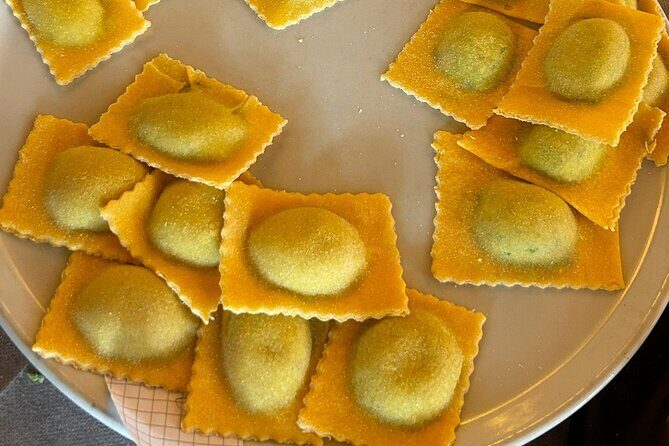
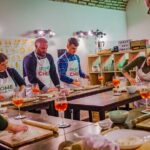
The cap of 6 travelers is not just marketing. In a kitchen class, your success depends on feedback—hand placement, dough thickness, cutting technique, and timing. A larger group means you wait; a smaller group means you get corrected while it’s still easy to fix.
That’s why people consistently highlight the instructor’s patience and the fact that you actually get help. If you’re a beginner, that’s gold. If you’re an intermediate cook, you’ll appreciate the checks on technique so you can refine rather than guess.
Also, a small group makes the social part easier. You’ll sit together for the meal, and conversation happens naturally without the awkwardness of a big tour group. It’s an easy way to turn a food activity into a memory, not just a meal.
Price and Value: Is $65.17 a Fair Deal?
At $65.17 per person for roughly 2 hours, the value comes from what’s included.
You’re paying for:
- guided hands-on instruction for making fresh fettuccine
- a finished pasta dinner using one of several classic Roman sauces
- an appetizer (bruschetta)
- drinks (local wine or beer are included)
- a historic-center setting and time in/around Piazza Navona
If you compare this to typical “food + city views” evenings in central Rome, the real advantage is that you take something home: technique you can repeat. You’re not just buying dinner—you’re buying a skill plus the setting plus the meal.
That said, you should set expectations on time. The active dough work is mainly front-loaded into the first hour, and then the kitchen finishing and dining take over. If you’re expecting nonstop instruction for the entire 2 hours, you might feel a little “wait and eat” later. The flip side: you get a proper dinner instead of burning out in the kitchen.
Who Should Book (and Who Might Skip)
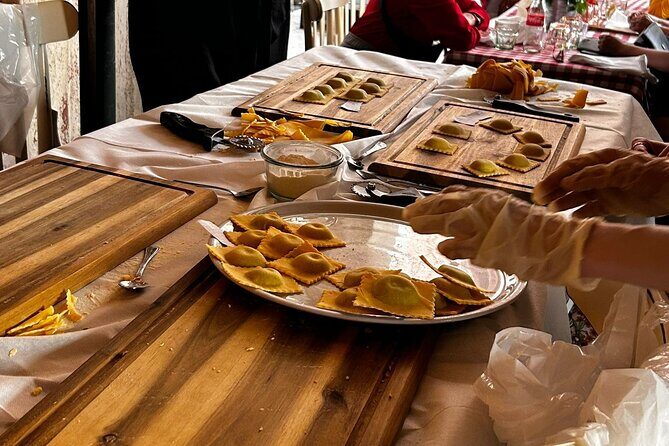
This class is a strong match if you:
- want a beginner-friendly path to making fresh pasta
- enjoy Roman classics and want real technique behind them
- like group activities where you can actually interact with the instructor
- want a late-afternoon plan that mixes food and landmark atmosphere
You might think twice if you:
- need a gluten-free option (not recommended)
- follow a vegan diet (eggs are used)
- have very young kids (not recommended for children under 6)
- get uncomfortable in enclosed spaces if the kitchen/restaurant area runs hot (some sessions mention heat from the working environment)
If you fall into a dietary restriction category, the best move is to look for a different class designed for your needs rather than hoping for an exception.
Quick Tips to Make Your Class Smoother
- Arrive a few minutes early at Ristorante Panzirone so you don’t feel rushed when the welcome starts.
- Be ready to handle dough—this is hands-on. Wear something you’re okay getting a little messy.
- Ask the instructor (politely, early) about portioning if you want extra clarity on exactly what you’ll eat at dinner, since cooking and plating can vary by night.
- If you’re sensitive to heat, plan for the fact that some restaurant-kitchen spaces can feel warm while you’re rolling and working.
And on planning: the experience has free cancellation if you cancel at least 24 hours in advance of the start time for a full refund, which makes it easier to protect your schedule while you’re in Rome.
Should You Book This Fettuccine Class?
Yes—if you want fresh pasta you can repeat, in a beautiful central location, with a dinner that actually includes what you made. The best sign is the combination: small group attention, clear technique (mixing, kneading, cutting), and a payoff meal with Roman sauces plus bruschetta and drinks.
Skip it if gluten-free or vegan requirements are non-negotiable, or if you’re traveling with very young kids. Also, go in with the right time mindset: you’ll do your hands-on pasta work early, then you’ll shift into eating while the kitchen finishes the sauce and serves dinner.
If that sounds like your kind of Rome afternoon—half cooking, half sightseeing, full food satisfaction—this is a very sensible booking.
FAQ
FAQ
Where does the class start?
It starts at Ristorante Panzirone, Piazza Navona 73, 00186 Rome, Italy.
What time does it begin?
The start time is 4:00 pm.
How long is the experience?
It lasts about 2 hours.
Is the class in English?
Yes, it’s offered in English.
How big is the group?
The maximum group size is 6 travelers.
What food and drinks are included?
You get an appetizer (bruschetta), alcoholic beverages (like wine or beer), and a freshly-cooked pasta dinner.
What kinds of sauces are used with the fettuccine?
Your fettuccine dinner is prepared with one of these: Carbonara, Cacio e Pepe, Pasta all Pesto, or Pasta all Pomodoro.
Is there a cancellation refund if plans change?
Yes. You can cancel up to 24 hours in advance for a full refund.