REVIEW · COOKING CLASSES
Walking tour in the Heart of Rome and a Cooking Class in a Very Small Group
Book on Viator →Operated by Sublime Tours · Bookable on Viator
Rome is better when you eat your way through it.
This small-group tour blends a guided walk through the historic center with a hands-on fresh pasta lesson in a local restaurant. You’ll get a simple, manageable pace for seeing major sights like the Spanish Steps, Trevi Fountain, and the Pantheon, then shift gears to learning how to make pasta from scratch, plus an appetizer and dessert to finish.
What I like most is the pairing: culture outside, cooking inside. You also leave with recipes you can actually use at home, not just a fun memory. One possible drawback: this is still a walking-and-standing experience, so if you want lots of long sit-down breaks, plan for that going in.
In This Review
- Key highlights at a glance
- Why this Rome walk plus pasta class makes sense
- Piazza Barberini to the Spanish Steps: a fast way to get oriented
- Trevi Fountain and the ancient aqueduct ruins you pass on the way
- Piazza di Pietra to Santa Maria sopra Minerva: small stops, big details
- Pantheon: the moment you understand why Rome influenced Europe
- Piazza Navona finish, then straight into pasta mode
- What you’ll cook: fresh pasta skills plus a full meal
- Guides and the small-group advantage (including language support)
- Timing, logistics, and how to make it feel effortless
- Value: what you get for the $142.98 price
- Who should book this—and who might skip it
- Should you book this Heart of Rome food tour?
- FAQ
- How long is the walking tour and cooking class?
- Where does the tour start and end?
- How large is the group?
- Is the tour offered in English?
- What’s included in the cooking class?
- Do you need to buy tickets for the stops on the walking portion?
- What’s the cancellation policy?
Key highlights at a glance
- Max 8 people keeps the walk personal and the cooking instruction more hands-on
- A guided route through Barberini, Spanish Steps, Trevi, Pantheon, and Navona
- Learn fresh pasta techniques in a local restaurant cooking class
- You’ll get served an appetizer, pasta dish, and dessert as part of the experience
- You receive recipes for everything you prepare
- Historical stop explanations include sights like Bernini’s elephant and Hadrian’s temple
Why this Rome walk plus pasta class makes sense
If you only have a few days in Rome, it’s easy to over-plan. You end up sprinting between landmarks and then eating whatever you can find. This experience fixes that by stacking two of the best parts of Rome—architecture and food—into one smooth afternoon.
The format is smart. First you walk with a guide who talks as you move, so you get context while you’re looking. Then you step into a very small restaurant group for cooking, where you can slow down and focus on technique. You’re not trying to memorize dates all day. You’re learning how Rome “works” through both its buildings and its cuisine.
There’s also a real value in doing this as a very small group. With up to 8 travelers, the guide can keep the pace human and answer questions without turning the walk into a lecture. And in the kitchen, you’re more likely to get actual coaching—hands, not just observations.
You can also read our reviews of more walking tours in Rome

Piazza Barberini to the Spanish Steps: a fast way to get oriented
You start in Piazza Barberini, right in the flow of central Rome. It’s a good place to begin because you’re not walking into the experience from a far edge of the city. You get an introduction, then you head toward the Spanish Steps area while your guide sets the stage.
At the Spanish Steps, you’re not just taking the classic photos from below. You’ll get the history and curiosities of the Spanish Steps, plus what makes the surrounding area worth noticing. This matters because the steps can feel like just another view stop if you don’t understand why they became a meeting point for art, fashion, and everyday Rome energy.
From there, you carry that orientation forward. By the time you reach Trevi, you’ll already have your bearings and a sense of how the city connects—squares, streets, and viewpoints all working together.
Practical tip: keep your camera ready, but don’t hold it up constantly. The stories your guide tells are tied to what you’re seeing, and the best photos happen when you’re also paying attention.
Trevi Fountain and the ancient aqueduct ruins you pass on the way
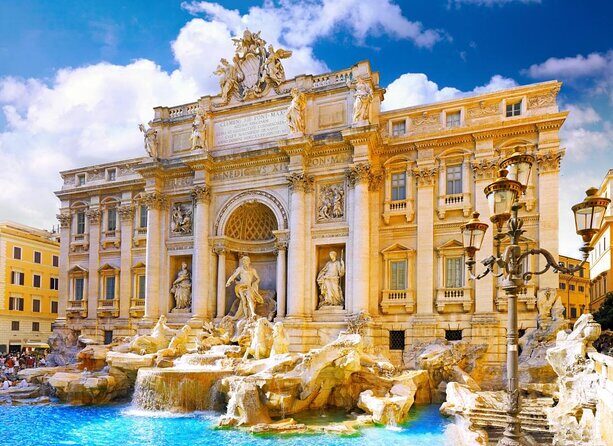
Trevi Fountain is famous for a reason. The scale, the drama, and the sheer photo magnetism can be overwhelming if you arrive with no context. Here, you get the story before you’re set loose to wander and take pictures.
One of the more interesting details in this route: on the way to Trevi, you pass ruins of an ancient aqueduct. That’s not an extra stop just for spectacle. It helps you understand why Trevi looks the way it does—and why water, engineering, and power mattered in ancient Rome.
At the fountain itself, you’ll hear the historical explanation, then you get time to wander around, take photos, and throw a coin. This isn’t just a ritual moment. It’s also your buffer time. Everyone’s timing for photos is different, and that little window helps you enjoy Trevi rather than racing through it.
One small consideration: Trevi can be busy. Your goal here should be a mix of experience and flexibility. Do a quick look first, then find a spot for photos, then enjoy the fountain at a calmer pace for a few minutes.
Piazza di Pietra to Santa Maria sopra Minerva: small stops, big details
After Trevi, the walk continues into the quieter “details” Rome is famous for. You’ll hit Piazza di Pietra, where you’ll get an explanation of the square and Hadrian’s temple.
This is a good reminder that Rome isn’t only about the ultra-famous. A lot of the magic is in the smaller squares where architecture is still legible and you can spot the layers without fighting crowds for a clear view.
Then comes Chiesa di Santa Maria sopra Minerva, where the guide explains Bernini’s elephant. That detail is worth your attention. It’s the kind of art that makes Rome feel like a living museum—quirky, clever, and not afraid to mix solemn and playful.
These stops are short, so the key is to look with purpose. Don’t just glance. Listen to the story, then turn your head and check what the guide is pointing at. That’s when it clicks.
Pantheon: the moment you understand why Rome influenced Europe
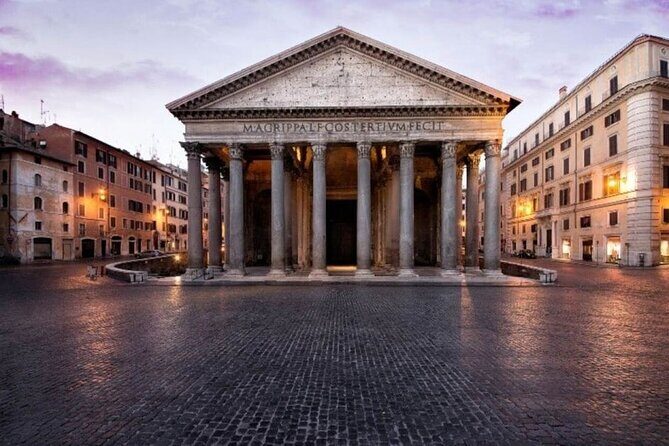
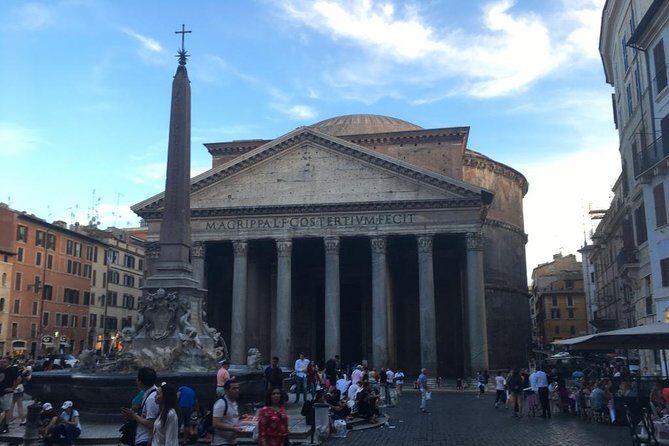
If you’re going to remember one stop from the walk, make it the Pantheon. It’s not only a landmark. It’s a reference point—because the guide explains the historical facts and how it inspired Renaissance masters.
That framing changes the way you experience the building. You stop treating it like a “must-see” checklist item and start reading it as a design that outlived its era. You’ll get context while you’re standing there, so you know what to notice, instead of just staring at a huge dome and hoping you’ll feel the significance on instinct.
The Pantheon stop also works well timing-wise. It’s a natural midpoint: the walk has already hit the iconic outdoor squares, and you’re getting a major cultural payoff before shifting toward the final piazza and the restaurant segment.
Tip: if you care about photos, pick one or two good angles and commit. Don’t get stuck trying to recreate every shot you see online.
You can also read our reviews of more cooking classes in Rome


Piazza Navona finish, then straight into pasta mode
You end the walking portion close to Piazza Navona. That’s a satisfying landing spot because Navona feels like the perfect stage for Rome’s public-life energy—people, street scenes, and the sense that the city is meant to be watched.
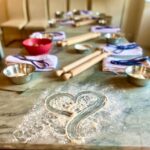
The experience then continues in a local restaurant where you make your own pasta from scratch. This is one of the best transitions you can hope for in a city like Rome. You’re not wandering around hungry and guessing where to eat. You’ve got a plan, a group pace, and a cooking team waiting for you.
And because the cooking part happens after the walk, you’re also in a better mood for it. You’ve earned the appetite.
What you’ll cook: fresh pasta skills plus a full meal
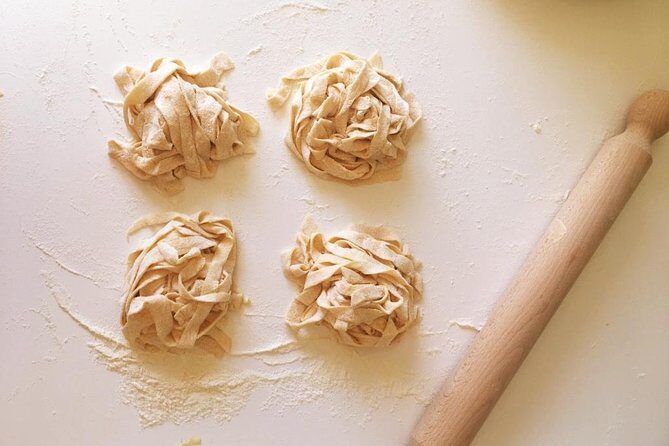
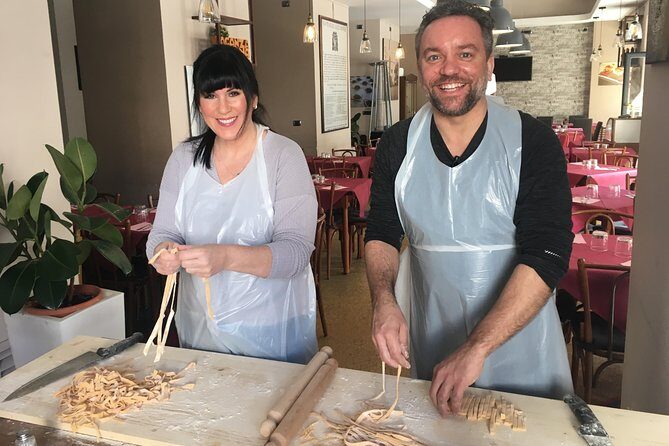
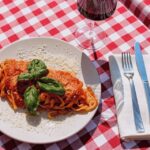
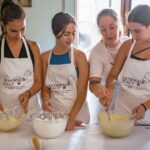
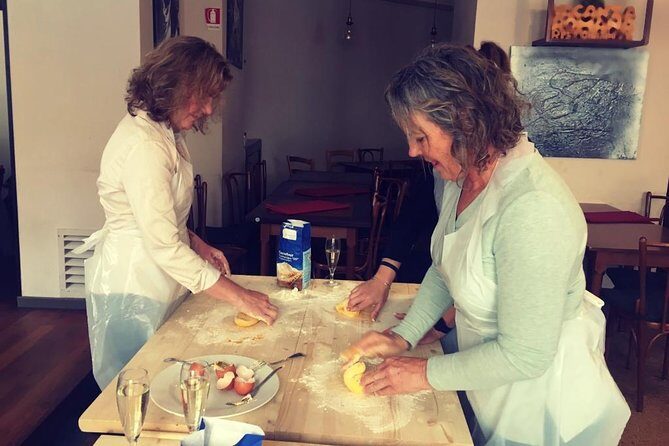
The highlight here is hands-on pasta making with instruction from a chef. You’ll learn fresh pasta techniques and prepare dishes as a group. The experience also includes tasting: you’ll enjoy an appetizer, a pasta dish, and dessert tied to what you’re making.
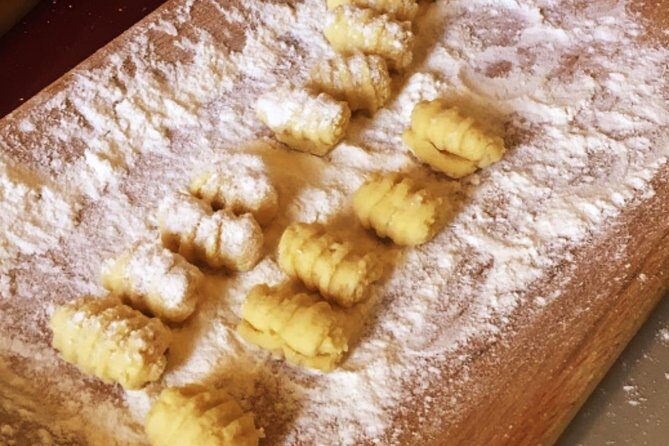
In one of the cooking sessions described, people learned steps like preparing artichokes, mixing and rolling gnocchi, and making ciabelline, a crunchy licorice-flavored cookie. Even if your class ends up with a slightly different menu, the core idea stays the same: you get taught real technique, not just assembly.
What makes this valuable is that you’re not only eating Roman food. You’re learning how ingredients behave, how dough changes under your hands, and how a simple sauce or pairing becomes a finished meal.
You’ll also get recipes for all the dishes you prepared. For me, that’s the part that turns a fun afternoon into something you can repeat. Pasta is one of the easiest cuisines to mess up at home if you don’t know the process. Having the recipe helps you recreate the results rather than guessing.
Guides and the small-group advantage (including language support)
The walking segment is led by a guide with extensive knowledge of Roman history and cuisine. Two guide names mentioned in the experience history are Sara and Nina, both noted for making the time enjoyable and informative.
In the kitchen, Chef Paula is specifically named as the instructor who teaches the pasta lesson. One detail that matters for comfort: during the cooking session, translation support was included so everyone could follow along.
So if you want to visit Rome with a plan but still ask questions—this is the kind of experience where the guide can slow down and explain rather than talk at you from a distance.
Also, the tour is offered in English, and you’ll get a mobile ticket. That’s a small thing, but it reduces friction when you’re in a city where paper tickets and confusing meeting spots can eat up your time.
Timing, logistics, and how to make it feel effortless
This is approximately a 4-hour experience. For many people, that’s the sweet spot: long enough to cover big sights, short enough that you still have time later in the day to explore on your own.
The route focuses on landmarks that are spread across the historic center, but the stops are intentionally short. That means you’re not trapped for a long time at one location, and you avoid that “standing around waiting” feeling.
Here’s how I’d set yourself up:
- Wear shoes you can walk in for a few hours. Even with breaks, you’ll be on your feet for multiple stops.
- Keep your day flexible after the tour. The cooking class and meal take the edge off the schedule. You’ll want time to digest before any major evening plans.
- Bring a light layer. Indoor restaurant cooking rooms can feel cooler, and outdoor squares can swing with the weather.
If you’re the kind of traveler who likes structured mornings and free afternoons, this works well. You get the guided highlights and then you can choose your next neighborhood like a local, not a frantic tourist.
Value: what you get for the $142.98 price
At $142.98 per person, this isn’t the cheapest “walk only” tour. But it’s also not just a standard sightseeing outing.
You’re paying for three things that usually cost separately:
- A guided walk through major Rome landmarks
- A hands-on cooking class in a local restaurant
- Food included (appetizer, pasta dish, dessert) plus recipes you take home
If you compare it to paying for a walking guide plus buying a cooking class later (or booking a cooking class with no serious sightseeing component), this pricing starts to look fair. It also reduces decision fatigue. You’re not trying to find a restaurant at the end of a crowded day. Someone already planned that part for you.
And the fact that it’s capped at 8 travelers matters for value. A small group usually means more personal instruction in the kitchen, and a better experience on the walk.
Who should book this—and who might skip it
I think this tour is a strong fit if you:
- Want a Rome highlights route without spending an entire day in transit
- Enjoy food-focused travel and want to do something active, not just watch
- Like the idea of learning a practical skill you can repeat at home
- Prefer small group experiences
I’d consider skipping or switching to a different option if you:
- Struggle with longer standing and walking segments
- Want mostly indoor time or lots of sit-down sightseeing
- Are only looking for the absolute biggest single landmark experience, not a mix of many stops
This is a balance tour. It won’t replace a slow, museum-heavy day. It also won’t feel like a rushed stampede if you show up with comfortable shoes and a patient mindset.
Should you book this Heart of Rome food tour?
Yes, if you want a well-paced Rome afternoon that combines architecture, storytelling, and hands-on cooking. The small group size, the guided history at key stops (including the Pantheon and Bernini’s elephant detail), and the fact that you eat and take home recipes make it feel worth the price.
Book it especially if your trip has limited time. A 4-hour format that covers major sights and still teaches a real skill is hard to beat in a city that loves to swallow your schedule.
FAQ
How long is the walking tour and cooking class?
The total experience is about 4 hours.
Where does the tour start and end?
It starts at Piazza Barberini (P.za Barberini, 00187 Roma RM, Italy) and ends near Piazza della Rotonda, close to the Pantheon.
How large is the group?
The tour has a maximum of 8 travelers.
Is the tour offered in English?
Yes, it is offered in English.
What’s included in the cooking class?
You get the cooking class in a local restaurant, a guide, and recipes for all the dishes you prepared. You’ll also enjoy an appetizer, a pasta dish, and dessert.
Do you need to buy tickets for the stops on the walking portion?
The stops listed are shown as having free admission tickets.
What’s the cancellation policy?
You can cancel for a full refund up to 24 hours before the experience starts. If you cancel less than 24 hours before, you don’t get a refund.