REVIEW · PASTA
Rome Pasta & Tiramisu Making Class with Fine Wine
Book on Viator →Operated by The Roman Food Tour - Food Tour Rome · Bookable on Viator
Rome runs on food breaks.
This 3.5-hour hands-on class is a smart switch from monuments to something you can actually take home in your hands. You’ll do the cooking in a professional kitchen, then eat what you made, with the added bonus of a tasty wine and prosecco start that helps the whole afternoon feel social and relaxed. It’s set near the Vatican area, and the group is kept small, capped at 16 travelers.
What I like most is the combination of learning and momentum. You get personal coaching as you form pasta and assemble tiramisu, and it sounds like instructors like Lise and Patrick set a fun pace while still teaching fundamentals. The other big plus is the pairing setup: expect prosecco and wine with plenty of tastings. One drawback to plan around: the wine is a real part of the experience, and a few hours can mean a lot of drinking, so it may not suit you if you want a sober, quiet activity.
In This Review
- Key highlights to look forward to
- A Rome afternoon built around pasta, not lines
- Meeting at Via Cipro and how to plan the timing
- The tastings first: cheeses, balsamic, truffle, and prosecco
- The pasta workshop: fettuccine and ravioli, taught in real steps
- Learning tiramisu after the pasta: dessert as a skill, not an afterthought
- Wine and prosecco: fun energy, but pace matters
- What $32.67 really buys in Rome terms
- Who this class fits best
- Should you book this pasta and tiramisu class?
- FAQ
- FAQ
- How long is the Rome pasta and tiramisu class?
- What time does the class start?
- Where is the meeting point?
- How many people are in the group?
- Is the class offered in English?
- What will I learn to make?
- Does the class include wine or prosecco?
- Will I eat what I make?
- Is there a mobile ticket?
- What is the cancellation policy?
- Is the meeting point near public transportation?
Key highlights to look forward to
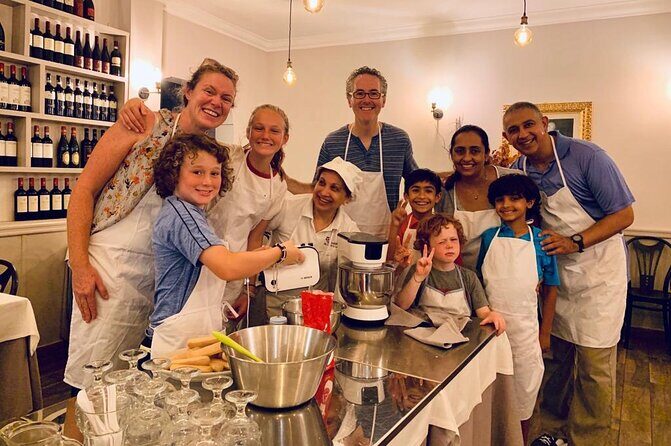
- Small group (max 16): enough attention from the chef without feeling swallowed by a crowd
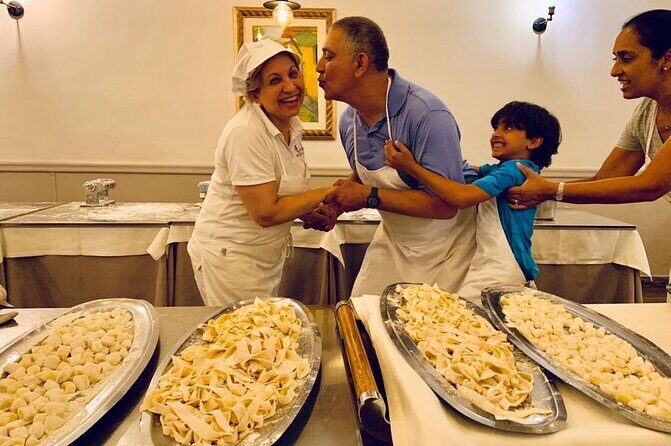
- Fresh pasta skills: you’ll make dishes like fettuccine and ravioli, not just watch
- Tiramisu from scratch: a classic dessert you’ll assemble and eat with your group
- Wine-forward tasting: prosecco plus red and white wine are part of the flow
- Near Vatican-friendly timing: an easy break after museums or a Vatican visit
A Rome afternoon built around pasta, not lines
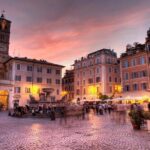
The location near Vatican City is the point here. Rome sightseeing is often a sprint. This class is the opposite. It gives you a scheduled, cozy block of time where the focus is on food skills and conversation, not where to turn next.
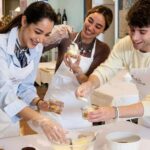
I also like the small-group setup. With a maximum of 16 people, you’re not lost in the back row. You can ask questions, get corrections, and actually feel like you’re making progress instead of just getting through a checklist.
If your Rome plan includes the Vatican, this works especially well as an afternoon reset. It’s also offered in English, which matters when you’re trying to learn technique and not just follow a vibe.
You can also read our reviews of more wine tours in Rome

Meeting at Via Cipro and how to plan the timing
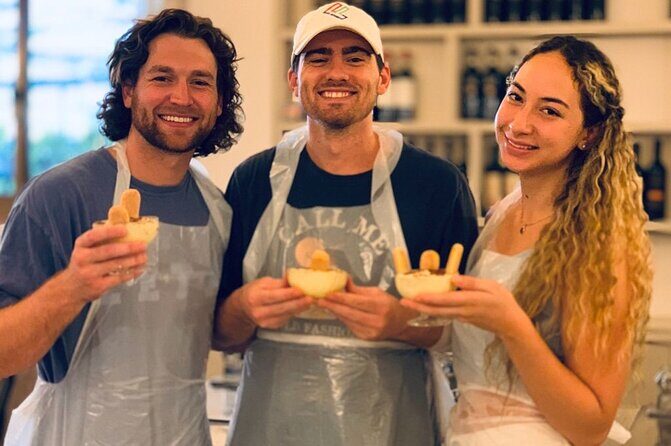
You’ll meet at Via Cipro, 4/L, 00136 Roma RM, Italy, and the class runs with a 2:00 pm start. It’s listed at about 3 hours 30 minutes, but in real life some sessions can run closer to 4 or even 5 hours depending on the group pace and how long you take to eat.
That timing detail affects how you plan the rest of your day. If you’re hoping to fit this between two major stops with zero wiggle room, I’d give yourself some buffer. If you’re treating it as the anchor of your afternoon, you’ll feel far less rushed.
The meeting point is also described as near public transportation, and one practical tip from people who’ve done this: use the Metro and get off one stop past the Vatican area, then walk from there. It keeps the start simple, and you avoid extra time circling for parking.
The tastings first: cheeses, balsamic, truffle, and prosecco
Many Rome food experiences jump straight to cooking. This one starts with a tasting component, which is a big deal for value and learning. Before you touch dough, you build a mental map of flavors you’ll recognize once you’re in the kitchen.
You’ll taste local specialties and Italian ingredients, and the wine flow begins early. From the experience descriptions and guide-led moments, that can include things like cheeses and balsamic, with seasonal or specialty items such as truffle and other regional products (plus parmigiano reggiano referenced in the experience stories). You’ll also get prosecco, and later the meal pairing expands to both red and white wine, with non-alcoholic options available too.
The host role matters here, because the tastings aren’t just a glass in your hand. In the best sessions, hosts like Lise (also spelled in different ways in the stories) set a fun tone while sharing what you’re tasting and why it works. That context helps you taste more actively when you’re pairing, and it makes the cooking part feel less random.
One thing to keep in mind: if you’re not into alcohol, the tasting sequence may still be energetic. People repeatedly describe the prosecco as free-flowing, so plan your pace accordingly and drink water.
The pasta workshop: fettuccine and ravioli, taught in real steps
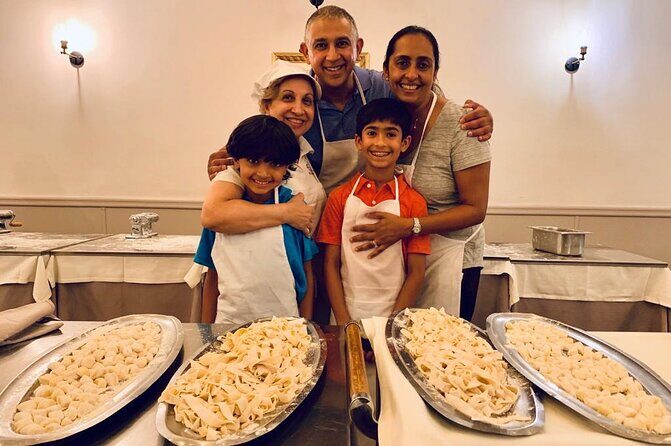
Now for the part you came for: hands-on pasta making.
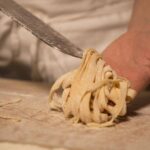
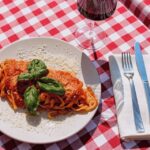
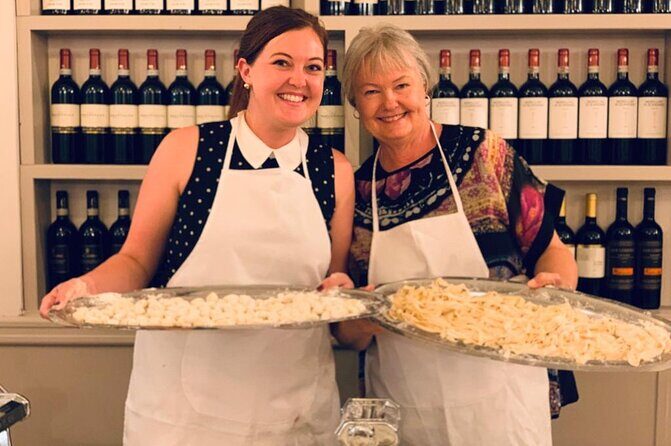
You’ll learn in a professional kitchen with a chef instructor, and you’re not stuck doing one tiny task. You’ll make pasta like fettuccine with tomato sauce and also create ravioli (including flavors like ricotta and spinach). You’ll also work with classic finishes referenced in the menu, such as butter and sage, plus options paired with the wine setup.
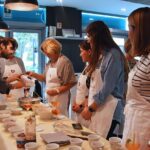
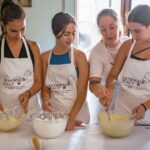
The teaching style seems to be the key to why this class earns such strong ratings. In the stories tied to the experience, instructors like Patrick (and sometimes other chef-teachers such as Carlo or Jason, depending on the session) focus on fundamentals and keep it light. You get corrections when you need them, not after the damage is done. People also mention how patient the teaching can be, even if you’ve never made pasta before.
Here’s why that matters for you: fresh pasta is technique. Flour, hydration, thickness, and timing all influence results, and those are hard to learn from a recipe alone. A good instructor shortens your learning curve by pointing out what to watch for while you’re actively working.
Also, the group size helps. With up to 16, you can actually see what the chef is demonstrating and get help without feeling like you’re shouting across a room.
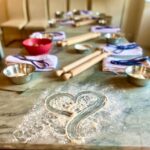
Practical note: you’ll likely leave with dough under your nails, and that’s part of the charm. Wear something you’re comfortable getting a little messy in.
Learning tiramisu after the pasta: dessert as a skill, not an afterthought
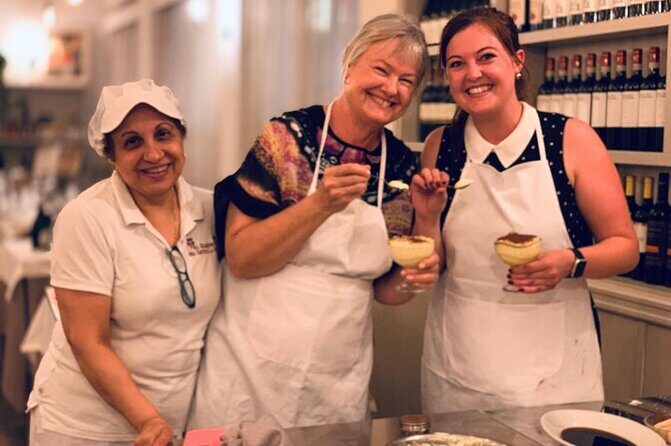
After pasta, you’ll move to dessert and learn how to make tiramisu. The big win here is that you’re not just eating dessert. You’re learning the workflow and finishing steps with your instructor guiding you.
I like this order: pasta first gives you structure and skill-building, and tiramisu then feels like a satisfying payoff. Plus, dessert is the easiest way to share results because you can compare how everyone’s turned out and talk about texture, sweetness, and how it sets.
And yes, you’ll eat what you make. That turns the class into a full experience, not a show-and-tell workshop.
If you’re the type who loves to master one classic dish rather than collecting ten restaurant stops, this format is a good fit.
You can also read our reviews of more tours and experiences in Rome
Wine and prosecco: fun energy, but pace matters
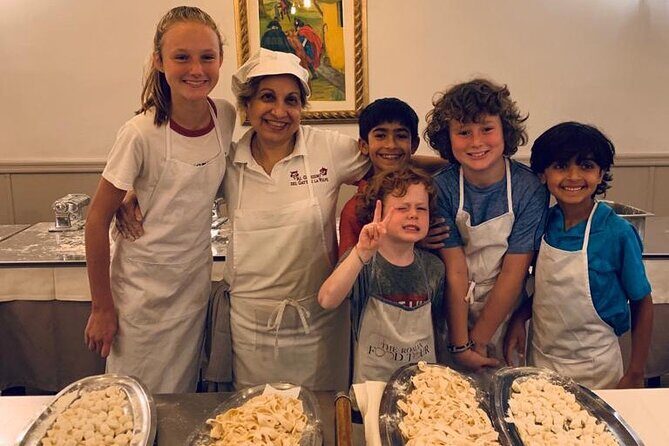
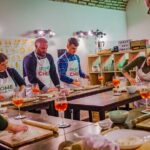
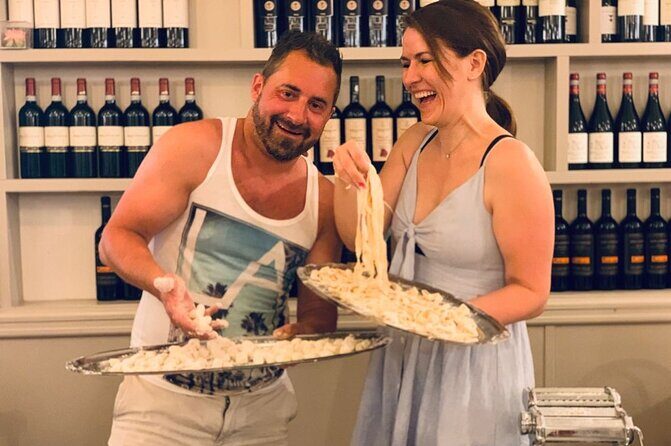
This is a wine-included cooking class, and the descriptions are consistent: expect prosecco and wine to be poured during the tasting and throughout the afternoon.
Several accounts highlight the idea of it being free-flowing, with lots of cups over hours. That’s fun for the social side of Rome, but it does change the atmosphere. You’ll likely be talking, laughing, and eating at a leisurely rhythm.
For your comfort, I’d treat this as a full afternoon, not a quick side activity. If you want to still enjoy dinner plans afterward, consider having something non-alcoholic too, and drink water between pours.
If you’re traveling with people who don’t drink much, the experience does mention non-alcoholic beverages are available. Still, given the strong alcohol emphasis, it’s worth thinking about whether your group will enjoy a wine-forward pace.
What $32.67 really buys in Rome terms
At $32.67 per person, the pricing looks low compared to what you’d pay for a single private cooking class in the city. But the value comes from the bundle.
You’re paying for:
- a chef-led cooking lesson in a professional kitchen
- time-efficient instruction in making dishes like fettuccine and ravioli
- dessert-making with tiramisu
- a tasting session with Italian products
- wine and prosecco included, plus non-alcoholic beverages
The practical payoff is that you leave with a meal you made, not just a sample. Many people describe leaving stuffed and not needing dinner. Even if you still eat later, the class meal can replace a full restaurant stop, and that’s where the math often works out.
So the real question for you isn’t just the price tag. It’s whether you want to spend an afternoon learning and eating, instead of paying for dinner and still not having a skill to bring home.
Who this class fits best
This is especially good for:
- food-first travelers who want one structured activity without heavy planning
- couples and solo travelers who like meeting people in a shared, hands-on setting
- people who want a rainy-day option that still feels like Rome, not a generic tourist stop
- families with kids (the stories include families with kids ranging from younger teens and even a 12-year-old who reportedly enjoyed it)
It’s also a strong pick if your day already includes Vatican sights. The location and the afternoon timing make it easy to connect your Rome route.
But you should think twice if:
- you hate alcohol or want a very quiet, sober class
- you have a tight schedule and can’t afford a few hours that may drift toward 4–5
- you’re expecting a short, efficient cooking demo (this is a hands-on, eat-what-you-make setup)
Should you book this pasta and tiramisu class?
If you want a Rome highlight that feels both practical and genuinely fun, this is an easy yes. The best evidence is in the consistent themes: small-group energy, hands-on pasta instruction, and a tasting-and-wine setup that makes the afternoon feel like a shared celebration rather than a classroom.
My main caution is simple: go in knowing the wine and prosecco are a major part of the experience. If you’re good with that, you’ll likely love the atmosphere. If you’d rather keep it light, plan for non-alcoholic options and a slower pace.
If your ideal Rome day includes learning a classic dish, eating well, and hanging out with friendly people in a real kitchen, this class is the kind of booking you won’t regret.
FAQ
FAQ
How long is the Rome pasta and tiramisu class?
It lasts about 3 hours 30 minutes (approx.).
What time does the class start?
It starts at 2:00 pm.
Where is the meeting point?
You meet at Via Cipro, 4/L, 00136 Roma RM, Italy.
How many people are in the group?
The class has a maximum of 16 travelers.
Is the class offered in English?
Yes, it is offered in English.
What will I learn to make?
You will learn to make fresh pasta and tiramisu.
Does the class include wine or prosecco?
Yes. The experience includes prosecco and also red and white wine, along with non-alcoholic beverages.
Will I eat what I make?
Yes. The experience includes savoring what you’ve created.
Is there a mobile ticket?
Yes. You’ll receive a mobile ticket.
What is the cancellation policy?
Free cancellation is available up to 24 hours in advance for a full refund. If you cancel less than 24 hours before the start time, the amount paid is not refunded.
Is the meeting point near public transportation?
Yes, it is described as near public transportation.