REVIEW · MUSEUMS
Rome: Vatican Museums & Sistine Chapel Entry Experiences
Book on GetYourGuide →Operated by Find Rome Tours · Bookable on GetYourGuide
The Vatican hits you fast. This entry combo helps you get inside without the worst waiting, then lets you wander the galleries with time to actually look. I especially like the self-paced museum flow and the chance to focus on specific masterpieces like Michelangelo’s Sistine frescoes and famous sculpture stops such as the Apollo del Belvedere. One thing to keep in mind: you still go through security, and the Sistine Chapel experience can feel crowded and strict about photos.
You’re paying for momentum and structure, not a rushed guide-walk. After security, the museum visit is basically yours: Greek and Egyptian antiquity, big-name Renaissance art (Raphael, Leonardo da Vinci), and later, the Chapel. The possible drawback is real-world crowding once you’re inside—so your plan should include patience and smart timing.
In This Review
- Key Things You’ll Notice Right Away
- Skip-The-Line Entry That Actually Feels Like Time Saved
- Security, Dress Rules, and the Vatican’s “No Fun” Boundaries
- Your Museum Route: How to Plan Around the Vatican’s Big Art Names
- Greek and Egyptian Antiquity: Warm-Up for the Eye
- Michelangelo, Raphael, Leonardo, and Caravaggio: Big Names, Real Impact
- Sculpture Stops: Laocoön and Apollo del Belvedere
- Gallery of Tapestries and Maps: When Speed Stops Working
- Sistine Chapel: Awe, Rules, and Crowd Reality
- Price and Value: What You’re Really Paying For
- Who This Experience Fits Best (and Who Might Want a Different Plan)
- Should You Book the Vatican Museums and Sistine Chapel Skip-The-Line Entry?
- FAQ
- How long does the Vatican Museums and Sistine Chapel entry last?
- What’s included with the entry ticket?
- Is there a guided tour?
- Does this skip the security line?
- What clothing and items are not allowed?
- Can I take photos inside?
- Is the Sistine Chapel always open?
- How much does it cost?
- Is this ticket refundable?
Key Things You’ll Notice Right Away
- Skip-the-line ticket entry cuts the most painful waiting.
- English electronic guidebook helps you focus without needing a group script.
- Iconic stops like Laocoön and the Apollo del Belvedere.
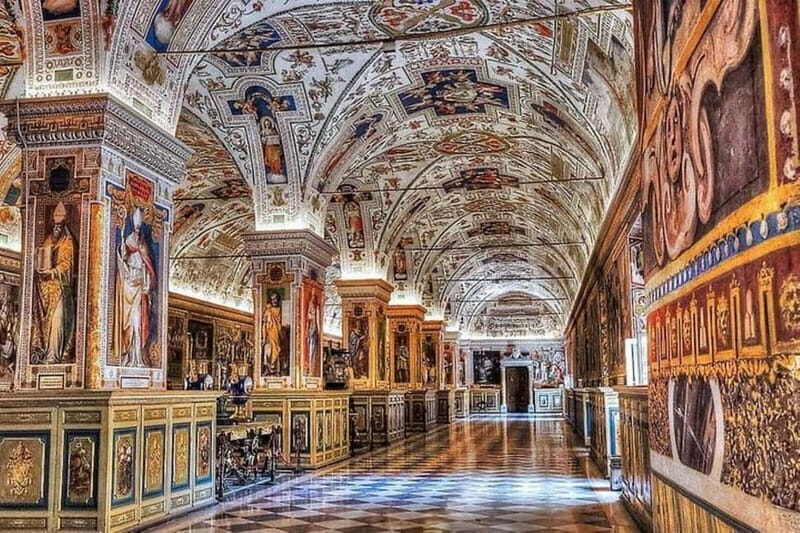
- Top galleries including the Gallery of Tapestries and the Gallery of Maps.
- Sistine Chapel access when the Chapel is open to the public.
Skip-The-Line Entry That Actually Feels Like Time Saved
At the Vatican, time is everything. Even if you love big museums, nobody enjoys standing in a slow-moving queue while other people walk past with tickets already handled. This experience is built around skip-the-line entry, so you can move from the outside chaos into the museum route quickly and start making choices about what to see first.
For you, that matters because the Vatican Museums are huge. When you can enter with less delay, you’re more likely to enjoy the visit instead of treating it like a checklist. You get room to pause at the right moments—especially for the kind of art where looking slowly changes everything, like Michelangelo’s frescoes and the grand visual storytelling across the galleries.
I also like that this is not a “one pace for all” group tour by default. The idea here is to explore at your own pace, with an electronic guidebook available in English. That’s a sweet spot for many people: you get direction when you want it, but you’re not locked into constant listening.
The catch? You still have to go through security control. The experience specifically does not promise to skip security. So if you’re hoping for a fully frictionless entrance, adjust expectations. Still, compared with being stuck at the ticket line, this entry style can be a big quality-of-life upgrade.
You can also read our reviews of more museum experiences in Rome



Security, Dress Rules, and the Vatican’s “No Fun” Boundaries
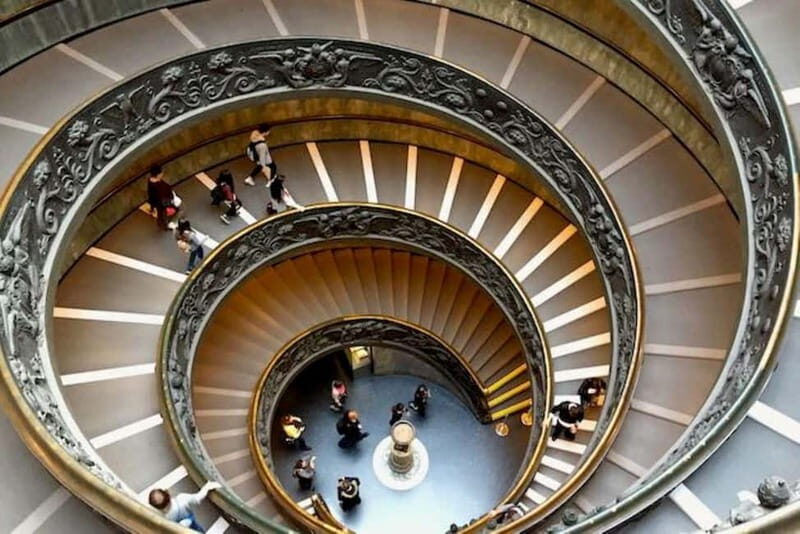
The Vatican is serious about rules, and they’re not subtle. Before you reach the art, you’ll go through security, and that process is where you’ll want to be prepared. The restrictions listed for this experience are straightforward:
- No shorts or no short skirts
- Flash photography is not allowed
- No backpacks
If you’re thinking, I’ll just wear whatever and deal with it, don’t. The clothing rules matter because they can slow you down at the door (or cause you to have to figure out a workaround). Go with comfortable layers that fit the dress code, and bring only what you can carry easily without a backpack.
Photography is allowed, but keep it realistic: you can take photos, but flash is off-limits. Inside, staff may enforce rules if things get busy, and the Sistine Chapel also has its own strict atmosphere. I’d treat photo-taking as a bonus, not the main event.
One more “know before you go” point: the Sistine Chapel hours and public access can change for major Vatican events. The info provided here says the Sistine Chapel was closed to the public starting April 21 and will continue until May 7 for the papal conclave schedule. That means your booking can include museum access, but Sistine access depends on whether the Chapel is open to visitors at the time of your entry. If the Chapel is closed, you’ll still be able to explore the museum collections.
Your Museum Route: How to Plan Around the Vatican’s Big Art Names
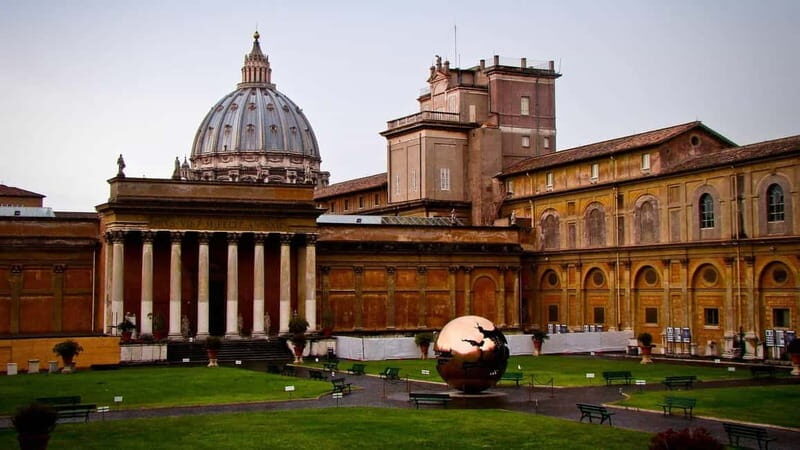
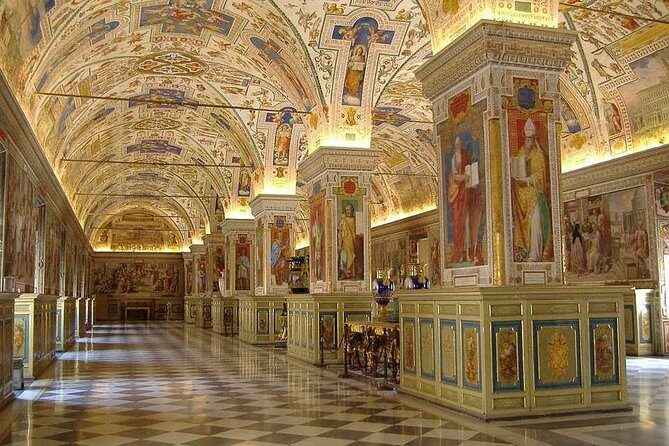
Once you’re through security, you’re in the long corridor of wonder—Greek and Egyptian antiquities early on, then major masterpieces as you go. The value of this setup is that you’re not herded. You can use the guidebook to shape your route, but you’re still able to slow down where you care.
Here’s how the highlights land, and what you should expect from each:
Greek and Egyptian Antiquity: Warm-Up for the Eye
This is the part many people skim because it isn’t as famous as the Sistine Chapel. Don’t. You’ll see pieces tied to classical and ancient civilizations, and it helps your brain tune into the Vatican Museums’ mix of time periods. Even if you’re not an archaeology buff, this section gives context for the human forms, symbolism, and visual styles that echo later art.
If you’re short on time, at least spend a few minutes here. It’s a calmer entry into the museum world before the emotional overload of Renaissance masterpieces.
Michelangelo, Raphael, Leonardo, and Caravaggio: Big Names, Real Impact
As you move deeper, the major art names start stacking up: Michelangelo, Raphael, Leonardo da Vinci, and Caravaggio are all specifically mentioned. The key for you is to not rush through because you’ve heard the names. With this ticket format, you can pause where you feel something.
I like this approach because the Vatican is best when you pick a handful of moments you want to truly see. The museum is too big to “do it all” in a satisfying way. So think of the art like a playlist: you want the tracks that hit your taste.




Sculpture Stops: Laocoön and Apollo del Belvedere
Two of the named must-sees are Laocoön and the Apollo del Belvedere. Sculpture at the Vatican can feel unexpectedly powerful because it’s three-dimensional and the lighting matters. These works also help break up the pace between frescoes and framed painting galleries.
If you tend to get “gallery fatigue,” sculpture stops are your reset buttons. Stand there long enough to notice angles and movement of form. That’s where your attention stops bouncing.
Gallery of Tapestries and Maps: When Speed Stops Working
In a museum this large, some rooms reward fast walking. Others don’t. The Vatican’s Gallery of Tapestries and Gallery of Maps are the kind of spaces where it pays to slow down, even if you came prepared to sprint.
The Gallery of Tapestries tends to feel like you’ve stepped into a different visual world—textile art with strong color and scale. It’s not just about admiring the craft; it’s also about noticing how decorative design can tell stories and signal power. If you’re traveling with someone who loves history or symbolism, this is a strong match.
Then there’s the Gallery of Maps, which can feel like a break from the heavy art before the final crescendo. You’ll get to see detailed mapping displays in a corridor format, so you can “wander with purpose” rather than reading museum labels at warp speed. This room is ideal for a short sit-down pause, even if it’s just standing still and letting your eyes adjust.
For you, this matters because it shapes the tone of the whole visit. If everything is rushed, you end up remembering crowds more than art. Slow down here and you’ll finish the day with better memories.
Sistine Chapel: Awe, Rules, and Crowd Reality
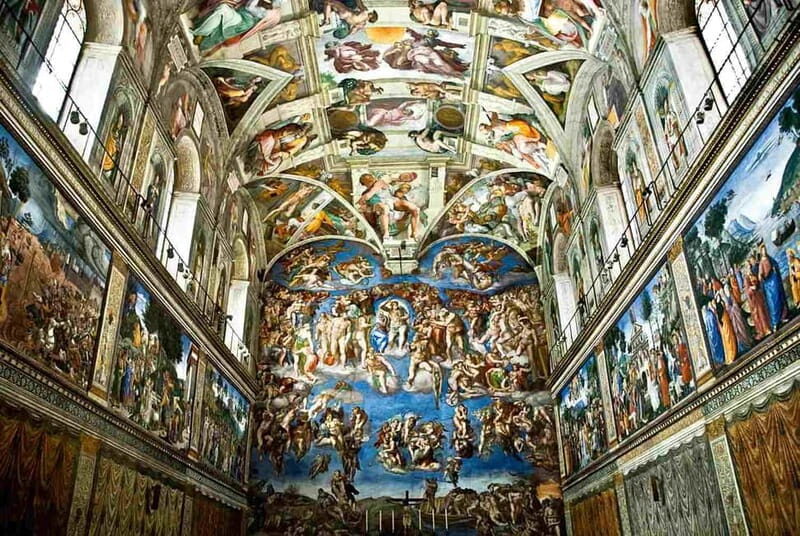
Michelangelo’s frescoes in the Sistine Chapel are the headline for a reason. The experience information here specifically calls out pausing to reflect on Michelangelo’s spellbinding artistry and feeling that the Chapel’s art brings faith and art to life.
But here’s the honest practical side: this place is intense, and the atmosphere can change based on how many people are inside at once. One of the drawbacks reflected in feedback is stress from crowding and the way photo rules get enforced in practice. You might find that the flow is tight, and video or excessive photography may not work well in the moment.
This is also where your preparation pays off. When you arrive, don’t treat it like a quick photo stop. Instead, aim for a short mental reset: look up, breathe, and give yourself a minute to let the fresco ceiling register. The art is designed to be seen from that distance.
Also, remember: flash is not allowed. And the Chapel has rules beyond the museum areas. If the Chapel is closed during your travel dates (as noted in the closure window described here), you’ll still benefit from the museum time, but you won’t be able to access the Chapel itself until it reopens to visitors after the conclave.
Price and Value: What You’re Really Paying For
The listing-style price shown is $44.41 per person, but the additional info provides a clearer breakdown in euros: €25 for adults and €13 for under 18. It also explains that the difference covers things like the advertising electronic information booklet and other services and booking fees.
So is it worth it? For me, the best value part is the skip-the-line ticket entry. At the Vatican, skipping the worst waiting can make the difference between enjoying the museum and counting minutes. If you’re the type who gets cranky in lines (fair), you’ll feel the value quickly.
You’re also not losing flexibility by going this route. You’re still self-paced, and the entry includes access to the Vatican Museums plus the Sistine Chapel (when open). The electronic guidebook in English adds a layer of context that you can use whenever you want—no need to track a person or worry about staying together.
One balanced thought: if you specifically want deep commentary from a live guide, you’ll likely need the option that includes a guided tour. Guided tours are listed as not included unless you select that option. If you choose the non-guided version, you’ll be relying on the electronic guidebook and your own curiosity.
Who This Experience Fits Best (and Who Might Want a Different Plan)
This entry format works well if you want control. You’ll like it if:
- You prefer exploring on your own rhythm
- You want major highlights without getting stuck in one long monologue
- You’re motivated by named masterpieces and specific galleries (like Laocoön, Apollo, Tapestries, Maps, and the Sistine)
It may feel less ideal if:
- You want a full guided lecture experience by default
- You hate crowd energy and want a more paced, scripted group solution
- You’re planning for the Sistine Chapel during a closure window and need that specific room at any cost
The experience info also notes it’s not suitable for people over 95 years. If that applies, I’d treat it as a sign to consider a different option with a more flexible pace.
Finally, check the weather forecast and dress appropriately. Even though you’re indoors for most of it, you’ll still face the outside entrance environment and the need to comply with dress rules.
Should You Book the Vatican Museums and Sistine Chapel Skip-The-Line Entry?
Yes, I think you should book it if your priority is to start the museum visit quickly and you’re comfortable doing much of the experience at your own pace. The skip-the-line benefit is real at this site, and the included electronic guidebook helps you get more meaning without turning your day into a school trip.
I would pause before booking only if your dates fall during the Sistine Chapel closure window noted here. If the Chapel is closed on your day, you’ll still get a lot from the Vatican Museums, but you may feel like the main goal didn’t happen. Also, if you’re very photo-focused, manage expectations: rules are strict, and the Chapel in particular can be crowded and less forgiving about how people photograph.
If you want maximum value, plan to use the time saved wisely: pick a few rooms (tapestries, maps, and sculpture) and give the Sistine Chapel the attention it deserves when it’s open.
FAQ
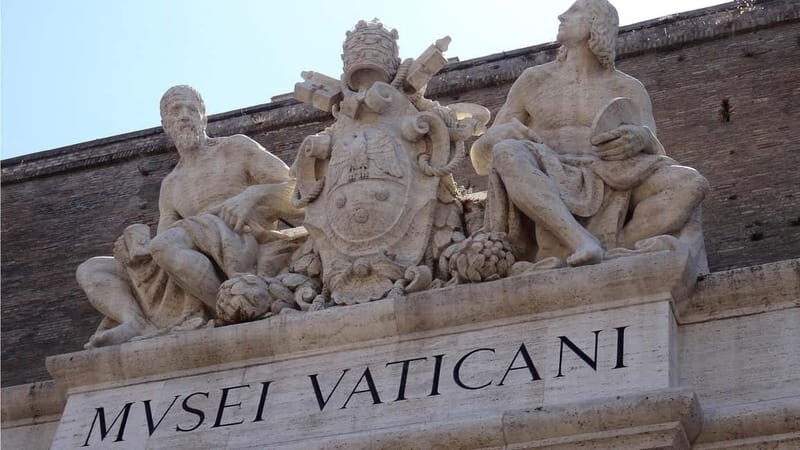
How long does the Vatican Museums and Sistine Chapel entry last?
The duration is listed as 2–3 hours. Starting times depend on availability, so you’ll want to check what times are offered for your date.
What’s included with the entry ticket?
Included are the entry ticket to the Vatican Museums, access to the Sistine Chapel, and an electronic guidebook in English.
Is there a guided tour?
A guided tour is not included by default. It’s included only if you select the option that adds a guided tour.
Does this skip the security line?
No. The information provided says skip-the-line entry is for the ticket line, while skipping security control is not included.
What clothing and items are not allowed?
Shorts and short skirts aren’t allowed. Backpacks are also not allowed, and flash photography is not permitted.
Can I take photos inside?
Yes, photography is allowed, but flash photography is not permitted.
Is the Sistine Chapel always open?
The info provided says the Sistine Chapel was closed to the public starting April 21 and will continue until May 7 for the papal conclave period. You can explore the museums during closure, but Sistine access is not possible until after the conclave concludes.
How much does it cost?
The admission price is listed as €25 for adults and €13 for under 18. The remaining amount covers the electronic information booklet, advertising, and other services/booking fees.
Is this ticket refundable?
No. The activity is listed as non-refundable.