REVIEW · WALKING TOURS
Rome: Between Holy Doors Small Group Walking Tour
Book on Viator →Operated by Treasures of Rome · Bookable on Viator
Seven churches, one powerful theme. This walking tour gives you a focused way to see Rome’s sacred art without getting stuck on the usual photo line. I especially like the small group of up to five and the way the guide helps you read each stop as part of the Holy Doors story, not just as separate buildings.
My only caution is simple: this is real walking. You’ll cover about 2–3 miles with stairs and cobblestones, plus churches require covered shoulders, back, and knees, so plan your outfit and your pace. During jubilee periods, the route can be adapted and access to the Holy Doors can’t be guaranteed.
In This Review
- Key Highlights Worth Planning For
- Holy Doors on Foot: Why This Route Feels Like Rome, Not a Checklist
- Starting Near San Giovanni: Set Yourself Up Before You Walk
- Stop 1: Santa Maria Maggiore’s Holy Door and the City’s Grand Bell Tower
- Stop 2: Santa Prassede and Its Ancient Apse Mosaics
- Stop 3: San Pietro in Vincoli for Michelangelo’s Moses and Saint Peter’s Chains
- Stop 4: San Clemente and the Surprise of Rome’s Church Layers
- Stop 5: Ss. Quattro Coronati and a Fresco with Legendary Energy
- Stop 6: San Giovanni in Laterano for Peter and Paul’s Major Catholic Significance
- Stop 7: Scala Sancta (Holy Stairs) and How Devotion Changes the Visit
- Walking Pace, Steps, and the Small-Group Comfort Trade-Off
- How $83.48 Works Out: Value for a Focused Route Through Seven Sacred Stops
- Who This Tour Suits Best (And Who Should Pick Something Else)
- Should You Book This Holy Doors Walking Tour?
- FAQ
- How long is the Rome Holy Doors small group walking tour?
- What’s the group size?
- Which churches and sites are included?
- Is admission included for the churches?
- What time and where does the tour start and end?
- What clothing is required to enter the churches?
- Can the Holy Doors or final stop change during jubilee?
Key Highlights Worth Planning For
- Small-group format (max 5): easier questions, calmer basilica visits, and more guide attention.
- Up to seven stops in 3–4 hours: a compact route through Roman Catholic history.
- Roberto’s on-the-spot context: you learn what to look for in frescoes, statues, chapels, and relics.
- A route that avoids the main tourist shuffle: you see churches that many people skip.
- Dress code + walking reality: shoulders/back/knees covered, with steps and uneven stone.
- Jubilee adjustments possible: Holy Door passage may change with crowd levels.
Holy Doors on Foot: Why This Route Feels Like Rome, Not a Checklist
Rome can be busy in a way that makes churches feel like stops, not experiences. This tour helps you slow down just enough to notice the art and symbolism that most people walk right past. You’re covering multiple basilicas and chapels that connect to a single theme, so the day feels cohesive even though each building is its own world.
What I like most is that you’re not just looking at big names. The route is built around moments that reward attention: ancient mosaics, a Michelangelo masterpiece, relics tied to Peter and Paul, and the famous Holy Stairs site (Scala Sancta). And with a guide named Roberto leading, you get clear explanations in plain language and the kind of reverent tone that fits sacred spaces.
The small group matters more than you might expect. In a large crowd, you spend your time trying to hear and trying to hold your place. Here, you can actually ask questions and get answers without feeling like you’re interrupting. That turns the churches into learning stops rather than endurance tests.
You can also read our reviews of more walking tours in Rome
Starting Near San Giovanni: Set Yourself Up Before You Walk
The tour meets at Statua di San Giovanni Paolo II in the Esquilino area (00185), with the finish at Basilica di San Giovanni in Laterano near Piazza San Giovanni in Laterano (00184). The start is at 9:00 am, and it’s close to the metro line A at San Giovanni.
Early starts are useful in Rome, especially for churches. You’ll be stepping into busy environments where entry lines and crowding can affect how smooth the visits feel. Arriving with a few minutes to spare keeps your first stop calmer and lets you settle into the day’s pace.
Also, pack for church entry. Shoulders, back, and knees must be covered. That means you may need a light layer, especially if you’ll be out in warm weather. And because it’s a walking tour, comfortable shoes are not optional. Cobblestones and irregular stone do their own thing, and the tour includes stairs of different shapes and sizes.
Finally, plan around weather. This experience requires good weather, and if it’s canceled due to poor conditions you’ll be offered a different date or a full refund. That matters if you’re building your Rome days tightly.
Stop 1: Santa Maria Maggiore’s Holy Door and the City’s Grand Bell Tower
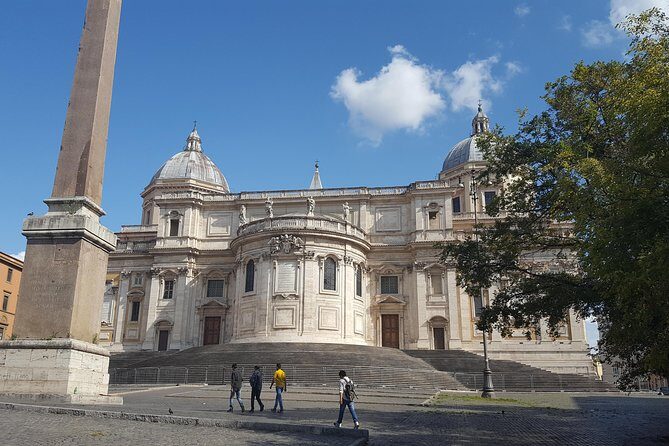
Basilica di Santa Maria Maggiore is the kind of church that makes you straighten your posture without trying. It’s the biggest church for Saint Mary, and it’s also known for having the highest bell tower in the city. You get a real sense of scale right away.
This stop is also where the Holy Doors theme becomes tangible. The basilica is described as having a holy door, plus some of the most impressive chapels you’ll see anywhere in Rome. The key for you is not to race through the main areas. When you’re with a guide, you learn what to look for: how chapels are arranged, how symbols show devotion, and why certain details matter to the story people came here to experience.
The scheduled time is about 40 minutes, and that’s enough to get past the initial wow factor and actually understand what you’re seeing. Admission is free, so you can focus on the art and architecture rather than ticket logistics inside the church.
A practical note: this is a major basilica, so you’ll want to keep an eye on how you move through interior spaces. If you’re wearing anything that’s too bare, you may get turned away at entry, so double-check your outfit before you start.
Stop 2: Santa Prassede and Its Ancient Apse Mosaics
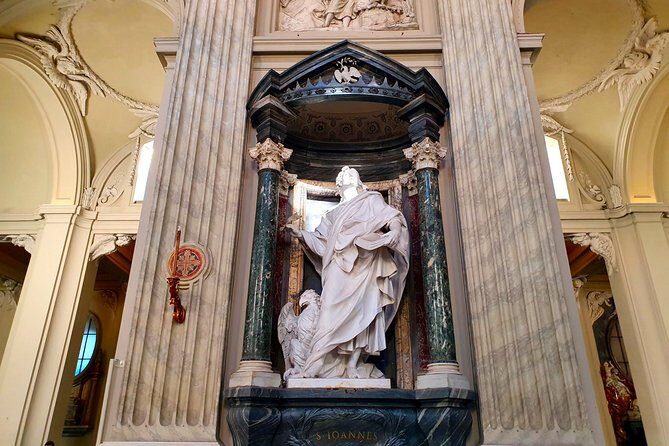
Next up is Basilica di Santa Prassede, with a short visit window of about 20 minutes. This is one of those churches where the value is in a single “wow” moment: an ancient apse mosaic that’s considered among the oldest in the world.
You might think mosaics are just decorative. Here, the guide helps you see them as storytelling technology. Mosaics were a way to teach doctrine and reinforce belief for people who didn’t have access to books. You’ll also hear about a relic of the passion of Christ housed here. That combination—art meant to teach and objects meant to connect—makes the short visit feel much longer.
This stop is free to enter, and the time is tight by design. It’s meant to keep the route efficient while still giving you at least one standout detail to carry forward in your mind for the rest of the walk.
If you like churches that reward close looking, this one is a keeper. Even if you’re not deeply religious, you’ll come away with a clearer sense of how Rome’s church art works like a visual language.
Stop 3: San Pietro in Vincoli for Michelangelo’s Moses and Saint Peter’s Chains
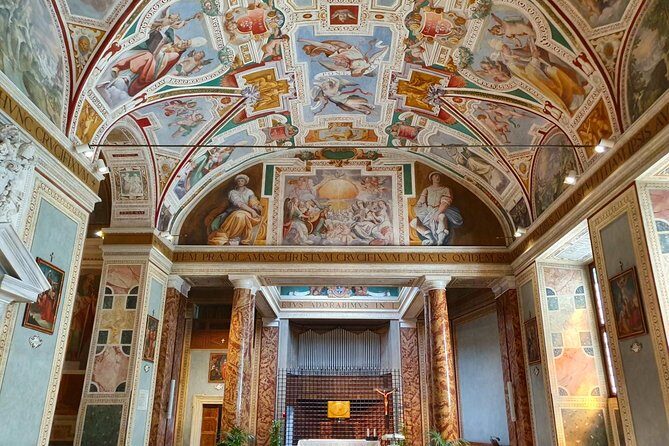
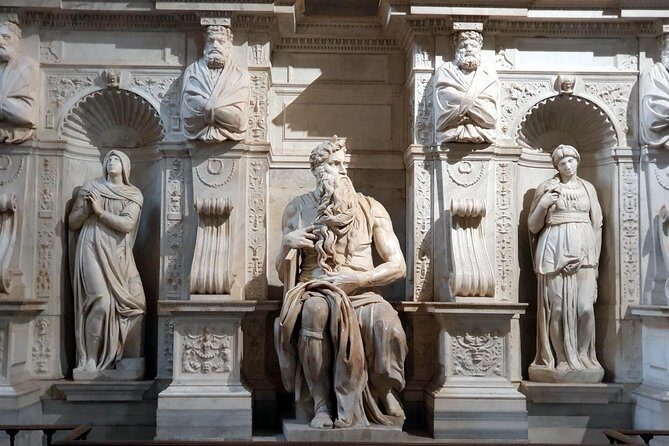
San Pietro in Vincoli is another quick stop (about 20 minutes), but it’s packed. The headline here is Michelangelo’s sculpture of Moses, plus the wonder-working chains of Saint Peter.
The Moses statue is famous for a reason: it’s expressive and full of emotional tension, not just anatomy and muscle. When you see it with context from a guide, you’re less likely to treat it like a random museum object. You start noticing how art communicates character and spiritual struggle.
Then there are the chains. Relics can feel abstract until you understand why they mattered to pilgrims—why these objects became anchors for devotion and storytelling. This stop ties the artistic masterpiece and religious tradition together, and the contrast is striking.
Free admission and a short visit means you’ll need to be mentally ready. I’d suggest you don’t spend the first minute hunting for the biggest thing. Let the guide point you, then follow along. That’s when the stop becomes more than “I saw Moses.”






Stop 4: San Clemente and the Surprise of Rome’s Church Layers
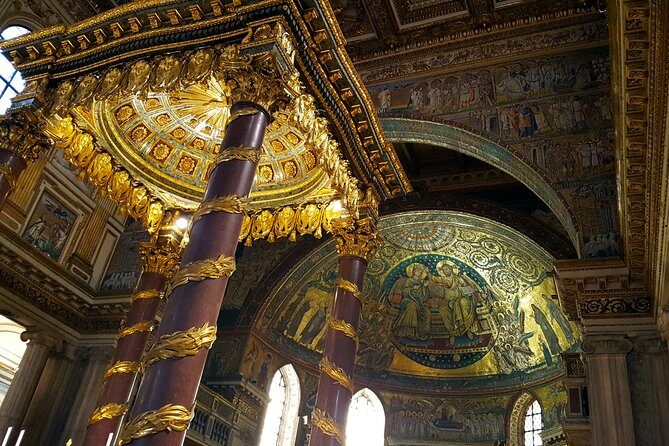
At Basilica of San Clemente, you’re still in the short-visit rhythm (about 20 minutes), but the feeling shifts. This church is described as one of the oldest in the city, and it’s known for an impressive apse.
Older churches in Rome often come with layers—different eras built around, against, or on top of each other. You don’t need an architectural textbook to appreciate it if your guide explains the big picture. This stop helps you understand how Rome’s sacred spaces were reshaped over time instead of being frozen in place.
The apse is the kind of feature you can miss if you’re looking only at the main altar area. With a little guidance, you’re more likely to notice structure, composition, and why certain placements matter to liturgy and symbolism.
Like the earlier stops, admission is free. So the value is in the interpretation. You’re paying for a guide’s ability to point you toward the “why,” not just the “what.”
Stop 5: Ss. Quattro Coronati and a Fresco with Legendary Energy
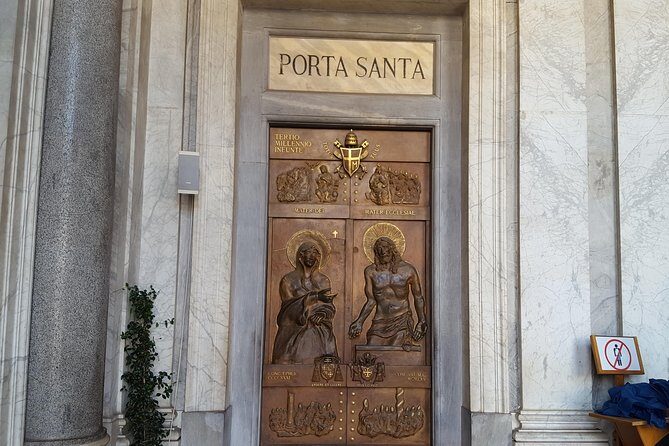
Ss. Quattro Coronati is another 20-minute stop, and it’s memorable for one main reason: it contains a fresco depicting legends of Saint Silvester.
A fresco can feel like a background detail, especially in busy interiors. This stop works because the guide helps you slow down and make sense of what you’re looking at. Instead of seeing paint on a wall, you connect the scene to devotion and legend—what people believed, what they wanted to remember, and how imagery reinforced faith.
It’s the kind of church stop that makes the tour worth it even if you’ve seen a few major basilicas before. This is exactly the segment that helps you get off the tourist track.
If you’re the type who enjoys “small enough to actually read,” this stop is a good match.
Stop 6: San Giovanni in Laterano for Peter and Paul’s Major Catholic Significance
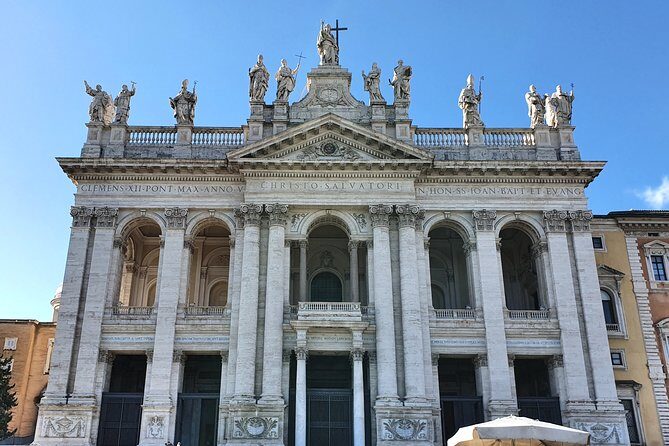
Now you reach Arcibasilica di San Giovanni in Laterano, the most important church for Catholics on this route. The highlights include relics tied to Saint Peter and Saint Paulus, plus the feeling that you’re at the heart of the Catholic world rather than on the edges.
This stop is planned for about 40 minutes, which is longer than most of the other entries. That extra time matters because the Lateran complex is significant, and you’ll want breathing room to notice the art and devotional context rather than just “glance and go.”
Admission is free, and the guide’s role is to make the significance land. Instead of treating the church as an architectural monument, you connect it to how Rome’s spiritual identity shaped its civic identity too.
Stop 7: Scala Sancta (Holy Stairs) and How Devotion Changes the Visit
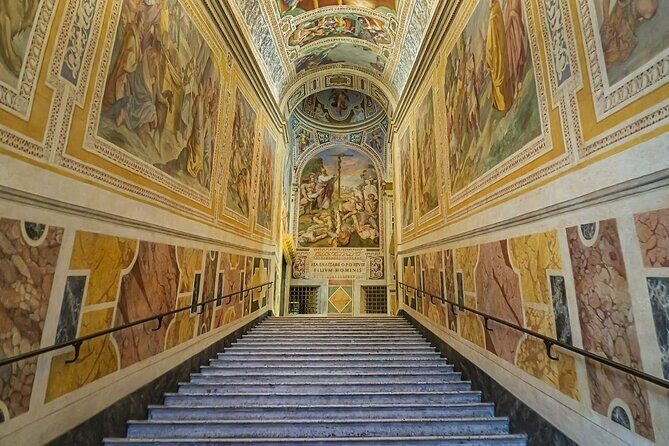
The final stop is the Pontifical Sanctuary of the Holy Stairs (Scala Sancta), scheduled for about 20 minutes. This site is known for impressive frescoes and the stairs associated with the palace of Pontius Pilatus.
Here’s the practical reality: climbing the Holy Stairs is a personal devotion, and handling can vary based on the number of people and the rules on site. What you can count on is that you’ll be given a detailed explanation outside the building, and then you’ll be able to enter at your own pace after the group is handled.
Also, during jubilee periods, waiting lines can increase and the itinerary might be adjusted. You can’t assume Holy Door passage will be guaranteed in those moments, so keep expectations flexible and focus on the places you do get to enter.
If you’re sensitive to crowds or very hot weather, this is the stop where your comfort planning pays off most. Bring water, take your time, and don’t feel bad if you go slower than you thought you would. The point of the day is to experience, not sprint.
Walking Pace, Steps, and the Small-Group Comfort Trade-Off
You should go into this tour knowing what kind of fitness it asks for. You’ll walk about 2–3 miles with a slight incline, irregular cobblestones, and stairs. Reviews also mention that it can feel fast-paced, with limited opportunities to sit.
There’s also a dress and movement expectation inside churches. When you’re in sacred spaces, you may be asked to move respectfully and keep the flow going. That makes good shoes and a steady pace a real quality-of-life upgrade.
On the plus side, the small group helps the guide adapt. Roberto can adjust pacing based on the group’s rhythm, and you’re not squeezed into a larger herd that forces you to match someone else’s speed.
Restroom access is more limited than on a casual walking day. Facilities are only available at the start and end of this itinerary. If you need a break during the tour, the guide can pause at a local bar, but it’s not built into the route as a guaranteed mid-tour stop.
If you need frequent breaks, or you’re not comfortable with steps, this tour might be a tough fit. For many people, the trade-off is worth it because the stops are tightly connected and the churches are often close to each other.
How $83.48 Works Out: Value for a Focused Route Through Seven Sacred Stops
At $83.48 per person, this isn’t a bargain tour. But it also isn’t priced like a single-site entry fee. You’re paying for a guide to connect art, relics, architecture, and Catholic symbolism across multiple churches in a short timeframe.
What makes it good value is the combination of:
- multiple free-entry sites clustered into one walk
- small group size (max 5), which reduces time lost to crowd management
- a guide like Roberto who explains what you’re seeing, not just where you’re going
This is the kind of tour that can save you time and guesswork. Trying to build a route through these churches on your own is doable, but it’s hard to turn into a coherent story without research. Here, the coherence is the product.
If you’re a first-timer in Rome, you’ll likely feel like you’re getting religion and art together instead of doing one and hoping the other shows up. If you’ve been before, you still get value because the route leans into lesser-seen churches, and the guide often points out details you’d miss if you were just scanning headlines.
Who This Tour Suits Best (And Who Should Pick Something Else)
This tour is a strong match if you:
- love church art, especially mosaics, frescoes, chapels, and famous sculptures
- want a less crowded Rome day with time to ask questions
- prefer a guided narrative over wandering with maps
- are curious about Catholic history through the physical places where it’s remembered
It’s also a good option if you like pilgrimage-style experiences, because the Holy Doors and Scala Sancta theme gives the day emotional weight. Some people leave feeling genuinely moved, not just informed.
You might skip it if you:
- can’t handle stairs and uneven stone
- need frequent restroom breaks
- want a relaxed, sit-down style tour with long pauses
The route is designed for walking and respectful movement. It’s not a casual stroll, even if most distances between churches are manageable on foot.
Should You Book This Holy Doors Walking Tour?
I think you should book this tour if you want a small-group, story-driven way to see Rome’s Catholic sites in a single half-day. The best reason is the guide: Roberto’s approach turns each basilica into a meaningful stop by explaining symbolism you would otherwise miss. Pair that with a route that hits up to seven sites, and you get a day that feels efficient without feeling empty.
Be sure you’re ready for walking and stair time, and dress appropriately before you go. If you’re visiting during jubilee, stay flexible about Holy Door access and accept that crowds can reshape the day.
If that sounds like your kind of Rome, this is a smart use of a morning.
FAQ
How long is the Rome Holy Doors small group walking tour?
The tour runs about 3 to 4 hours (approximately).
What’s the group size?
The tour is a small group with a maximum of 5 travelers.
Which churches and sites are included?
You’ll visit up to seven stops: Basilica di Santa Maria Maggiore, Basilica di Santa Prassede, San Pietro in Vincoli, Basilica of San Clemente, Ss. Quattro Coronati, Arcibasilica di San Giovanni in Laterano, and the Pontifical Sanctuary of the Holy Stairs.
Is admission included for the churches?
Admission is listed as free for the stops on this tour.
What time and where does the tour start and end?
It starts at 9:00 am at Statua di San Giovanni Paolo II in the Esquilino area, and it ends at Basilica di San Giovanni in Laterano near Piazza San Giovanni in Laterano.
What clothing is required to enter the churches?
To enter the churches, shoulders, back, and knees must be covered.
Can the Holy Doors or final stop change during jubilee?
Yes. During jubilee, the itinerary might be adapted due to special events and increased waiting times, and passage through the Holy Doors can’t be guaranteed.