REVIEW · MUSEUMS
Rome: Doria Pamphilj Gallery Entry Ticket with App Audioguide
Book on Viator →Operated by TOURISTATION · Bookable on Viator
Want a Rome art stop with fewer crowds?
The Doria Pamphilj Gallery is one of those unforgettable places that feels like you stepped into a family home with serious taste. You get secure, timed admission and a digital wayfinding + audio layer, so you can slow down, pause, and actually look at the art instead of racing through it with a group.
What I like most is the format: self-guided wandering with room-by-room audio so you’re in control of the pace. I also love the practical details that keep it comfortable for a longer visit, like plenty of seating so you can stop and listen without standing the whole time. One consideration: this is not a live guided tour, so if you want ongoing Q and A, you’ll need to be comfortable with independent exploring.
In This Review
- Key things you’ll notice right away
- Why the Doria Pamphilj Gallery feels different from big-name Rome
- Getting in at Via del Corso 305: timed, straightforward, and close to transit
- Using the Rome City App Audioguide without frustration
- What you should hunt for inside the gallery (plan your time around it)
- The highlights worth giving extra time
- The collection’s variety
- Seating and pacing
- How long the visit really takes (and when to go for comfort)
- Price and value: what you’re paying for (and what you’re not)
- Who this ticket is best for (and who might skip it)
- Should you book this Doria Pamphilj Gallery ticket with app audioguide?
- FAQ
- How long is the Doria Pamphilj Gallery visit?
- What is included with the ticket?
- Is a guided tour included?
- Where do I go to enter?
- Do I need headphones?
- Can I visit at my own pace?
- Are food and drinks included?
- Is the gallery near public transportation?
- Is there air conditioning?
- Can I cancel for a refund?
Key things you’ll notice right away

- Timed entry helps you avoid the worst of the wait and gives you a smoother start.
- App audioguide + digital map keeps you oriented without needing a group leader.
- Private-family collection vibe: the rooms feel curated by people, not just by a museum plan.
- Chairs for breaks make the long looking part easier than you’d expect in Rome.
- Major highlights include Portrait of Innocenzo X and Caravaggio works, plus lots of both famous and less-familiar names.
Why the Doria Pamphilj Gallery feels different from big-name Rome
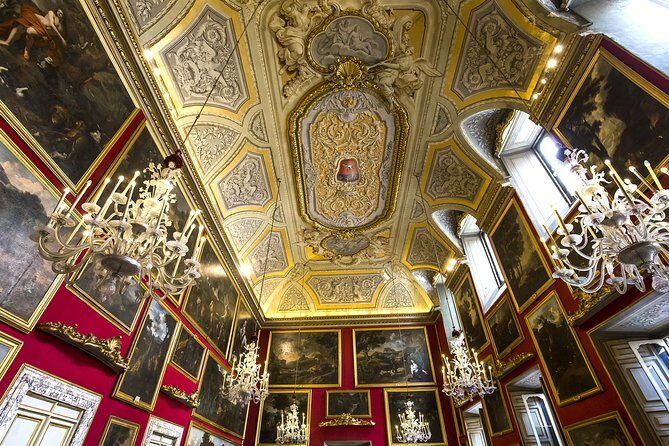
Rome’s top museums can be loud, crowded, and a bit impersonal. This one is quieter in tone. The gallery is tied to the Doria Pamphilj family and arranged like a sequence of rooms you’d expect inside a historic collection, not just a box where art gets wheeled out for viewing.
I love that shift because it changes how you experience the paintings, sculpture, and decorative details. When you slow down, you start noticing what connections the family kept over centuries: commissions, collecting tastes, and the way certain artworks were meant to speak to one another across rooms. One of the standout themes you’ll pick up fast is the range of artists, including names you’ll recognize and others you may not know yet. That mix is often what makes the visit feel more personal than you expect.
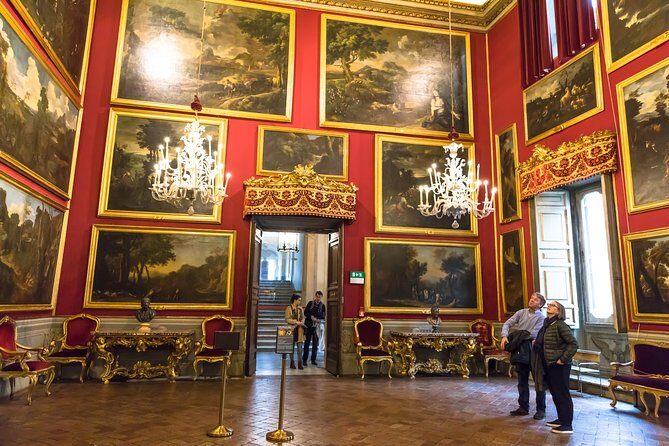
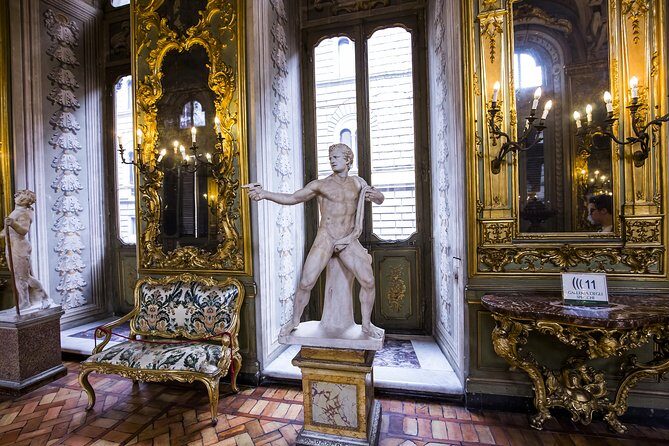
Even the physical environment supports this. Expect formal rooms with dramatic walls and strong visual continuity, so it feels like you’re moving through a carefully arranged home-gallery hybrid. And if you need a breather, plan on finding places to sit. That detail matters more than it sounds when you’re spending time focusing on technique and storytelling in the artworks.
You can also read our reviews of more tours and experiences in Rome



Getting in at Via del Corso 305: timed, straightforward, and close to transit
The ticket is mobile, and the visit is designed around reserved entrance at your chosen time. Your main practical task is simple: report directly at the ticket office inside the Doria Pamphilj Gallery, Via del Corso 305.
Location-wise, the gallery sits in a central area that’s workable with public transportation. That’s a win in Rome, where walking can either be a joy or a sweat session depending on the day. I also like that this is near the action on Via del Corso, meaning you’re not tacking on an awkward far-out detour just to see one museum.
Timed entry is about more than convenience. It changes your whole experience. When you arrive at your slot, you have a calmer start, and you’re less likely to be stuck waiting at a doorway while a line forms around you. If your goal is to actually see paintings (not just get through rooms), arriving at the start of your time window helps.
One small caution based on real-world snags: double-check the time shown on your voucher before you head over. If the time is wrong, it can turn into a painful day of back-and-forth, especially if you landed that morning and planned your schedule tightly.
Using the Rome City App Audioguide without frustration
The ticket includes Rome City App Audioguide, meaning your learning is built around audio prompts for what you’re seeing. This is perfect if you like to control the pace: you can spend extra time at one room, then speed up when you want to move on.
Here’s the practical part. The experience is audio-based, so plan for how you’ll listen:
- Some visitors report that headphones are not provided, so bring your own if you can.
- People also mention different audio-device setups (some use a device you hold near your ear, and not everything is Bluetooth). The safest move is to bring standard headphones that work well with whatever option you’re given.
The app style tends to work well because it connects artworks to room context. You’re not just getting facts in a vacuum. You get the why: how a room is arranged, how works relate to one another, and what the family connection means. That’s the difference between reading a label and actually understanding what you’re looking at.
You’ll also find that the audio approach helps you avoid the classic Rome problem: running out of attention before you finish the museum. If you can start and stop, you can listen when you’re ready instead of when a group is ready. That makes it easier to enjoy both the famous works and the quieter ones that might otherwise get skipped.
What you should hunt for inside the gallery (plan your time around it)
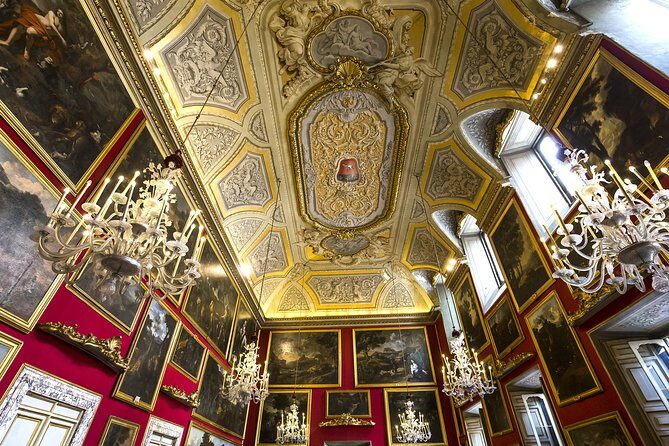
This visit can easily feel like more than an hour if you’re paying close attention, but the audio format keeps it manageable. You’re looking at a collection where paintings, sculpture, and interior details all compete for your focus, so it helps to pick a few targets and then wander around them.
The highlights worth giving extra time
From what visitors consistently call out, focus your energy on a few named treasures:
- Portrait of Innocenzo X
This is often mentioned as a must-see. Portraits like this reward slow looking: clothing, expression, and the whole performance of authority. Spend time here and don’t rush.
- Caravaggio paintings
Caravaggio tends to hit hardest in person because of lighting, drama, and the way the figures feel staged. If you’re a fan, this is your moment.
- Throne Room
The room itself is part of the story, not just a container for art. If your audio guide talks about it, follow along and look at how the room directs your attention.
You can also read our reviews of more museum experiences in Rome





The collection’s variety
One reason people love this place is the mix of familiar and lesser-known names. If you only want celebrity artists, you might still find surprises. If you like discovering artists you’ve never heard of, this collection style is a good match. Either way, you’ll get more enjoyment by thinking of the visit as a guided tour by sound through a lived-in environment, not as a checklist of masterpieces.
Seating and pacing
A recurring practical point: there are chairs to sit and rest. In Rome, that’s not a given. If you’re the type who wants to pause, replay the audio, and actually absorb details, you’ll appreciate this. Plan for the fact that some rooms may feel warm depending on the season.
How long the visit really takes (and when to go for comfort)

The ticket is listed for about 1 hour 10 minutes, and that’s a solid planning number. But your actual time depends on how you listen. With audio, you’ll slow down at works that pull you in.
If you want the full benefit without rushing, I’d treat 1 hour 10 minutes as the minimum for art-focused viewing. If you like taking photos, re-reading audio after you step back, or lingering in key rooms like the ones named above, you may want a time window that lets you keep going.
Timing matters for comfort too. One warning that shows up in real-life experiences: there’s no air conditioning. That means summer can feel tougher. If you’re visiting during hot months, aim for earlier hours when temperatures are lower.
Crowds can also change the feel of the gallery. People describe it as peaceful compared to some of Rome’s big hitters, but you’ll still get a calmer experience earlier in the day. If your schedule is flexible, go early, listen with fewer interruptions, and give your attention to the art instead of moving around people.
Price and value: what you’re paying for (and what you’re not)

At $35 per person, this ticket is basically paying for two things:
- Reserved admission to the Doria Pamphilj Gallery
- The included Rome City App Audioguide
That second item is the part that can justify the price for independent visitors. If you’re the kind of person who wants context for each room and artwork, the audio layer turns a simple entry ticket into a fuller experience.
What’s not included is also important:
- No food or drinks
- No airport transfers
- No guided tour
- No mention of access to private rooms beyond what’s open as part of the gallery visit
So this is best for you if you want a museum experience that’s self-guided, not escorted. If you prefer a full-on guide standing beside you, you’ll feel the absence of that human interaction.
There’s also a “check your math” lesson. Some visitors point out that pricing can look confusing compared with the base museum ticket. If you want the lowest possible cost, you can always compare the gallery’s direct pricing. But if you value audio and want a smoother, reserved-entry plan, this package can be a reasonable trade.
Who this ticket is best for (and who might skip it)

This works especially well for:
- People who like self-guided learning and can focus with audio
- Visitors who want timed entry without paying for a full guided tour
- Art lovers who care about specific works, like Portrait of Innocenzo X and Caravaggio pieces
- Anyone who appreciates practical comforts like seating during longer viewing
I’d consider skipping or re-thinking if:
- You strongly prefer a live guide with Q and A
- You’re going in peak heat and you can’t deal with a place that doesn’t offer air conditioning
If you’re in the middle, the audio format is usually the deciding factor. You’ll either enjoy the independence, or you’ll want a person to guide the story in real time.
Should you book this Doria Pamphilj Gallery ticket with app audioguide?
I’d book it if you want a smoother, timed visit to a private-feeling collection and you’re happy learning by audio at your own pace. The combination of reserved entry and the Rome City App Audioguide is the value engine here, especially if you plan to spend time with the standout works like Innocenzo X and the Caravaggio highlights.
I’d hesitate only if you require a live guide, or if you’re traveling during a hot spell and you know you struggle in indoor spaces without air conditioning. If that’s you, consider going early in the day and bring comfortable listening gear.
FAQ
How long is the Doria Pamphilj Gallery visit?
It’s listed at about 1 hour 10 minutes (approx.).
What is included with the ticket?
You get a reserved entrance ticket and the Rome City App Audioguide.
Is a guided tour included?
No. This option is self-guided with audio.
Where do I go to enter?
Report directly at the ticket office inside the Doria Pamphilj Gallery at Via del Corso 305.
Do I need headphones?
The tour includes an app audioguide, and some visitors report that headphones are not provided, so bringing your own is smart.
Can I visit at my own pace?
Yes. The experience is designed for browsing the collection without the rush of a group visit, using the audio for guidance.
Are food and drinks included?
No, food and drinks are not included.
Is the gallery near public transportation?
Yes, it’s described as being near public transportation.
Is there air conditioning?
One review notes there is no air conditioning, so planning around heat is a good idea.
Can I cancel for a refund?
Yes. You can cancel for a full refund up to 24 hours in advance of the experience start time.