REVIEW · POMPEI CAMPANIA
Pompeii Guided Tour with Archeologist
Book on GetYourGuide →Operated by Around Amalfi Coast · Bookable on GetYourGuide
Pompeii reads like a real disaster movie. This guided visit is built around a Pompeii archaeologist explaining what happened on the final day—plus skip-the-line entry so you spend more time walking the streets and less time waiting. You also get the kind of close-looking experience many self-guided visits never manage, especially with preserved artwork.
I especially like the way the guide turns the ruins into daily life you can picture: homes, street corners, and the everyday details that make the eruption feel personal, not just tragic. You’ll also notice the small group limit (8 people), and guides like Lello and Clelia have been praised for great English and keeping the group moving well. One possible drawback: this is not suitable for people with mobility impairments, and the site involves walking on uneven ground—so comfort and shoe choice matter.
In This Review
- Key highlights worth caring about
- Piazza Esedra start and the skip-the-line payoff
- Your archaeologist guide and how the story stays clear
- Walking Pompeii’s streets: daily life before the eruption
- Frescoes, mosaics, and artwork you’ll want to slow down for
- Vesuvius views: putting the tragedy in real geography
- How long you’ll actually spend there: 4 hours versus a real-world pace
- Price, group size, and when this is good value
- Practical comfort tips so the day stays enjoyable
- Who should book this Pompeii archaeologist tour
- Should you book it?
- FAQ
- How long is the Pompeii guided tour with an archaeologist?
- Where do I meet the guide in Piazza Esedra?
- Are Pompeii entry tickets included in the price?
- What languages are the tours offered in?
- What’s the group size?
- Does the tour run in bad weather?
Key highlights worth caring about
- Skip-the-line entry that gets you into Pompeii without the long queue hassle
- Archaeologist-led narration in English or Italian that focuses on the last day of the city
- Preserved frescoes, artwork, and mosaics that you can actually take time with
- Mount Vesuvius viewpoints that help you place the eruption in real geography
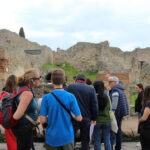
- Small group size (up to 8 people) for a calmer pace and easier questions
- Rain-or-shine touring, so you should pack for changing weather
Piazza Esedra start and the skip-the-line payoff
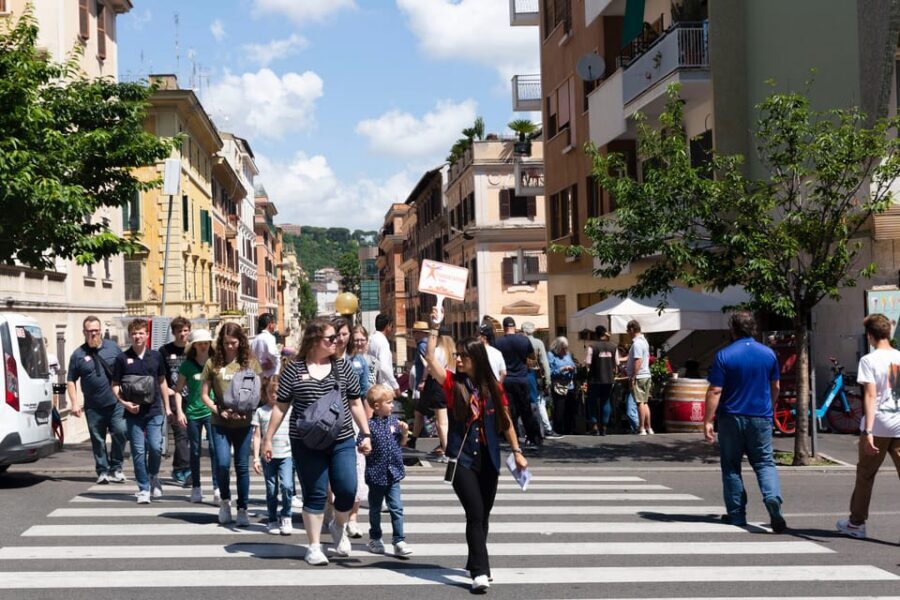
Your day begins at Piazza Esedra, with the guide meeting you just outside the Coffe shop Vittoria. It’s a simple start, and it matters because Pompeii’s crowds can be brutal. The main win here is fast-track access: you use skip-the-line tickets to get into the site faster, which is usually the difference between a good morning and a frustrating one.
Also, plan around the fact that this tour is not just “meet and wander.” You’re stepping into a huge archaeological site with an expert who keeps you pointed in the right direction. That’s how you avoid the classic problem—standing in front of something important and not knowing what you’re looking at. The guide helps you build the story as you go.
One more logistics detail to keep in mind: entry tickets are not included. You’ll pay 18€ for the site entry on top of the tour price. It’s an extra cost, but it’s also a reminder to budget honestly so you don’t get surprised right at the gate.
You can also read our reviews of more guided tours in Pompei Campania

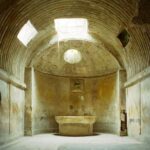
Your archaeologist guide and how the story stays clear
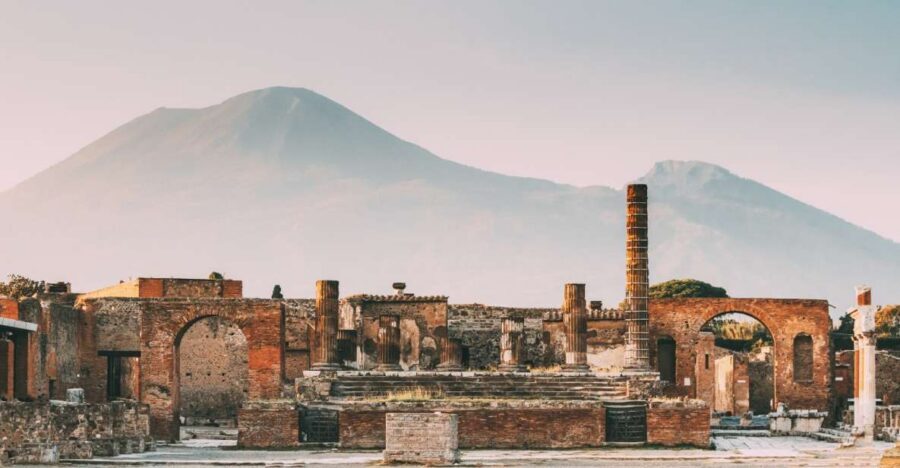
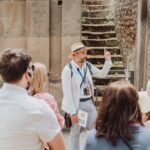
This is an archaeologist-led experience, and that’s the big difference from a standard commentary tour. You’re not just hearing facts like dates and names. You’re getting interpretation—what the spaces were for, how people likely lived, and what the eruption changed almost instantly in 79 AD.
In practice, that storytelling quality shows up in pacing and clarity. In multiple guide experiences, people highlighted strong English, professionalism, and the kind of teaching that answers real questions without rushing. Names like Lello and Clelia come up again and again, which is a good sign because it suggests the guide selection is consistent and not random.
You should also expect the tour to be built around the tragedy and burial—yes, it’s heavy. But it’s also one of the best ways to understand Pompeii. Instead of treating the ruins like a postcard, you’ll see them like an active site with evidence: spaces frozen in time, textures and details preserved long enough for us to read them today.
And because your guide is there with you from the start at Piazza Esedra and back again at the end, the day feels structured. You’re not chasing information or trying to reorient yourself when you lose the thread.
Walking Pompeii’s streets: daily life before the eruption
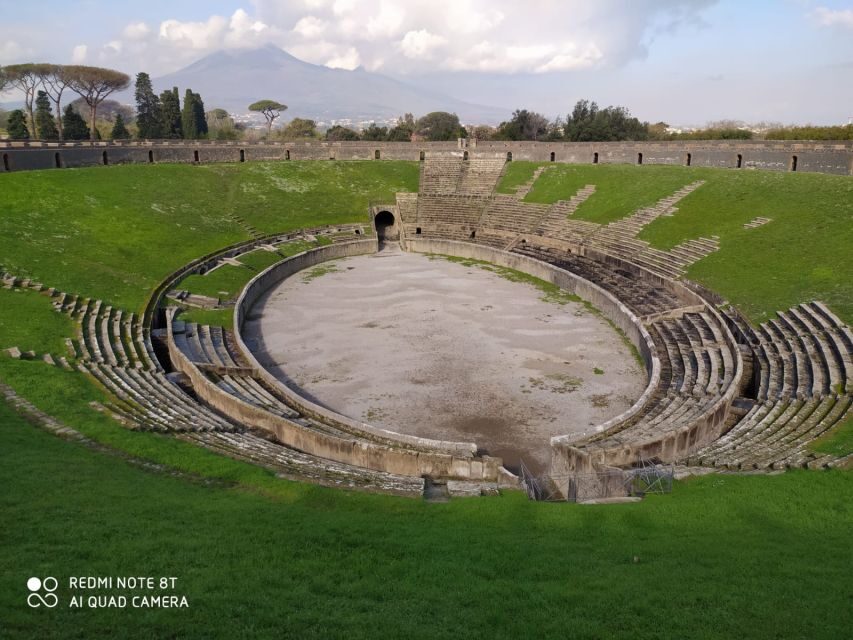
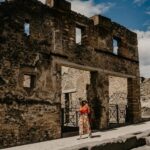
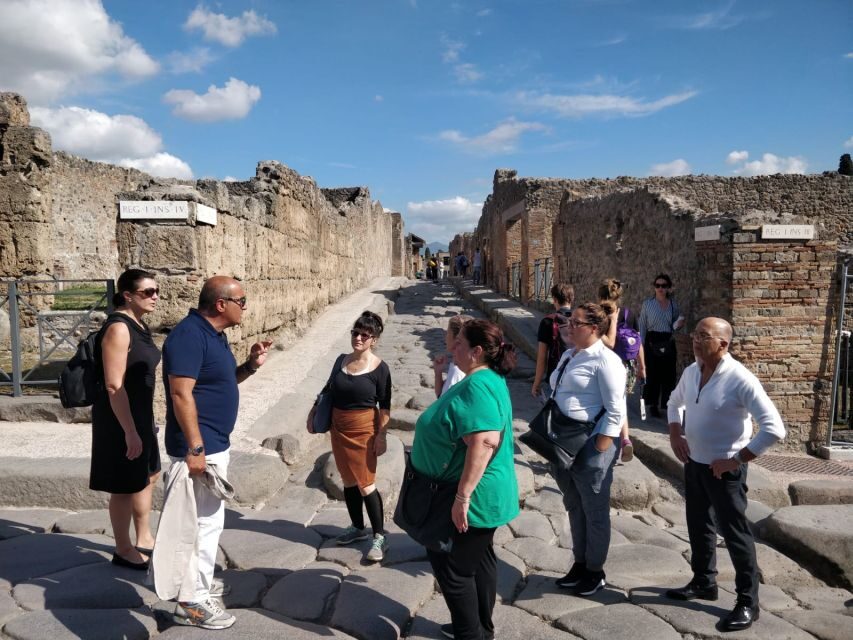
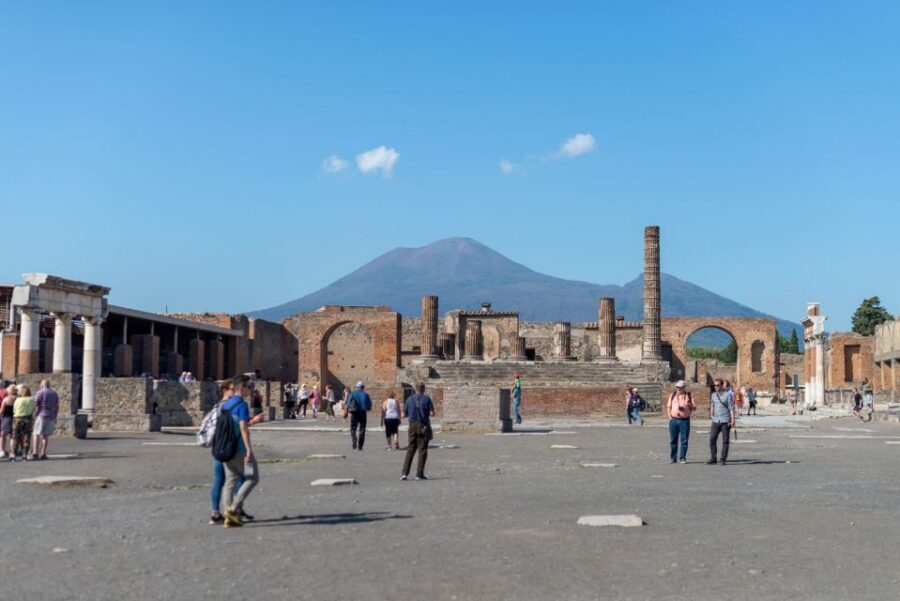
Once you enter, you’ll move through Pompeii’s winding streets with your guide. The tour isn’t about ticking off landmarks. It’s about understanding what the city was like when it was functioning normally—shops, homes, and the everyday rhythms people would have considered totally normal.
This is where a guided approach pays off. Pompeii can be visually stunning, but it’s also easy to get lost in the scale. A good guide helps you connect the dots so the ruins don’t feel like random rooms and stone walls. Instead, they start to feel like a layout made for living: circulation spaces, how people likely moved, and what certain structures suggest about daily habits.
The narration centers on the eruption’s impact, which means you’ll be watching the city’s layout through a specific lens. You’ll learn how the disaster unfolded and why the evidence is the way it is—how burial preserved things we can still see. That changes your whole experience. You stop asking, What is this? and start asking, Why is it here, and what does it tell us?
Also, if you’re thinking of bringing kids, the longer guided pacing can work well when the guide adjusts to attention span. One reason is that Pompeii is naturally visual. If the guide is good at pointing out the small details, you’re less likely to feel like you’re stuck in a lecture.
Frescoes, mosaics, and artwork you’ll want to slow down for
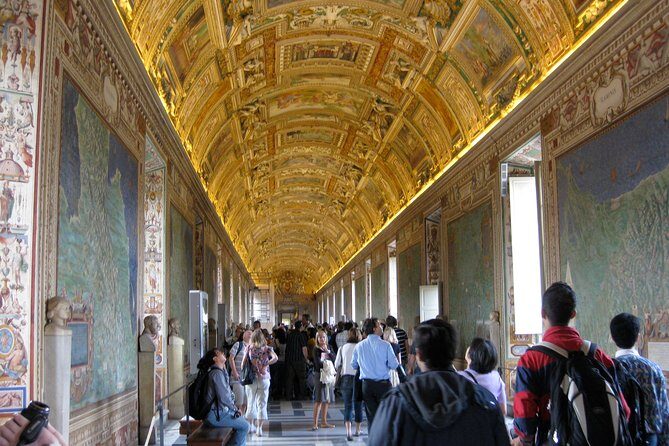
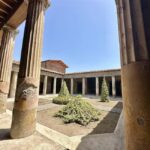
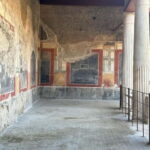
One of the best parts of this kind of tour is the focus on preserved decorations—frescoes, artwork, and mosaics. On your own, you can absolutely miss what’s special, because you’d only glance at the surfaces without knowing what you’re seeing. With a guide, you’re given permission to slow down and look closely.
Expect the tour to include moments where the ruins feel almost intimate. A preserved painting fragment can do that. A mosaic pattern can help you visualize what these spaces were for. Even if the images aren’t fully intact, your guide can explain what’s visible and why it matters.
This is also where the skip-the-line benefit starts to matter again. If you lose an hour at the gate, you might rush the best-looking areas because time tightens. Here, you’re more likely to have a steadier rhythm: enter, orient, look, and absorb without constantly checking your watch.
If you love art, architecture, or classical settings, this is one of the most valuable uses of your day. Not because you’ll see everything (you can’t), but because you’ll see the right things in a way that actually clicks.
Vesuvius views: putting the tragedy in real geography
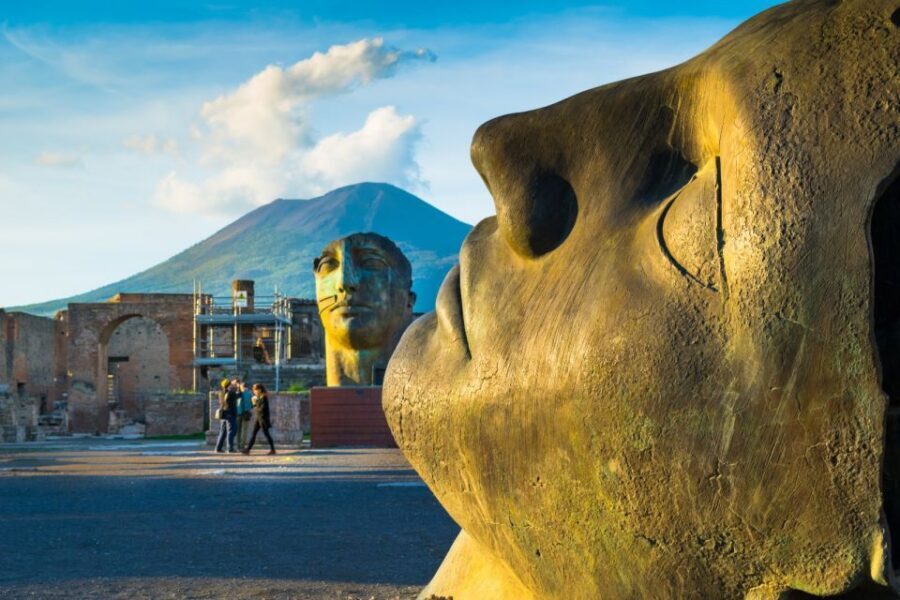
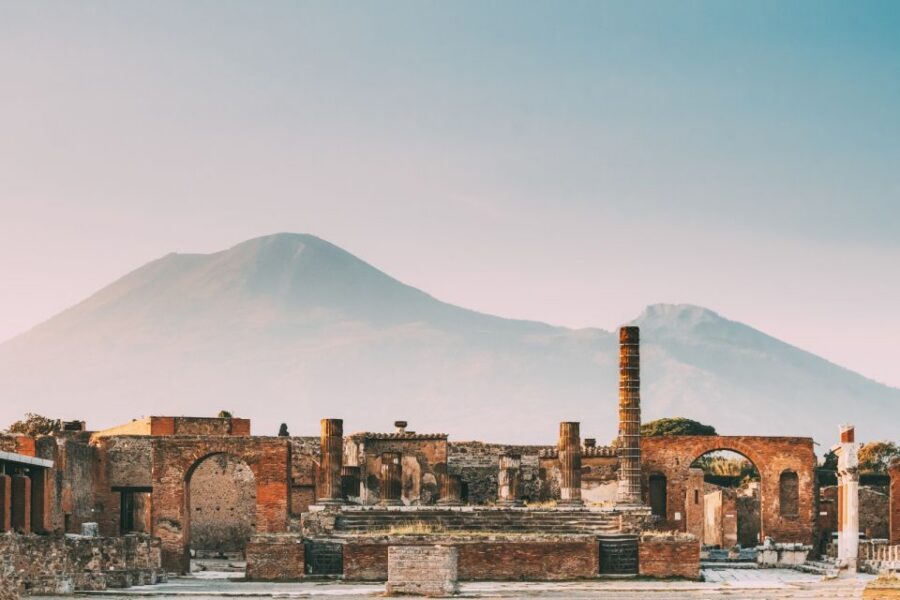
The tour ends by taking in incredible views of Mount Vesuvius. That might sound like a generic photo stop, but here it’s genuinely useful. Seeing Vesuvius from the right angle helps you connect the ruins to the physical reality of the eruption. Without that connection, Pompeii can feel like it floats in space, disconnected from the natural forces behind the catastrophe.
Your guide’s narration ties this geography back to what you’ve been seeing inside the city. That makes the eruption feel less abstract. It stops being a headline from a textbook and becomes a sequence tied to the landscape around you.
Practically, it’s also a nice way to end. After hours of moving through ancient streets and preserved rooms, a view gives your eyes a break and helps your brain reset. You finish the tour feeling like you now understand how the city sits in its volcanic setting, not just how it looks.



How long you’ll actually spend there: 4 hours versus a real-world pace
The tour duration is listed as 4 hours, and that’s what you’re planning around. But it’s smart to keep your schedule flexible because Pompeii’s pace can stretch based on how long you linger at the best areas and how questions flow.
Some experiences can run closer to around 5 hours, especially if your guide keeps finding moments worth stopping for. That can be a positive thing if you want to do more than hurry. If you have a strict next appointment, double-check timing and starting times, and build buffer.
Also, remember that Pompeii is not designed for fast walking comfort. Uneven ground, stairs, and open areas under sun all add time. Comfortable shoes are not optional—they’re the difference between enjoying the tour and counting down.
If you tend to like a slower museum pace, you’ll appreciate the added time. If you’re the type who gets impatient in long guided format, you might want to set expectations: you’re buying depth, not speed.
Price, group size, and when this is good value
At $328.53 per group (up to 4), pricing can look high if you assume it’s per person. But the group model changes the math. If you’re traveling with 2–4 people, you spread the cost across a small group capped at 8 participants overall, which is a better fit than big-bus tours.
You should also factor in the additional site entry ticket cost: 18€ entry is not included. So your real cost is the tour price for your group plus the entry fee per person. When you price it that way, the “worth it” question becomes less about the sticker and more about whether you value a guide who can translate what you’re seeing.
What makes it feel like good value is the archaeologist angle and the attention to preserved details. If you’re the kind of traveler who wants to leave with real understanding, this tends to be one of those experiences where the guide is the product—not just a human with a microphone.
On the other hand, if you only want broad highlights and you’re happy reading signage at your own pace, you may feel the cost more strongly. This tour is best when you want someone to connect the ruins into a coherent story.
Practical comfort tips so the day stays enjoyable
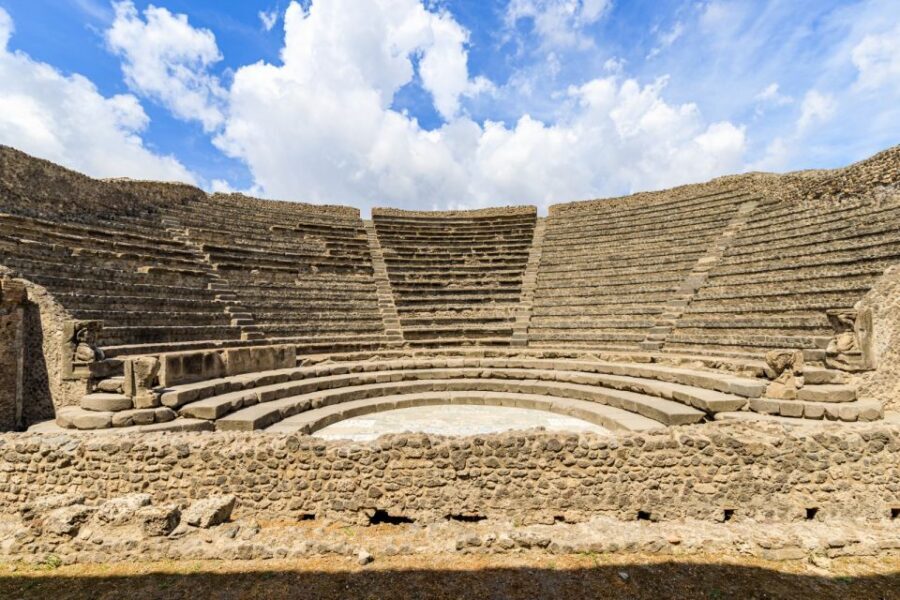
Pompeii is a walking day. The basics here are straightforward: bring comfortable shoes, comfortable clothes, and a camera. Also expect the tour to run rain or shine, so if there’s any chance of wet weather, plan for it.
There are restrictions on luggage: oversize luggage and large bags aren’t allowed. Alcohol and drugs are also not allowed. If you’re traveling with backpacks, keep them light and easy to manage.
One more practical angle: since the group is small (up to 8), you won’t feel like you’re herded in a crowd, but you still need to keep up. The site is not flat, and the surfaces can be slippery when wet. Go slow where you have to; it’s better than rushing and missing the point.
If heat is an issue, you might find the guide works in breaks and shade. In past experiences with excellent guides, people appreciated frequent pauses and sensible pacing, even during hot conditions. You can’t assume that every day will be perfect, but it’s a strong sign that guide quality includes day-to-day management.
Who should book this Pompeii archaeologist tour

This tour fits best if you want a guided explanation that’s clear, story-driven, and tied to real artifacts you can see—especially frescoes, mosaics, and art details. It also works well for couples and small groups because the pricing is per group up to 4, and the meeting point is straightforward.
You might skip it if you:
- Need step-free access or are concerned about mobility limits (it’s stated as not suitable for people with mobility impairments)
- Want a purely self-paced walk with no structure
- Are extremely short on time and can’t comfortably fit a multi-hour site visit
If you’re visiting Campania for the first time and Pompeii is your big anchor, this is a strong choice because it gives you context fast. You’ll spend less time guessing and more time understanding.
Also, language is covered. Tours run in English or Italian, so you can match your comfort level. That matters more than people think, because the best parts of the narration depend on how easily you can follow the guide’s explanations.
Should you book it?
Book it if you want an archaeologist guide, skip-the-line entry, and a tour that explains what you’re looking at, not just where to stand for a photo. The small group size and high guide quality (with standout experiences featuring Lello and Clelia) are the kind of details that usually matter on a big site like Pompeii.
Skip it if you only want a quick overview, you don’t care much about interpretation of preserved decorations, or you’re worried about walking. And if your budget is tight, remember that the 18€ entry ticket is extra.
If Pompeii is a must-do for you, this is the version that tends to leave you feeling like you truly understood what you saw.
FAQ
How long is the Pompeii guided tour with an archaeologist?
The tour duration is 4 hours. Starting times depend on availability.
Where do I meet the guide in Piazza Esedra?
You meet your guide just outside the Coffe shop Vittoria in Piazza Esedra. The tour ends back at the same meeting point.
Are Pompeii entry tickets included in the price?
No. Entry tickets are not included and cost 18€.
What languages are the tours offered in?
The live tour guide speaks English and Italian.
What’s the group size?
This is a small group limited to 8 participants.
Does the tour run in bad weather?
Yes. The tour takes place rain or shine. Comfortable clothes and appropriate footwear are important.