REVIEW · POMPEI CAMPANIA
Pompei tickets and Audioguide in the office
Book on GetYourGuide →Operated by QUO VADIS TOUR · Bookable on GetYourGuide
Pompeii is loud in your head. One ticket gets you into the ruins without the long line, then the audioguide and map help you make sense of what you’re seeing. It’s a self-guided format, so you can slow down where you want and speed up when you don’t.
I like two parts a lot: the skip-the-line entry, which matters at a site this popular, and the audioguide in your language, paired with a map so you’re not wandering blind. With Pompeii, that combination turns random stone piles into a real city you can follow.
One thing to consider is the setup at the start. You must exchange your voucher at the QUO VADIS TOUR office before entry, and if you lose time finding it or miss the audioguide moment, the experience can feel harder than it should be.
In This Review
- Key takeaways before you go
- Pompeii entry that actually respects your time
- The QUO VADIS TOUR office: your first step, your first checkpoint
- Audioguide and map: how to use them so you don’t waste your visit
- Inside Pompeii’s Forum: the city’s main stage
- Roman homes you can walk into: seeing daily life, not just monuments
- Food stands and business spaces: how everyday economics shaped the city
- Brothels and the reality check: learn the context at your pace
- Planning your 2.5-hour loop: a practical route strategy
- Price and value: is $58 a smart buy?
- Weather, rules, and the small things that affect comfort
- Who this works best for
- Should you book this Pompeii skip-the-line audioguide?
- FAQ
- How long is the Pompeii experience?
- Do I get skip-the-line access?
- Where do I start the experience?
- What do I get with the ticket?
- Is a live guide included?
- What languages are available for the audioguide?
- Do I need to bring anything?
- Does the experience run in bad weather?
- Is it wheelchair accessible?
- Are there any prohibited items?
Key takeaways before you go

- Skip-the-line access helps you start exploring sooner in a crowded place.
- Audioguide + map is the real value here, especially when you want context on buildings.
- Start at the QUO VADIS TOUR office; don’t plan to wing it at the gate.
- You can structure your own 2.5-hour route instead of being locked to a group pace.
- Expect rain or shine and wear shoes that handle uneven ground.
- There have been pickup and audioguide hiccups, so quick checks at the office matter.
Pompeii entry that actually respects your time
This experience is built around one main promise: get you into Pompeii faster, then let you explore in your own time. You’re buying skip-the-line entry plus an audioguide and map, and that’s a practical match for Pompeii’s scale. Two and a half hours isn’t enough to see everything, but it’s enough to see the big story beats if you plan.
The ruins are spread out, and signs can be slow going when you’re standing in the middle of an ancient street. That’s where this format helps. You don’t just arrive and hope you’ll figure it out—you get the tools right away, then you move at your own speed.
Your visit centers on key areas you can realistically cover in a short time: the Forum (the city’s public and commercial hub) and the everyday world around it, including spaces tied to business, food, and even sex work. You’ll also get the chance to walk into an ancient Roman house, which is where Pompeii suddenly feels personal.
You can also read our reviews of more tours and experiences in Pompei Campania



The QUO VADIS TOUR office: your first step, your first checkpoint

The start is simple on paper: you exchange your voucher at the provider’s office before the tour begins. In real life, this is where a lot of the friction can happen if you don’t allow extra time.
One clear lesson from the experience reports: it can be difficult to find the office location right before you want to enter. If you arrive at the wrong moment or too late, your skip-the-line plan can’t save you. So I’d treat this as your main timing risk.
At the office you should plan to do three things:
- Confirm you have the tickets for skip-the-line entry
- Pick up the map
- Get the audioguide setup sorted immediately
That last point matters because there’s been at least one situation where the audio wasn’t ready at the expected entrance moment. If you want a smooth visit, don’t wait for later. Get everything sorted at the start.
Audioguide and map: how to use them so you don’t waste your visit

The included audioguide is available in a long list of languages: French, Dutch, English, Italian, Portuguese, Russian, Spanish, German, and Chinese. The big win is that you’re not relying on your own reading skills to understand what you’re looking at. Pompeii’s buildings and streets can feel repetitive until someone explains what each space was for.
Here’s how to use it smartly:
- Use the map to choose a route first, not after you’re already walking.
- Start the audioguide early so you know what kinds of buildings you’ll run into.
- When you stop, don’t just look around—pause and listen long enough to connect the building’s purpose to its layout.
One useful tip that came up in an experience report: if returning audioguide devices feels like a hassle, staff offered a QR code option for audio instead. That’s a helpful workaround if you don’t want to backtrack just to deal with equipment return. Still, assume you’ll be asked to follow the standard process, and check what you’re given at the office so you can plan your ending.
Also, one report warned that guidance from an app didn’t lead to the right place. That’s not something you can completely control, but you can reduce the chance of problems: stick to the map provided with your setup and ask staff at the office to confirm you’re on the right track before you enter.
Inside Pompeii’s Forum: the city’s main stage
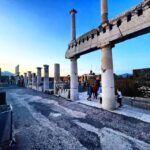
If you only have 2.5 hours, the Forum should be your anchor stop. The Forum was the center of commerce and public life, meaning it’s where you’d expect the city to feel most social and active. Even in ruins, the layout tells you what mattered: space for gathering, movement for trade, and buildings that supported public business.
What I like about putting the Forum near the start: it gives you a reference point. Once you understand how the public core worked, the surrounding areas feel less random. Streets make sense. Specialized buildings make sense. The city stops looking like isolated rooms and starts looking like a system.
Potential drawback: because the Forum is central, it’s also a natural bottleneck for foot traffic. Your best move is pacing. Don’t try to run through it. Let the audioguide explain what you’re standing in front of, then step aside when you need a clearer view.
Roman homes you can walk into: seeing daily life, not just monuments

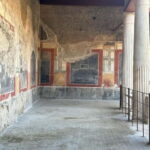
One of the most memorable parts of Pompeii is stepping into an ancient Roman home. This experience includes time for you to go inside an ancient Roman residence, which is where Pompeii turns from history lesson into lived-in reality.
Homes matter because they reveal social habits—where people cooked, how they organized space, where light and air would have gone. Even if you know the basic facts, seeing the layout helps you imagine how a day might have unfolded.
The self-guided format is a plus here. A live guide can be great, but with Pompeii homes, you often want a few extra quiet minutes to look closely. If you’re traveling with kids, this also gives you flexibility: you can speed past parts that don’t hold attention and linger where curiosity hits.




Food stands and business spaces: how everyday economics shaped the city
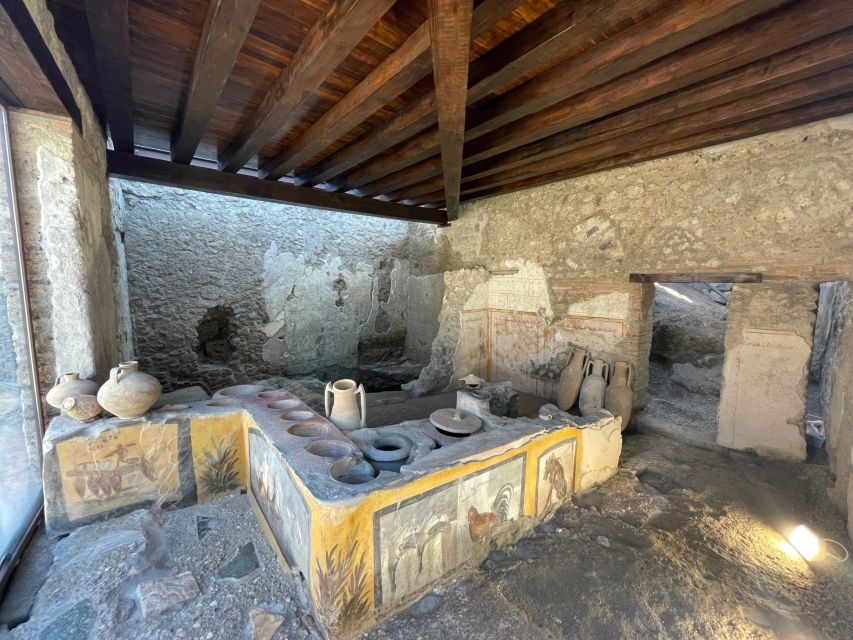
You’ll also pass through areas linked to day-to-day commerce, including food stands and other businesses around the main areas. This is the layer many first-time visitors miss when they focus only on the headline monuments.
Why this matters: Pompeii wasn’t just temples and public buildings. It was jobs, meals, transactions, and regular errands. When the audioguide explains what you’re seeing, those practical spaces start to feel surprisingly relatable. You’re watching a city function, not just staring at what survived.
A small caution: these areas can be emotionally uncomfortable depending on your comfort level, because the included route also references places tied to sexual commerce. If that’s a problem for you, you can always use the audioguide selectively—listen only when you feel ready, and skip when you don’t.
Brothels and the reality check: learn the context at your pace
The experience includes time to stroll around the remains of brothels. Pompeii is famous, but the city also shows the messy sides of everyday life, not just polished public culture.
The benefit of doing this with an audioguide: you’re not guessing what a space meant. You’ll have explanations for the layout and purpose, which can turn awkward mystery into clearer historical context.
The drawback is purely emotional: the topic isn’t for everyone. The upside of self-guided touring is that you control how much time you spend in those areas. You don’t have to force it.
Planning your 2.5-hour loop: a practical route strategy
With a site like Pompeii, the biggest danger isn’t boredom—it’s trying to see too much and remembering nothing. This experience is designed for a shorter visit, so you should plan for a route that hits the story line fast.
A simple strategy:
- Start with the Forum
- Follow the streets toward the nearby commercial spaces like food stands
- Then move into a Roman house segment where you can slow down
- Finish with the areas connected to brothels and other businesses, only as long as you still have energy
Because the tour is self-guided, you can also build in recovery time. There are moments where you’ll want to sit, take photos, and reset your brain. If you try to keep moving every single minute, you’ll miss the point of having context from the audioguide.
And yes, go in with the right footwear mindset. The ruins involve uneven surfaces and a lot of walking. Comfortable shoes aren’t optional.
Price and value: is $58 a smart buy?
At $58 per person for skip-the-line entry plus an audioguide and map, the value depends on what you want from Pompeii. If you’re the type who likes wandering without planning, you might not get full value from the audioguide and map. If you want structure and explanations while you walk, this price can be reasonable.
The skip-the-line part is the easiest value to recognize. Pompeii gets crowded. Saving time at entry can be the difference between a satisfying visit and a rushed scramble.
Where the experience can feel more expensive than it is: if something goes wrong at the office pickup stage. There are reports where the audioguide wasn’t available at the entry point as expected, and in one case, people ended up paying tickets at the entrance and requested a refund. Those are rare-sounding issues in the overall set, but they’re important enough that you should treat pickup as your priority.
My advice: if you’re the kind of traveler who double-checks documents and asks staff for confirmation at the office, you’ll get more value out of this format.
Weather, rules, and the small things that affect comfort
This tour runs rain or shine, so plan accordingly. Pompeii ruins don’t magically become smooth and safe in wet weather. Bring shoes that handle slippery patches and keep your footing calm.
You’re also asked to bring an FFP2 mask. Even if you’re not used to wearing one outdoors, follow the requirement so your entry goes smoothly.
Basic behavior rules are straightforward: no alcohol and drugs, and no fireworks or explosive substances. You’ll also be happy you’re prepared for a lot of walking: the experience is not suitable for wheelchair users, so don’t count on it as an accessible option.
Who this works best for
This format is strongest for people who want freedom but still want structure. It’s a good match if:
- You’re short on time and want the main areas covered well
- You like reading less and listening more
- You’re traveling in a way where a self-paced loop fits better than a fixed group schedule
It’s less ideal if you rely on staff directions you can’t get easily, or if you hate logistics at the start. The office pickup step needs attention, and you’ll feel it if you arrive rushed or unsure of where to go.
Should you book this Pompeii skip-the-line audioguide?
I’d book it if you match the sweet spot: you want skip-the-line entry, you’ll actually use the audioguide, and you’re comfortable doing a short amount of planning with the map. The included languages are also a plus, since you’re not stuck with one option.
I’d pause and be more cautious if you’re someone who hates “start at an office, exchange voucher, confirm equipment” moments. The reported issues around finding the office and getting the audioguide at the right time are the main red flags. The fix is simple: arrive early, check your audio setup immediately, and don’t assume the entrance alone will solve everything.
Right now the experience has a 2.7 rating from 11 reviews, which tells me you should treat it as a solid idea with real-world logistics to manage. If you’re proactive at the start, it can be a smooth, time-saving Pompeii visit.
FAQ
How long is the Pompeii experience?
The duration is 2.5 hours.
Do I get skip-the-line access?
Yes. The experience includes skip-the-line entry.
Where do I start the experience?
You start at the activity provider’s office, where you must exchange your voucher before entering Pompeii.
What do I get with the ticket?
You receive skip-the-line entry, an audioguide, and a map.
Is a live guide included?
No. A live guide is not included.
What languages are available for the audioguide?
The audioguide is available in French, Dutch, English, Italian, Portuguese, Russian, Spanish, German, and Chinese.
Do I need to bring anything?
You should bring comfortable shoes and an FFP2 mask.
Does the experience run in bad weather?
Yes. It takes place rain or shine.
Is it wheelchair accessible?
No. It is not suitable for wheelchair users.
Are there any prohibited items?
Yes. Alcohol and drugs are not allowed, and fireworks or explosive substances are not allowed.