REVIEW · CATACOMBS TOURS
Catacombs and Roman Countryside Half-Day Walking Tour
Book on Viator →Operated by Nicom Tours · Bookable on Viator
Catacombs and countryside in the same morning is a smart move. This half-day trip takes you out past Rome’s city edge along the Appian Way, then under the ground at San Callisto to see how early Christians buried their dead. It mixes big Roman landmarks with real-world strolling, photo breaks, and a guide who keeps the story moving.
I especially like that you get bus transfers built in, so you’re not juggling trains and taxi apps just to reach the countryside. I also love the variety: underground tunnels at the catacombs, a walk on Via Appia Antica, and time looking at the engineering behind Rome’s aqueducts. One thing to consider: this is not a sit-and-watch tour—there’s walking in sun (and steps) plus the catacomb entry dress code.
If you’re okay with a bit of effort, you’ll get a different side of Rome than the usual center-and-statues circuit. Just plan clothes that meet the rules, and keep your schedule flexible in case of traffic delays on the road back.
In This Review
- Key highlights to know before you go
- Why this half-day feels like a real escape from central Rome
- The 9:45 departure, meeting point, and how to avoid stress
- Catacombs of San Callisto: what the underground visit is really about
- The dress code is non-negotiable
- Circus of Maxentius and the countryside bus window: how the scenery break works
- Cecilia Metella’s Mausoleum and the Appian Way walk: where the road becomes a landmark
- What you’ll notice on the Appian Way
- The Roman aqueduct remains: engineering you can still feel
- Comfort, walking time, and what to bring (so the day stays fun)
- Value for $78.44: what you’re paying for, and what you get back
- Which kind of traveler should book this tour
- Should you book this Catacombs and Roman Countryside half-day?
Key highlights to know before you go
- San Callisto catacombs admission is included, so you don’t have to buy a separate ticket
- Small group size (max 25) keeps the pace manageable
- Appian Way history plus an actual walk on Via Appia Antica
- Ancient aqueduct ruins with photo time, focused on engineering, not just sightseeing
- Headsets available on request to help you hear the guide in open areas
- Dress code is strictly enforced: shoulders and knees covered for catacomb entry
Why this half-day feels like a real escape from central Rome
Rome is loud, busy, and crowded in the center. This tour’s main charm is that it gets you moving fast—out of the streets and into the Roman landscape. The route follows the Appian Way, a road that mattered for centuries as a strategic trade and travel artery.
The second reason it works is that it pairs two very different “Roman worlds.” Above ground, you’re walking on a legendary route lined with monuments like the Mausoleum of Cecilia Metella. Below ground, you’re in the catacombs of San Callisto, where the visuals are less movie-bone and more carved surfaces, burial architecture, and symbolic storytelling.
You can also read our reviews of more walking tours in Rome



The 9:45 departure, meeting point, and how to avoid stress

The tour starts at Via Cavour, 224 (00184 Roma) and ends back at the same meeting point. Starting at 9:45 am is helpful because you beat some of the daytime crowds and heat, at least for the first big stretch of the morning.
One practical thing: luggage storage isn’t available. If you have bulky bags, aim to travel light or plan on using your hotel storage before you go. Also, the meeting point is listed as near public transportation, which is useful if you want an easy arrival without adding extra taxi costs.
Bring a little patience, too. On trips like this, traffic can add time on the road back to Rome. The tour still keeps to a half-day flow, but your best strategy is to treat the day as an “early morning out, relaxed return” plan.
Catacombs of San Callisto: what the underground visit is really about
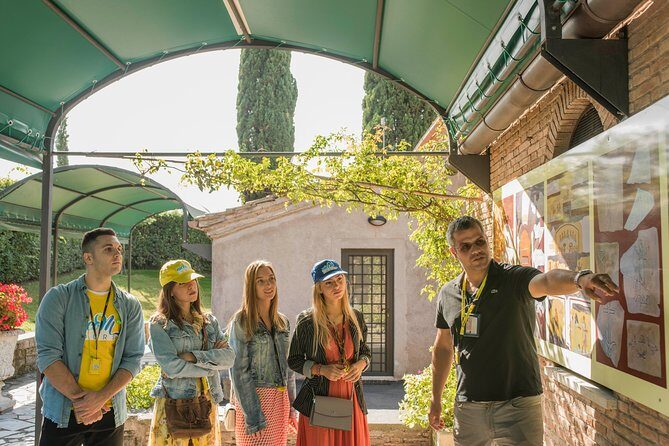
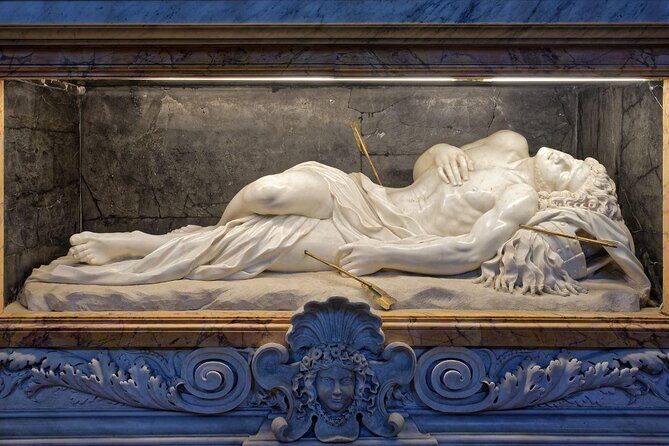
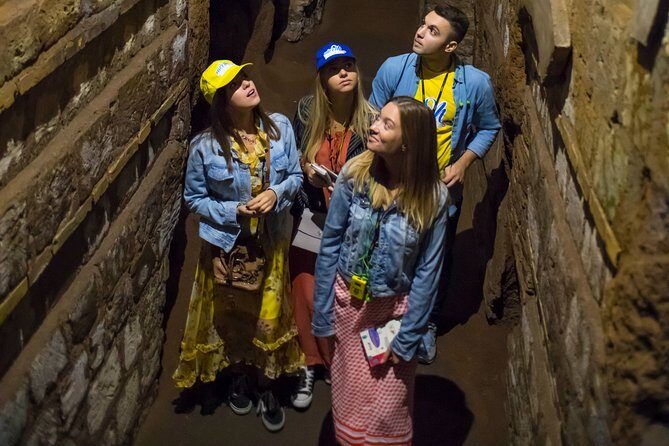
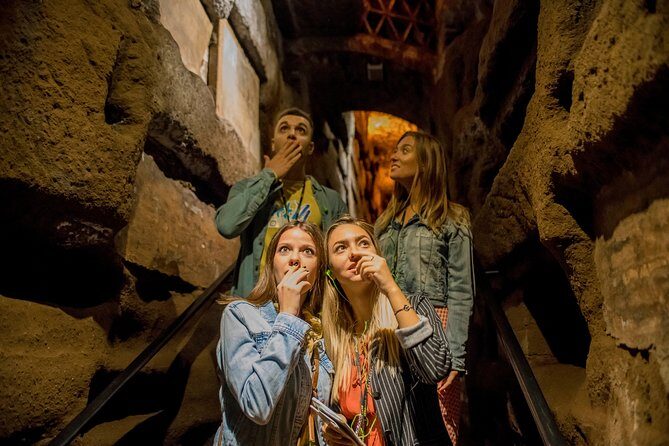
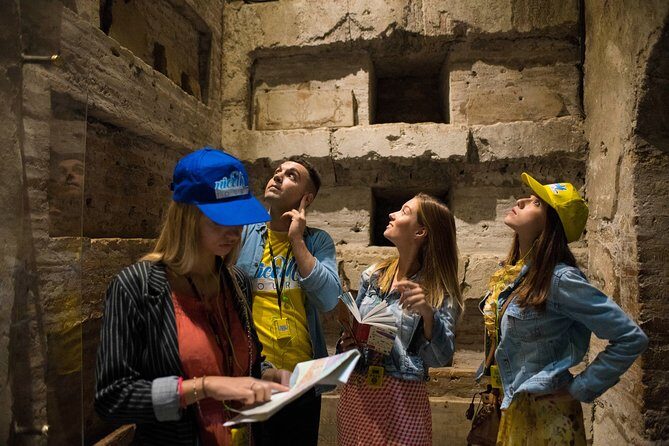
The catacombs are where the tour earns its name, and they’re more than a quick hallway stop. You’ll visit the Catacombs of San Callisto, one of the largest and most important underground Christian cemeteries in Italy. This site is known for a massive burial history—around 500,000 Christians—plus the presence of martyrs and popes.
Expect an underground experience that’s guided and structured, not chaotic. The catacomb portion runs about 1 hour with admission included. The guide walks you through the burial process and the spaces used for early Christian internments, and you’ll also see major areas tied to key figures—like the crypt of St. Cecilia and the Crypt of the Popes.
A good heads-up from how people describe this tour: don’t plan on seeing lots of exposed bones. What you’re really there for is the layout, the storytelling, and the symbolism carved into burial spaces. If you feel anxious about being underground, note that guide support can matter—one key benefit of having a live guide is that they can help you feel steadier in the tunnels.
The dress code is non-negotiable
To enter the catacombs, you must cover both shoulders and knees (for men and women). It’s enforced strictly, and you can be refused entry if you don’t meet it. This is the single most important pre-trip detail for this tour, so plan your outfit with the catacomb rules first.
If you’re visiting in warmer months, think lightweight layers you can remove outside later—but keep what you need on until you’re through the entrance.
Circus of Maxentius and the countryside bus window: how the scenery break works
After the catacombs, you’ll continue through the Roman countryside by vehicle. One named pass-by includes the Circus of Maxentius, a well-preserved ancient structure that you’ll see in Caffarella Park.
This part of the day isn’t a long “museum stop.” It’s more like a scenery reset. The countryside views give your brain a breather after the underground portion. It’s also part of why this tour suits people who want Rome without feeling stuck in nonstop historical rooms.
If you’re the sort of traveler who likes photos, use this segment to grab quick shots. The lighting and open space make it easy to capture the sense of leaving the city behind.
You can also read our reviews of more tours and experiences in Rome





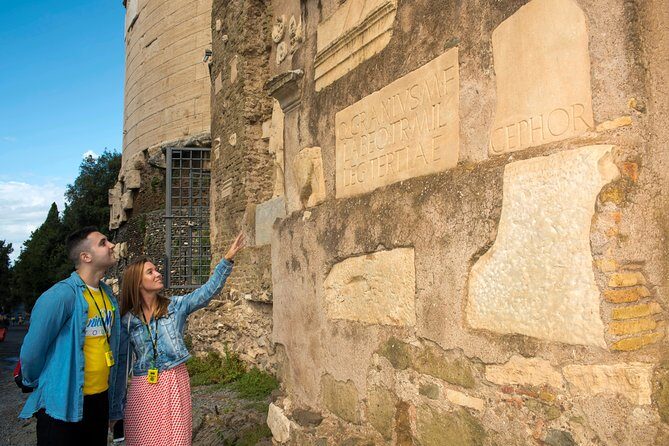
Cecilia Metella’s Mausoleum and the Appian Way walk: where the road becomes a landmark
Next you’ll visit the Mausoleum of Cecilia Metella, linked with the Parco Archeologico dell’Appia Antica. This is an external stop (you’re not going inside), but it’s a strong “Roman monument on a hill” moment. The guide sets the context so you understand why this monumental tomb sits where it does, and you get about 30 minutes here.
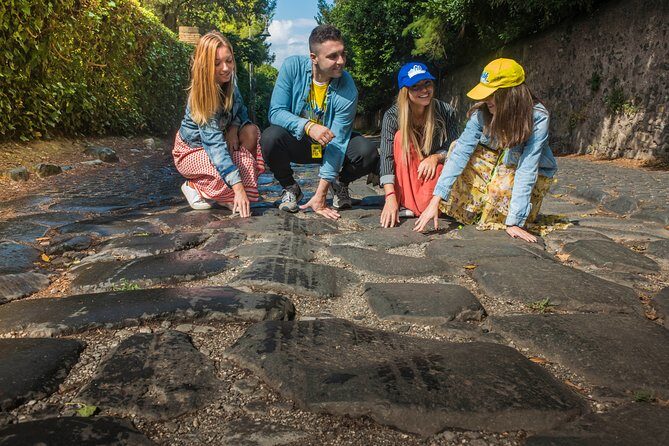
Then comes the star walking segment: Via Appia Antica (Appian Way). This is one of the oldest and most significant streets in the world, often called the Queen of Roads. Romans used it as a major route connecting Rome to Brindisi, and it served long-distance trade paths toward Greece and the East.
You’ll have about 30 minutes to walk the Appian Way with your guide. That walk is the sweet spot for most people: long enough to feel like you’re on a real historic route, but not so long that you feel wrecked before aqueduct viewing.
What you’ll notice on the Appian Way
The guide’s framing makes a big difference here. You’ll likely start to see the road not just as a photo backdrop, but as part of Roman logistics: movement, control, and access. Even if you only walk a short stretch, the scale and age of the paving helps the story land.
If it’s sunny, this is also where you’ll feel it. Reviews for this tour mention being in the sun for a long stretch—so plan for sun protection and water, even if you only think of it as a “short walk.”
The Roman aqueduct remains: engineering you can still feel
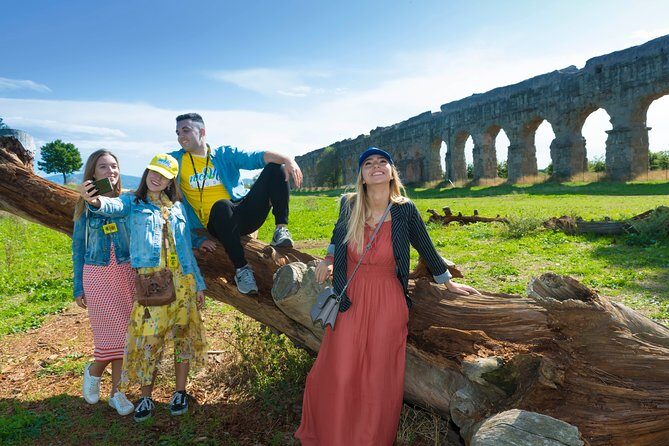
After the Appian Way, the tour includes time at the remains of an ancient Roman aqueduct. The wow-factor here is engineering. You’re not just looking at stones—you’re seeing how Roman designers moved water over distance to support the city.
A key point: the guide explains why this area was chosen for aqueduct construction. That context helps you connect what you’re seeing (arches, water channels, structures) with what it made possible (reliable water supply). You’ll also get time for photos before heading back toward Rome.
A note on expectations: aqueduct ruins aren’t a single “perfect postcard spot.” You’re usually looking at partial remains and the surrounding area. That’s fine, as long as you show up ready to appreciate engineering patterns rather than expecting a complete, intact structure like a modern bridge.
Comfort, walking time, and what to bring (so the day stays fun)
This is labeled as a half-day tour with a moderate physical fitness level. The catacombs involve walking inside underground tunnels, and the day includes outdoor stretches on the Appian Way plus countryside walking/photo moments.
Here’s what I’d plan for, based on what people describe:
- Sturdy, grippy shoes (stone + steps + underground surfaces)
- Sun protection if the forecast is bright (reviews mention sun time)
- A layer for the catacombs if you run cold underground
- Your shoulders/knees covered outfit that still feels breathable
- Water and a small snack, since food and drinks are not included unless specified
Also, if you asked for it, headsets are available on request. In busy areas like catacombs, audio clarity can make or break the experience, so be sure you can hear the guide well once you’re underground and at the outdoor stops.
One more comfort note: some departures can involve more than one vehicle. If your group is split, don’t panic—just stick with your assigned guide and confirm the meeting plan before you wander off.
Value for $78.44: what you’re paying for, and what you get back
At $78.44 per person for about 3 hours, the value comes from the bundle. You’re paying for:
- a professional guide
- catacombs admission (not just “we’ll stand outside”)
- bus transfer out of central Rome
- headsets if needed
For a first-time visitor, the biggest value is time and confidence. Rome is easy to over-plan and hard to get right if you try to DIY the out-of-town pieces. This tour solves the transit friction and gives you interpretive context in the catacombs and on the Appian Way.
Is it pricey? It’s not bargain-basement. But when you price out guide time + catacomb entry + round-trip transport, the math starts to make sense—especially if you want the day to feel guided instead of stressful.
Which kind of traveler should book this tour
This tour fits best if you:
- want Roman history beyond the city center
- like the mix of underground burial history + above-ground monuments
- prefer structured walking with a guide telling you what matters
- enjoy aqueduct engineering as a “how did they do that” topic
It can work well for teens too; guides are often praised for keeping the narration engaging. Families may also find it helpful because the pace is broken into manageable pieces, though the catacomb portion means you should plan for kid attention spans and steps.
If you’re someone who hates crowds, note that catacombs can get busy. The good news is that the guide experience helps you keep moving through the important parts without getting lost.
Should you book this Catacombs and Roman Countryside half-day?
I’d book it if your ideal Rome morning sounds like this: ride out along the Appian Way, see the San Callisto catacombs with real context, then add aqueduct engineering and countryside monuments before lunch.
Skip it (or at least rethink it) if you’re looking for a mostly scenic, no-walking nature trip, or if the catacomb dress rule will be hard for you to meet quickly. Also be honest about your comfort with underground spaces—plan your clothes and your mindset, and choose this tour with that in view.
If you want an efficient, meaningful half-day that gets you out of the Rome grid and into Roman roots, this one is a strong pick.