REVIEW · POMPEII
Ancient Pompei in the afternoon
Book on Viator →Operated by Glauco Messina · Bookable on Viator
Pompeii after the morning rush is a smart move, and this tour is built for exactly that. I like the small group setup, and I really like having an expert guide who can explain what you’re seeing in plain language, not just recite dates.
The biggest plus is timing. You’ll walk through major ruins when it’s often less crowded and the temperature is usually easier on you, which makes the whole experience feel more human. One thing to keep in mind: Pompeii admission tickets are not included, so you’ll need to plan that step alongside the tour.
In This Review
- What you’ll love—and what to plan for
- Key highlights at a glance
- Why an afternoon Ancient Pompeii visit changes everything
- Small-group pacing with Glauco Messina in English
- Price and value: what $254.07 per group really means
- Meeting at Piazza Immacolata and ending at Porta Marina
- The Pompeii Archaeological Park route: Gymnasium, Amphitheater, and Via dell’Abbondanza
- Gymnasium: the city’s built-for-public space
- Amphitheater: learning by contrast
- Via dell’Abbondanza (Abundance road): the street you can picture
- A quick realism note
- Tavern, Thermopolium, and the Public Spa: daily life in ruins
- Tavern: social space, not just walls
- Thermopolium: quick food and fast stops
- Public Spa: the routines behind the ruins
- Ending near the Forum: how to read the last stretch
- How the afternoon schedule helps your photos and your feet
- What to pack and how to stay comfortable
- Who this guided afternoon Pompeii tour is best for
- Should you book this Ancient Pompeii afternoon tour?
- FAQ
- What time does the Pompeii afternoon tour start?
- How long is the tour?
- Where do I meet the guide?
- Where does the tour end?
- Is the guided tour included in the price?
- Are Pompeii admission tickets included?
- What group size should I expect?
- What language is the tour offered in?
- Is free cancellation available?
What you’ll love—and what to plan for
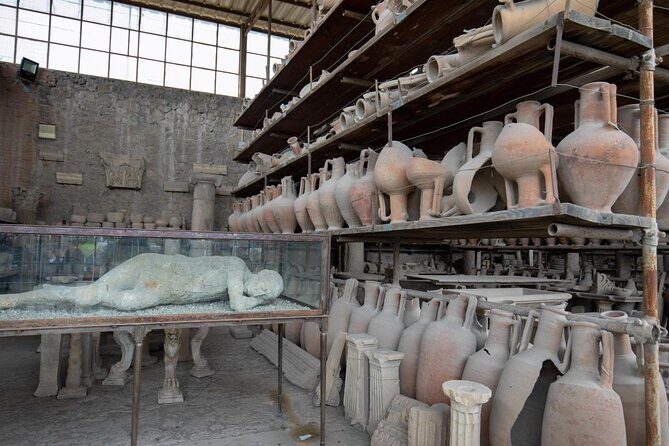
This is a guided walk through Pompeii’s best-known areas, with time concentrated around major stops like the Gymnasium, Amphitheater, Via dell’Abbondanza (Abundance road), and the Forum. It’s also flexible enough that a guide like Glauco Messina can tailor the explanations so kids and teens stay interested too.
The possible drawback is logistical, not fun-killing: your tour ends at Piazza Porta Marina, so you’ll want to map how you’ll get back from there after the walk.
Key highlights at a glance
- Afternoon timing means fewer crowds and more comfortable walking conditions
- Max 10 people keeps questions possible and attention focused
- Glauco Messina leads in English, with explanations suited to different interests
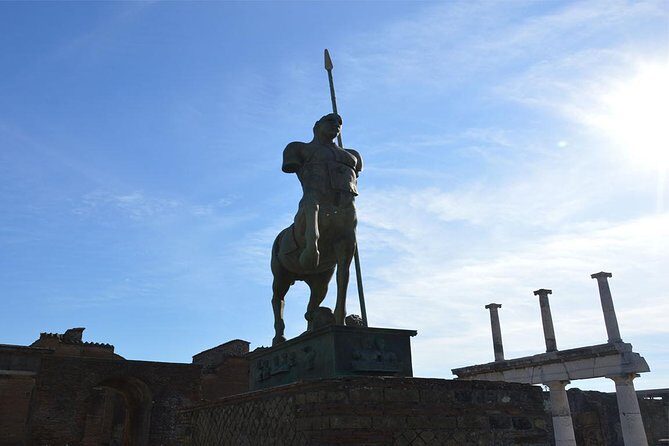
- You’ll see major Pompeii landmarks in one guided loop, from Gymnasium to Forum
- Tickets are separate, so factor that into your planning
You can also read our reviews of more tours and experiences in Pompeii.

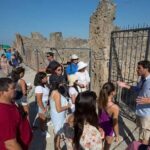
Why an afternoon Ancient Pompeii visit changes everything
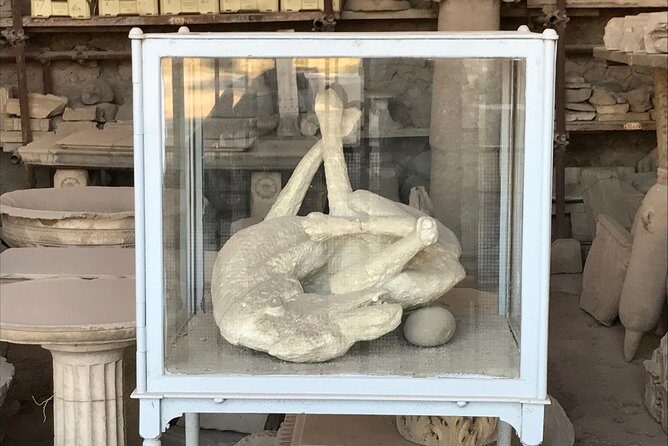
Pompeii is famous for a reason, but the classic mistake is arriving when everyone else does. Going in the afternoon shifts the vibe fast. You’re still looking at the same excavated streets and buildings, yet the ruins feel less like a crowd-control puzzle and more like a real place you can move through.
I also love how the day’s heat can work in your favor. In the afternoon, it’s commonly easier to walk without feeling totally baked, and that matters at Pompeii where you’ll spend real time on foot. One review even pointed out a later-afternoon start (around 4:30) as noticeably cooler and calmer, which matches the general logic of touring later rather than earlier.
Another big win is your brain. Morning crowds can make you rush, photograph, repeat, and leave still wondering what you just saw. With a calmer schedule, you get time to actually connect the buildings to the idea of how the city functioned and what happened to it.
Small-group pacing with Glauco Messina in English
This is a small-group guided tour with a maximum of 10 travelers. That cap is more than a number. It changes the experience in practical ways: you’re not stuck at the back of a line, and you’re more likely to get answers that fit what you care about.
The guide listed for this experience is Glauco Messina, and the standout pattern from the feedback is engagement. People noted that he kept kids and teens focused, and that the facts and descriptions were tailored to the group’s interests. That’s the difference between a guide who performs and a guide who teaches.
The tour is offered in English, so you’ll have a smoother time following details as you move from site to site. And since the experience is near public transportation, you’re less dependent on a taxi to get you to Piazza Immacolata.
Price and value: what $254.07 per group really means
The price is $254.07 per group (up to 8). That structure can be great value if you’re traveling with others and splitting the group cost. In the best case—when you fill close to the cap—your per-person share drops a lot compared with solo-priced tours.
Just don’t mix up what’s included. The tour includes the guided tour, but admission tickets are not included. So the real cost is the tour fee plus whatever Pompeii admission you purchase separately. If you’re price-checking, make sure you add those tickets into the same comparison.
Also, think about what you’re buying: not just access to ruins, but time with a guide who helps you interpret what you’re looking at while the city is calmer. For many people, that interpretation is the difference between seeing buildings and understanding the place.
Meeting at Piazza Immacolata and ending at Porta Marina
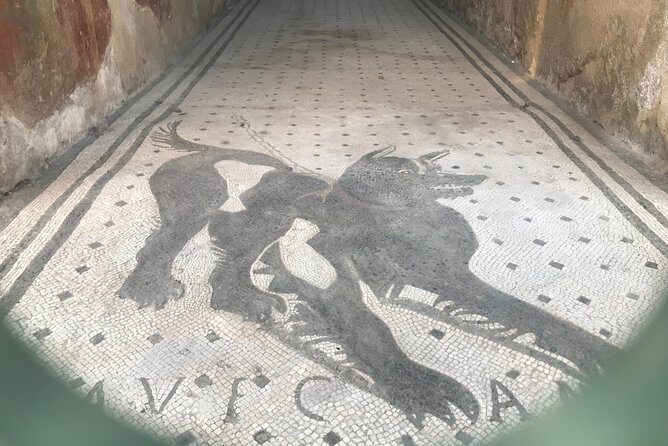
This starts at Piazza Immacolata, 80045 Pompei NA, Italy. The ticket redemption point is listed at the same place, and the tour begins at 3:30 pm.
You’ll finish at Piazza Porta Marina, 80045 Pompei NA, Italy. That matters more than it sounds. If you’re planning a late dinner, a taxi, or connections onward, you’ll want to account for the fact that you’re not returning to the exact same spot.
A practical tip: arriving a few minutes early helps you get organized without stress. It’s also the easiest way to make sure you’re ready to follow the guide the moment the group starts moving.
The Pompeii Archaeological Park route: Gymnasium, Amphitheater, and Via dell’Abbondanza
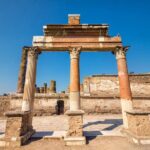
Most of what you’ll do happens inside the Pompeii Archaeological Park, guided by your route through several landmark areas. The stops listed include the Gymnasium, Amphitheater, and the Abundance road (Via dell’Abbondanza), plus a mix of everyday-life spaces.
Gymnasium: the city’s built-for-public space
The Gymnasium is a strong opening because it gives you a sense of how Pompeii structured public activity. When you start here, the place stops being a random set of ruins and becomes a layout you can follow. You’ll likely get context from the guide about what this area represented and how it fits into the city’s overall rhythm.
Amphitheater: learning by contrast
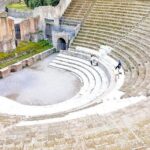
Then you move to the Amphitheater. This works well because it’s visually dramatic even before you understand anything. A guide explanation turns that view into meaning—why this kind of space mattered and what people would have associated with it.
Via dell’Abbondanza (Abundance road): the street you can picture
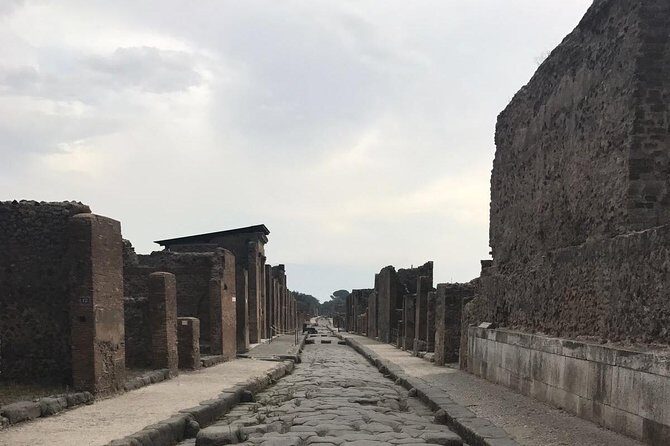
Next is the Abundance road area, which is the kind of street stop that makes the whole site click. Streets connect everything. When you’re walking a main road zone, you naturally start to map where daily life might have happened, where people gathered, and how buildings relate to movement through the city.
A quick realism note
You’ll want to keep expectations flexible. Pompeii is outdoors, and surfaces can be uneven. Even if the walk is well-paced, you’ll still be moving through a historical site with plenty of steps and changing ground. Comfortable walking shoes aren’t optional—they’re just smart.
Tavern, Thermopolium, and the Public Spa: daily life in ruins
After the big public structures, the tour shifts toward what you might call daily-life stops: the Tavern, Thermopolium, and Public Spa.
This part of the route is where the guided approach really earns its keep. Ruins can look similar from a distance. But when you’re standing in the right place—at a tavern-type spot, a food-counter-type spot, or a bathing-related area—you start to understand how people used spaces for routine, not just spectacle.
Tavern: social space, not just walls
At the tavern stop, you’ll likely get explanations that help you picture social time. The value here is that it breaks up the monumental sites and brings you back to human-scale settings. It’s also a good reset if the morning crowds (or the walking itself) left you feeling a bit mentally overloaded.
Thermopolium: quick food and fast stops
The Thermopolium stop is one of those names you’ll remember because it signals something specific: a place for quick meals and everyday service. Even without getting too technical, the guide helps you connect the physical remains to how a city fed people.
Public Spa: the routines behind the ruins
Then comes the Public Spa. This is another stop that helps you understand the daily structure of Pompeii. Spas and baths were part of how people passed time, cleaned up, and socialized. A good guide explanation helps you see the site as a working environment rather than a museum layout.
Ending near the Forum: how to read the last stretch
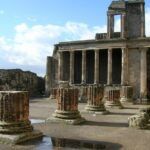
The route includes the Forum, which is an ideal closing stop because it gives the visit a clear storyline arc. After seeing public and daily-life spaces, the Forum helps you re-anchor the city around civic life—where people would have looked for announcements, gatherings, and central activity.
When you arrive at the Forum area, you’ll get the feeling that everything you saw earlier connects. Even if you’re not a history expert, this is where you start building a mental map: public buildings, everyday services, main streets, and the spaces where community life gathered.
I like ending here for one simple reason: it’s easier to remember. The Forum is recognizable in your mind, so your photos and your memories line up with the explanation you heard along the way.
How the afternoon schedule helps your photos and your feet
There’s a reason people talk about afternoon Pompeii like it’s a cheat code. It’s not magic. It’s timing.
With fewer crowds, you can step back when you need to. You can look longer at details without someone constantly squeezing past. And you’re less likely to feel like you’re being dragged through stops at a sprint.
From a practical standpoint, that can also mean fewer headaches. Your legs and attention do better when you’re not constantly bracing around bottlenecks.
One more practical note: this tour is guided and paced for a small group, so you’re not wandering alone trying to make sense of signage. That reduces decision fatigue, which is a real thing at big sites.
What to pack and how to stay comfortable
Pompeii in the afternoon usually means sun and walking. So think in basics:
- Comfortable shoes for uneven ground
- Sunscreen and a hat for exposed sections
- Water so you don’t ration too early
Since admission tickets aren’t included, also plan to have your ticket situation handled in advance. If you’re arriving later in the day, being organized keeps you from losing time at the start.
Who this guided afternoon Pompeii tour is best for
This fits best if you want a guided experience with breathing room.
It’s especially good for:
- Families with kids or teens, because the guide approach aims to keep younger people engaged
- Small groups who want a more intimate experience instead of a huge crowd
- People who prefer Pompeii when it’s less crowded and cooler
- Anyone who wants to focus on key named areas like the Gymnasium, Amphitheater, Via dell’Abbondanza, Thermopolium, and Forum
If you already know Pompeii extremely well and want to self-tour at your own pace, this might feel structured. But if you want help connecting the dots while you walk, the guided format is exactly the point.
Should you book this Ancient Pompeii afternoon tour?
I’d book it if your priority is a guided walk through Pompeii’s big areas without the morning crush. The small group size and the guide’s ability to keep younger minds engaged are real selling points, not fluff. Plus, afternoon timing tends to make the site feel more comfortable to experience.
I’d pause before booking if you’re trying to keep costs razor-thin, because the Pompeii admission isn’t included and you’ll have a separate ticket expense. Also, if ending at Piazza Porta Marina complicates your evening plans, you may want to plan transportation ahead.
If you want a calm, guided Pompeii experience with a guide named Glauco Messina, this afternoon option is a strong choice.
FAQ
What time does the Pompeii afternoon tour start?
The start time is 3:30 pm.
How long is the tour?
It runs for about 2 hours.
Where do I meet the guide?
You meet at Piazza Immacolata, 80045 Pompei NA, Italy.
Where does the tour end?
The tour ends at Piazza Porta Marina, 80045 Pompei NA, Italy.
Is the guided tour included in the price?
Yes, the guided tour is included.
Are Pompeii admission tickets included?
No. Admission tickets are not included.
What group size should I expect?
This experience has a maximum of 10 travelers.
What language is the tour offered in?
The tour is offered in English.
Is free cancellation available?
Yes. You can cancel for a full refund up to 24 hours before the experience’s start time.