REVIEW · POMPEII
Pompeii Private Tour with an Archaeologist Guide
Book on Viator →Operated by Askos Tours · Bookable on Viator
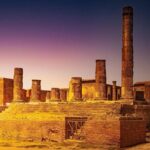
Pompeii is busy, but this tour keeps you moving. You get an archaeologist guide to connect the dots between buildings and daily life—without getting lost in the ruins maze. In about 2 hours, you’ll hit major highlights like the Forum area and the Stabian Baths, with your own private group’s pace.
I especially like two things: first, the guide’s undivided attention means you can ask questions as you go. Second, the route is built for “big impact” Pompeii—villas, theatres, baths, and key market/Forum spaces—so you come away with a clear sense of the city, not just random walls.
One drawback to plan for: Pompeii entrance can be a little confusing. The tour info says the park ticket is not included, even though one stop mentions admission included. My practical advice: confirm what you’ll pay on the day and have a little extra budget ready. Also, closed shoes help a lot on rough stone.
In This Review
- Key highlights at a glance
- Why an archaeologist guide changes Pompeii
- Tour flow: what happens from Porta Marina to the Forum area
- Stop-by-stop: what you’ll see and why it’s worth your time
- Stop 1: Archaeological Park of Pompeii (Porta Marina Superiore)
- Stop 2: Casa dei Vettii (House of the Vettii)
- Stop 3: Lupanar (a brothel site)
- Stop 4: House and Thermopolium of Vetutius Placidus
- Stop 5: Teatro Grande (Theater time, even if you’re short on it)
- Stop 6: House of the Faun
- Stop 7: Stabian Baths (Terme Stabiane)
- Stop 8: Via dell’Abbondanza (Street life on a grand scale)
- Stop 9: Forum Baths
- Stop 10: Macellum (market)
- Stop 11: House of Menander
- Stop 12: Granaries of the Forum
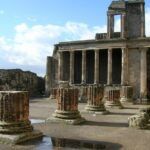
- Stop 13: Foro de Pompeya (the Forum)
- What you’re really buying with the $178.45 price
- Crowd management and pace: the difference between seeing and absorbing
- What to bring and how to set yourself up for a great walk
- Who this Pompeii tour fits best
- Should you book this Pompeii private tour?
- FAQ
- How long is the Pompeii private tour with an archaeologist guide?
- Is this tour really private?
- Where do we meet the guide?
- What sights are included on the route?
- Is the tour in English?
- Do I need to buy the Pompeii entrance ticket?
- What’s the best footwear to wear?
Key highlights at a glance
- Archaeologist-led private tour: your group stays together for the full ~2 hours
- Crowd-smart routing: the guide helps you keep time and attention where it matters most
- Covers Pompeii’s “greatest hits”: Forum area, baths, markets, and signature houses
- Q&A friendly: you can stop and ask questions without feeling rushed
- Street-level Roman life: routes include Via dell’Abbondanza and thermopolium/market spaces
- Comfort options built in: private format makes it easier to slow down if you need to
Why an archaeologist guide changes Pompeii
Pompeii is not hard to visit. It’s hard to understand fast.
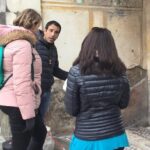
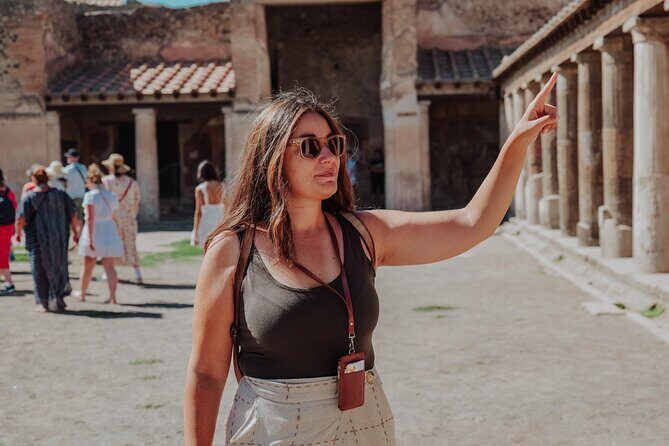
With a regular walk-through, it’s easy to stare at a doorway, read a sign, and still feel like you’re looking at fragments. A good archaeologist guide turns those fragments into a story you can follow. They point out what’s original, what was restored, what people likely did in each room, and how the city was laid out day-to-day.
This private setup matters more than you might think. Many people arrive hoping to “see everything,” then realize the site is huge and everyone moves at once. Here, you’re not competing with a group schedule. The guide can answer your questions in real time and adjust the pace when you pause to look closer.
You can also read our reviews of more guided tours in Pompeii

Tour flow: what happens from Porta Marina to the Forum area
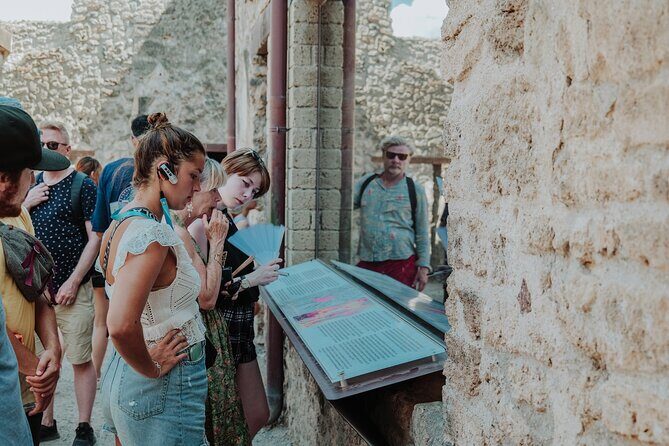
You start with the guide meeting you at the main entrance of the archaeological site, Porta Marina Superiore. The guide holds an Askos Tours sign so it’s easier to spot. The meeting location on the ground is listed at Via Villa dei Misteri, 1, 80045 Pompei NA, and the tour ends at the same place, with the guide able to help you figure out how to get back or the closest train station.
The walking route is staged to keep variety high in a short time window. Stops are mostly timed in chunks (often around 5–10 minutes), which is why a guide helps: they keep each stop meaningful instead of letting the visit turn into a speed-walk with no context.
A nice bonus for families shows up in the way guides run this format. Several guides on this route are reported as great with kids, keeping attention from drifting while still teaching the important stuff.
Stop-by-stop: what you’ll see and why it’s worth your time
Stop 1: Archaeological Park of Pompeii (Porta Marina Superiore)
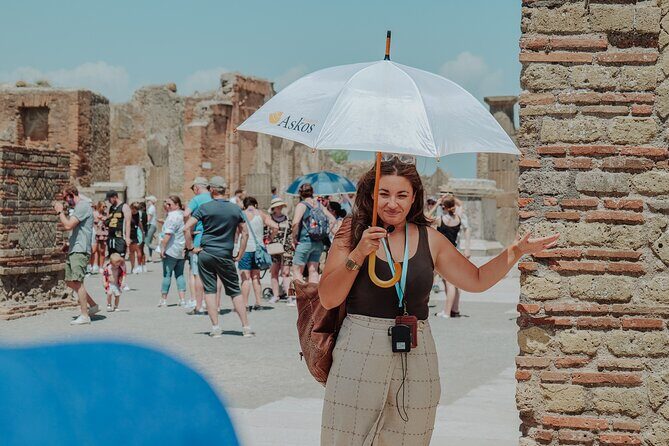
This is your entry point and orientation. You’ll get started at the main gate area, and the guide sets the mental map right away. Think of this as your “how to read Pompeii” moment—where the city sits, what areas you’re about to see, and what details to watch for as you move deeper.
Practical note on tickets: the tour description includes mixed signals about the Pompeii entrance ticket. The itinerary text mentions admission in relation to the first stop, while the tour’s overall inclusions say Pompeii entrance ticket is not included. Before you go, I’d confirm by message what you must pay on arrival. Bring a card if possible, and don’t assume the tour price automatically covers your park ticket.
Stop 2: Casa dei Vettii (House of the Vettii)
Next up is a well-known house linked to a wealthy family. In a short tour, this is a smart pick because a “house stop” gives you the biggest payoff: you get a feel for Roman home life without needing to wander for hours.
In homes like this, a guide typically helps you connect artwork, layout, and everyday routines. Even if you’ve seen Pompeii photos before, seeing the proportions in person is the difference between knowing facts and understanding living spaces.
You can also read our reviews of more private tours in Pompeii


Stop 3: Lupanar (a brothel site)
A stop at the Lupanar gives you another side of Pompeii—business, entertainment, and the uncomfortable realism of how people lived. This is exactly the kind of place where a guide helps you avoid modern assumptions and instead focus on what the evidence suggests about the setting and how it functioned.
It can also be a good reality check that Pompeii wasn’t just villas and temples. It was a working city.
Stop 4: House and Thermopolium of Vetutius Placidus
This stop mixes two key parts of urban life: a home space plus a thermopolium—a type of Roman hot-food/refreshment counter. Even in a brief visit, you can usually get a clear picture of how “grab-and-go” culture existed long before modern convenience stores.
A guide’s role here is to explain what you’re looking at and why it matters. Otherwise, these counters can look like random stone boxes. With context, they become social hubs: a place to eat, talk, and pass time.
Stop 5: Teatro Grande (Theater time, even if you’re short on it)
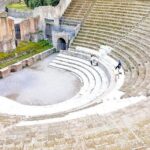
You get a quick look at the theatres of Pompeii, including the Teatro Grande. In only a few minutes, you’re not meant to memorize architecture. You’re meant to register the idea: Pompeii had entertainment culture built into its public life.
A theatre stop also helps you imagine gatherings—how crowds moved and why certain areas were important meeting points.
Stop 6: House of the Faun
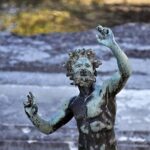
The House of the Faun is a big-name Pompeii house, and that’s for a reason. A guide can use it to explain how Roman wealth showed up in design and decoration—without turning it into a textbook.
If you like stepping from one scale to another, this is a nice contrast: from commercial life (thermopolium/brothel) to elite domestic spaces.
Stop 7: Stabian Baths (Terme Stabiane)
The Stabian Baths are one of the most memorable “Pompeii engines.” Baths weren’t just about washing—they were about meeting people, resting, and doing daily routine together.
This stop is also a good one to appreciate with a guide because you’ll learn how different rooms relate to temperature and movement. The guide helps you read the layout, so you’re not just walking through a ruin and guessing what happened where.
Stop 8: Via dell’Abbondanza (Street life on a grand scale)
Now you walk along the famous Via dell’Abbondanza. This is where Pompeii starts to feel like a city again, not just a museum of structures.
On a private route, the walking segment is often more useful than people expect. It’s the corridor where you can spot how businesses and homes relate. A guide also helps you keep your bearings and understand why the street matters to the city’s flow.
Stop 9: Forum Baths
The Forum Baths continue the theme of civic routine. The Forum isn’t only about politics or big meetings—it also had everyday systems attached, including bath spaces.
This stop gives you another “read the layout” moment. With a guide, even a short look helps you understand the purpose of adjacent areas.
Stop 10: Macellum (market)
The Macellum is Pompeii’s market hub. You’ll get a look at the market area that would have drawn people for food and daily business.
A good guide will connect the physical space to the rhythm of the city: when people might come, how stalls could have worked, and how markets shaped neighborhood life.
Stop 11: House of Menander
Another elite home, this one is useful for seeing continuity across wealthy houses: similar ideas of reception areas, decoration, and household structure.
Again, you’re not just “seeing a house.” You’re learning how Pompeii’s social classes played out in real architecture.
Stop 12: Granaries of the Forum
The granaries remind you that cities survive on logistics, not just art and speeches. Food storage and supply were vital, and these spaces help explain how Pompeii functioned as a real economy.
This is a stop I like for one reason: it shifts your focus from what’s pretty to what’s practical. And that makes Pompeii feel more honest.
Stop 13: Foro de Pompeya (the Forum)
You end at the Forum area. This is the big anchor stop where everything clicks: civic buildings, the social center, and the sense of public life that pulled residents together.
In only a couple hours, the guide’s job is to make you leave with a “map in your head.” The Forum stop is where that map gets firm.
What you’re really buying with the $178.45 price
At $178.45 per person for a private tour lasting about 2 hours, you’re paying for three things: time saved, high-value interpretation, and a guide who can steer you through a site that’s otherwise overwhelming.
If you’re the type who enjoys asking questions, the private format is usually worth it. The best guides on this route are described as people you want to keep talking to—guides like Rossana, Mena, Mimma, Paolo, Vito, and Michele show up in the provided information as examples of how strong the guide talent can be, with lots of passion and room for Q&A.
If you’re on a tight schedule and want major sights without chaos, this price can feel fair. If you’re flexible and you have time to self-tour slowly, you might decide to visit on your own and spend less. But if you want structure—and you want someone to explain what you’re seeing while you’re still standing in front of it—this is the kind of tour that pays off.
Crowd management and pace: the difference between seeing and absorbing
Pompeii is big. It’s also popular. Even with a private tour, you still move through the same outdoor spaces as everyone else.
This is where the guide’s tactics matter: reportedly, several guides manage the flow well and help you avoid the worst congestion when possible. The goal is simple: don’t waste time waiting in lines or losing your group. Instead, keep your “attention minutes” focused on the stops that teach you the most.
Also, private pace can be useful if you need to slow down. One account notes the guide helped accommodate someone who had a broken foot by reducing pace and finding seating/rest while continuing explanations. That’s not a guarantee for every day, but it’s a good sign of how adaptable the guide can be in a private format.
What to bring and how to set yourself up for a great walk
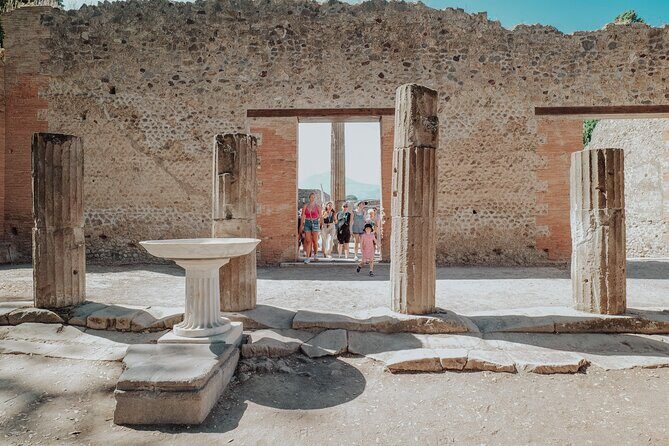
This tour is mostly walking through uneven ruins, so your comfort affects your enjoyment.
I strongly recommend closed shoes (skip flip-flops). The ruins can be tricky to navigate barefoot or in open sandals.
Beyond that, I’d bring:
- Sun protection (it’s an open-air site)
- Water
- A light layer (weather can shift fast)
- Your best question ideas, because a private archaeologist guide is built for dialogue
If you want photos, plan on taking them during short pauses. This tour format moves in purposeful sections, so long photo sessions can cut into interpretive time.
Who this Pompeii tour fits best
This private, archaeologist-led route is a good match if you:
- Want Pompeii highlights in a short visit
- Like learning the meaning behind what you see
- Prefer fewer people and more personal pacing
- Travel with teens/kids who need engaging explanations
- Want a guide to help you make sense of the city layout
It’s also a good option for couples and small groups who want the Forum-and-baths storyline rather than a purely random walk.
If you’re the type who loves spending half a day in one house complex and reading every sign, you may find two hours feels tight. Even with a guide, Pompeii is enormous.
Should you book this Pompeii private tour?
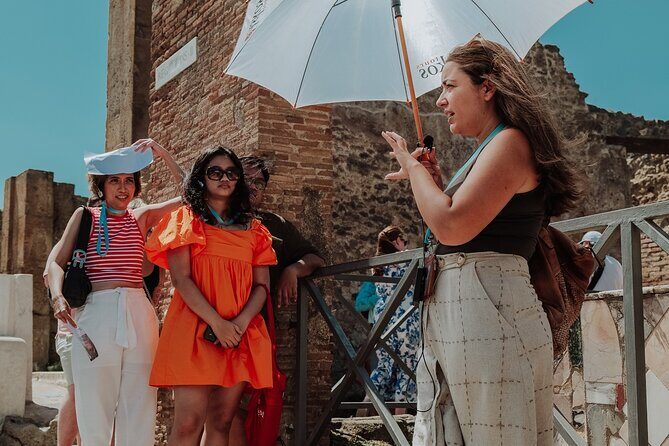
I’d book it if your priority is learning plus efficiency: you want to walk away with a real sense of how Pompeii worked—homes, markets, baths, streets, and the Forum—in about two hours.
I would double-check the ticket situation before you go, because the information around Pompeii entrance isn’t perfectly consistent. If you confirm what you pay on arrival, you’ll avoid a frustrating surprise.
If you’re okay with a faster pace and you want guided context, this is a solid value choice for Pompeii—especially on a first visit when you need a map and a translator for Roman life.
FAQ
How long is the Pompeii private tour with an archaeologist guide?
It runs for about 2 hours.
Is this tour really private?
Yes. It’s listed as a private tour/activity, and only your group participates.
Where do we meet the guide?
The start point is Via Villa dei Misteri, 1, 80045 Pompei NA, Italy. The guide meets you at the archaeological site main entrance called Porta Marina Superiore, holding an Askos Tours sign.
What sights are included on the route?
The itinerary includes Pompeii highlights such as Casa dei Vettii, the Lupanar, the House and Thermopolium of Vetutius Placidus, Teatro Grande, the House of the Faun, Stabian Baths, Via dell’Abbondanza, Forum Baths, the Macellum, the House of Menander, Granaries of the Forum, and the Foro de Pompeya.
Is the tour in English?
Yes, it’s offered in English.
Do I need to buy the Pompeii entrance ticket?
Pompeii entrance ticket is listed as not included, but the itinerary text also mentions admission related to the first stop. Confirm what you’ll need to pay when you book.
What’s the best footwear to wear?
Use closed shoes. The tour notes it can be difficult to walk through Pompeii ruins with open shoes like flip flops.