REVIEW · HIKING & TREKKING
Trekking Excursion History and Nature Necropolis of Norchia from Rome
Book on Viator →Operated by Back To Nature · Bookable on Viator
Norchia feels like a lost city. This trip takes you from Rome’s traffic and history posters into a quiet stretch of the Lazio hills, where Etruscan rock tombs sit in a landscape that looks almost abandoned. I love how the site mixes big drama—canyons, tombs, and a forested rise—with the sense that you’re seeing something real, not staged.
The second thing I love is the trail-time comfort: packed lunch with local tastes, plus water and wine, is handled by the guide so you don’t waste energy hunting for food. The one thing to plan for is the effort level: it’s about a 7km walk with stairs and uneven ground, so trekking shoes and weather-appropriate clothes are not optional.
In This Review
- Key highlights you’ll notice right away
- Why Norchia feels like a lost city
- The drive north: from Rome to the Tolfa countryside
- Arriving at Norchia: what the landscape is teaching you
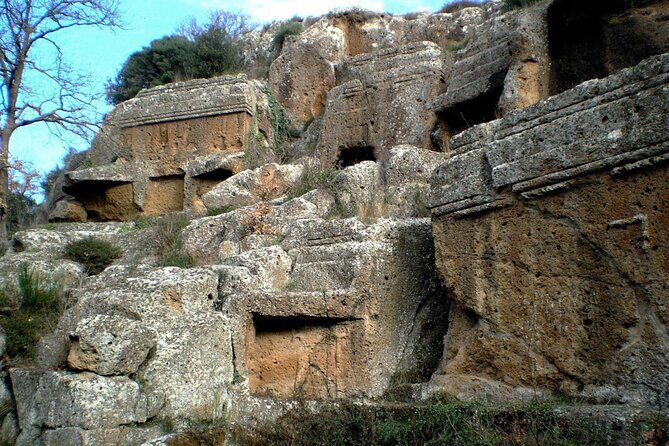
- Necropolis time: Etruscan tombs in the canyon world
- Acqualta river canyon: the workout you’ll be glad you did
- Climbing to the Etruscan-Roman acropolis and the Di Vico layer
- Via Clodia and Cava Buia: the road carved into tuff
- Lunch with local tastes: fuel that fits the day
- Timing and pacing: what 9 to 10 hours really means
- What you get for the price: $254.67 per person, and why it might be fair
- Who this trekking excursion fits best
- Should you book this Norchia trek?
- FAQ
- Is pickup in Rome included?
- How long is the excursion?
- How much walking is involved?
- What’s included in the ticket price?
- Do I need trekking shoes and outdoor clothing?
- Is this a private tour?
- What time does the tour start?
Key highlights you’ll notice right away
- Little Italian Petra vibes at Norchia, with Etruscan rock tombs cut into the landscape
- Acqualta river canyon descent and climb, giving you the best “workout + views” mix
- Via Clodia in tuff (400+ meters), explored along the route today called Cava Buia
- A medieval layer in the forest from the 12th-century Di Vico castle area
- Edoardo Expert’s archaeology explanations that make the tombs and paths click
Why Norchia feels like a lost city
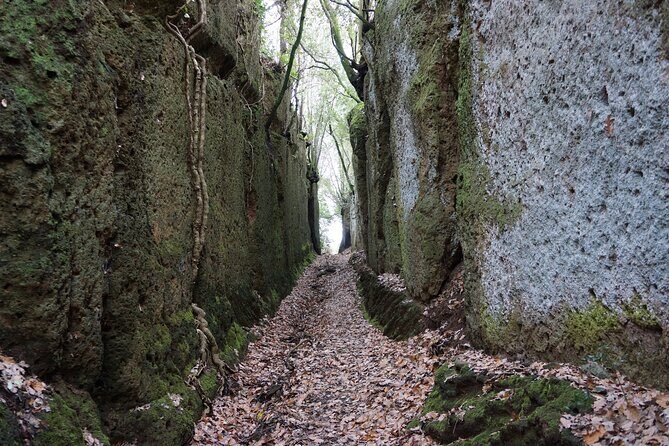
Norchia has the rare quality of feeling both grand and quietly abandoned. That comes from the setting: rock tombs made for the Etruscans, tucked into a canyon-and-woods world that doesn’t scream tourist circuit. You’ll hear Norchia described as the Little Italian Petra, and once you’re there, the comparison makes sense—carved stone, deep feeling, and a sense of place that predates everything around it.
What makes it memorable is the way the day is built around movement. You’re not doing a short stop with photos and then leaving. Instead, you descend into the canyon area linked to the Acqualta river, spend time among the necropolis, and then climb up toward the acropolis zone. Even if you’re not a hardcore history person, your body helps you understand the geography.
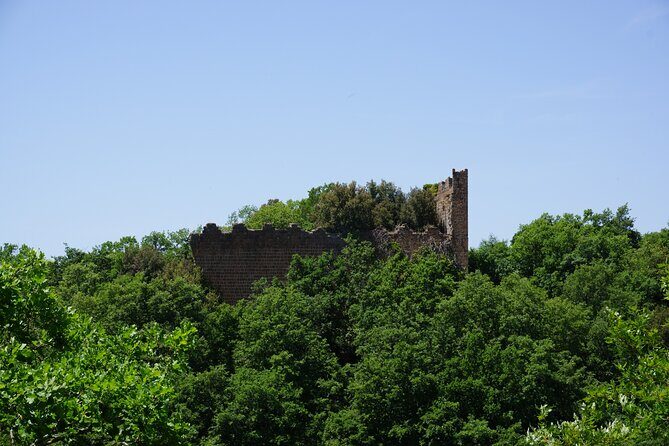
Norchia also layers eras. The Etruscans (the ancient Orclae/Norchia) were part of the wider Etruscan power network centered around Tarquinia (called Tarchna in ancient sources). Later, the site’s higher ground relates to the Di Vico castle area from the Middle Ages, with traces still protected by forest. That mix of tombs, city routes, and medieval remnants is why this feels like more than a single attraction.
You can also read our reviews of more historical tours in Rome

The drive north: from Rome to the Tolfa countryside
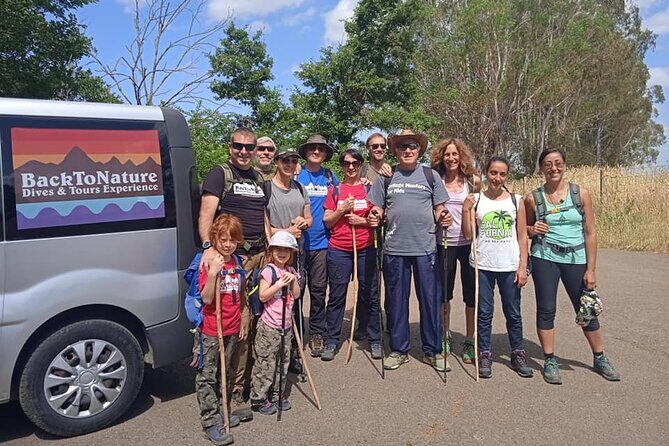
Before you ever hit the trail, you get a taste of how this region looks when you’re not stuck inside Rome. The day starts with pickup in Rome from one of the chosen meeting points. You’re then transferred in an 8-seater van to the start area.
The scenic part happens as you go north along Roman roadways and through coastal views:
- On the way, you travel along Via Aurelia, with stops that let you see stretches of the ancient road network between the Tolfa Mountains and the Lazio coast.
- You skirt the Monti della Tolfa (historically associated with Maremma Laziale), which gives you that hill-and-coast contrast.
- You pass Civitavecchia, the port city on the coast—useful if you like seeing the switch from Roman routes to modern maritime life.
- Finally, you reach Monte Romano before arriving at Norchia.
These are not long sightseeing breaks. They’re short pauses, more “glance and orient yourself” than “spend hours.” But that’s part of the value: by the time you reach Norchia, you’ve already shifted from city mode into countryside mode.
Arriving at Norchia: what the landscape is teaching you
Once you’re at the necropolis area, the tone changes fast. You go from a road full of views to a landscape where stone and vegetation share the stage. The site is wild and grand, and the feeling is that it’s not constantly trying to perform for you.
The necropolis walk begins with the descent concept—going down into the canyon corridor connected with the Acqualta river. Expect a route that feels more “trail” than “museum hallway.” This matters because Norchia’s tombs aren’t meant to be consumed like indoor exhibits. You need a bit of time, a bit of quiet, and some physical context to understand why the Etruscans chose these locations.
The guide-led approach is what helps most people connect the dots. One of the highlights from the guide style here is archaeology explanation that actually sticks. If your guide includes Edoardo Expert, you’ll appreciate how he frames the tombs and routes in plain language, with a rhythm that keeps you listening without turning it into a lecture. That combination—nature movement plus clear explanation—makes the “so what?” answers happen naturally.
Necropolis time: Etruscan tombs in the canyon world
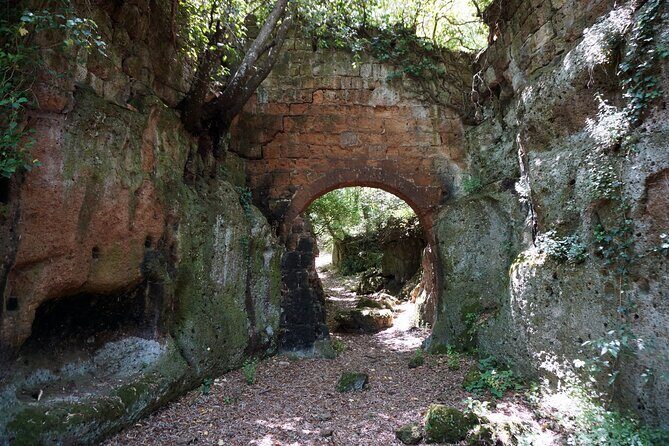
This is the heart of the day. You’ll spend about 6 hours at Norchia overall, with the necropolis exploration as the centerpiece.
Here’s what I’d focus on while you walk:
- Look for the rock-cut character of the tombs. They aren’t just stones in a field. They’re shaped for a purpose, and their placement makes you think about processions, paths, and community life.
- Pay attention to how the route channels you through the space. The terrain helps you understand why some areas feel reachable and others feel removed.
- Let the guide’s context connect the site to the broader Etruscan world tied to Tarquinia.
Norchia is often called a former rich city area, tied to Etruscan capital power. Even if you don’t memorize dates, you’ll feel the difference between an ordinary burial place and a planned necropolis. The setting reads as “designed by people who expected generations,” not something random.
A practical note: the site can feel remote. That’s part of its charm, but it also means you should manage your expectations. Come ready for a real outdoor walk and don’t plan on changing plans mid-day.
Acqualta river canyon: the workout you’ll be glad you did
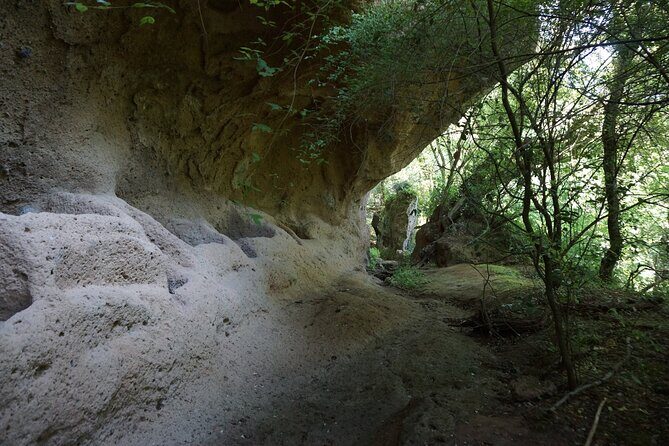
If you’re debating whether you’ll be okay with walking, take this part seriously. The day includes a 7km walk total, and that includes changes in elevation—down and up. The payoff is that the canyon descent gives you dramatic scale without needing “big view viewpoints.” You’re inside the space.
If you bring good trekking shoes, you’ll enjoy this more because you’ll stop thinking about your footing. If you don’t, you’ll spend too much attention on balance and not enough on what you’re actually seeing.
The canyon portion also sets up the later climb. When you reach higher zones, you’ll notice the shift: forest, different vantage, and the sense that the settlement and its routes lived across more than one kind of terrain.
You can also read our reviews of more hiking tours in Rome
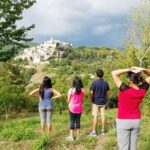
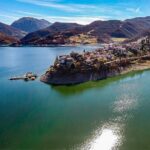
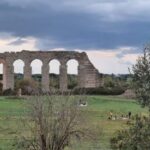

Climbing to the Etruscan-Roman acropolis and the Di Vico layer
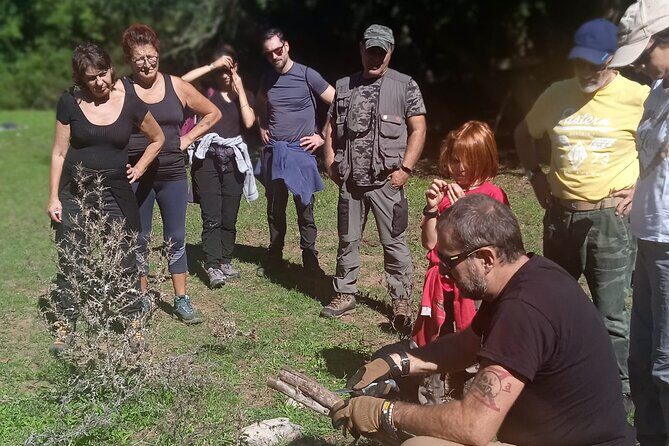
After the tombs and canyon movement, the route takes you up through woods toward the acropolis area. This is where the medieval layer becomes noticeable.
In the Middle Ages, the Di Vico castle occupied the acropolis zone (12th century AD). You’re not treating it like a polished castle visit. Instead, you’re reading traces in a forest environment. That’s a good thing, because it keeps the experience honest. You get the story without the theme-park finish.
The acropolis shift is also useful for perspective. Etruscan burial zones and elevated town areas don’t always feel connected when you visit sites separately. Here, the day’s design ties them together through walking.
Via Clodia and Cava Buia: the road carved into tuff
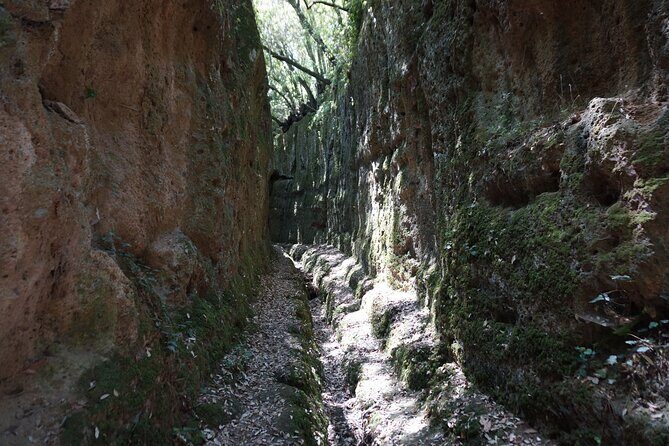
One of the most exciting parts for me is the chance to explore a historic route in a way that feels tangible. The city dominated the ancient Via Clodia, which was dug into tuff for more than 400 meters. Today, that section is called Cava Buia.
This matters because you don’t just see a road—you walk part of its physical logic. The tuff means the ground has been shaped by human effort. It’s not just “old stone.” It’s engineered travel space carved into the landscape.
If you like roads, route-making, or how people moved before highways, this section is where it all clicks. Even if you’re only half into Roman or Etruscan stuff, walking along a carved path gives you a clear mental picture fast.
The guide’s explanations help here too. The best tours don’t treat the route as a backdrop. They show you why a road like this mattered for trade, travel, and daily movement.
Lunch with local tastes: fuel that fits the day
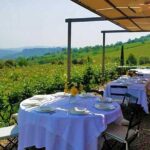
By the time you’re deep into a long walk, food matters more than you think. This excursion includes a packed lunch prepared by the guide with typical local products, plus water and wine. There’s also coffee and/or tea included.
This is a smart setup. A road trip day can turn into “eat whatever you find,” which wastes time and energy. Here, you get fuel that matches the pace. It’s also a social moment: you can settle, compare notes, and reset before the next segment of walking and exploring.
Bring an appetite for outdoor day energy. You’ll likely want to eat slowly and drink water steadily, especially if the weather is warm.
Timing and pacing: what 9 to 10 hours really means
The day runs about 9 to 10 hours total. That includes:
- pickup and van transfer out of Rome
- the scenic drive with short viewing moments
- the full Norchia exploration block (about 6 hours)
- the return to Rome or your pickup area
One key factor is that this isn’t a “sit and watch” tour. Even with breaks built in, you’re on your feet for a meaningful portion of the day. If you prefer frequent short rests, this can still work, but you should be realistic about the walking.
Also, since pickup points are selected and the pickup experience is included, you’ll want to plan to be punctual. When you’re doing a long-day itinerary, missing the first transfer usually snowballs into stress later.
What you get for the price: $254.67 per person, and why it might be fair
At $254.67 per person, this isn’t a bargain-basement outing. But it also isn’t just “a van ride and a couple photos.”
Here’s the value angle based on what’s included:
- transportation via a van (8-seater group format)
- a packed lunch with typical local products, plus water and wine
- coffee and/or tea
- entrance ticket to the archaeological site
- parking fees
- civil liability insurance
- a mobile ticket
- a private tour setup for your group only
For many people, the best value comes from the combination: you’re paying for access plus interpretation plus a full-day outdoor pacing, not just a transfer. The entrance ticket and guide-led structure alone can make the day feel more worthwhile than DIY exploration where you’d still need to figure out logistics, transport, and what to prioritize at the site.
If you’re traveling with a small group, the private format can also feel more efficient than joining a large bus tour where you can’t ask questions or move at your comfort pace.
Who this trekking excursion fits best
This tour is a strong match if you:
- like outdoor walking as part of the sightseeing, not just as an add-on
- want Etruscan and medieval layers in one day
- enjoy learning that’s grounded in what you’re seeing while you walk
- appreciate lunch and drinks that are planned for the day’s effort level
It’s less ideal if you:
- hate uneven ground or steep-ish stretches
- expect a fully flat, casual stroll
- forgot to pack trekking shoes and outdoor clothes (and you don’t want to make do)
One more thing: the tour operator notes that most people can participate, but the terrain and required footwear mean you should honestly judge your walking ability before you go.
Should you book this Norchia trek?
I’d book this if you want a day that feels like a real field experience: stone tombs, forested climbs, a carved road route, and a guide who helps you understand what you’re looking at. Norchia’s “almost abandoned” mood is exactly what you come for, and the walking plan helps you experience that mood with context.
I’d skip it if you want a relaxed city-style tour or you’re not comfortable with the 7km distance. Also, if weather is unstable, take the operator’s weather requirement seriously—this is an outdoor site where good conditions make the difference between enjoying the day and just getting through it.
FAQ
Is pickup in Rome included?
Yes. The tour offers pickup from selected points in Rome, and then you transfer by van to the Norchia area.
How long is the excursion?
The experience lasts about 9 to 10 hours overall, with roughly 6 hours dedicated to the Norchia site.
How much walking is involved?
The walk totals about 7 km, and it includes changes in terrain as you descend and climb.
What’s included in the ticket price?
Entrance to the archaeological site, a packed lunch with typical local products, water and wine, coffee and/or tea, parking fees, and civil liability insurance are included.
Do I need trekking shoes and outdoor clothing?
Yes. Suitable outdoor clothing and trekking shoes are required, and they are not included.
Is this a private tour?
Yes. It’s private, meaning only your group participates.
What time does the tour start?
It starts at 8:00 am.